A Conversation with the Director of a Documentary on the Activism, Love Story of the Owners of a Famous Chicago Gay Bar
Meredith Francis
June 24, 2024
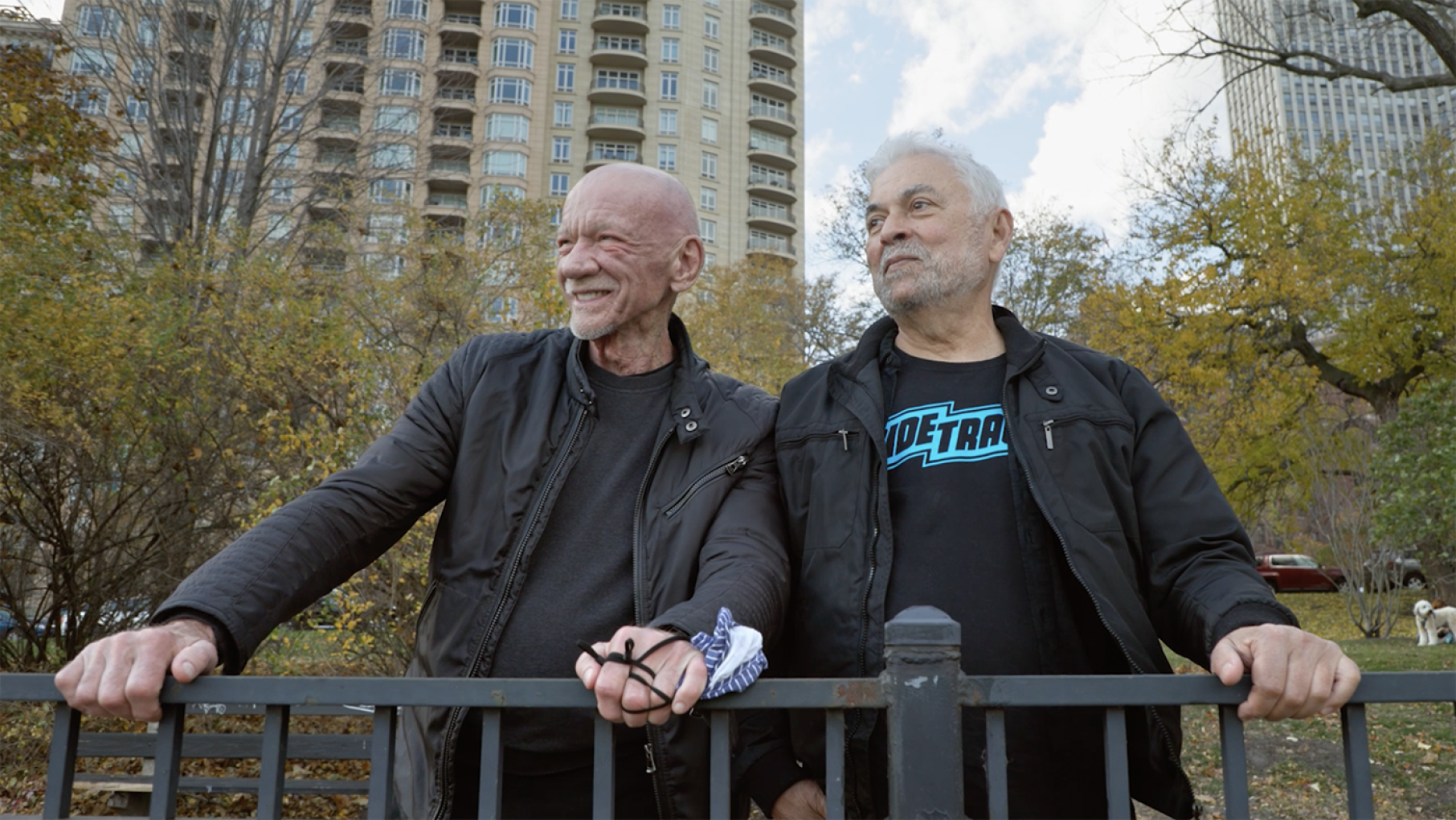
Art and Pep airs on Friday, June 28 at 8:00 pm on WTTW and is available to stream for Passport members.
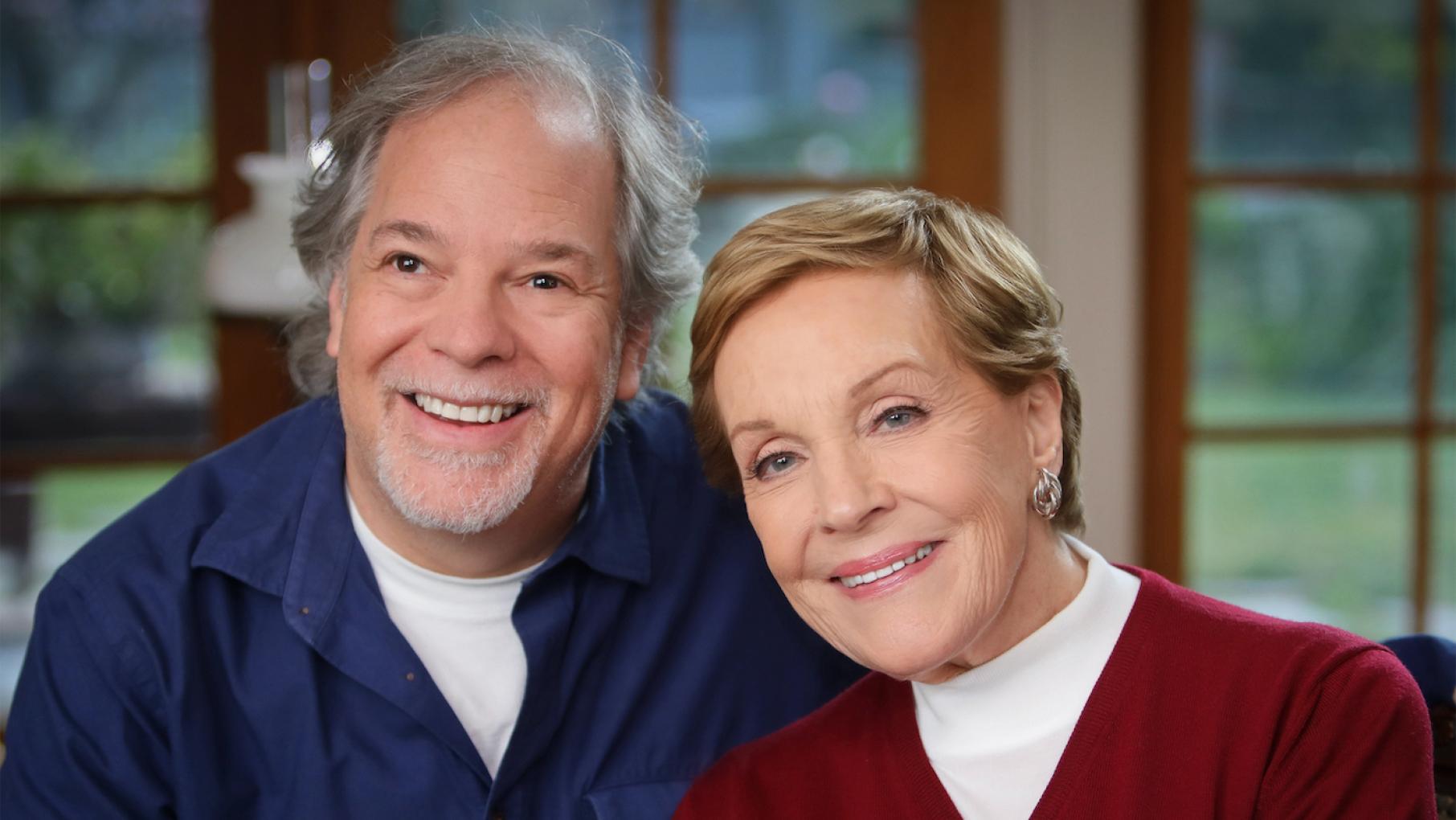
Before Chicago’s famous gay bar Sidetrack became the sprawling institution on North Halsted Street that it is today, it was a small, signless, 800-square-foot watering hole – a place where gay men could gather and be themselves. Partners Art Johnston and Pepe Peña opened the bar in 1982, and a documentary called Art and Pep, airing on WTTW on June 28, tells not only the story of the bar and its role as a center for LGBTQ activism, but the love story of the couple that first fell in love some 50 years ago.
WTTW spoke with the director and producer of the documentary, Mercedes Kane, about Art and Pep’s love story and their contributions to LGBTQ equality in Chicago.
This interview has been edited and condensed for clarity.
How did you first hear about Art Johnston and Pepe Peña, and what made you want to tell their story?
Our executive producer, Kevin Hauswirth, has known Art and Pep for a really long time. They’re all activists for the LGBTQ community in Chicago. I have worked with Kevin for many years. I was actually working on something else with him, and Art and Pep came up. He mentioned Sidetrack and the owners. I just moved to Atlanta three years ago, but I had lived in Chicago my entire life before that, so I, of course, knew Sidetrack. It’s such an institution in Chicago, but I never knew that there was this couple who owned it who had been together nearly 50 years. I did not realize that there was a beautiful love story behind Sidetrack and all of the activism that they had done, and these very Chicago ways of going about making change.
I thought, this is a story that needs to be told. [Hauswirth] said, “I don't know if they're going to be up for that. They’re pretty private. That’s probably why you’ve never known the story behind Sidetrack.” I was persistent, and he took me to their house and we sat down and I immediately fell in love with them, as most people do when they meet them. And I really fell in love with their love, because if you see them together, they care for each other so much, even after all these years. I think we just quickly bonded and they entrusted me with their story.
Speaking of that love story, you open the documentary with Art and Pep brushing their teeth together in their bathroom, and making an omelet for breakfast. It’s a quiet, intimate moment. Why start there?
They are well known, particularly in Chicago, in the Midwest. Art could be found behind a podium for many, many years, and lobbying in Springfield. And he really was one of the faces of the movement for LGBTQ rights in Illinois. But they had never opened their doors to their private, personal life before. In fact, they were so hesitant to let us film in any of that. It took us so long to get in there. We laugh about it now, but at the time they were like, “Why do you need that?”
We have this moment later on where we show them in bed together. And they really fought against that. And I said to them, “If we were making a film about a man and a woman, these moments would just naturally be in the film and no one thinks anything about that. And if we don’t have these intimate moments with you and this film, it will be a glaring hole.”
We need to show these moments. That’s the important part of doing a film like this – to show people the love you have. It was a quiet moment of their time now as a couple who’ve been together for 50 years. It shows them just as these regular two guys.
One of the interviewees in the documentary describes bars as the “anchors” of gay neighborhoods. Why were bars so important to gay communities in the ’70s and ’80s?
Back in those days, there weren’t really safe spaces for people to be out and proud and be LGBTQ. If bars were raided, they would publish the names of the people who were at the bars in the newspaper and people would lose their jobs. And that was in a safe space, right?
Art and Pep also talk about how bars at that time didn’t have windows. They were very closed and shrouded because they didn’t want anyone to be able to see in. They wanted a space where they could actually be open.
It’s interesting, in Sidetrack now – they have different rooms, it's such a huge bar – but they have a glass bar and it’s all windows, huge windows, floor to ceiling. And that is because they wanted to kind of flip that on its head a little now. Now it’s like, “We are proud everyone can see us.” This is something to celebrate. And so that was very intentional.
The bars are really what brought people together. It was the stirrings of the movement. You look at Stonewall, you look at other places like that where the community was coming together and talking. And bars became a place of activism because those were the only places that people could really be themselves and be open.
How would you describe the importance of Sidetrack to Lakeview’s LGBTQ community and the activism that emerged from that community?
Sidetrack started as an 800-square-foot, tiny little watering hole – again, windowless. They were really the beginning of having sites be not just a bar where they could get together with their friends, but something that they knew they could use as a launching pad for a greater movement.
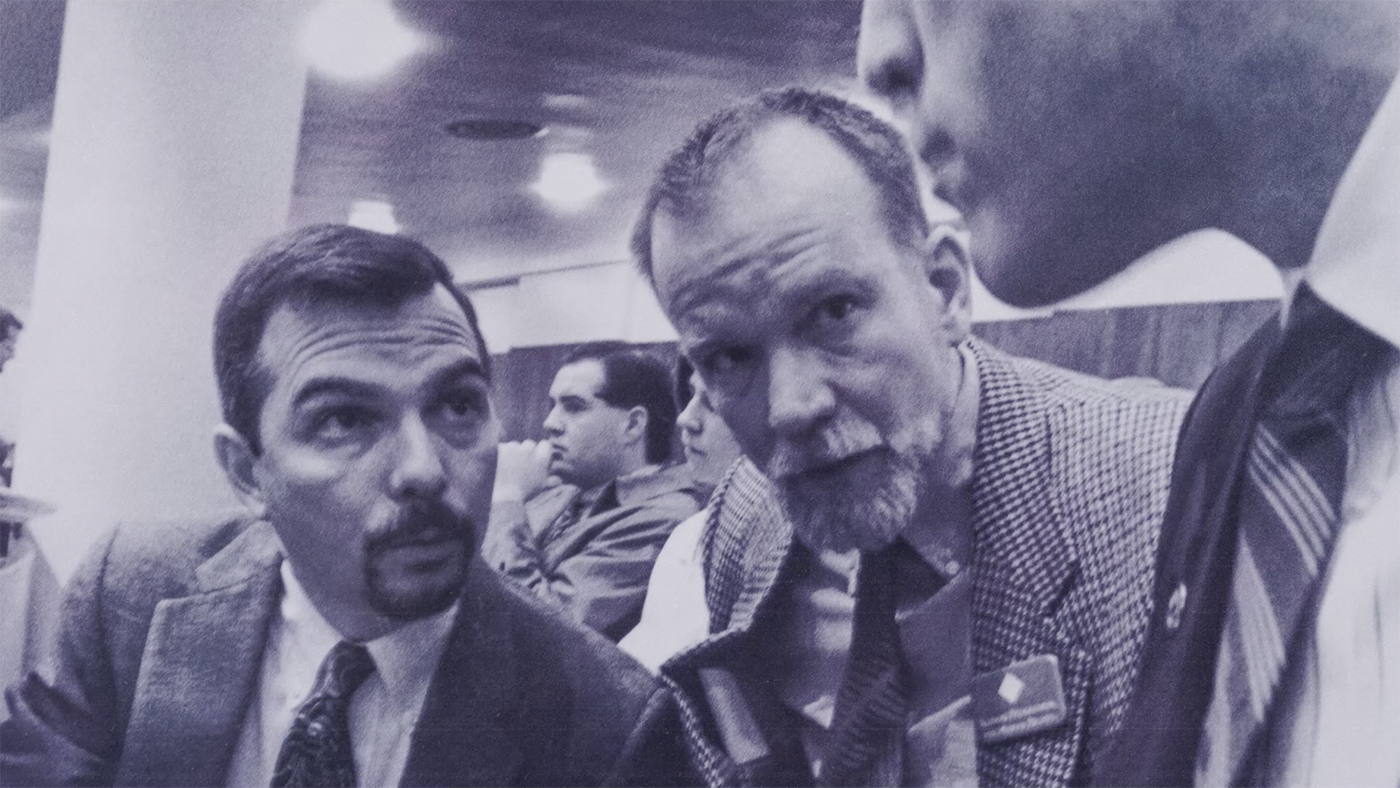
[In the 1980s], there was a big rally at city hall and everyone got together to talk about how to do that. And originally they were talking about, “Let’s close the bars and we’ll all go to City Hall together.” And Art was like, “We are not closing the bars! Instead, let’s everyone meet at the bars. We’ll take buses over and then we'll come back to the bars.” And that was one of Art’s first actions in activism. But he knew the importance of the bars as these meeting places, places where people could feel safe and kind of come together. So I think Sidetrack really has been that anchor.
One of the interviewees describes Art as “mixing fun with serious business.” What were some of Art and Pep’s contributions to the fight for LGBTQ equality?
A big, big part of it was the human rights ordinance that they had tried over and over to get passed in Chicago in the ’80s. It was really just so that a person couldn’t be fired for being LGBTQ, could rent an apartment, and couldn’t be discriminated against in different places like that. There’s a lot of interesting ways that you’ll see in the documentary how they went about approaching that, even getting nuns involved who would talk to the aldermen. It didn’t get passed the first several times. Finally, they did get it passed at the city level and state level. And so that was a huge, huge deal for civil rights for LGBTQ community members.
Art co-founded Equality Illinois, and that was a way to take that human rights ordinance effort, which was a community effort, a grassroots effort, and formalize it. And another big piece was marriage equality – getting that passed in Illinois.
At one point in the documentary, Art says, in referring to the AIDS epidemic and the subsequent protests, that in the midst of the horror, there was strength in fighting back. Because this was filmed not only during the pandemic, but during the summer of Black Lives Matter demonstrations, did you see any other parallels between the activism of today and the activism then?
There’s a scene in the film where we actually went to the Black Lives Matter protest that took over Pride that year, and it was such a time for that community to once again show up for one another, to show up for people who are the underrepresented members of the community, like the trans population. For activists especially like Art and Pep who have been doing this for so long, what I really appreciate about them is that they don’t ever feel like they know everything. They’re always ready to learn to grow as activists and as people and also always ready to put themselves out there for the community.
In the film, one after the other, we put the protest footage from the ’80s, and we cut straight to the protest footage of the 2020 Black Lives Matter march down Halsted. It was really powerful to look at the same street and the community once again showing up for people. I think that was just a really powerful parallel.
It’s been 50 years since Art and Pep first fell in love. Pep even talks about retiring at one point. Why was it important to tell this story now?
Another thing the AIDS crisis took away was the opportunity for a lot of long love stories in the gay community. And so you just don’t see a lot of older same-sex male couples in the world, especially on TV. When I decided to make the film, I was like, I’ve never seen this love story on my screen. And so that’s why it felt really important. That generation of gay men, now they’re getting older. So it felt like we really did have a limited window to tell this story and show people that this kind of love story is possible. We screened at all these film festivals all across the world. You think that times have changed, that this is nothing new. But there were so many college towns that we went to where young 20-somethings who are from small rural areas across the country who are LGBTQ, who are non-binary, who are trans, said to us, “I wish I had seen this film when I was in middle school or high school because I felt so alone. And I did not think that a love story like this was possible.” And I think it was just so moving and such a testament to why it's so important to keep telling these stories.
I hope that people will take away the love story part of it – that there were people who had to fight really hard to love freely. It’s so important to remind ourselves and never forget about that fight. I do think, especially the younger generations, they maybe don’t realize how hard it was. It’s so important to keep that history alive.