The Illinois Campaign: Before It Was a State, Illinois Played a Small Supporting Role in the American Revolution
Meredith Francis
August 14, 2025
The new Ken Burns documentary, The American Revolution, premieres on Sunday, November 16 on WTTW and streaming on the PBS app.
When most Americans picture the Revolutionary War, they probably think of Bostonians dumping tea into the harbor, muskets firing in the battlefields of Lexington and Concord, or George Washington standing at the bow of a boat while crossing the Delaware River. But hundreds of miles to the west, in what would one day become Illinois, another, smaller theater of war called the Illinois Campaign would push the fight for independence deep into the interior of the young country.
During the time of the Illinois Campaign in 1778, two years into the Revolutionary War, Illinois wasn’t yet a state. The Illinois Country, as it was known, was previously part of the French-controlled Upper Louisiana territory. It was ultimately given to the British after the French and Indian War ended in 1763 and later became part of the British-controlled Province of Quebec.
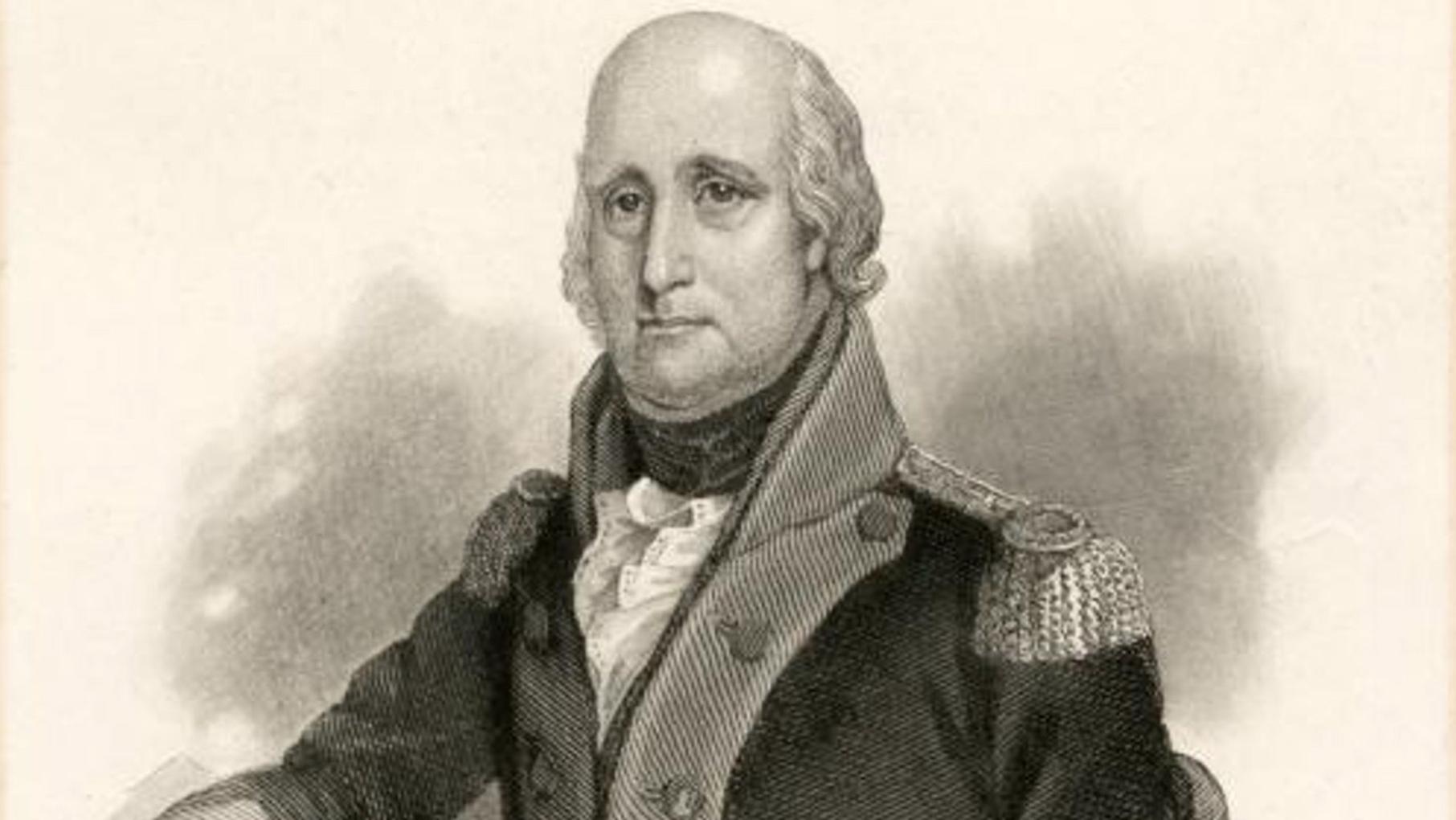
According to the National Park Service, following the French and Indian War, King George III issued a proclamation that forbade the settlement of land west of the Appalachian Mountains in present-day Kentucky, then considered part of Virginia. British officials at Fort Detroit coordinated and supplied some Native American war parties to attack settlers who crossed the line. A young, Virginia-born surveyor and frontiersman named George Rogers Clark, who had settled in Kentucky, believed he and other settlers were vulnerable to those attacks as well as attacks from the British stationed at Fort Detroit. Clark led the Virginia militia in Kentucky, and in 1778, Virginia Governor Patrick Henry gave him permission to push British forces off the frontier – though secretly, as “to detach a party at so great a distance (although the service performed might be of great utility) appeared daring and hazardous,” Clark wrote in his memoirs. He didn’t tell his soldiers what their aim was until they got closer to their target.
With so many men fighting the war in the east, Clark had trouble raising an army, according to the Indiana Historical Bureau. Regardless, in the summer of 1778, he set out down the Ohio River with some 175 men for Kaskaskia – a small village on the Mississippi River in what would become southwest Illinois. To surprise the village, they approached at night and by land rather than via the river. Without firing a weapon, they easily claimed Kaskaskia, which contained mostly French settlers who were not sympathetic to the British. Clark sent more men to claim other nearby villages on the Mississippi, including Cahokia, and once again easily secured the territory, as well as important alliances.
Clark also sent a captain in his regiment toward Vincennes, just across the modern-day border of Illinois in Indiana, the location of Fort Sackville. But the British reestablished control there, under the leadership of the lieutenant governor of the Province of Quebec, Henry Hamilton, who was infamously nicknamed “the Hair-buyer General” for allegedly paying Native tribes to attack and scalp Americans.
But Clark wasn’t done yet. In yet another surprise attack in 1779, he led his militia on a difficult winter march across the prairie, which, despite the cold conditions and having to wade through deep, icy water, was “one of the most beautiful countries in the world,” he wrote. Clark demanded an unconditional surrender, and when Hamilton refused, he executed four Indigenous people he had kept as prisoners. Hamilton surrendered, and was imprisoned in Virginia until he was released in a prisoner swap in 1781. While Clark’s ambition of capturing Fort Detroit was never realized, his militia’s activity helped Virginia organize Illinois County and bolstered American claims in the Northwest.