Confused for Aunt Jemima, a Former Slave Became a Famed Ambassador to the World for American Agriculture
Daniel Hautzinger
February 18, 2026
Get more recipes, food news, and stories at wttw.com/food or by signing up for our Deep Dish newsletter.
Have a food story or recommendation? Email us at [email protected].
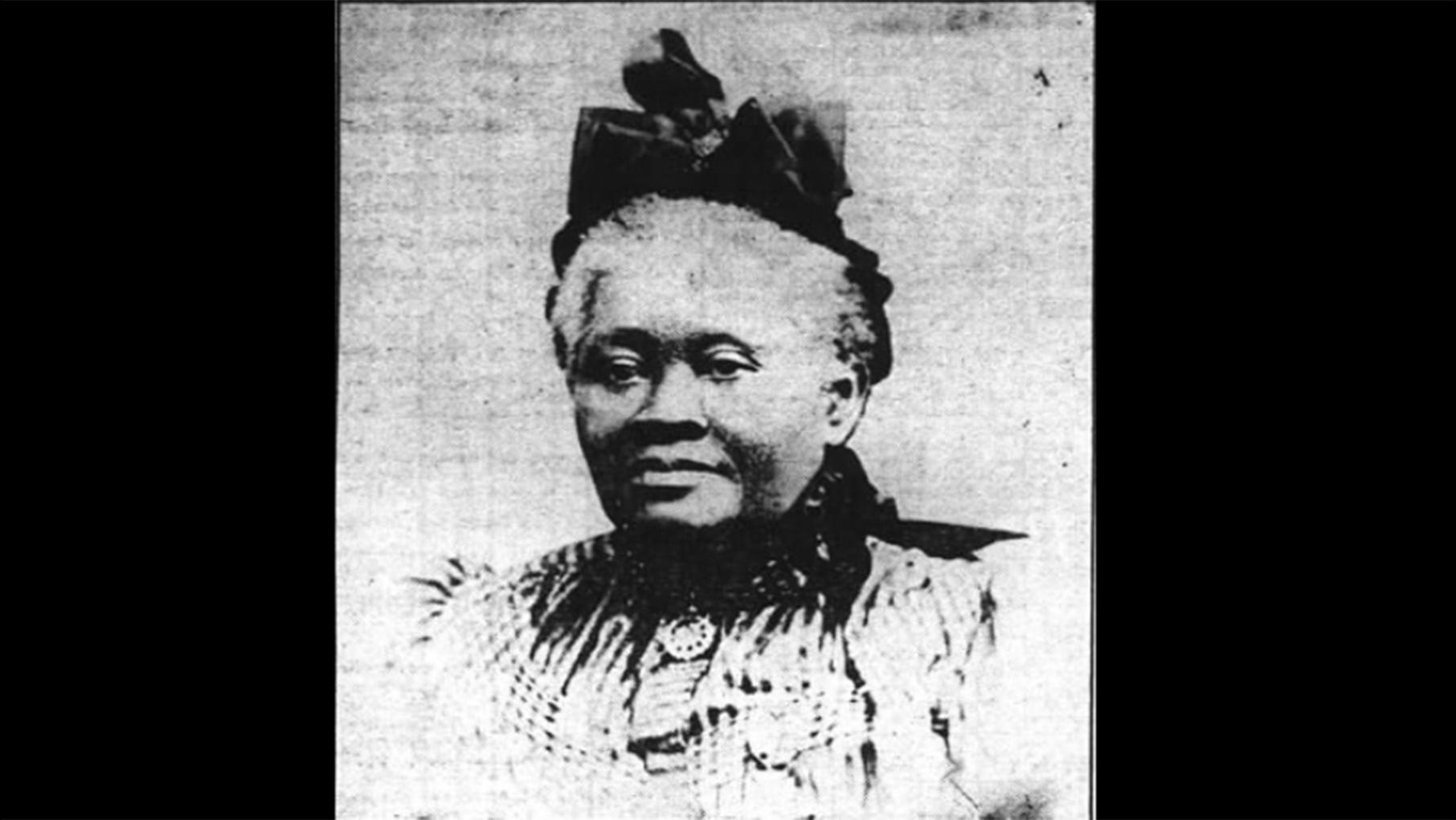
In 1900, the United States sent a former slave living in Chicago to represent the country before the world at the Exposition Universelle world’s fair in Paris. Taking charge of the “corn kitchen” there, Agnes Moody drew crowds for recipes made out of American cornmeal, seeking to help the product gain a foothold in other parts of the world.
“It is said that ‘Aunty’ Moody knows how to prepare more delicious corn concoctions than other living person [sic] and it is expected here that her work in making corn soup, corn cakes, corn muffins, and corn dodgers will prove a campaign of cookers’ education for the whole world, besides giving American corn a great boom in Europe,” reported the Chicago Tribune as Moody was “making herself famous in Paris.” Think of her as a sort of brand ambassador for American corn.
Such a role seems relatively minor, yet the U.S. commissioner of agriculture viewed Moody’s impact as important enough to throw her a public reception at which she was presented with a medal, while the Pittsburgh Post reported upon her death three years later that, “Her services in the corn kitchen are said to have increased the annual export of American cornmeal several million dollars.”
In its own obituary for Moody, Chicago’s The Inter Ocean stated that “‘Aunt Jemima’ became an international celebrity” thanks to her presence at the Exposition Universelle.
Aunt Jemima had been introduced as a character to market not cornmeal but ready-made pancake mix in 1889, and a real-life version of her traveled across the country promoting the brand and demonstrating its pancakes, including to great attention at another world’s fair, the 1893 Columbian Exposition in Chicago.
But the woman who cooked pancakes for international crowds in Chicago in 1893 was not the same as the one who cooked cornbread seven years later in Paris. They were both former slaves who made lives in Chicago. But Aunt Jemima was played by a woman named Nancy Green, who won her freedom from slavery in Kentucky to come to Chicago and work as the cook for the family of an alderman.
Somehow Agnes Moody became widely identified as Aunt Jemima – perhaps a confusion stemming from the generic stereotype of the character, whose name came from a minstrel song and who was inspired by the dark-skinned, domestic worker “Mammy” stereotype. The brand Aunt Jemima was discontinued amidst the “racial reckoning” of 2020, the same year a Chicagoan tracked down and added a headstone to the unmarked grave of the character’s original portrayer Green in Oak Woods Cemetery on the South Side.
Unlike Green – and despite the mistaken identification with Aunt Jemima – Moody was well-known on her own terms, even before her stint in Paris. She was a prominent member of Chicago’s Black community, belonging to several “enterprises for the advancement of her race,” such as the National Association of Colored Women, in the words of The Inter Ocean obituary. (Other newspaper articles also note her involvement with “secret societies among her people” such as a Black chapter of the Masonic order.) She was a member of Quinn Chapel, Chicago’s oldest Black congregation, and her funeral was held there.
She came to Chicago from Canada after the end of the Civil War; she had escaped from slavery in Maryland via the Underground Railroad with her parents. One widely syndicated newspaper story that called her “Uncle Sam’s Chief Cook” even said she met the legendary abolitionist John Brown in Canada while noting, “It is now stated, however, by those who claim to know, that Mrs. Moody is to-day one of the best-read women of her race.”
She built up a career as a caterer over her decades in Chicago, becoming known for – of course – her cornbread and other cornmeal creations. The fact that Moody was able to parlay her skill with such recipes to an international platform as a previously enslaved woman only seven years after Black people were largely excluded from a world’s fair in her own home city – the Columbian Exposition – is a testament to both her talents and her ability to build a life and reputation in a restrictive world.