Discussion Guide | FIRSTHAND: Democracy
Discussion Guide
Download a PDF of the Discussion Guide
Before Viewing
About the Project
WTTW’s Firsthand series is an award-winning, multi-platform, multi-year initiative that puts a human face on pressing issues that are important across the country, but especially in Chicago. Where conversations often dissolve into stereotypes or generalizations, WTTW is positioned to tell these important stories using personal, firsthand perspectives.
While the threats to American democracy are often framed as national –happening in distant hallways in Washington – Firsthand: Democracy focuses on individuals who are acting locally, consistently taking steps to improve lives in their state, city, and community.
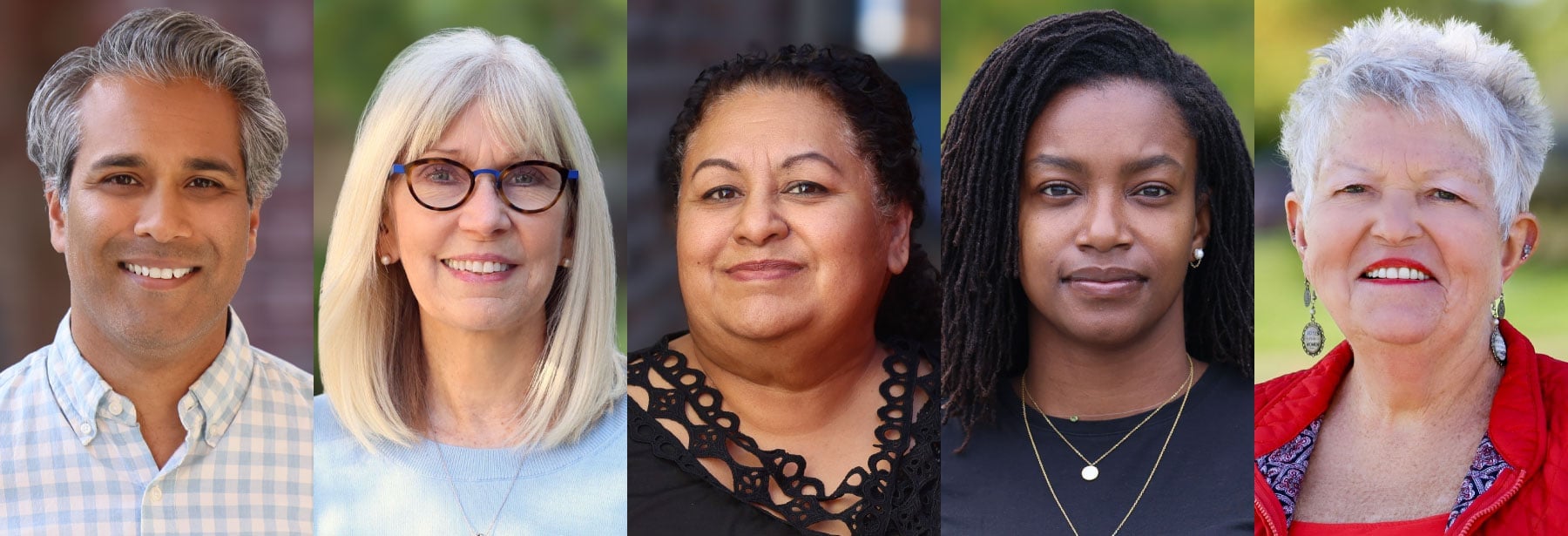
Firsthand: Democracy features stories of five leaders – including some who didn’t necessarily set out to change the world – who recognize the stakes of this moment and who are finding their voices by engaging with their neighbors and demonstrating a core principle of our country: we are a democracy.
Throughout 2026, the series will offer an expansive vision of democratic participation through intimate portraits of people rediscovering what it means to be politically engaged.
Using This Guide
Democracy series through a personalized reflective learning and discussion process. It aligns with the purpose of WTTW’s Firsthand project to prioritize unique perspectives of individuals, community organizations, and leaders working to build community, nurture relationships, and offer opportunities to participate in our ongoing democratic experiment.
This guide provides background information on the series for moderators using it for classroom, group, and community conversations. It helps facilitate post-screening discussions on the topics and perspectives on how to sustain our democracy in order to fulfill the motto of the United States of America – e pluribus unum, out of many, one.
FIRSTHAND: DEMOCRACY screenings and conversations can:
- Foster community engagement and new connections
- Help neighbors disagree better without being disagreeable
- Strengthen media literacy and critical thinking skills
- Create dialogue opportunities that bridge different political perspectives
- Inspire participation in local, state, and national elections
Planning Your Event
Checklist and Timeline
Planning a screening event is a powerful opportunity to unite the community, raise awareness, and inspire compassionate action. Follow this suggested schedule to prepare for a successful event.
Two Months Prior
- Set a time, date, and location. Ensure that the area is accessible to everyone.
- Build an outreach list of organizations and secure partnerships for the event.
- Decide on the formats for your screening and post-screening conversation.
- Brainstorm potential panelists for a post-screening conversation.
One Month Prior
- Send out invitations with the time, date, location, RSVP details, and a description of the project and post-screening conversation.
- If you are hosting a panel, ensure the speakers are familiar with the initiative and clear about expectations for the post-screening conversation.
- Connect with community partners and discuss having tables where additional information will be available.
Day(s) Before
- Send reminders to guests and speakers.
- Test all equipment at the site, both projection and audio.
- Assemble any promotional materials and remind partners to bring materials for informational tables.
Day of Screening
- Arrive at least 90 minutes early. This allows enough time to set up the room, test all equipment, greet guests and panelists, and review your agenda.
Day After the Event
- Send a thank-you note to all guests who attended and include any follow-up activities.
- Open up opportunities to stay connected and share ideas for future actions after viewing the project.
Planning an event is a powerful way to unite the community, raise awareness, and inspire compassion.
Suggested Formats for Community Screenings
As you know your audience and setting best, the format for watching one, two, or all of the documentaries is in your hands. We encourage watching the participants’ stories before any event to prepare you to moderate meaningful post-screening conversations.
Screening + Q & A Session: Share background content provided in this guide with your audience before watching the stories, then lead an audience Q & A session.
Screening + Panel: Open your event by sharing background content in this guide. After your screening, host a panel with Firsthand participants (if available) or invite representatives from local organizations for a panel conversation and Q & A session with audiences.
Screening + Workshop: Focus your outreach on one of the themes organized in this guide and screen one or more of the documentaries that illuminate this topic. Use and adapt the questions and democracy activities created for the theme as a basis for a panel discussion, more informal Q & A and/or activity sessions with audiences.
Tips for Facilitating Conversations
Practice Self-Care: Watch the entire series and read through this guide in advance of your event. Pay attention to your emotional responses and experiences, and talk about them with a trusted friend or colleague beforehand so you feel supported in the process.
Set Expectations: State the purpose of your event clearly, so that your audience knows what to expect about to the topic and purpose of the event.
Build a Sense of Community: Watching this series together is a meaningful way to bring people together for a shared experience and to build community. Firsthand stories are an invitation to have a conversation. It does not present one solution or point of view; rather, it offers an opportunity to hear the stories of individuals playing an active role in their communities.
Create Group Agreements: Before you begin, set and communicate group agreements for your conversations. Start by reminding audiences that Firsthand: Democracy aims to engage with neighbors, even if they have a different political perspective. Listen with intention and to understand, and stay open in order to learn from one another. Pay attention to how much or how little you are speaking and be mindful of not interrupting to ensure all voices feel welcome to share.
Create a Space for Multiple Perspectives: There may be different political perspectives shared in your events. With diverse perspectives, it is essential as a moderator to bring openness and curiosity to these nuanced and complicated conversations. Practice the skills of active listening, responding to another’s perspective, and being respectful in your responses.
Allow Space for Emotion: Audience members may have an emotional response to the series and to the issues that may surface; some may even be moved to share their own experiences. Validate the emotions that you hear, thank the person for sharing their story, and, where appropriate, direct audiences to the community resources available. After a few moments of acknowledgment, advise the group to take a deep breath together and move forward with the conversation.
Share Your Story: As a moderator and organizer, your responsibility to this issue is to set the tone. This can be conveyed through your own story or by sharing why you organized this event. This personal touch can often open up the space for others to feel comfortable and to share more readily.
Be Aware of Fatigue: On the eve of America’s 250th anniversary, our democracy feels fragile and uncertain. Firsthand: Democracy highlights individuals working to hold America together despite dis-agreements. Many issues can be divisive, but they need not dismantle the institutions and relationships upon which our democracy is built. Create opportunities for reflection, celebration, and self-care. When you feel your efforts and energy are not making the difference you are seeking, take some time away to recharge and renew your commitment.
Make Your Space Inclusive: Ask for RSVPs for your event, including any special needs. In this way, you can prepare your space and screening so it is inclusive of people with any physical or environmental needs, such as child care, closed captions or language interpretation, accessible doors and seating, and others.
Incorporate a Content Warning: There may be issues and stories that can be emotionally difficult and potentially triggering. It is important to open your screening by acknowledging the sensitive nature of the content. Here is one way to do so: “Firsthand: Democracy contains discussions and sharing of sensitive content, including immigration and mass incarceration. Please take care of yourself and support one another with this in mind.”
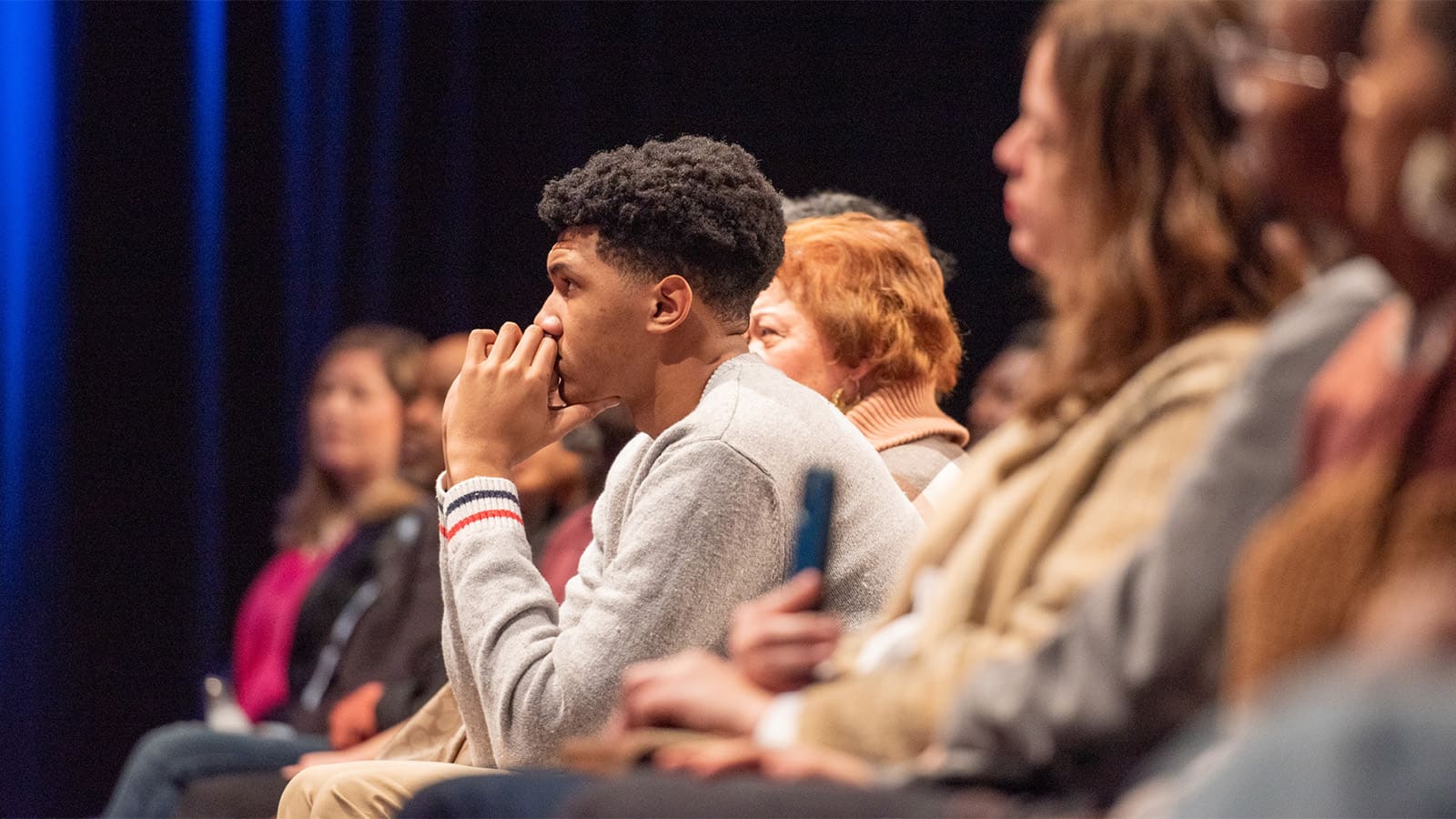
Firsthand event participants
Viewing and Discussing Firsthand Series
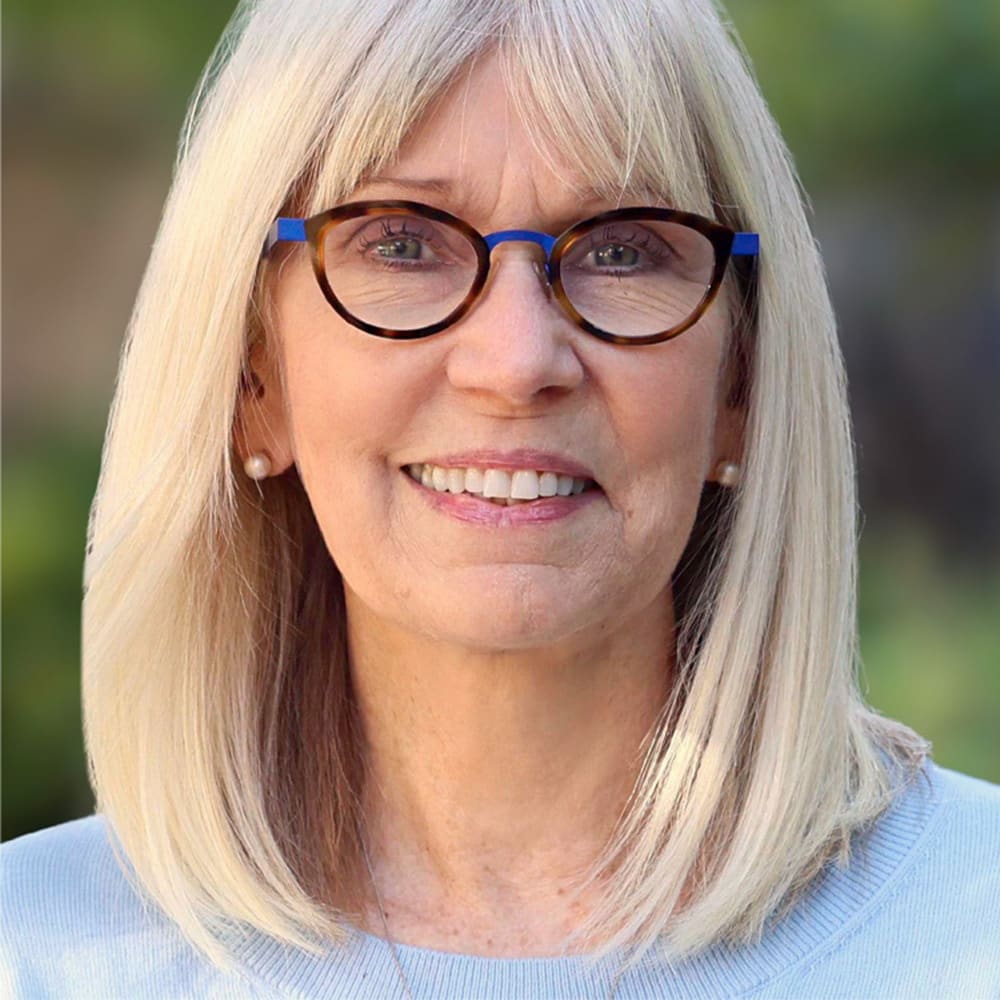
Maryanne Colter
Maryanne Colter
Illinois State Coordinator, Braver Angels
Fostering Dialogue Across Partisan Divides
Whether she’s participating in a community debate, teaching students how to disagree without being disagreeable, or showing neighbors how to tone down toxic partisanship, Braver Angels volunteer Maryanne Colter is acting on her belief that everyone can play a role in addressing our country’s divisiveness. Her goal is not to change Americans’ views of issues, but to change the views of each other.
Questions
On Depolarization: Braver Angels is dedicated to political depolarization and building connections, focusing on personal stories, values, and misconceptions, steering away from particular issues.
- Is working toward depolarization a personal goal enough for you? Or do you feel it is important to persuade others to believe your point of view?
- Do you feel listened to when speaking with someone from an opposing political viewpoint? If you felt listened to, did that change the outcome of the conversation?
- When encountering an opposing view, what active listening and conversation skills do you use?
- Braver Angels also asks participants to identify one thing they appreciate about the opposing political party, even if they disagree with their polices. What do you appreciate about an opposing political party?
On Hope: Despite the deep political divisions in America, Maryanne sees progress in her workshops.
- Do you feel pessimistic or optimistic about the state of our democracy?
- How do we sustain hope in the face of so much cynicism?
Democracy Activity
LAPP Framework
In the project, we see one workshop with students where the LAPP acronym is modeled:
- Listen to the story.
- Acknowledge what you heard.
- Pivot (ask permission to share).
- Perspective (share your own view).
LAPP is a method for responding to disagreement. One way to practice this is to pair people up and have one person state a provocative question (the receiver), while the other person (the learner) practices the LAPP response. Follow these steps as a practice exercise.
Step One: The receiver states this sentence and elaborates with their point of view:
- “I think voting is a waste of time. The system is rigged.”
- “People who support (X party) clearly don’t care about the future of this country.”
Step Two: The learner practices LAPP in response to the receiver’s statement and point of view.
Step Three: After participants practice the roleplay, debrief the exercise with these questions:
(For the learner)
- Which step in the LAPP process was most difficult? Why?
- Did the ‘acknowledge’ step make you feel like you were agreeing with them?
(For the receiver)
- When your partner summarized your view (acknowledged), did you feel heard
- When they asked permission to share their view (pivot), how did it make you feel?
- Did you feel more willing to listen to their perspective after they listened to yours?
Step Four: After pairs practice come back to your larger group and pose the following questions:
- Listen: Am I listening to understand, or waiting for them to stop to assert my own viewpoint
- Acknowledge: Can I repeat back what they just said to their satisfaction? Can I identify the emotion behind their statement and not just the policy?
- Pivot: Have I earned the right to share? Is the other person calm enough to hear me?
- Perspective: Am I using ‘I’ statements (I feel) or ‘You’ statements (You are wrong)?
Step Five: Closing. The most important part of the Braver Angels LAPP Framework is the pivot. Revisit this skill and share the following questions used to help support this step in everyday conversations:
“I have a different experience with that; may I share?”
“That’s interesting. I actually come at this differently. Would you mind if I explain?”
- What is your response to these questions?
- How do you believe these types of responses could shift the temperature of a conversation?
- Do you have a suggestion for an additional question to add to this list?
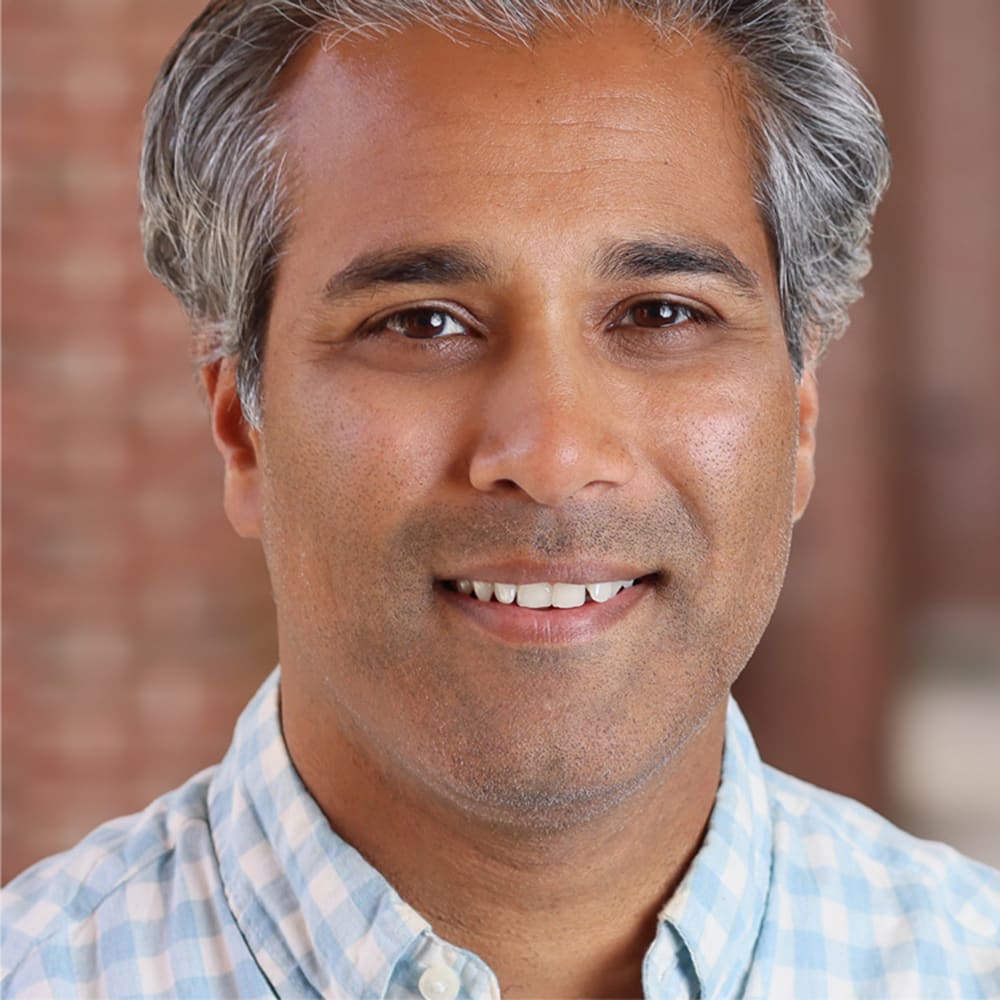
Miten Patel
Miten Patel
AP United States Government and Politics Teacher, Evanston Township High School
Teaching Civic Responsibility to the Next Generation
Miten Patel teaches his students that democracy isa verb – a process requiring ongoing participation from citizens. A British-born Indian immigrant, Miten start-ed in the corporate world before finding his calling in the classroom. He teaches his students to take an active role in American democracy by registering to vote, questioning political candidates, and meeting with a federal judge. The goal is to teach the next generation that democracy is not an abstract principle, but a participatory sport.
Questions
On Dialogue: Miten suggests that there isa fundamental breakdown in the ability of adults to have respectful conversations about politics.
What specific strategies did you see him use as a classroom teacher to foster civil discourse? How can we apply those rules to our own community conversations?
On Leadership: In the documentary, Miten uses small family moments to plant seeds of leadership, such as asking his son who the baseball team captain is or letting his daughter help decide on dinner.
How do his suggestions compare to your definition of leadership? Is leadership a title, a daily practice, or something else?
On Perspective: Miten reflects, “My life would be remarkably different if I didn’t grow up here and go to school here.”
How does his experience as an immigrant shape his passion for the U.S. political system? Does his “outsider-insider” perspective offer something unique compared to someone born in the U.S.?
On the Future: The project notes that the youngest voting demographic often has the lowest turnout, yet his students seem highly engaged.
After watching these students, do you feel inspired or discouraged about the future of American democracy?
Democracy Activities
The “Democracy is a Verb” Audit
Miten says democracy is a “participatory sport.”
Have participants take five minutes to make a list of verbs/actions they have taken in the last few months that they count as civic engagement. Examples: emailed or called your representative, attended a local community meeting, voted, campaigned for an issue or candidate.
After creating a shared group list, choose one or more examples to analyze in depth. Work together to identify specific skills needed to practice this facet of democracy and what we, as a community/school/organization, can do to nurture these skills.
The 3-Branch Check (Group Trivia)
Recent data from the Annenberg Public Policy Center, as reported by CivixNow Coalition, show that only 1 in 6 Americans can name all three branches of government.
Without checking phones, ask the group to name the three branches of government. (Legislative, Judicial, Executive)
After naming each branch, have some fun discussing the powers that each branch holds. For a refresher or to find some accessible “3-branch trivia,” see these questions from the Pew Charitable Trust, the National Constitution Center, or the U.S. Citizenship and Immigration Services Quiz.
Alternatively, have participants share names of current elected officials at the local, state, and federal levels.
“Democracy is a participatory sport,”
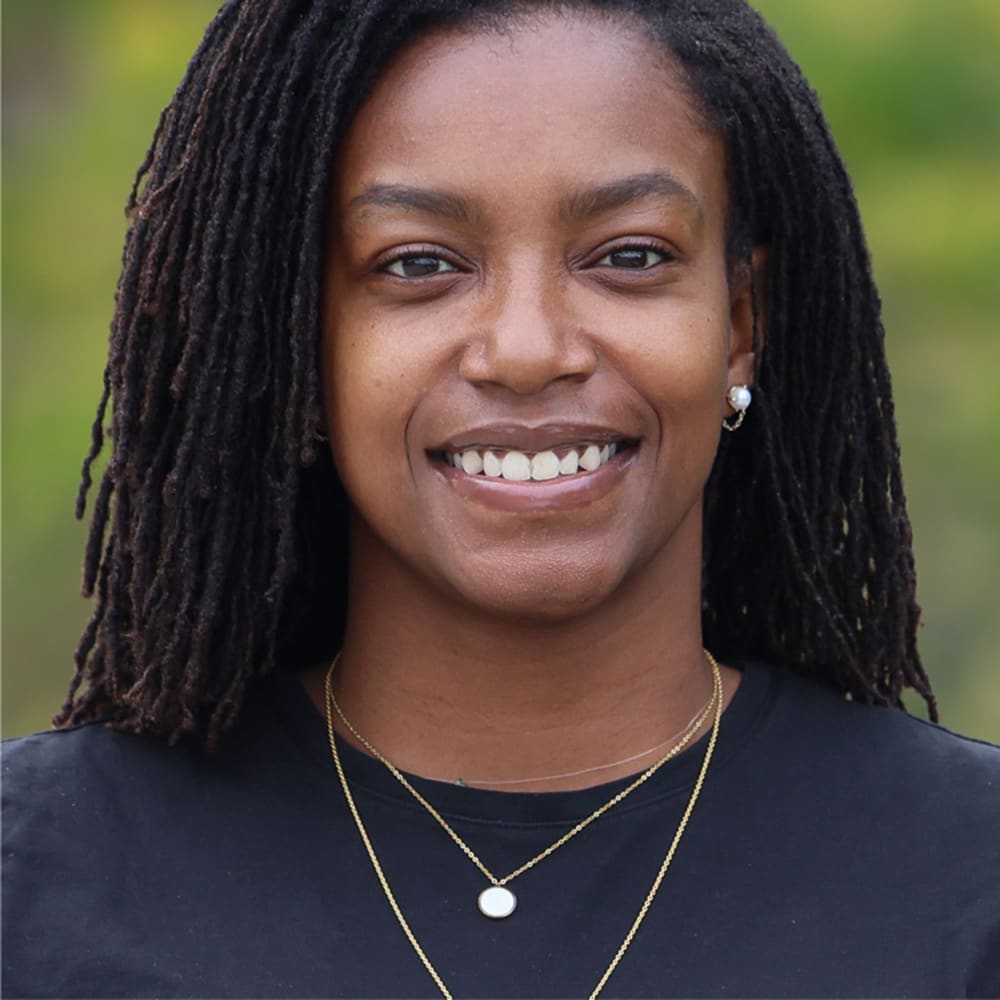
Camille Williams
Camille Williams
Senior Programs Manager and Diversity, Equity, Inclusion, and Accessibility Lead, Chicago Votes
Helping People Participate, from Courtrooms to the Capitol
When her mother was murdered and she testified in court at age 6, Camille Williams was too young to realize that her loss would inspire her path forward. Now her mission is to make sure everyone impacted by the American legal system knows their rights and responsibilities. Camille works for Chicago Votes, where she leads programs working to build an inclusive democracy. She is fighting to win voting rights for incarcerated people and overseeing a video podcast that urges Americans to take an active role in the democratic process.
Questions
On Lived Experience: Camille shares in the documentary, “My experience with the judicial system and the carceral system has not been pleasant...My work now makes me feel hopeful [about] the change I can make. I am doing it because I am directly impacted, I am doing it because I care, I am doing it because I don’t want anyone else to go through what I went through.”
- How does Camille’s personal history inform the way she shows up for her work?
- How might the solutions proposed by someone with lived experience differ from those proposed by policymakers who have studied the system only academically or theoretically?
- Do you believe lived experience carries a different kind of authority in a democracy? Why or why not?
On Rights vs. Punishment: Camille shares, “In the state of Illinois, the only people who cannot vote are people in prison. I believe everyone…should have the right to vote. The narrative that we tell ourselves is that our vote doesn’t count, and this isn’t true. We need to take democracy into our own hands.”
- We watch Chicago Votes engage in lobbying for the passage of the Reintegration and Civic Empowerment (RACE) Act (SB 1733). This piece of legislation will restore voting rights for people in prison. What is your point of view on granting voting rights to incarcerated individuals?
- Do you believe that everyone deserves a second chance? What ideas do you have that can interrupt intergenerational cycles of incarceration?
- Opponents of voting in prison often argue that by committing a felony, one forfeits the right to participate in making the laws. Do you agree or disagree with this argument? Should the deprivation of voice (voting) be part of one’s punishment? When should that voice be restored?
On Judicial Accountability: The project highlights the importance of the “Court Watching” program, where volunteers sit in courtrooms, observe judges’ behavior, collect data on sentencing, and help build a database to educate the community when it comes to the election of judges.
- Does court watching effectively hold judges accountable? Why or why not?
- How might having a court watcher change the behavior of the judge or others in power?
- Miłosz, the international fellow from Bosnia, observes the work of Chicago Votes to take back to his own country. How important are these types of international exchanges? What can we learn from other nations? What does he learn about our system?
- What other ideas can hold judges accountable?
On Civics Education and Engagement: Chicago Votes supports making civics education fun and relevant. We see this evident in the podcast, court watching, etc., which bring creativity and community together at the intersections of the civic process.
- Do you consider yourself civically engaged? Why or why not?
- What unconventional or untapped strategies do you think may inspire an interest in democracy among youth in your community?
- What excites you about democracy?
- Camille keeps pushing forward with her work, meeting the work with grit. She says, “Giving up is not an option.” How do you persevere when your work gets hard?
Democracy Activity
The Right to Vote:
Using an individual smartphone or laptop or distributing this PDF, participants will access this inter-active map provided by The Brennan Center for Justice to discuss their reflections on the following prompts.
- Look at the map as a whole. Is there a specific region of the country that has stricter laws regarding voting rights for those with felony convictions? Why might historical context play a role in these regional differences?
- Identify the states where people lose their voting rights permanently, even after serving their sentence. How does this patchwork of laws change your understanding of what it means to be an American citizen?
- Locate Illinois on the map. Compare Illinois to its neighbors (Iowa, Wisconsin, and Indiana). What conclusions can you draw? What are you proud of? What do you think could be improved?
- Many states allow voting only after parole or probation is complete. Considering how difficult reentry already is (finding a job, housing), how does delaying voting rights further hinder a person’s ability to fully reintegrate into society?
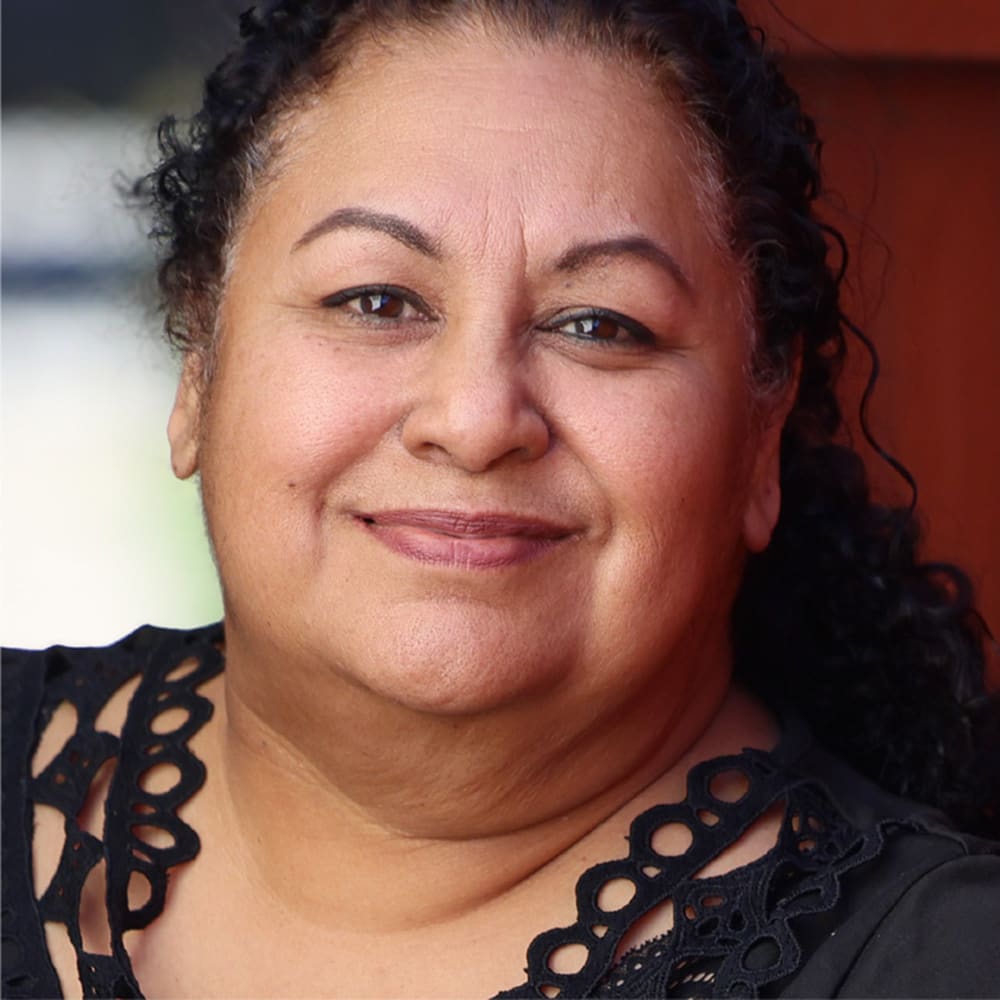
Isabel Aguilar-Martinez
Isabel Aguilar-Martinez
Volunteer Tutor, Instituto del Progreso Latino
A New U.S. Citizen Blazing a Trail for Other Immigrants
After Isabel Aguilar-Martinez immigrated to Chicago from Mexico 23 years ago, she became a lawful permanent resident. With the help of a local nonprofit, Isabel became a naturalized citizen. She is now blazing a trail for other immigrants as a tutor, watching with pride as her students take the Oath of Allegiance to their new country. Isabel’s life experiences have taught her that democracy is to be shared and protected, and she’s willing to fight for it, whether in the classroom or on the streets of Chicago.
Questions
On Motivation: Isabel lived comfortably as a permanent resident before seeking her U.S. citizenship.
- What specific factor or emotion did she share that finally pushed her to gain her citizenship
- How does the story of her journey challenge or reinforce your own views on the value of citizens’ rights, such as the right to vote?
- What role did her family –daughters, grandchildren, and husband – play in her decision?
The Test: Watching Isabel tutor her students, some of whom have little English proficiency, highlights the rigorous process required to become a naturalized citizen.
- Do you believe most U.S.-born citizens could pass the current civics test?
- What do you think is the difference between inheriting citizenship versus earning it?
On “Rights” versus “Status”: A core tenet of the U.S. Constitution is that certain rights apply to persons on U.S. soil, not just citizens. Many people are surprised to learn that undocumented immigrants have the right to remain silent or refuse entry to their home or car without a warrant.
- Do you believe ensuring these rights for everyone strengthens the rule of law, or do you view these protections differently?
- Regardless of your stance on immigration, the detention of undocumented people often results in family separation. Does the community have a responsibility in supporting those left behind?
On Advocacy and Action: Isabel also participates in community education and activism. She passes out flyers and cards teaching “Know Your Rights” during ICE raids in Chicago and attends a city-wide protest.
- How do her dual roles of working within the system as a tutor and protecting those outside of it, expand your understanding of what it means to participate in a democracy?
- At the protest, she holds up one sign that says, “This Is What Democracy Looks Like.” What does democracy look like to you?
Democracy Activities
The “10-Question Citizenship Challenge” (10 minutes)
Isabel helps students prepare to answer the oral citizenship test.
Select several random questions from either of these sources: 128 Civics Questions and Answers (2025 version) (applicants must answer 12 out of up to 20 questions correctly to pass) or Civics (History and Government) Questions for the Naturalization Test (applicants must answer 6 out of 10 questions correctly to pass).
Know Your Rights
Isabel emphasizes that rights apply to everyone on U.S. soil. The Immigrant Legal Resource Center has created a red card similar to the one Isabel and her daughter distribute. These cards are a tool to assert your rights during interactions with immigration or police and are available in 56 languages.
Print out sample red cards in English and in several other languages to support your community’s understanding of their rights. Have participants practice reading the script out loud, “I do not wish to speak with you… I do not give you permission to enter my home based on this warrant,” etc. The goal is for immigrants and the communities supporting immigrants to understand that rights are tools that must be spoken and used.
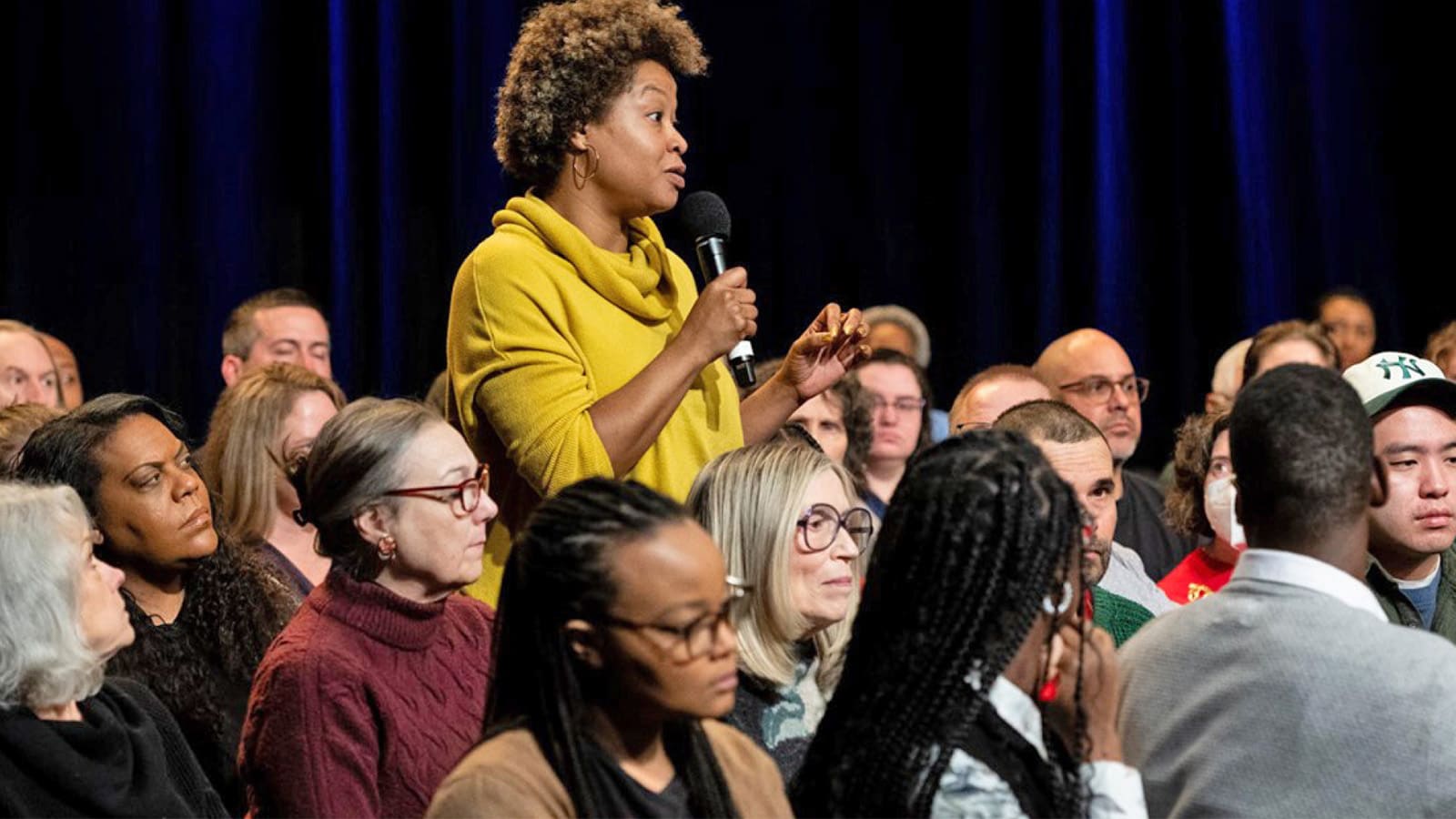
Firsthand event participants
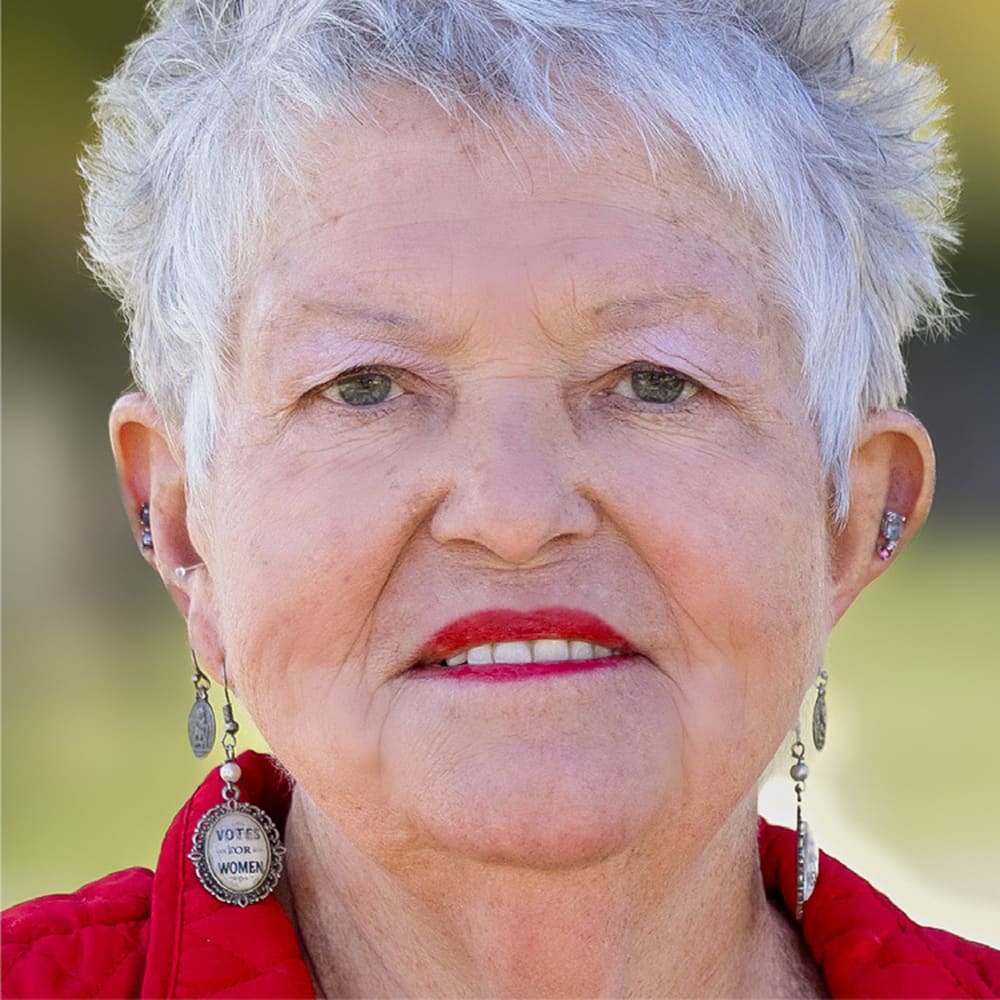
Julee Mortensen
Julee Mortensen
Co-Organizer, Rally Together INDIVISIBLE Elk Grove & Schaumburg
Proving that Democracy Does Not Retire
Julee Mortensen lives by a maxim: democracy does not retire. At 72, the suburban grandmother is a full-time defender of democracy. Julee keeps a “resistance calendar,” using social media to spread the word about upcoming actions. She organizes multiple protests a week, fighting disparate causes from voting rights to banned books. She thinks globally, but her work is often focused in her own backyard: While her candidacy for the Elk Grove Village Board of Trustees ended in defeat, she helped usher in a new generation of candidates who are remaking her traditional suburb.
Questions
Democracy Is Not A Spectator Sport: While Julee lost her own election, she has tirelessly worked in her community to bring people together and engage in grassroots democratic organizing.
How does her work challenge the idea that “winning” is the only way to succeed in politics? What does Julee’s work teach us about the value of building a movement and not solely working on behalf of an individual candidate?
What organizing strategies do you see Julee using in different settings and are they effective?
On Visibility: Julee believes strongly that public visibility is critical so people do not feel alone.
Why do you think public visibility on issues is so important in a democracy?
How does seeing your neighbors standing on a local corner make you feel about getting involved?
On Intergenerational Responsibility: Julee shares her strong desire to leave her grandchildren a better world than today.
How can young people and retirees work together?
What unique resources does the older generation bring to the table that younger generations may lack?
Julee believes that democracy begins when you are young. For example, her father was a precinct captain and a member of a union, and modeled what it means to be civically engaged. Where did you learn about democracy?
Democracy Activities
Going Local(10 minutes)
Julee emphasizes how important local, municipal elections are for our democracy, despite when turnout is often poor.
Participants will have 10 minutes to use their smartphone or laptop to research three elected bodies in their immediate community that are not the City Council or Mayor. For example, the Library Board, the Park District Board, the School Board, the Transportation Board, etc. After identifying the local board, individuals are invited to research who sits on these boards, what their responsibilities are, and what the duration of their term is. Time permitting, individuals are invited to share new learning or questions.
Be The Change
Julee says in her story, “It may not be the legislators that get a lot of the stuff done, it’s going to be the people marching, …rallying, …people writing letters, …sending postcards to make change to help the community.” She knows you don’t have to be a candidate to be the change – you can be the organizer!
Ask participants to identify which of the four roles best suits their personality and share their choice with someone sitting nearby. Have pairs discuss why they chose the role, if they have ever taken on this role in any capacity, and if not, why not?
- The Representative or Spokesperson: The person willing to run for office or speak publicly
- The Connector: Good at hosting meetings and bringing people together (like Julee)
- The Scribe: Willing to write postcards, letters, and express their point of view this way
- The Hands: Willing to do anything – set up chairs for an event, distribute yard signs, and collect signatures
- The Treasurer: Willing to fundraise and understands the importance of raising resources for successful campaigns
- : What is missing?
“It may not be the legislators… it’s going to be the people…rallying…to make change to help the community,”
Resources
Firsthand: Democracy Community Partners
Braver Angels works in local communities, holding workshops, debates, and public presentations designed to bridge the polarizing political divide in our country. These events allow conservatives and liberals to get past the destructive stereotypes to have civil conversations about real issues that lead to productive problem-solving.
braverangels.org
Illinois America 250 uplifts local stories, places, and programs; builds pride; and showcases how Illinois brings the ideals of the Declaration of Independence to life. Get involved and learn more about this inclusive, statewide effort to bring together Illinoisans’ diverse perspectives about our history – and our future – by visiting:
il250.org
Illinois Humanities is a statewide nonprofit organization that activates the humanities through free public programs, grants, and educational opportunities that spark conversation, foster reflection, build community, and strengthen civic engagement for everyone in Illinois. Illinois Humanities is bringing the 250th to life across the state with free programs that connect you to history in exciting new ways. Explore more free resources, events, and programs at:
ilhumanities.org
The mission of Mikva Challenge is to develop youth to be empowered, informed, and active citizens who will promote a just and equitable society. They envision a stronger, inclusive democracy that values youth voice by:
- Valuing the perspectives and input of young people in the decisions that affect them
- Committing to elevating youth voice and decision-making power
- Encouraging young people to voice their expertise about the issues that affect them, their communities, and schools
Firsthand: Democracy Community Resources
Chicago Votes is a nonpartisan, nonprofit organization building a more inclusive democracy by putting power in the hands of young Chicagoans. They’re engaging and developing a new generation of leaders by opening the doors of government and politics to young people from all corners of the city, while changing laws to make Chicago and Illinois a better place to be young, and, in the process, making democracy FUN.
chicagovotes.com
The mission of Instituto del Progreso Latino is to contribute to the fullest development of Latino immigrants and their families through education, training, and employment that fosters full participation in the changing United States society while preserving cultural identity and dignity.
institutochicago.org
Rally Together INDIVISIBLE Elk Grove & Schaumburg is a local Indivisible group serving Elk Grove Village, Schaumburg, and the surrounding areas in Illinois. Indivisible isa nationwide movement of everyday people organizing on the ground in all 50 states to build a real democracy that works for all of us. All are welcome!
rtindivisible.org
National Resources
The American Civil Liberties Union (ACLU) defends the rights of all people nationwide. With immigrant rights, trans justice, reproductive freedom, and more at risk, the ACLU is in courts and communities across the country to protect everyone’s rights.
aclu.org
The Bill of Rights Institute seeks an America where the promise of liberty and equality expressed in the Declaration of Independence is more perfectly realized. This calls for civic education that helps students examine the story of our country and exercise the skills of citizenship. Free, digital education resources.
billofrightsinstitute.org
BridgeUSA empowers young people to engage in constructive dialogue and disagreement to improve the quality of politics.
bridgeusa.org
Center for Civic Education helps students gain an understanding of the institutions of constitutional democracy and the principles and values upon which they are founded. The Center teaches students the skills necessary to participate as competent citizens, able to use democratic procedures for making decisions and managing conflict. The Center develops high-quality instructional materials, provides exceptional professional learning for teachers, and advocates for civic education in the USA and emerging democracies.
civiced.org
HIAS provides vital services to refugees, asylum seekers, and other forcibly displaced and stateless persons around the world and advocates for their fundamental rights so they can rebuild their lives.
hias.org
iCivics is a nonpartisan organization dedicated to advancing civic learning by providing educators and students with the knowledge, skills, and resources needed to engage in civic life together. iCivics empowers educators and leads the movement to make civic education a nationwide priority so all young people have the confidence to shape the world and believe in our country’s future.
icivics.org
Immigrant Legal Resource Center (ILRC) trains attorneys, paralegals, and community-based advocates who work with immigrants around the country. They inform the media, elected officials, and the public to shape immigration policy. Staff work with grassroots organizations to promote civic engagement.
ilrc.org
Rock the Vote is a trusted and effective 501(c)(3) nonprofit dedicated to building the political power of young people.
rockthevote.org
The National Constitutional Center brings together people of all ages and perspectives, across America and around the world, to learn about, debate, and celebrate the greatest vision of human freedom in history: the U.S. Constitution.
constitutioncenter.org
The Sentencing Project advocates for effective and humane responses to crime that minimize criminalization of youth and adults by promoting racial, ethnic, economic, and gender justice.
sentencingproject.org
Funders
Major support for Firsthand: Democracy is provided by the Julian Grace Foundation, the Edwardson Family Foundation, and the Lohengrin Foundation. Additional support is provided by the Alvin H. Baum Family Fund, Nancy Clark, Sylvia Furner, and the Marc and Jeanne Malnati Family Foundation.