An Interview with the Filmmaker of a Henry Kissinger Documentary, the Last New 'American Experience' Production For Now
Daniel Hautzinger
October 23, 2025
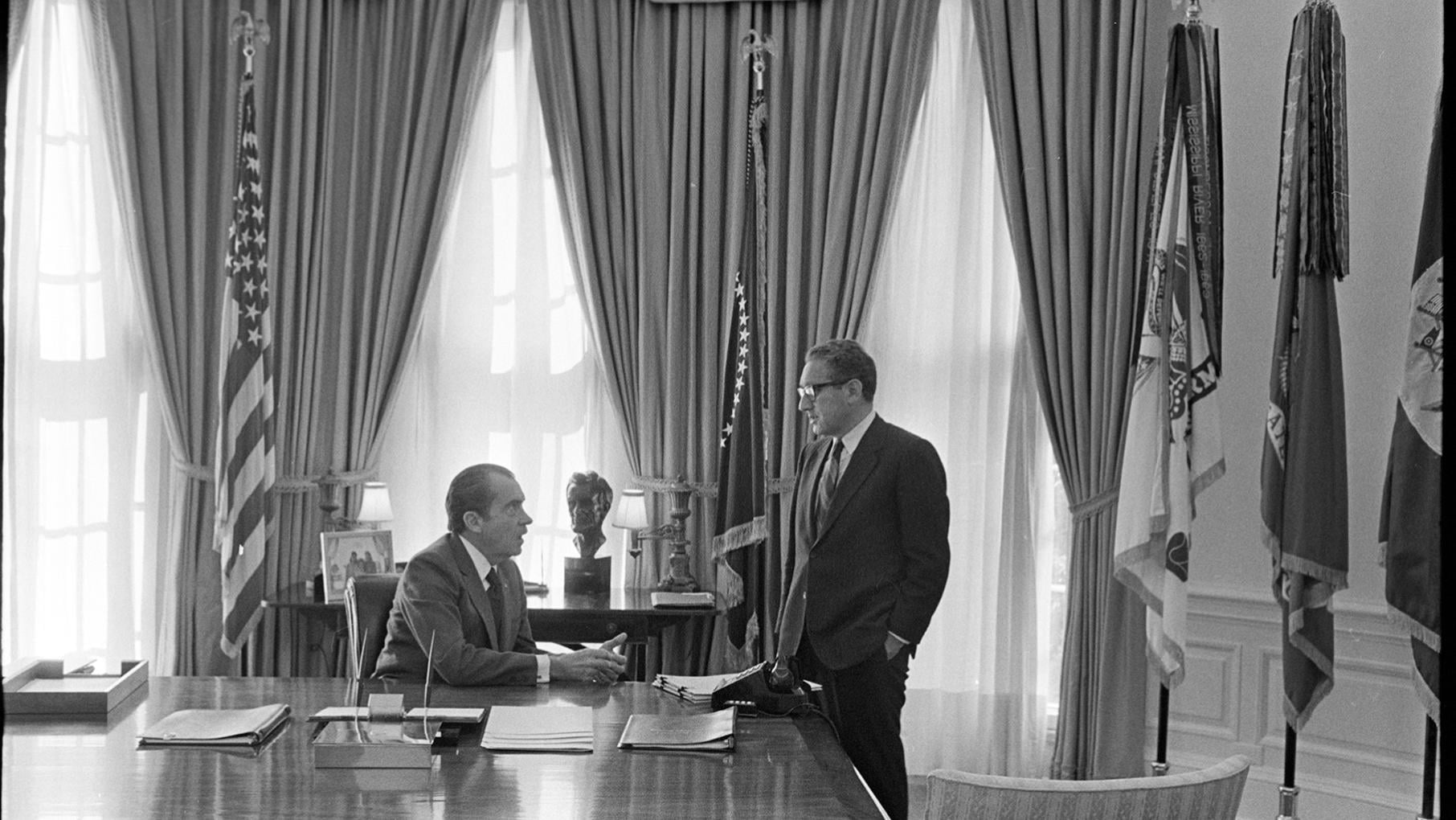
American Experience: Kissinger premieres in two parts on Monday, October 27 and Tuesday, October 28 at 8:00 pm on WTTW, the PBS app, and wttw.com.
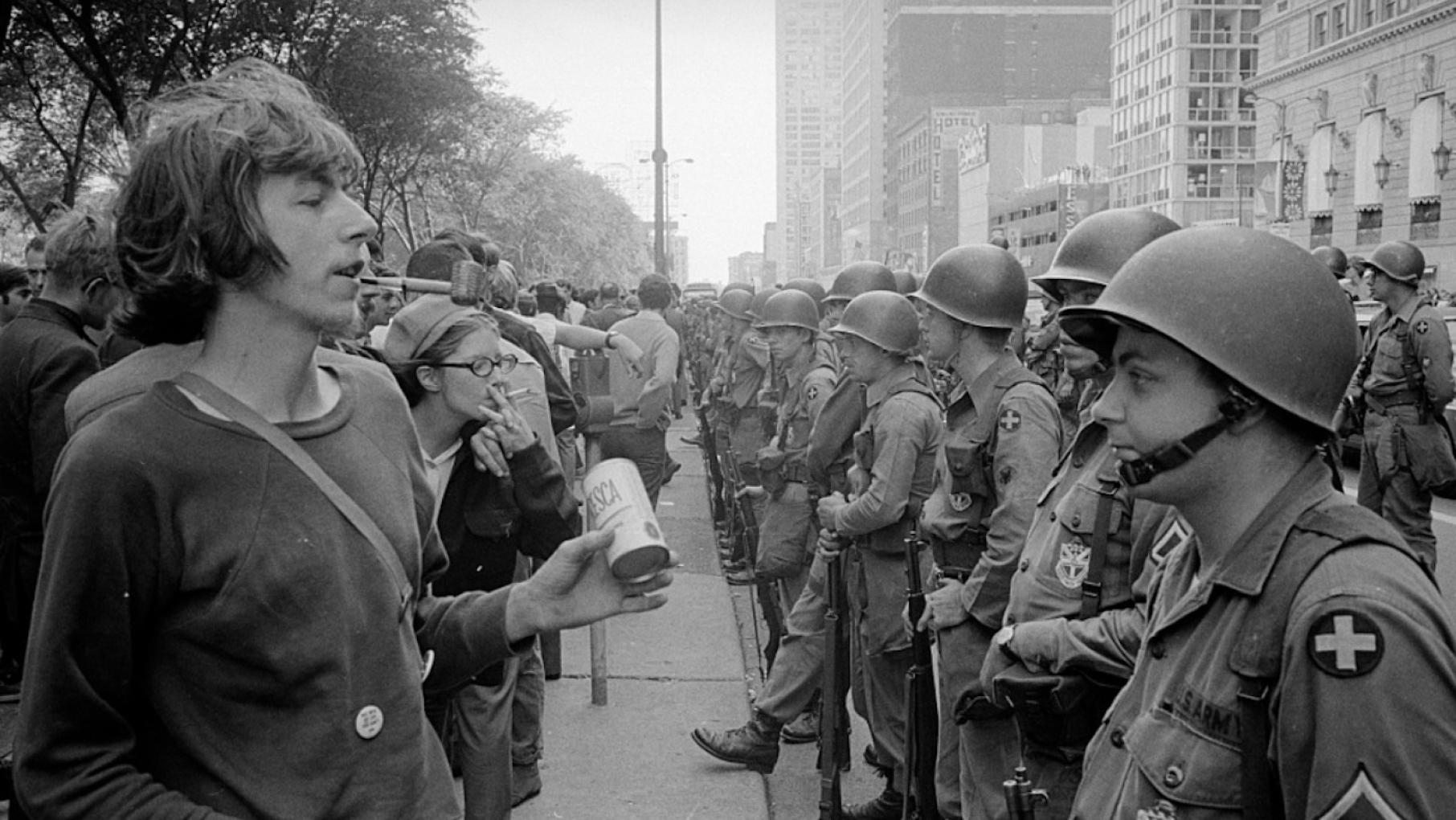
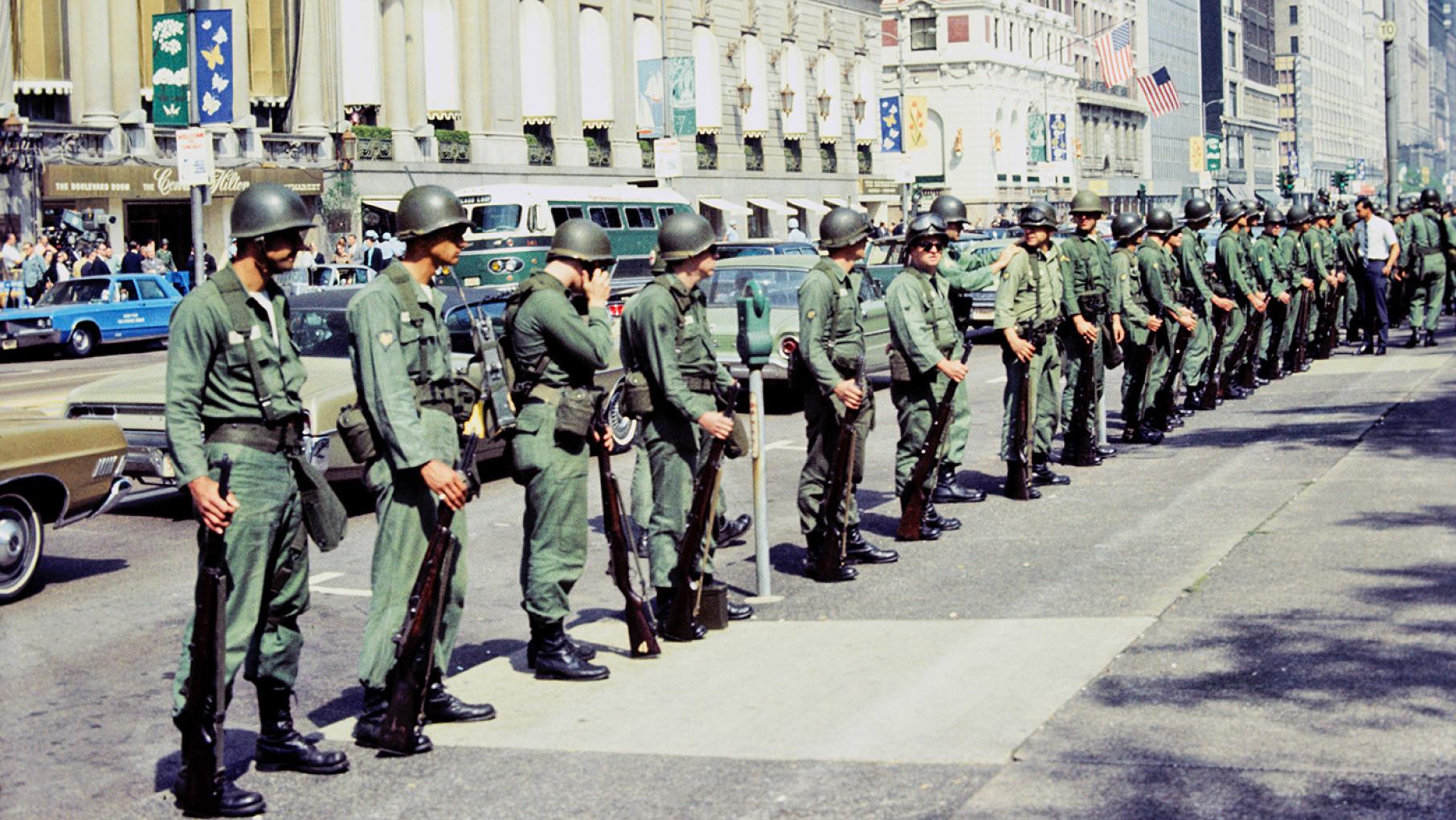
The final documentary of American Experience before the series pauses new production after the loss of federal public media funding is Kissinger. It explores the life and career of the Nobel Prize-winning diplomat Henry Kissinger, who participated in everything from the opening of China to the end of the Vietnam War and secret bombing of Cambodia, the beginning of detente with the USSR to the overthrow of a democratically elected government in Chile.
Barak Goodman has made over a dozen American Experience documentaries as well as other PBS films, including a recent documentary about William F. Buckley, Jr. (Read our interview about that film with him.) We spoke to him about Kissinger.
This interview has been condensed and edited for clarity.
Why did you want to make a documentary about Kissinger?
Barak Goodman: I'm always interested in figures that hold a mirror up to who we are as Americans and as a country, but also themselves are very murky, contradictory, gray figures. Kissinger certainly typifies that, as somebody who did great things in the world and somebody who also, it can be argued, did things that were less great. And his power, the scope of his reach, was extraordinary.
He became a bit of a caricature or Rorschach test for people who either love America's role in the world or detest it. That flattened him as a character and obscured who he really was, and that's an opportunity for a filmmaker or biographer to bring him back into focus as a flesh and blood human being with great positive traits and also weaknesses.
Why now?
Goodman: There were a lot of people who would talk now that wouldn't talk before he died. But also the world that he engineered, in which we've lived for decades, is now being challenged. Before we leave the world that Kissinger created, we ought to understand it and why it exists; why he and those that followed him – many of whom he trained – believed that America needs to occupy such an important role in the world.
What made him such a towering figure?
Goodman: There has never been a foreign policy figure like him, certainly not in the last 100 years of American history. He seized the reins of American foreign policy unlike any non-elected person ever has. He and Nixon were more activist in American foreign policy in a non-World War situation than any other figures.
It wasn't that long before Kissinger that the United States was an isolationist country. We wanted nothing to do with the world, essentially. Kissinger had a vision of a role for the United States as a force for good, a way to check our enemies’ rapacious desire to expand, and to do it in a peaceful context. Now that's being challenged.
What do you think was his signature achievement?
Goodman: It' s not something people appreciate as much because it's hard to illustrate a negative, but Kissinger kept us from a world war involving nuclear weapons. That was not a given at the time; quite the opposite. We were armed to the teeth with nuclear weapons. We had this insoluble difference with the Soviet Union. And it was Kissinger's skill to essentially disarm that threat. That's what he was obsessed by, and he would say that pretty much everything that he did flowed from that original imperative, including things on the negative side of the ledger.
As a talented diplomat, do you think he could have done better, as some people in the film suggest?
Goodman: Yeah, I do. I think it's incontrovertible. [The end of the Vietnam War] was a failure, unquestionably. I believe that the effort to undermine the democratically elected government of [Salvador] Allende in Chile was a step too far. The problem with this worldview that they had of “us versus them,” “communism versus the United States and democracy” is it's a slippery slope. You start to do the things that you're against. You undermine democracy. You act like a dictatorship yourself. You start to behave in the way that you most decry in your enemy, and that was what they did. Some of that was more passive, [like] the failure to stop the massacres in East Pakistan. But that was terrible as well.
So yes, I do agree with the critics, but I also agree with the defenders, that he did amazing things. His energy was incredible. His passion was incredible. His love of America was bottomless. He's a mix, and that's what makes him so interesting.
Do you think there are lessons from Kissinger’s life and career for today?
Goodman: Certainly. I would say that the danger of Realpolitik [Kissinger’s pragmatic approach to world affairs] is that you forget why you're fighting, who you are, what you're about. You can fall victim to your own chess-playing machinations. Kissinger had this blind loyalty or belief in the United States [as] a force for good in the world. Therefore, if you maximize US power, you're maximizing good. But if you do that in such a way that you're essentially undermining the very values you ostensibly are pursuing, then it starts to call into question the whole enterprise. I think he crossed the line, and that’s where I think the critics have a point.
What do we lose if American Experience stops producing new programs?
Goodman: I've worked in a lot of places in this business, and this group of people care more about filmmaking and accuracy and depth and nuance than any group I've ever worked with. History is so important for us now. Everything has its precedent, and you can see how we navigated through them, and how we ended up maybe changed for the better in the long run. It gives you a sense of grounding and also a deep well of wisdom and knowledge. American Experience was an important source of reflection for everybody who watched it and for the whole country, for the culture. To lose that is such a shame; there are very few sources of good history around. Hopefully it won't be [gone] forever.