Haibayô Is Much More Than a Cafe Located in the Changing Asia on Argyle in Uptown
Daniel Hautzinger
November 4, 2025
Get more recipes, food news, and stories at wttw.com/food or by signing up for our Deep Dish newsletter.
Have a food story or recommendation? Email us at [email protected].
A master’s degree in urban planning and policy might seem like an odd qualification for the owner of a cafe, but Hạc Trần and his pharmacy-running co-owner Jennifer “Nuky” Phạm are striving for much more than a typical cafe with Haibayô (1132 W. Argyle St.), which started serving drinks in October.
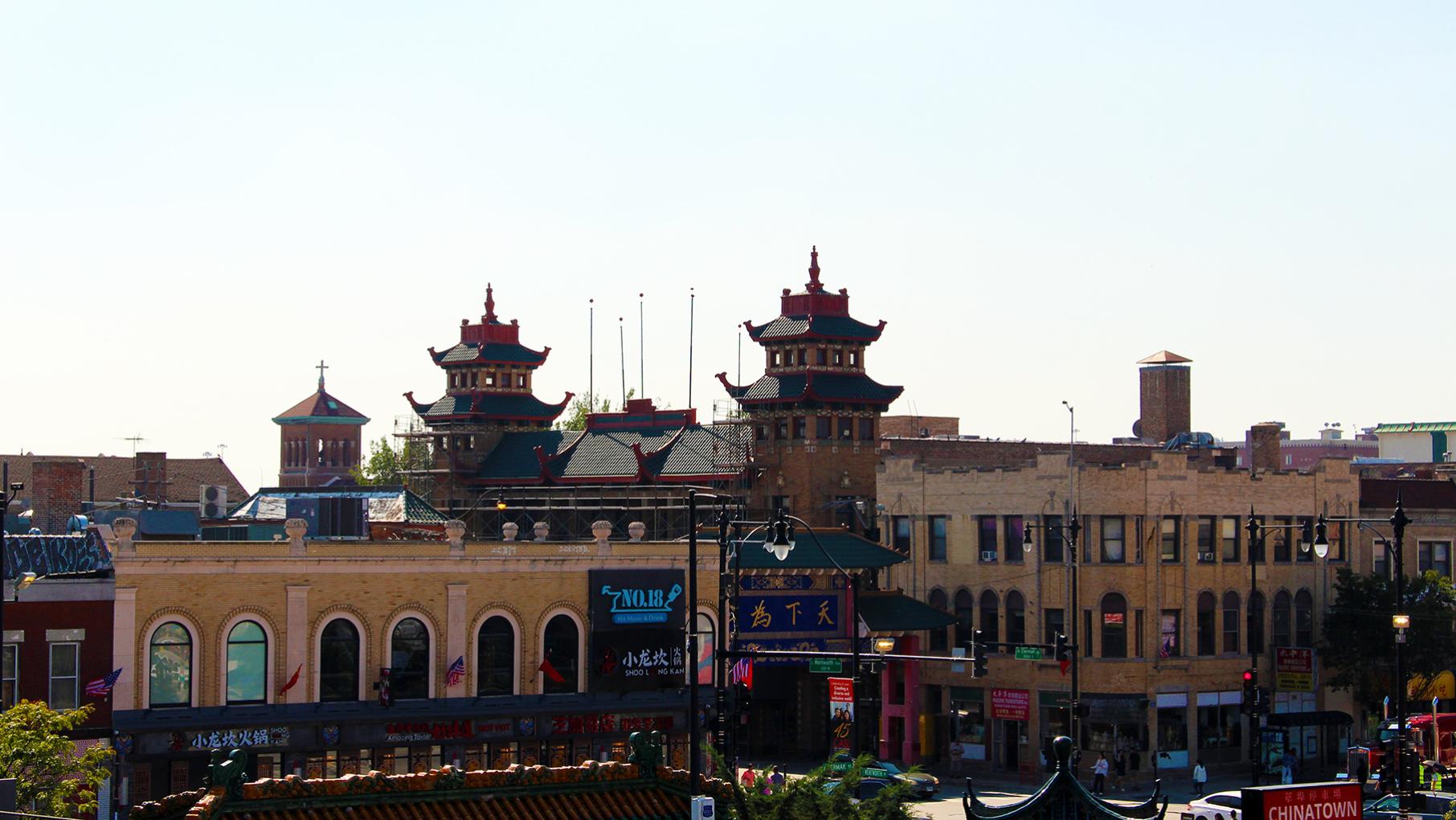
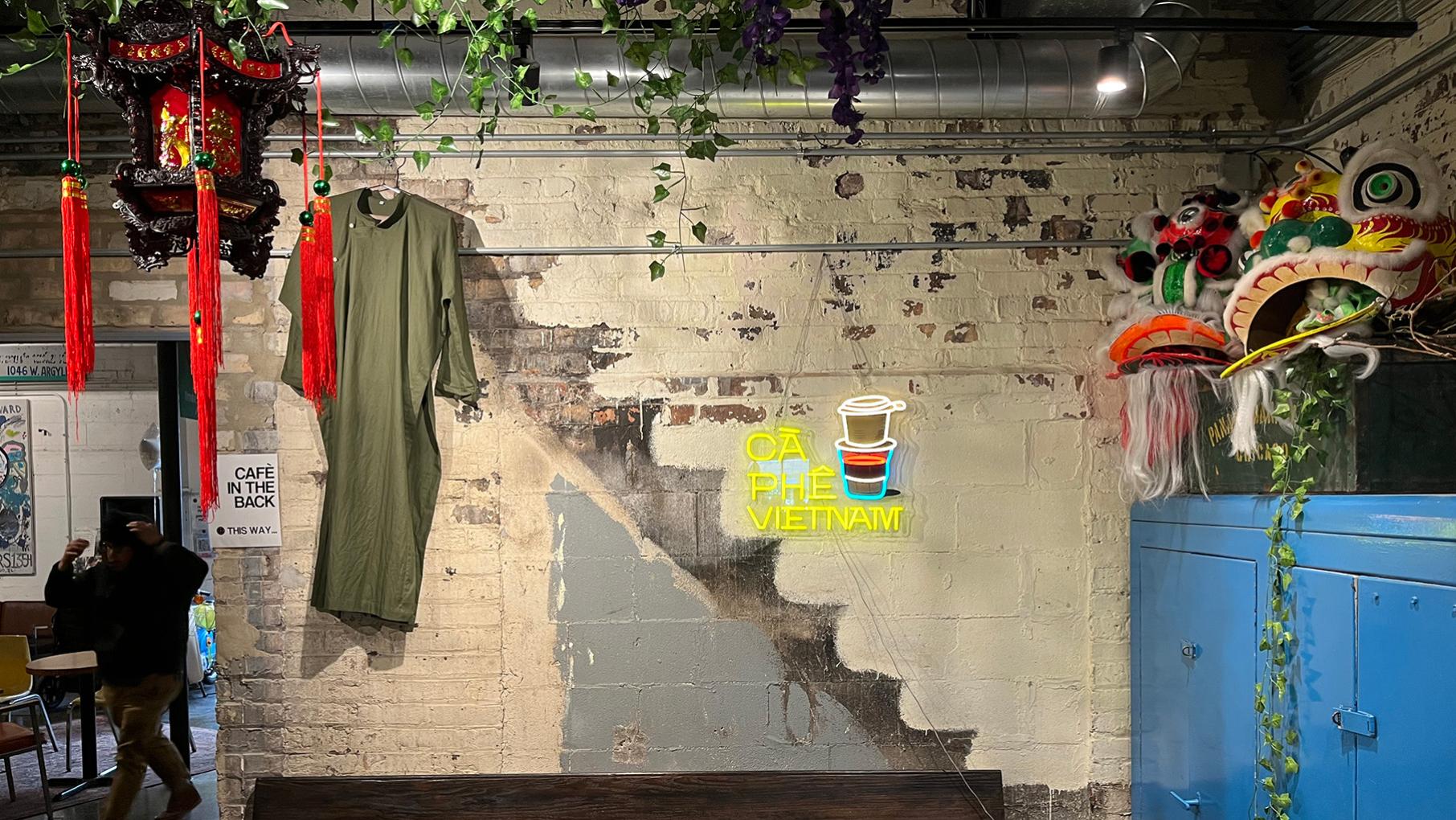
Sure, the Southeast Asian-inspired beverages – Vietnamese coffee with salted cream on top (cà phê muối), Thai tea with cream and cheese, espresso brightened with lemon and makrut lime leaf – are rare in Chicago, as is the ability at a cafe to order instant noodles or a mini Vietnamese bánh mì sandwich on a croissant. Plenty of cafes feature art; Haibayô has old storefront signs salvaged from its “Asia on Argyle” Uptown neighborhood, including a sign from the newly redesigned Argyle ‘L’ station two lots down.
But it’s the lofty ideals of Haibayô that distinguish it from any but the highest-minded neighborhood coffee shops. This isn’t just a place to jolt yourself with caffeine, catch up with a friend, or pretend to get some work done: it’s a community center, an archive of a changing neighborhood, an artistic institution, a comedy club, a launchpad for entrepreneurs, an educational space, a place aiming to keep Asia on Argyle connected to its past while remaining vibrant into the future.
“It’s a space where we try to preserve the sounds, smells, and memories of the Argyle that we grew up in, but also a platform for the younger generation to be creative, feel that they have a space that they belong in,” says Trần. “They could envision a future of Argyle for themselves as well.”
One of the most unusual aspects of Haibayô is that the bar where drinks are made and purchased is all the way at the back of a multi-roomed building, forcing customers looking for coffee to walk through an open gathering space, past a still-in-development display of history and memories of the Asian community on Argyle, and finally into the colorful back room, which is decorated with plants, exposed brick, a cozy rug, and Southeast Asian posters and art. (There’s also a tiny back patio with the plastic stools ubiquitous outside hawker stalls in Southeast Asia.)
“It was intentional” to place the consumer-facing cafe in the back, says Trần.
“There is a business element, which is the cafe,” he says, but also “a space where people could come, gather, and learn about the history.”
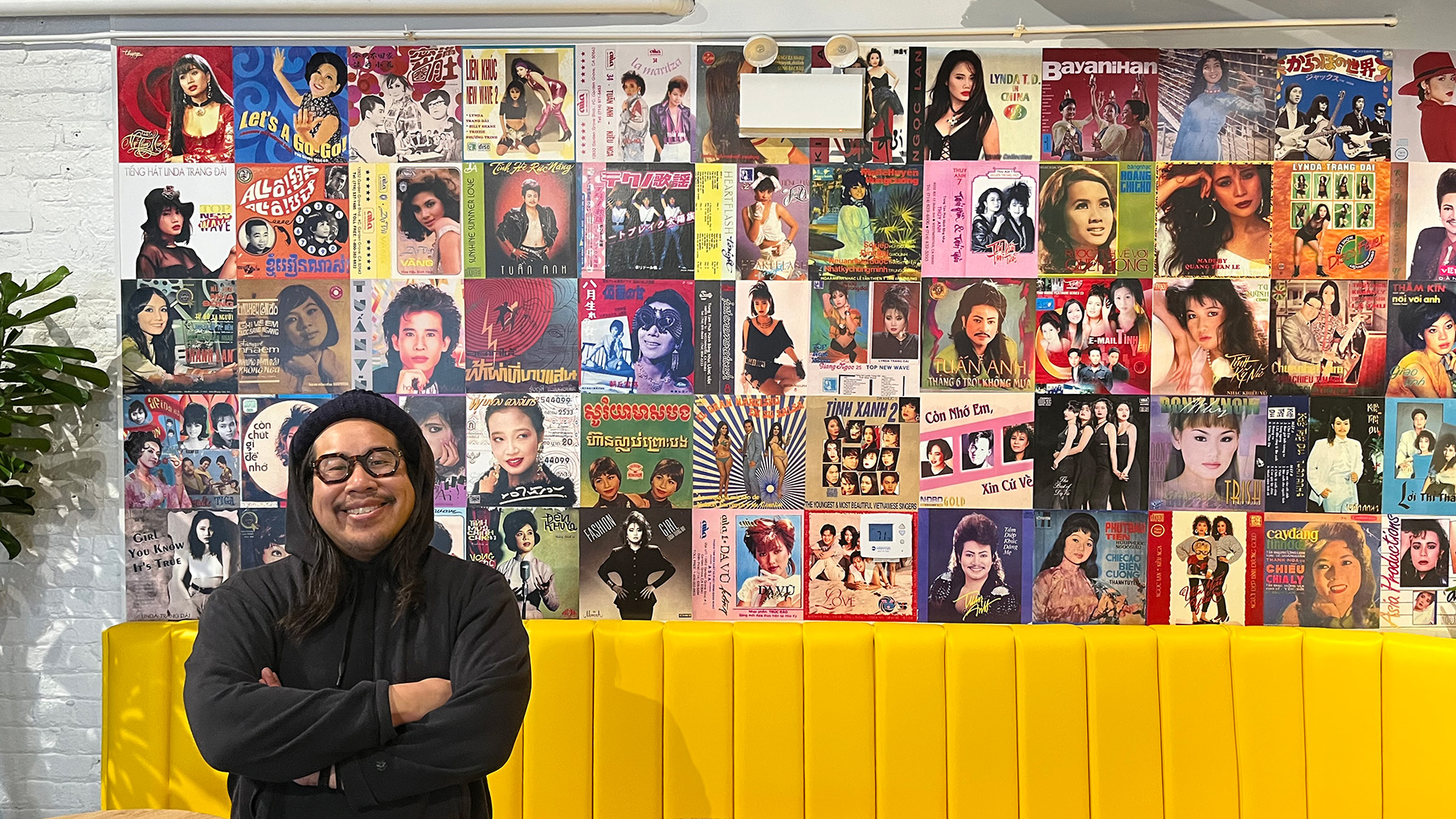
Trần’s own history is wrapped up with the commercial strip on Argyle. His parents met in a refugee camp on Wake Island in the Pacific Ocean after fleeing Vietnam during the Vietnam War. His dad ended up settling in Chicago near Argyle, his mom in Milwaukee. They reconnected at a home on Argyle where someone sold noodles, eventually marrying, settling in Chicago, and becoming involved in Vietnamese community organizations.
Trần’s parents were among a number of Vietnamese refugees who helped revitalize the moribund commercial area around Argyle and Broadway beginning in the late 1970s. So were Haibayô co-owner’s Phạm’s, who opened a pharmacy that was the first Vietnamese-owned business on Argyle; she still runs it today.
Ellen Duong’s parents opened Qideas plant shop on Argyle a couple decades later. A neighbor to Haibayô, it is now directly connected to the spacious room at the front of Haibayô. “She took over the business to reimagine this whole space,” Trần says. “Her business functions in unison in a symbiotic relationship with us.”
It’s all part of an effort to keep Argyle vital but also still accessible for the people who have long come there for groceries or food. In recent years, Uptown has seen gentrification and rising rents, with the Urban Displacement Project categorizing the immediate area as undergoing “ongoing displacement.” Trần notes a number of vacant storefronts along Argyle.
He hopes to draw on his urban planning background and work with other businesses and landowners in the area on community planning through the nonprofit side of Haibayô. “That’s where we really can sit down with different generations and different people of different backgrounds that have stake in this community and really discuss a shared vision,” he says.
For now, Haibayô offers youth artistic programs, food and retail pop-ups, film screenings, and other events in addition to the cafe.
It seems to be fulfilling its goal of becoming a community gathering and educational space as well; a class of undergraduates from DePaul was visiting on a recent weekday, while guests continually stopped Trần to say hello.
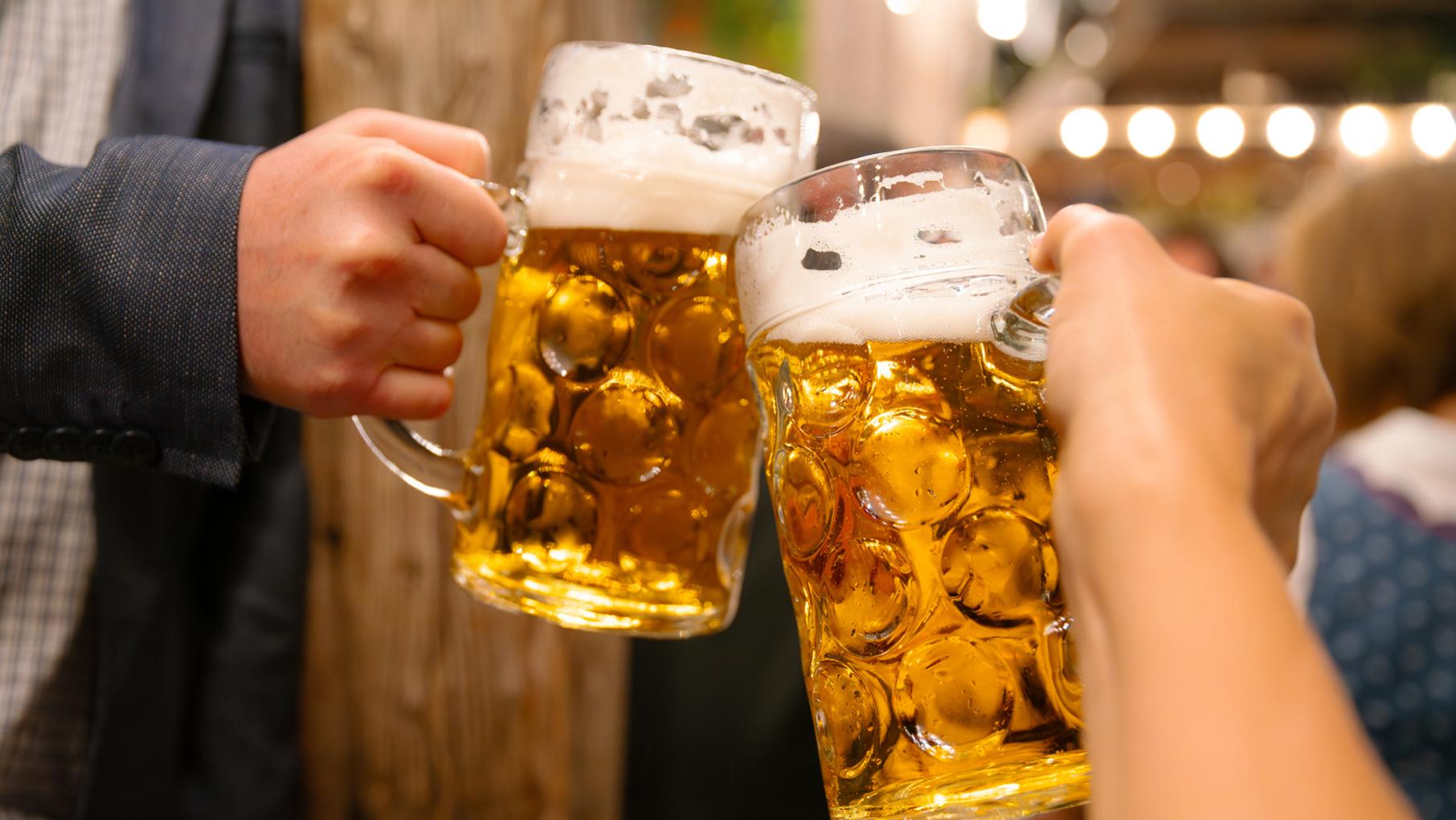
The myriad identities of Haibayô are wrapped up in its name, which means “basically cheers” in Vietnamese, explains Trần. Drinking in Asia “is like a whole spectacle,” he says. “You’re sitting with family, friends, and connecting and coming together. There’s the sense of unity through food and drink.”
Haibayô is open 8:00 am to 3:00 pm Wednesday through Friday and 9:00 am to 4:00 pm Saturday and Sunday.