A Guide to Regional Chinese Food in Chicago
Mona Tong
June 5, 2026
Get more recipes, food news, and stories at wttw.com/food or by signing up for our Deep Dish newsletter.
China is the second-most populous and third-largest country by area in the world, spanning subtropical coasts to arid desserts, mountainous regions to river deltas and forests. So it's no surprise that food from across China is diverse, as different as Polish is from Spanish food, southern from northern Indian, Californian from American Southern cuisine. What many Americans know as "Chinese food" is a narrow selection of dishes, many adapted to white American tastes. But in recent decades more Chinese regional dishes and cuisines have appeared on restaurant menus in Chicago. Here is a guide to some of them, with a prelude beginning with a homegrown regional cuisine: Americanized Chinese food.
Explore Regional Cuisines:
Americanized Chinese cuisine, the prequel to and a form of Chinese regional cuisine
The first wave of Chinese immigrants to the U.S. came mostly from Taishan, a relatively impoverished rural county in the Guangdong coastal province. They initially settled along the West Coast in 1849 during the California Gold Rush craze and need for labor on the transcontinental railroad. But due to various factors like anti-Chinese immigration policies, violence, and discrimination; economic depression; and the completion of the transcontinental railroad in 1869, Chinese laborers began moving from the West to Chicago by the mid-1870s. By 1880, there were about a hundred Chinese in Chicago, and by the end of 1890, there were over 500, spawning Chicago’s first Chinatown between South Clark and Van Buren Streets.
The majority of the early Chinese in Chicago also hailed from Taishan, whose cuisine laid the foundation of Americanized Chinese food across the country. The cuisine consists of sweeter flavors and basic stir-fries such as tsap seui, or “miscellaneous leftovers,” which is thought to be the inspiration for the iconic Americanized chop suey dish. The Americanized version is mostly similar to the Taishanese version, but with much more gravy and broth to appease the white American palate. The chop suey craze quickly swept across both Chicago and the rest of the nation, and by the 1910s, the majority of Chicago’s 250 Chinese restaurants were chop suey houses.
Other staple Americanized Chinese dishes like chow mein and egg foo young were also adapted and marketed to white American tastes. For example, Chinese restaurateurs dry-fried chow mein to match the American preference for fried foods, and cut the noodles shorter to accommodate their fork use. Similarly, while Cantonese egg foo young is traditionally pan-fried, the Americanized version was deep-fried with gravy. By aligning Chinese foods to American tastes and marketing its foreignness and exoticism to non-Chinese patrons, Chinese restaurateurs gradually transformed American attitudes towards Chinese food and carved a space for themselves within the American culinary landscape.
The subsequent diversification of regional Chinese food in America resulted from both the gradual acceptance of its Americanized Chinese predecessor and from shifting national immigration policies. As a result of the 1965 Immigration and Nationality Act, which removed the existing nationality-based quota system, nearly 420,000 Chinese immigrated to the U.S. between 1965 and 1984. With them came an influx and diversification of regional Chinese cuisines, from Sichuan and Hunan to Shanghai and northern China. By 1985, Chinese restaurants became among the most common “ethnic” restaurants in America, with over 30,000, or one-third of all “ethnic” restaurants.
Americanized Chinese dishes also continued to evolve from this wave of new migrants, who introduced new staples like kung pao chicken (inspired by Sichuan’s gong bao ji ding), and General Tso’s chicken (inspired by Taipei’s Geojeol Tso’s Chicken, a dish of loose Hunan influence). These iconic dishes were also adapted to American palates, resulting in a sweeter, less spicy kung pao chicken and a General Tso’s chicken layered in cornstarch slurry and sugar – uncommon in traditional Hunan cuisine.
Longstanding restaurants in and outside of Chicago’s Chinatowns still serve Americanized Chinese classics like chop suey, egg foo young, and General Tso’s chicken, though their numbers are gradually dwindling. Since the closure of Won Kow restaurant in 2018, Orange Garden in North Center (opened 1932) has become the city’s oldest chop suey house. Another is House of Wah Sun, which opened across from the Davis Theater in 1947 before moving down Lincoln Avenue and later to Irving Park. Three Happiness Restaurant on Old Chinatown’s Cermak Road opened in the 1970s and continues to serve Cantonese classics.
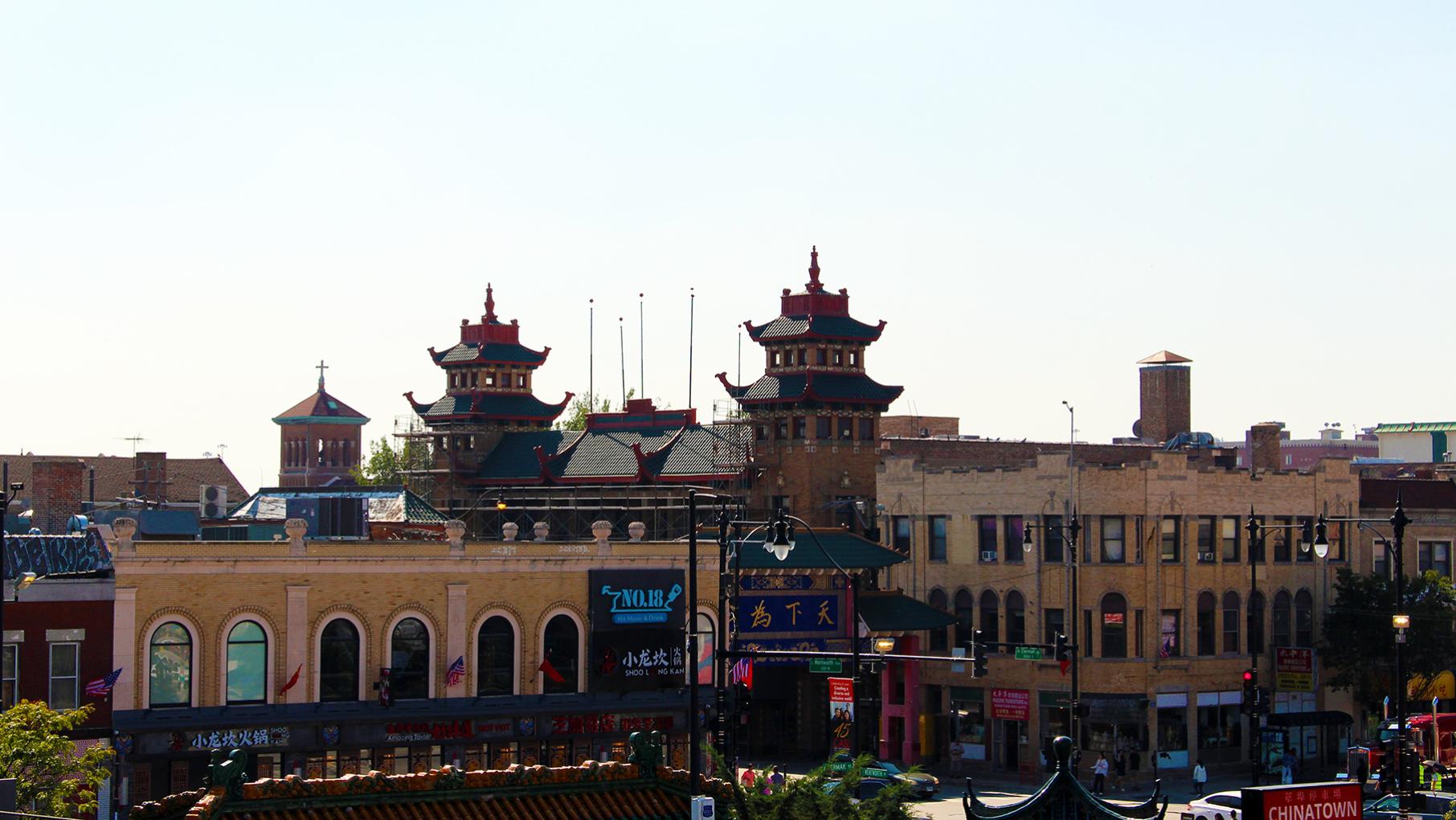
Today, Chicago technically has two Chinatowns: “Old Chinatown” on the South Side, centered on Cermak Road and Wentworth Avenue, and “New Chinatown” centered on the North Side’s Argyle Street between Sheridan Road and Broadway. Old Chinatown was formed in 1912 after rising rent and other forms of discrimination forced the community’s original Chinatown to relocate. New Chinatown was established in 1975, when the neighborhood became a major entry and settlement point for Indochinese refugees of the Vietnam War.
Unlike other Chinatowns around the world, which have been declining in Chinese population and economic vitality, Chicago’s Old Chinatown has been growing and even expanding southwest to Bridgeport and McKinley Park.
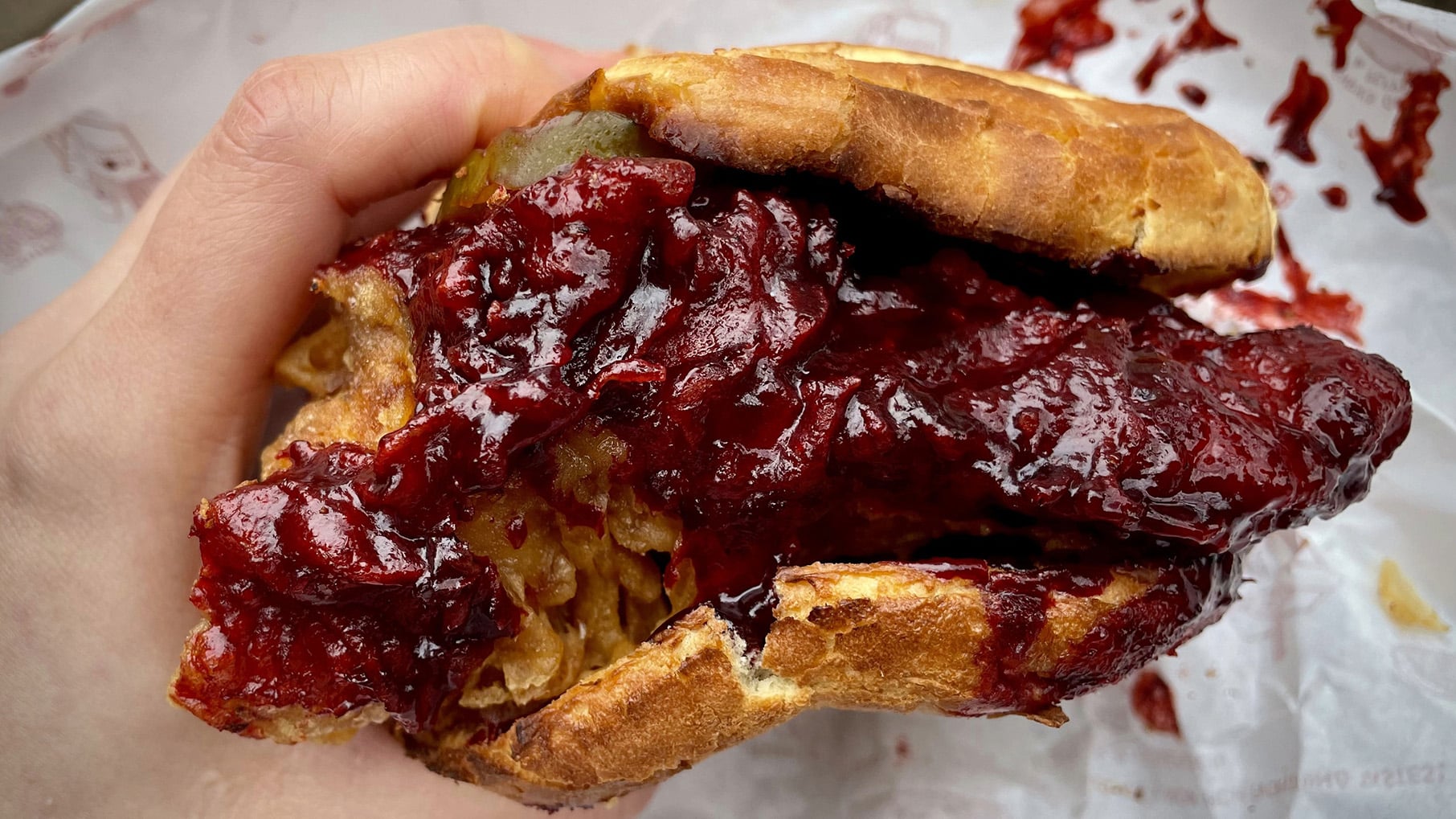
Like any other cuisine, Americanized Chinese cuisine is not static and is constantly being adapted and redefined. For example, 3 Little Pigs Chi, which opened a brick-and-mortar in Bridgeport in 2024, combines traditional Cantonese and Americanized staples like BBQ pork, crab rangoon, and fried rice, with staunch American dishes like fried chicken sandwiches, hot pot beef sandwiches, and French fries. Owner Henry Cai previously told WTTW that he wants 3LP “to not just be for Chinese Americans, but to represent all immigrant children that can't find a place.”
The eight main regional cuisines and where to find them
Chinese regional food is most commonly categorized into eight cuisines representing some of the best-known dishes and Chinese cooking styles: Cantonese, Shandong, Sichuan, Jiangsu, Hunan, Fujian, Zhejiang, and Anhui. Below, we outline the six of the eight main regional cuisines that you can find in Chicago and where to try them. (There are currently no restaurants in Chicago specializing in Zhejiang or Anhui cuisine.) However, these eight cuisines exclude a considerable portion of the country’s extensive culinary cartography, so we also explore a few other regions further down. Not all these regions’ cuisines are represented in Chicago, but we attempt to cover as many as possible.
Cantonese
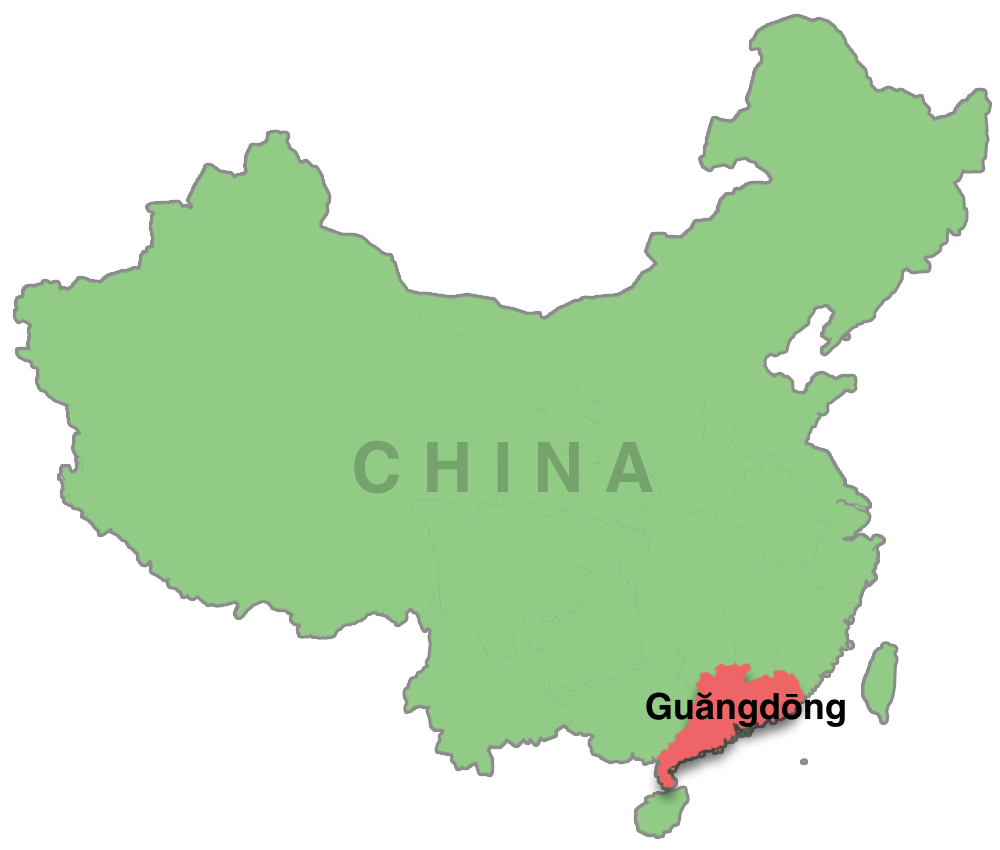
Cantonese (Yue) cuisine is the most widespread Chinese cooking style outside of China, originating from Guangdong province, Hong Kong, and Macau. It was the first Chinese cuisine encountered by Europeans in the trading ports of Macau and Canton (modern-day Guangzhou) and the first cuisine introduced to the U.S. by emigrants working on American railroads and mines. The Americanized Chinese dishes we are familiar with today evolved most directly from Cantonese cuisine. Despite the more recent influx of Mandarin speakers, Cantonese dialect and restaurants still dominate Chicago’s Old Chinatown.
Cantonese cuisine is known for its mild yet rich flavors due to its eclectic use of sauces including bean sauce, hoisin sauce, oyster sauce, plum sauce, and sweet and sour sauce. The cuisine emphasizes the use of fresh ingredients, seafood, and simple cooking techniques like simmering, poaching, and steaming to highlight natural flavors. You can find a range of Cantonese seafood specialties including Hong Kong-style soft shell crab and millionaire fried rice at Go 4 Food in Chinatown, or twin lobster / dungeness crab sticky rice at JM Seafood Restaurant in Bridgeport.
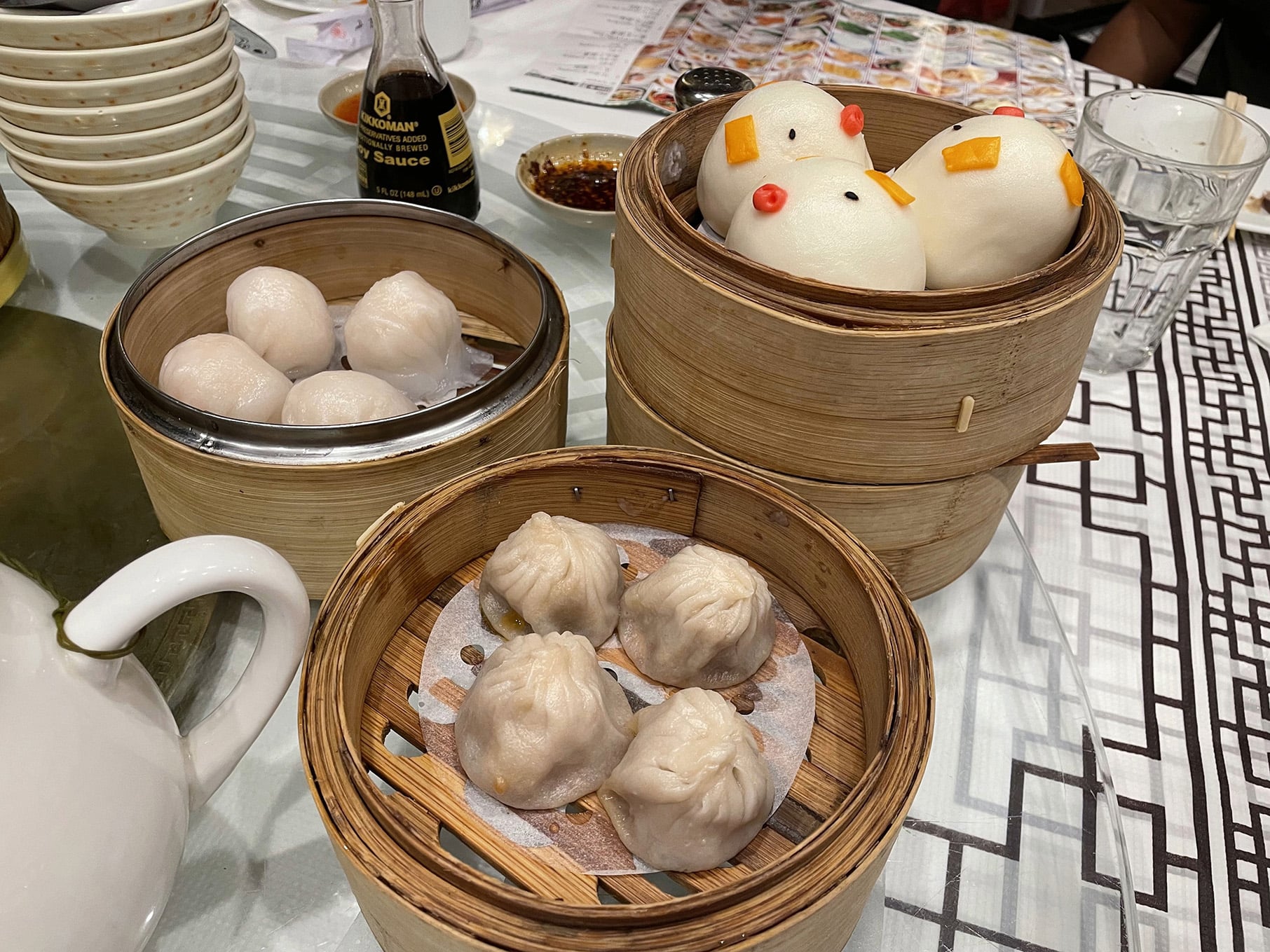
Among the most popular forms of Cantonese dining is dim sum, which ranges broadly in flavors, ingredients, and cooking styles, but is typically a family-style brunch consisting of small steamed, fried, and/or wrapped seafood, meat, and vegetable dishes such as rice noodle rolls, steamed shrimp dumplings, char siu pork, and stuffed eggplant. There is a wide swath of dim sum restaurants all across Chicago, including Triple Crown Restaurant in Chinatown, Furama Restaurant on Argyle, and D Cuisine in Lincoln Park.
Siu mei is a popular Cantonese culinary tradition of roasting meats like pork, duck, and goose both for dim sum and on its own. For restaurants specializing in Hong Kong-style BBQ, head over to Sun Wah BBQ near Argyle for a multi-course Hong Kong-style Beijing duck dinner, or BBQ King in Chinatown for a Hong Kong-style whole roast pig and full Beijing duck dinner.
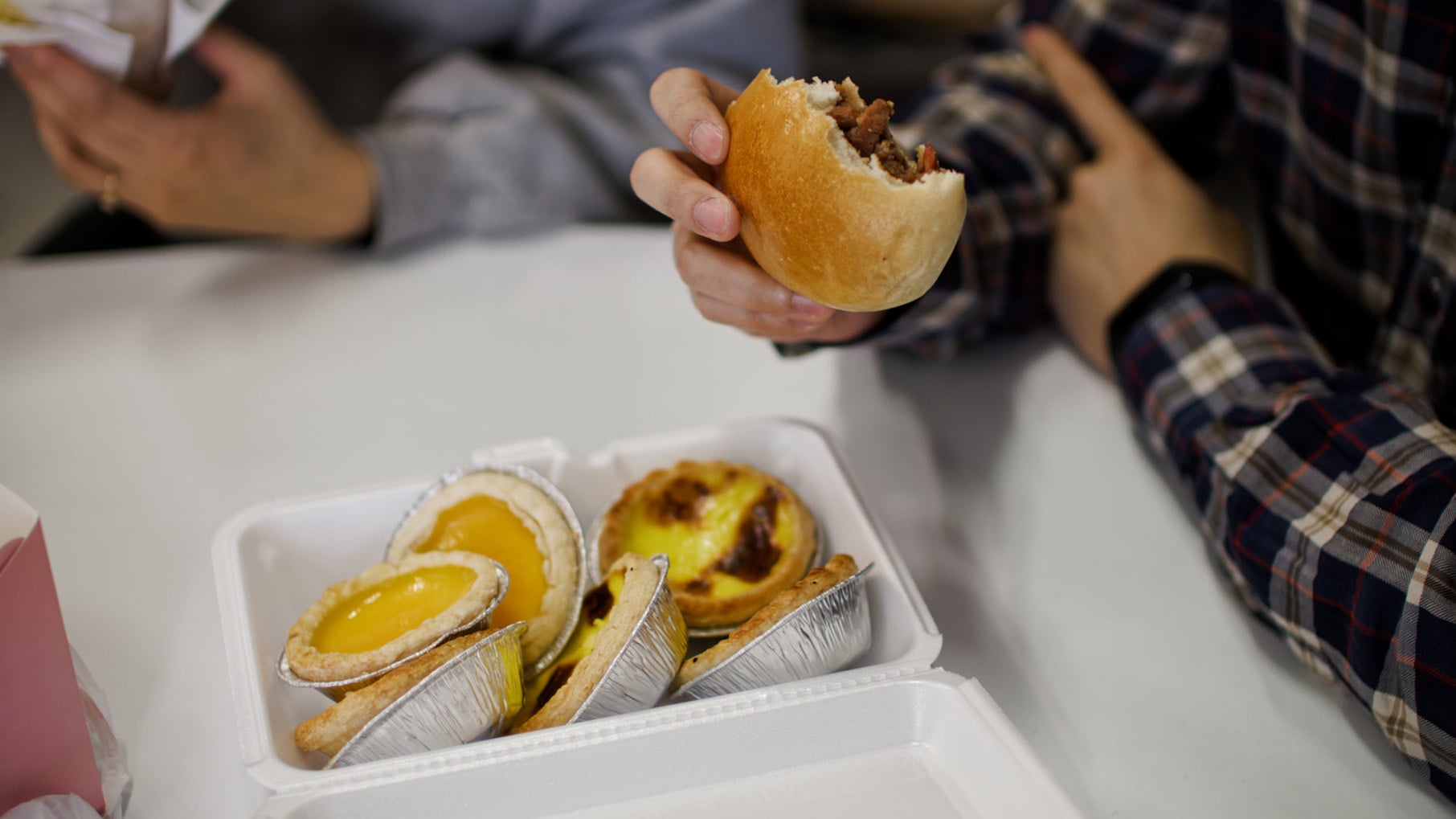
Specifically, Hong Kong cuisine features both heavy Cantonese and Western influence due to the history of British colonization. You can find Hong Kong-style bakery items such as milk tea, egg tarts, pineapple buns, and dim sum, as well as a traditional Hong Kong diner breakfast complete with macaroni noodle soup or spaghetti at Saint Anna Bakery & Cafe in Chinatown. Chiu Quon Bakery, Chicago’s oldest Chinese bakery located in Chinatown and Argyle, also offers traditional Hong Kong-style egg tarts, BBQ pork buns, and other dim sum staples.
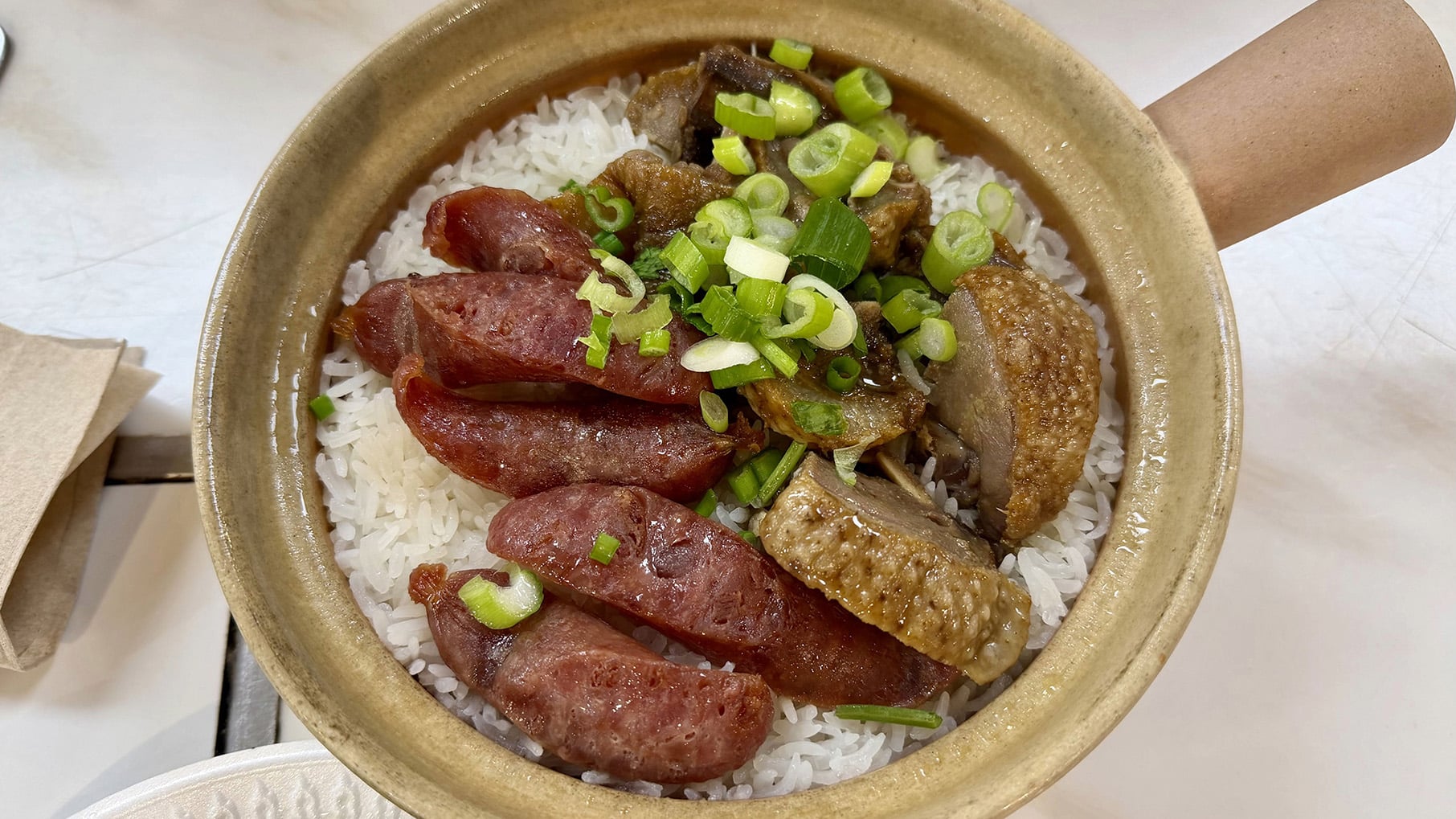
As mentioned previously, the first Chinese in Chicago emigrated from rural Taishan, a county in southwest Guangdong, and for decades they made up the majority of Chicago’s Old Chinatown. For classic Taishanese dishes like claypot rice, preserved meats, and bone broth soup, head to Jonny’s Claypot Rice, nestled in Chinatown’s Park to Shop supermarket.
Shandong
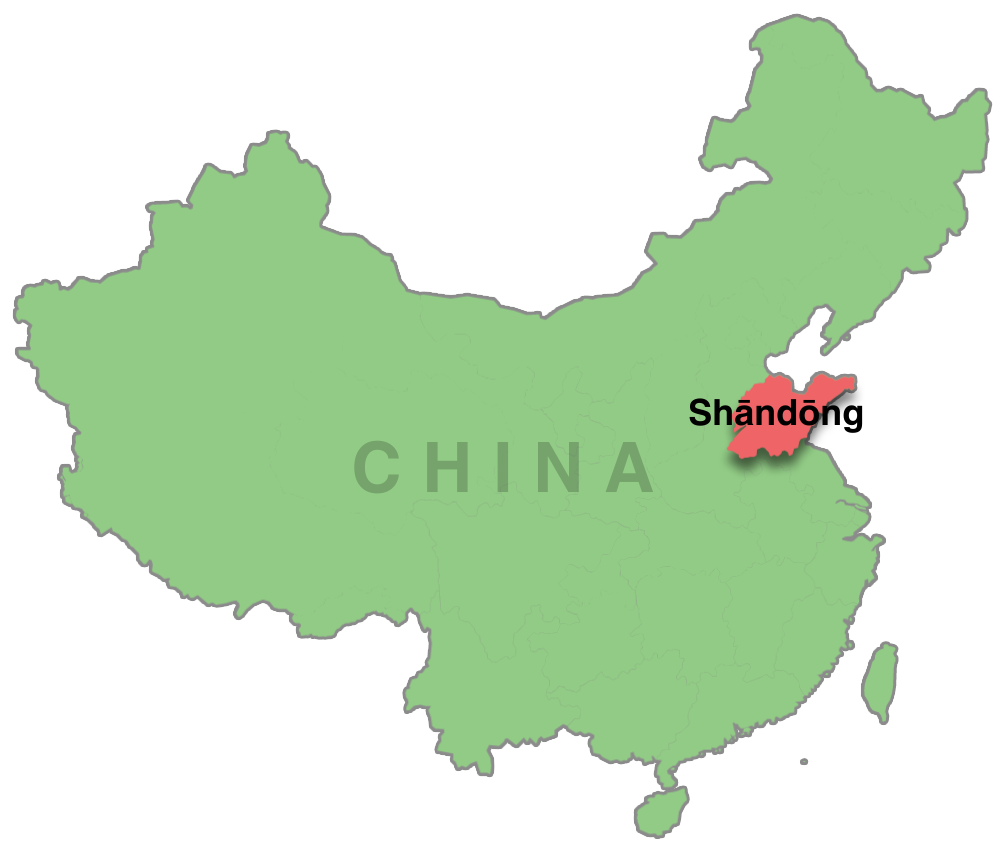
Shandong (Lu) cuisine has the longest history within China and has had the biggest influence on the Chinese cooking canon, standardizing many Chinese stocks and sauces and kitchen organization. We also group other northern cuisines including Beijing and Tianjing cuisine here because many northern culinary traditions closely evolved from Shandong cuisine.
As a coastal city, Shandong cuisine highlights seafood ingredients like squid, shrimp, and sea cucumber, but those dishes are harder to find in Chicago. More well-represented here are the wheat-based staples of northern China, which are prolific due to the region’s colder and more arid climates, which suit the cultivation of wheat more than rice. These include noodle dishes like zhajiang mian and liang mian; bing (pancakes) and baos; youtiao (fried donut sticks), a traditional northern breakfast staple; and moo shoo pork, which features stir-fried shredded pork, eggs, wood ear mushrooms, and cabbage served with spring pancakes. You can find all these staples at Uncle Zhang Chinese Cuisine in Bridgeport.
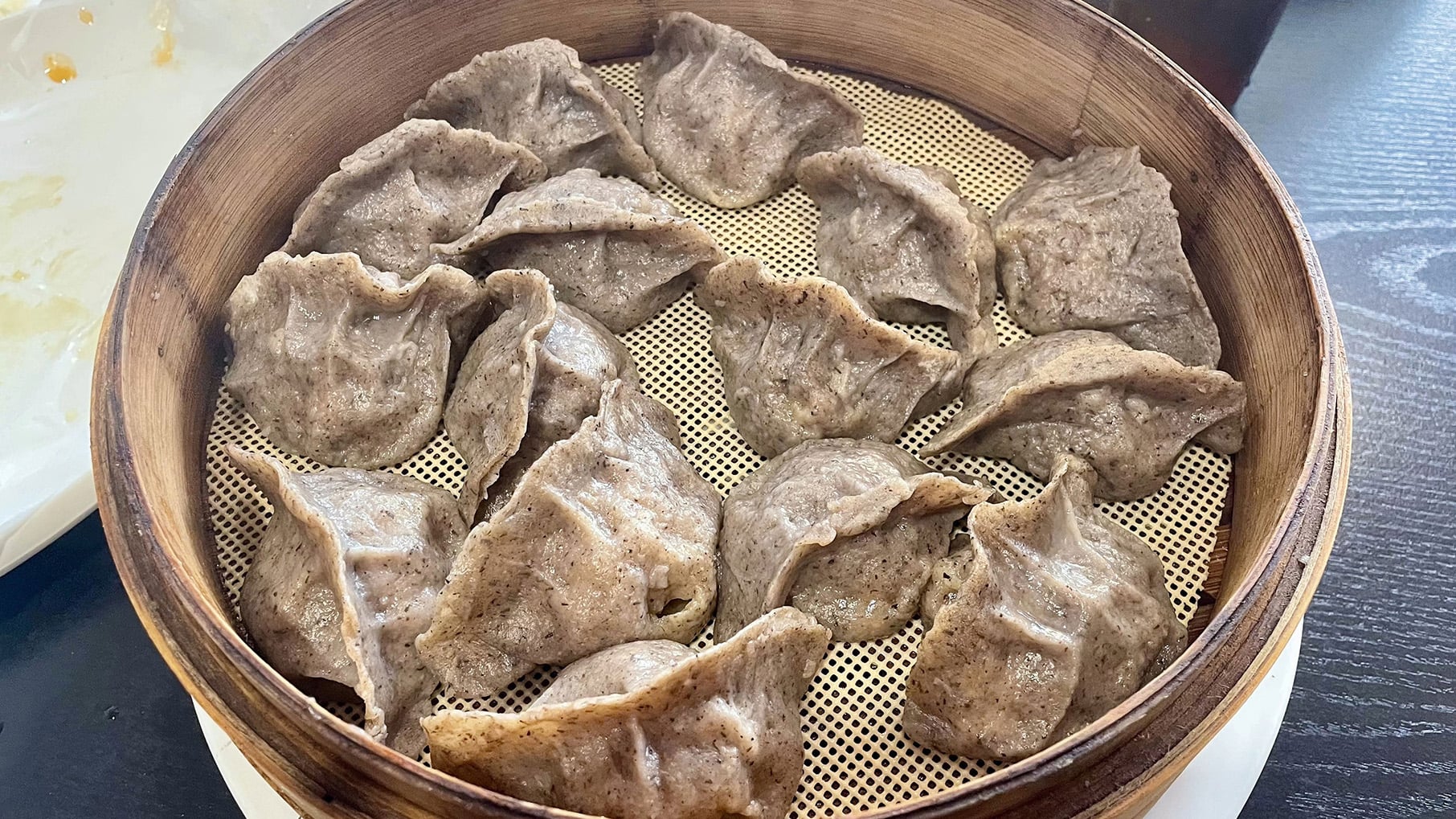
A plethora of Chicago restaurants also specialize in northern-style dumplings, which are thick-skinned and most commonly boiled or pan-fried. These include Qing Xiang Yuan Dumplings in Chinatown (and soon to be in Wicker Park), and Northern Taste and Four Seasons Dumplings in Bridgeport.
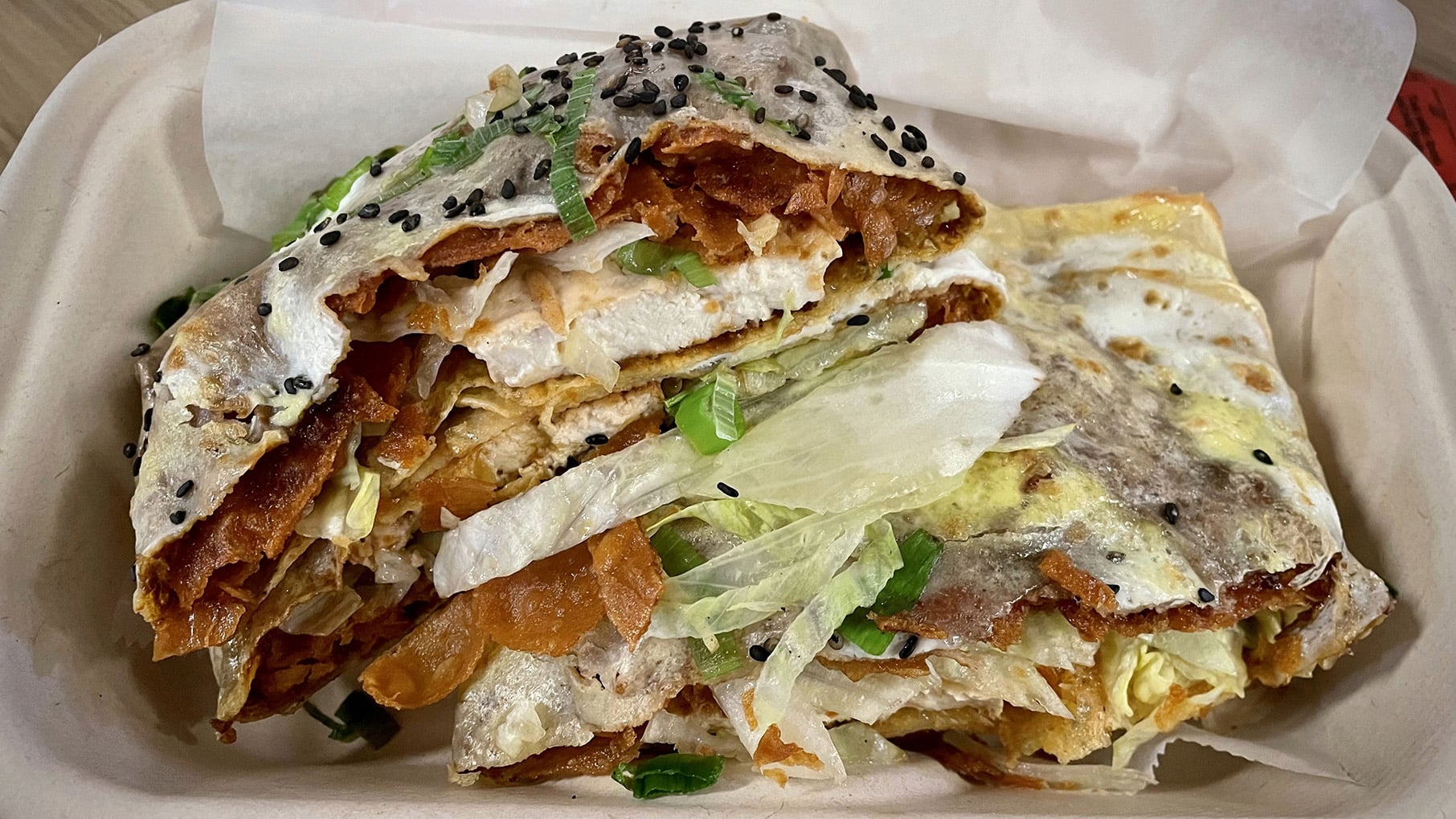
Other popular northern Chinese dishes include the famous, crispy-skinned Peking Duck, which can be found at Shanghai Terrace in Streeterville; jianbing, a savory Chinese breakfast crepe that originated in Shandong and can be found at JIAN in the basement of Block 37; and da la pi or liangpi, cold clear noodles made from potato or mung bean starch, served at Uncle Zhang’s, Northern Taste, and Four Seasons Dumpling in Bridgeport.
Sichuan
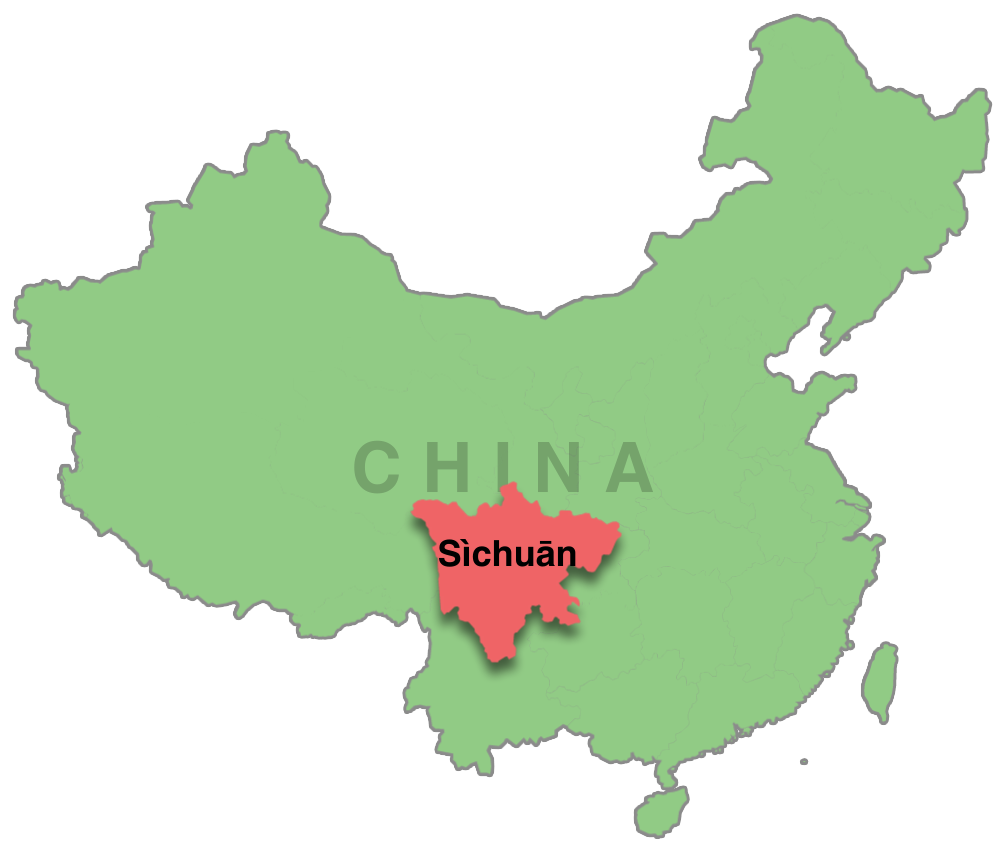
Sichuan (Chuan) cuisine has blown up in popularity outside of China in more recent years, joining Cantonese restaurants as the most prolific Chinese regional restaurants spanning Chicago and the nation as a whole.
It’s best known for its signature málà or hot, mouth-numbing flavor profile featuring heavy, deep-red oil, peppercorn spices, and dried chili peppers. Popular dishes of this region include mapo tofu, kung pao chicken, dry chili chicken, twice-cooked pork, fiery dry pots, mouthwatering chicken, whole fish, and dan dan noodles. These dishes can be found across nearly all Sichuan restaurants across Chicago. Outside of dan dan noodles, Sichuan cuisine is also known for Chongqing xiao mian, a famous málà street food noodle dish from Chongqing found at Min’s Noodle House in Bridgeport, as well as Yibin noodles, a bolder, more fiery and oily version of dan dan noodles found at Chinatown’s Chef Xiong-Taste of Szechuan and Dongpo Impression.
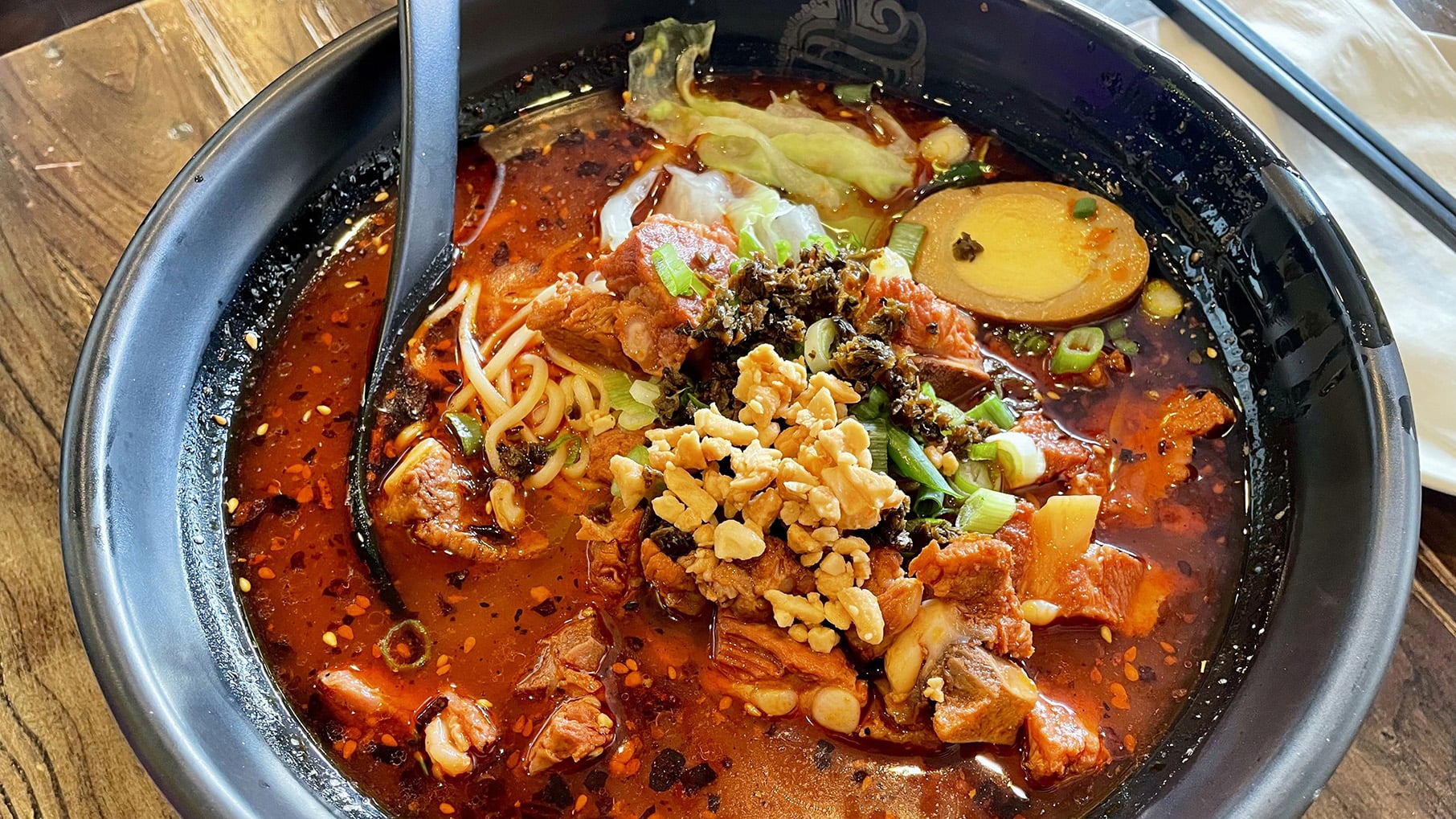
Chengdu, the capital and largest city in Sichuan, is known for a vibrant street food culture. At Royal Highness Zhu in Lincoln Park, you can find classic Chengdu snacks like chao shou wontons, pig trotters, tofu bean curd, sweet water noodle, and fu qi feipian (cold, spicy sliced beef and tripe). Rabbit is another defining staple of Sichuan cuisine (spicy rabbit head is a famed street food snack in Chengdu), and the province accounts for roughly 60% of the country’s total rabbit consumption. In Chicago, various rabbit dishes can be found at MCCB in Chinatown, Chengdu Impression in Wicker Park, and Szechuan Alley in Bridgeport.
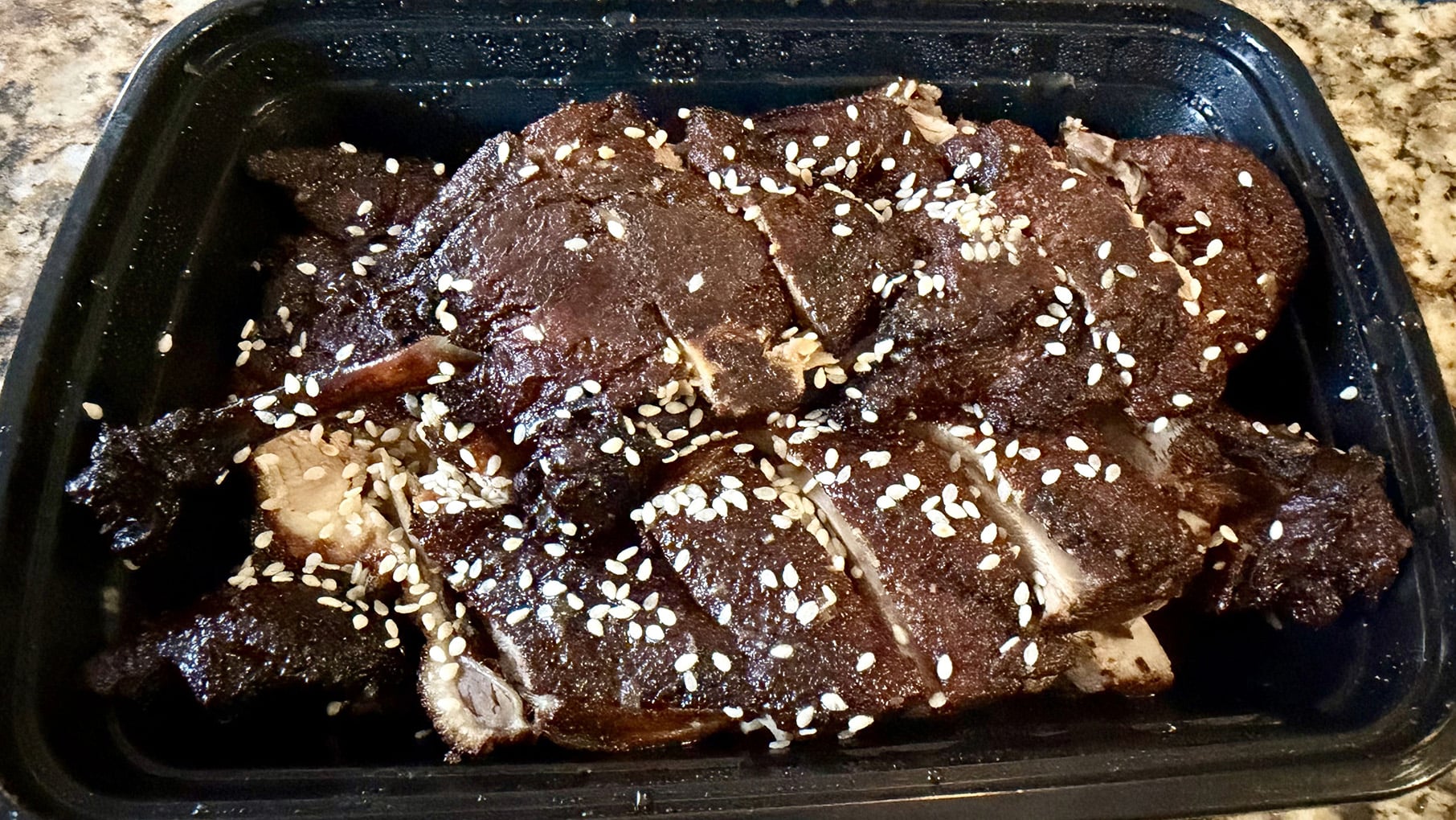
Located southwest of Chengdu, Leshan is home to the famous 71-meter-tall Giant Buddha as well as several of Sichuan’s most renowned culinary specialties including tianpi ya (sweet-skinned duck), doufu nao (tofu jelly), and bobo chicken. For tianpi ya, a juicy roasted duck known for its signature crackly-sweet skin, head to YooYee near Argyle, which also serves classic spicy, hand-pulled noodle soups.
For Chongqing hotpot, a popular branch of Sichuan cuisine known for its fiery, málà beef tallow-based broth packed with chili peppers and Sichuan peppercorns, head to Qiao Lin Hotpot in Streeterville or inside Chinatown’s 88 Marketplace.
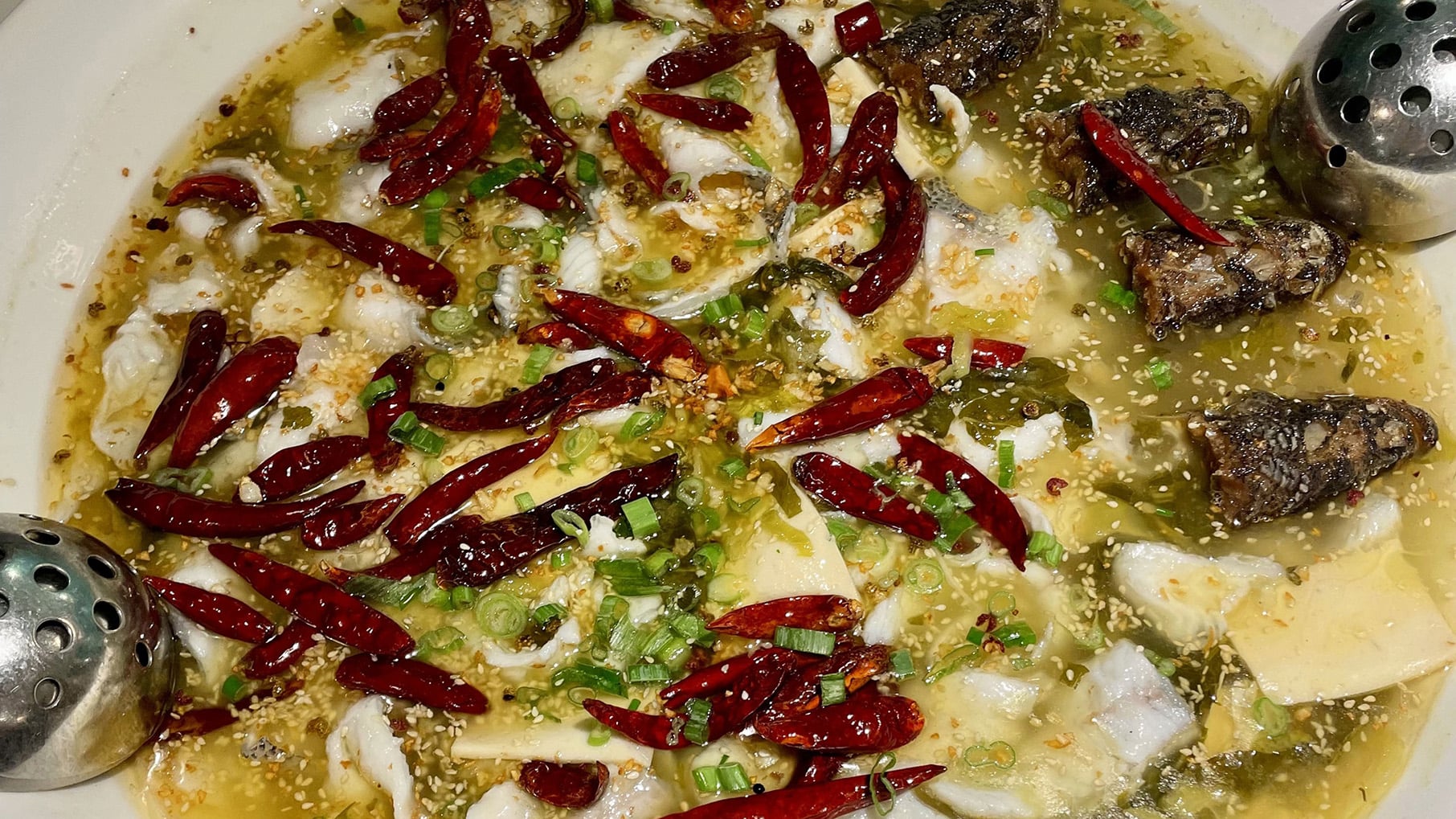
But Sichuan cuisine goes beyond the typical málà flavors that many associate it with. At its core, the cuisine features a medley of spicy, salty, sour, sweet, bitter, and smoky flavor combinations. Restaurants like Yao Yao in Chinatown highlight the sour and fermented flavors of Sichuan with its signature pickled fish and golden sour fatty beef soup.
Jiangsu
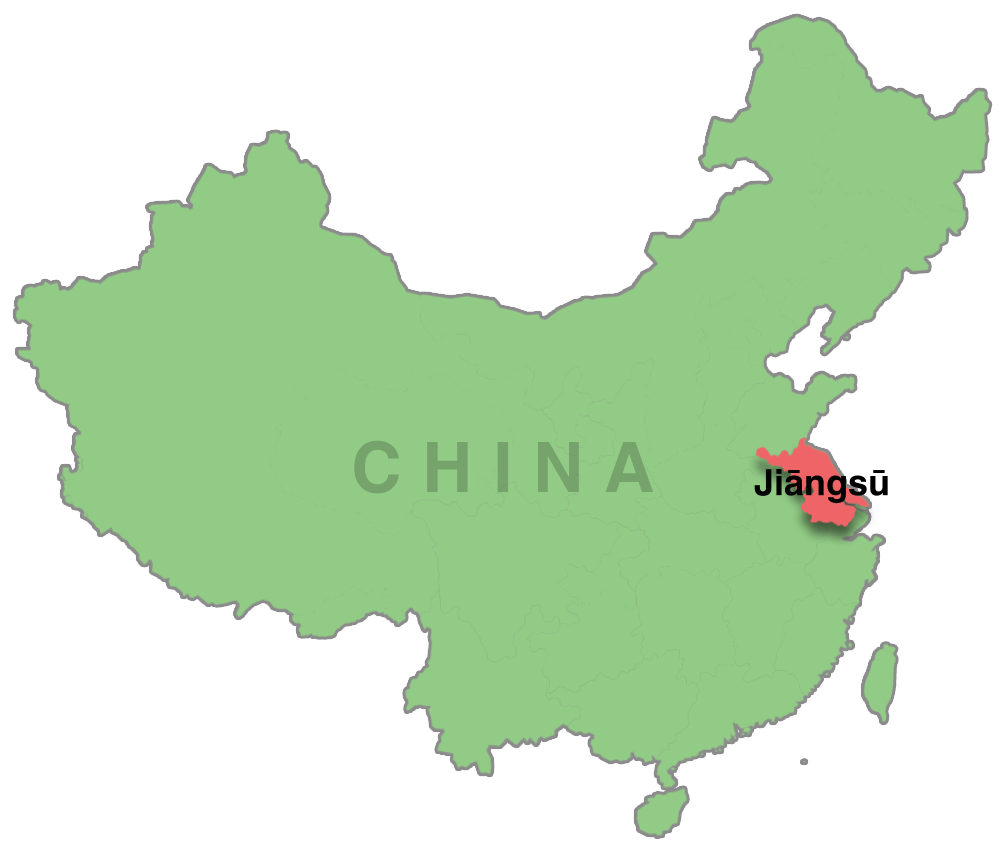
Located on China’s east coast in the lower Yangtze and Huaihe river basins, Jiangsu (Su) dishes prominently feature fresh seafood. The cuisine includes Nanjing, Huaiyang, Suzhou, and Wuxi foods – and has heavily influenced the cuisine of Shanghai, which borders the Jiangsu province to the northwest. The cuisine originated red braised/hong shao cooking, in which soy sauce and other ingredients are slowly braised until caramelized. Similar to Cantonese cuisine, Jiangsu cuisine features subtle yet umami flavors that highlight the flavor of natural ingredients.
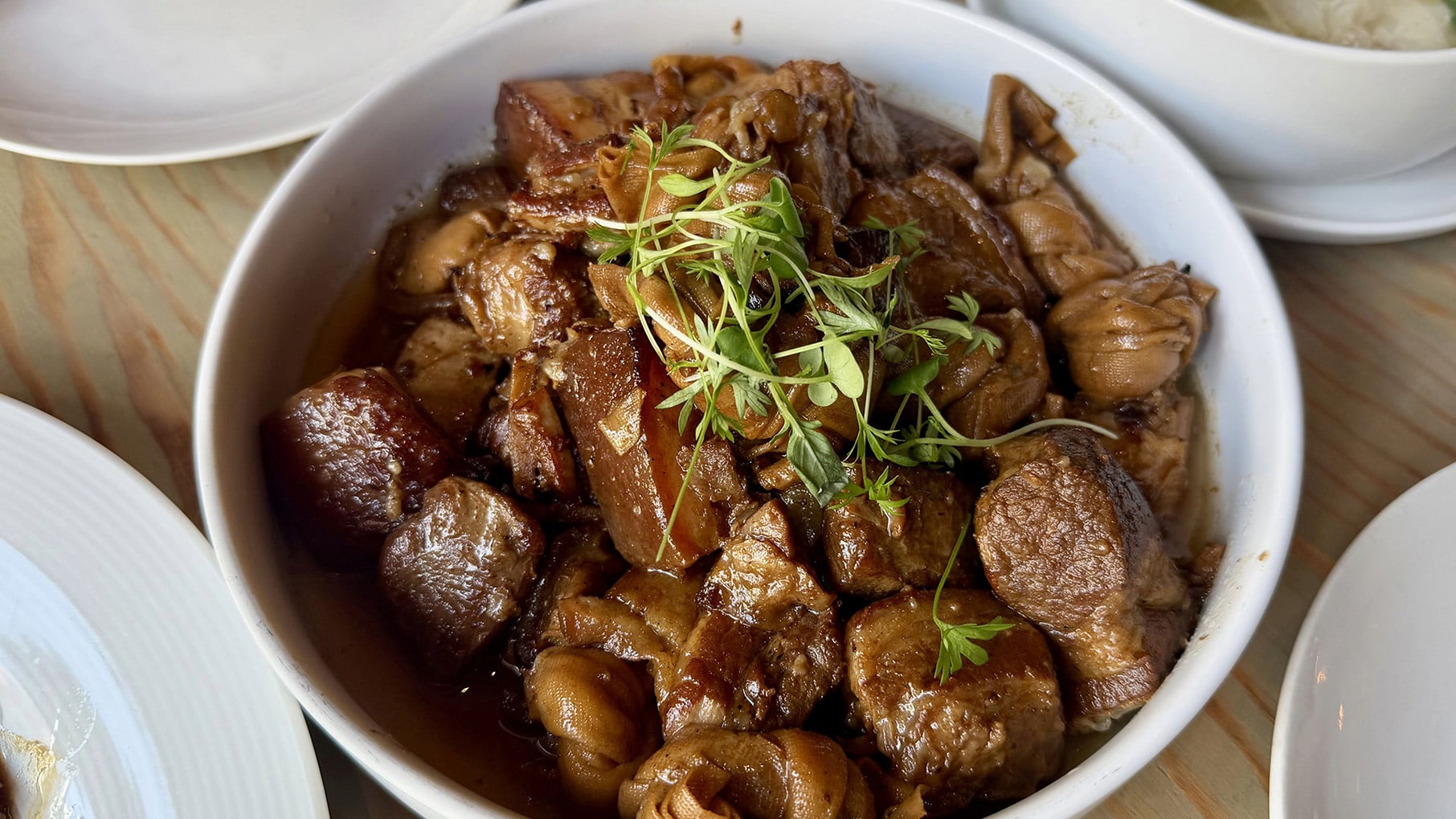
Popular Jiangsu dishes include xiao long bao (soup dumplings) and sheng jian bao (pan-fried pork buns), which can be found at La Mom Kitchen in Edgewater; Moon Palace Express, a takeout-only joint in Chinatown; and Hing Kee Restaurant in Chinatown. Shine Restaurant in Lincoln Park also offers a Shanghainese / Jiangsu-influenced menu that must be pre-ordered 24 hours in advance on WeChat. It includes Shanghai specialties such as hong shao pork belly, baby wontons, drunken chicken, hong shao dai yu, and soy-scallion noodles.
Fujian
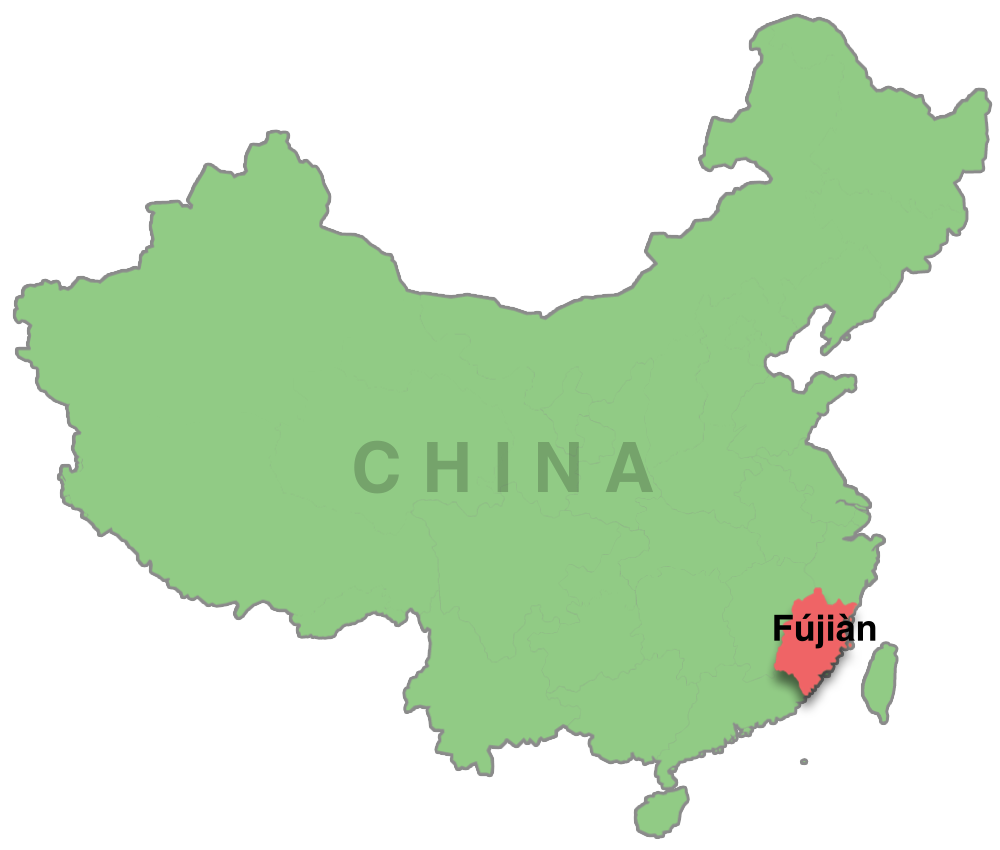
Fujian (Min) cuisine is from the southeastern coastal province of Fujian. Soup, often highlighting seafood-based condiments and ingredients, is the most common dish in this region. The flavors are light and fresh. In Chicago today, Fujianese dialects tend to be spoken more around Argyle, as many ethnically Chinese migrants from Southeast Asia speaking Chaozhou and Hokkien dialects of Fujianese moved there following the end of the Vietnam War in 1975.
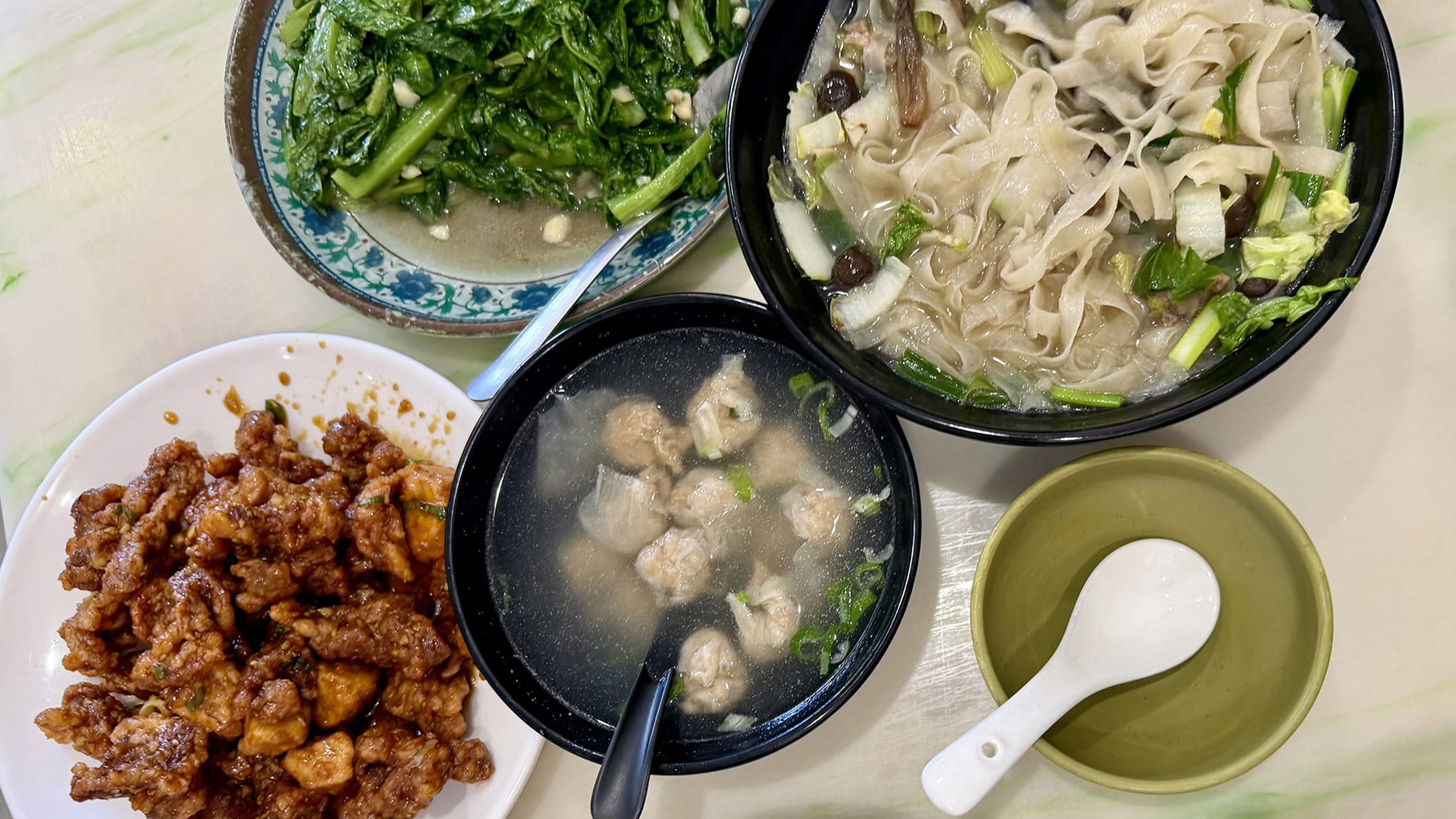
Many restaurants in Chicago’s Chinatown are Fujianese owned, but don’t serve Fujianese food. The only restaurant explicitly serving the cuisine is New Chinatown Restaurant in Old Chinatown, which features popular dishes from Fuzhou, the coastal capital of the Fujian province, including Fuzhou fish balls, lychee pork, and fish noodles.
Hunan
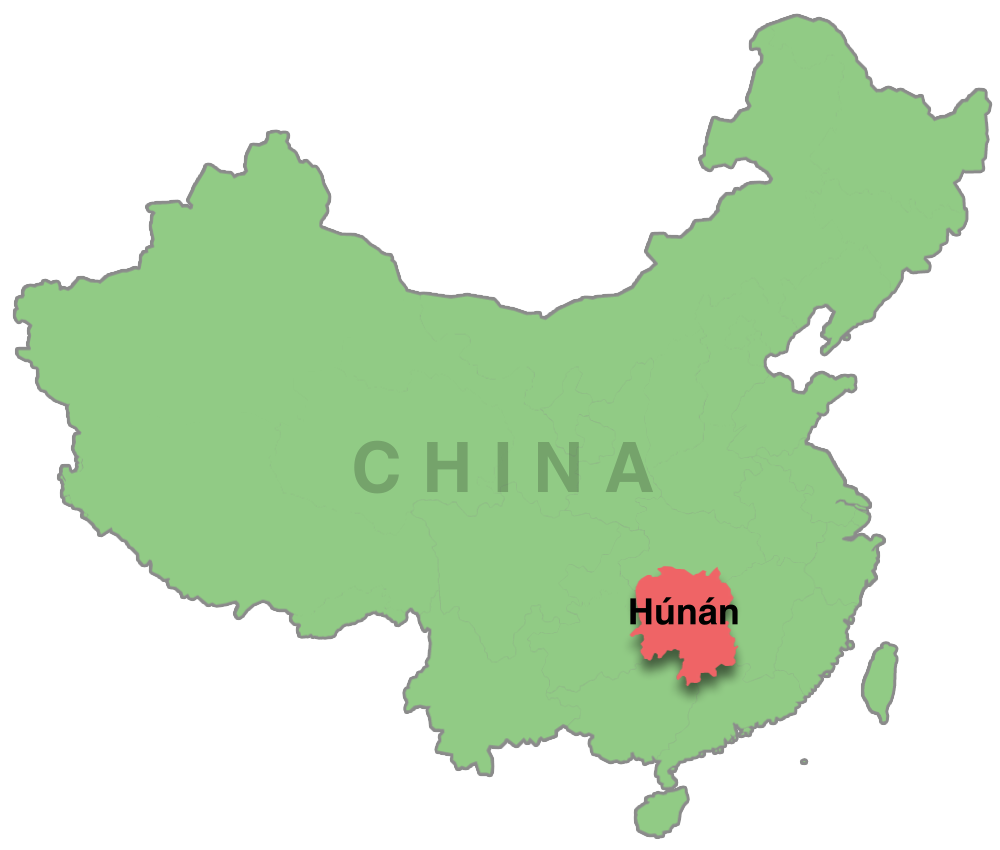
Hunan (Xiang) cuisine is most similar to Sichuan cuisine in its heavy use of oil, salt, garlic, and chiles, but notably lacks the numbing Sichuan peppercorn that defines málà flavor. Instead, Hunan cuisine emphasizes “gānlà,” a dry heat built purely from chiles. The cuisine also frequently incorporates aged and salted ingredients like smoked meats and fermented black beans, pickled garlic and chiles, and pickled long beans, often paired with minced meats in dry pots.
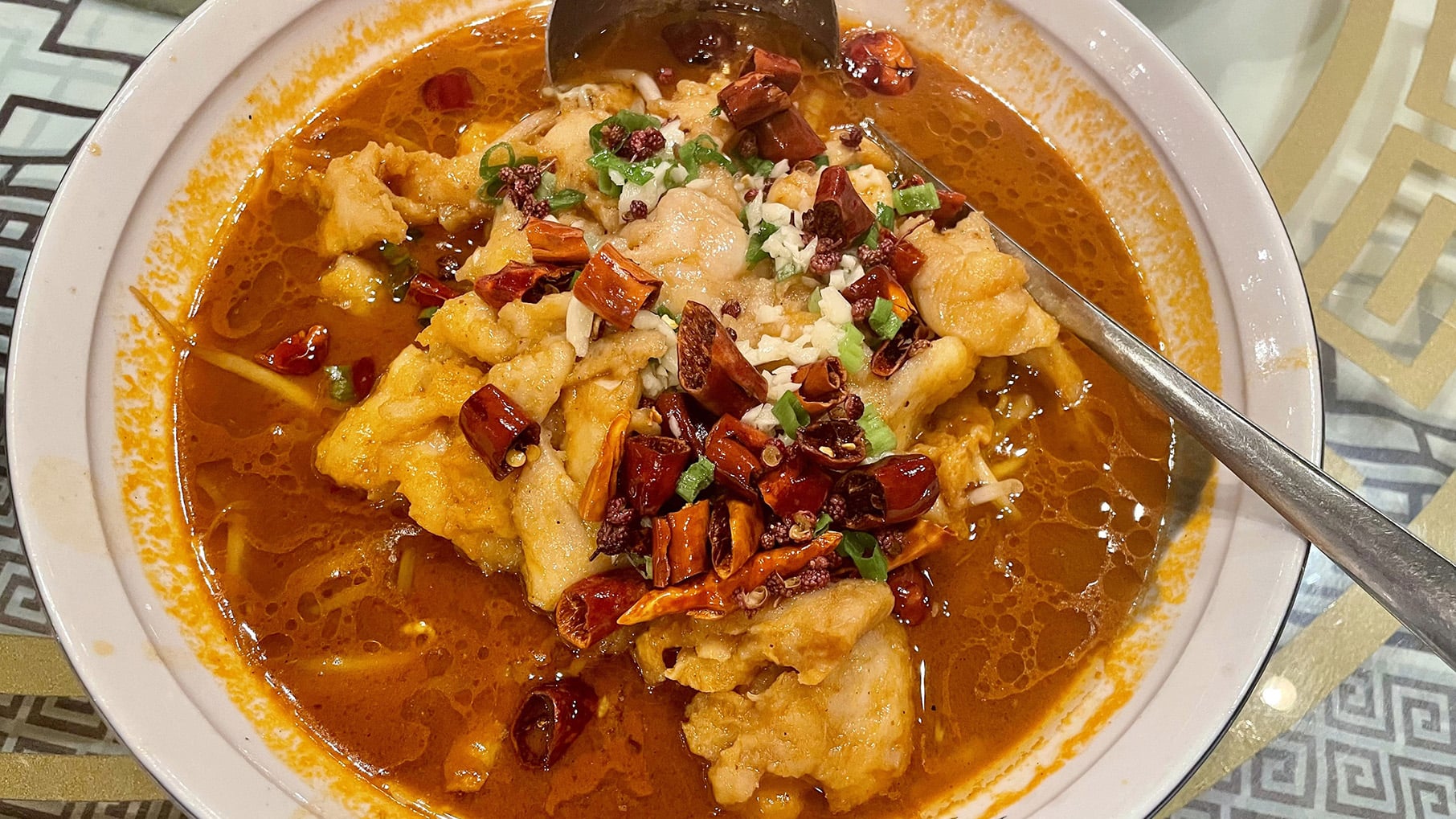
Popular Hunan dishes include stir-fried smoked bamboo shoots and Chinese bacon, stir-fried pork and pepper, steamed chili fish, and pickled long beans, which can be found at Hunan Gourmet in Bridgeport. Partly due to its high spice levels, Hunan food is quite rice-centric, with rice and rice noodles paired alongside many dishes. For a wide variety of rice noodle dishes, head to Hunan Cuisine in Chinatown, where you can also try Changsha stinky tofu, the most famous variety of stinky tofu from Hunan’s capital, as well as laba dou, a fermented soybean specialty popular across the province.
For another classic Hunan dish, head to Hunan Bistro on Chinatown’s Wentworth Ave. for Mao’s Braised Pork, or Red-Braised Pork Belly, named because it was allegedly Hunan native Mao Zedong’s favorite. There are many variations of the dish, but nearly all feature some form of caramelized pork belly with dried hot chili peppers.
Other regional cuisines and where to find them
Hainan
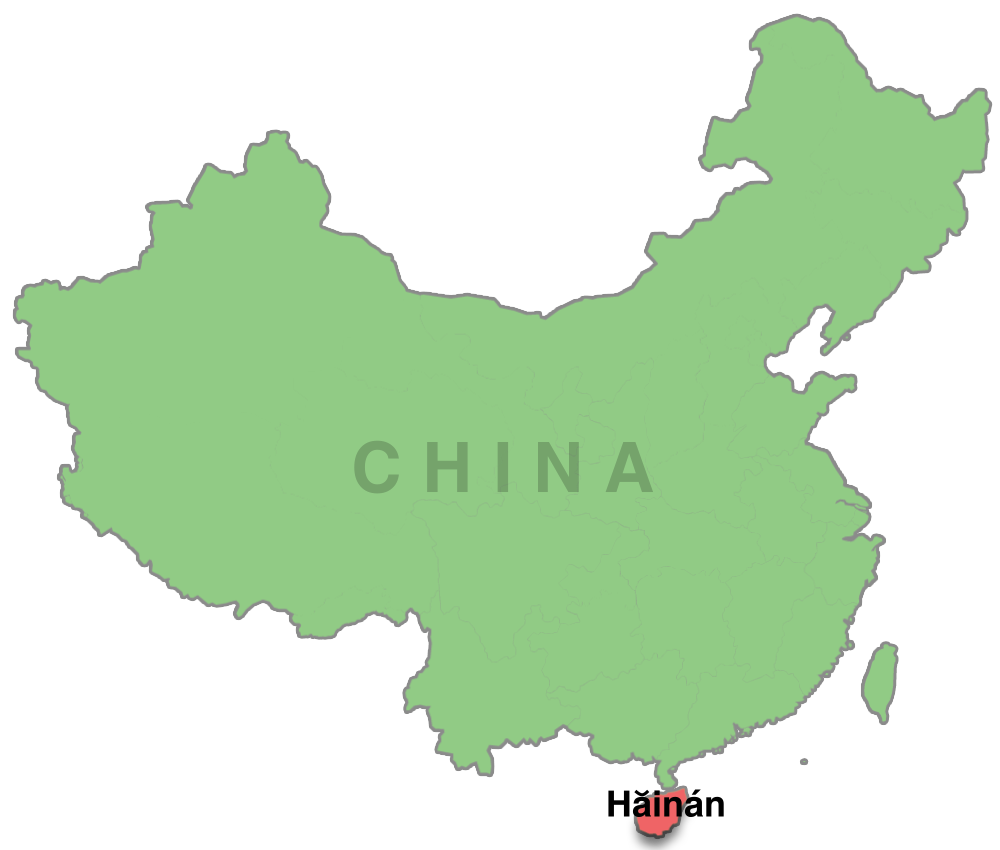
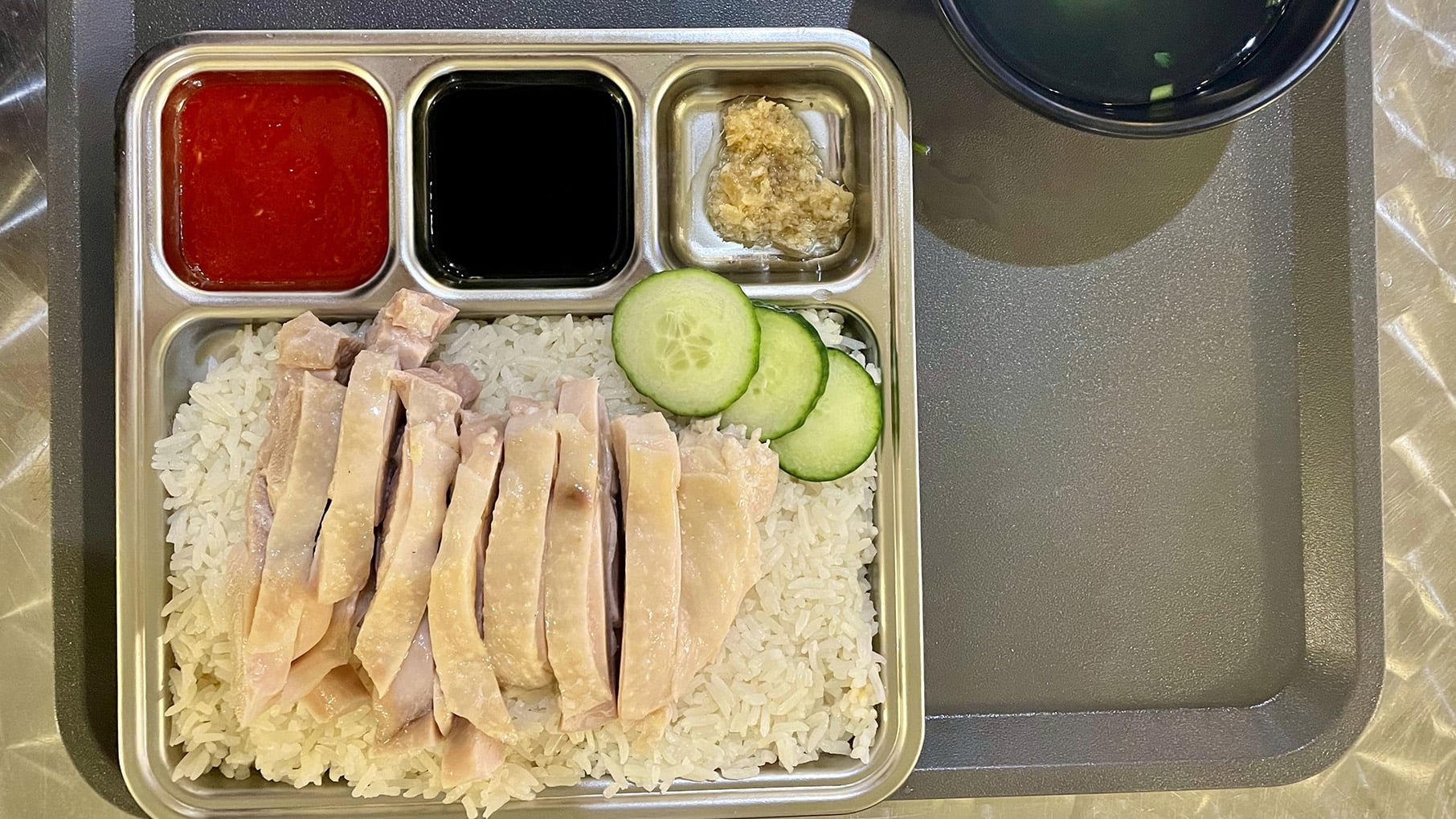
Hainan is the southernmost province and island in China, and was part of Guangdong from 1950 to 1988. The cuisine emphasizes fresh seafood and tends to be lighter and more mildly seasoned than other Chinese mainland cuisines. There are no restaurants specializing in Hainanese cuisine in Chicago, but many serve its most famous dish, Hainanese chicken rice, which features tender, poached chicken slices served over rice and dipped in a ginger-scallion and/or sweet soy sauce. While both Malaysia and Singapore claim the dish, Hainanese chicken rice originated in its namesake region of China, and was brought to Southeast Asia by Hainanese immigrants. You can try it at 3 Sauces Hainam Chicken Rice in Chinatown’s HeungSeng Square basement food court, or Malaysian restaurants Serai and Kapitan in Lincoln Park.
Yunnan
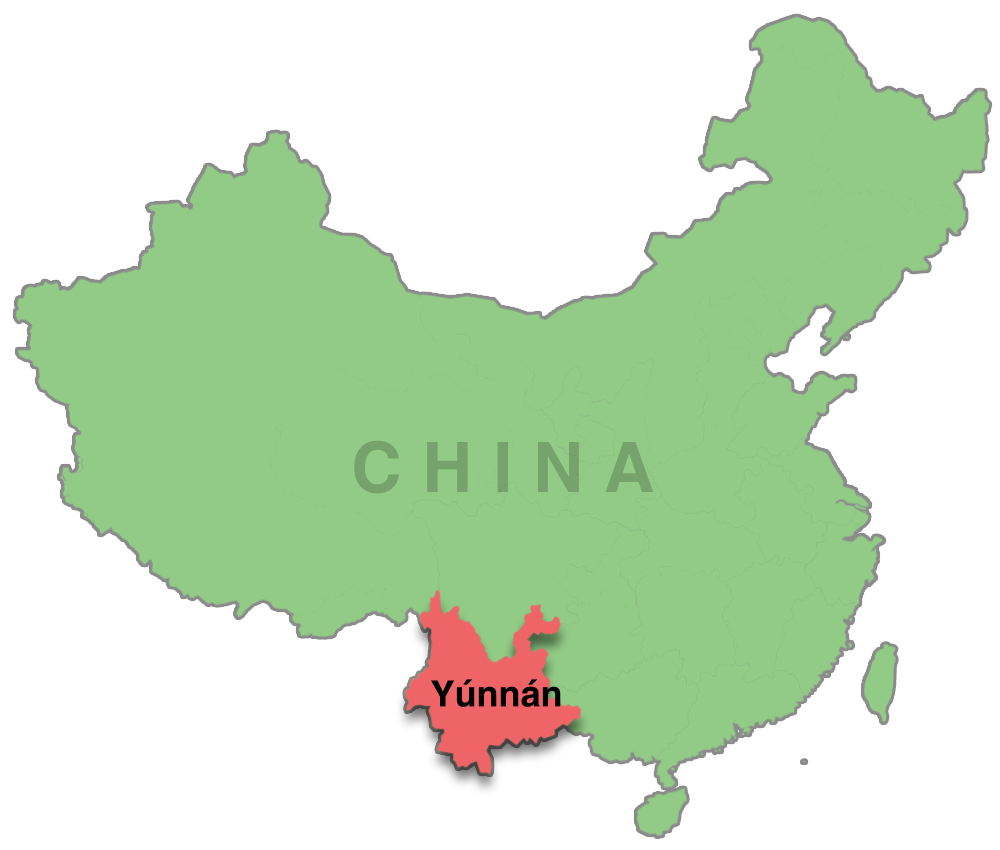
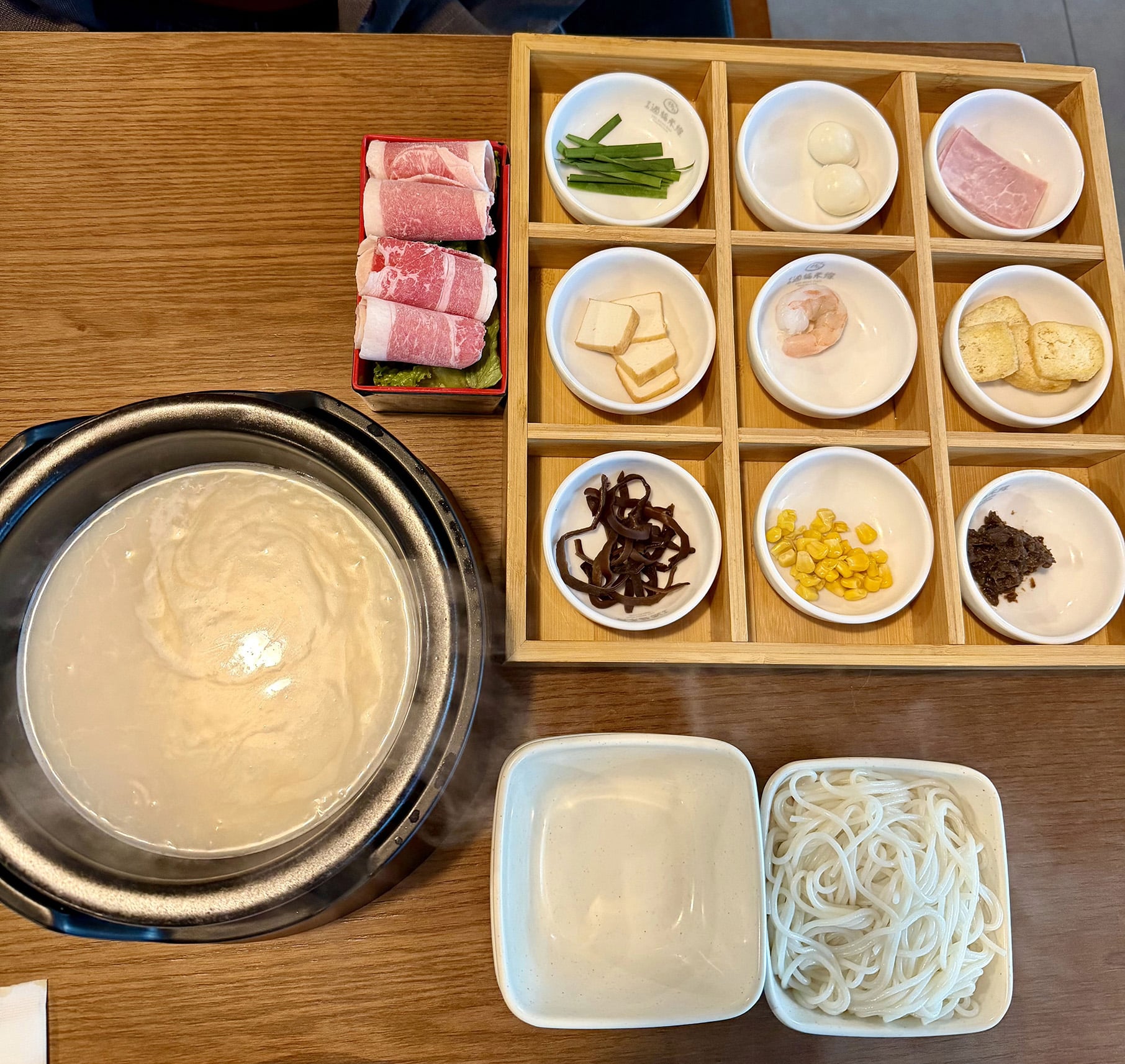
Yunnan is a province in southwestern China bordering Guizhou, Sichuan, Guangxi, and Tibet, as well as Myanmar, Vietnam, and Laos in Southeast Asia. It is home to the country’s largest number of ethnic minority groups and a wide range of climates, landscapes, and ecosystems. As such, its cuisine is diverse, but is known for its spice, wild mushrooms, xuanwei ham, local cheese, and Pu’er teas. Crossing-Over-Bridge rice noodles is a famous Yunnan rice noodle soup featuring a hearty broth layered with chicken fat, thin slices of ham, bean curd, sprouts, and other toppings. You can try it at Ten Seconds Yunnan Rice Noodle, located next to Chinatown’s 88 Marketplace.
Hubei
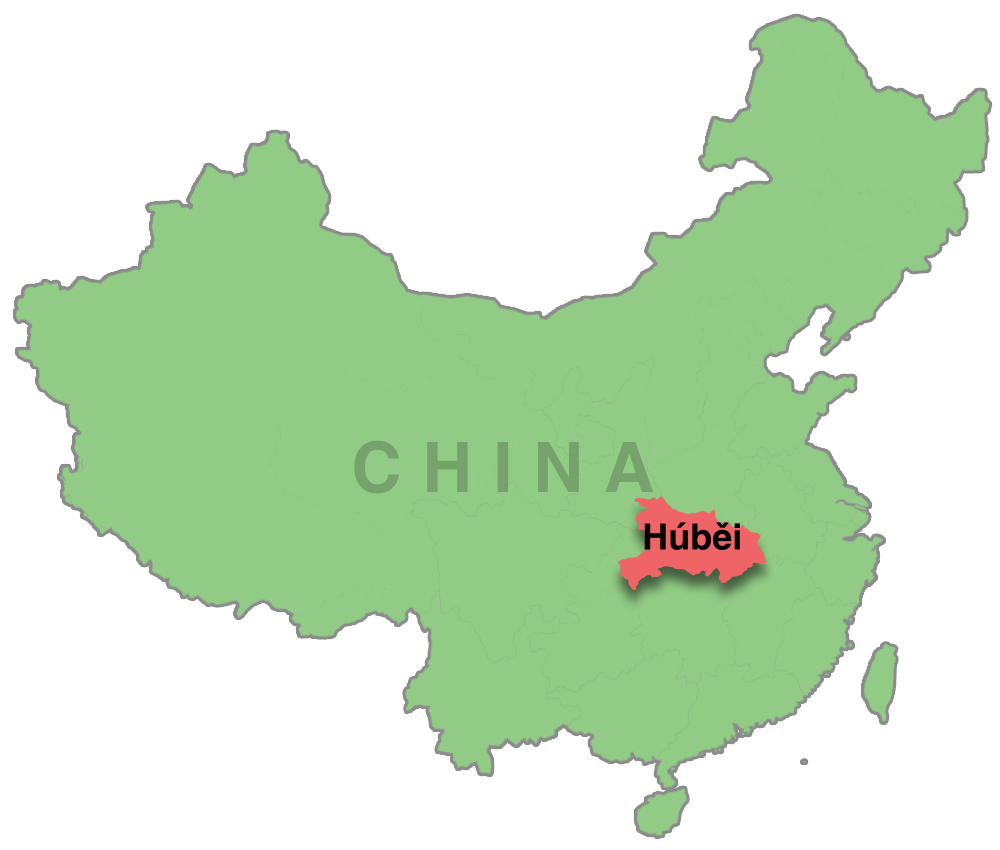
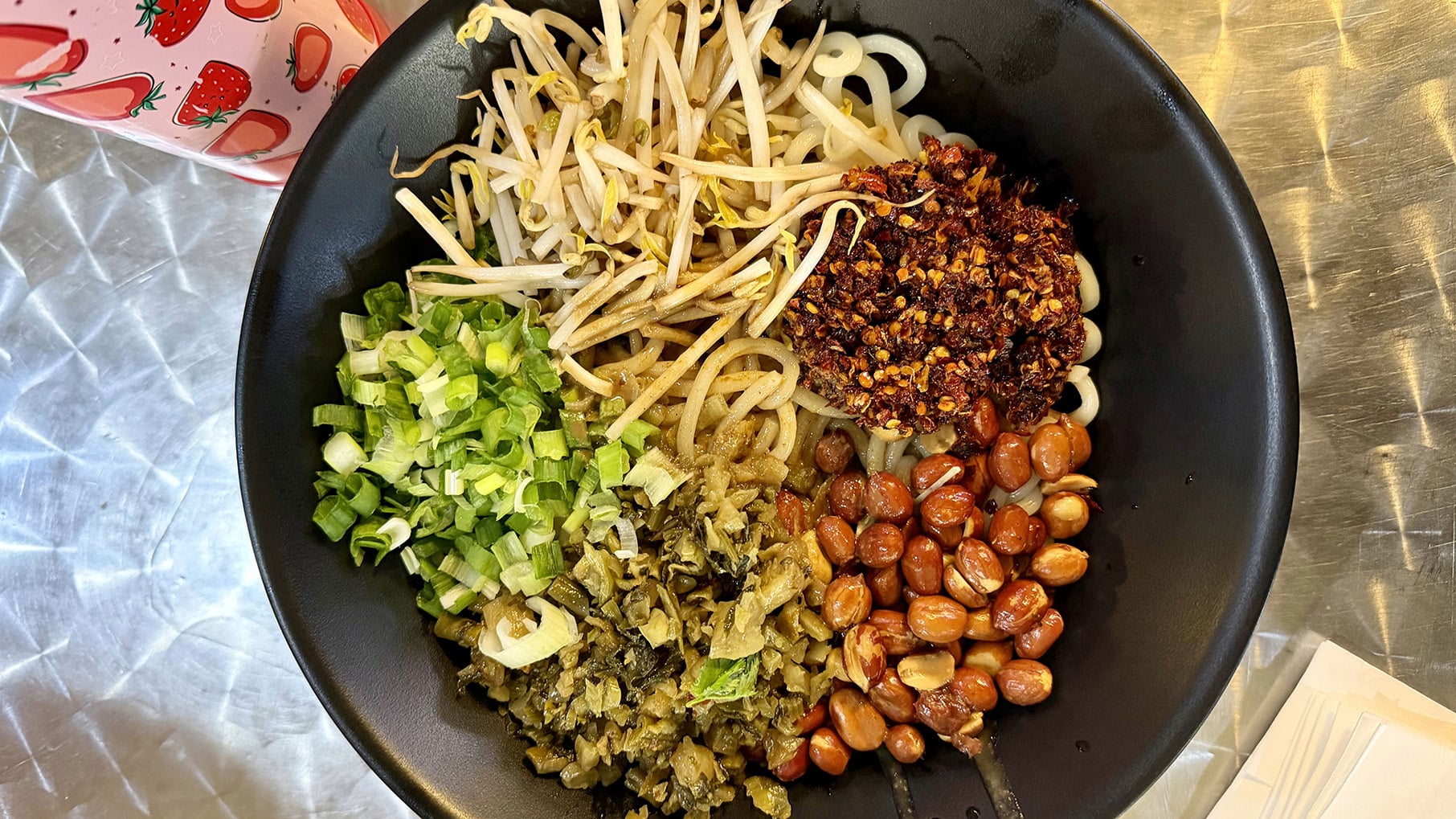
Hubei is a province in central China known for its freshwater dishes, with a unique dish for nearly every type of fish found in the province. Neighbors with Sichuan and Hunan, its cuisine tends to skew spicier. There are no restaurants in Chicago that specialize in Hubei cuisine, but some, like Noodleverse in Chinatown’s HeungSeng Square basement food court, feature specific dishes such as Re gan mian (dry hot noodles), an iconic breakfast street food. Originating in the province’s capital, Wuhan, it spotlights chewy alkaline noodles tossed in a nutty mixture of sesame paste, sesame oil, and soy sauce, topped with chili oil, garlic, peanuts, and pickled vegetables.
Shaanxi
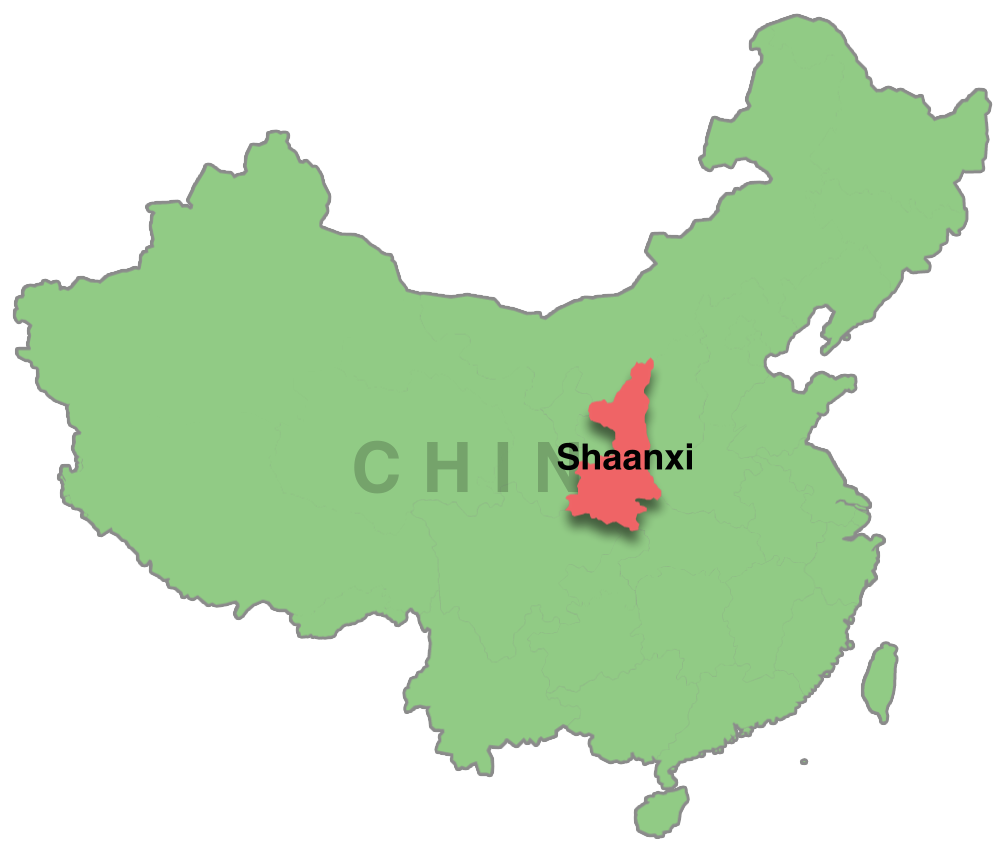
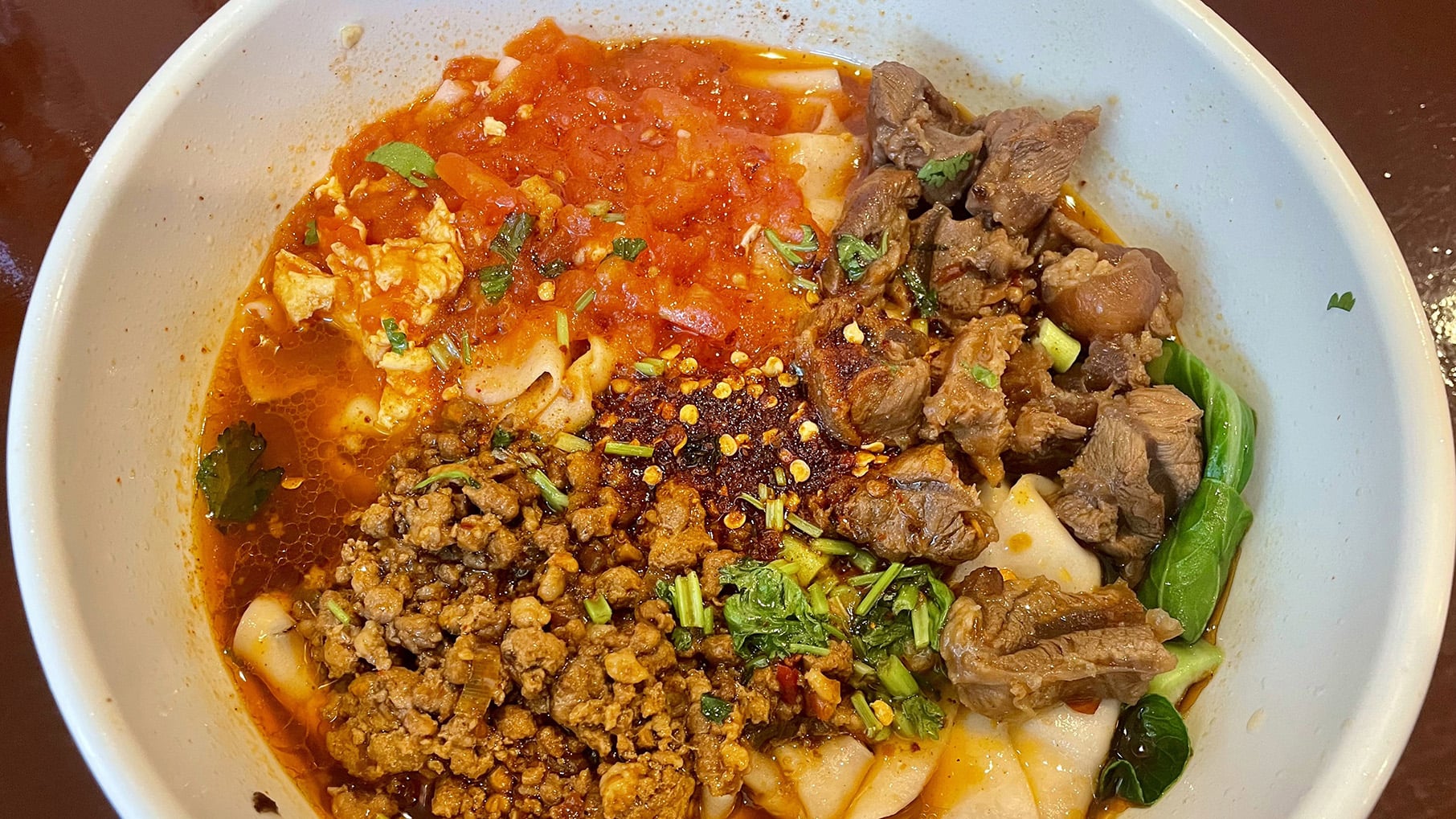
Shaanxi is a province in northwest China whose culinary tradition is largely centered around its capital, Xi’an. The region’s cuisine has been shaped by its Hui Muslim community, connections to the neighboring Xinjiang autonomous region and Uyghur food traditions, and Sichuan cooking. Thus, Shaanxi cuisine highlights lamb, wheat-based dishes and noodles, along with warm spices like garlic and cumin and spicy, sour flavors in dishes such as pao mo (a stew made of chopped flatbread soaked in meat broth); hand-pulled noodles such as biang biang noodles and liangpi (cold skin noodles); and rou jia mo (“Chinese hamburger”). Xi’an Cuisine in Chinatown and West Loop serves rou jia mou, biang biang noodles, and pao mo; Slurp Slurp Noodles in Chinatown has hand-pulled, knife-shaved noodles; and Dong Bei Ren Jia, a stall in Chinatown’s 88 Marketplace, offers liangpi.
Guangxi
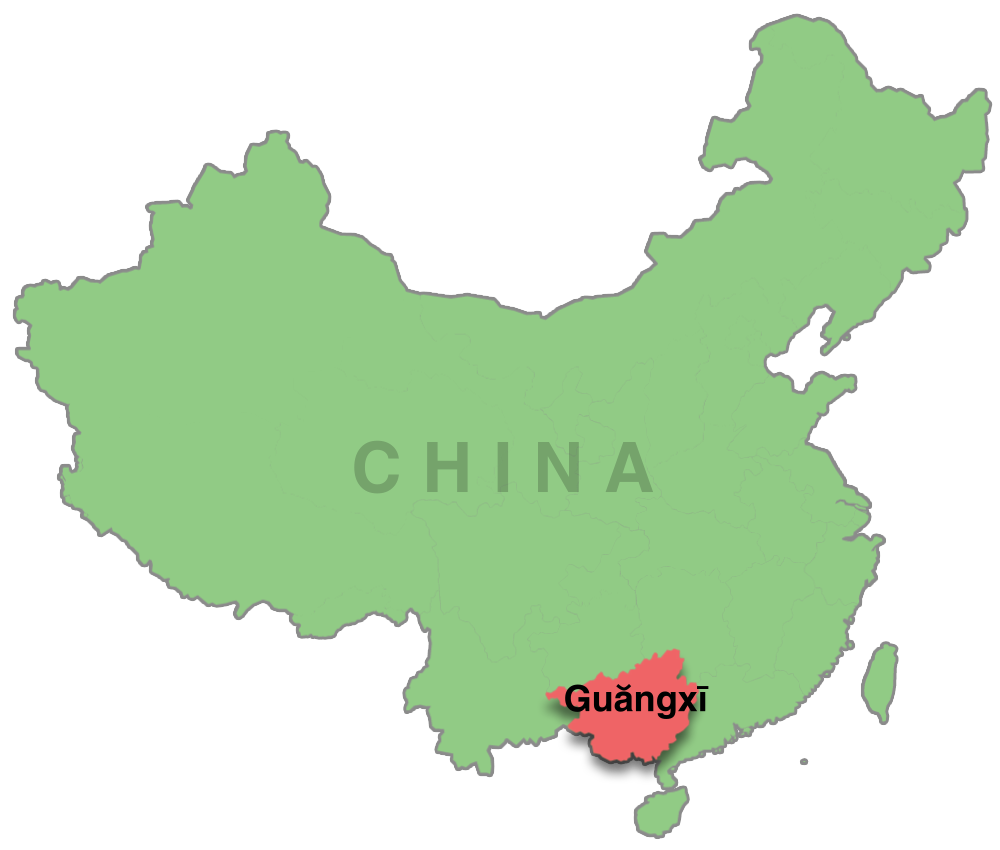
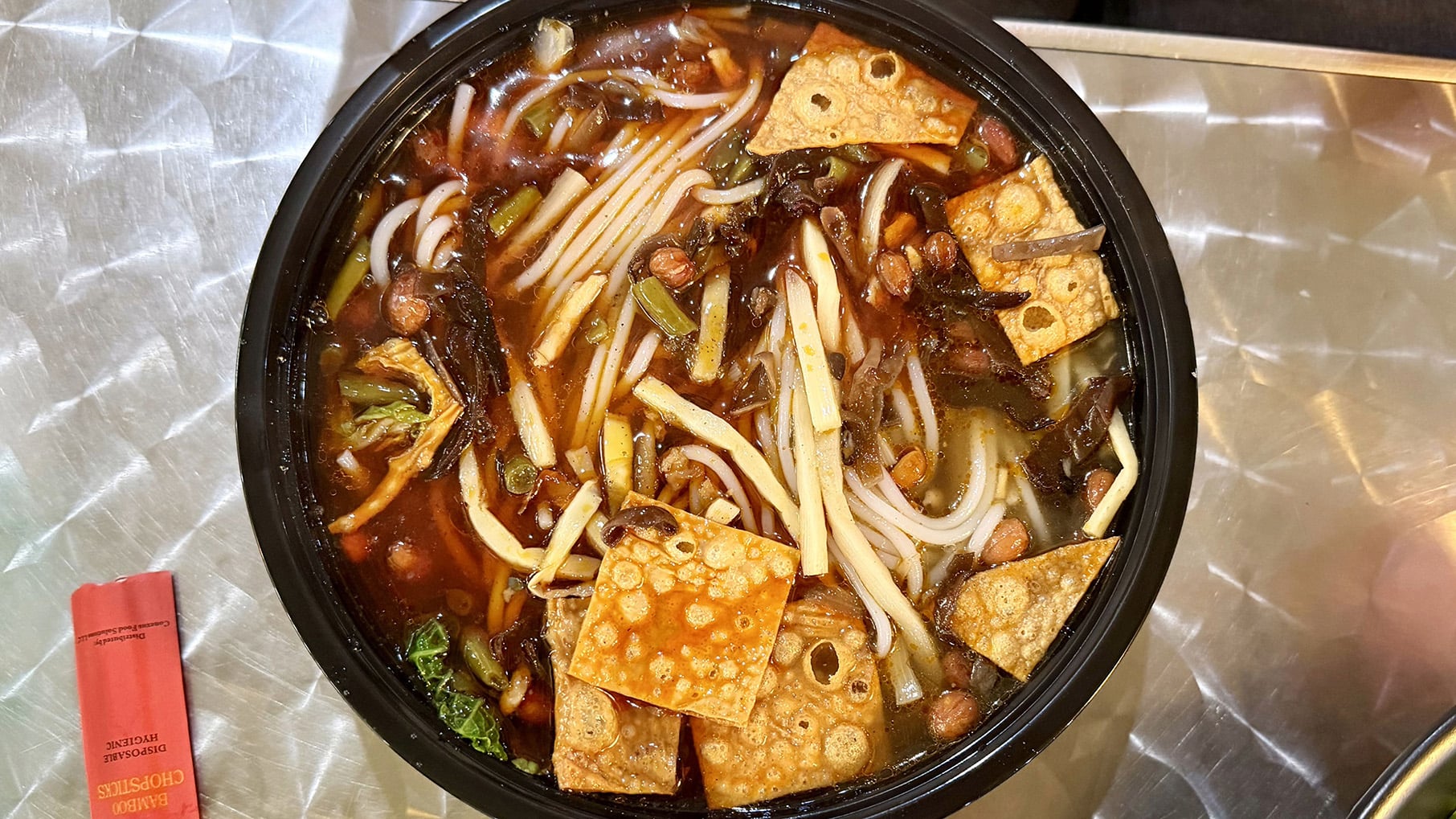
Guangxi is a province in southern China bordering Guangdong, Yunnan, and Vietnam, known for its bold spicy-sour flavors and cooking traditions that blend Cantonese influences with pickling and fermenting. Liuzhou Spicy Rice Noodle, located in Chinatown’s HeungSeng Square basement food court, specializes in Luosifen or Liuzhou rice noodle, a snack of the northwestern Guangxi city of Liuzhou, which is located on the banks of the Liu River. Luosifen is a fermented dish consisting of boiled rice noodles in a savory broth made from river snails, pork bones, and an array of spices and other toppings including pickled bamboo shoot and green beans, wood ear mushrooms, fried tofu skin, peanuts, and chili oil. It became a national sensation during the COVID-19 pandemic.
Xinjiang
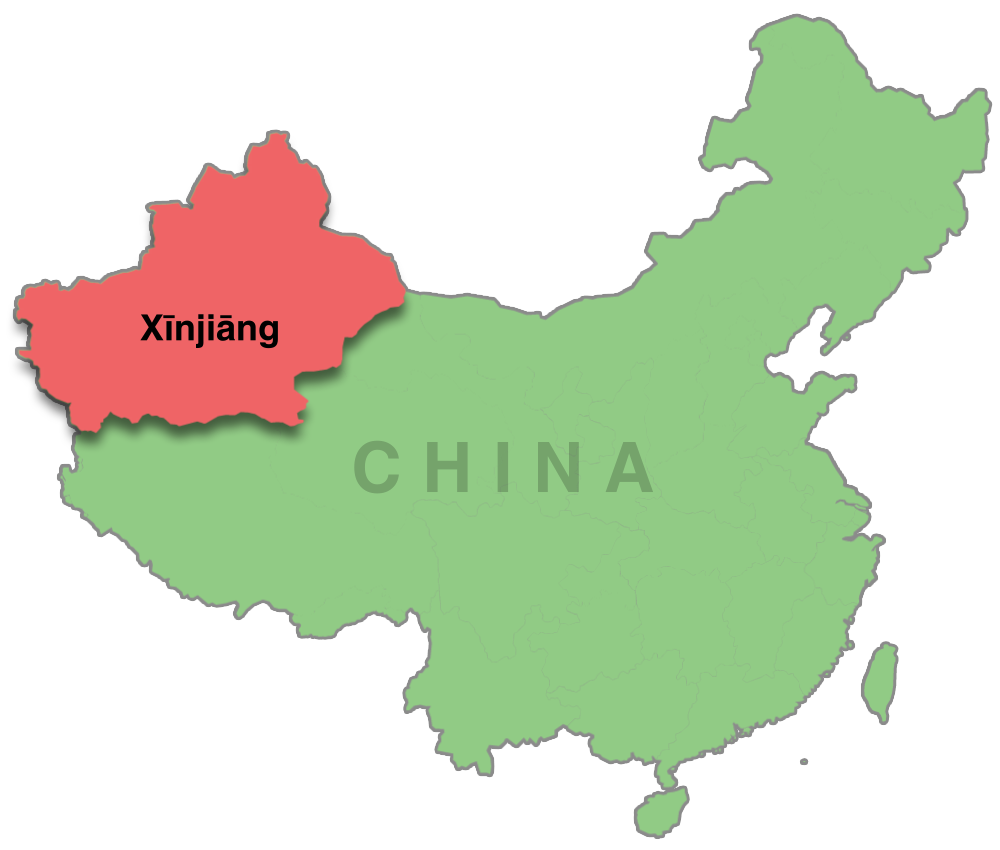
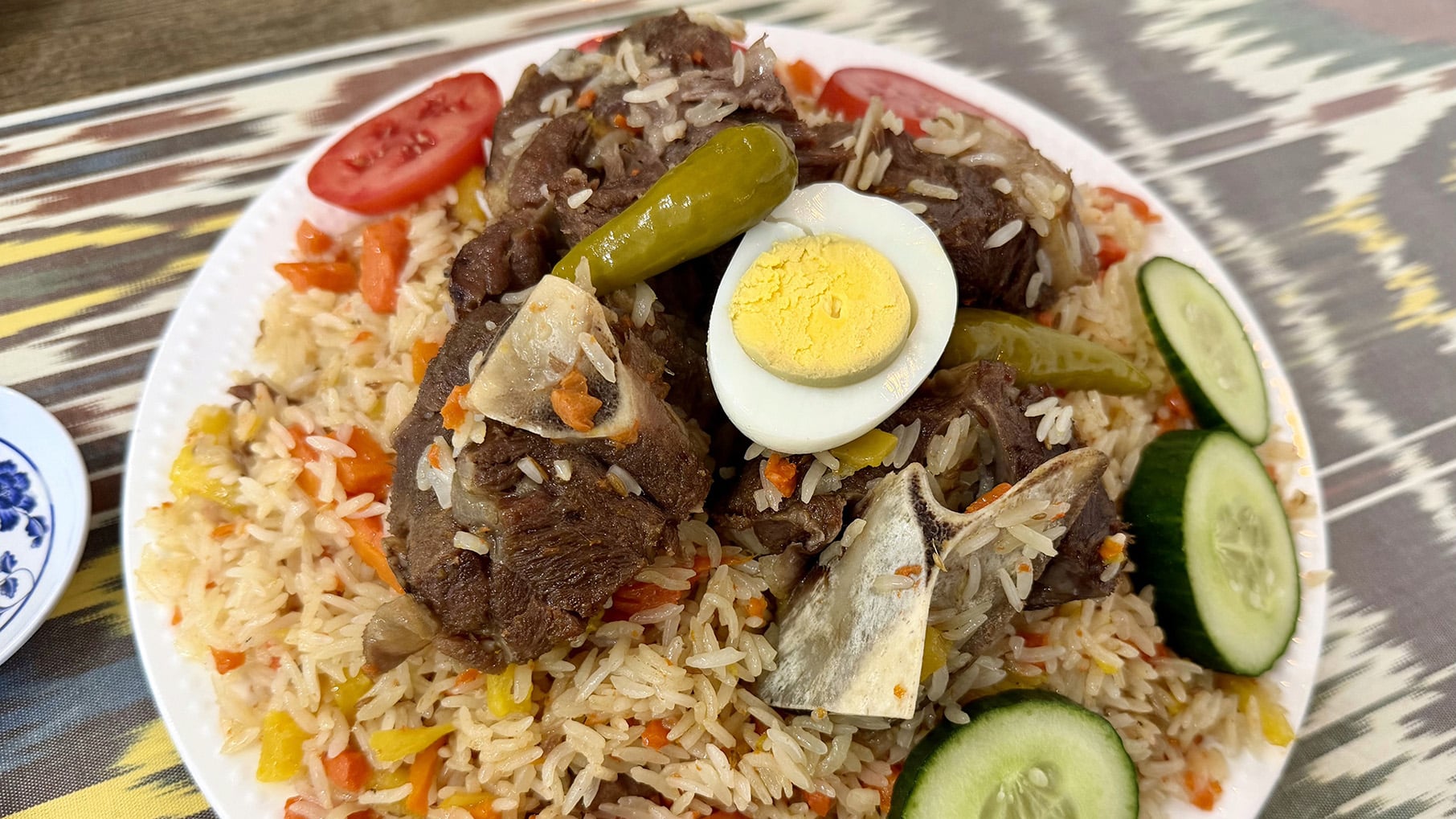
The Xinjiang Uyghur Autonomous Region in northwest China is home to the indigenous majority-Muslim, Turkic minority Uyghur population. Due to its location along the historic Silk Road trade routes, its cuisine has been influenced by many cultures including Chinese, Greek, Uzbek, Persian, and Arabic. Meat kebabs (particularly lamb), plov (pilaf with mutton and carrots), and wheat-based foods like naan bread, samsa (roasted stuffed buns), and laghman (hand-stretched noodles) feature prominently in the cuisine. Both Faiza Chicago in North Park and Central East Asian Cuisine in Chinatown offer staple dishes of Uyghur cuisine including plov, laghman, samsa, and kebabs. Faiza is Kyrgyz-owned, and also highlights Kyrgyz and Central Asian staples like honey cake, manti, boorsak, and goulash. Central East Asian Cuisine in Chinatown is Han Chinese-owned, offering additional Han-influenced dishes such as big plate chicken, which comes from Sichuan migrants to Xinjiang.
Taiwan
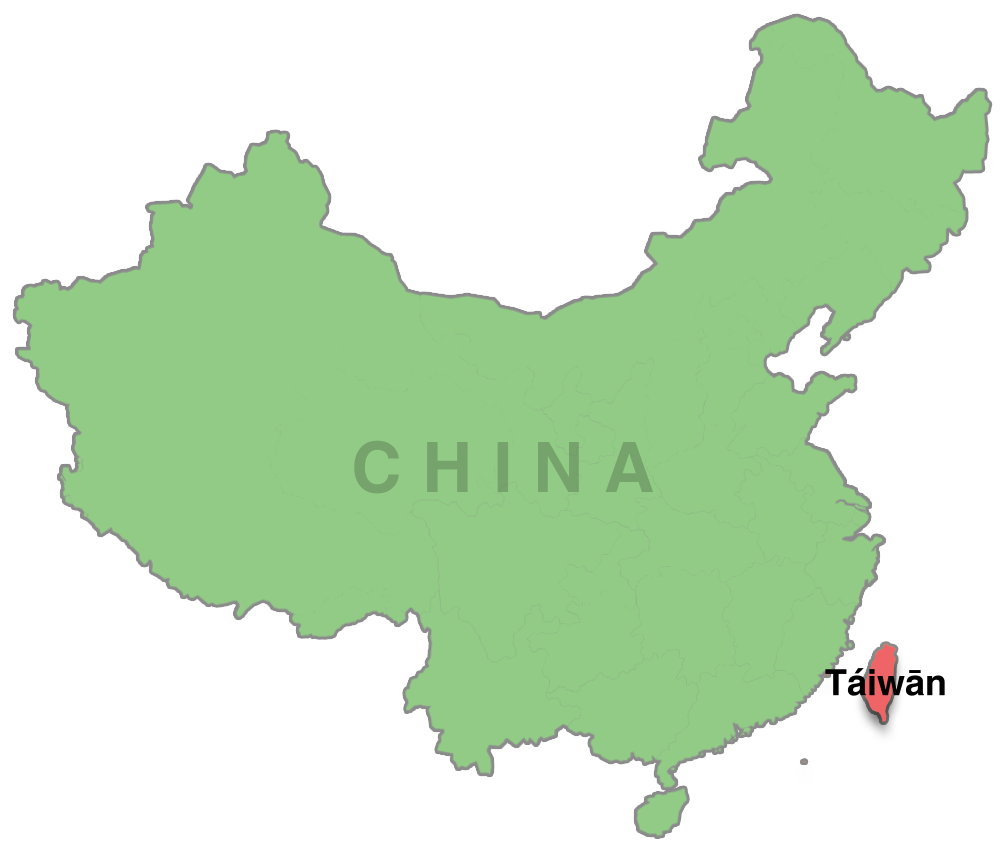
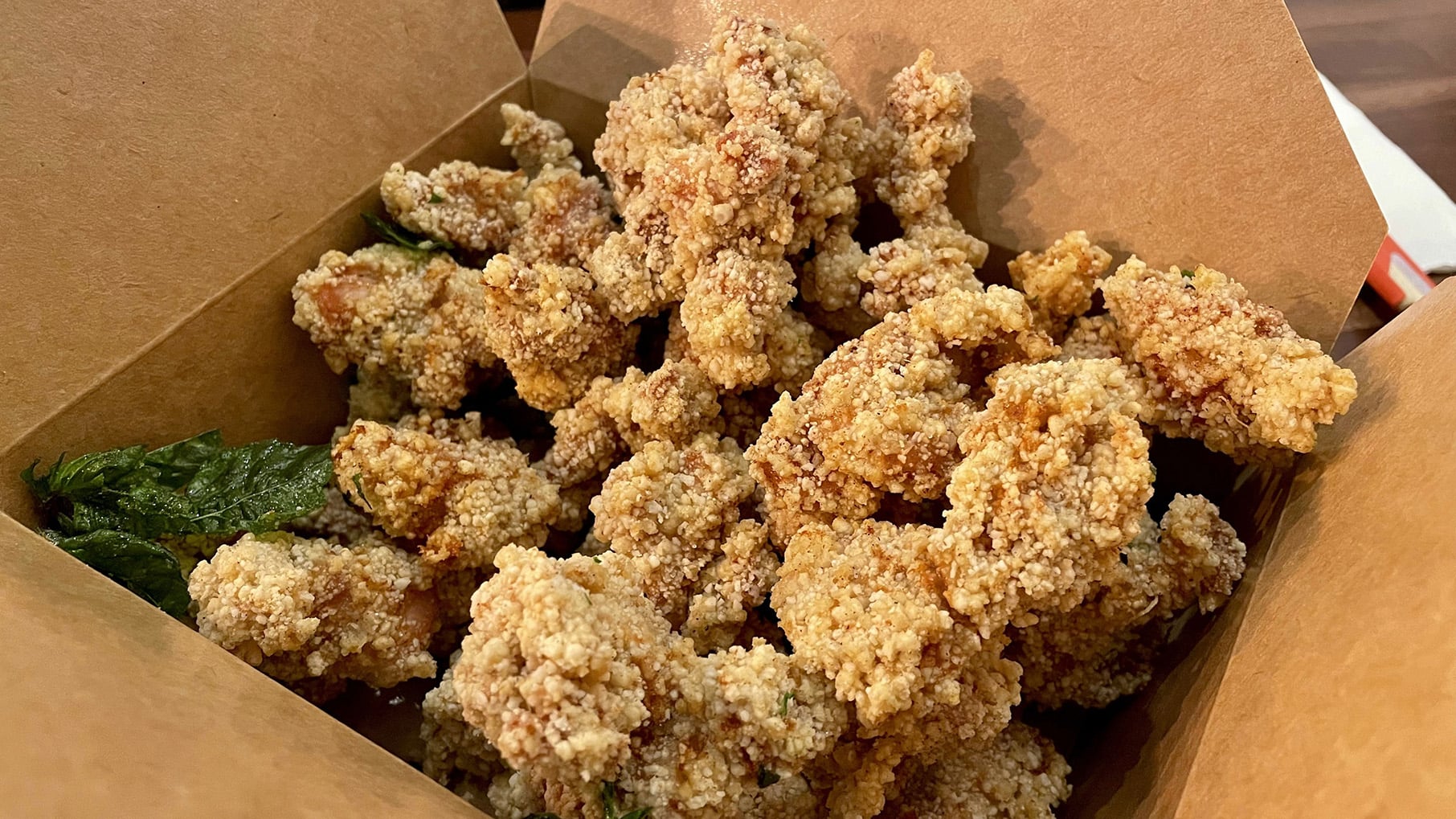
Taiwan is a self-proclaimed sovereign, independent country, though mainland China claims it as part of its territory. Its cuisine reflects its complex history of colonization and migration, with influences from Chinese (specifically Fujianese and Hakka), Japanese, and indigenous culinary traditions. Taiwanese cuisine is defined by sweet, herbal flavors that emphasize fresh ingredients over heavy spice, and its dishes center fresh seafood, resourceful cooking, and diverse textures. Taipei Cafe in Bridgeport and Lakeview serves oyster omelette and other Taiwanese street foods like gua bao (pork belly bun) and popcorn chicken, as well as entree staples like beef noodle soup, bento, and lu rou fan (braised pork over rice). Minyoli in Andersonville offers beef noodle soup and lu rou fan and Taiwanese brunch staples such as fan tuan (rice rolls), dan bing (egg crepes), and shaobing (flatbread).