A New Humboldt Park Restaurant Aims to Push the Boundaries of Chicago's Thai Food Scene
Daniel Hautzinger
August 28, 2026
Get more recipes, food news, and stories at wttw.com/food or by signing up for our Deep Dish newsletter.
Chanita Chayaluk thinks Thai food in Chicago is stuck in the ’80s. She wants to bring us up to date with her new restaurant TAAN, which officially opens September 1 at 2759 W. Augusta Blvd.
It’s not that Chayaluk thinks any restaurant “was doing anything terrible,” she says. Her own mom cooked at such standbys as Sticky Rice and Andy’s Thai Kitchen. But whenever Chayaluk, a Chicago native, sought out Thai food in Chicago, she “consistently felt let down,” she says. “I just felt like there could be more.”
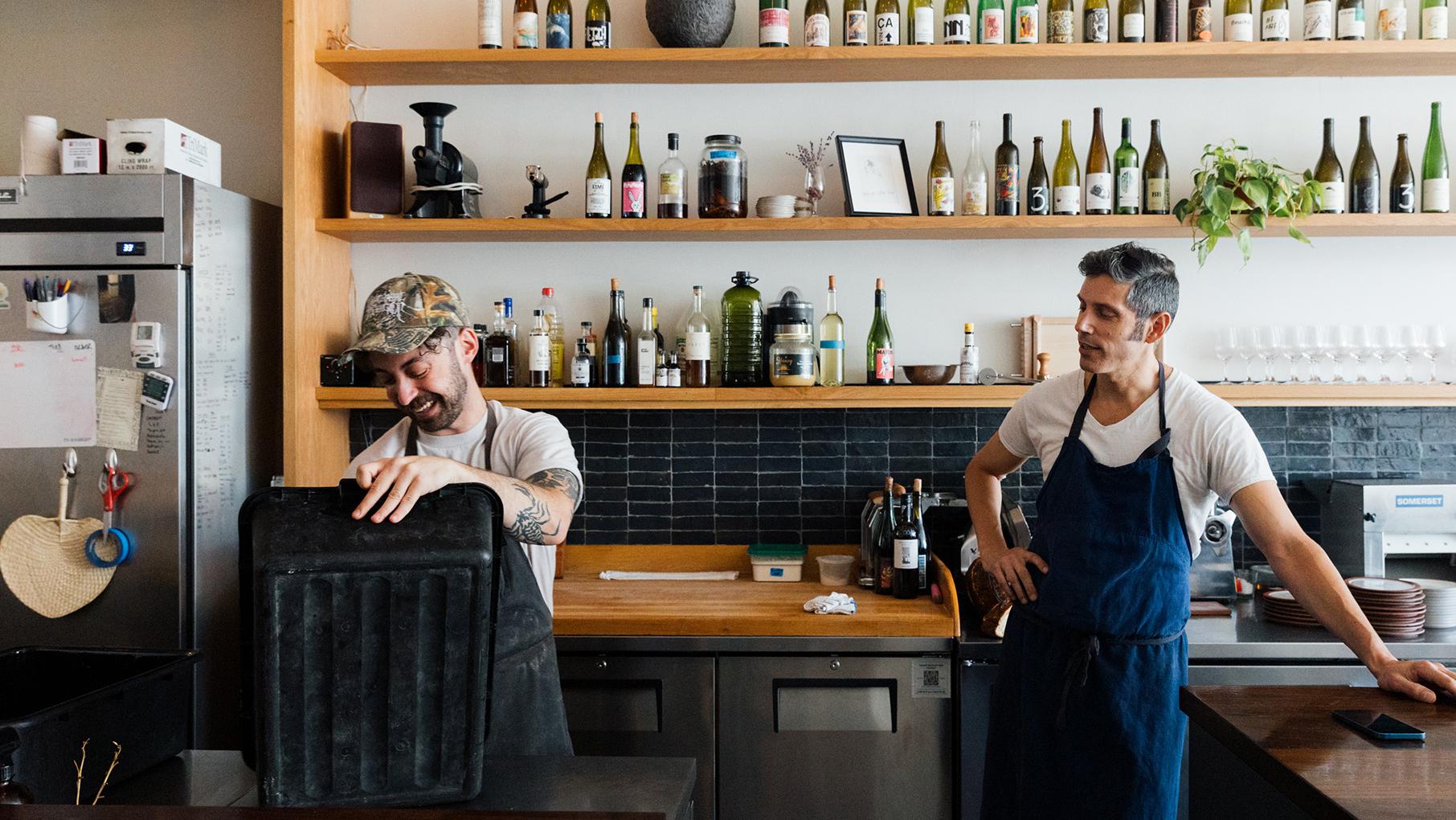
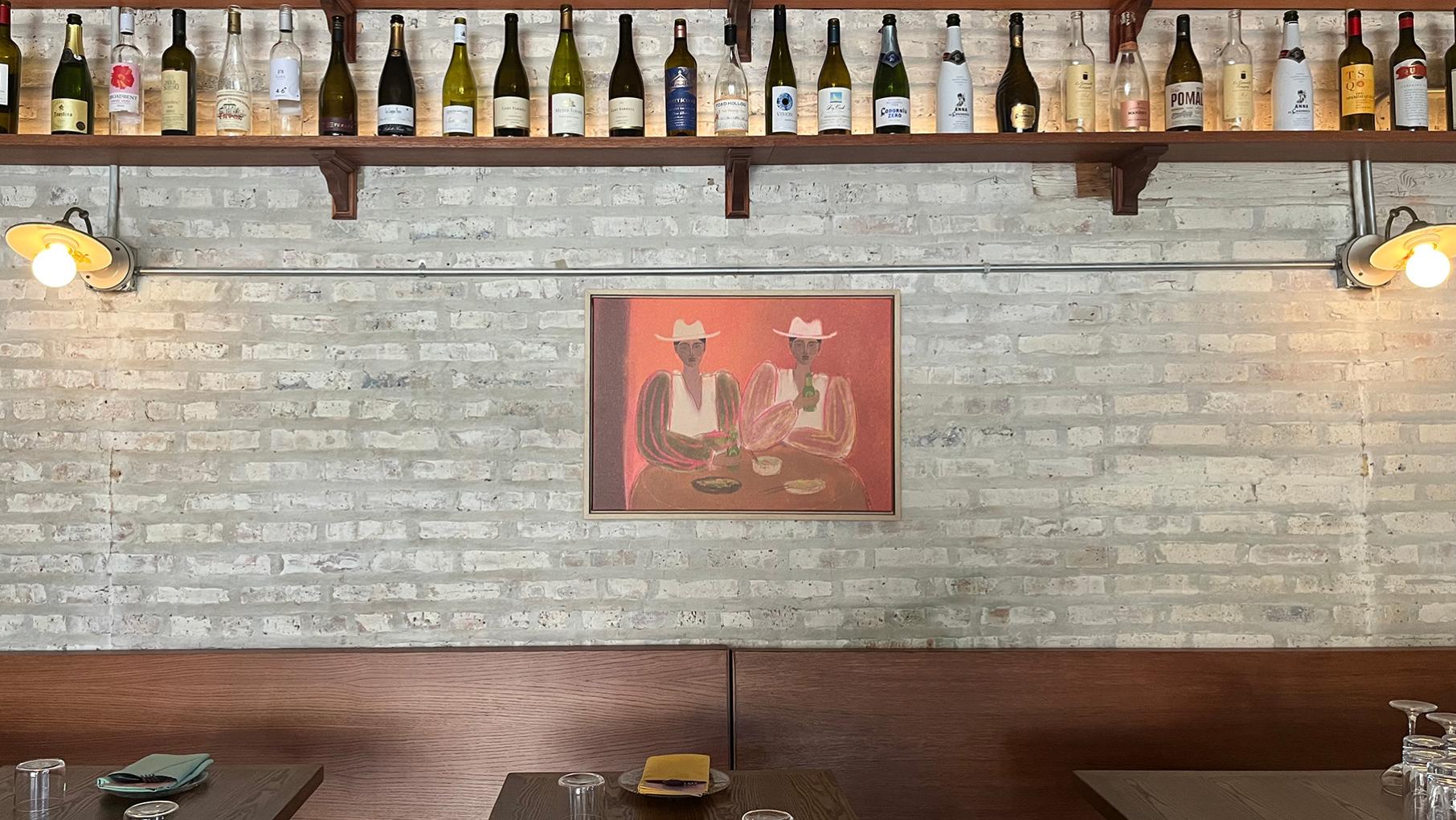
TAAN, which places Thai food in a European-ish wine bar and utilizes Midwestern seasonal ingredients, is her attempt to be that “more.” Its lived-in, chic vibe, with a pressed-tin ceiling, exposed brick, cloudburst plaster-imitating paint, wine bottle-lined shelves, and a couple nonchalant artworks, makes it of a kind with other stylish restaurants in Humboldt Park and neighboring Logan Square – something you would not say about most neighborhood Thai restaurants in Chicago, which are often bare-bones and geared towards to-go orders, not lingering over a glass of wine.
“Chicago deserved a place where Thai cuisine could be celebrated in a different way, where it wasn’t just limited to cheap take-out or cheap eats,” Chayaluk says.
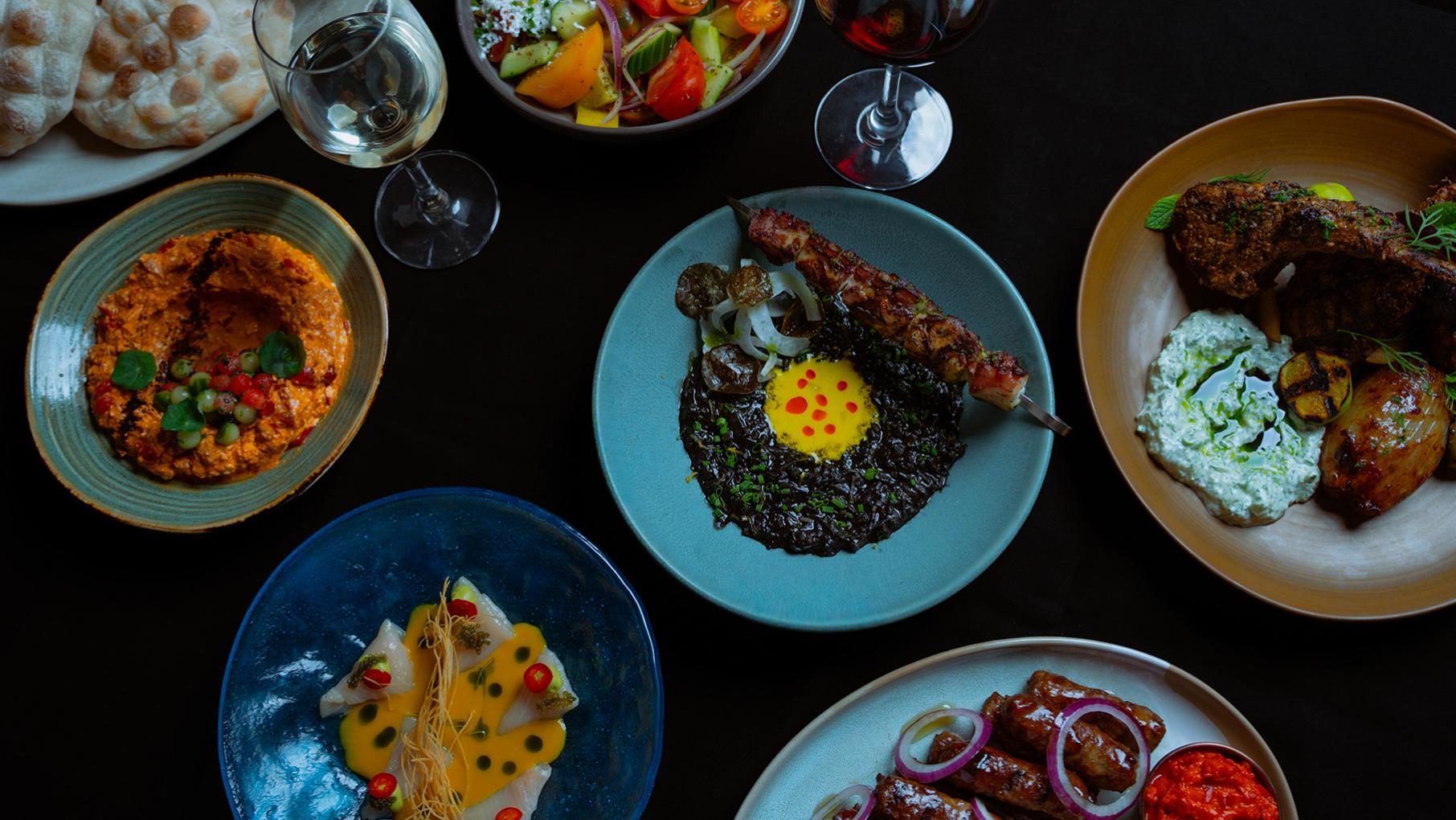
There’s no pad thai at TAAN – in fact, there’s only one noodle dish currently on the menu, glass noodles served in a clay pot with local shiitake mushrooms and Chinese celery. That’s not to say the tight menu is intimidating or inaccessible. There are familiar dishes like chu chee curry, served at TAAN with tiger prawns, or steak served with jaew dipping sauce, and other dishes are easy to grasp: stir-fried summer greens, watermelon and blackberry salad served in a sauce similar to that used for papaya salad, dry red curry with pork belly.
Chayaluk is preparing her food with the kind of attention to sourcing and detail found in higher-end kitchens but impossible at an inexpensive take-out place. She’s buying ingredients from local farms like Catalpa Grove (pork), Closed Loop (hard-to-find coriander root), and the farmers market. She and her team grind and stuff their own sai oua sausage, which is packed with herbs and aromatics like lemongrass, shallot, and garlic. And they make their curry paste in-house, an involved process that takes a whole day.
“I think the reason why a lot of Thai food – not only in Chicago but in the U.S. in general – tends to taste the same is because everything is so industrialized: It comes from a can,” she says. “At that point there’s no variation.”
Chayaluk learned all of these from-scratch processes during a year of culinary school in Bangkok. Having worked in the restaurant industry and experienced its difficulties, particularly as a woman, her mother warned her away from cooking as a career when she was younger. So Chayaluk got degrees in psychology and counseling and worked in higher education for years.
“When I was an academic advisor, my pitch to students was always ‘You don’t have to choose one thing, you can be multiple things,’ and it’s all about enriching your life,” she says. “You have the agency to change.” When COVID hit, she took her own advice.
After her time in Bangkok, she was still daunted by the prospect of opening a restaurant, but eventually decided that she wanted to push the boundaries of Thai food in Chicago beyond “rainbow curries: red, green, yellow, panang,” as she puts it. (It seems like a ripe time to do so, with Crying Tiger trying to elevate Southeast Asian food and the newly opened Tarra offering contemporary Thai food, both in River North.)
But she didn’t want to simply transpose a Thai restaurant from Bangkok to Chicago. She wanted to adapt the cuisine to its environment and source locally. A bite of fish and candied tamarind uses local trout instead of the river prawn you might find in Thailand. Kohlrabi subs for shredded green papaya as the accompaniment to a deep-fried whole fish.
“Food is all about cooking with what you have,” she says.
And she serves her shareable plates with wine, “because I think it’s cool,” she says with a laugh. While the bold and spicy flavors of Thai cuisine can be difficult to pair with wine, she and her bar director Craig Langworthy enjoy the challenge.
“Being able to showcase that Thai food can be on a global stage and can be enjoyed with wine is something that I’ve always romanticized,” she says. “It doesn’t always have to be Thai iced tea or Thai iced coffee, even though that’s wonderful.” (TAAN is still waiting for its liquor license to be finalized.)
As her menu shifts with the seasons and TAAN settles into a rhythm, she’s eager to share less familiar Thai dishes with Chicago, like “a whole world of relishes that hasn’t really been tapped into here in the U.S.”
Since Chayaluk grew up in Chicago, studying in Bangkok offered “the opportunity to engage with my roots” and an understanding of the depth of Thai cuisine. Unlike her mom, who was self-taught and cooked because it was a way to make a living in a new country, Chayaluk has been able to explore Thai cuisine and cook it because she wants to and loves it.
And what does her mom think of Chayaluk’s food?
“My mom loves my cooking,” Chayaluk says. “She thinks it’s fantastic, not to toot my own horn.”