How Chicago Shaped Jazz Over More Than a Century, in a New Book
Daniel Hautzinger
October 21, 2026
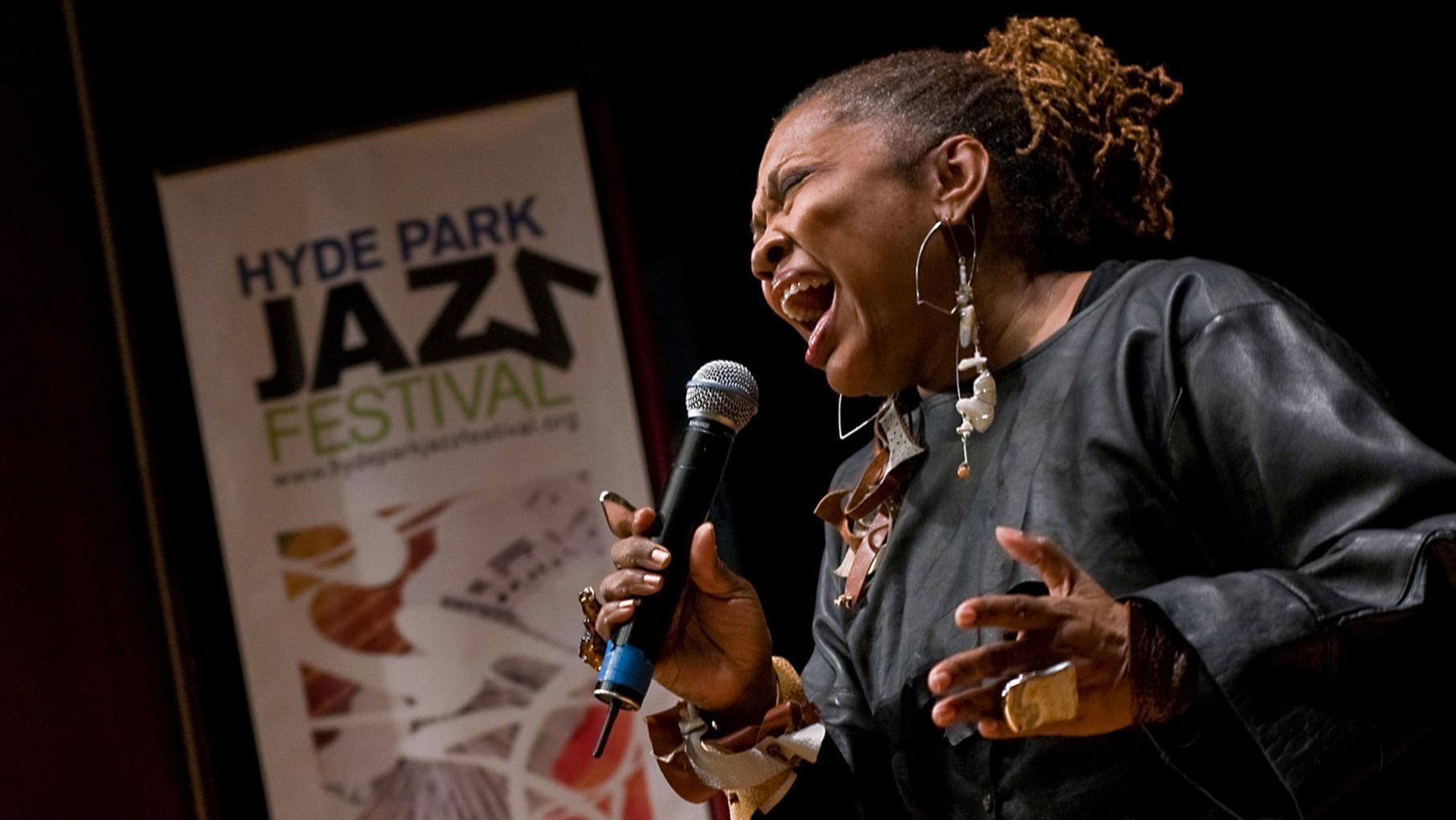
About a century ago, many of the architects of jazz made their way to Chicago to record, perform, and popularize this relatively new American genre of music. “It was to Chicago where the proselytizers of the new music…gravitated early in this century,” writes Howard Reich in his new book, The Majesty of Chicago Jazz: Twenty-Five Visionaries Who Define the City’s Sound. Among them were the pianist Jelly Roll Morton, the “first composer of jazz,” and the trumpeter Louis Armstrong, the “first great solo improviser in jazz,” as Reich describes them.
After them came generations of stars who were either born and developed a taste for music here or moved to Chicago to develop their craft and find fame. Benny Goodman, Nat “King” Cole, Ramsey Lewis, and Herbie Hancock were all born here, as was the radical Association for the Advancement of Creative Musicians (AACM). Sun Ra, Ahmad Jamal, and Willie Pickens found audiences here.
“Without all this – and without the music chronicled in the pages to come – would we really be talking about jazz at all?” Reich asks in the introduction to his book.
Reich wrote about music for the Chicago Tribune for 43 years, 32 of them as the jazz critic. When he retired from the Tribune in 2021, he was the last jazz critic on staff at a major U.S. newspaper. The profiles and appraisals of 25 musicians that make up The Majesty of Chicago Jazz are drawn from throughout his tenure at the newspaper and placed in historical order.
“I realized, by being at the Tribune for so long, I in effect had written the history of Chicago jazz,” he says.
The hothouse early period, when jazz filled clubs throughout the fervid nightlife district known as “The Stroll” in Bronzeville, is covered through record reviews and research; Reich has a penchant for tracking down documents, and wrote a book with a Tribune investigative reporter about Jelly Roll Morton that proved the musician’s claims he had been defrauded by his publishers. Valuable interviews with elderly musicians who took part in the scene add firsthand color and grow more numerous as rock ‘n’ roll begins to eclipse jazz in the middle of the century and stubborn innovators banded together to help jazz survive through the formation of the radical AACM, which continues today.
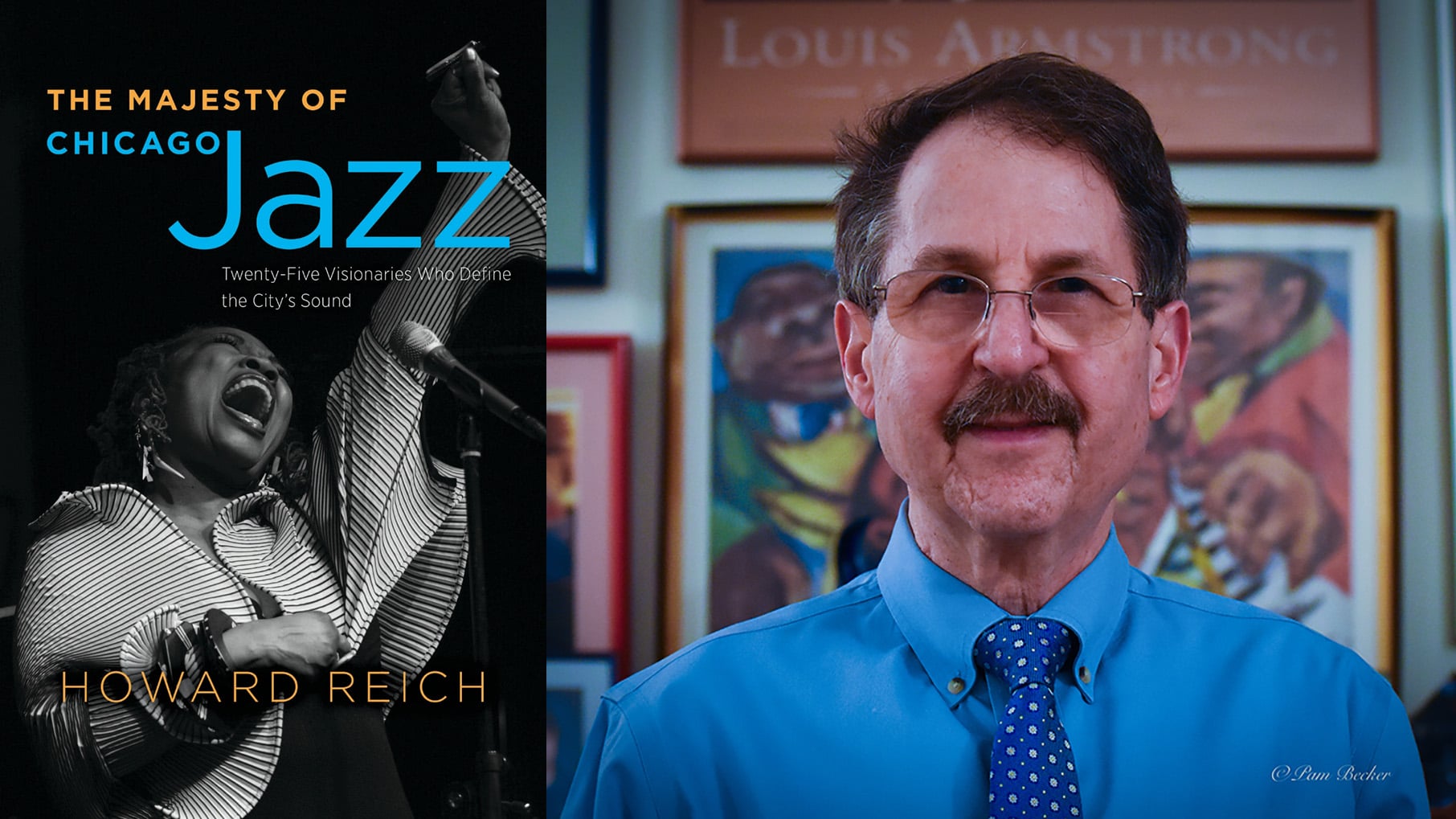
Reich’s personal experience informs the book once it hits the 1980s, as he chronicles the optimism of the 1990s and the subsequent implosion of the record industry and jazz infrastructure in the 2000s. “It’s not a history book where this happened in 1925,” Reich says of the later pieces in the book. “No, this happened last night, and I’m writing about it on deadline and it’s due at midnight.”
Reich is a fast-talking booster of Chicago’s jazz whose enthusiasm has not dimmed over his decades of covering it. He hosts a series at Winter’s Jazz Club in Streeterville in which he interviews musicians before they play a set, and has also returned to classical music, in which he is trained, with a documentary about a pianist who plays music for the left hand in addition to an opera about being the son of Holocaust survivors and a ballet about Japanese-Canadian internment.
If he can determine a throughline in more than a century of Chicago jazz, it’s a focus on innovation, he says. “Chicago always has been a nurturer of ‘fabulous eccentrics,’” he writes.
And he doesn’t see that tradition ending anytime soon, with newcomers like drummer Makaya McCraven and saxophonist Isaiah Collier building international reputations despite the difficulties of the music industry in the streaming era.
“If jazz could have survived all the vicissitudes of the 1950s clubs closing, and of the ’70s fusion, and of the implosion of the record industry – if jazz keeps going through all that, then it’s like Rhapsody in Blue: it’s indestructible,” Reich says, referring to a comment Leonard Bernstein made about the ever-popular Gershwin piece.
Jazz is “indestructible because it responds to the moment,” Reich says. “It’s never old. It’s never archaic because it’s being created in that moment.”
For four decades, Reich was there in that moment, documenting an ever-evolving art form and the city that has fostered it.