How Cities Succeed (Or Don't) Is the Subject of a New Book from a Pulitzer Prize-Winning Critic
Daniel Hautzinger
November 19, 2026
Chicagoans are not known for restraint in boosterism – it’s a shoulders-up response to being labelled a “Second City.” So it’s surprising to hear a New Yorker say Chicago should brag more.
“There’s no city in America that has done anything as dramatic as” keeping a full waterfront such as Lake Michigan public, says the Pulitzer Prize-winning architecture critic Paul Goldberger. “And I don’t think Chicago gets enough credit really for that. It’s a pretty staggering thing.”
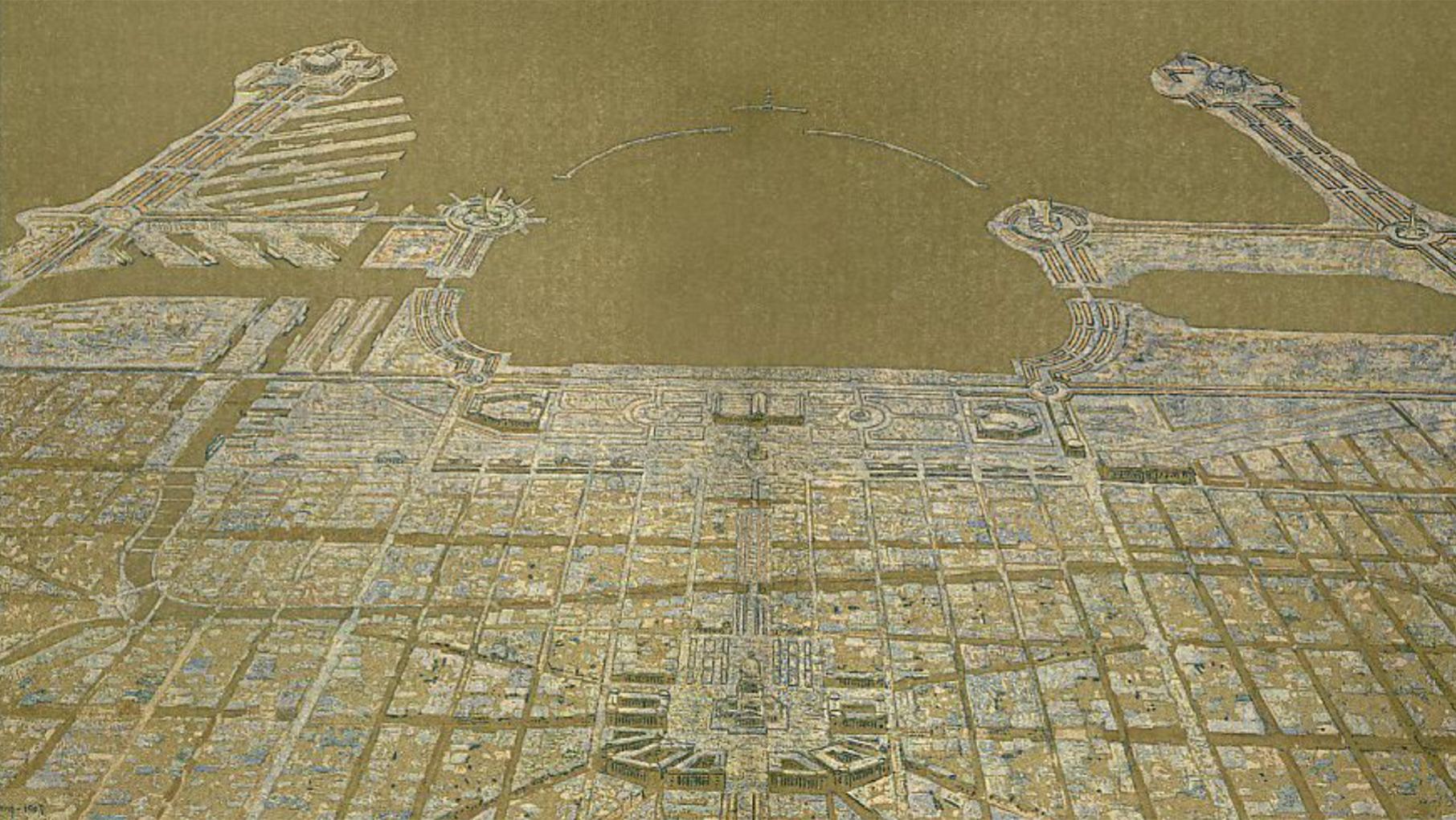
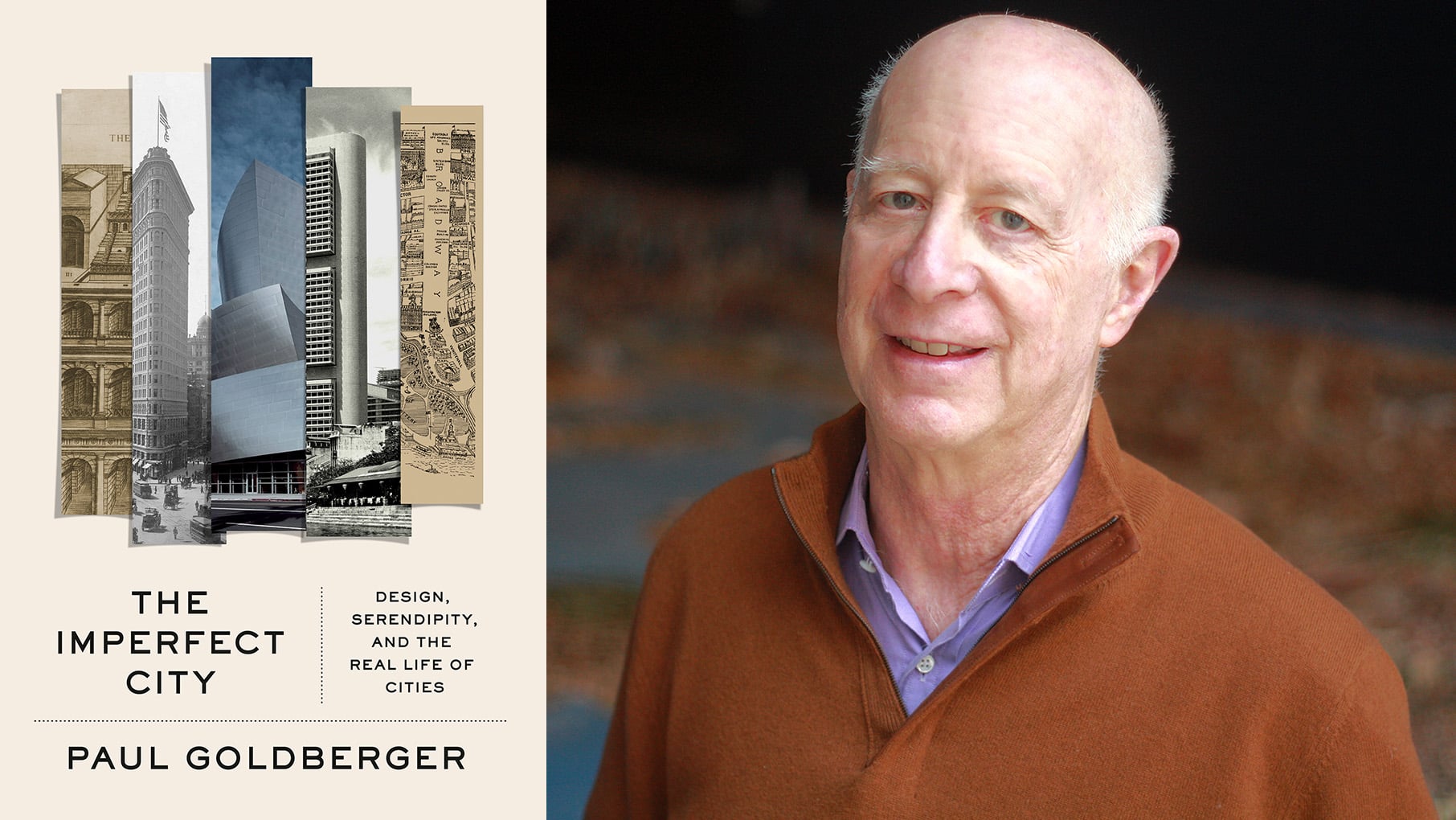
Chicago is one of the case studies in Goldberger’s new book The Imperfect City: Design, Serendipity, and the Real Life of Cities, which tries to suss out how urban spaces evolve and succeed (or don’t) as dynamic, varied, accommodating places. Chicago is included as one of the rare cities to benefit from a grandiose urban plan, both because much of it was actually enacted – and because some crucial parts weren’t.
“Burnham’s plan for Chicago was one of the most ambitious plans for any American city, or any city around the world, ever made,” says Goldberger of the 1909 Plan of Chicago by Daniel Burnham and Edward H. Bennett, which sought to make Chicago at large a bit more like Burnham’s much praised “White City” at the 1893 World’s Fair in Chicago. Perhaps its greatest legacy is the public lakefront, an outgrowth of Frederick Law Olmstead’s Jackson Park created for the fair. “The Lake front by right belongs to the people,” the plan avows.
But Goldberger also points to parts of the plan that weren’t realized, such as a civic center at Halsted and Congress Streets – the location of the expressway-snarling Jane Byrne Interchange today – at which various grand boulevards would meet.
“[P]art of the success of Burnham’s plan in Chicago is that some of its original proposals never came into being,” writes Goldberger. And this is where the essential argument of his book comes into play: good cities require a mix of the spontaneous and the planned. There is no perfect recipe for cities, which are too complex and ever-changing to be dictated from on high. Many cities’ most wonderful assets are the result of unintended consequences, such as the architectural innovation that resulted from the devastation of the Great Chicago Fire or Wrigley Field’s survival into an era when historic ballparks embedded in neighborhoods once again became the ideal. (Goldberger has also written a book about baseball parks and their relationship to urbanism.)
He points to New York City’s mega-development Hudson Yards and “Billionaire’s Row” of luxury skyscrapers as examples of the perils of unchecked capital. They seem to shun the rest of the city, offering everything one of their wealthy tenants needs within architecture that could be anywhere – that is, if those tenants are ever actually in town. Many of these projects serve as investment opportunities for international oligarchs and were built by global financial firms that are uninterested in whether they contribute to or draw upon the city in which they are located. This, Goldberger contends, is one of the biggest issues facing cities today.
“If a sovereign wealth fund in the Mideast has decided to invest in a New York real estate project, they’re talking about billions of dollars. They are not interested in the nuances of, ‘What is the impact going to be of this building on this street,’” he says. “So we are increasingly forced to build at enormous scale for the satisfaction of investment that has no particular, real, serious interest in the place in which it’s investing.”
Goldberger thinks we have lost the ability to build average buildings that enliven a street, the courtyard buildings with subtle brick detailing, the storefront with terra cotta ornament, the modernist office with beautiful proportions. While spectacular skyscrapers and cultural institutions get the attention, it’s these necessary, workaday buildings that make up the majority of the urban fabric and affect how it feels to walk around and enjoy an entire city.
“Perhaps it is going too far to say that a well-intentioned blandness constitutes the authentic city in the twenty-first century, but I think it is true, sadly enough,” Goldberger writes. While Middle Eastern cities such as Doha and Dubai have attracted some of the most prominent architects over the past couple decades with vast budgets and ambitions, he doesn’t devote much time to them in The Imperfect City. “They are full of big, flashy buildings, but so far have not really established themselves as convincing cities,” he says.
To his credit, he does wrestle with two places that he admires even though they rub against his notion of the ideal city. He finds a vitality to Los Angeles despite its sprawl and focus on the car, even though his favorite way to experience a city is by walking and he delights in a streetscape that favors pedestrians. (His practiced eye gives the reader of The Imperfect City the pleasure of exploring Amsterdam, Rome, and Paris and the yearning to hit the pavement yourself.) He appreciates the chaos of cities, but Singapore is militantly tidy and controlled – and has excelled at fostering a multicultural population amid some stellar architecture and green space through its intense bureaucratic involvement.
These counterexamples give credence to his argument that things are rarely black and white but rather shades of gray. “‘Either or’ is rarely correct. ‘Both and’ is more likely to be the reality,” he says. ‘Ultimately great places – whether they’re physical places like cities or ideas like democracy – emerge out of complex and different viewpoints, and they’re not simple, absolute, total dogmas at all. Those generally don’t work.”
Cities are “places that offer us choice. And there’s a lot more choice when you see things in nuanced ways."
Paul Goldberger will discuss The Imperfect City with Chicago’s Pulitzer Prize-winning architecture critic Blair Kamin on December 7 at the Chicago Architecture Center.