A Chef Takes His Sixth-Generation Family Business into a New Direction with an All-Day Cafe in Chicago's Suburbs
Daniel Hautzinger
November 20, 2026
Get more recipes, food news, and stories by signing up for our Deep Dish newsletter.
One hundred and sixty-six years ago, a former Ottoman soldier and his wife, a baker’s daughter, began selling folded pockets of sweet cheese wrapped in thin sheets of dough from a stone storefront outside the ancient Church of the Holy Sepulchre in Jerusalem. Six generations later, his descendant is selling that same pastry and a host of other sweet and savory treats from a cafe near a Home Depot in a southwestern Chicago suburb.
“I wanted to take this, the family business, into the next generation,” says Aref Zalatimo, the chef behind Lab 1860, which officially opens at 7402 W. 159th St. in Orland Park on November 21. That means an all-day cafe that foregrounds Levantine – specifically Palestinian and Jordanian – dishes and ingredients.
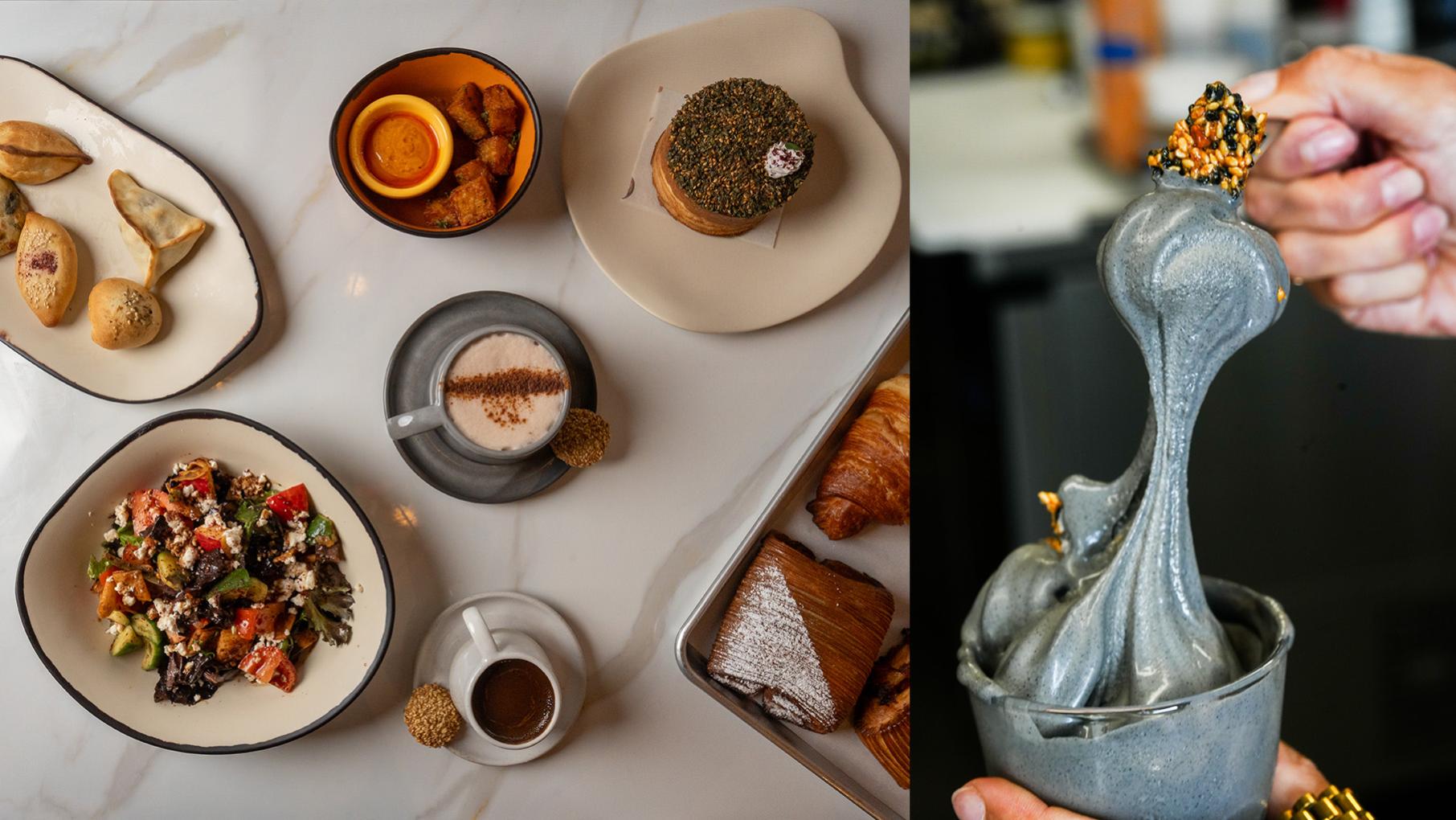
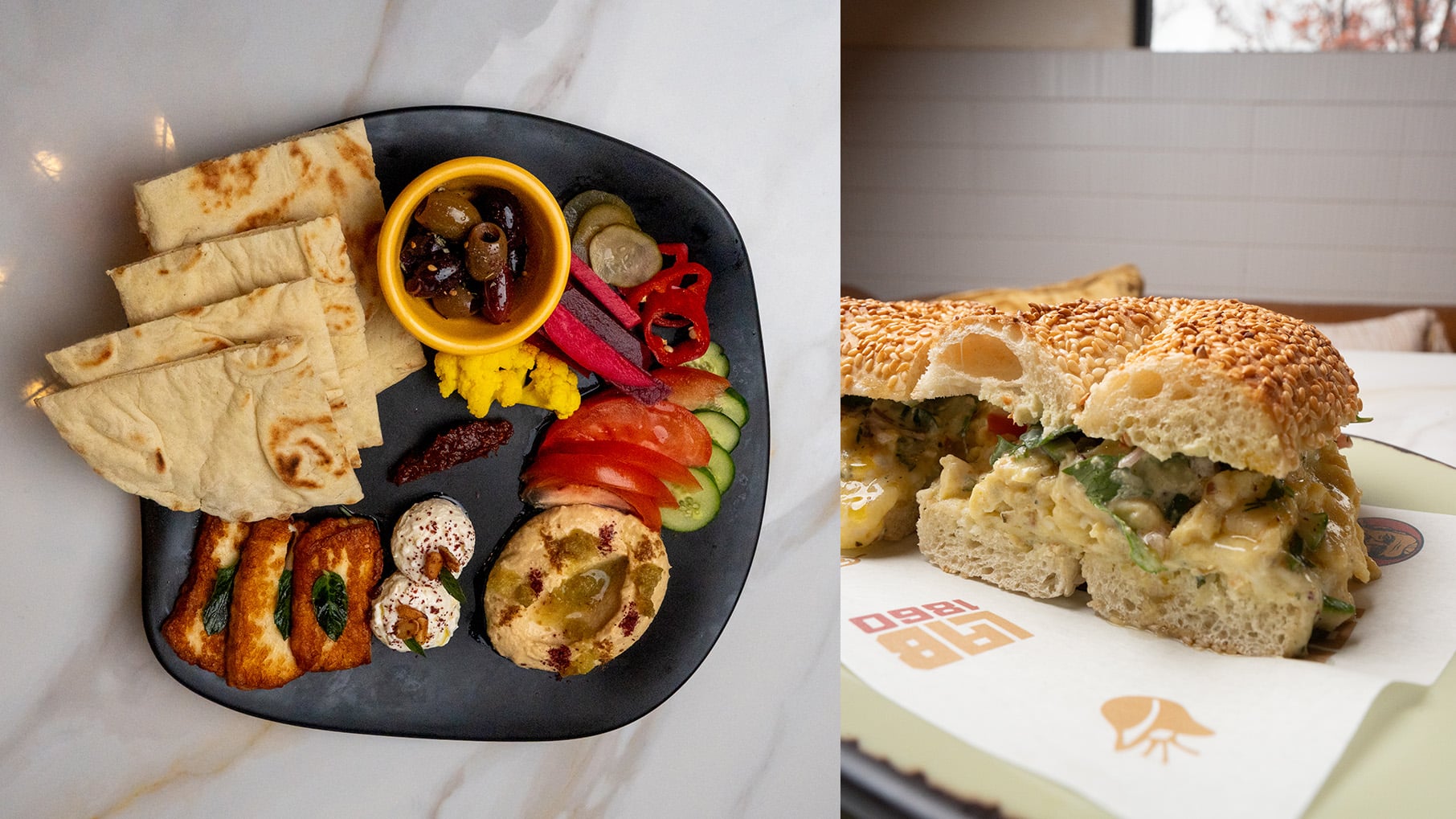
The pizza-like flatbread mana’eesh comes with the green herb blend za’atar, the sausage soujek, minced spiced meat, or the same fresh cheese found in that mutabbak, the pastry Zalatimo’s family has been making for generations. “Sandweeshes” enclose pomegranate barbecue chicken, charred cauliflower, or braised lamb shoulder in pita along with such Middle Eastern flavors as fresh herbs, sumac, and tahini. Hummus, yogurt-like labaneh, peppery harissa, the squeaky cheese halloumi, and pickled and fresh vegetables make for a healthful breakfast, while soft scrambled egg on a roll-like bagel follows the breakfast sandwich trend.
“I was very selective about adding anything that is not Middle Eastern. Like the only thing really that is ‘fusion’ is our croissants, but even that, it’s really just the base of the croissant that’s French,” says Zalatimo; the laminated pastry encases za’atar and labaneh, or soujek and cheese. “However I’m able to add a Middle Eastern touch into the food that I’m creating is the goal.”
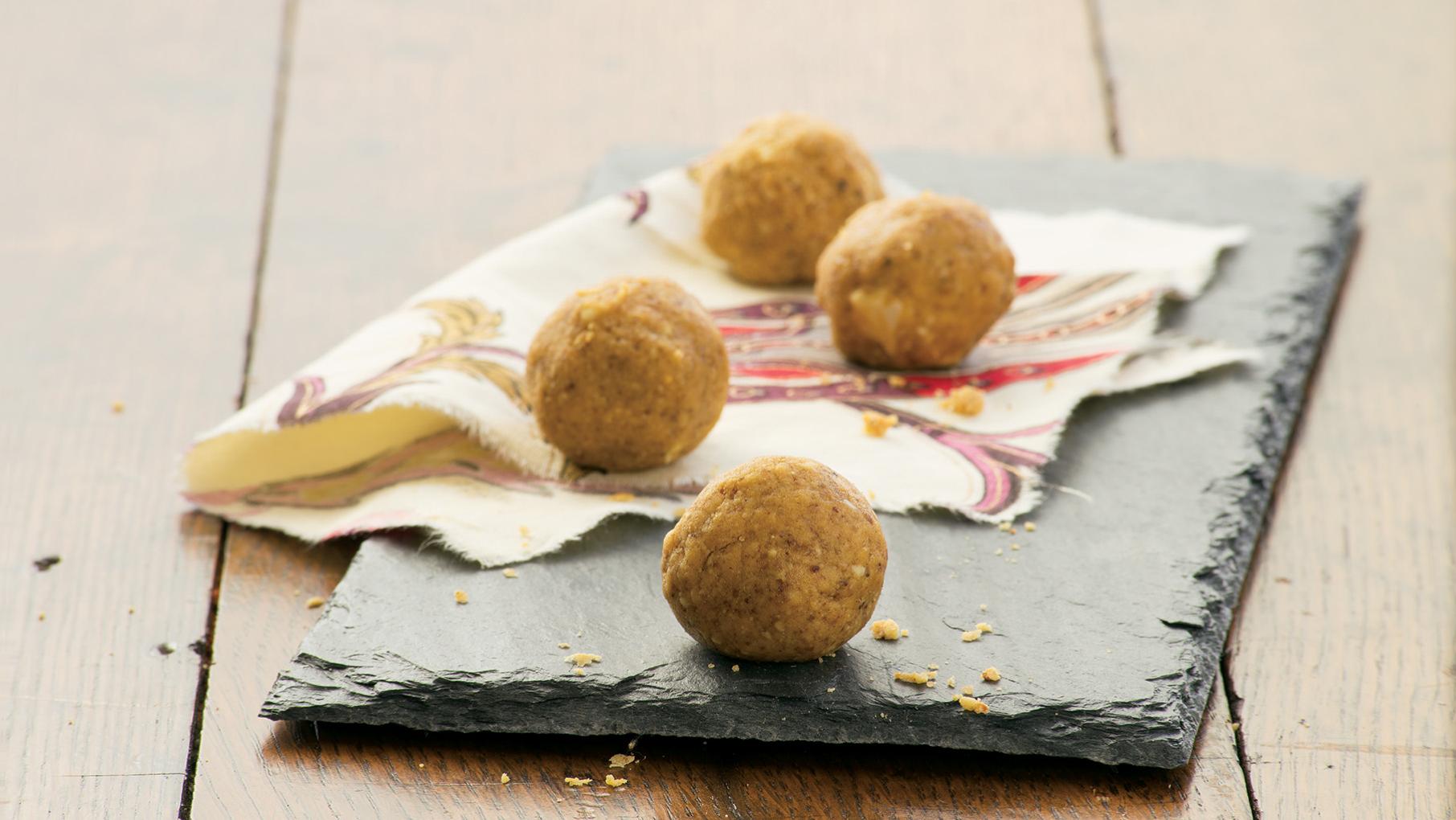
Zalatimo’s family is Palestinian, and he grew up in Jordan. That’s where the family business, now known as Zalatimo Sweets, is based. Over the decades, they have expanded beyond mutabbak into baklava varieties, cookies studded with sesame or anise seed or almond, and mamoul that encase dates or nuts in a crumbly crust. Thanks in large part to Zalatimo’s father and uncle, their products – made in Jordan – are available not only throughout the Middle East but also in the U.S. via major grocery stores, Amazon – and now at Lab 1860. Their U.S. distributor, Ziyad, is based in the Chicago area.
As a teenager, Zalatimo rebelled against the idea of joining the family business. He wanted to be an artist, but his father insisted he get a degree that could be useful to Zalatimo Sweets, like an MBA. He found middle ground in culinary education, a creative path that could still inform his birthright.
He fell in love with kitchens, working in hotels around the U.S. and with the acclaimed Palestinian American restaurateur Michael Rafidi in Washington, D.C. When his dad got an offer to open a Zalatimo Sweets store in Orland Park, near the heart of Chicago’s Arabic community in Bridgeview, Zalatimo joined him, and eventually pitched a more ambitious idea that became Lab 1860.
He drew some inspiration from Rafidi’s cafe Yellow, which he helped open; both Yellow and Lab 1860 offer soft serve, for instance, in labaneh with pomegranate or black sesame with halva versions at Lab 1860. Unlike at the ever more ubiquitous Yemeni cafes sprouting up around Chicago and the rest of the country – to which Lab 1860 bears some resemblance, with its all-day hours, spice-infused coffees, and selection of indulgent cake slices – Lab 1860 is sourcing coffee locally, from Chicago’s Metric Coffee.
“I hate to sound cocky like that, but I don’t think anybody in the neighborhood at least is competition to me,” says Zalatimo. “They don’t have a chef that’s also the business owner running the place.”
He’s producing almost everything in house: pickles, hummus, labaneh, breads, pastries, cakes. The Zalatimo Sweets products are one of the only things made outside the cafe, coming straight from Jordan – but Zalatimo has a hand in that, too, offering a different selection than what’s available at grocery stores. “Some stuff that’s a little bit gourmet, which means less dough, more filling of pistachio or walnuts or whatever the fillings are, more ghee,” he says.
Mutabbak, however, is made at the cafe – according to the family recipe, of course, with cheese from Jordan.
“Mutabbak was the original, what the family got famous for,” Zalatimo says.
And now it’s being offered a world and generations away.