
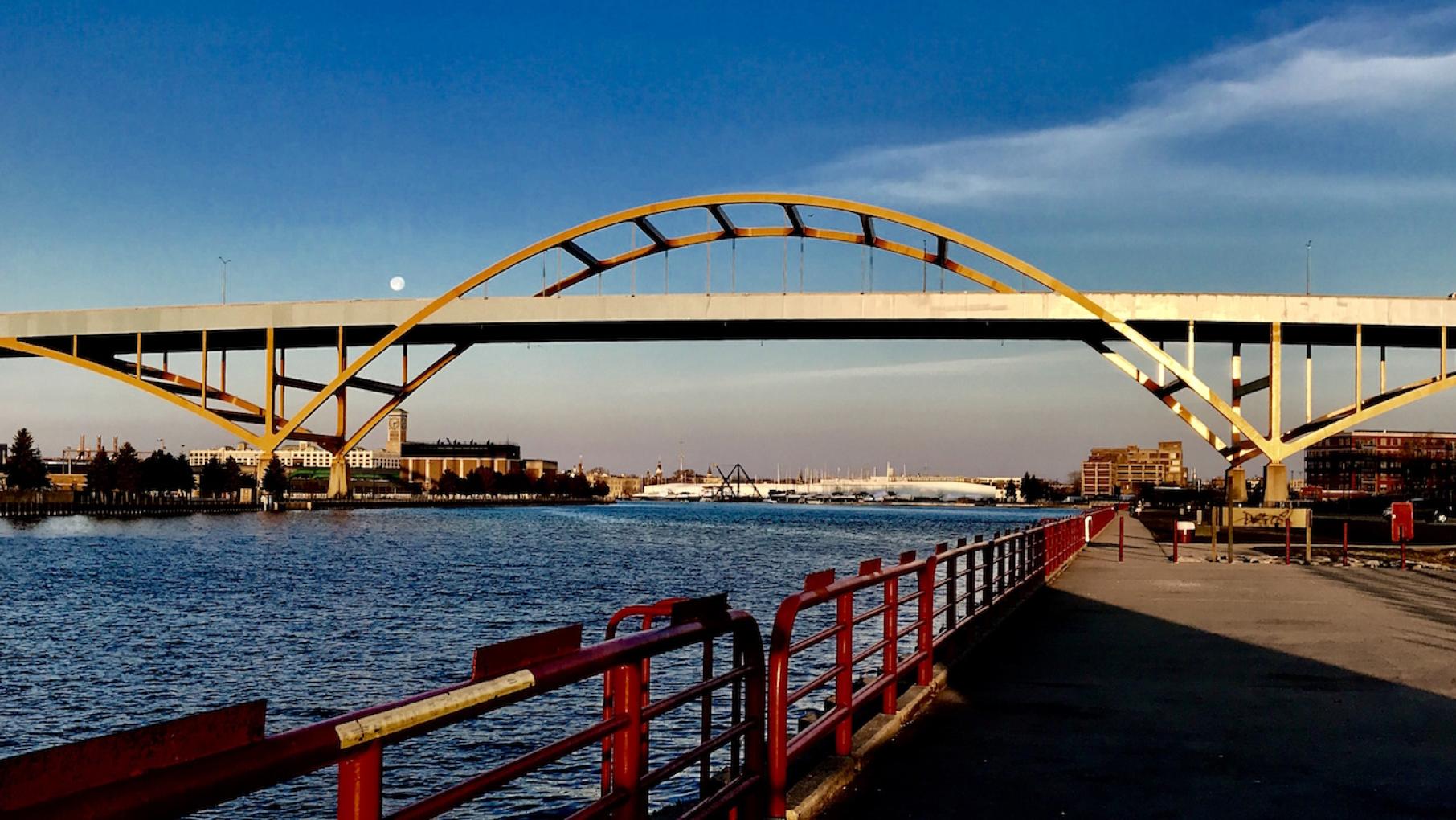
Buffalo may soon unseat Milwaukee as the only large American city to have a socialist mayor. Chicago's neighbor to the north has a long history of elected socialist leaders, an appropriate background in the era of Bernie Sanders and other progressives.
Playlist History
History
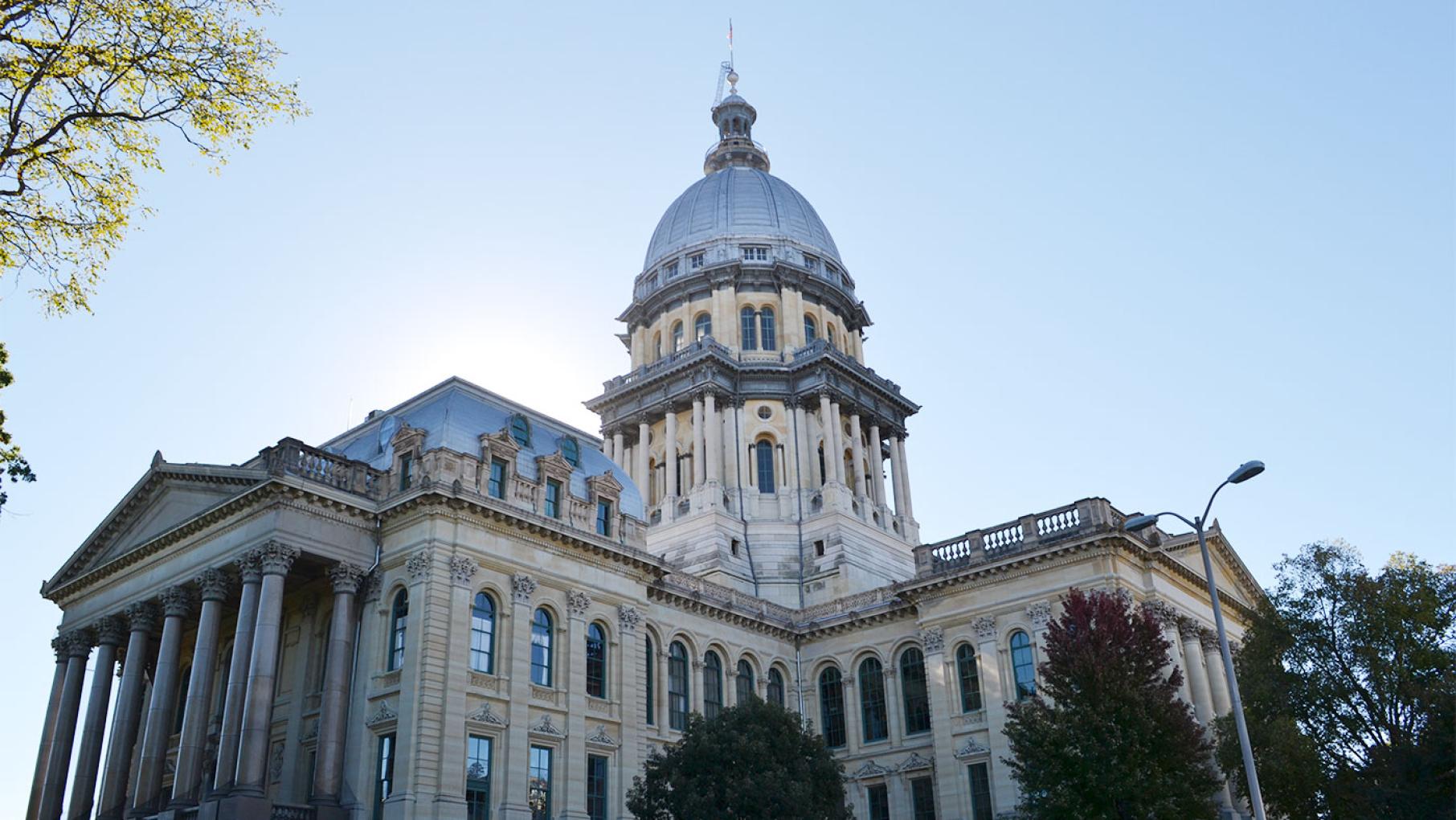
A Short History of Corruption in Illinois
Stories of corruption amongst politicians in Illinois and Chicago could fill a book—and they have. As federal investigations close in on some of the state's most powerful people, revisit the last half century or so of corruption in the city and state.
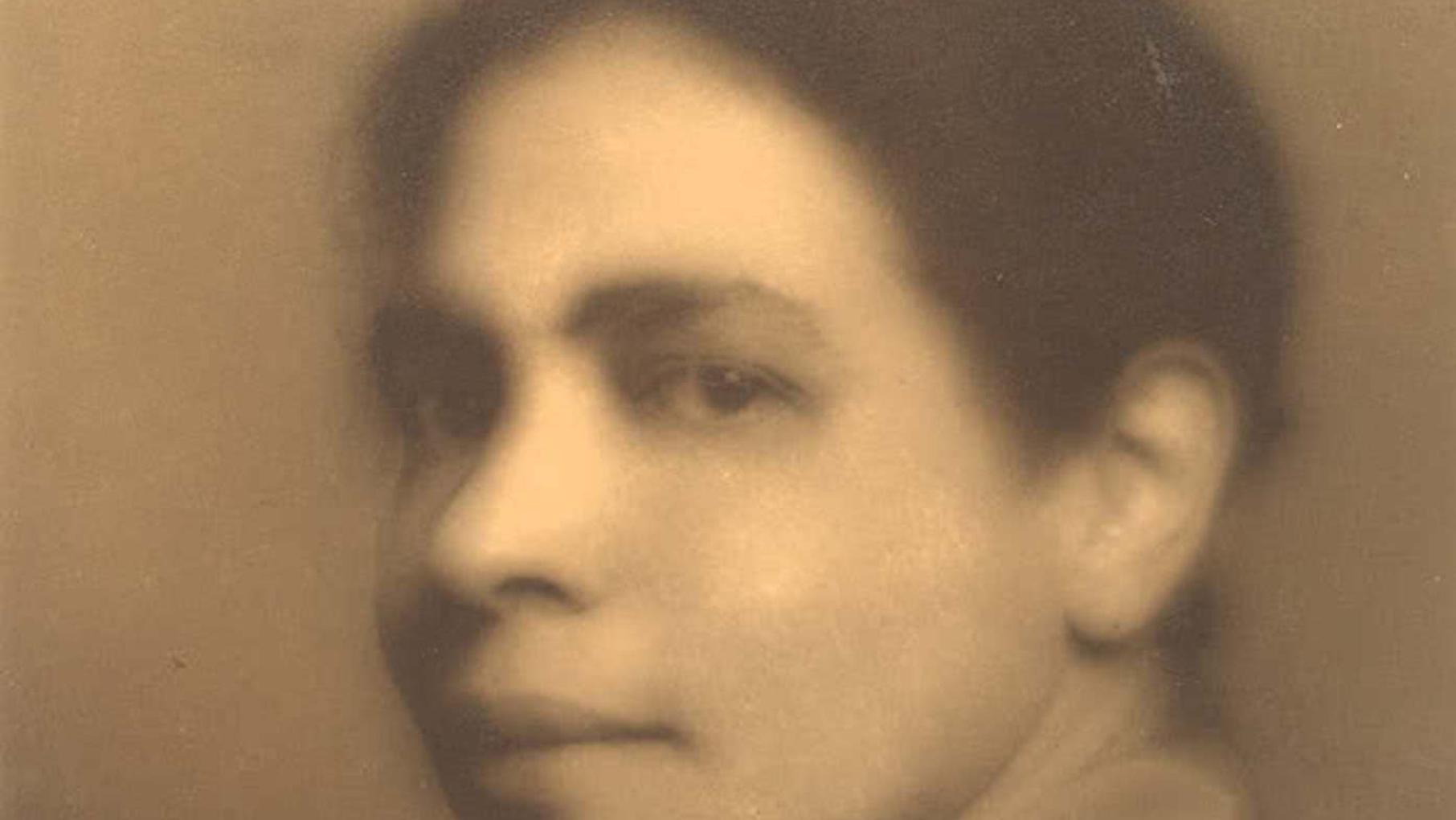
The Novelist Nella Larsen's Life Between Worlds
Nella Larsen existed in disparate worlds, never quite finding her place: born to a Danish mother and West Indian father in a Chicago vice district, she eventually became a part of the Harlem Renaissance and Black professional class, producing a neglected classic novel.
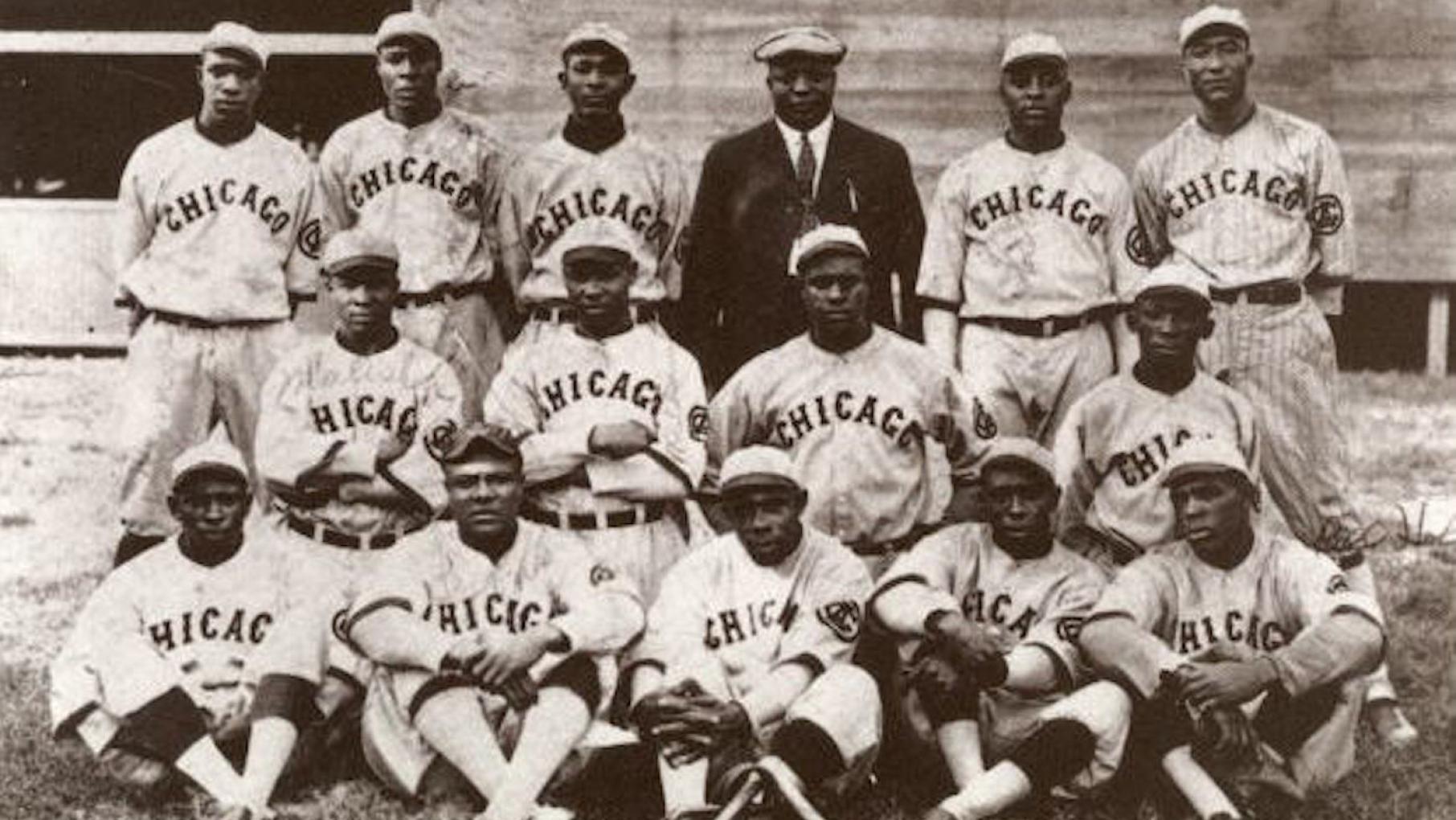
Chicago's Starring Role in the Creation of Baseball's Negro Leagues, 100 Years Ago
Chicago looms large in the creation of baseball's Negro Leagues, for reasons both positive and negative. One influential player-manager spearheaded the creation of the Negro National League 100 years ago; another helped solidify the sport's color line decades earlier.
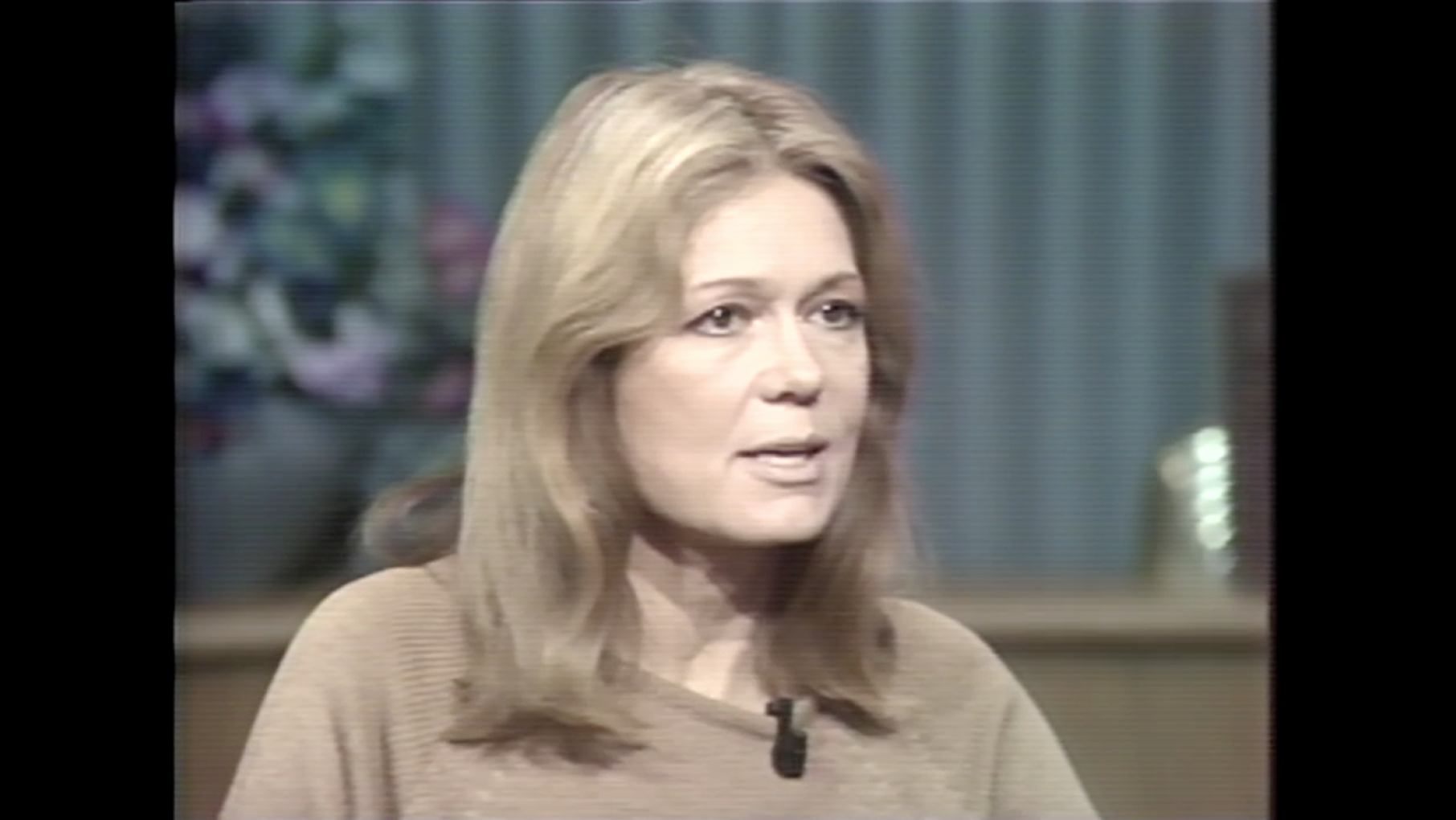
From the Archive: Gloria Steinem Reflects on Gender, Race, and the Future of the Women’s Movement
We visit the WTTW archives with two interviews with feminist leader, journalist, and political activist Gloria Steinem.
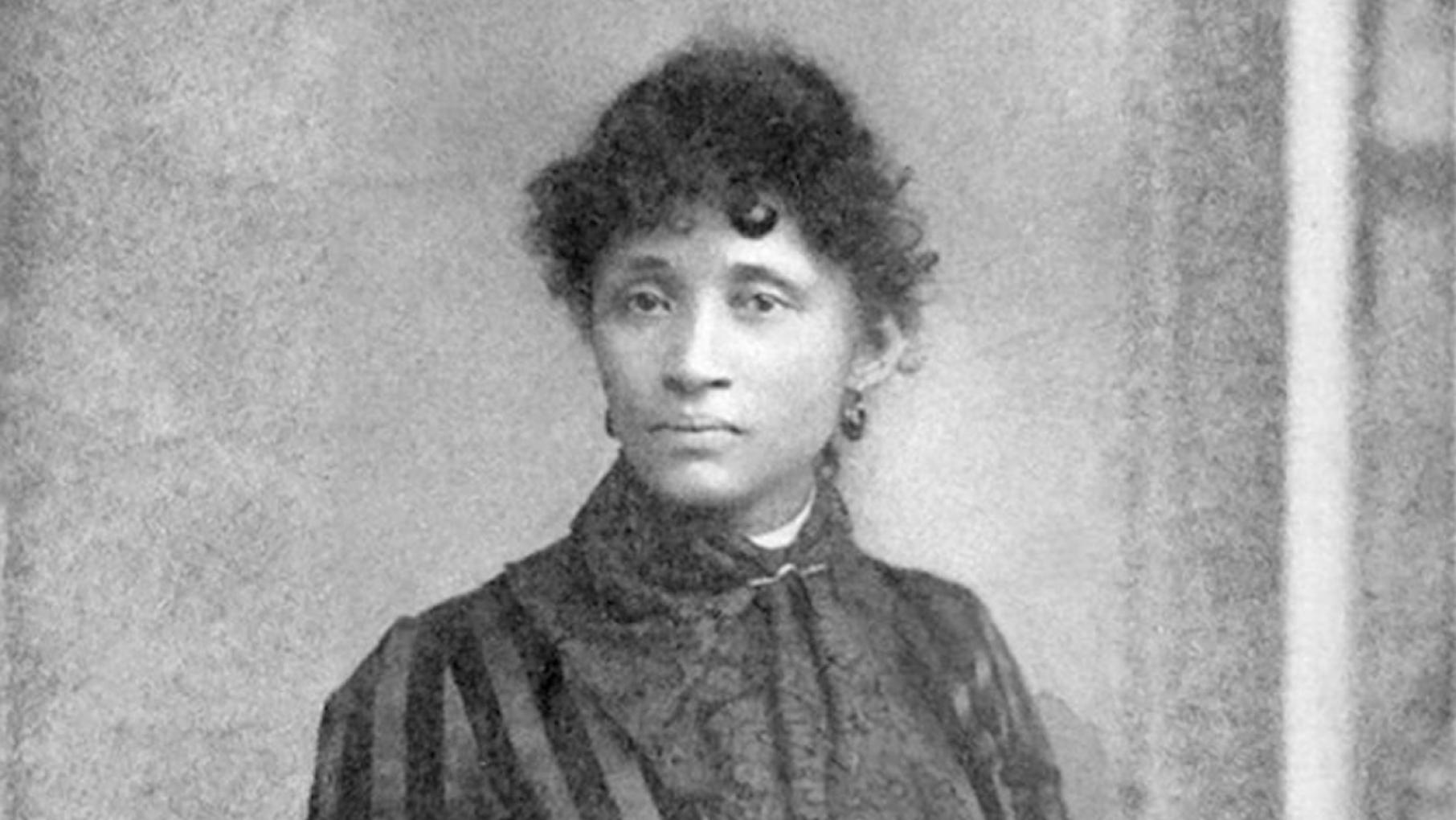
Chicago's 'Anarchist Queen'
Lucy Parsons was full of contradictions: an anarchist who defended marriage, a Black woman born into slavery who claimed her dark skin came from Mexican and Native American ancestry, a supporter of rights for women who didn't trust elections and thus never aligned herself with suffragists.
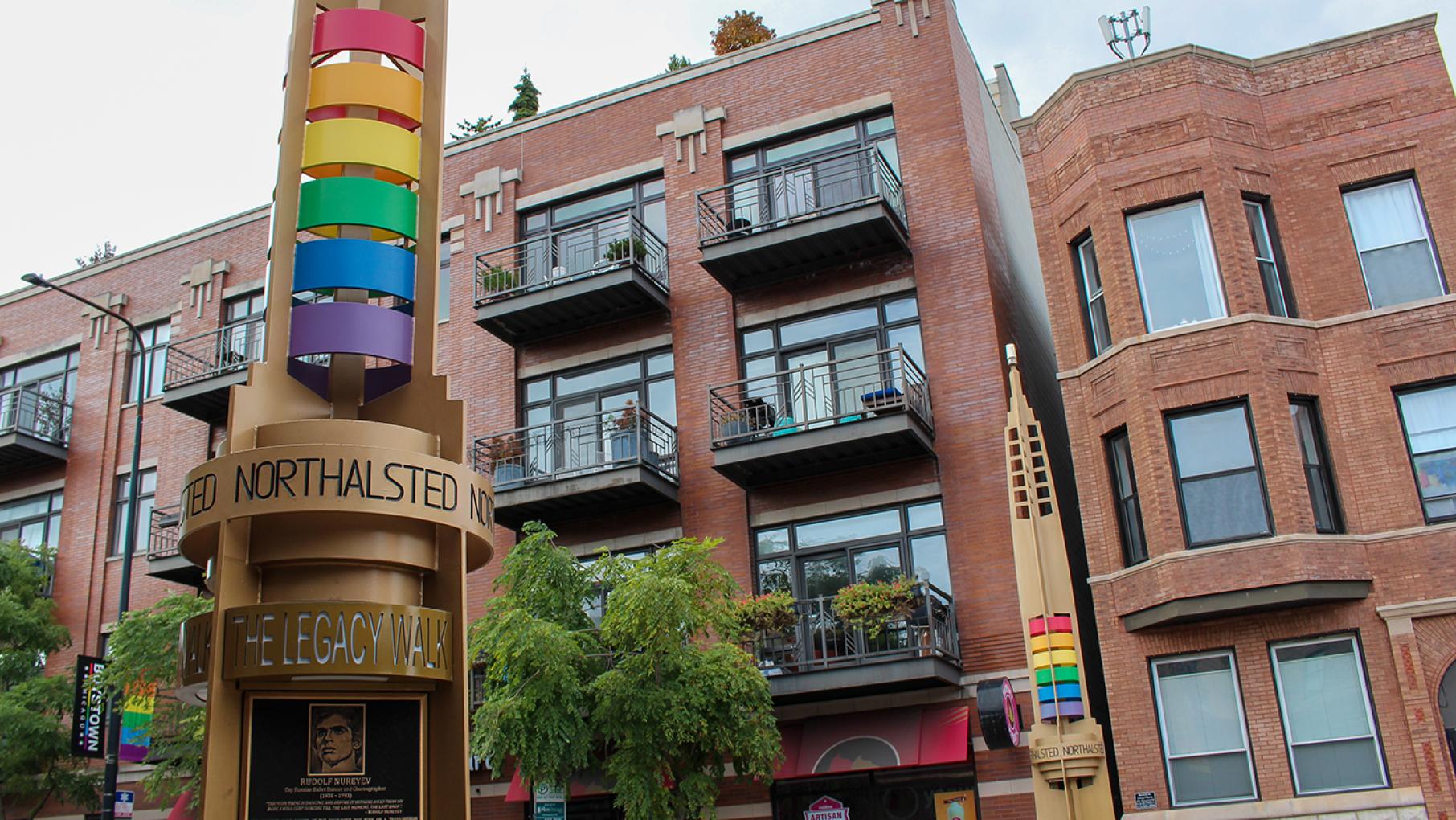
Walking Through LGBTQ History in Boystown
A series of bronze plaques on the famous rainbow pylons in Chicago's Boystown neighborhood make up the Legacy Walk – an outdoor museum highlighting the historical and cultural contributions of LGBTQ people.
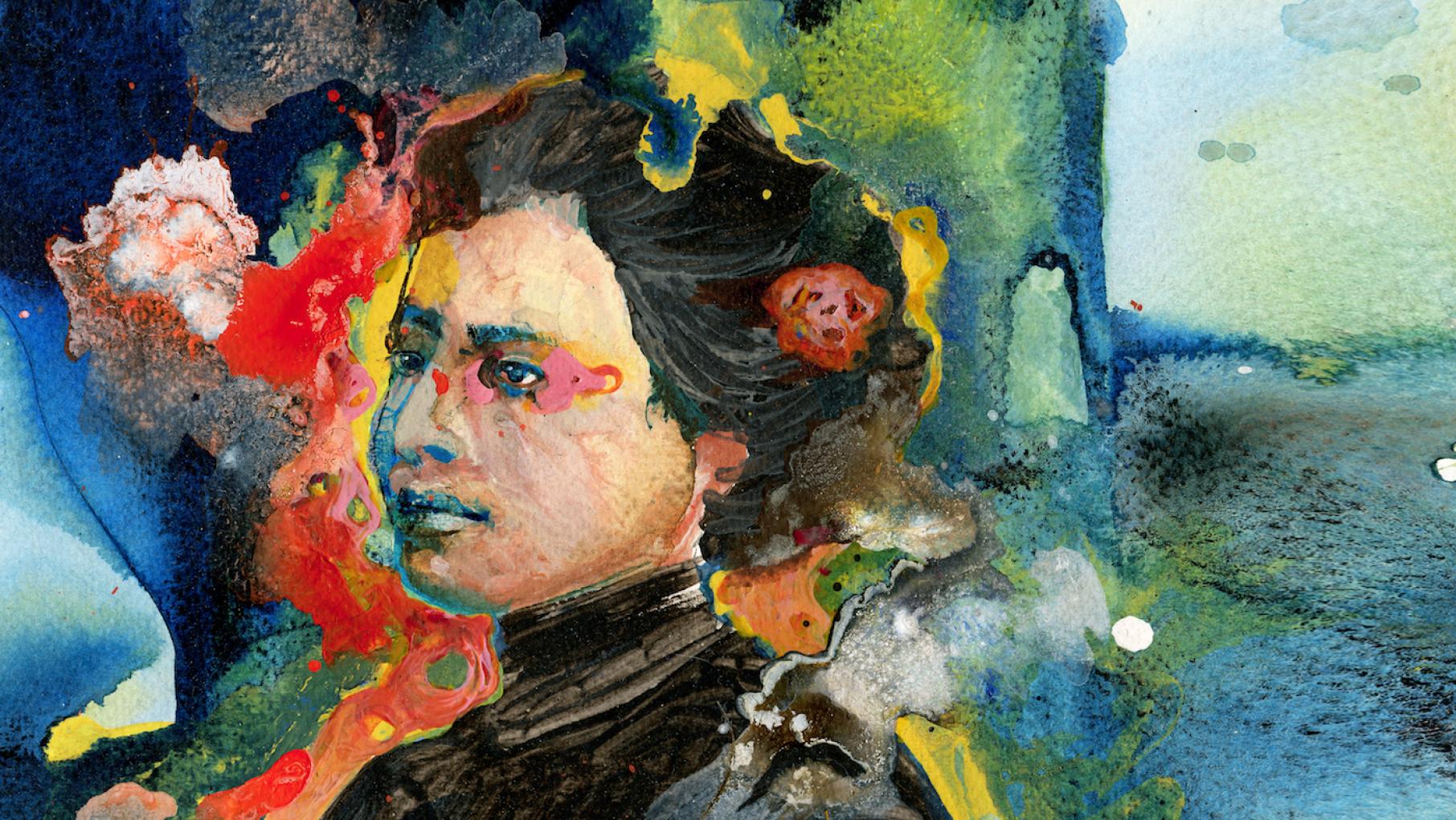
Celebrating the 'Unsung Women Who Changed America' a Century Ago
American Masters: Unladylike2020 encompasses a documentary and series of video profiles of 26 little-known women from the turn of the twentieth century who were pioneers in their fields and fought for civil rights.

'Every One of Those Folks Has a Story': The Chicago Hearings on Japanese Internment
In 1981, nearly 100 Japanese Americans testified at Northeastern Illinois University as part of an official government investigation into the constitutionality of the World War II internment camps that incarcerated 120,000 residents and citizens of Japanese ancestry. Their stories have recently been rediscovered in a tape collection found in the University's archives.
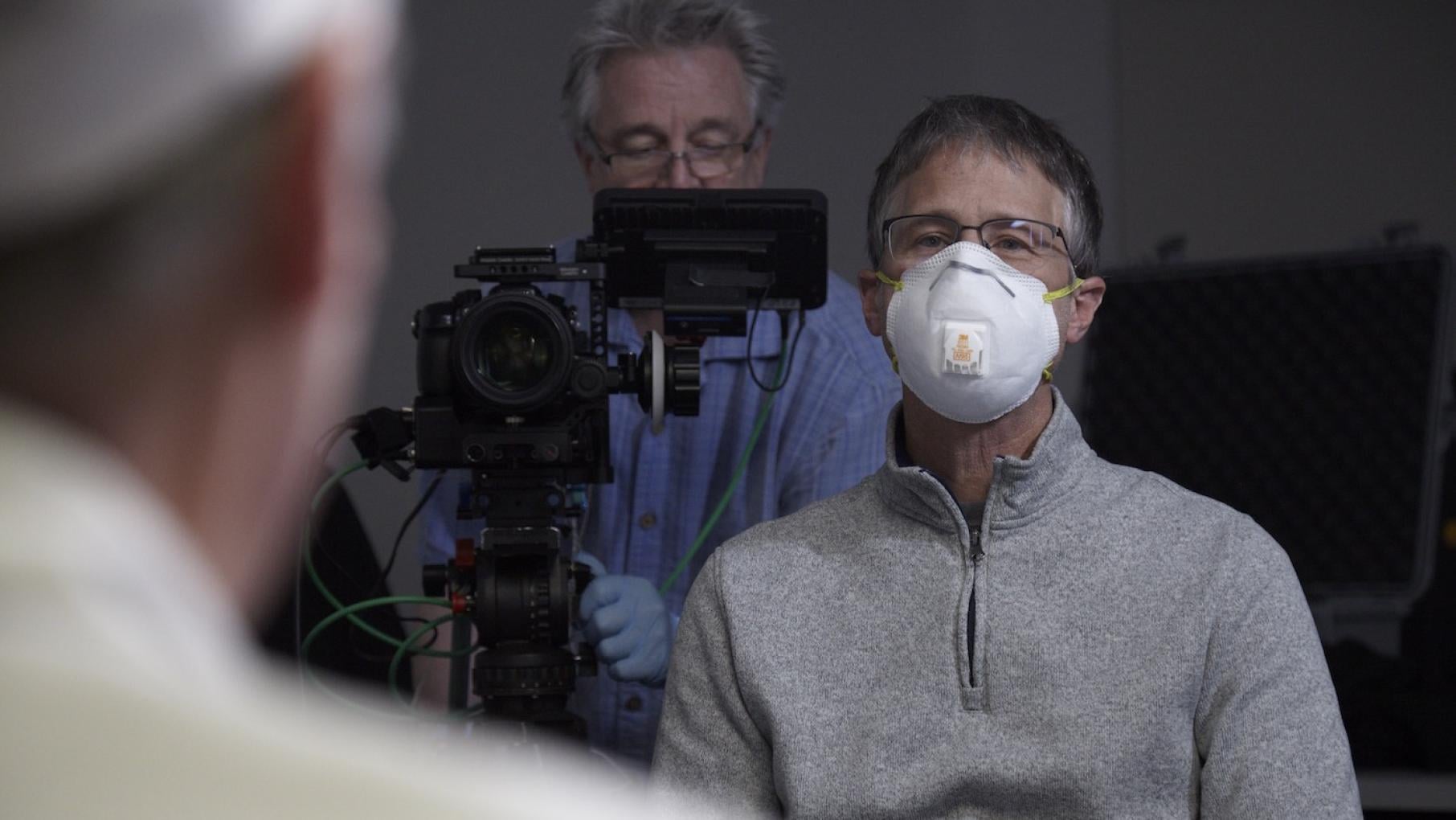
"I've Never Covered a More Important Story": Journalism During COVID-19
"I've never covered a more important story in my career," says the producer of the new Frontline: Coronavirus Pandemic. But how are journalists and broadcasters working now, when most people are confined at home? Frontline, WTTW News, and WTTW's FIRSTHAND discuss.
![2nd Lt. William Robertson and Lt. Alexander Sylvashko, Red Army, shown in front of sign [East Meets West] symbolizing the historic meeting of the Soviet and American Armies, near Torgau, Germany on Elbe Day. Photo: Pfc. William E. Poulson/U.S. National Archives and Records Administration](/sites/default/files/styles/post_featured/public/images/2020/04/03/ElbeDay1945_%28NARA_ww2-121%29.jpg?itok=gjH5zy-w "2nd Lt. William Robertson and Lt. Alexander Sylvashko, Red Army, shown in front of a sign symbolizing the historic meeting of the Soviet and American Armies, near Torgau, Germany on Elbe Day. Photo: Pfc. William E. Poulson/U.S. National Archives and Records Administration")
75 Years Ago, World War II Began to Draw to a Close in Europe
April, 1945—75 years ago—saw major events in the ending of World War II in Europe, from the deaths of three of the most prominent antagonists of the era to the meeting of American and Soviet troops in Germany and an early beginning of the UN.
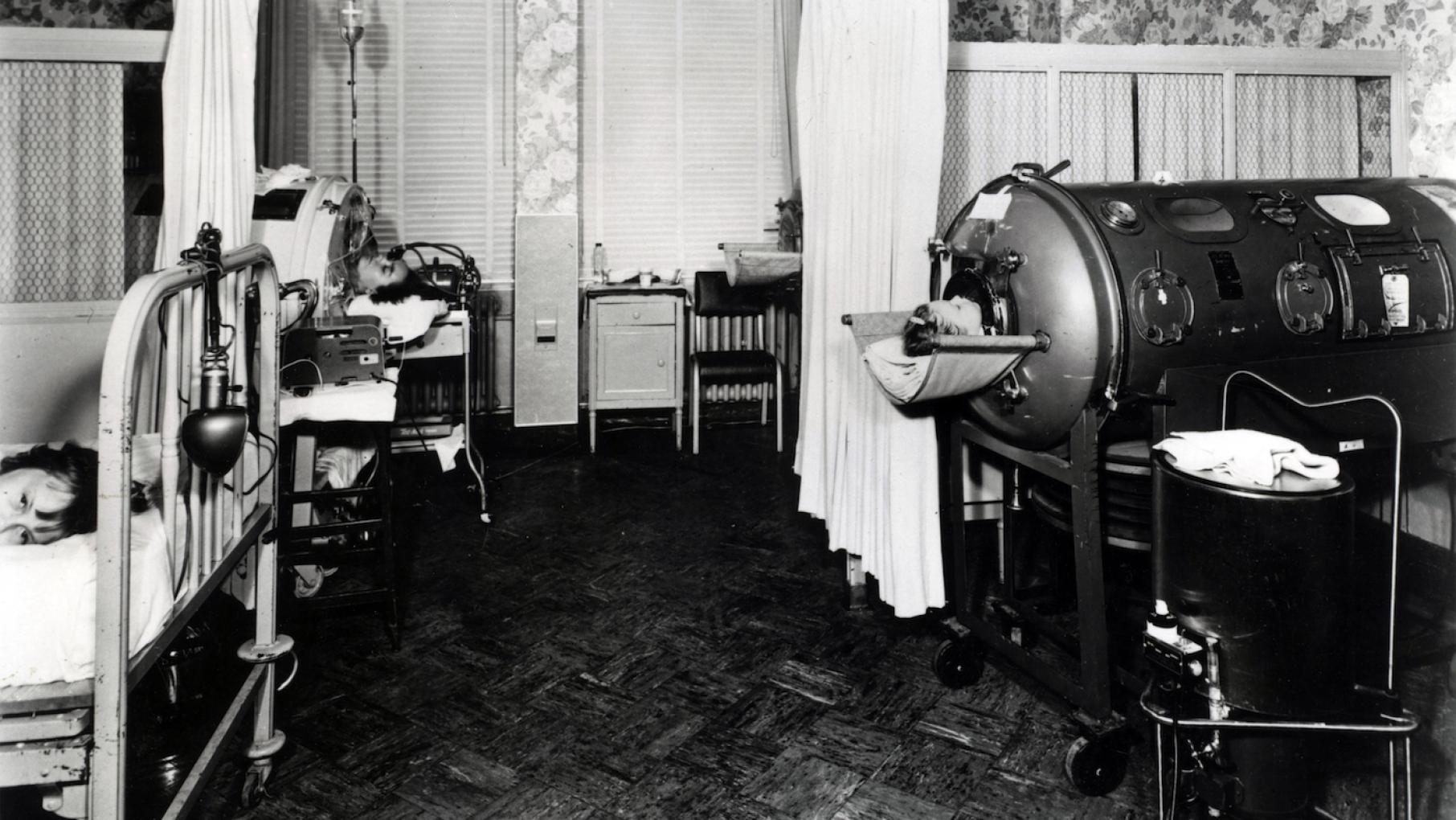
"One of the Greatest Events in the History of Medicine": The Defeat of Polio
DuPage county, outside Chicago, took part in Jonas Salk's polio vaccine trials in 1954, a successful nationwide experiment that led to the virtual end of a terrifying disease and was called "one of the greatest events in the history of medicine."
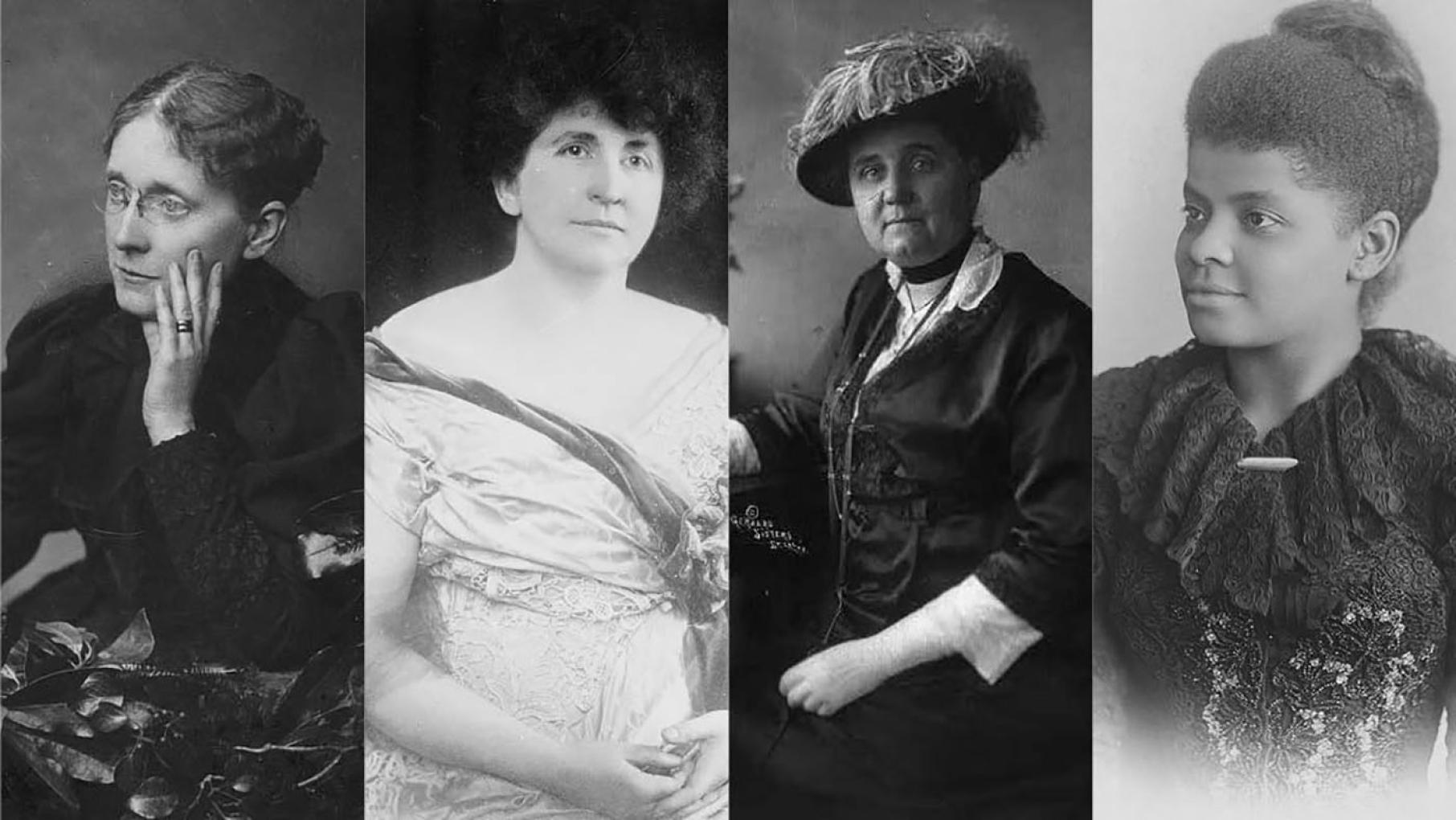
The Chicago Suffragists Who Fought for Women’s Right to Vote
This year marks the 100th anniversary of the 19th amendment, which guarantees women the right to vote. Chicago was home to some of the leading suffragists in the nation, and they brought Illinois women a limited right to vote years before 1920.
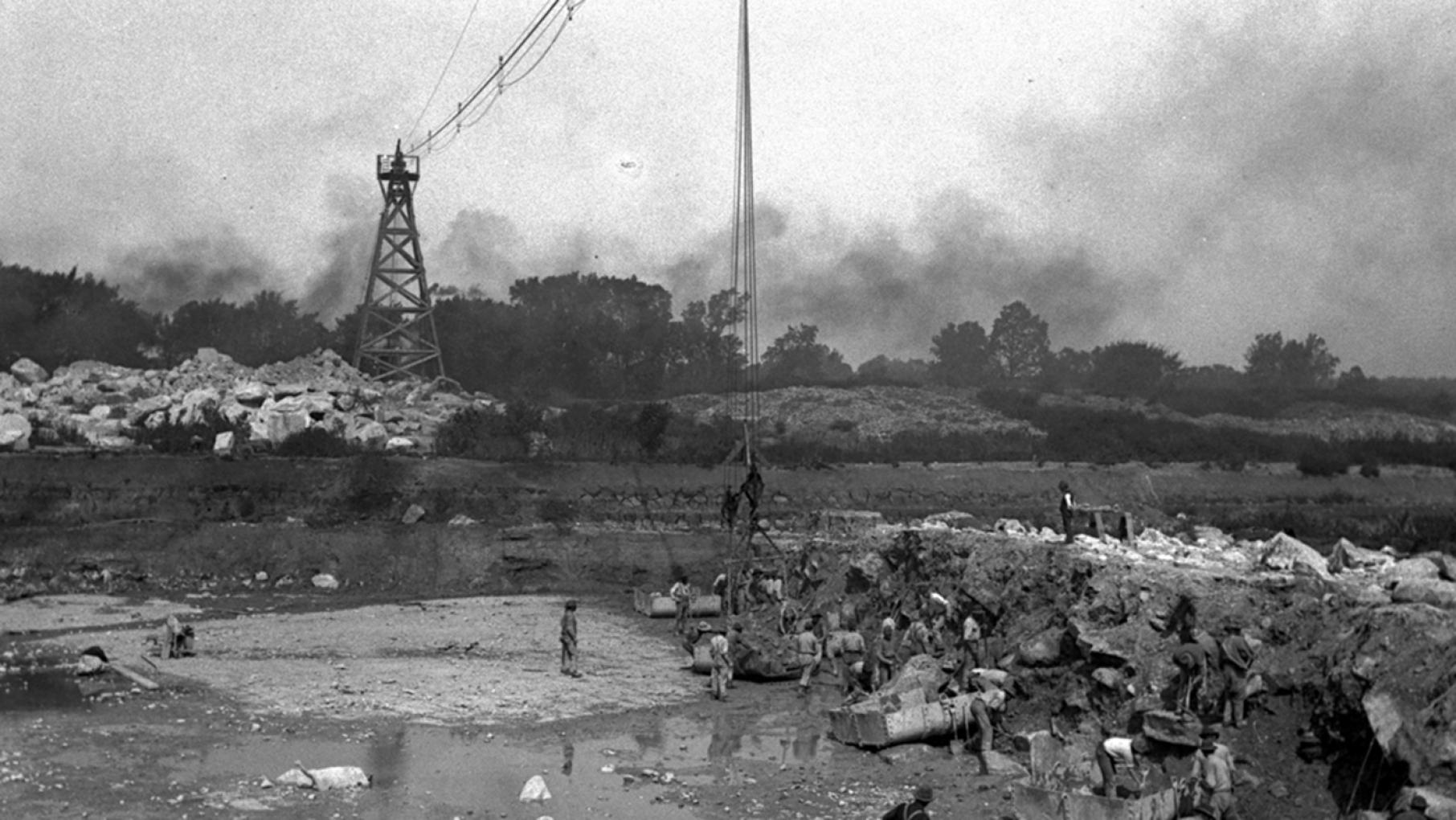
Chicago's Historical Ingenuity in the Face of Disease
Waterborne diseases like cholera periodically devastated Chicago in the nineteenth century. The attempt to beat them inspired three of the most ambitious engineering feats the country has seen.
From the Archive: 'New Yorker' Writer Jane Kramer
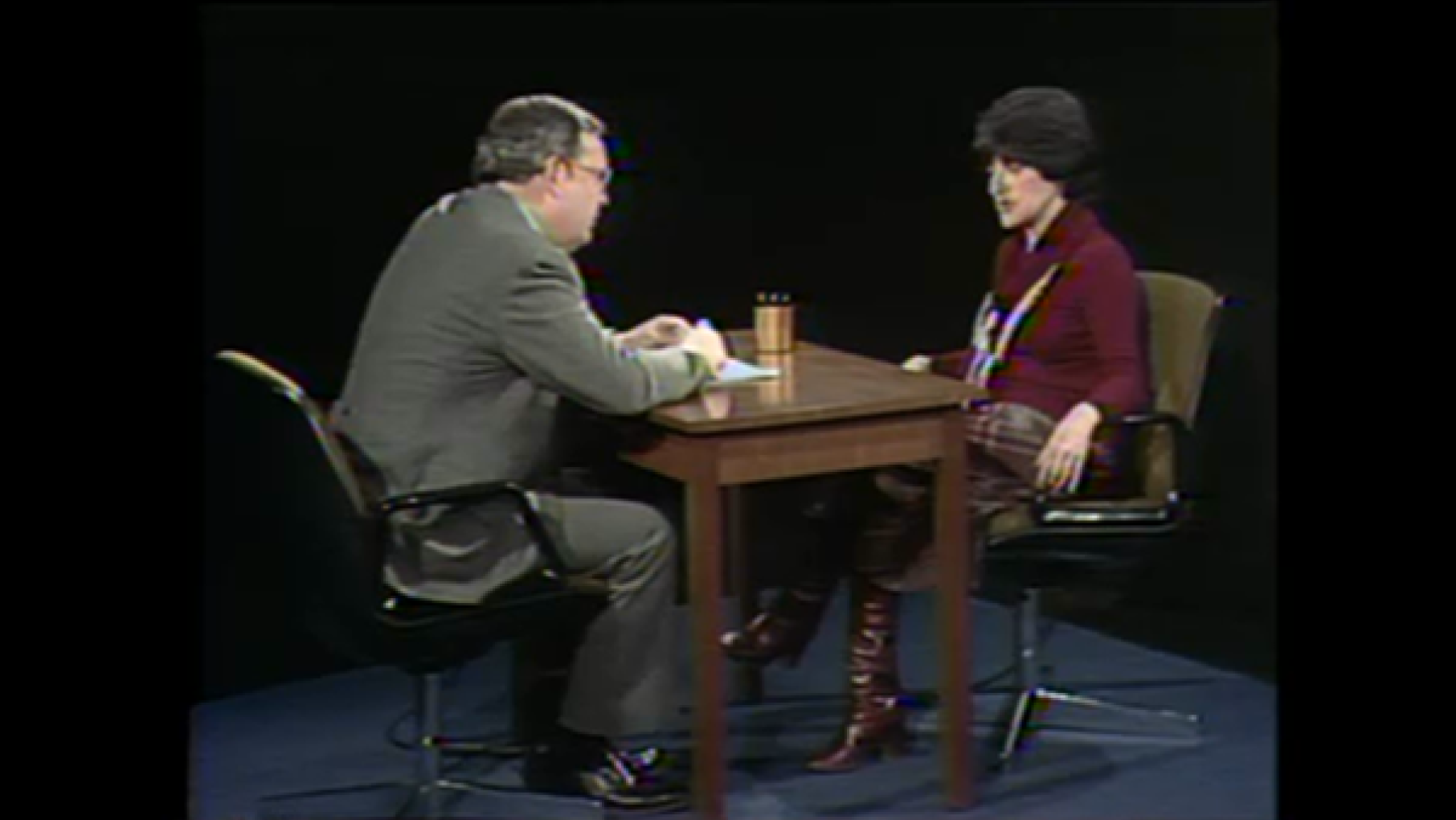
New Yorker writer Jane Kramer discusses the myth of the American West, the rise of big agribusiness and its effect on both traditional ranching and cows, and what bringing her daughter along on her reporting could do, in this 1978 interview from the WTTW archives.