Watch | FIRSTHAND: Life After Prison
Watch
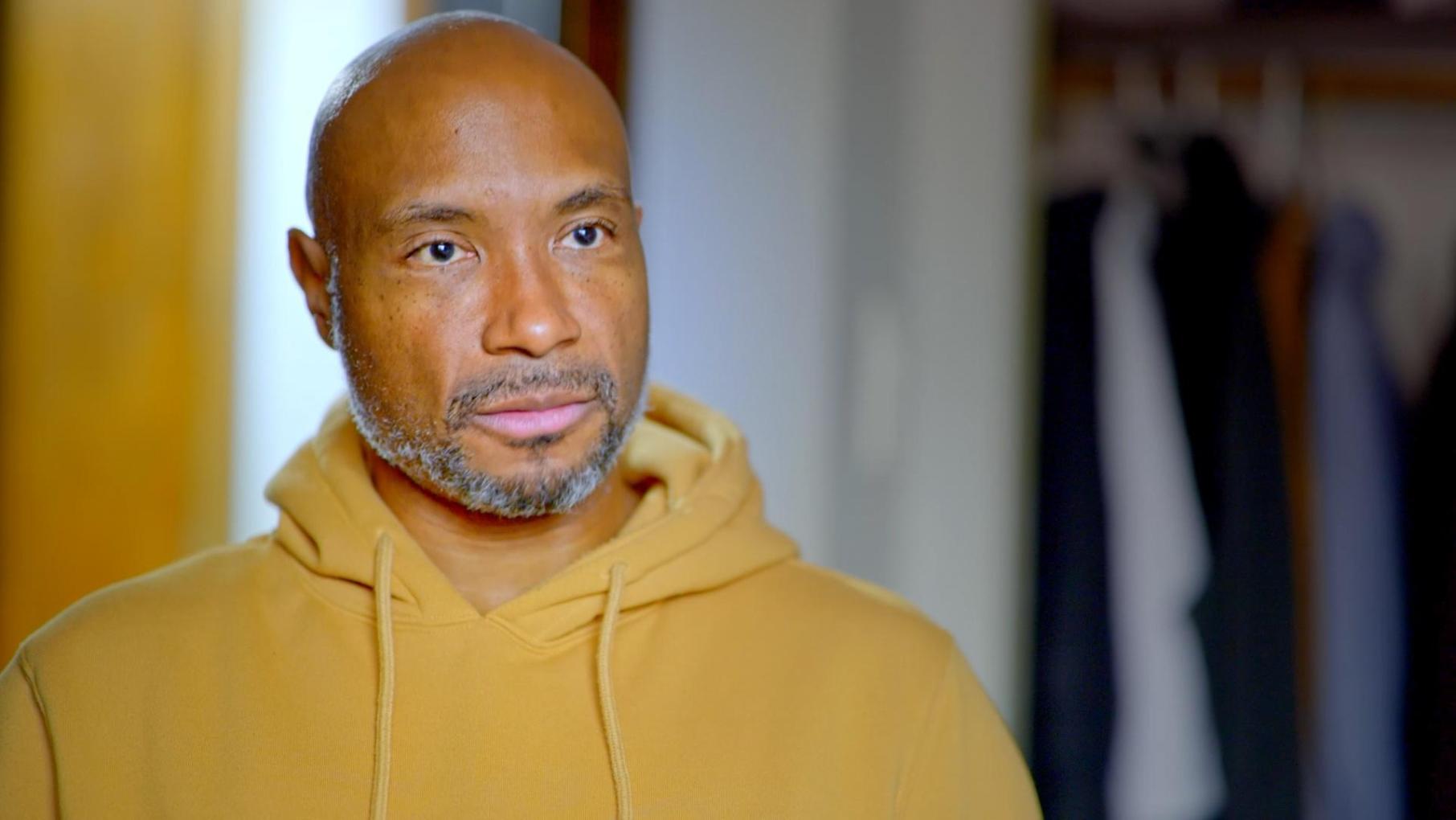
Nicholas Crayton
Nicholas is spending the final days of his sentence at an innovative prison.
After serving 24 years, Nicholas Crayton is only days away from being released from an innovative prison known as a Life Skills Re-Entry Center in Kewanee, Illinois. We follow Nicholas as he walks through the prison gates, and begins the next chapter of his life. While he’s set his sights on starting his own tech company, the challenges of adapting to life outside prove harder than he’s imagined.
Documentaries
Nicholas Crayton
Nicholas is spending the final days of his sentence at an innovative prison.
After serving 24 years, Nicholas Crayton is only days away from being released from an innovative prison known as a Life Skills Re-Entry Center in Kewanee, Illinois. We follow Nicholas as he walks through the prison gates, and begins the next chapter of his life. While he’s set his sights on starting his own tech company, the challenges of adapting to life outside prove harder than he’s imagined.
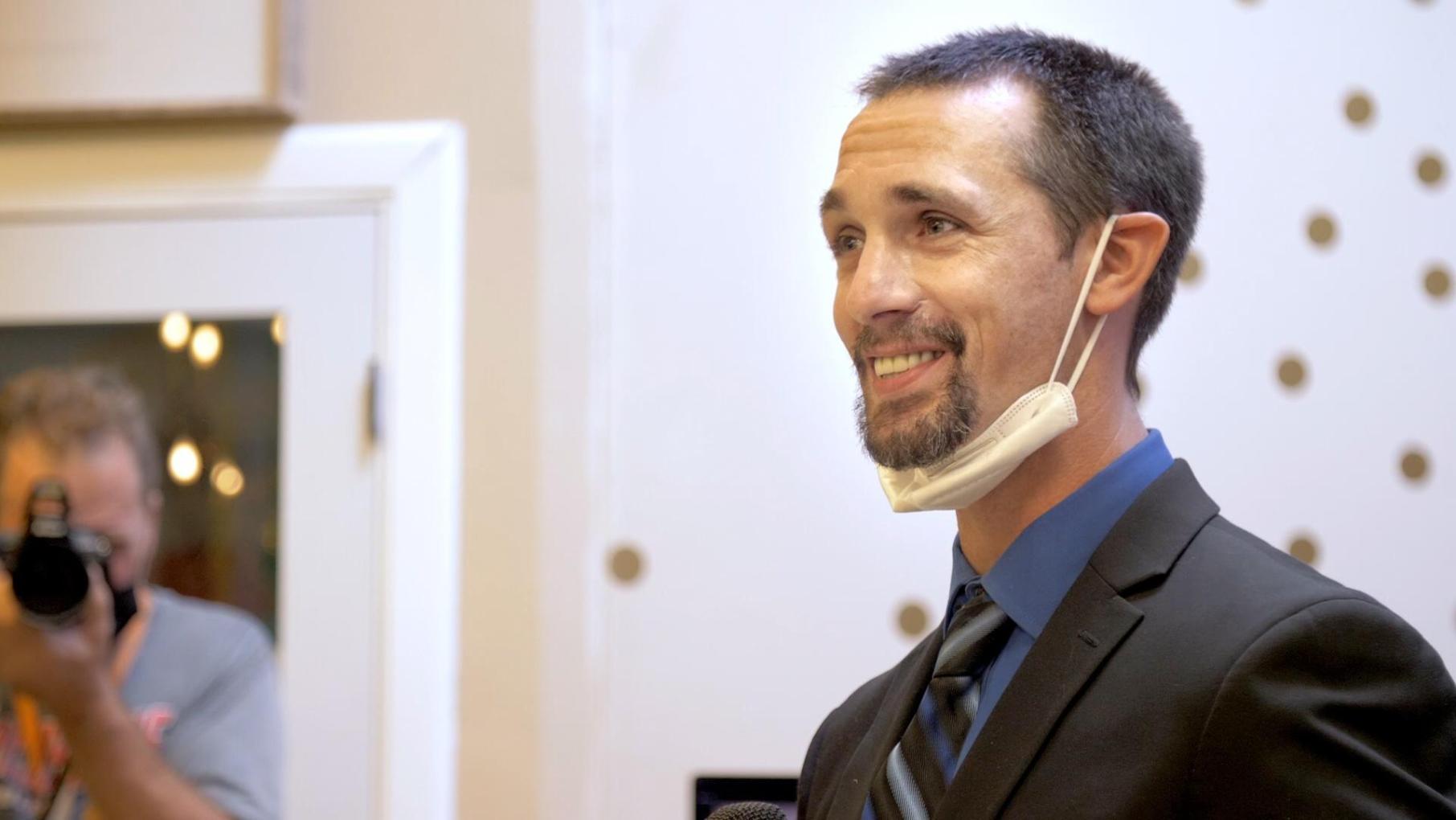
Kyle Hilbert
Kyle hit rock bottom more than once. This time, he hopes to put his life back on track.
Kyle Hilbert, a recovering heroin and crack cocaine addict, has been locked up more than 20 times and experienced homelessness. This time, with the assistance of an addiction recovery center, Kyle is determined to stay clean, so he can repair his relationship with his family, and pursue a new love interest.
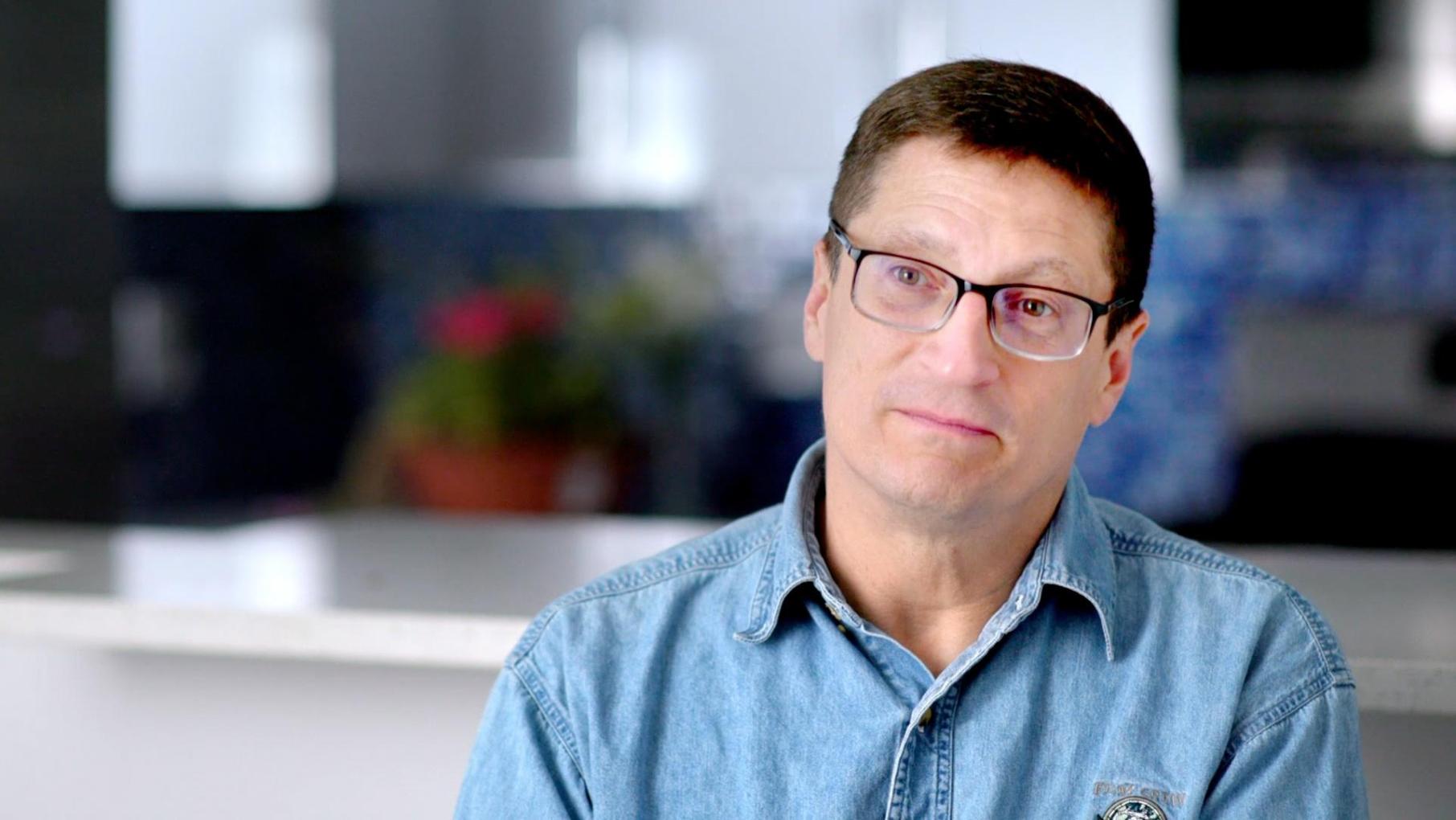
Paul S.
Convicted sex offender tries to turn his life around, and finds true love along the way.
Paul S. served 15 -and-a-half years in prison for aggravated child molestation. His challenges include the prohibitions placed on sex offenders, and the stigma that "once a sex offender, always a sex offender." Determined to move forward with his life, Paul has found religion and true love.
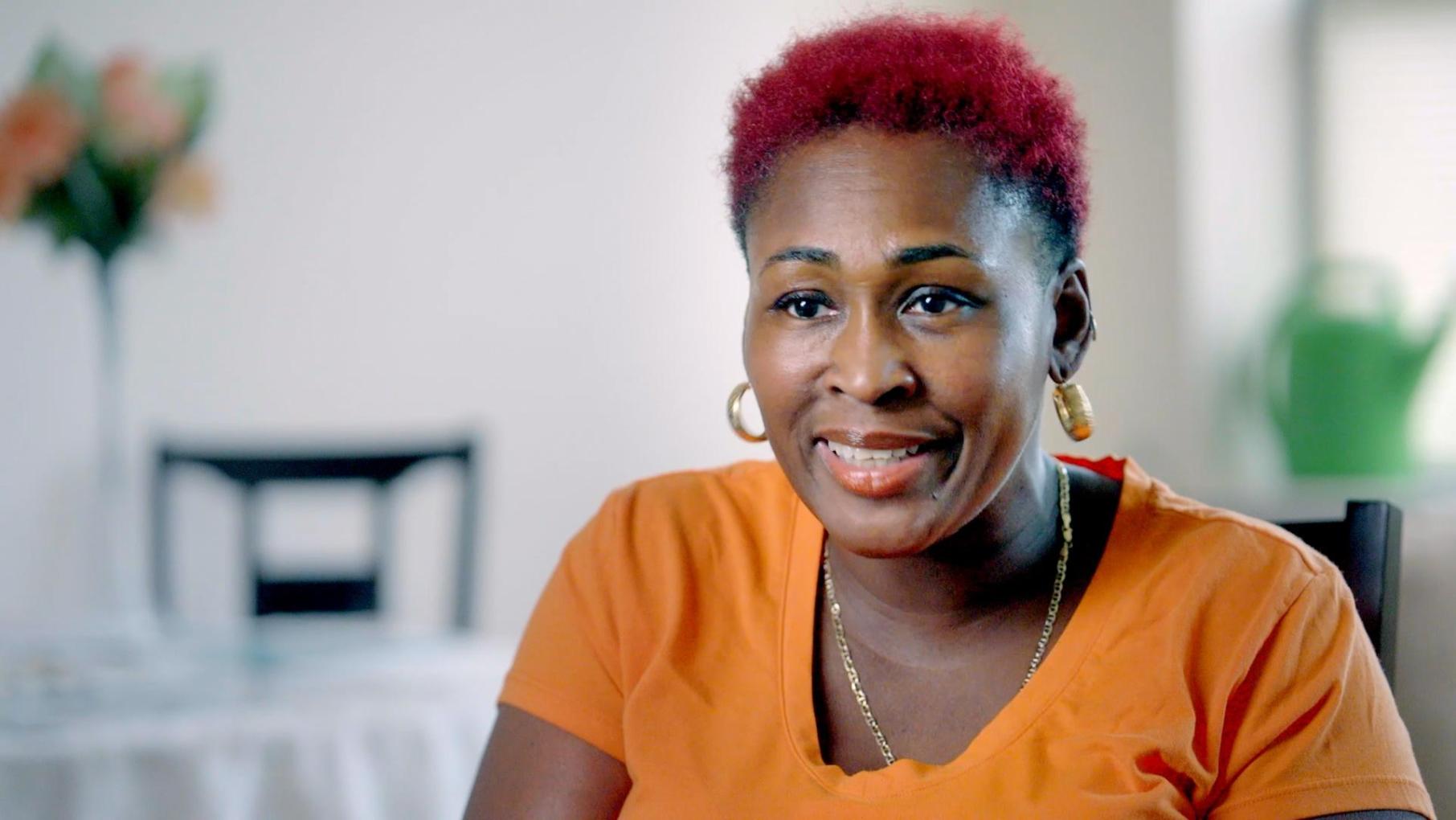
Tawana Pope
Tawana Pope gave up drugs and alcohol, and is giving hope to other Chicago-area residents.
Tawana Pope had committed crimes to support her lifelong struggles with drug and alcohol addition. After her last stint in jail, she made a decision to change her life. Now an ordained minister and author, she is giving hope to many former and currently incarcerated people.
Marcelo de Jesus Velazquez
After 20 years behind bars, Marcelo is fighting for prison reform.
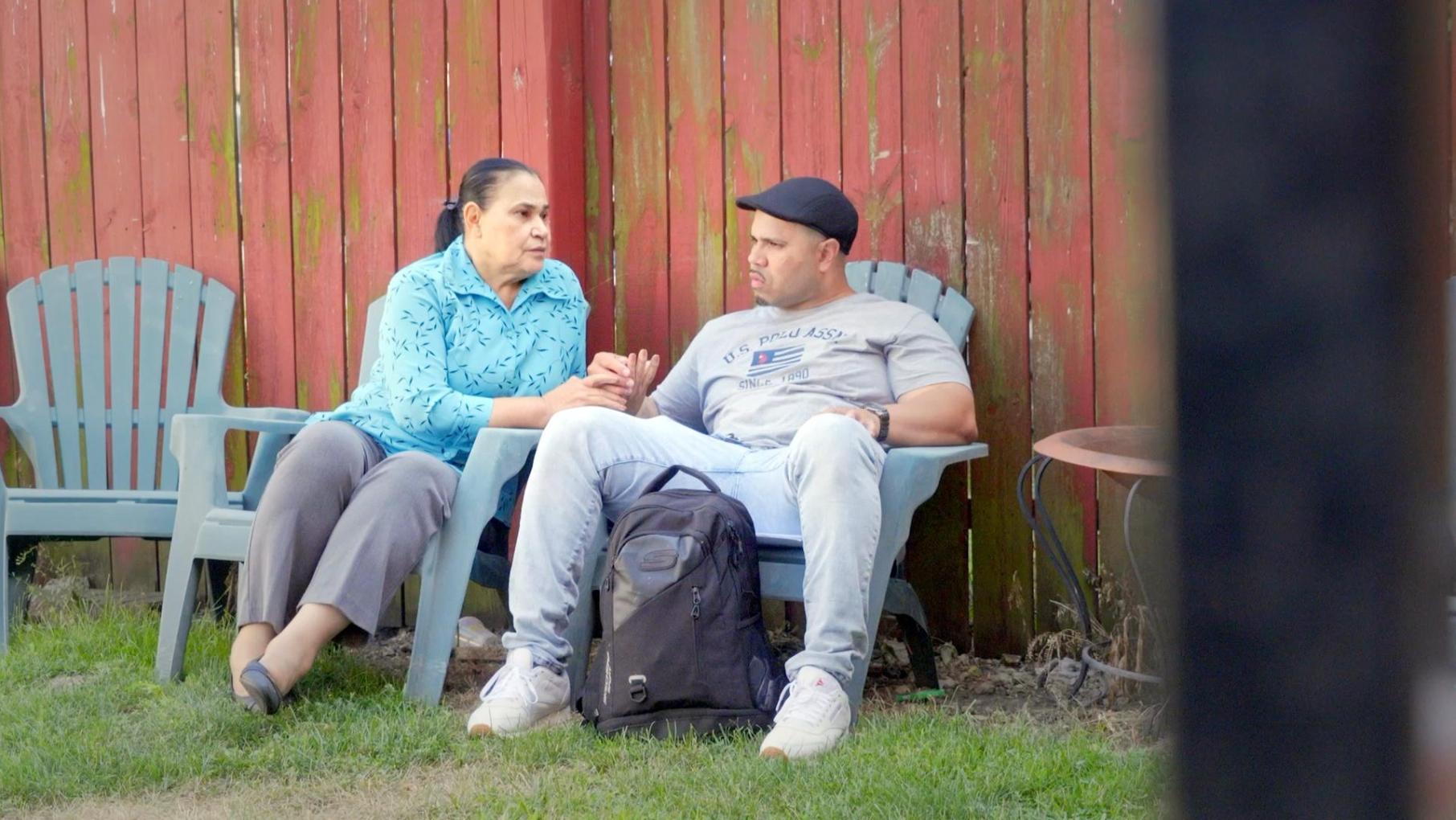
A man on a mission, Marcelo de Jesus Velazquez is making up for lost time after spending 20 years behind bars. He’s building a career, reuniting with his mother and son, and even lobbying state legislators for prison reform. But he realizes he can’t do it alone: Marcelo is seeking out supportive housing and additional services.
Talks
The Hurt, the Harm, and the Healing
Navigating life after incarceration often leads people right back into the prison system.
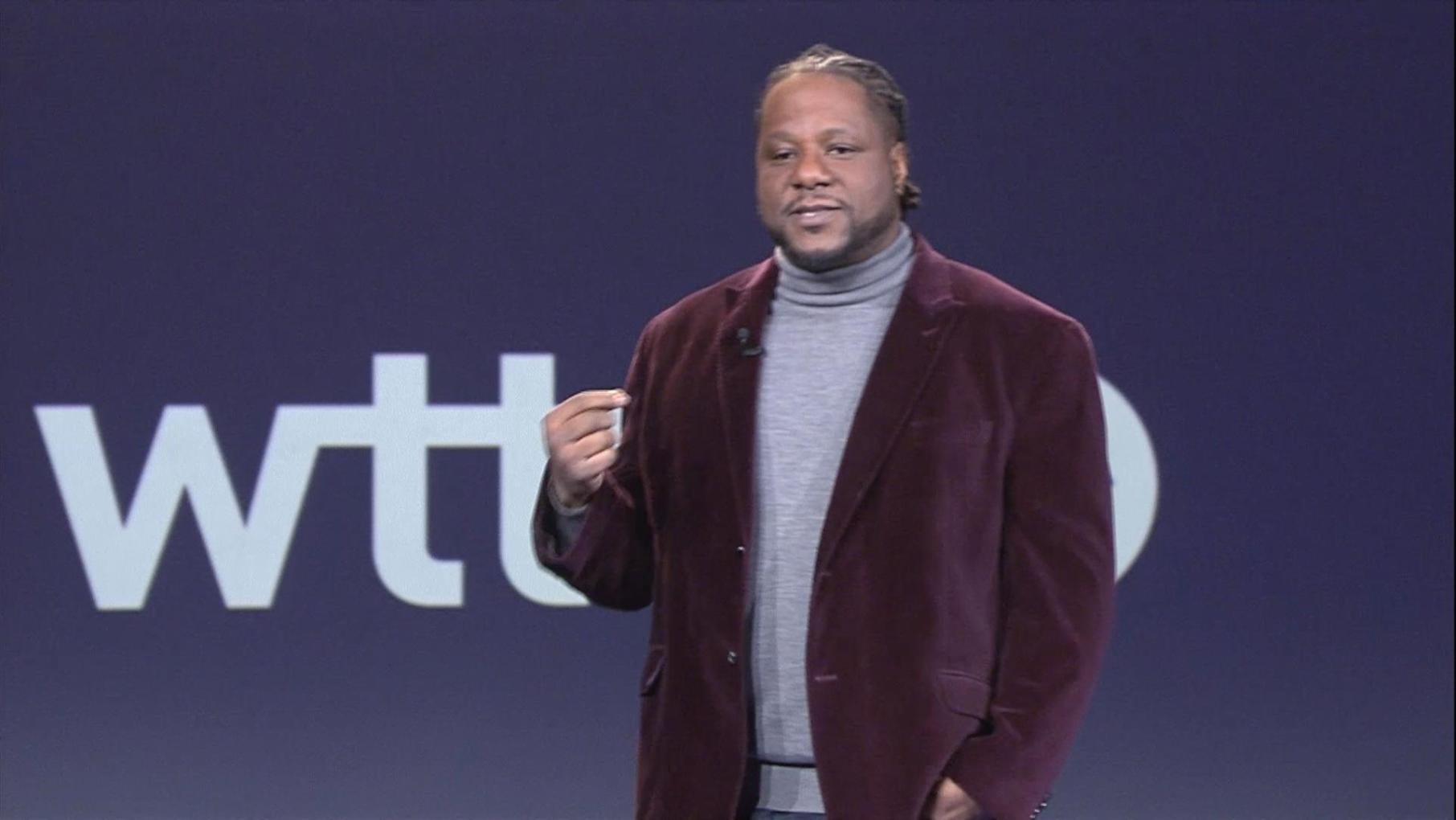
Navigating life after incarceration without addressing trauma often leads people right back into the prison system. Orlando Mayorga describes how taking part in the trauma-informed Community Anti-Violence Education group supported him in learning about trauma, finding his healing journey, and rediscovering his humanity.
Orlando Mayorga
McCormick Reentry Policy Coordinator for the Office of the Lieutenant Governor’s Justice, Equity, and Opportunity Initiative
Untangling the Path to Erasing Criminal Records
Regina Hernandez explores the real-life hurdles of life with a criminal record.
Regina Hernandez explores the real-life hurdles of life with a criminal record, and unmasks the challenges of expunging and sealing criminal records in Cook County.
Regina Hernandez
Supervising Attorney for Legal Aid Chicago
Prison After Prison
Marlon Chamberlain reveals the invisible bars called “permanent punishments.”
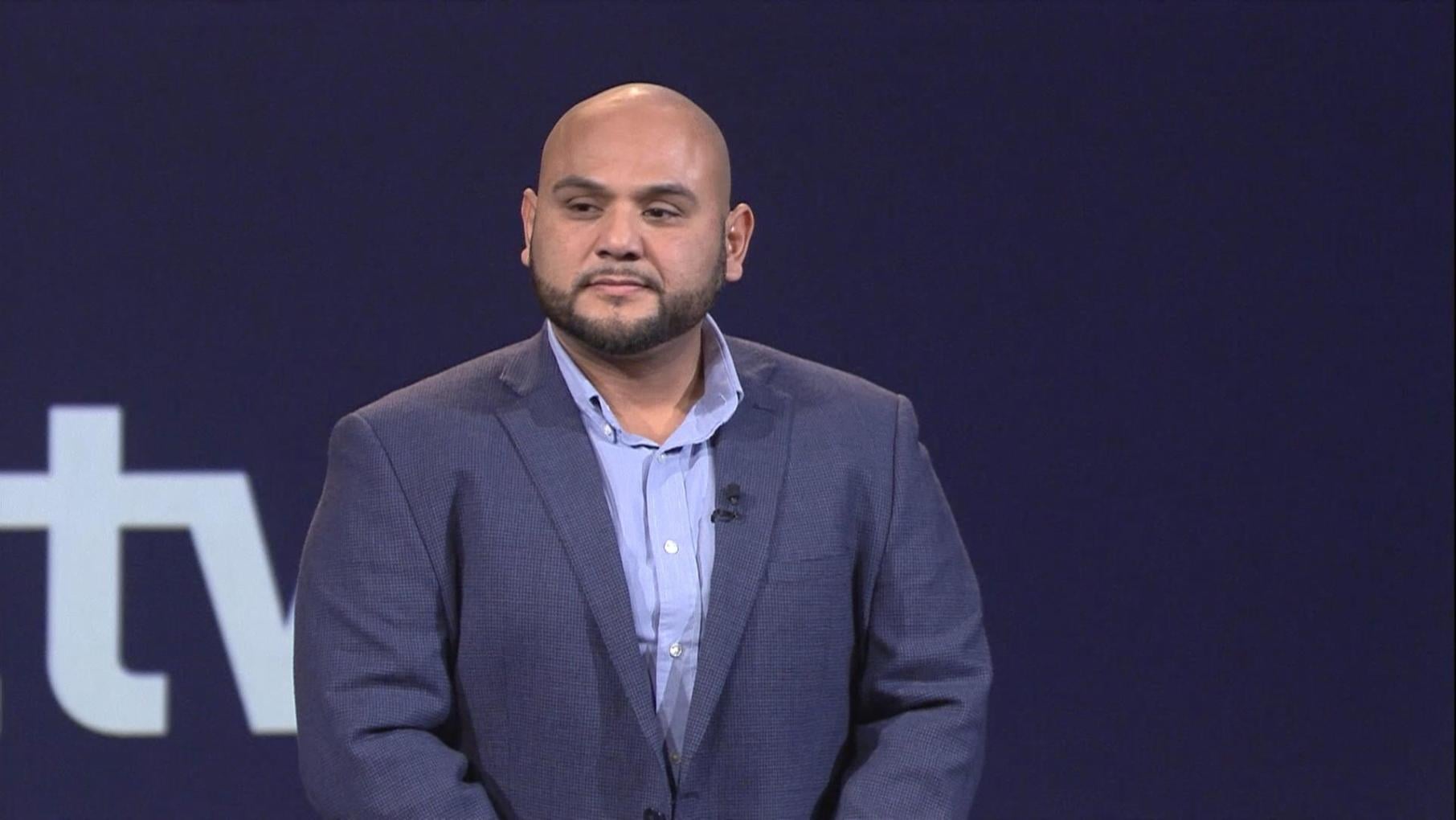
Marlon Chamberlain reveals the invisible bars called “permanent punishments” that follow people long after their prison sentences have been served.
Marlon Chamberlain
Manager at the Fully Free Campaign
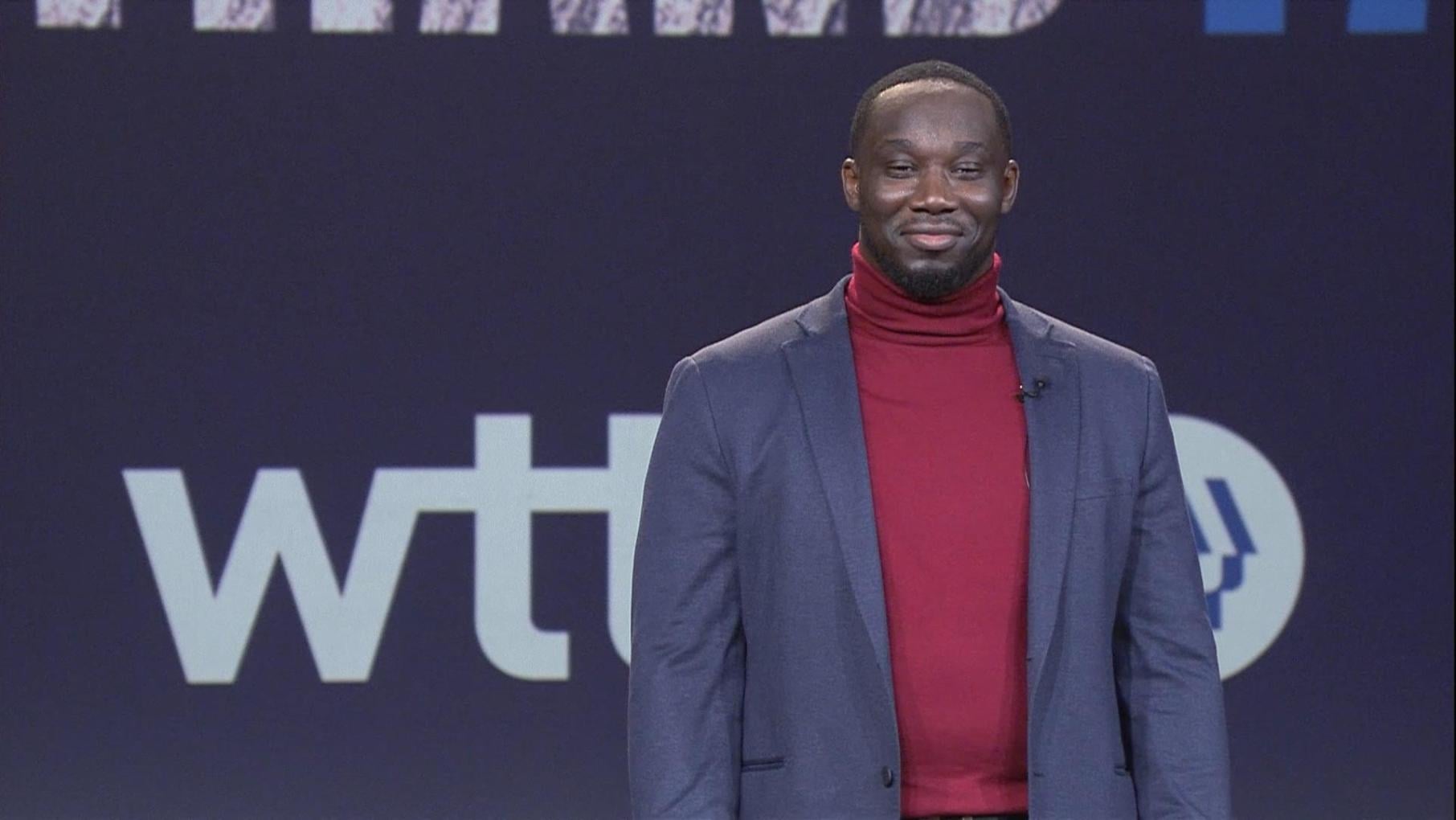
The Humanity We Deserve
Dr. Nneka Jones Tapia explores the shift society needs to make to heal.
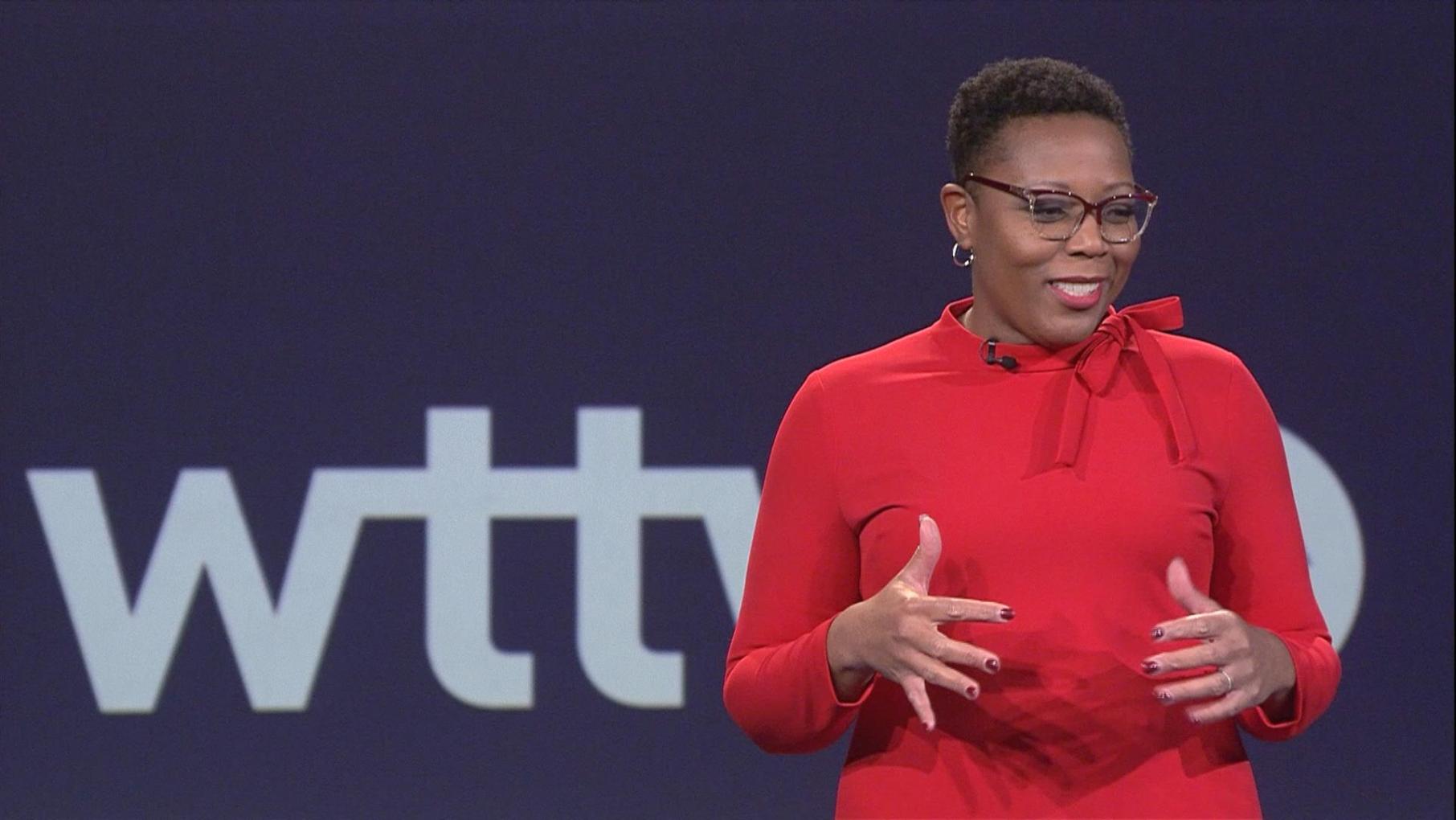
Exploring the shift society needs to make to heal and achieve real safety, Dr. Nneka Jones Tapia describes the universal experience of trauma impacting people who have been incarcerated or worked in and around the criminal justice system.
Nneka Jones Tapia, PhD
Managing Director of Justice Initiatives at Chicago Beyond
No Place to Call Home
Ahmadou Dramé reveals the housing challenges for people after incarceration.
Ahmadou Dramé reveals the contradictions and punishments embedded in housing policies and practices for people returning to society after incarceration.
Ahmadou Dramé
Program Director for the Illinois Justice Project
Stories from the Community
Breaking Down Re-Entry Barriers to Higher Education
A DePaul student organization works to remove discrimination from the college application.
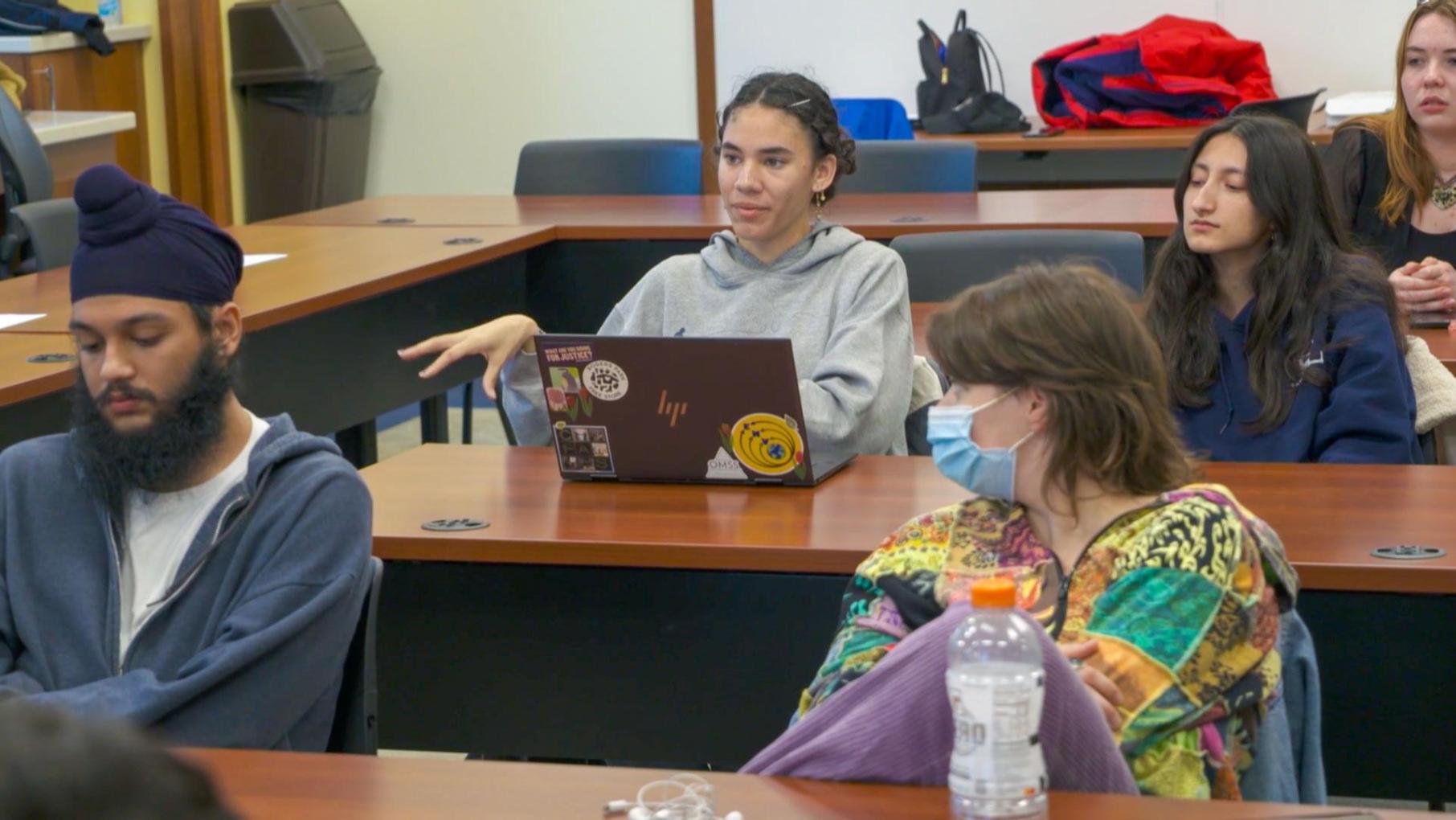
DePaul Students Against Incarceration co-Presidents, Grace Siegelman & Nana Ampofo, discuss the "Ban the Box" campaign, which aims to remove a question about criminal history from DePaul's application, avoiding unfair impact on applicants. SAI pushes for complete removal, citing discrimination concerns. Video produced by DePaul University students in the Spring 2023 News Documentary course.
Breaking Down Re-Entry Barriers to Higher Education
Students Grace Siegelman and Nana Ampofo are co-Presidents of DePaul Students Against Incarceration (SAI). In this video, Siegelman outlines SAI’s “Ban the Box” campaign, which lobbies for the removal of a question on DePaul’s college application form about previous disciplinary or criminal history. Having to answer that question, the group argues, could bar applicants who have paid their debt to society from being admitted and from obtaining resources such as housing and financial aid. DePaul officials responded by removing the question from the school’s first-year Common application, but, citing campus safety, placed it instead on the Intent to Enroll form where it could potentially be used to discriminate against applicants. SAI members, noting St. Vincent DePaul’s work with incarcerated people, continue to advocate for removing the question altogether, as research shows that access to higher education reduces recidivism and contributes to the public good.
This video story was produced by the DePaul University students in the Spring 2023 News Documentary course.