FIRSTHAND Talks | FIRSTHAND: Living in Poverty
FIRSTHAND Talks
5 expert talks providing context around the topic of poverty in Chicago

Unbuckling the Bootstraps Narrative
Wilson explores the myth that people in poverty made personal choices that put them there.
Audra Wilson explores the myth that people in poverty made personal choices that put them there. She outlines how the “bootstraps” narrative ignores systemic roots of inequality, the legacy of white supremacy, and deep-rooted resentment of people living in poverty. She proposes solutions that can help everyone achieve racial and economic equality.
Explore these powerful Talks, each with a big idea for addressing poverty in Chicago. From different perspectives, a policymaker, college chancellor, sociologist, community organizer, and lender express their personal stories and offers solutions.
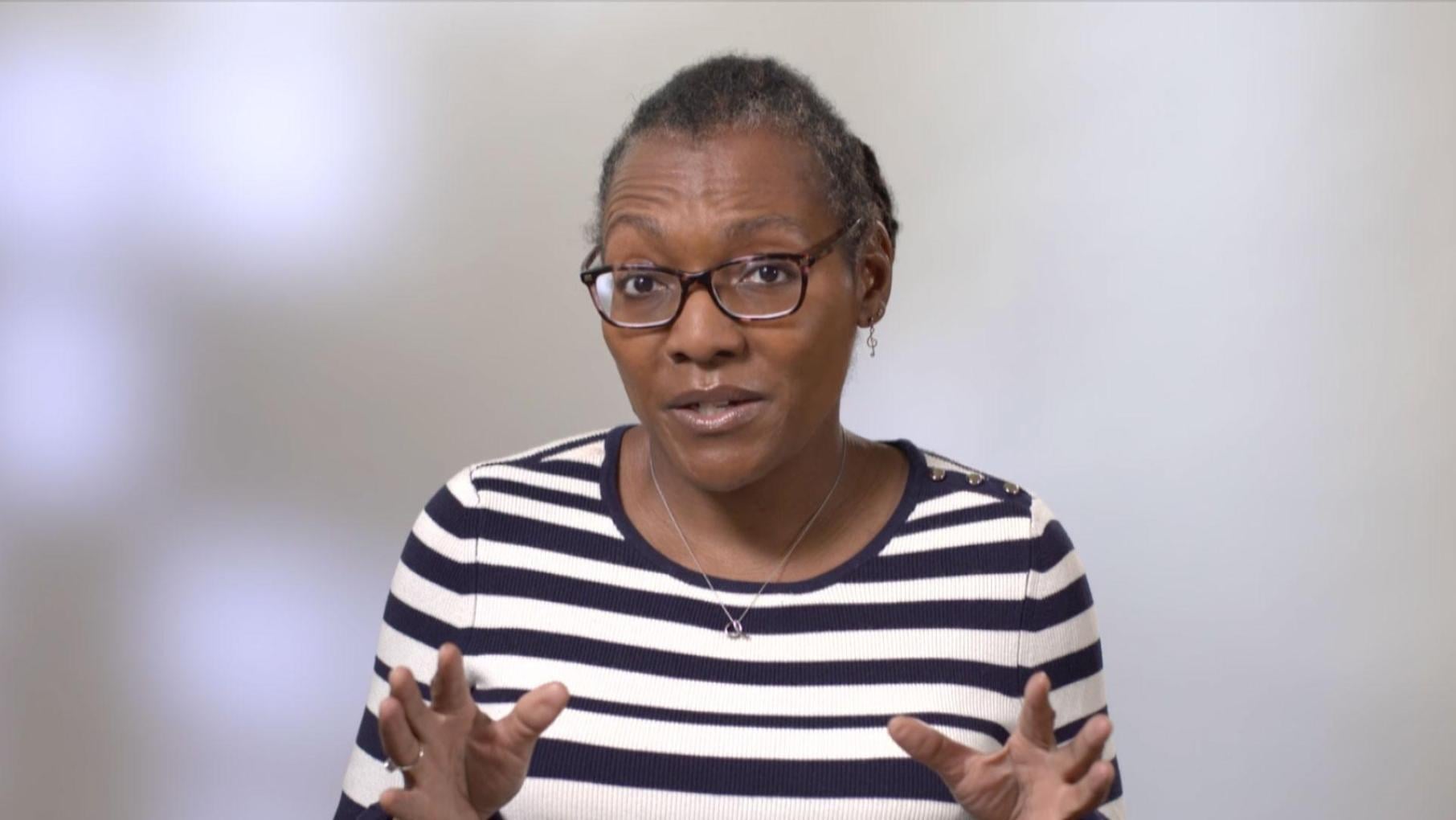
Unbuckling the Bootstraps Narrative
Audra Wilson explores the myth that people in poverty made personal choices that put them there, and proposes solutions that can help everyone achieve racial and economic equality.
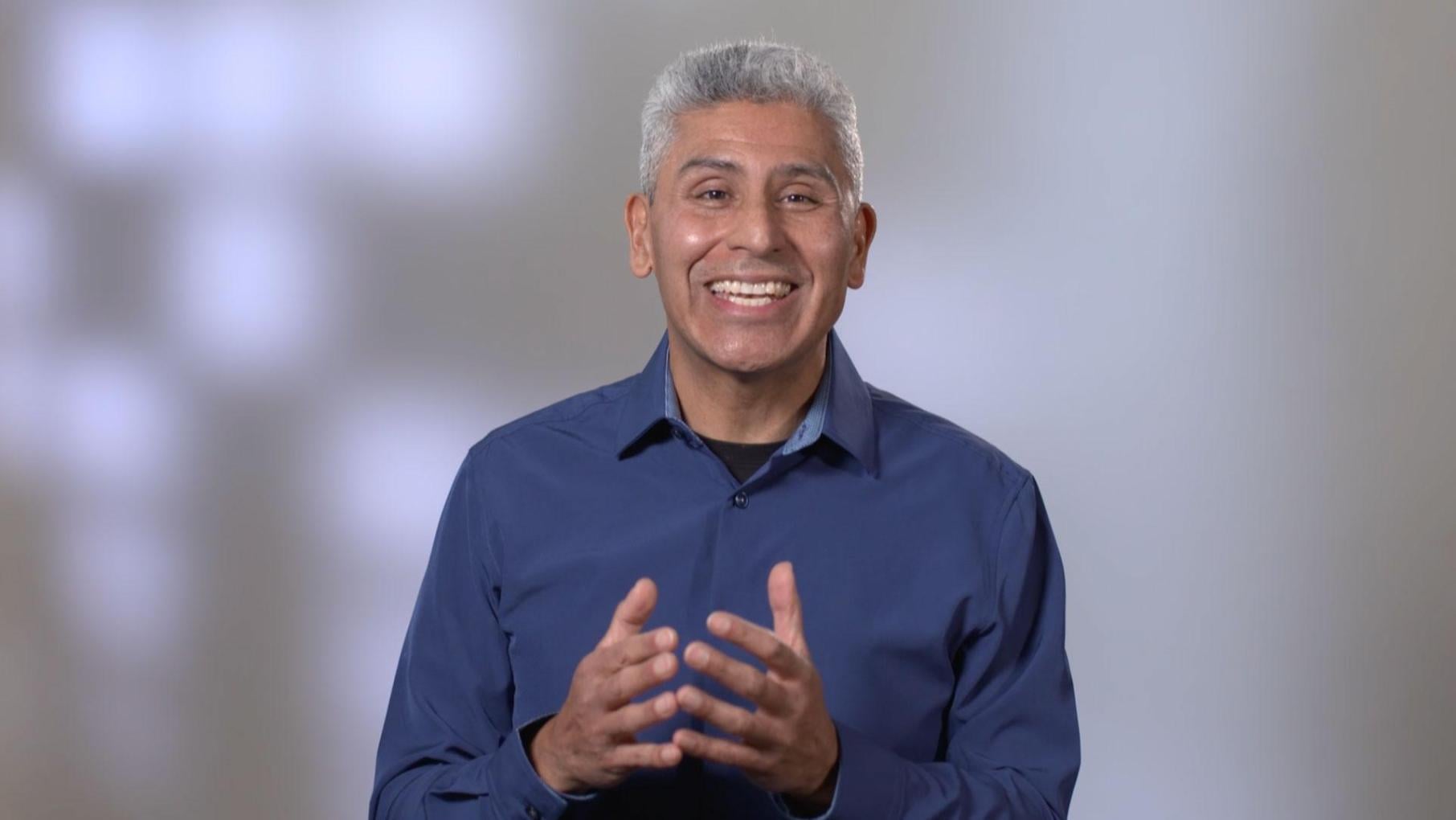
Talent Not to Be Missed
Juan Salgado explores an often-overlooked pathway out of poverty: community colleges and their unique position to meet people where they are. He explains how these under-resourced institutions help students capitalize on their talents.
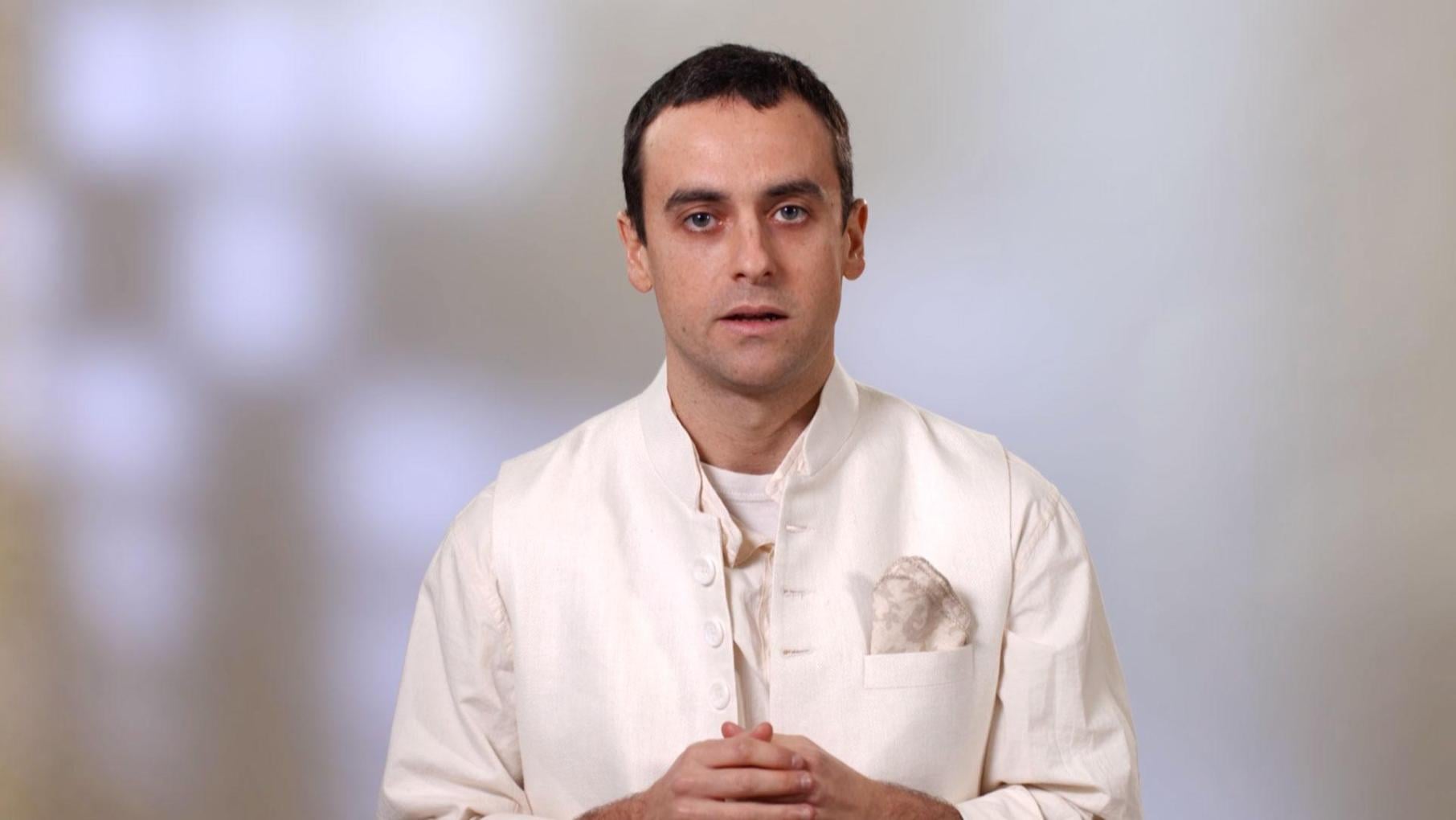
Policing the Poor
Mark Jay examines how mass incarceration and police violence overwhelmingly target poor people, regardless of race. He suggests that providing resources, especially for those suffering from mental health issues, would substantially reduce those numbers.
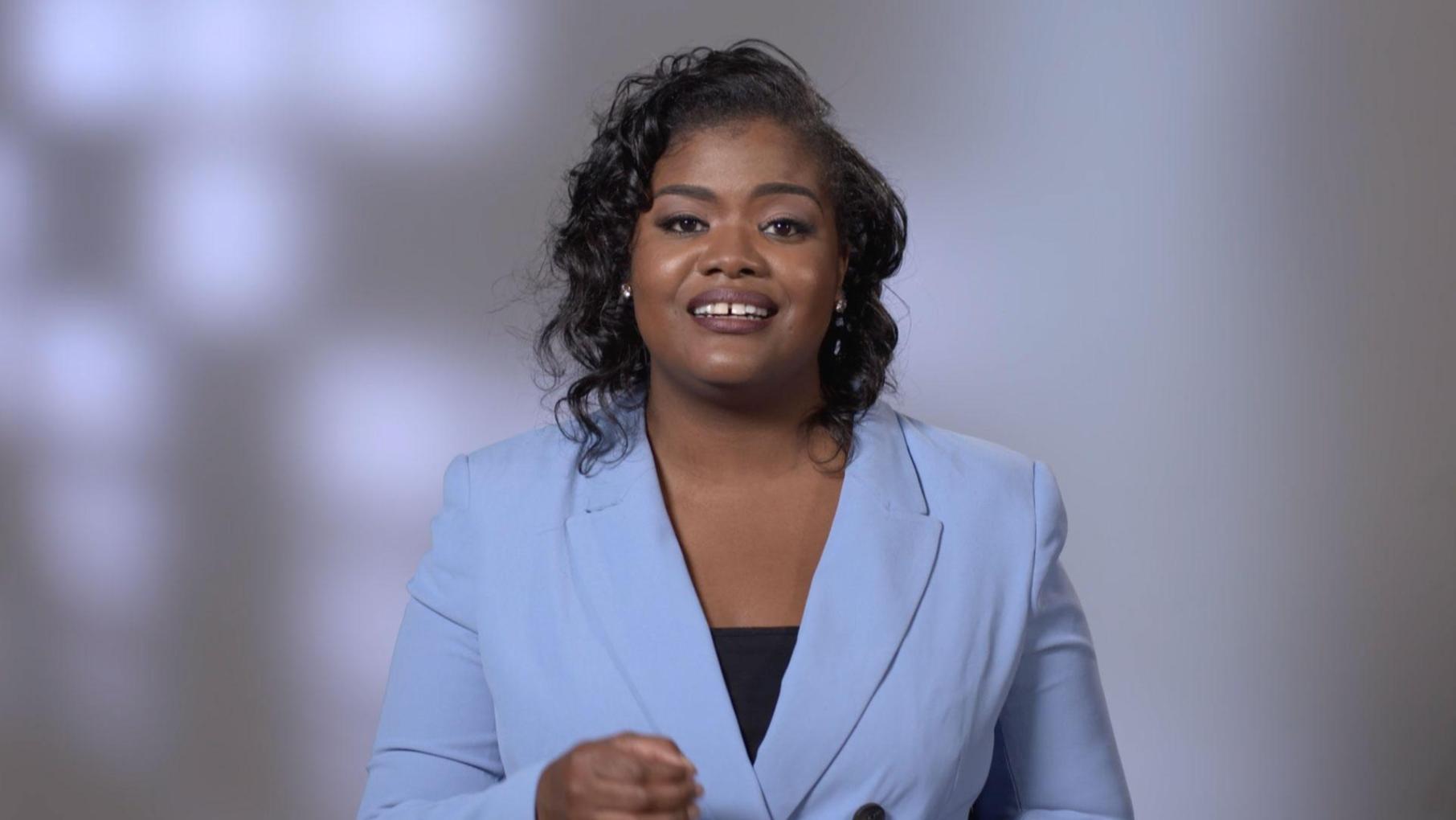
Defund the War on Poverty
Ebony Scott explores why poverty has persisted in spite of the "War on Poverty" launched in 1964 – in Chicago and everywhere else. She explains how “strength-based” cash investments in individuals of color can lift up communities and foster loyalty to the businesses that provide employment.
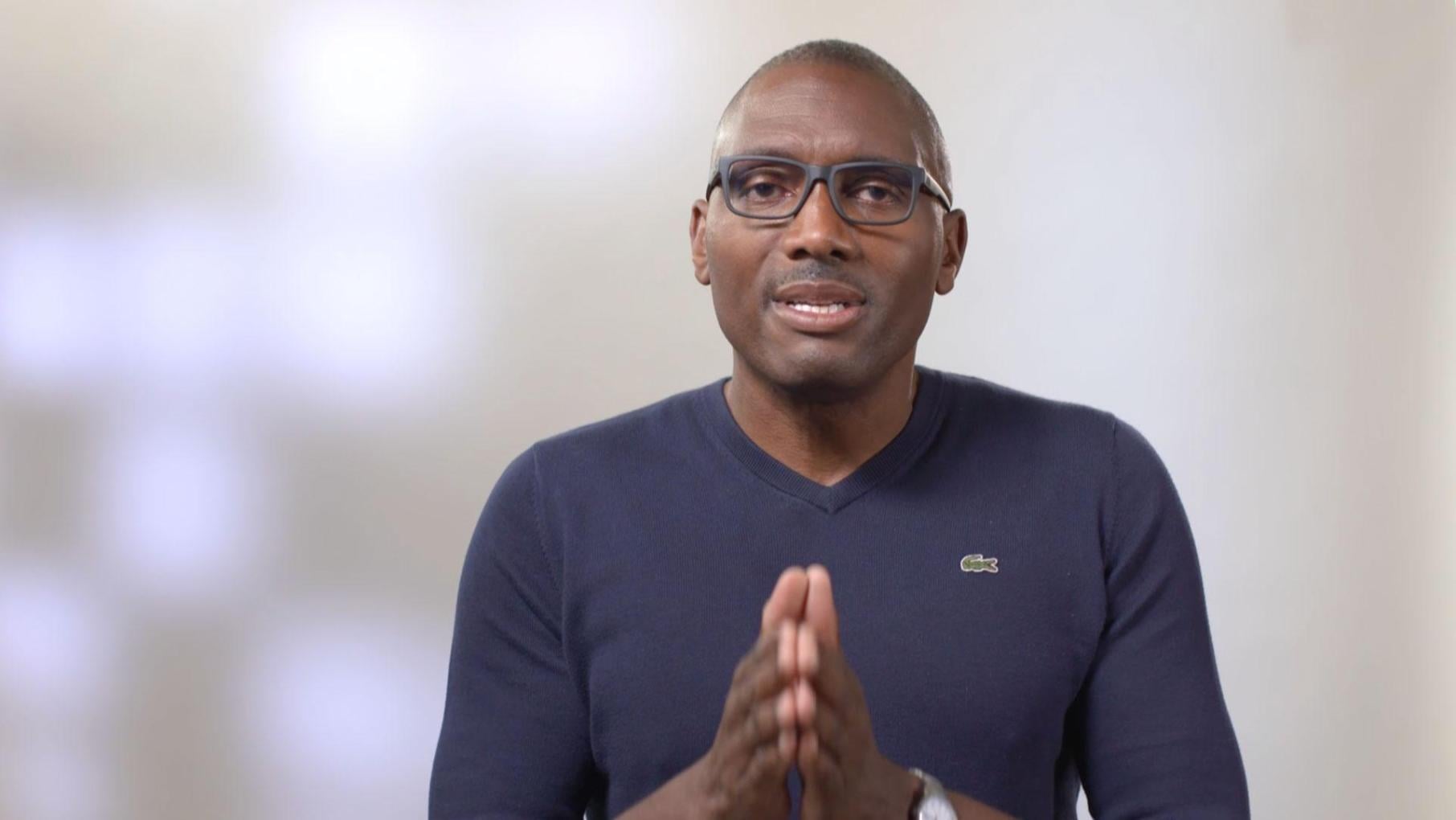
Money with Attitude
Calvin Holmes explains how the cycle of poverty can be broken with long-term investment aimed at helping families to grow wealth, and how providing “money with the right attitude” to low-income communities can help lift people out of poverty.