Facebook icon Twitter icon Instagram icon YouTube icon

Talks | FIRSTHAND: Segregation

FIRSTHAND Talks

6 expert talks providing context around the topic of segregation in Chicago

WTTW logo

Segregation Limits Our Relationships

Tonika Lewis Johnson describes her experience attending a large, multi-racial high school.

Tonika Lewis Johnson describes how attending a large, multi-racial Chicago public high school in the ’90s taught her empathy, expanded her worldview, and revealed the impacts of segregation…all while giving her lifelong friendships she wouldn’t have had otherwise.

Explore these powerful Talks, each with a big idea for addressing segregation in Chicago.
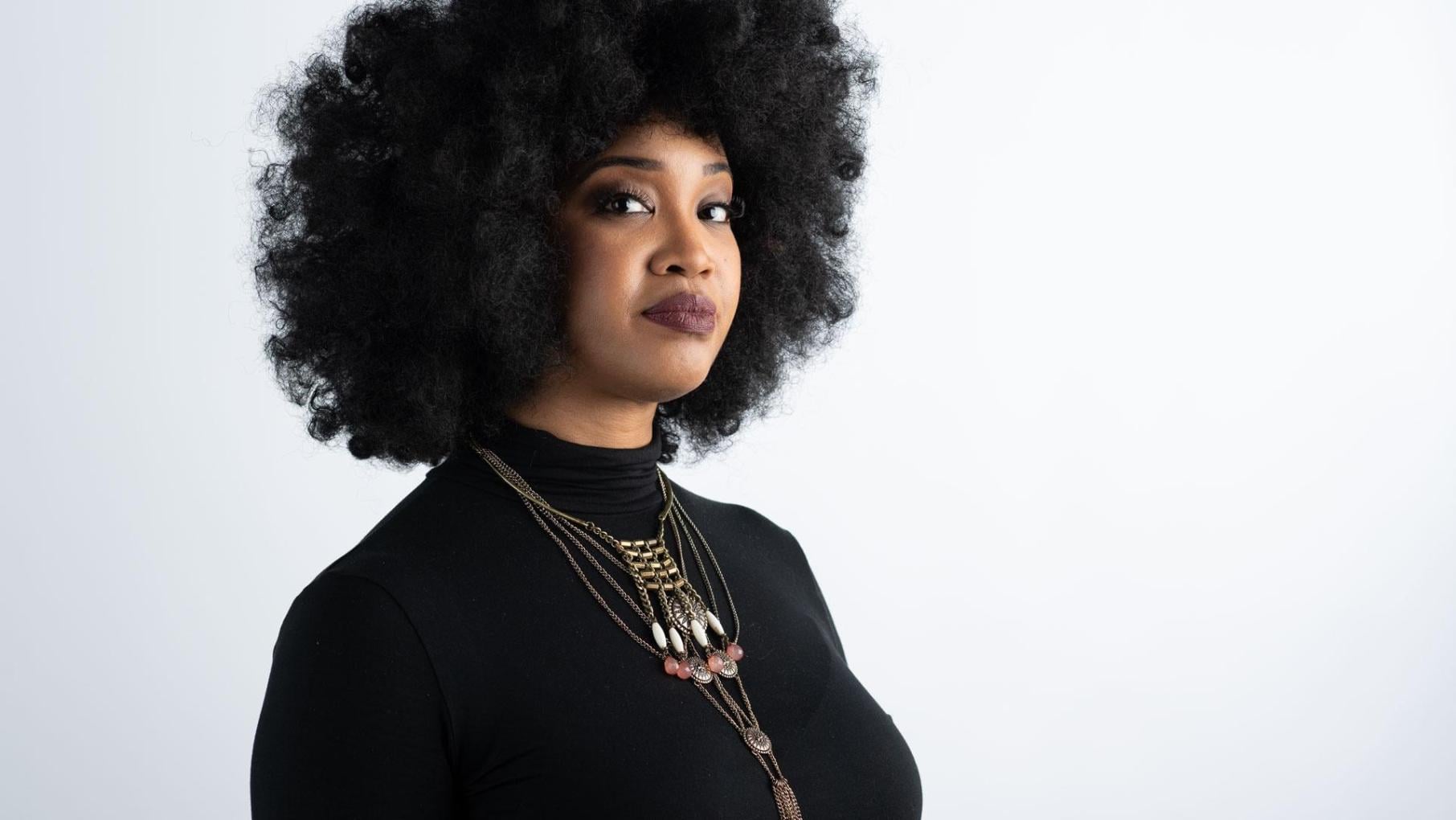
Image
FIRSTHAND Talks: Segregation Limits Our Relationships: asset-mezzanine-16x9

Segregation Limits Our Relationships

Tonika Lewis Johnson describes her experience attending a large, multi-racial high school.

Tonika Lewis Johnson describes how attending a large, multi-racial Chicago public high school in the ’90s taught her empathy, expanded her worldview, and revealed the impacts of segregation…all while giving her lifelong friendships she wouldn’t have had otherwise.


Tonika Lewis Johnson
Social Justice Artist; Creator, Folded Map Project; Co-founder, Englewood Arts Collective and Resident Association of Greater Englewood

Image
FIRSTHAND Talks: Seeing the City with New Eyes: asset-mezzanine-16x9

Seeing the City with New Eyes

Aaron Allen describes the journey that made him see Chicago with new eyes.

As a kid growing up in Galewood, Aaron Allen wondered why his neighborhood looked so much different than the rest of the West Side. His search for answers pointed him to an unexpected issue – bank lending. He describes the journey that led him through data charts, down memory lane, and into a legendary pink house that made him see the city with new eyes.


Aaron Allen
Writer; Freelance Journalist with stories for City Bureau, Chicago Reader, WBEZ, Austin Weekly News

Image
FIRSTHAND Talks: Truth Telling about Violence and Healing: asset-mezzanine-16x9

Truth Telling about Violence and Healing

José Rico describes how understanding violence in a city is necessary for transformation.

Chicago is a city of ZIP codes that mark cultural and racial differences and inequities. José Rico describes how understanding violence in a city known for its segregated neighborhoods is necessary for true healing and systemic transformation.


José Rico
Circlekeeper; Executive Director, Truth, Racial Healing and Transformation Chicago

Image
FIRSTHAND Talks: Have Your Mooncake, and Eat it Too: asset-mezzanine-16x9

Have Your Mooncake, and Eat it Too

Lisa Yun Lee describes the differences between imposed segregation and self-segregation.

Lisa Yun Lee describes how a question from a shopkeeper in Chinatown led to her awareness of the differences between imposed segregation and self-segregation as an act of resistance and survival. In her talk, she discusses the balance of preserving cultural diversity across Chicago’s neighborhoods while challenging inequity.


Lisa Yun Lee
Cultural Activist; Executive Director, National Public Housing Museum and Associate Professor of Public Culture and Museum Studies, University of Illinois Chicago

Image
FIRSTHAND Talks: Unlearning Bad Advice that Segregates Us: asset-mezzanine-16x9

Unlearning Bad Advice that Segregates Us

Soren Spicknall discusses how his initial perception of Chicago was shaped.

Soren Spicknall discusses how his initial perception of Chicago was shaped by established stereotypes and boundaries, how he came to realize that these boundaries were often rooted in racism, and how he learned to navigate this city with clearer eyes.


Soren Spicknall
Photographer; Data Engineer, The Movement Cooperative

Image
FIRSTHAND Talks: Segregation is Bad for Your Health: asset-mezzanine-16x9

Segregation is Bad for Your Health

Dr. Monica Peek explains how segregation leads to worse health outcomes for Black people.

Dr. Monica Peek explains how residential segregation leads to worse health outcomes for Black Americans. In her Talk, she navigates our segregated, under-resourced and understaffed healthcare systems, and chronic disinvestment in communities that have fewer health-promoting resources and attributes.


Monica Peek, MD, MPH
Physician; Ellen H. Block Professor for Health Justice, Professor of Medicine and Associate Director, Chicago Center for Diabetes Translational Research, The University of Chicago