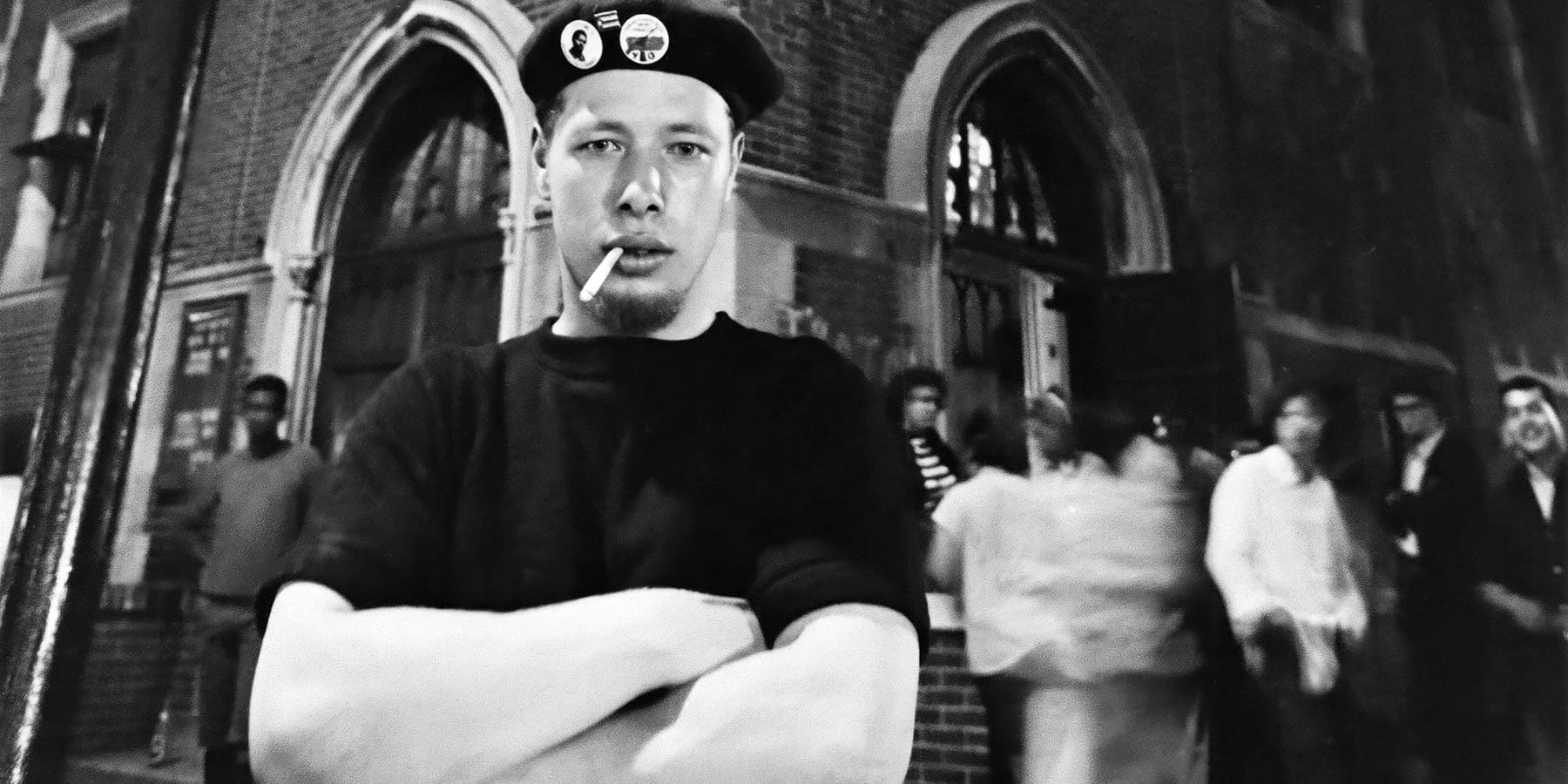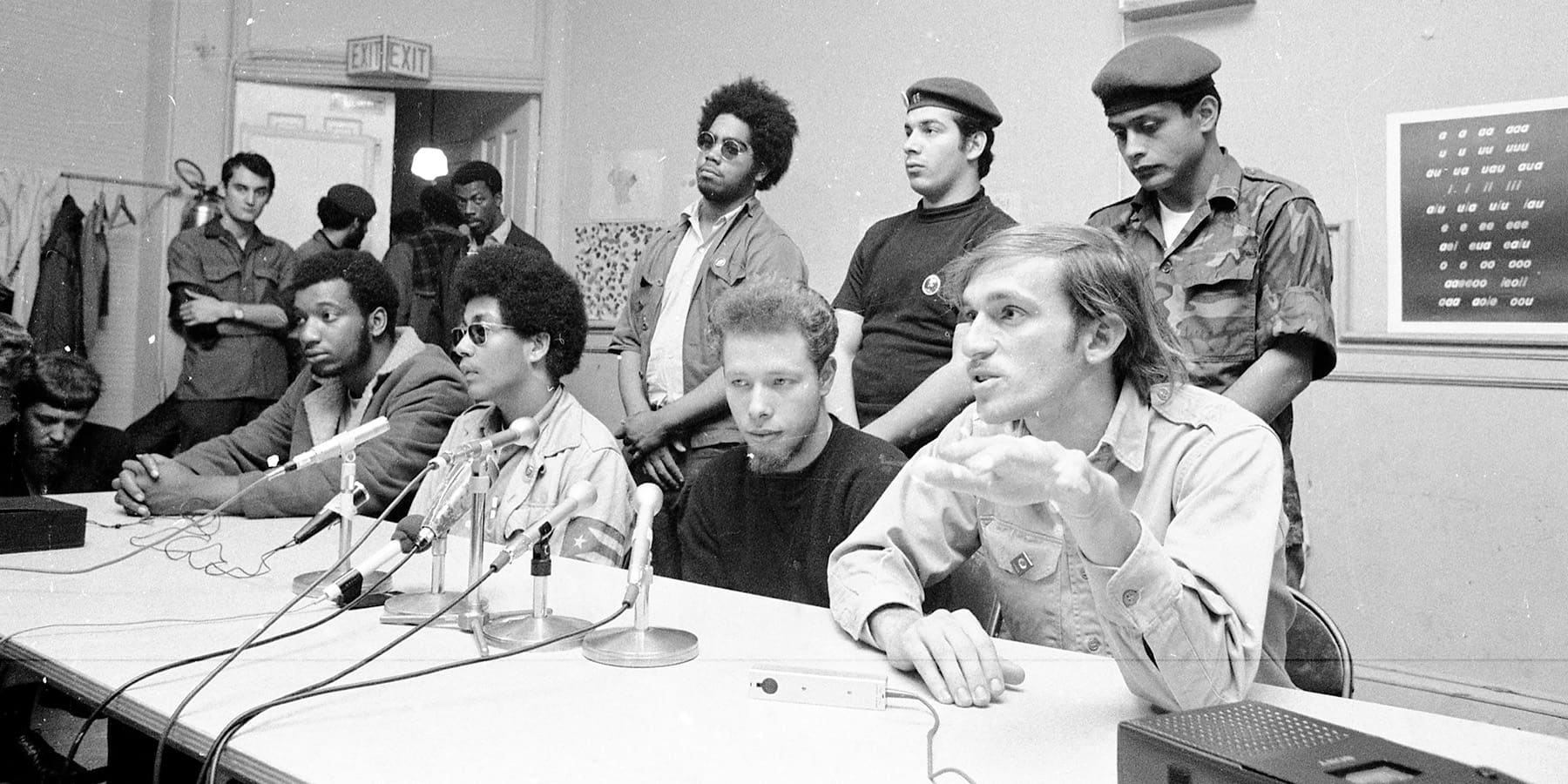





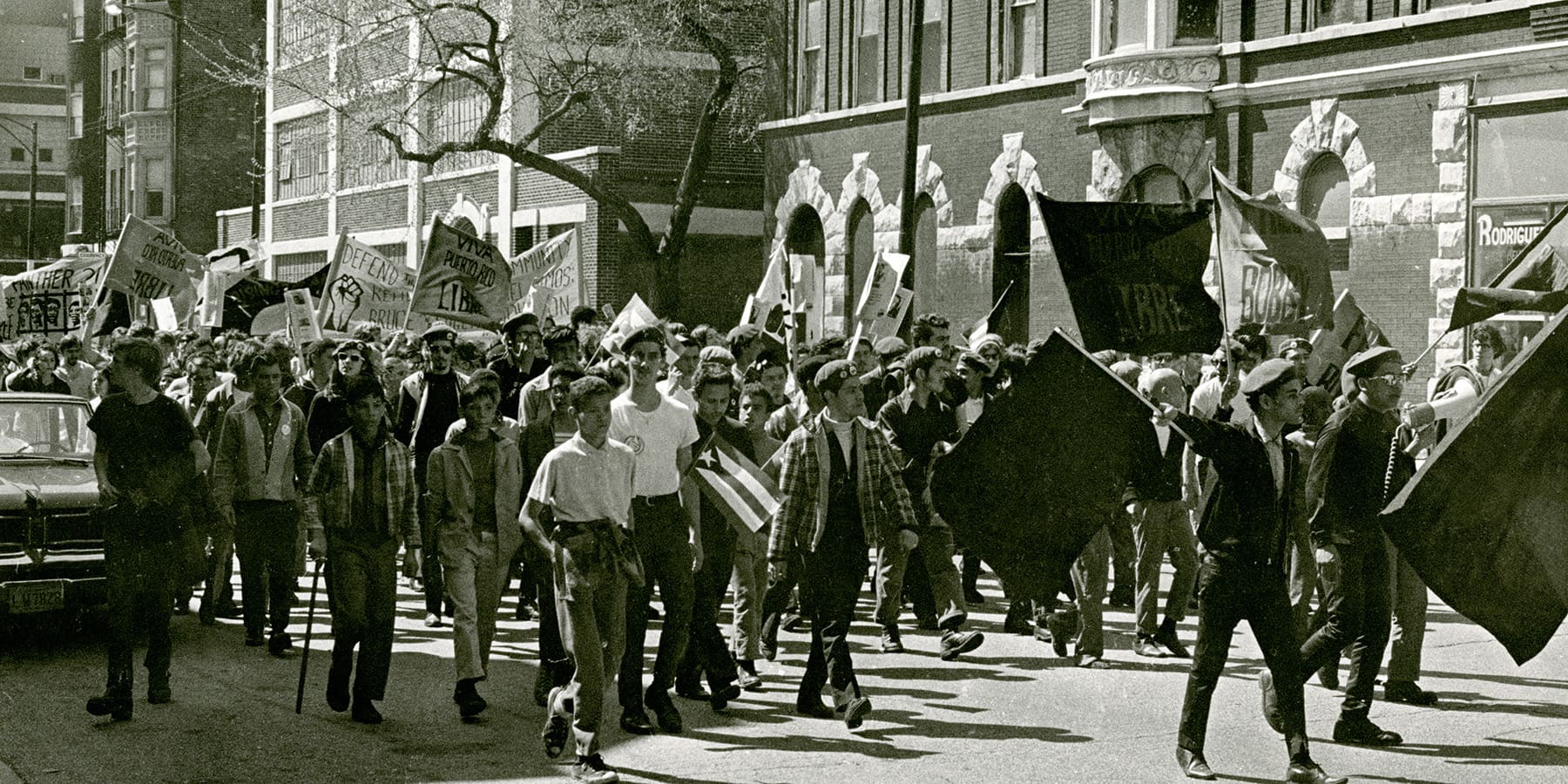
During the COVID-19 pandemic, social justice educator Lilly Cruz found herself teaching her own daughters at home. As the weeks in lockdown ticked on, she taught them about the Taíno and African resistance movements in Puerto Rico, as well as a youth-gang-turned-political-organization called the Young Lords. She was familiar with the basics of the story – the displacement of Chicago’s Puerto Rican community and the grassroots efforts of the young people who fought against gentrification, police brutality, and poverty – but it was in teaching her daughters and reading up on it herself that she discovered something more.
“I knew enough that when I started doing Puerto Rican studies for my daughter, I knew that it was a story that had to be told,” Cruz said.
Cruz read Johanna Fernández’s book, The Young Lords: A Radical History, and connected with the author. Through various virtual events, Cruz said she, Fernández, and others in the social justice sphere had many “inspiring conversations” in 2020, a time when many were discussing how to better understand and address systemic racism. It was Fernández who suggested that they should develop a curriculum to teach young Chicagoans about the Young Lords.
Cruz, whose parents were both born in Puerto Rico, went to Lincoln Park High School, the same school that some of the Young Lords attended (called Waller High School at the time). Bringing her experience as a teacher, a coach for new teachers, an assistant principal, and in the education nonprofit world, Cruz worked to create the curriculum along with Fernández, Dr. Antonio Báez, and several other colleagues.
Much of the curriculum, which teaches the story of Young Lords in Chicago and the personal story of leader José “Cha Cha” Jiménez, emerged from those meaningful pandemic conversations. According to the website for El Griot and Areito Project (the group behind the curriculum founded by Cruz), the initiative “started as a group of folks trying to make sense of the pandemic, the uprisings for Black lives and the tensions between Chicago Black and Latinx street organizations during that time.” The conversations between teachers, students, families, scholars, and former Young Lords were impactful and healing for Cruz.
“It was experiential. That’s what we have tried to do with the curriculum – how can it be an experiential journey for teachers, students, and families?” Cruz said.
Cruz sought to close an educational gap that she experienced herself. When she was a student, she never saw Latino characters, people, or movements taught in schools. Years later, she was still asking her daughters’ teachers to include stories in which her daughters might see themselves reflected. But a lot has changed in recent years.
“Now we have so many stories. But just five years ago, we did not,” she said. “The stories we were hearing were limited. It was always like a [singular] hero, one person doing it all,” as opposed to groups such as the Young Lords.
She sums up the driving force behind her work to create this curriculum: “If we don’t have access to our stories, we don’t have access to ourselves.”
One of the goals of the curriculum (which currently has two units with a third in the works, and is free to use) is to inspire young people to become “visionaries,” said Cruz. “They can become activists, they can become collectivists – that they can take care of each other in the classroom and in their communities.” It was made with 7th to 12th graders in mind and can be taught in traditional classrooms, for homeschoolers, or even in adult groups and community centers.
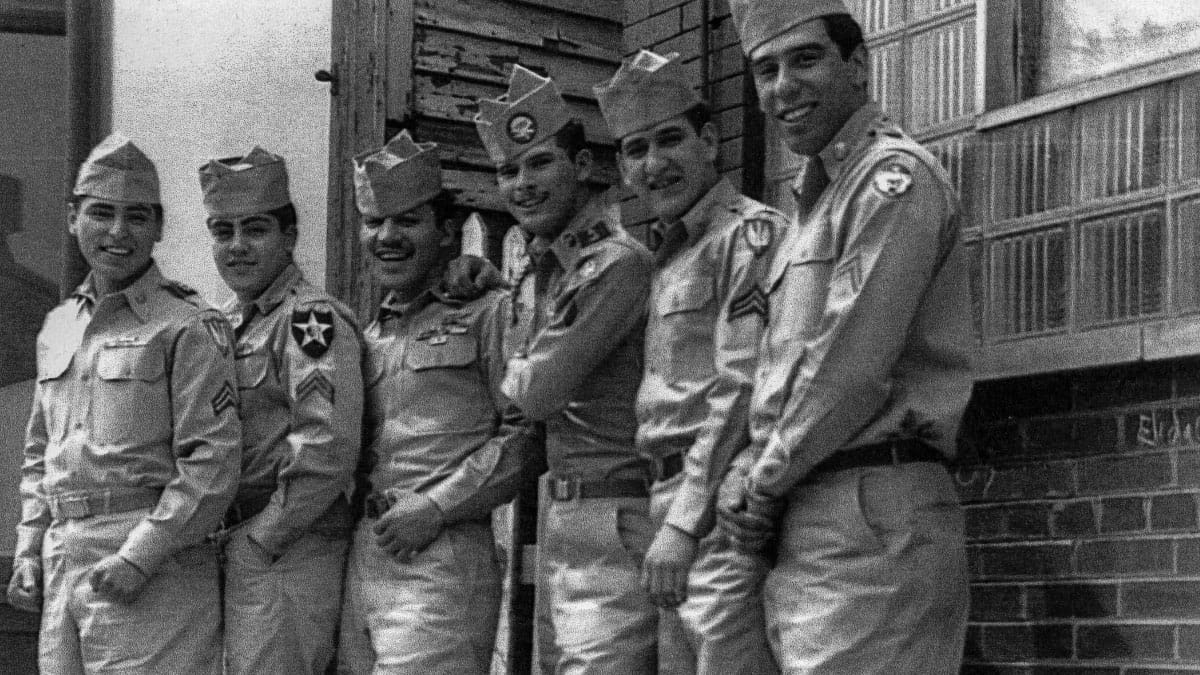
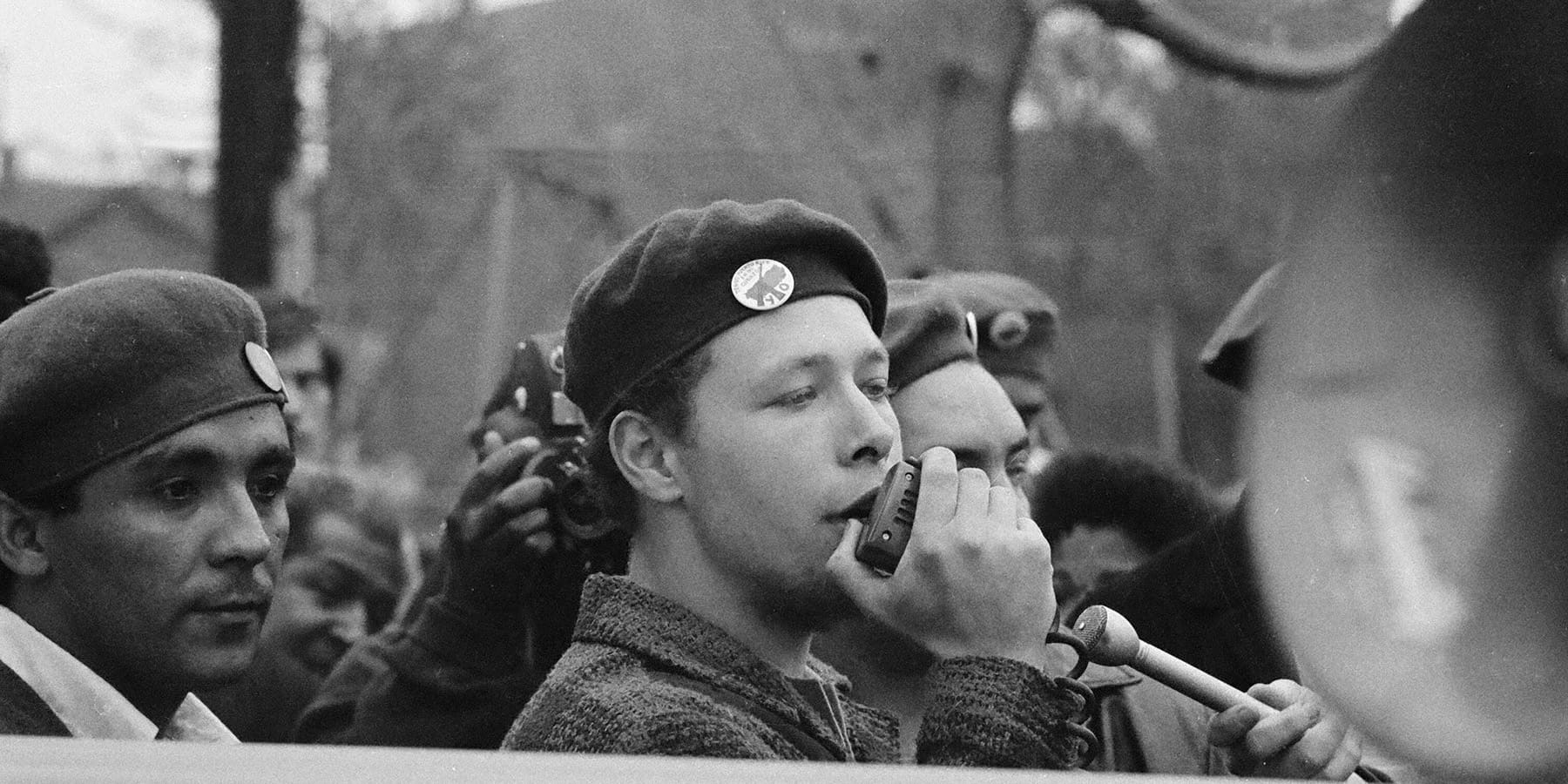
The lessons taught as part of the curriculum focus on a relatively short but active span of time, from when the Young Lords became a youth street gang in the 1950s to their transformation into a political organization through 1971. It begins with the migration of Puerto Ricans to the United States, examines their displacement under urban renewal policies, explores the life of Jiménez, and more. It also features interviews with original Young Lords members, such as Omar Lopez.
One lesson, for example, asks, “Why did the Young Lords form as a youth gang in the first place? Why do people need to belong?” The lesson then teaches students about the 1966 Division Street riots and later brings the students together in a discussion circle to discuss what it means to belong.
That “circle practice,” or areíto, is a core part of the teaching method of the curriculum. Areíto is a Taíno practice, where people “would come together for lots of different reasons, for ceremony, for political conversations, for celebration, for storytelling,” said Cruz. “We do that throughout the curriculum to build community, to create safety, to create a space for students to process emotions.” (Some of the topics can be challenging, such as when they discuss the murder of Black Panther leader Fred Hampton.)
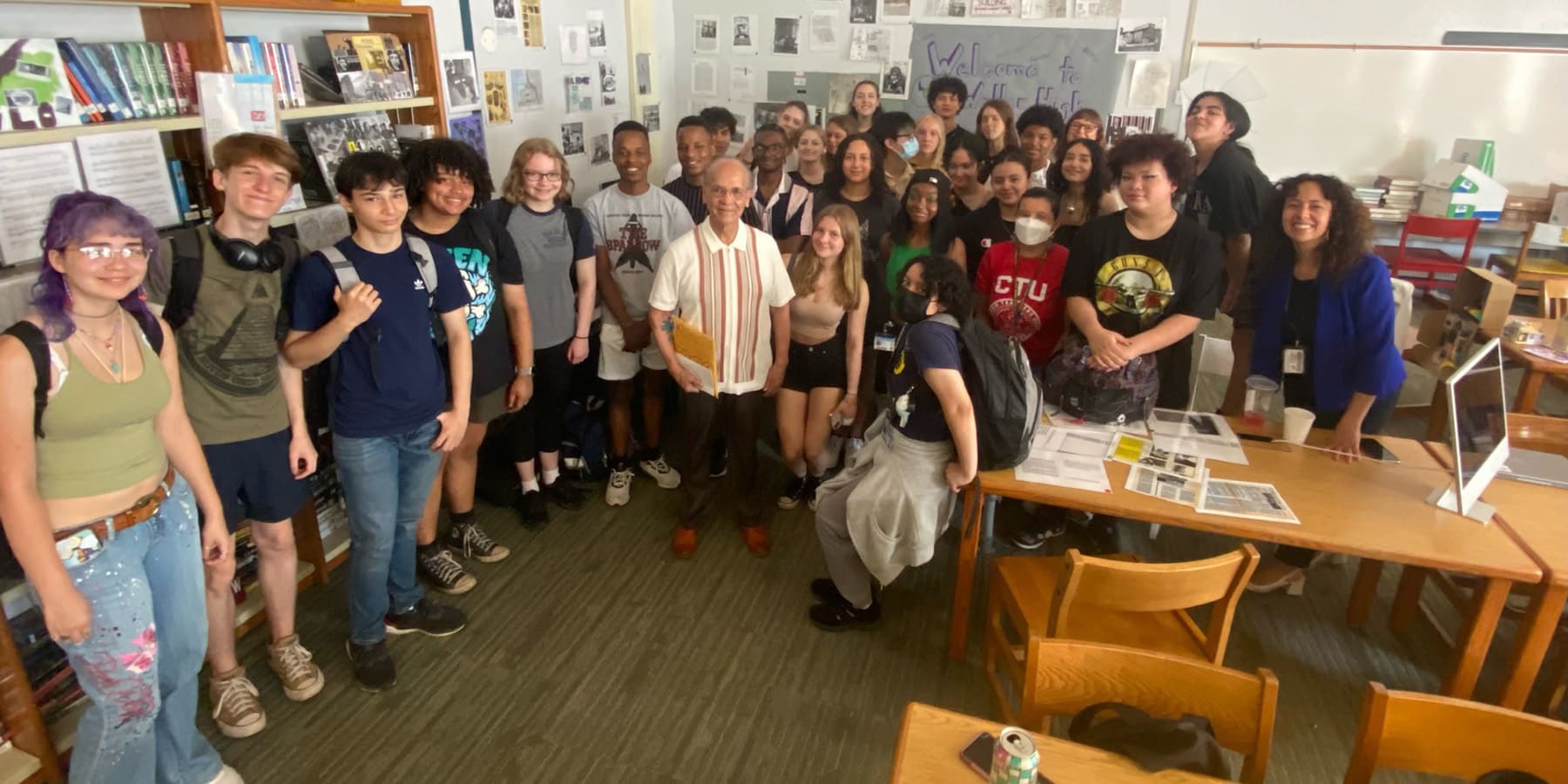
Cruz also wants to get students to think critically about their own communities. Much as the Young Lords Organization developed a political platform that determined what they fought for, later lessons encourage students to create their own platforms to get them thinking about their own values.
“It can be based on any community that they’re part of. It doesn’t have to be the neighborhood. It can be a group at school. It can be a family. But the point is to ask, ‘What do we stand in and why?’” said Cruz.
In learning stories that are not found in traditional history textbooks, Cruz hopes the lessons will connect students with both national and local history. According to Cruz, one teacher who came to one of the early curriculum workshops had a hyper-local connection: she teaches at Lincoln Park High School and believes she has “a responsibility” to teach the stories of the Young Lords who walked the same halls her students do today.
For Cruz, that’s what it’s all about – to help students see their own power. Like the students they sought to reach, the Young Lords were young people – teenagers or in their early 20s when they were at their most active.
“The Young Lords were so young when they were doing this work. It empowers young people. This is especially important for students of color and Latino students,” said Cruz. The Young Lords, though mostly made up of young Puerto Rican men, were relatively diverse, too, with members of various races and ethnicities, “which I think just makes it so accessible to so many people at the same time.”
One of the most important parts of the story of the Young Lords that Cruz hopes students connect to is the story of transformation. What began as a gang created for protection became an organization that opened health clinics, a preschool, and joined the first Rainbow Coalition.
“The story is inspirational for young people because they saw that the Young Lords weren’t perfect people. We don’t want to romanticize the story,” said Cruz. “But they transformed, and I think that provides another possibility that young people need to hear during the times that we’re in right now.”
Related