
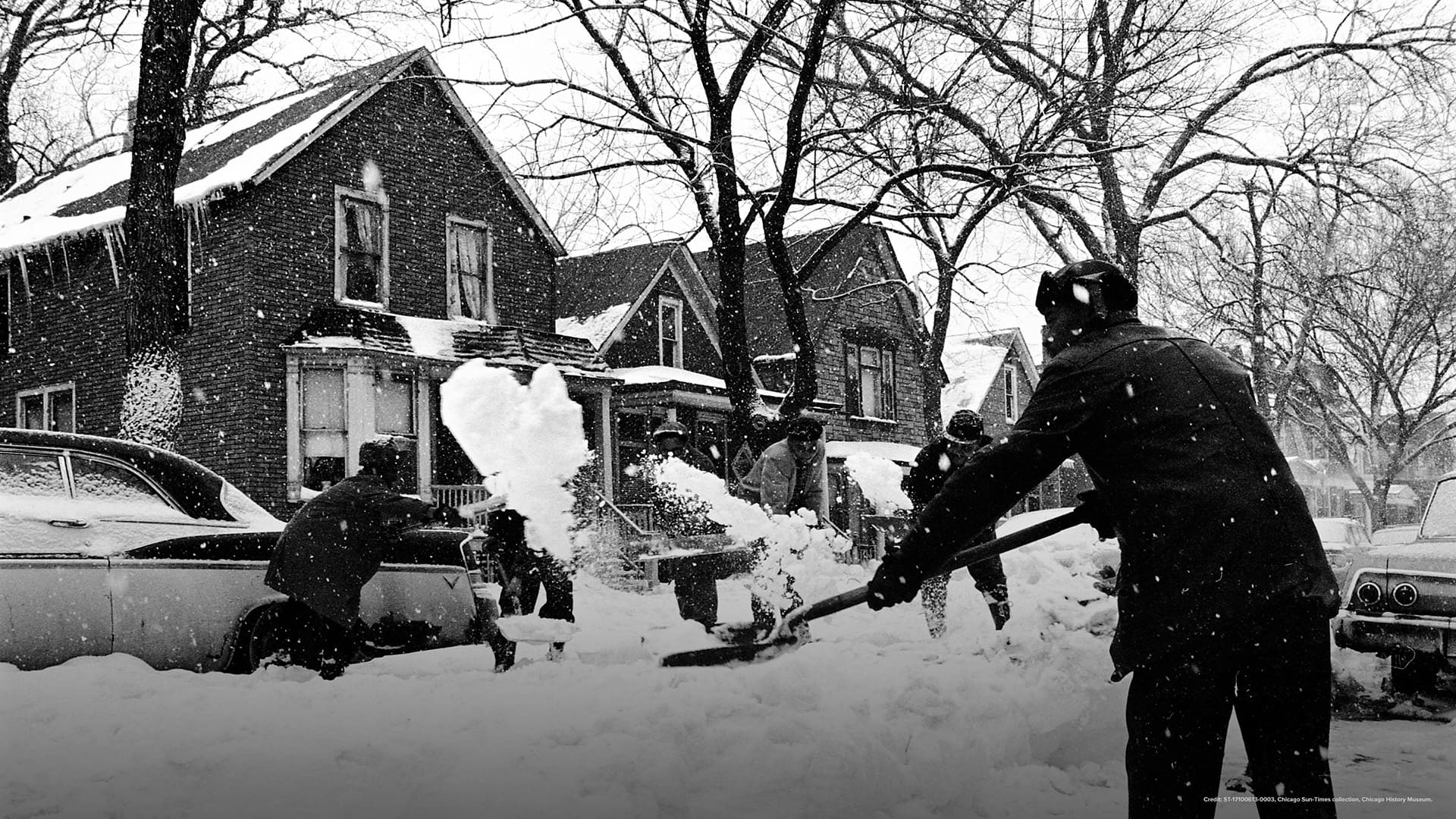



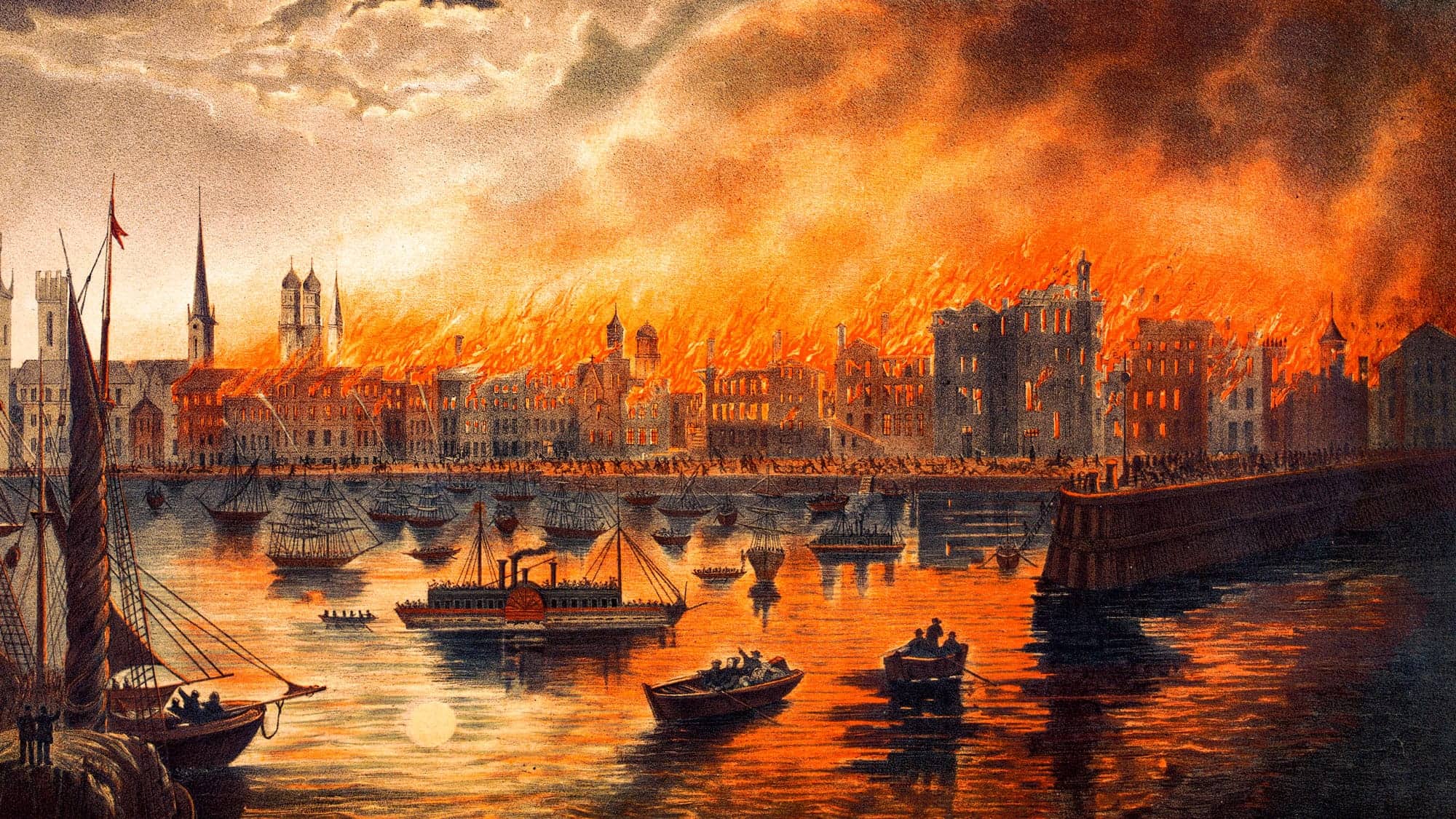
Winter was off to a brutal start in Chicago in 1979. On New Year’s Eve, 9 inches of snow fell on the city. Then came a deep freeze. And that was before the record-breaking blizzard began.
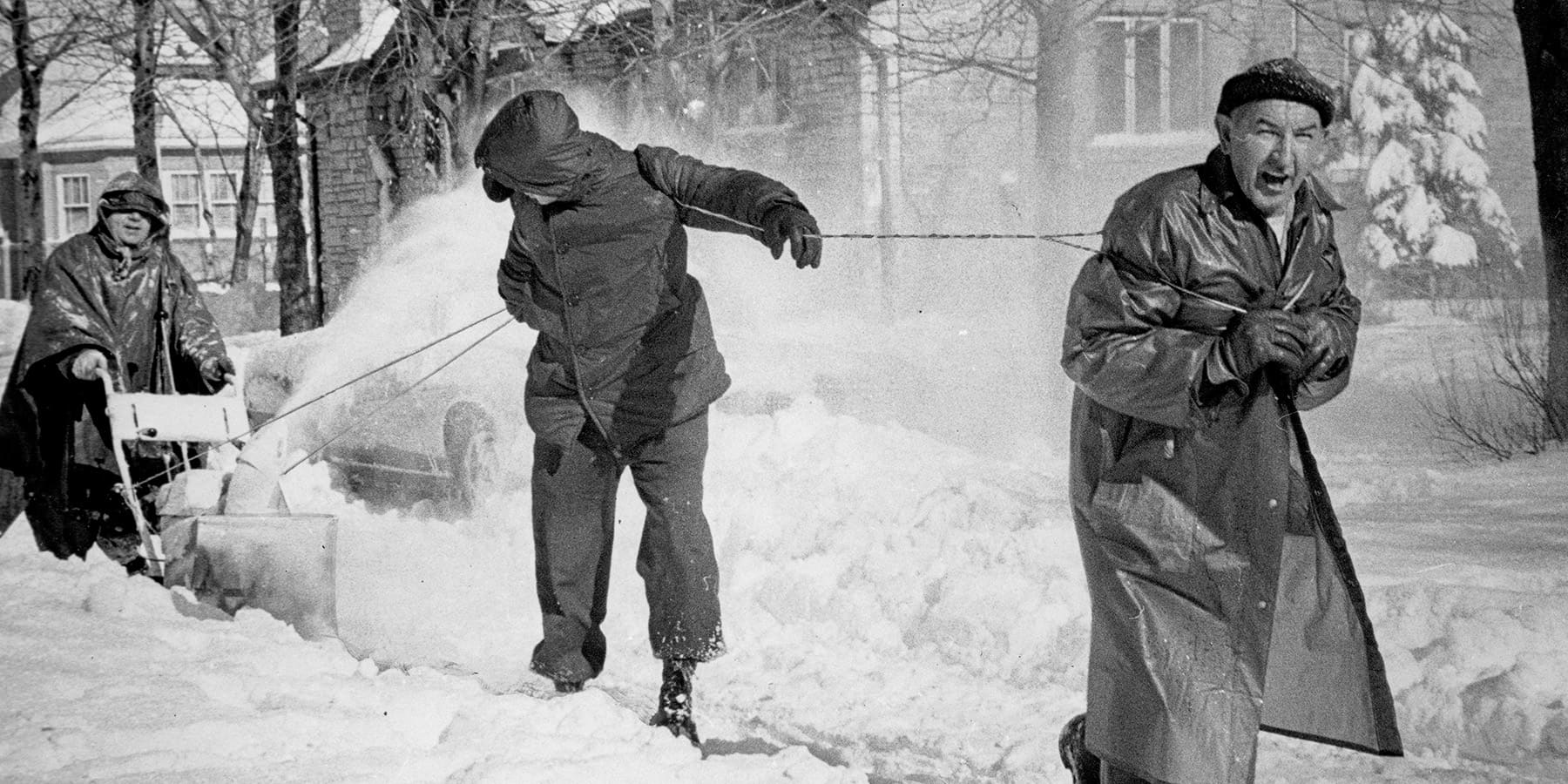
On Friday, January 12, 1979, the first snowflakes of the blizzard began to fall on the city of Chicago. It would not let up for 38 hours. With a total snowfall of 20.3 inches, it remains Chicago’s fourth largest snowstorm on record. After the snow fell, winds reaching nearly 40 miles per hour pummeled the city, and another deep freeze settled in. The windchill plummeted below zero, and the City that Works was frozen.
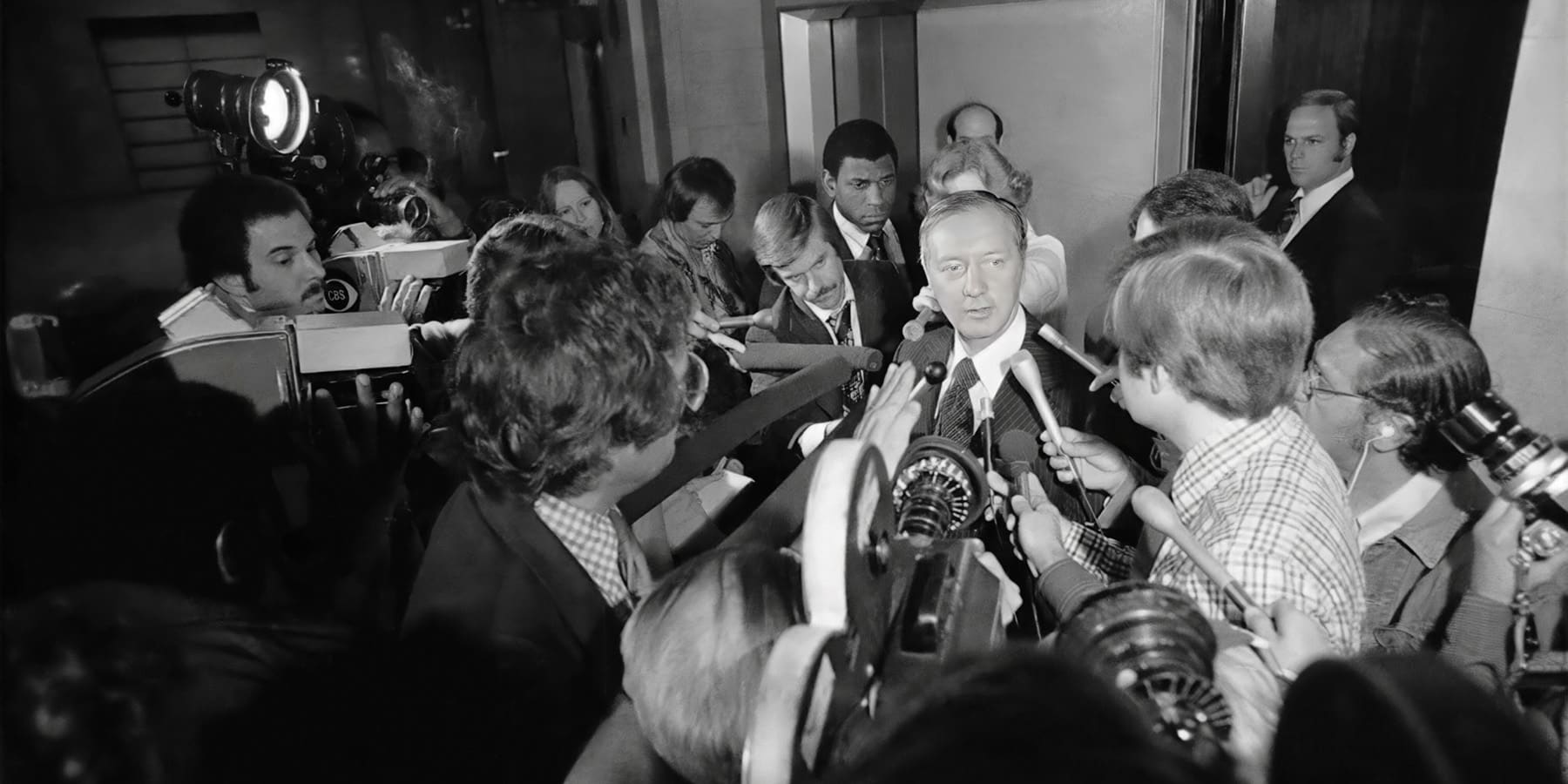
As frustration mounted throughout Chicago, the snowstorm had an unexpected chilling effect on Mayor Michael Bilandic’s political career.
“When you go into politics, you get the glory,” Chicago historian John R. Schmidt told Chicago Stories. “But you also get the blame.”
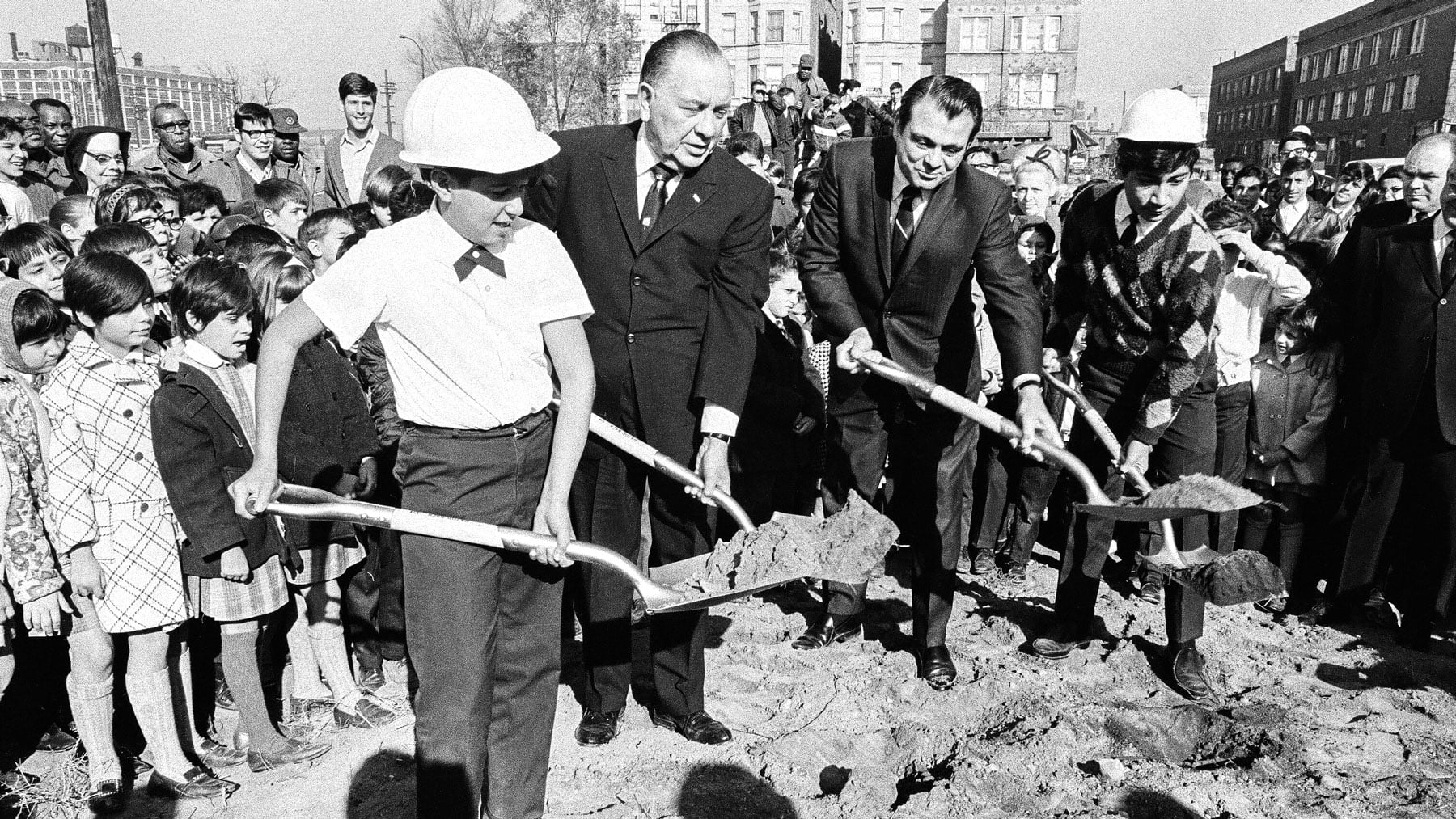
Bilandic’s entrance into city-wide, center-stage politics wasn’t easy from the start. In 1976, powerful long-time Mayor Richard J. Daley had a heart attack and died in office at the age of 74. According to the city’s line of succession, the president pro-tem of the City Council – at the time, a Black alderman named Wilson Frost – was supposed to be appointed acting mayor. But Daley’s aides infamously wouldn’t allow Frost to enter the office, and the City Council instead appointed Michael Bilandic. At the time, Bilandic was the alderman of the 11th Ward, which was Daley’s ward and the locus of the city’s Democratic political machine. (Bilandic won a special election in 1977 to officially become the mayor.) Chicago journalist Stephan Garnett told Chicago Stories that Daley was a “hard act to follow.”
“In order to be the mayor of the city of Chicago, you had to have one strong personality,” Garnett said. “This is not an easy city to govern. It never has been. It never will be.”
Bilandic was known to be a mild-mannered, soft-spoken man, perhaps better suited for a behind-the-scenes role than the chosen city leader tasked with filling Daley’s shoes. Veteran Chicago Sun-Times reporter Fran Spielman told Chicago Stories that Bilandic was a bit “awkward,” and “not really a natural politician at all.”
“Richard J. Dailey was the most powerful big-city mayor who ever lived. This was a kingmaker. This was a guy who people – politicians, presidential candidates – came to kiss the ring,” Spielman said. “Bilandic was the antithesis of that. He was not a leader. He was not a politician.”
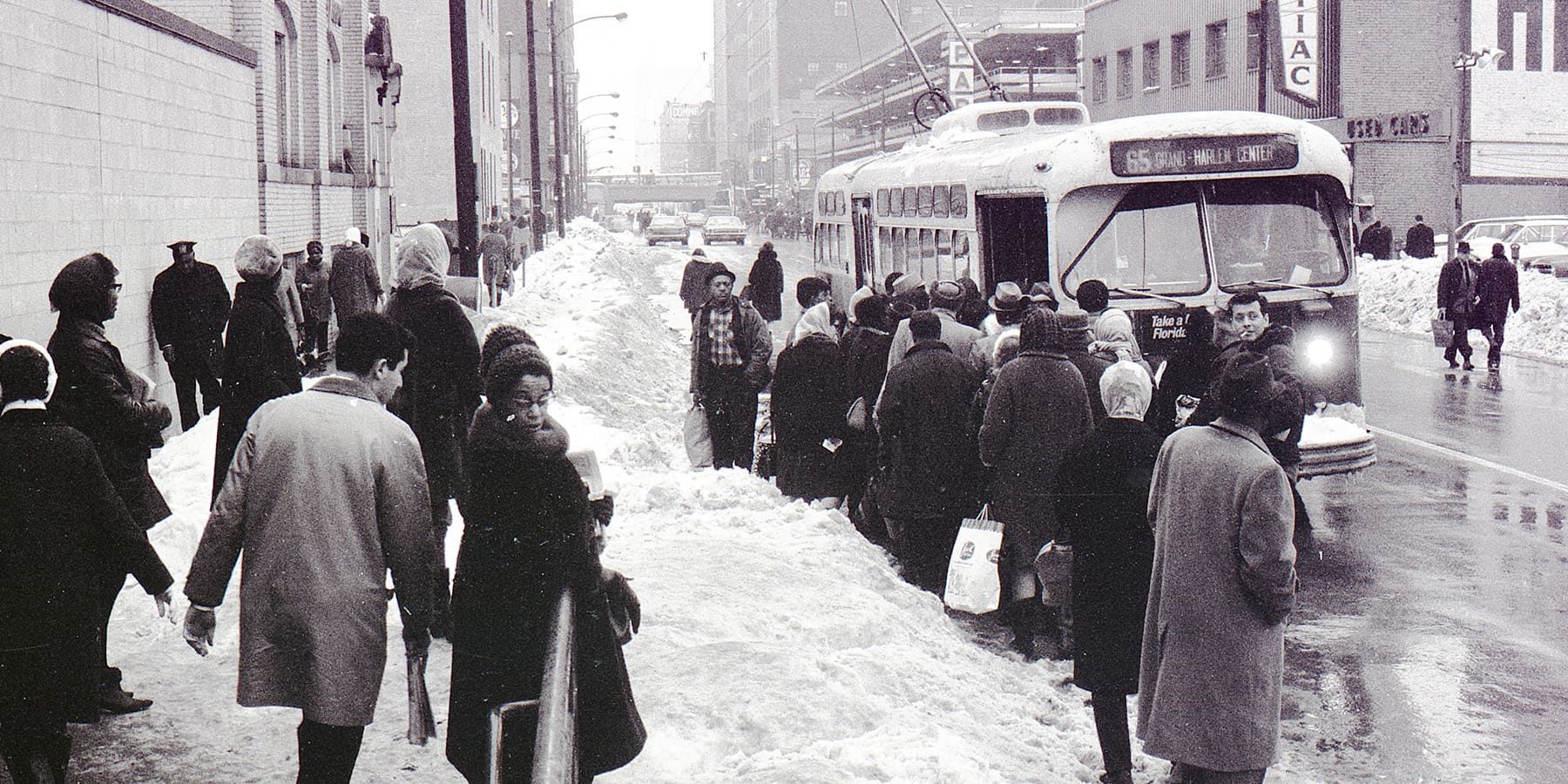
Bilandic’s lack of political finesse came to a crucial turning point in the wake of the blizzard of 1979. With the city already having endured a difficult start to winter, the extra 20.3 inches of snow didn’t do much to improve the general mood in Chicago. It was difficult to get to work or to the grocery store. Cars were buried under a solid snowpack, and public transit faced long delays. Schools were closed for a week. Even trash wasn’t collected for 10 days.
“Everything was so difficult, and it was difficult day after day after day, and people started losing patience,” Spielman said. “And that’s when Mike Bilandic got in a lot of trouble.”
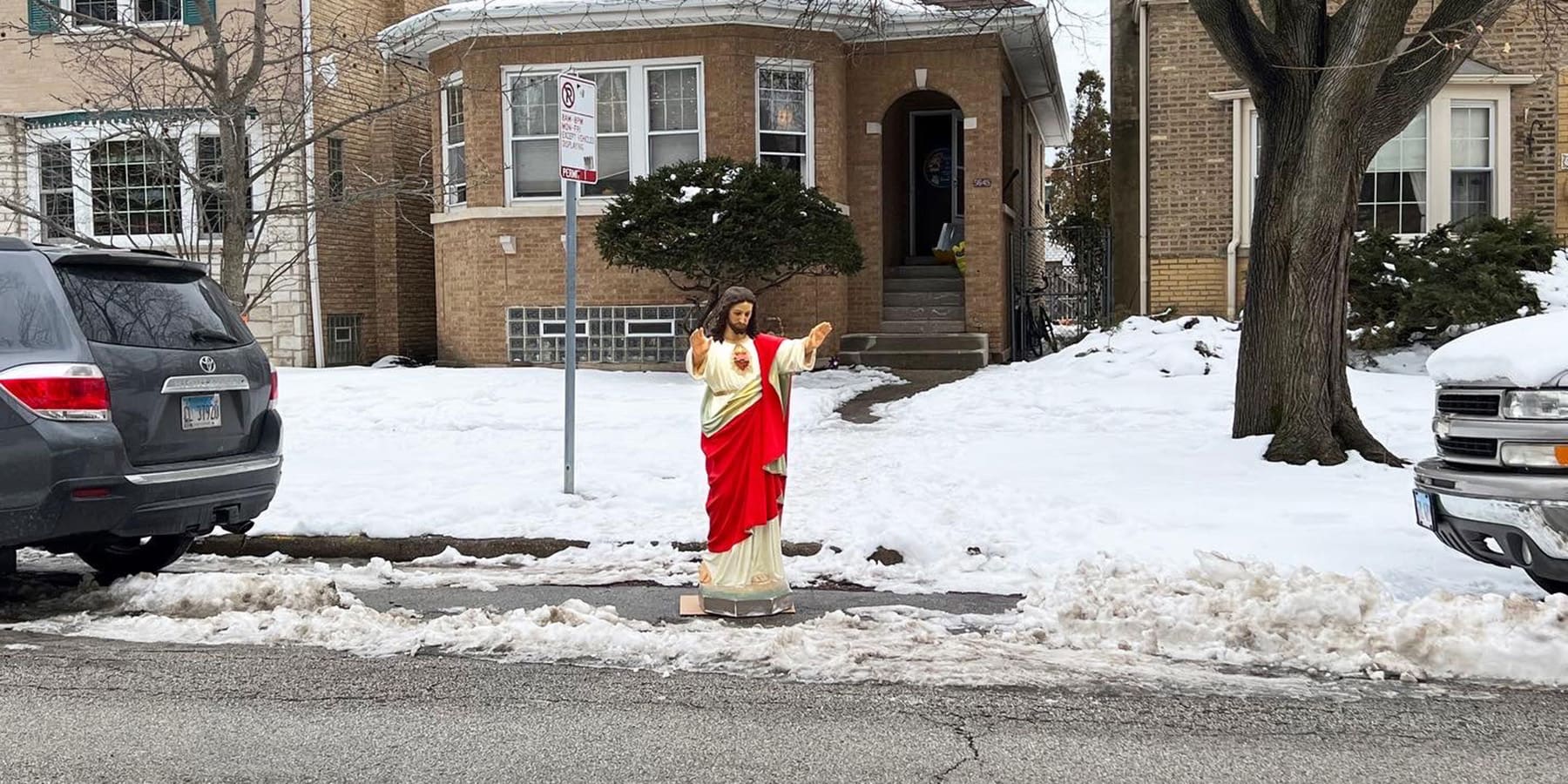
Snow removal was not moving fast enough for increasingly irritated Chicagoans. Bilandic announced that people who did not move their cars for snowplowing would have their cars ticketed – with no exceptions. Spielman recalled a Chicago Tribune story with Bilandic’s request that people move their cars into school parking lots. The story ran a photo of school lots still completely covered with snow.
“Here’s a situation where a leader of a city could have said, ‘We’re all in this together. Let’s roll up our sleeves, and all of us [will] get through this. We’re Chicagoans. We’re tough.’ But he went into a state of denial almost, and he was pretending that things were gonna get better or that they were already better,” Spielman said. “People started turning their anger on him.”
To make matters worse, public transit was not operating at its usual speed or capacity. CTA trains began to bypass the least populated ‘L’ lines in order to make up for the delays. But most of the least populated lines fell in the city’s predominantly Black neighborhoods – leaving entire communities stranded.
“I do remember being bypassed. The excuse was, ‘We’re trying to make the trains [run] a little bit more express to get people to their destinations faster.’ And the attitude in African-American communities was, ‘Yeah. Faster without us,’” Garnett said.
The growing anger at Bilandic came at a bad time for the mayor, as the blizzard hit just weeks before the Democratic primary (back when Chicago had partisan mayoral elections). Bilandic had a challenger in Jane Byrne, who was widely considered to be a longshot.
“She threw her hat into the ring sometime in the fall of ’78. And I, like a lot of people, didn’t know who she was. I don’t think anybody was really taking her very seriously until the blizzard,” Garnett said.
Chicago Stories: Jane Byrne
As a woman once again occupies the fifth floor of City Hall, Chicago Stories remembers the city’s first female mayor. After pulling off one of Chicago’s greatest political upsets, Jane Byrne found herself caught between the political machine that shaped her and the reformers who elected her.
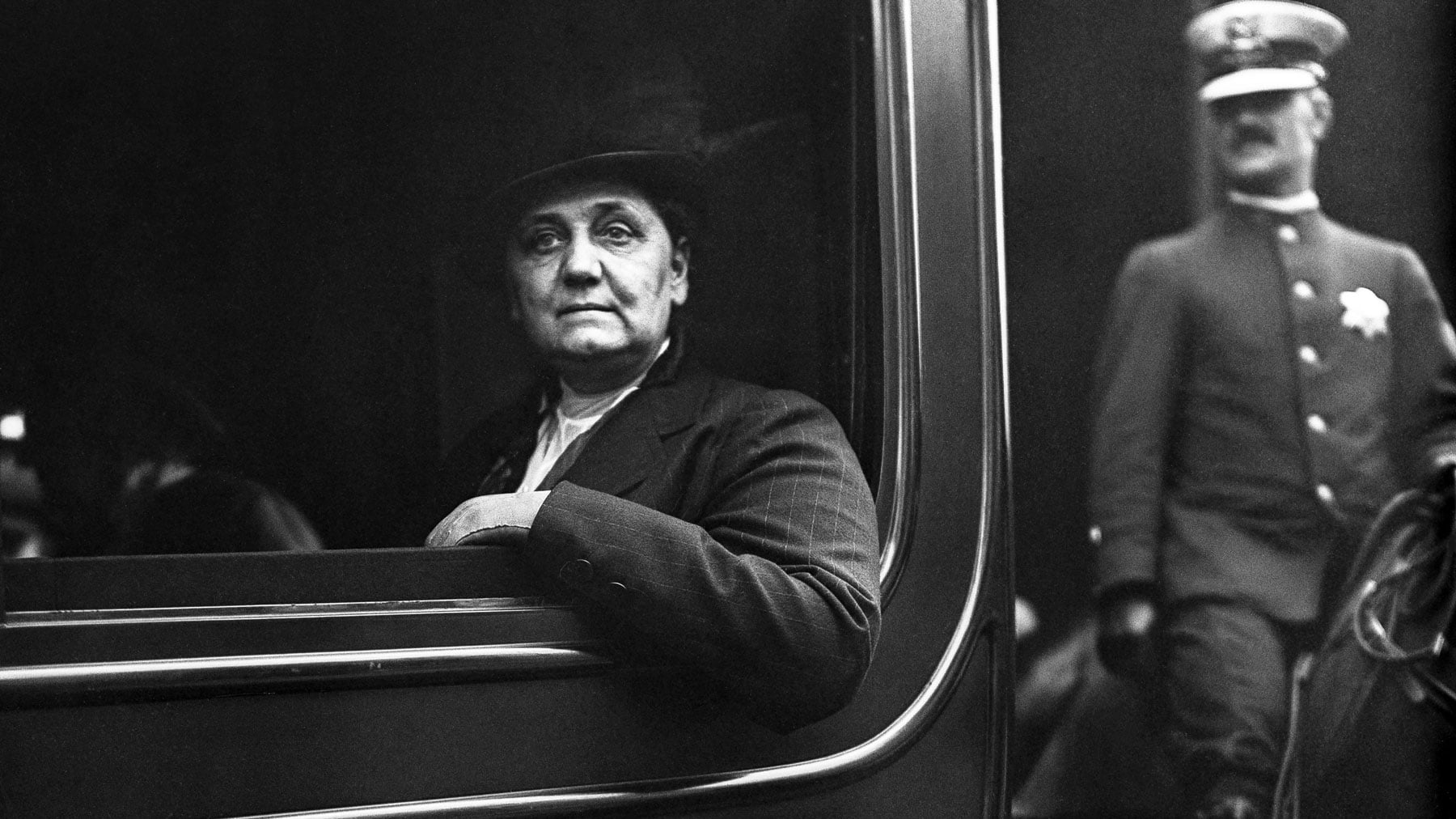
Go deeperByrne and Bilandic had something of a tense professional history. Byrne was previously a Daley political protégée; Daley had appointed her as the head of the city’s Consumer Affairs Department, as well as the co-chair of the Cook County Democratic Central Committee. Bilandic removed Byrne as the co-chair of the Cook County Democratic Central Committee. Once a part of Daley’s inner circle, she now spoke out against the machine, calling a group of aldermen led by Ed Burke and Ed Vrydolyak an “evil cabal.” Bilandic fired her from her cabinet position after she publicly accused the mayor and other city officials of approving an illegal 12-percent taxi-fare increase in a backroom deal.
Bilandic’s botched blizzard response provided a political opportunity for Byrne. In one political ad, she said, “No one could stop the snow, but good planning could have prevented the collapse of public transportation and cleaned the city up fast…I think it’s time to get this city working again.” Her message was heard loud and clear by the city’s Black residents whose public transit access had been halted.
“She gave the overall impression to Chicago's African-American community that, ‘I care about you, that I’m concerned, that there would be changes once I become mayor,” Garnett said. “I remember thinking he's gonna pay dearly for this. And the community is like, ‘We got to get rid of this guy. He’s got to go.’”
And go he did. Bilandic ultimately lost the primary election to Byrne on February 27, with the Byrne winning by 2 points and securing a clean sweep of the city’s Black wards. Byrne went on to win the general election, becoming the first female mayor of a major U.S. city. It wasn’t the end of Bilandic’s public service career, however. He was later elected to the Illinois Appellate Court and then the Illinois Supreme Court in 1990, where he served as chief justice from 1994 to 1996.
Bilandic’s handling of the snowstorm has served as a warning to every Chicago mayor since.
“There is a very real paranoia – there has been ever since ’79 – about snow and what it can do to the future of a politician in Chicago,” Spielman said. “When the snow comes, when the flakes start falling, politicians all over the city are running to catch it, each flake, just because they’re afraid of what happened to Mike Bilandic.”
Related