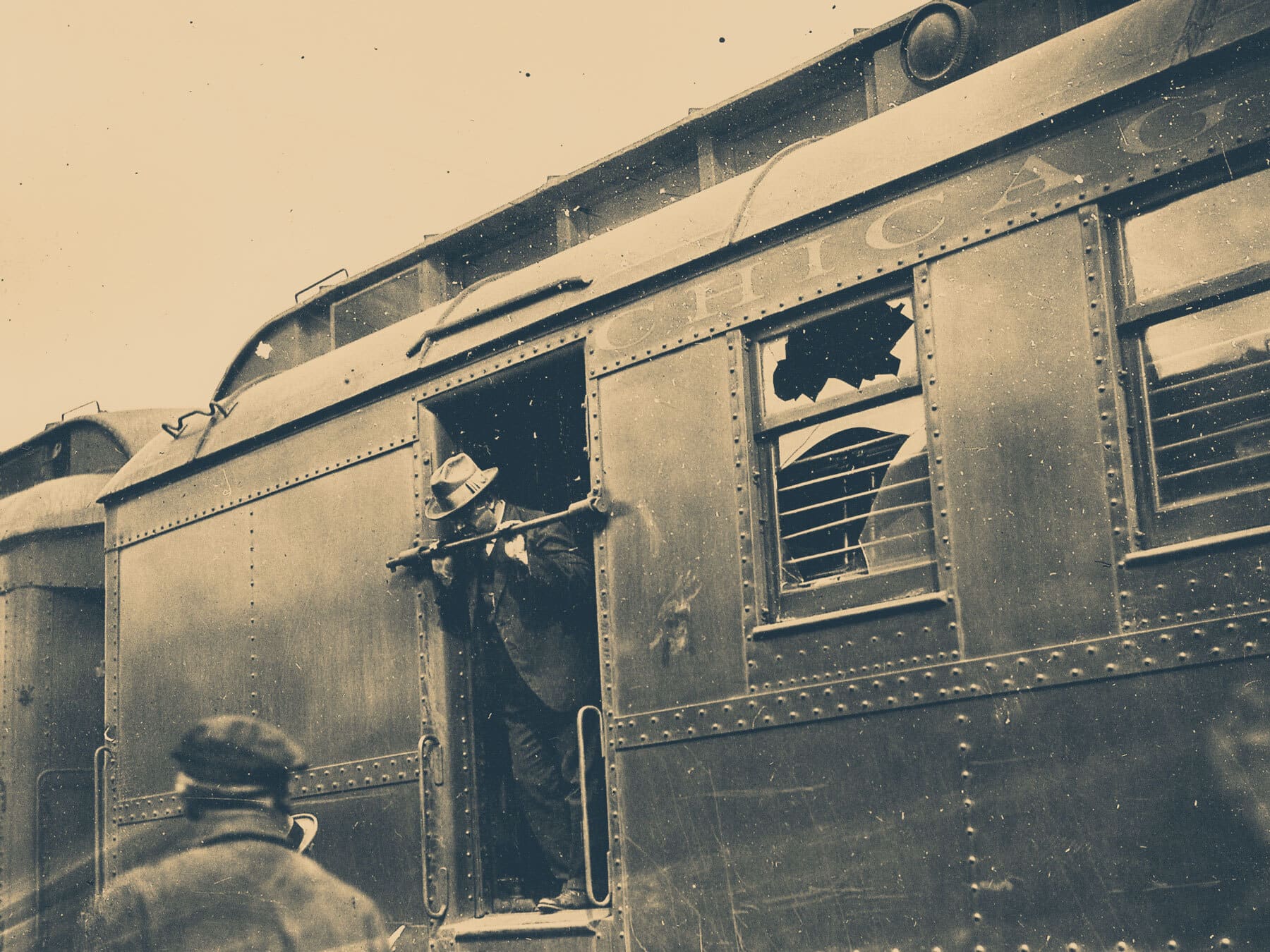

Under the cover of darkness on June 12, 1924, a gang of robbers forced a mail train bound for Minneapolis from Chicago to stop at a rural junction known as Rondout, just west of Lake Bluff, Illinois. The thieves fixed their guns on several postal workers, forcing them to unload sacks of cash. It took only 30 minutes for the bandits to pull off the biggest train heist in American history. The gang escaped with a staggering haul. They might have gotten away with it, but one mistake would derail their plans.
“It became quite a sensational story at that time, as people speculated how this could happen – a crime of this magnitude under 30 minutes,” Nicole Stocker, education manager at the Lake County Forest Preserve District, told Geoffrey Baer.
Despite its scale and the headlines it generated at the time, the heist has largely faded from the pantheon of popular American crime stories. Stocker said some of the reports of the story were conflicting, and many questions remain. In addition, when people think of train robberies, they often picture the arid landscape of the American West.
“Most train robberies actually happened in the Midwest,” said Stocker. “Chicago being a railroad hub, this was the place to come and try to rob a train.”
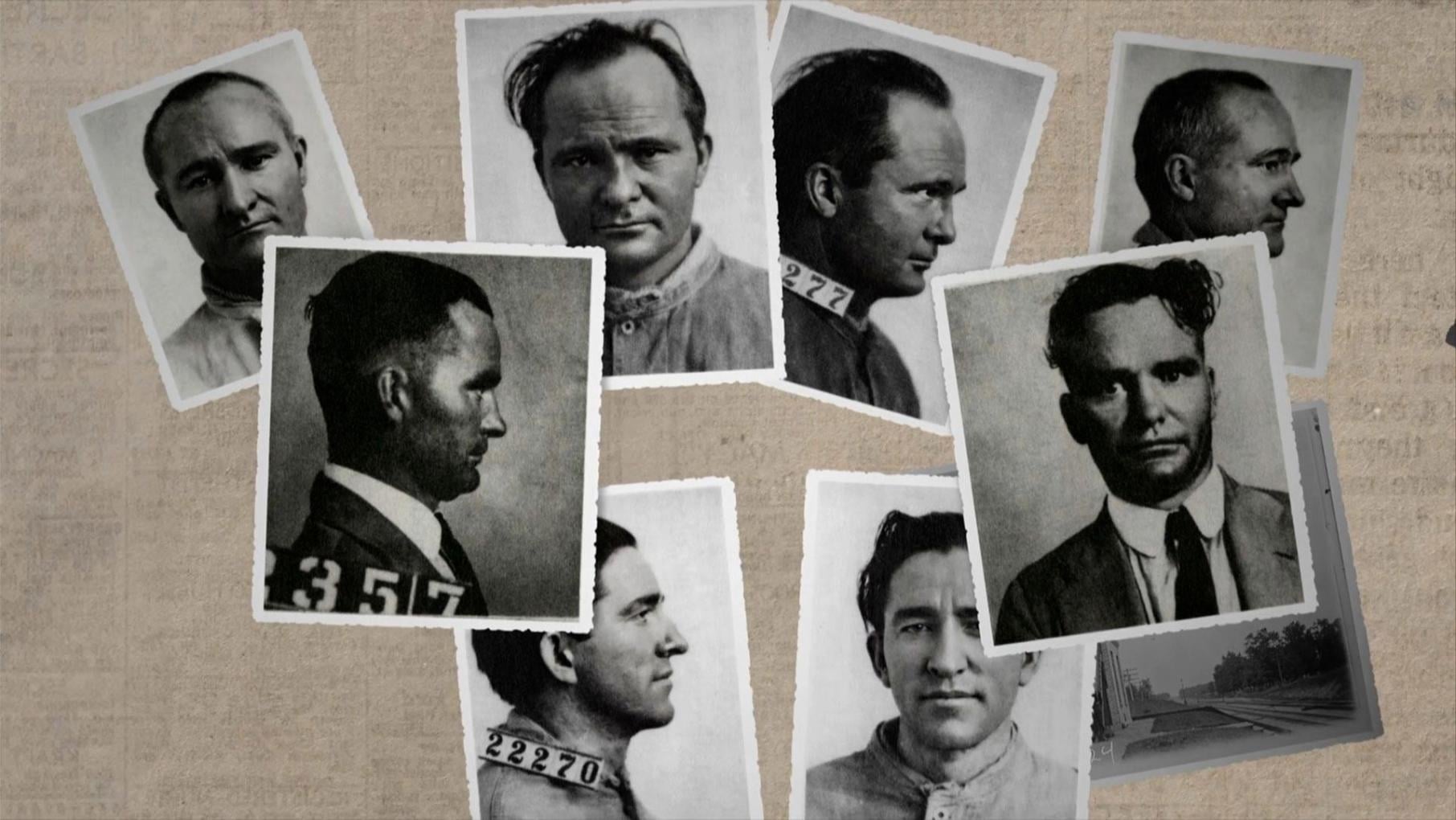
That was apparently the thinking of the Newton Gang, a group of four brothers born in Texas with some 75 bank robberies and 6 train robberies to their name, per one brother’s estimate. They were Willis, Wylie (a.k.a. “Doc”), Joe, and Jess. Willis was the first brother to rob a bank, and according to a 1982 New York Times interview with Joe, Willis sent home two $20 bills, saying he found a good job and that Joe should join him. The job, it turned out, wasn’t something you’d want on a resume: Willis had robbed a bank. Soon, all four brothers banded together to commit robbery after robbery, sometimes recruiting other desperados to join them for jobs. They often worked with a man named Brent Glasscock, who was an explosives expert – a useful expertise when faced with the thick doors of bank vaults. The train going through Rondout wasn’t their first rodeo.
“They had robbed trains in different places and somehow were connected to people here in the Chicago area to carry out this larger robbery of a mail train,” Stocker said.
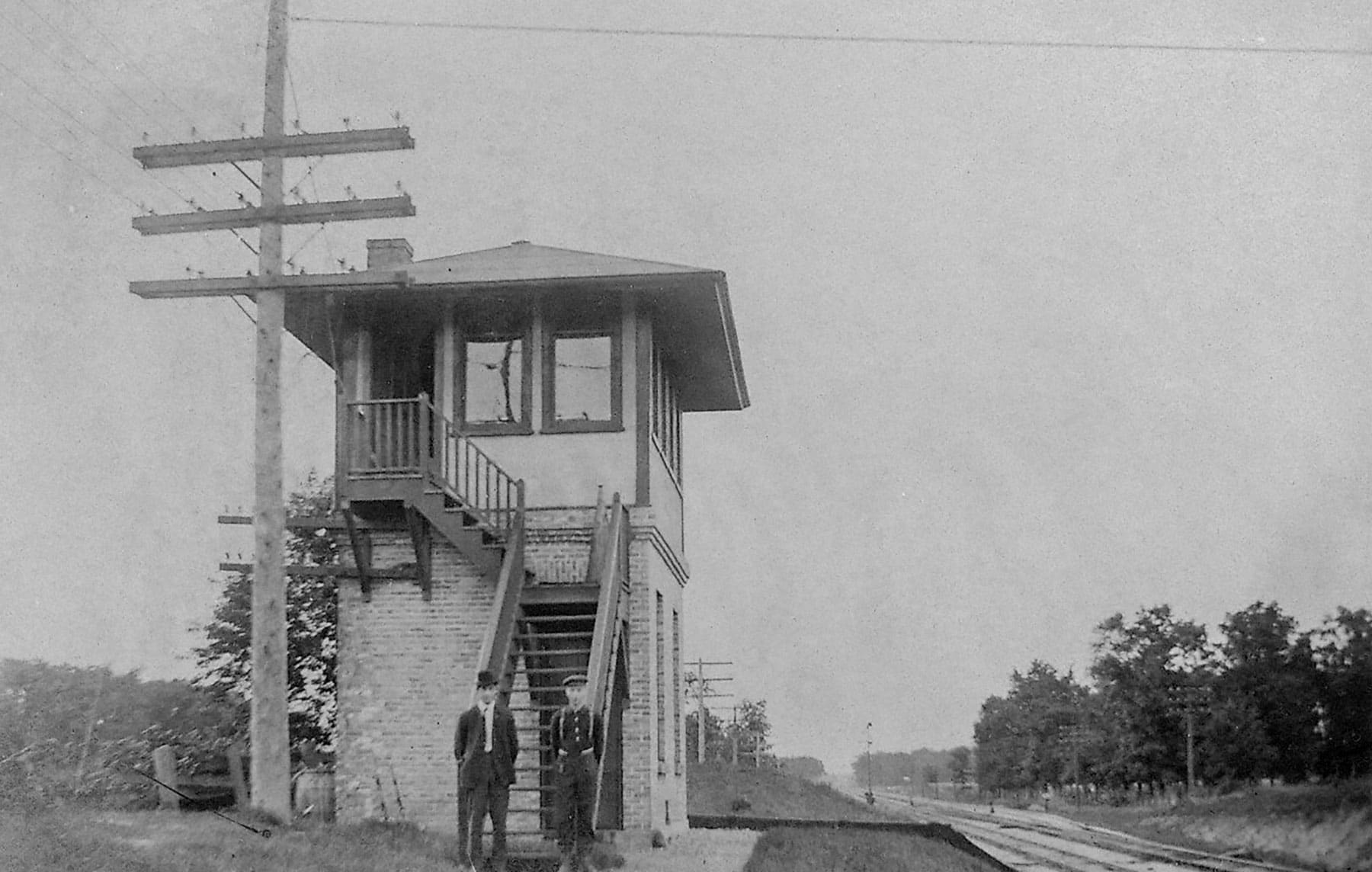
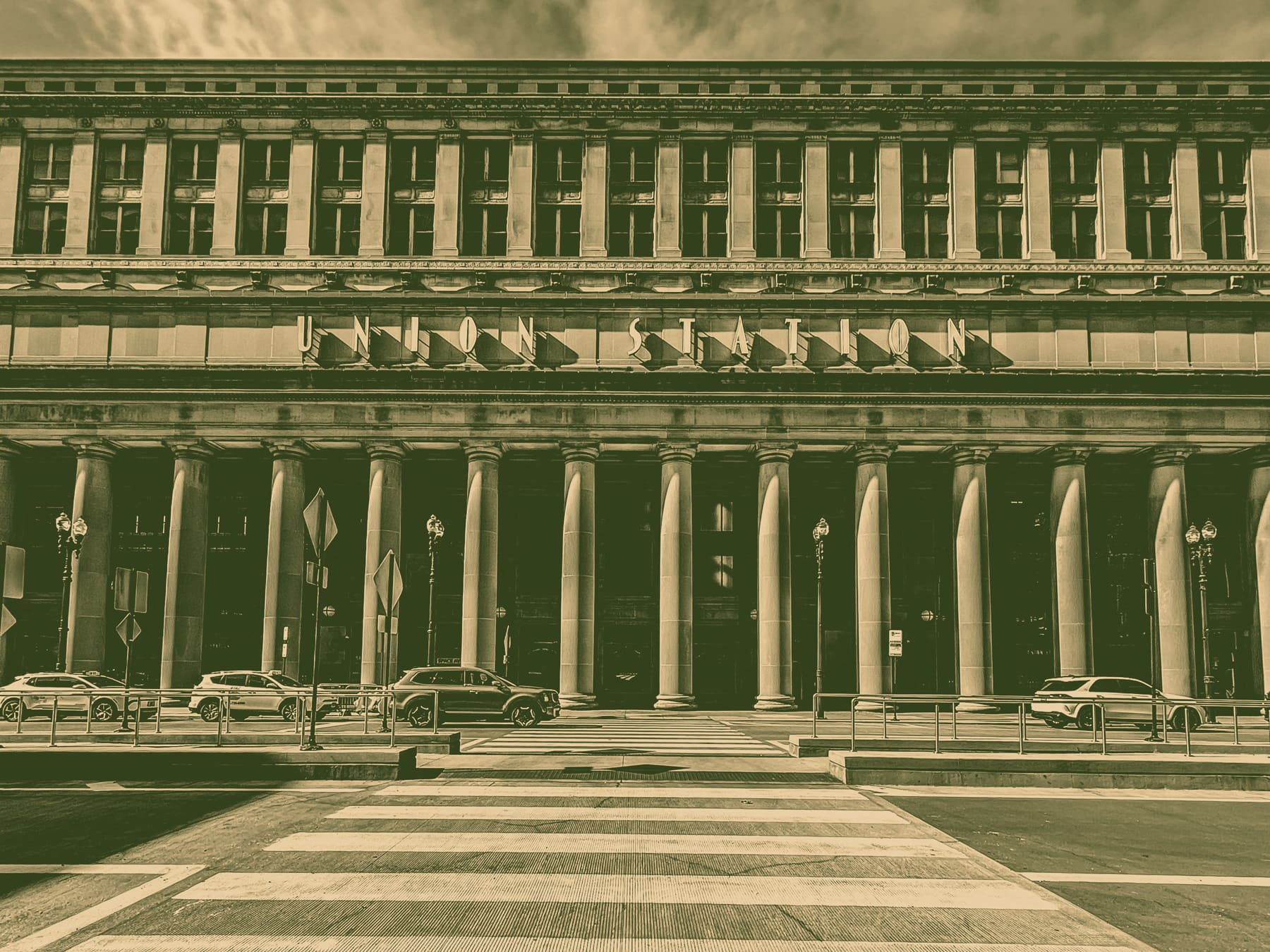
On the night of June 12, 1924, two of the brothers snuck aboard a mail train leaving Chicago’s Union Station. In those days, mail trains carried all kinds of merchandise. In addition to sacks of cash, there were jewels, bonds, and other valuables. As the train barrelled north, the two brothers climbed over the engine tender (the rail car behind the locomotive carrying the train’s fuel) and into the engine cab, surprising the train’s engineer and fireman. Guns drawn, the brothers forced the men to bring the train to halt near Rondout, where their accomplices, including local politician and bootlegger James Murray, were waiting in stolen Cadillacs.
“As soon as the train stopped, the rest of the group came out. They knew exactly which car they wanted to target,” Stocker said.
The gang threatened all of the train’s workers with guns and gas bombs, demanding they unload 62 mail bags, containing more than $2 million, or nearly $37 million today, according to the National Postal Museum.
Everything was going according to plan – that is, until in the darkness Brent Glasscock mistook Doc Newton for a train worker. Glasscock shot Doc five times. The gang loaded the badly injured Doc into one of the getaway cars along with the loot. While some of the gang made their escape, others drove the badly wounded Doc back to Chicago in search of a doctor. They reportedly paid a doctor to keep quiet and treat Doc’s injuries. Then came a cascade of arrests.
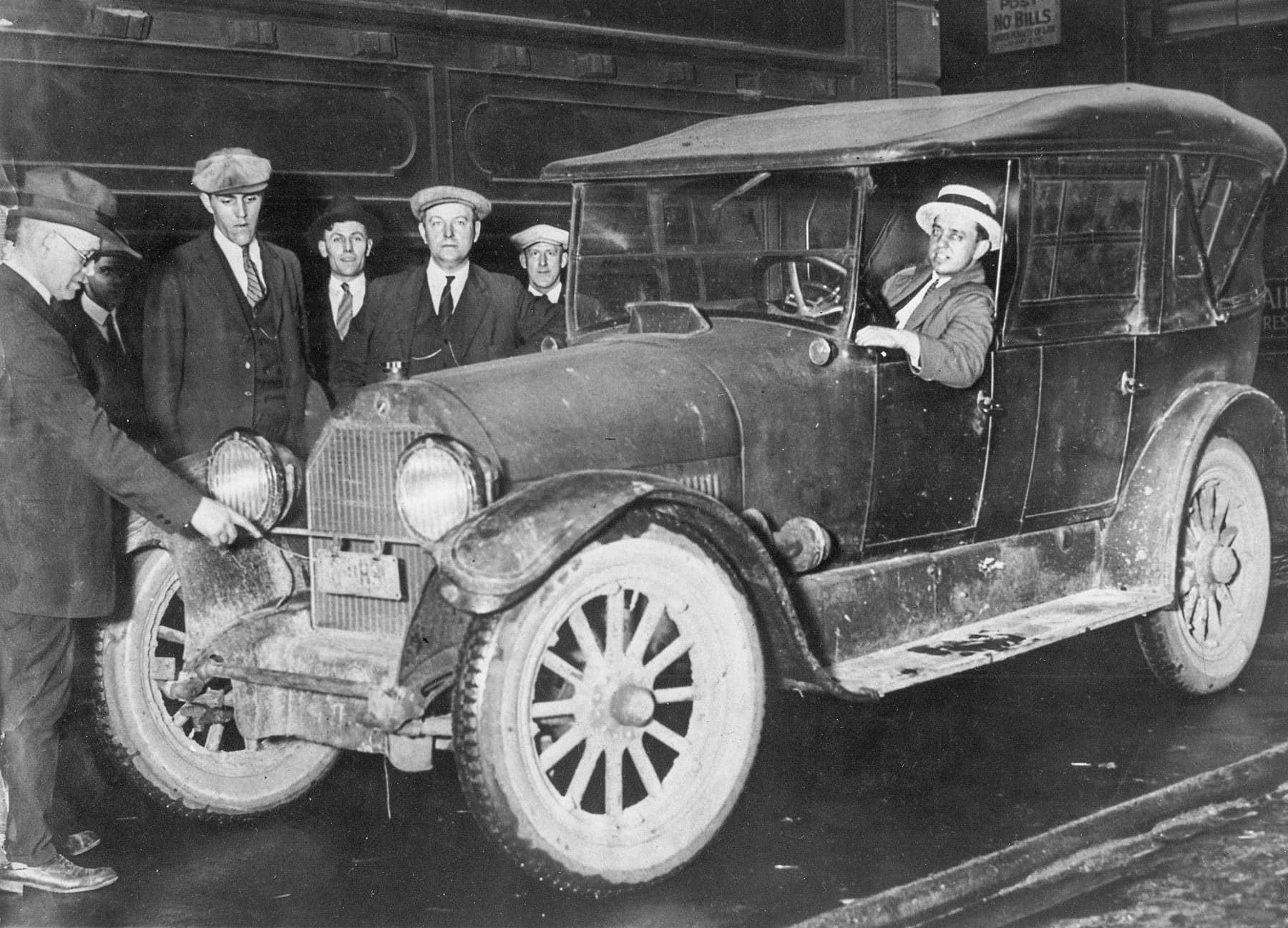
“It’s still debated exactly who tipped them off, but somehow [the police] were given an address to an apartment in Chicago,” Stocker said. “When they got there, they found the injured brother with others in the group.”
As the authorities tracked down the others who were on the run, one question loomed: How did the robbers know which train cars to target? They must have had inside information. Postal inspectors quickly became suspicious of a fellow inspector named William Fahy, an ace at solving train robberies who had once bragged to his coworkers about his previous dealings with Murray. Glasscock ultimately confessed, outing Fahy as a co-conspirator.
While Glasscock and the Newton brothers all pled guilty to the robbery, Murray and Fahy did not and pointed fingers at each other in the subsequent trial. In the end, all of the robbers went to prison for the heist. The four Newton brothers all served varying sentences, from a year to 12 years. Willis and Doc returned to a life of crime, and Jess and Joe returned to a quieter life in Texas, according to the National Postal Museum. Joe even appeared on The Tonight Show with Johnny Carson in 1980, in which he recounts parts of the saga.
So what happened to the loot?
“There was possibly a little over a million dollars in one sack that was never accounted for during the course of the trial,” Stocker said. “Some of the thieves also buried some of what was stolen in different parts of the country, and then some of that was never recovered either…One of the Newton brothers claimed to be a little bit inebriated when he buried money outside San Antonio in Texas and never remembered where he buried it.”
Related Content