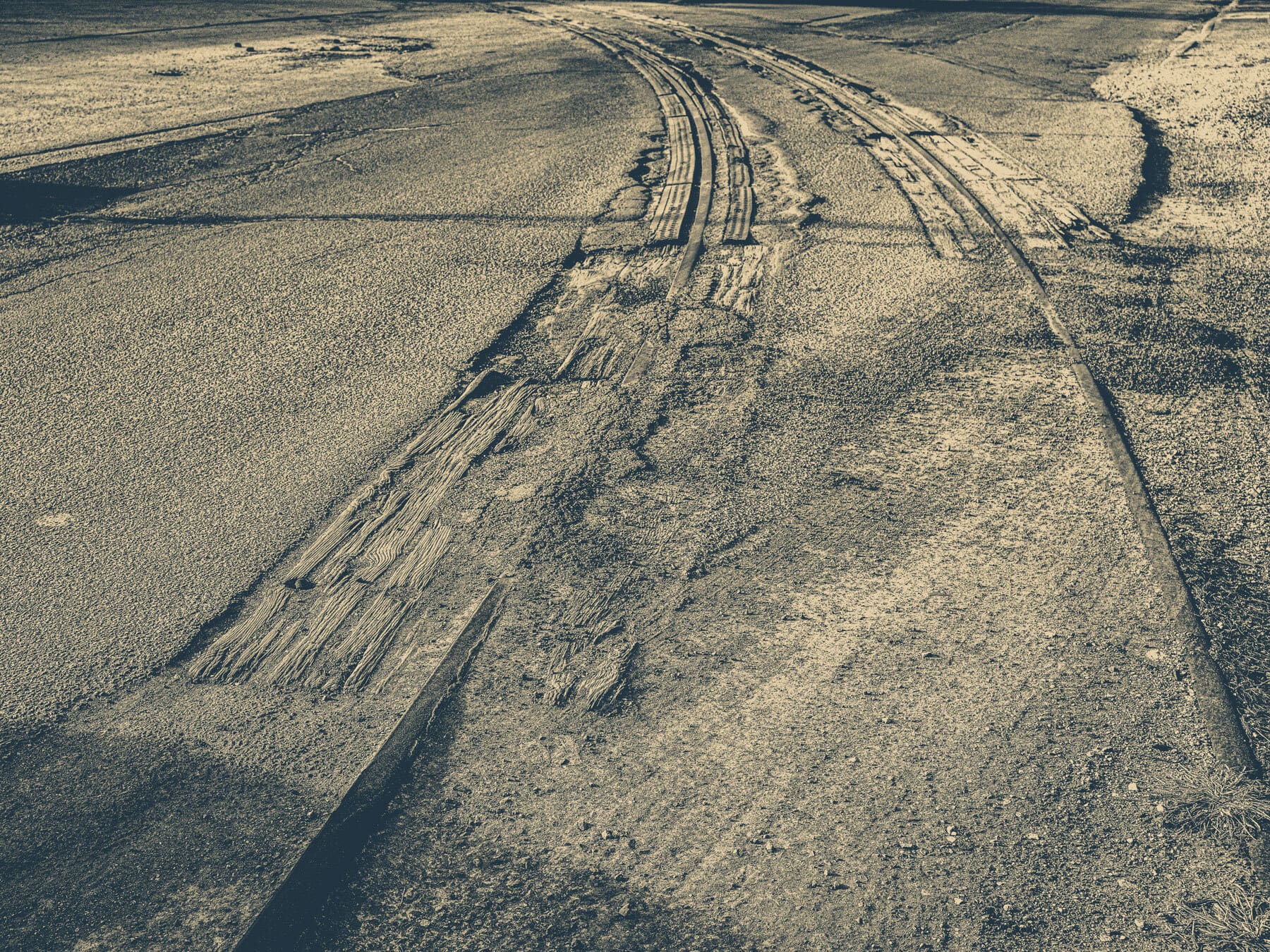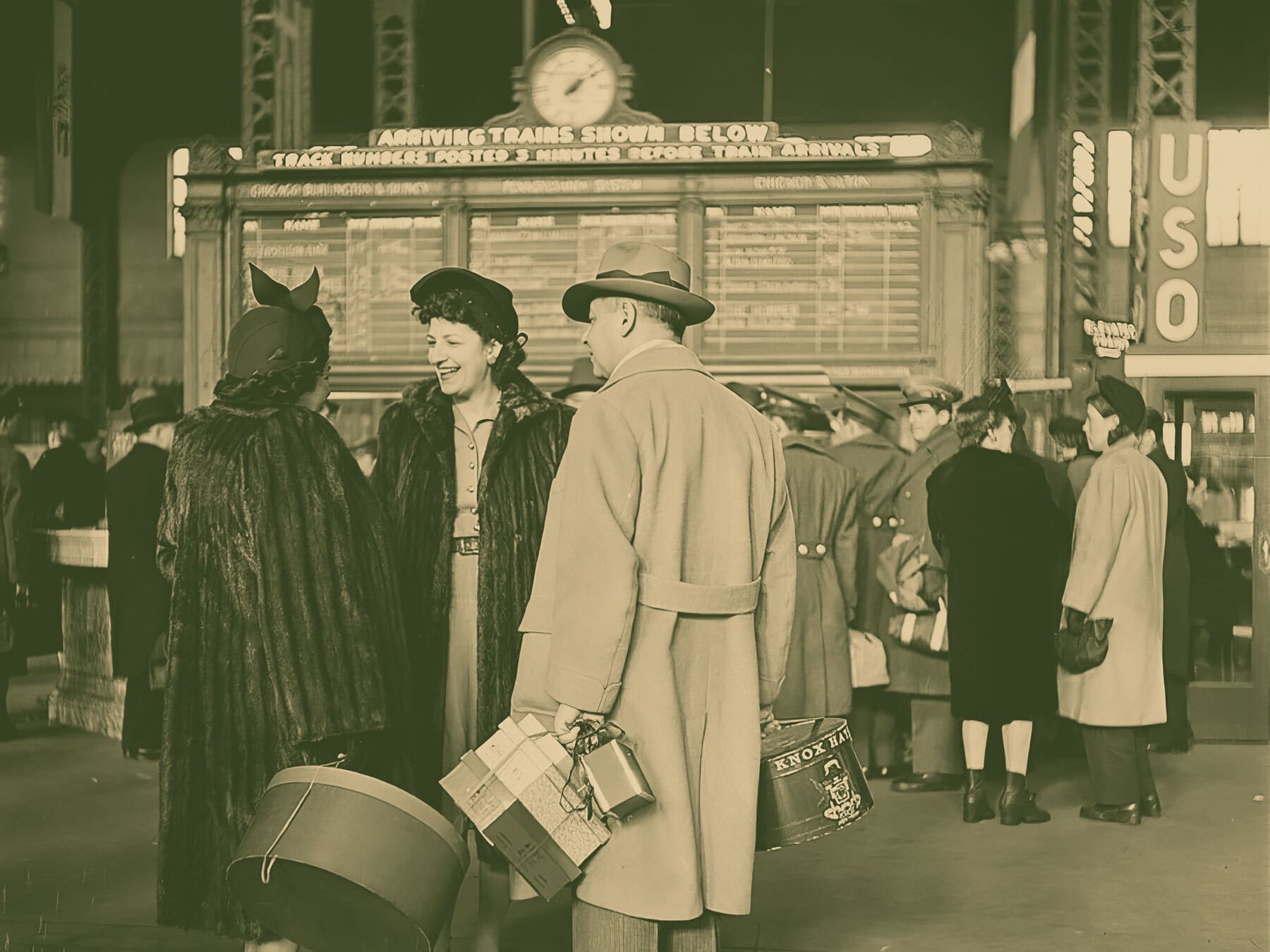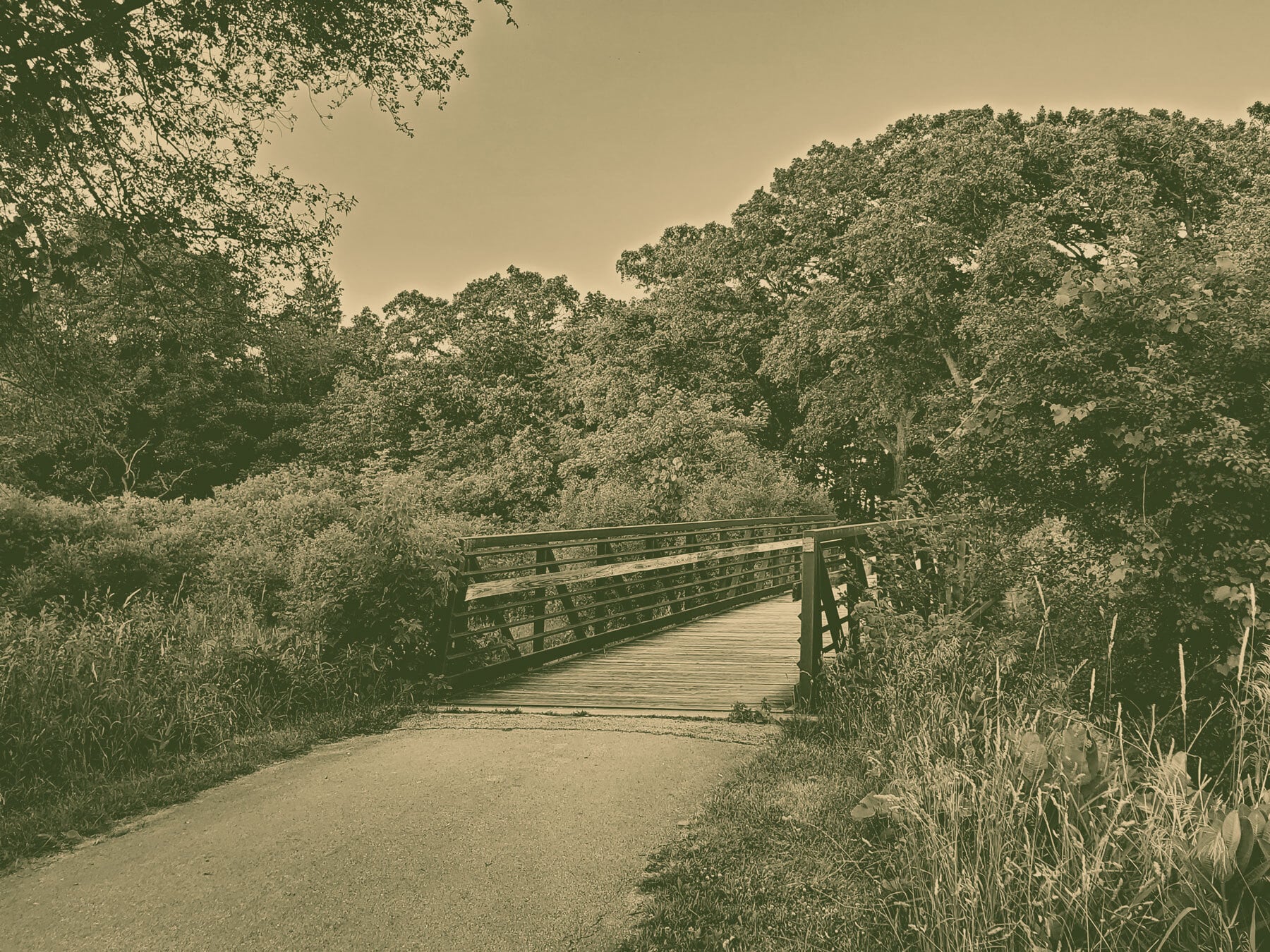

A stretch of land in Chicago’s western suburbs that once felt the rumble of passing trains now carries the steady footsteps of walkers and the spinning wheels of cyclists. Long before rail trails became a familiar feature in both urban and suburban landscapes, an abandoned railroad corridor inspired an idea that would quietly reshape how people moved through and experienced nature. The Illinois Prairie Path, now a nearly 61-mile network used by walkers, runners, and cyclists, began not as a government project, but as a vision from a dedicated and charismatic naturalist named May Theilgaard Watts, who believed abandoned infrastructure held potential for communing with nature.
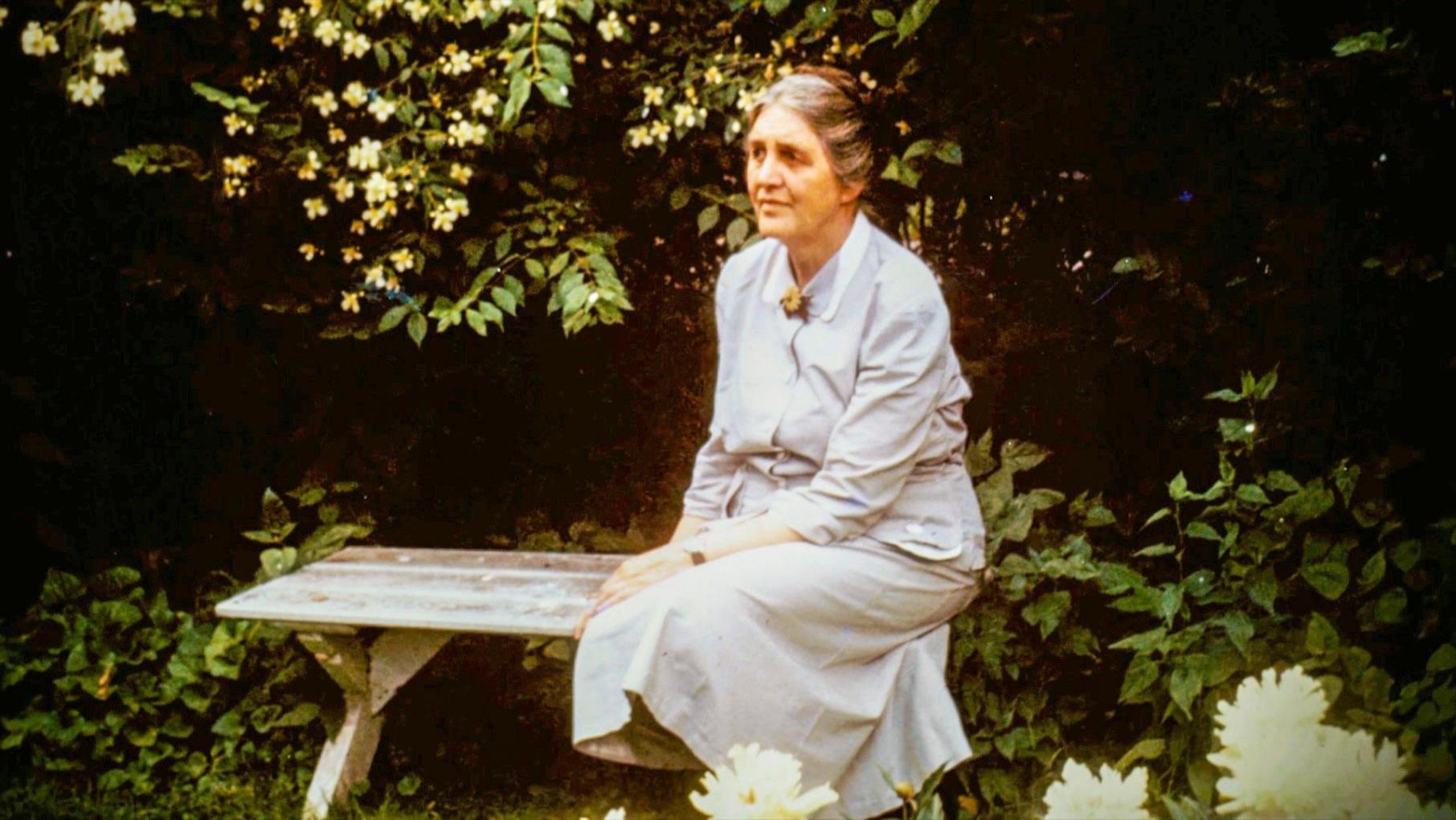
Born in Chicago in 1893 to Danish immigrant parents, May Theilgaard grew up in the Ravenswood neighborhood and went to Lake View High School. She first became a teacher and then received her Bachelor of Science degree at the University of Chicago. She married Raymond Watts and with their family later moved to Ravinia. It was there that she got involved with Friends of Our Native Landscape, a group led by renowned landscape architect Jens Jensen (a Danish immigrant like her parents). According to the Morton Arboretum, it was at this point in her life that Watts began speaking on ecology and getting involved in garden clubs. Then in 1942, she began working at the Morton Arboretum as a staff naturalist, where she developed “programming that included botany, ecology, and geology, as well as gardening, sketching, nature literature, and creative writing. Her courses quickly became a popular draw to the Arboretum.” She wrote popular identification guides for wildflowers and trees, as well as a book called Reading the Landscape. Watts developed a very positive reputation in her field.
“Whatever May Watts was doing, you wanted to be involved. She was that dynamic and that charismatic and that fun,” educator Dr. Anne Keller, who wrote her PhD dissertation on Watts, told Geoffrey Baer.
Her ability to engage those around her would prove useful when Watts noticed the promise in abandoned railroad tracks in Chicago’s western suburbs. The Chicago, Aurora and Elgin Electric (CA&E), a passenger and freight railroad connecting Chicago to Aurora, Batavia, Elgin, Geneva, and St. Charles, had stopped serving passengers in the late ’50s and completely abandoned its rail line by 1961. The railroad’s right-of-way (or the strip of land it legally controlled beneath the tracks) inadvertently helped preserve the nature around it.
“One of the key things about the railroad is that it actually had a part in preserving the landscape that’s around it,” Keller said. “The fact that the railroad existed made it difficult for that space to become something else. So it couldn’t be developed, couldn’t become parking lots. The railroad sort of protected this linear corridor.”
That corridor encased by trees and native plants recalled something Watts experienced on a trip abroad.
“I began to see footpaths in England, and they were so remarkable,” Watts told Studs Terkel in a 1969 interview. “I went mad on footpaths.” As she walked the trails, she was “amazed” that there was even a sign that warned golfers not to “interfere with the walkers.” So Watts penned a letter to the editor of the Chicago Tribune, published September 30, 1963, in which she painted a persuasive picture of potential for the railroad’s right-of-way, not for private development, but for human connection with nature. She began the letter, “We are human beings. We are able to walk upright on two feet,” and then describes the potential for a footpath.
"Look ahead some years into the future. Imagine yourself going for a walk on an autumn day…The path lies ahead, curving around a hawthorn tree, then proceeding under the shade of a forest of sugar maple trees, dipping into a hollow with ferns, then skirting to a thicket of wild plum, to straighten out for a long stretch of prairie, tall grass prairie, with big blue stem and blazing star and silphium and goldenrod."– May Theilgaard Watts, Chicago Tribune letter to the editor, 1963
All of this is in the future, Watts concluded, but “many bulldozers are drooling.” Indeed, the path forward would not be simple, but Watts’s grassroots approach was tireless, and it sparked the community’s interest.
“Public response to her letter was immediate and enthusiastic,” Elizabeth and Samuel Holmes, two of the Illinois Prairie Path’s 14 co-founders, recalled. “Mrs. Watts and the Tribune were deluged with encouraging letters and phone calls. Residents in the towns along the right of way, conservationists in Chicago, friends north to Lake Forest and west to the Fox Valley rallied to her call. Devoted students in her Arboretum classes met with her and talked and consulted.”
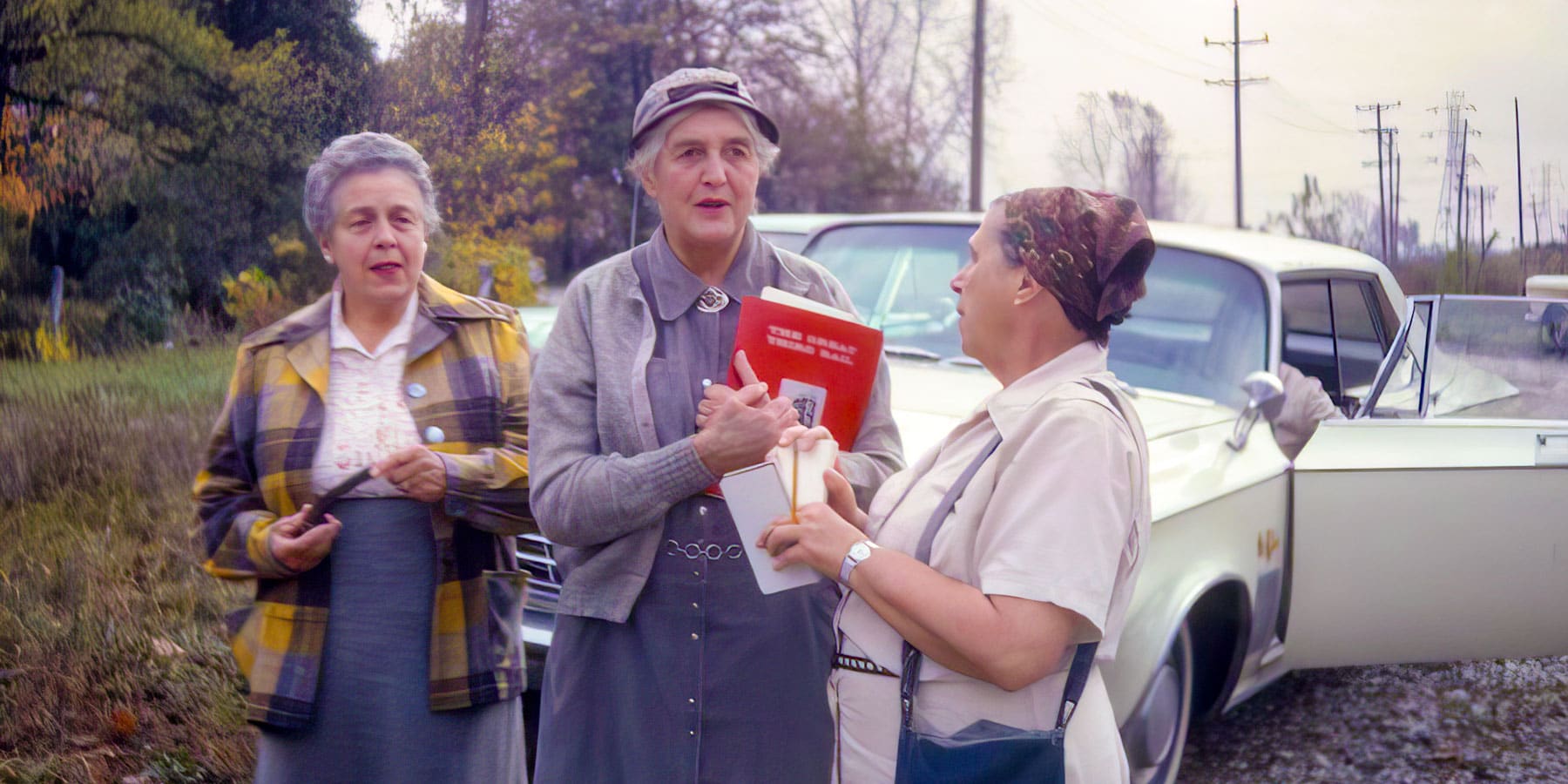
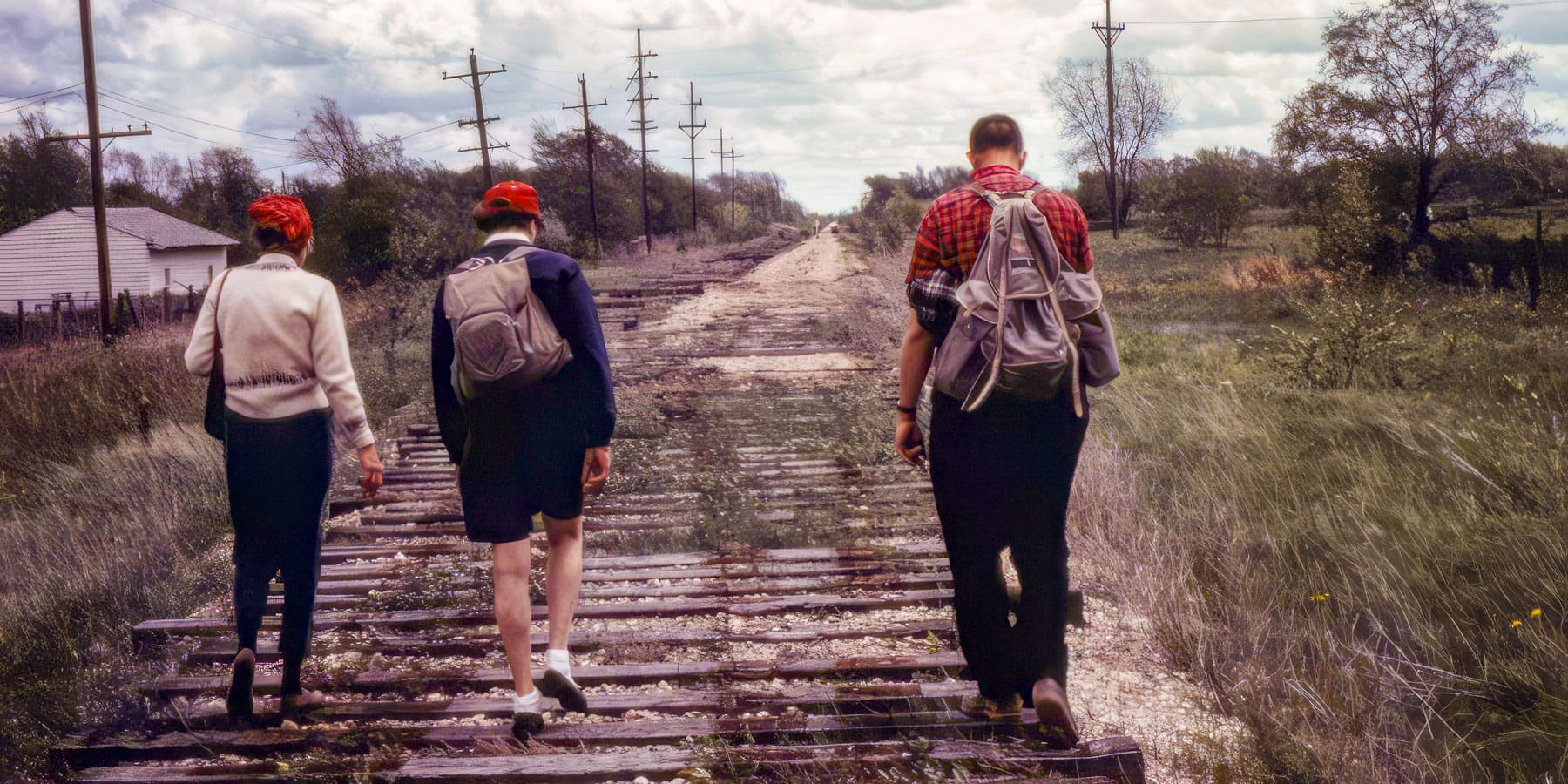
Watts and her group, led mostly by women, began their campaign to secure a lease for what they began calling the Illinois Prairie Path (IPP). They took community members on hikes along the tracks, studied maps, gave public presentations, met with government officials across the local, county, and state governments, and frequently led hikes along the proposed path. One such hike on a cold and rainy day in 1965 drew 200 people despite the weather.
Watts and her cohort connected with Gunnar Peterson of the Open Lands Project, which became an important, experienced ally with political contacts and know-how, as there were a lot of legal and bureaucratic headaches involved in developing the path. The railroad had owned the land, but once the railroad was abandoned, the property was returned to various owners. The largest owner was DuPage County, which wanted the property for various municipal purposes.
After “just 953 days or 2.6 years, they secured a 12-year lease” for 27 miles of the path, according to the IPP’s history. With their lease, Watts and the group formed a nonprofit and set about recruiting an army of volunteers composed of community members, businesses, schools, and local scout troops to clear the path. In 1971, the Department of the Interior named the Illinois Prairie Path a National Recreation Trail. Though many people and organizations were involved, Watts is often credited as the path’s biggest champion and most important leader.
“May Watts was the person behind it all,” Keller said. “I was thinking about what a linear pathway is. It’s something that is a thread that connects different places together. It’s this idea that everything is democratic, and you get on it no matter who you are or where you are. It’s something everyone has access to, and that was really important to her and to the women who supported her as well.”
The rail trail now stretches approximately 61 miles in Cook, DuPage, and Kane Counties and is used by walkers, runners, and cyclists. It was one of the earliest trails in what would become the nationwide “rails-to-trails” movement. In the Chicago area alone, there is the Green Bay Trail, the 606, the Major Taylor Trail, the Skokie Valley Trail, and the Great Western Trail.
For Watts, who died in 1975, preservation never meant removing people from the landscape but acknowledging their presence and responsibility within it.
“We can’t ignore the fact that man is here,” Watts said in the Studs Terkel interview. “This is a tendency sometimes for ecologists to play the game as someone has said, ‘Let’s pretend man isn’t anywhere,’ and it’s all pure nature. Nature and man in connection working together are really quite a handsome thing.”
Related Content