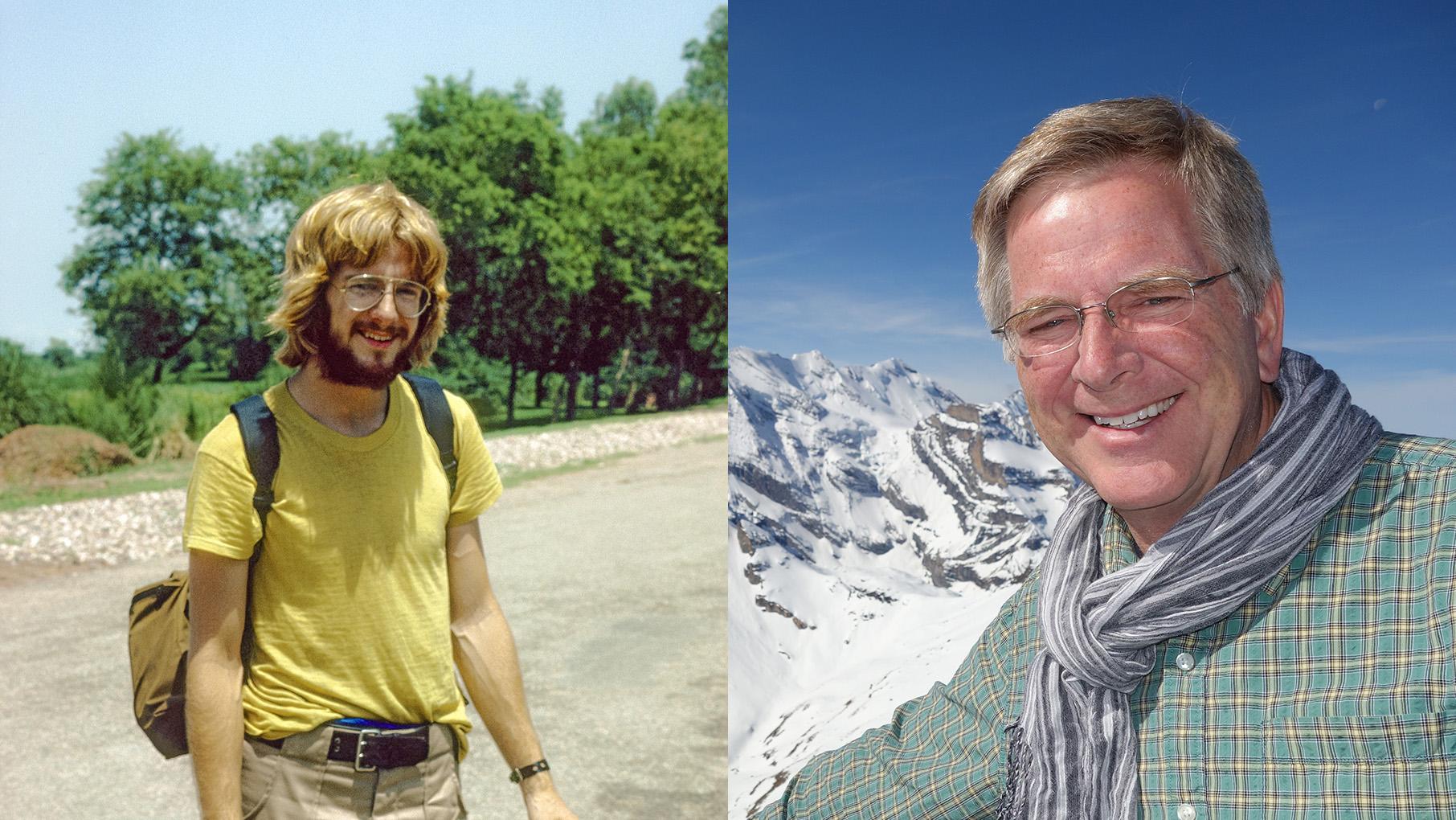
Rick Steves Explores the Spectacular Landscapes and Unique Culture of Iceland in a New Special
Daniel Hautzinger
August 15, 2024
Rick Steves' Europe: Iceland is available to stream.
In his latest special, Rick Steves ventures further afield to explore the otherworldly landscapes and unique culture of Iceland for the first time in a TV show. Rick Steves Iceland takes viewers not just to Reykjavík and the popular day trips outside it but also to remote peninsulas, fjords, and towns that are less frequently visited.
Cameron Hewitt, the associate producer and writer of the new special, is a co-author of Steves’ Iceland guidebook who has been working with Steves for 24 years. We spoke to him about the new show and the appeal of Iceland.
This interview has been condensed and edited for clarity.
What draws you to Iceland?
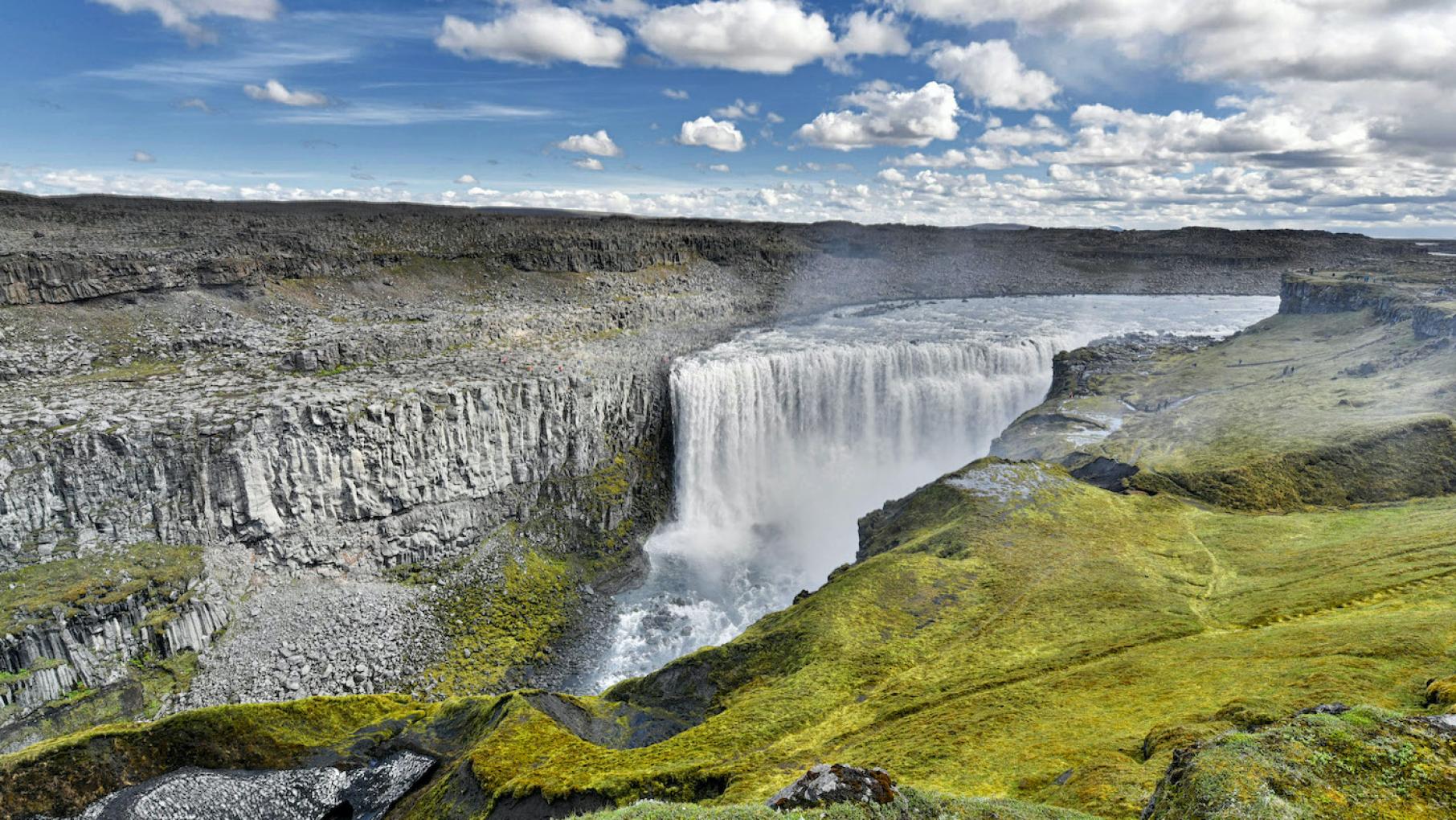
What I love about Iceland is its incredible natural wonders. It's really a spectacular landscape. You see things there and experience things there that you just don't find anywhere else in Europe. You have volcanoes and glaciers and steamy geothermal fields and jagged fjords and beautiful coastlines and lava rock landscapes. It’s European because it was settled by Scandinavians. It’s sort of halfway between Europe and the U.S., so it feels mostly European and a little bit American, but culturally it's really European. And yet the landscape is something you don't find anywhere else in Europe.
What are some of the reasons that Iceland has become such a popular tourist destination recently?
I've heard a lot of different interpretations, but several things happened around 2009, 2010. 2010 was when that big volcano eruption of Eyjafjallajökull in Iceland happened that interfered with European air travel. There was a period where there was so much ash in the air that you couldn't fly between the U.S. and Europe for a few days. That really grabbed headlines, and I think it called people's attention to the geological interest of Iceland.
Another thing was that Iceland's economy really got hit by the global economic crisis in 2008, 2009. Around that time, the Icelandic Tourist Board said, “There's a lot of potential here for attracting visitors, both from the U.S. and from Europe, or Americans on their way to Europe.” So Icelandair began their layover program where you could stay for a couple days if you had a layover.
And it's really well suited for that because the international airport is in a lava field, so even as you're landing, you're very aware that this is a different kind of landscape. There are some really compact and accessible day trips that you can do in 24, 48, 72 hours.
This is anecdotal, but my sense is a lot of folks stop off for a couple days and fall in love, and want to go back next time and do a longer trip. Even for a small island, there's plenty to do even for two weeks or more, especially if you're into those kind of landscapes.
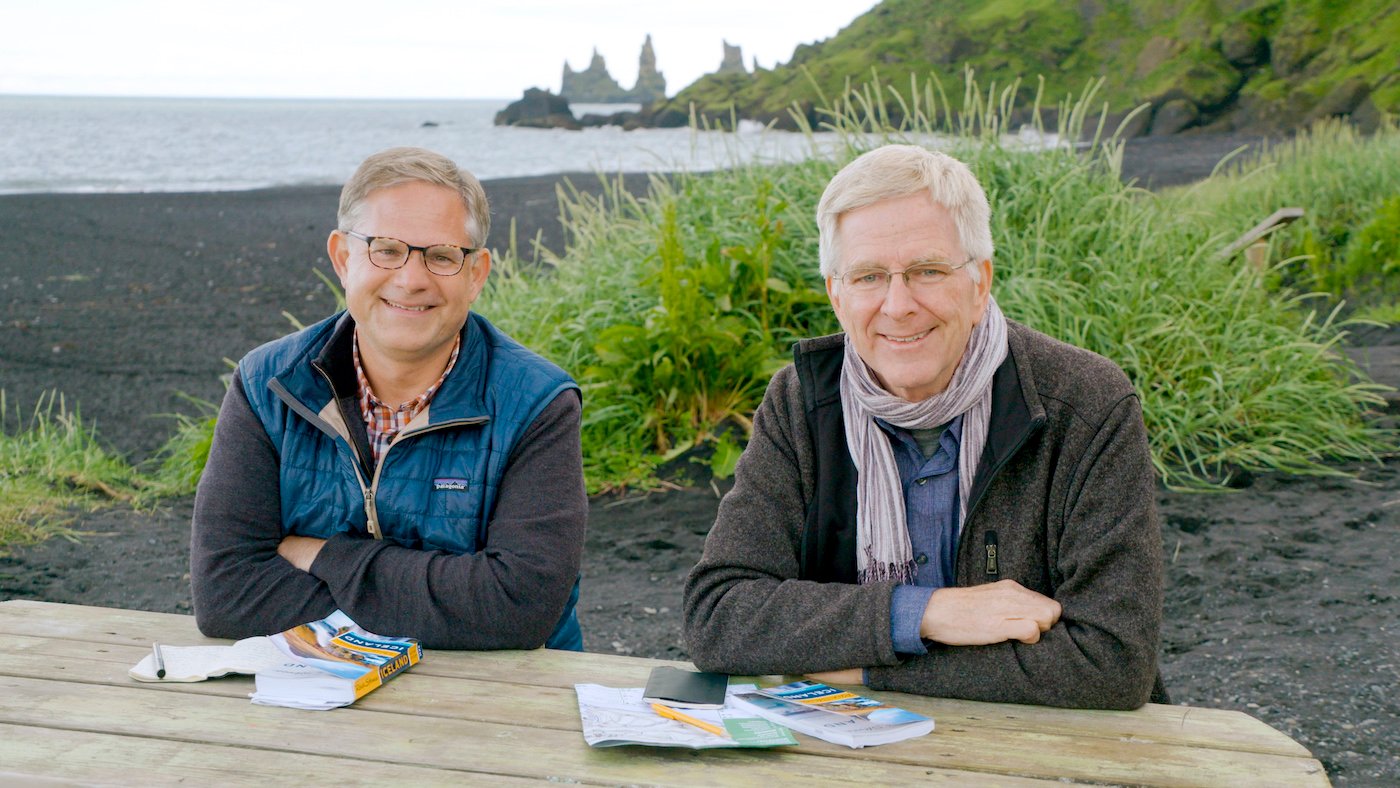
One of those longer trip options, which you include in the special as “Europe’s ultimate road trip,” is the Ring Road, which goes around the perimeter of the island.
Rick and I decided that, if we’re going to do Iceland, let’s do it right and make sure we include that. You could do one show on Iceland that was Reykjavík and the most popular day trips, which are the Golden Circle and the South Coast. Each of those is one day from Reykjavík. And then, of course, the famous Blue Lagoon spa. But the more you see of Iceland, the more each little region around the Ring Road reveals itself with lots of fun, interesting variations on what you’ve seen elsewhere.
Do you have a favorite place there?
There’s so many to choose from. There’s a geothermal region up in northern Iceland called Mývatn. Driving around, I kept thinking, “This is kind of like Iceland's Yellowstone.” In a small area, you drive around and there's just this incredible variety of landscapes. There’s the bubbling and steaming geothermal landscape. There's a giant volcanic cone that you can hike to the top of. If you drive around the lake, there are these pseudo-craters, which are giant bubbles of molten rock that collapsed in on themselves. Then you drive five more minutes and there's these pinnacles of rock called the Dark Castles. And because it's about a six-hour drive from Reykjavík, it doesn't get a lot of daytrippers. It’s a little more of an untrampled experience.
Another is the Herring Era Museum in this little town called Siglufjörður on the northern tip of Iceland. It's all about how in the early twentieth century, it was the herring fisheries in these tiny, isolated communities in the north of Iceland that helped establish the Icelandic economy. Iceland didn't get its independence from Denmark until the mid-twentieth century. So arguably it was little communities like Siglufjörður and its herring fisheries that allowed Iceland to be strong and independent and led to them being a sovereign country. The men did most of the fishing, but the women did the cleaning and the processing of the herring, and they call them herring girls. It's kind of a Rosie the Riveter thing.
You're in the middle of nowhere in Iceland and you're in this beautiful town on a fjord, and the last thing you would expect would be a top-quality museum that's just absolutely fascinating. I'm sure most people are really impressed with the volcanoes and the glaciers and the puffins and the whale watching, and we do cover all of that in the show. But I was really jazzed to get up to this little town and be able to share with our American viewers the story of Icelandic herring fisheries. It's more compelling than anyone would imagine.