



Facebook icon Twitter icon Instagram icon YouTube icon

Riding the Rails

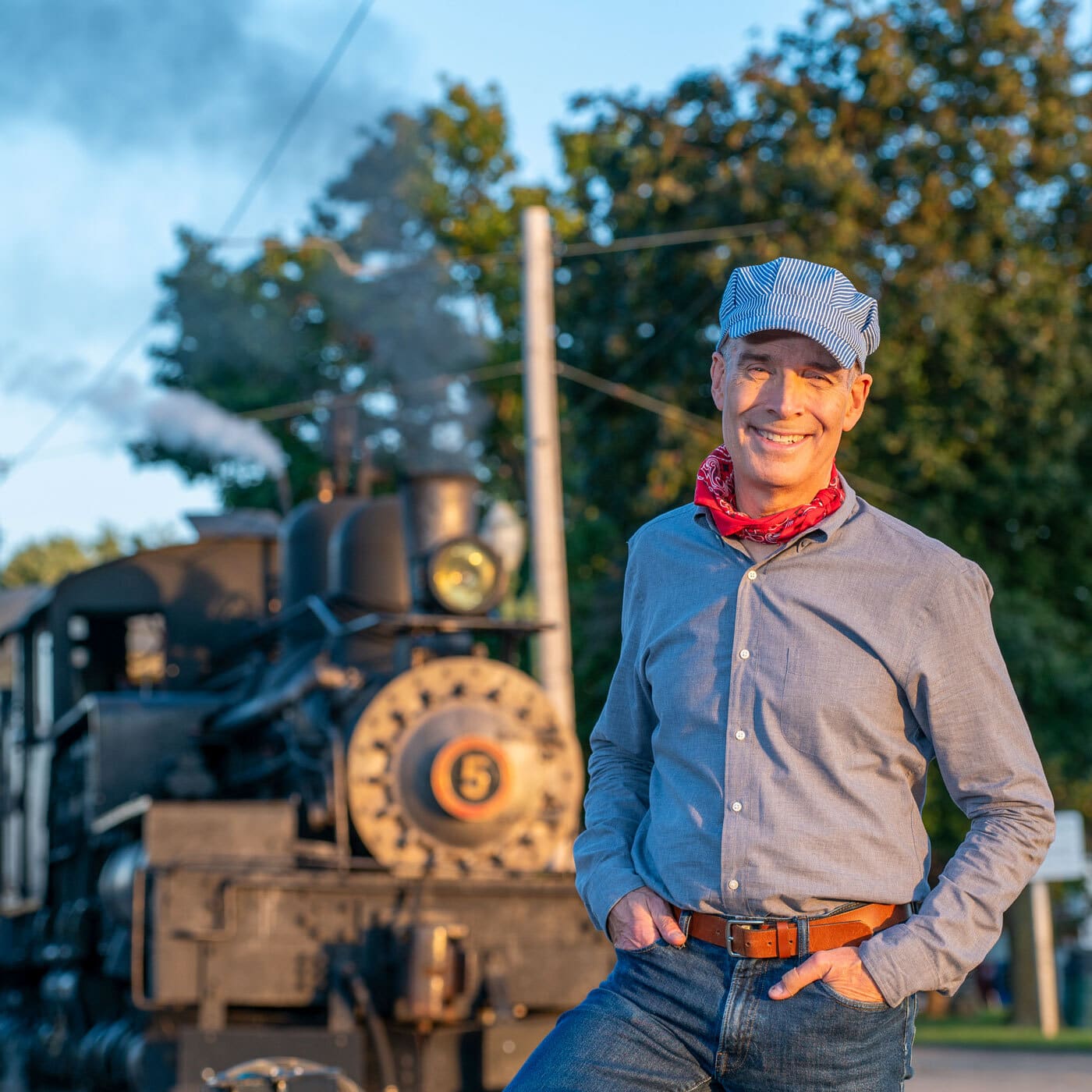
Host Geoffrey Baer stands in front of a steam engine

All Aboard!

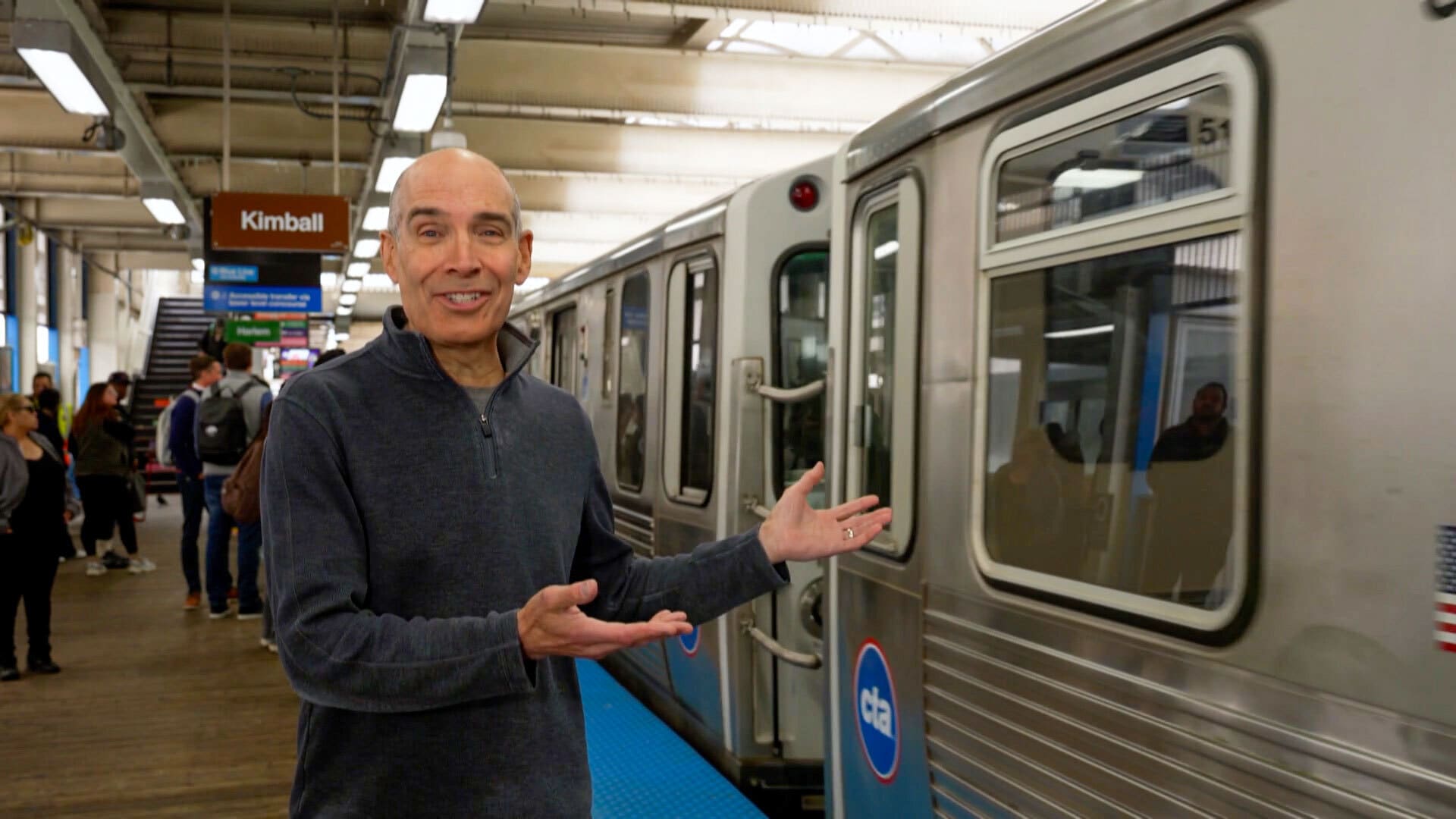
There’s no denying the magical appeal of trains – the nostalgia, the sheer power, the thrill of the journey. And there’s no place that captures that magic better than America’s railroad capital: Chicago. Join host Geoffrey Baer as he rides every kind of railroad, from Metra and Amtrak to still-operating streetcars and steam engines, and explores how Chicago and its suburbs are, in many ways, a creation of the railroads. Discover how the glory days of rail aren’t a thing of the past.

Watch the full show

From the Show

 
Image
Riding in Style: The Golden Age of Rail Travel: asset-mezzanine-16x9

Riding in Style: The Golden Age of Rail Travel

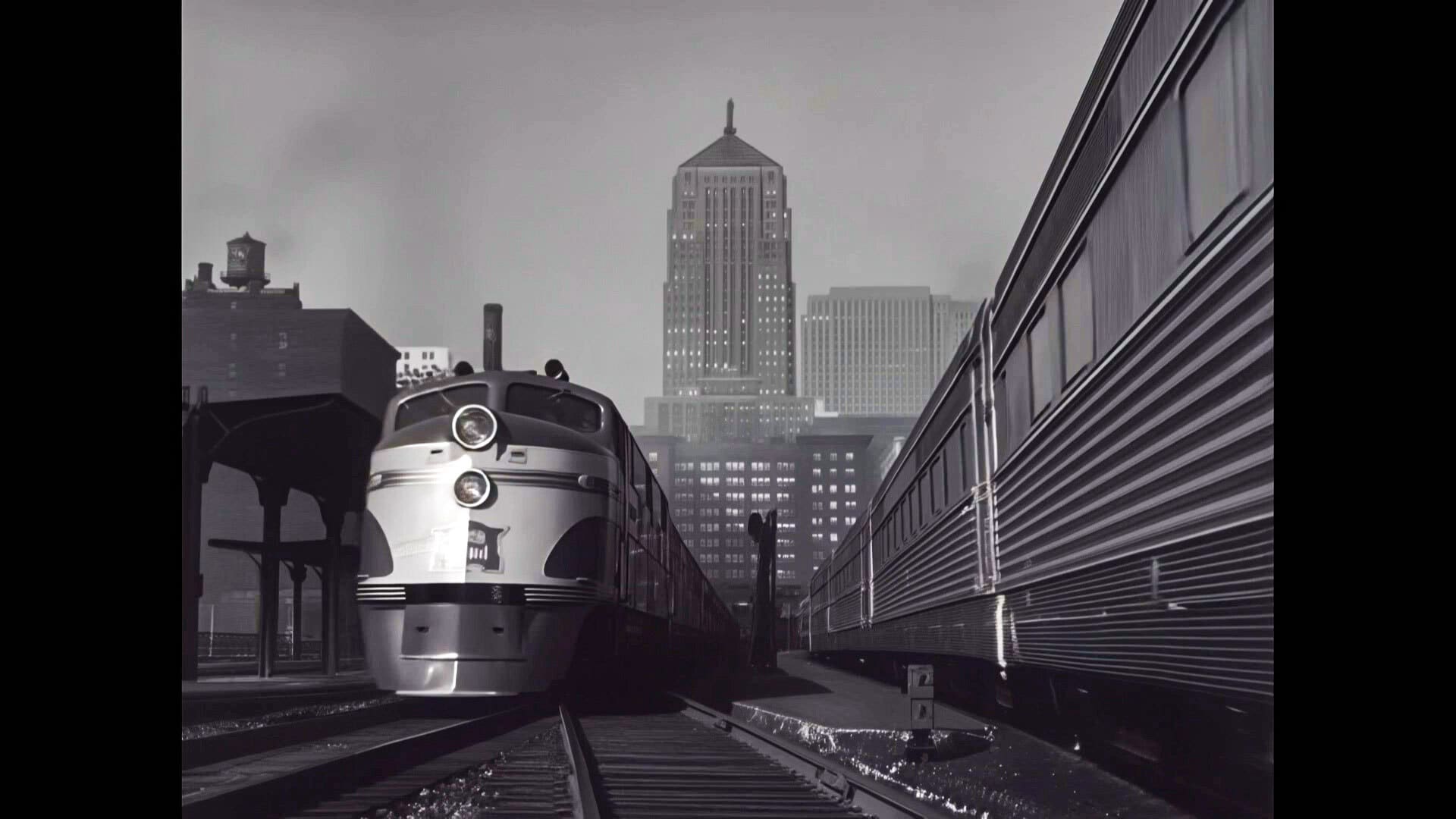
In the first half of the 20th century, railroads exuded a sense of glamour.

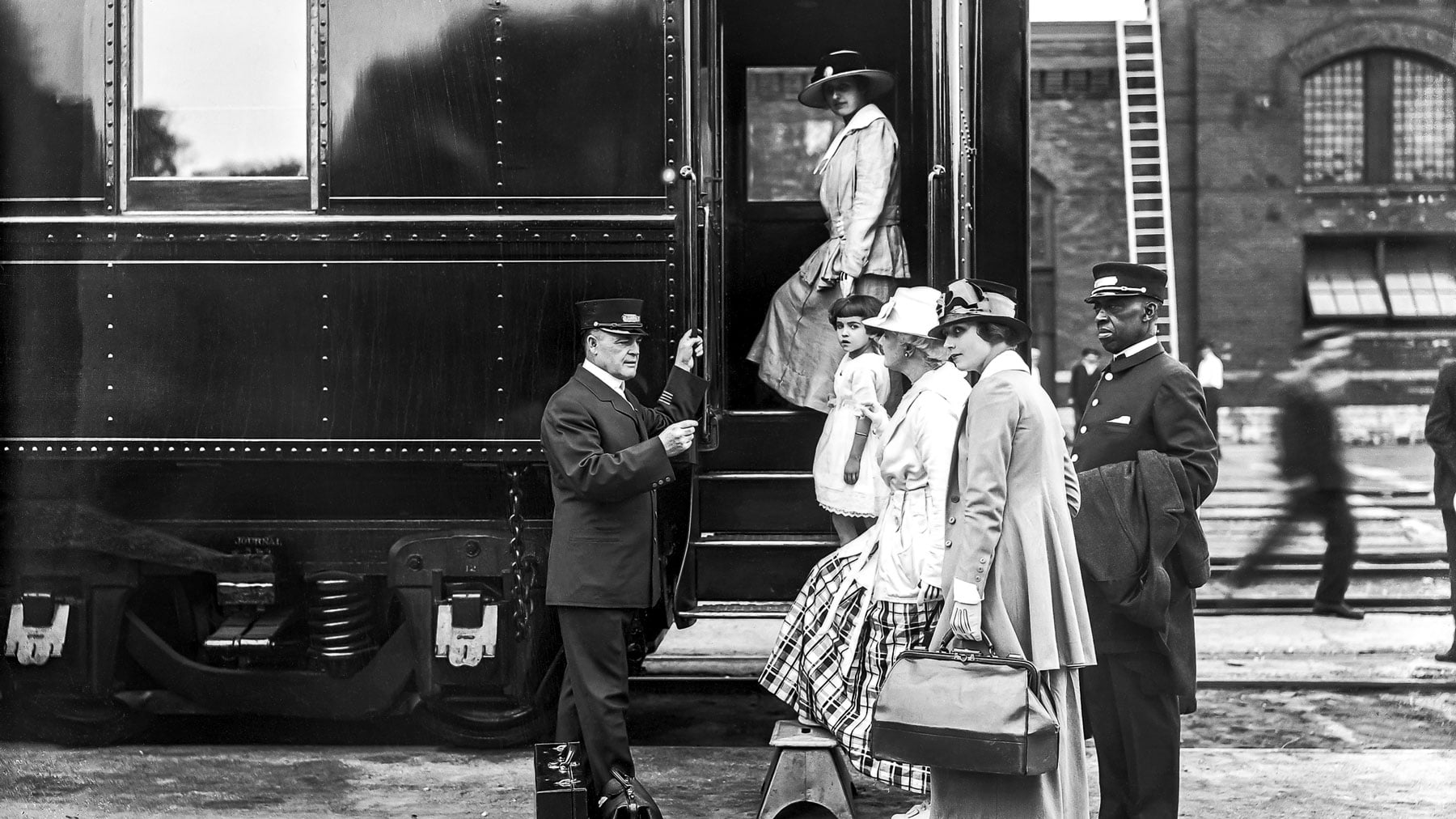
In the first half of the 20th century during the golden age of rail travel, railroads exuded a sense of glamour for passengers. Geoffrey Baer chats with Northwestern University transportation librarian Rachel Cole about how railroad companies made travel an experience. Lounges, dining cars and observation cars offered diversions, drinks, fancy menus, and ever-changing decor just out the window.


Image
The Innovation and Invisible Labor of Pullman Railcars: asset-mezzanine-16x9

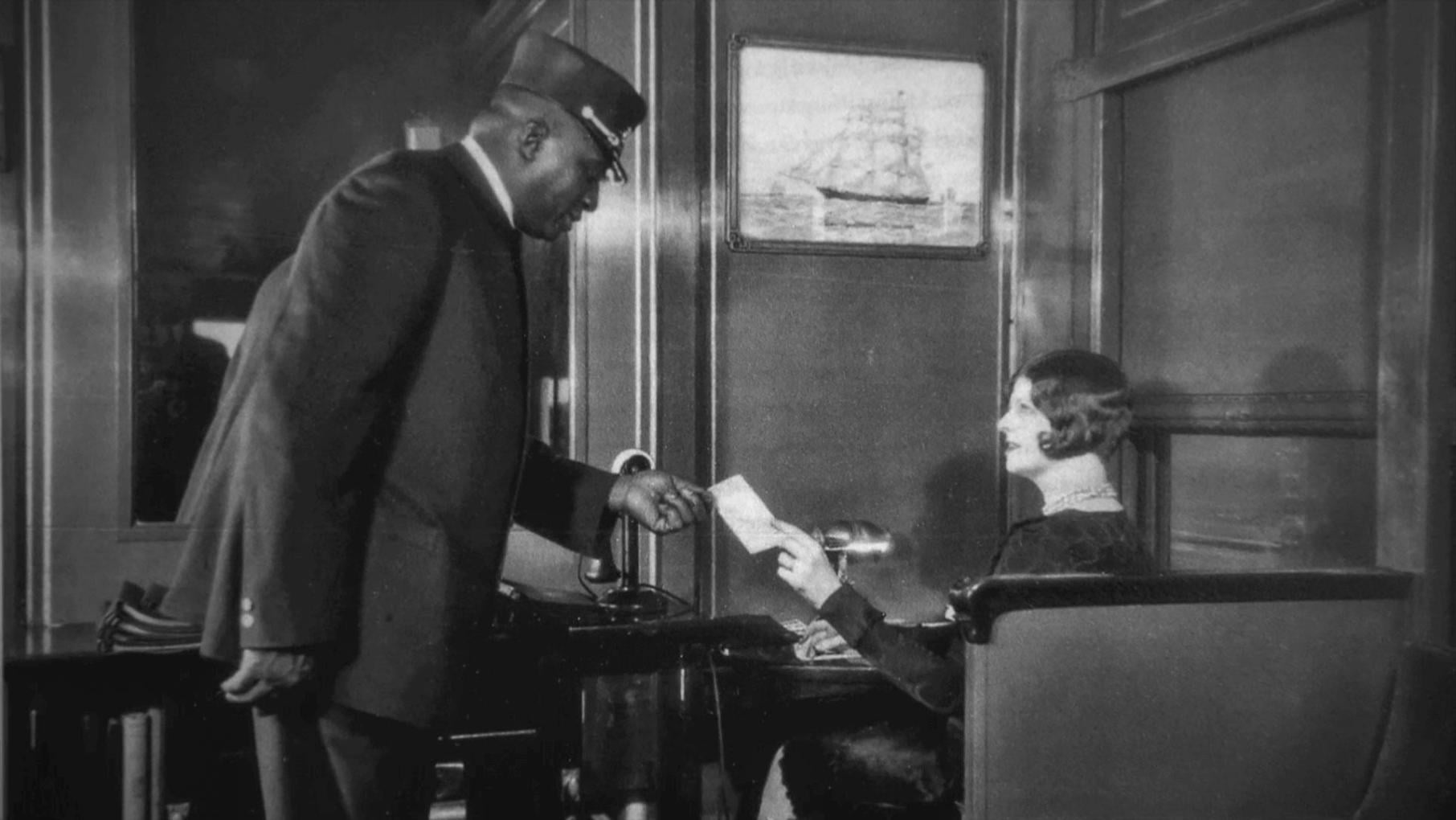
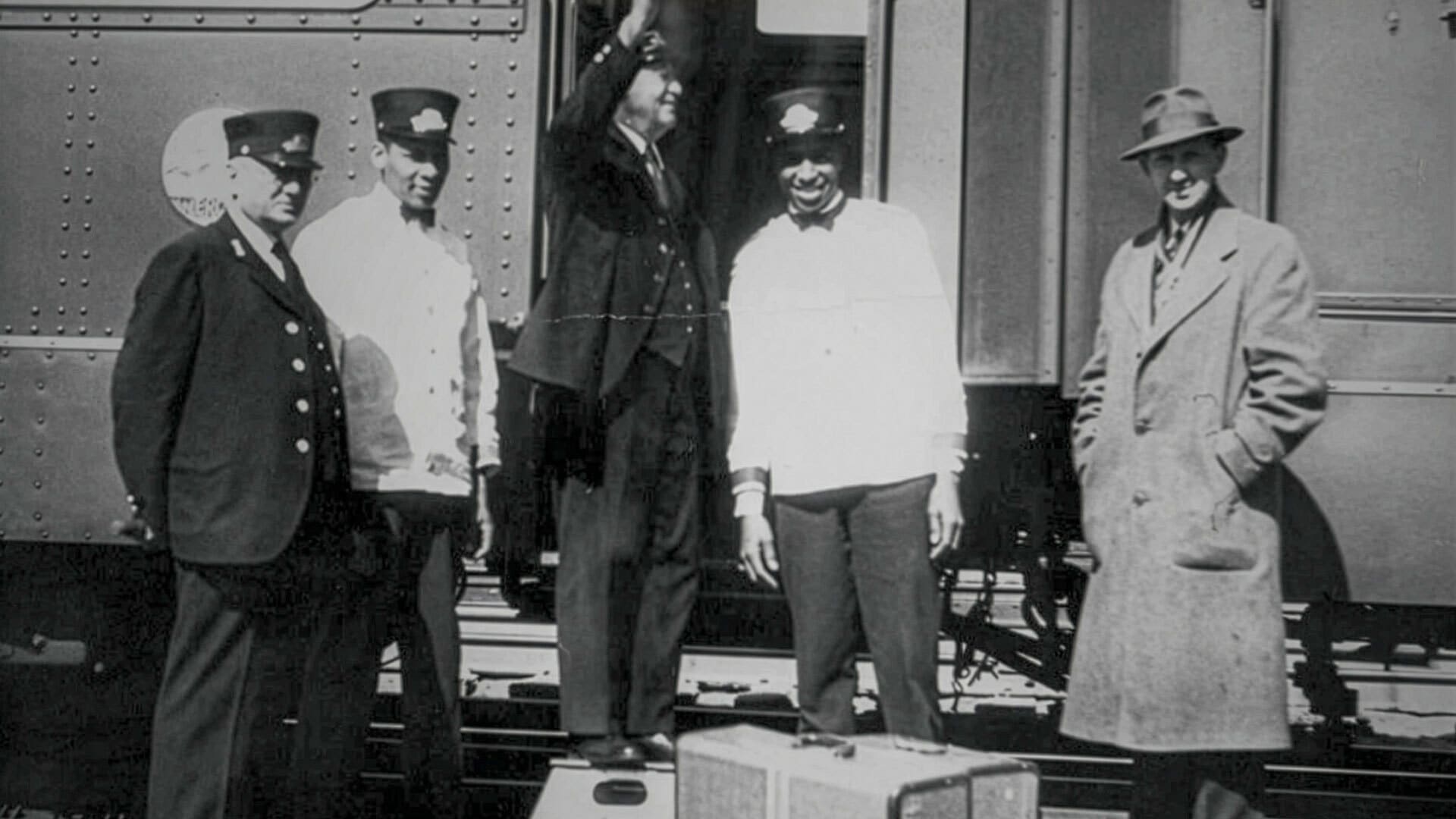
The Innovation and Invisible Labor of Pullman Railcars

As George Pullman expanded his rail car empire, he hired formerly enslaved men as porters.

George Pullman’s elegant sleeper cars transformed the rail experience in the 19th century. But the lives of the porters who tended to them were anything but glamorous, as Dr. Lionel Kimble tells Geoffrey Baer. Often formerly enslaved Black men, porters carried luggage, made the beds, served in the dining car, and even shined shoes while working long hours and staying in cramped quarters.


Image
Chicago’s Bygone Downtown Train Stations: asset-mezzanine-16x9

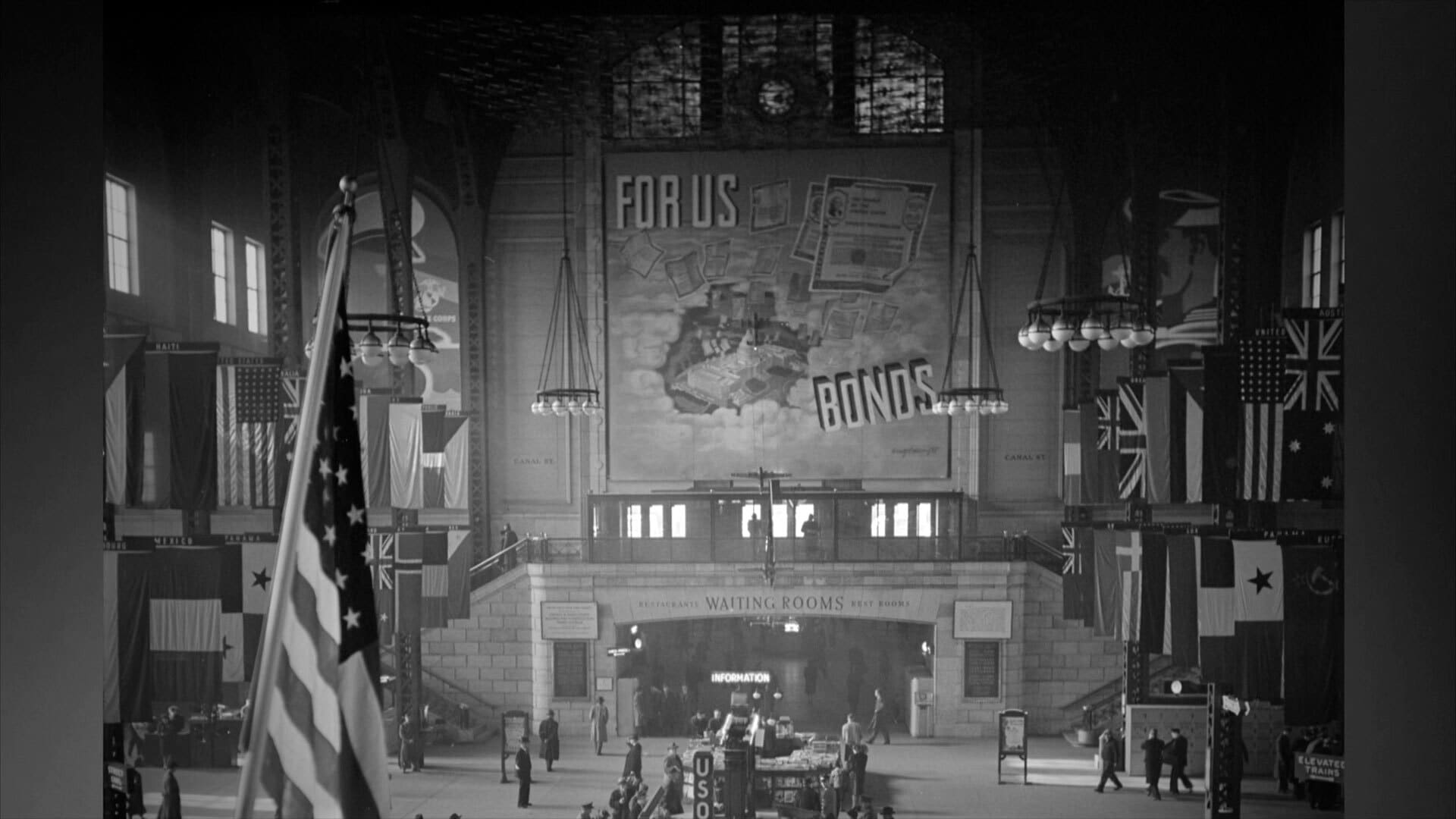
Chicago’s Bygone Downtown Train Stations

Chicago once had six majestic train stations downtown.

Ogilvie Transportation Center and Union Station still delight rail passengers in Chicago, but back in the day, downtown was home to six historic train terminals. Geoffrey Baer talks with DePaul University professor Joseph Schwieterman about how Chicago served as an essential passenger rail hub for the United States.


Image
How Trains Carried the Great Migration: asset-mezzanine-16x9

How Trains Carried the Great Migration

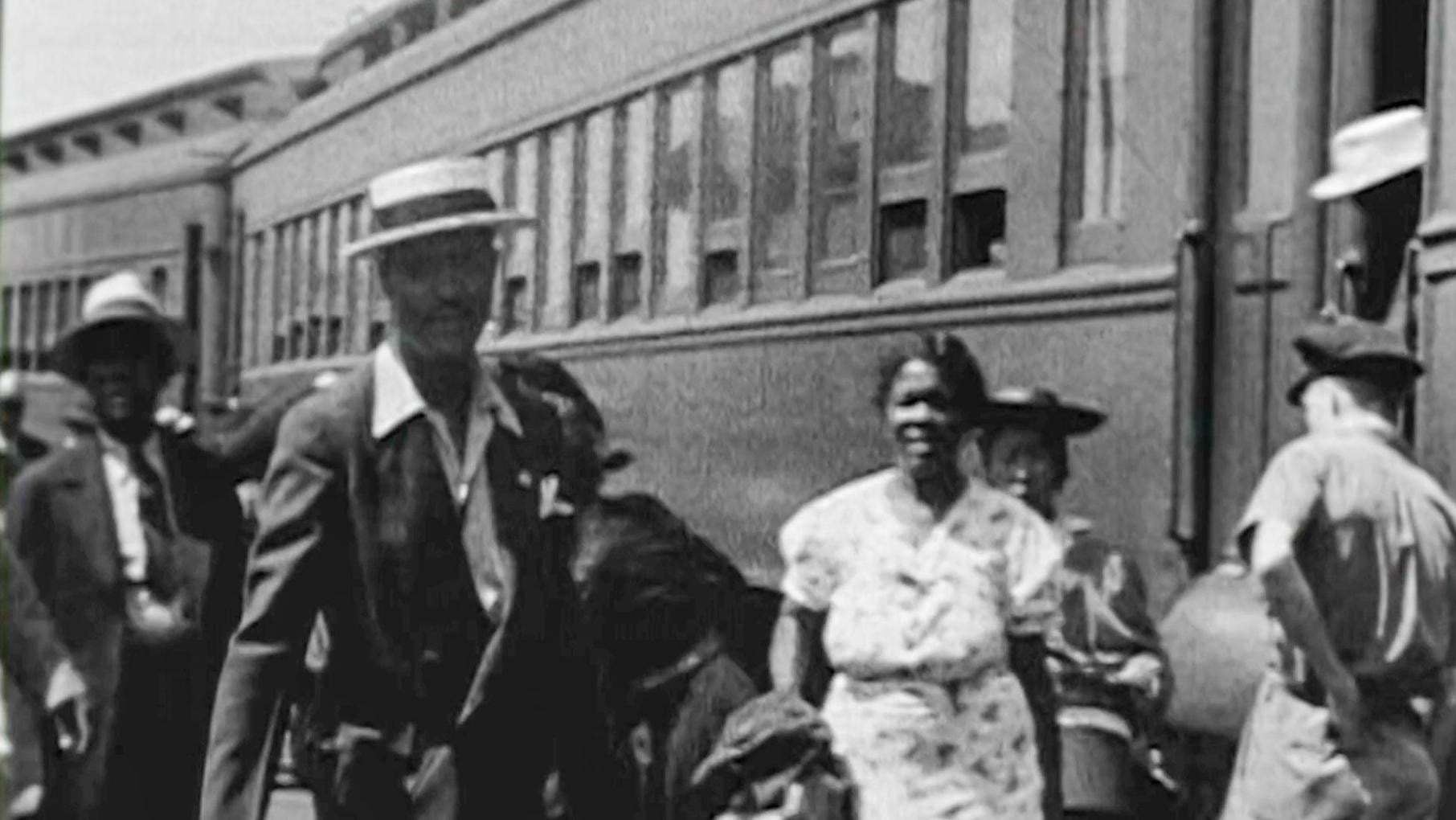
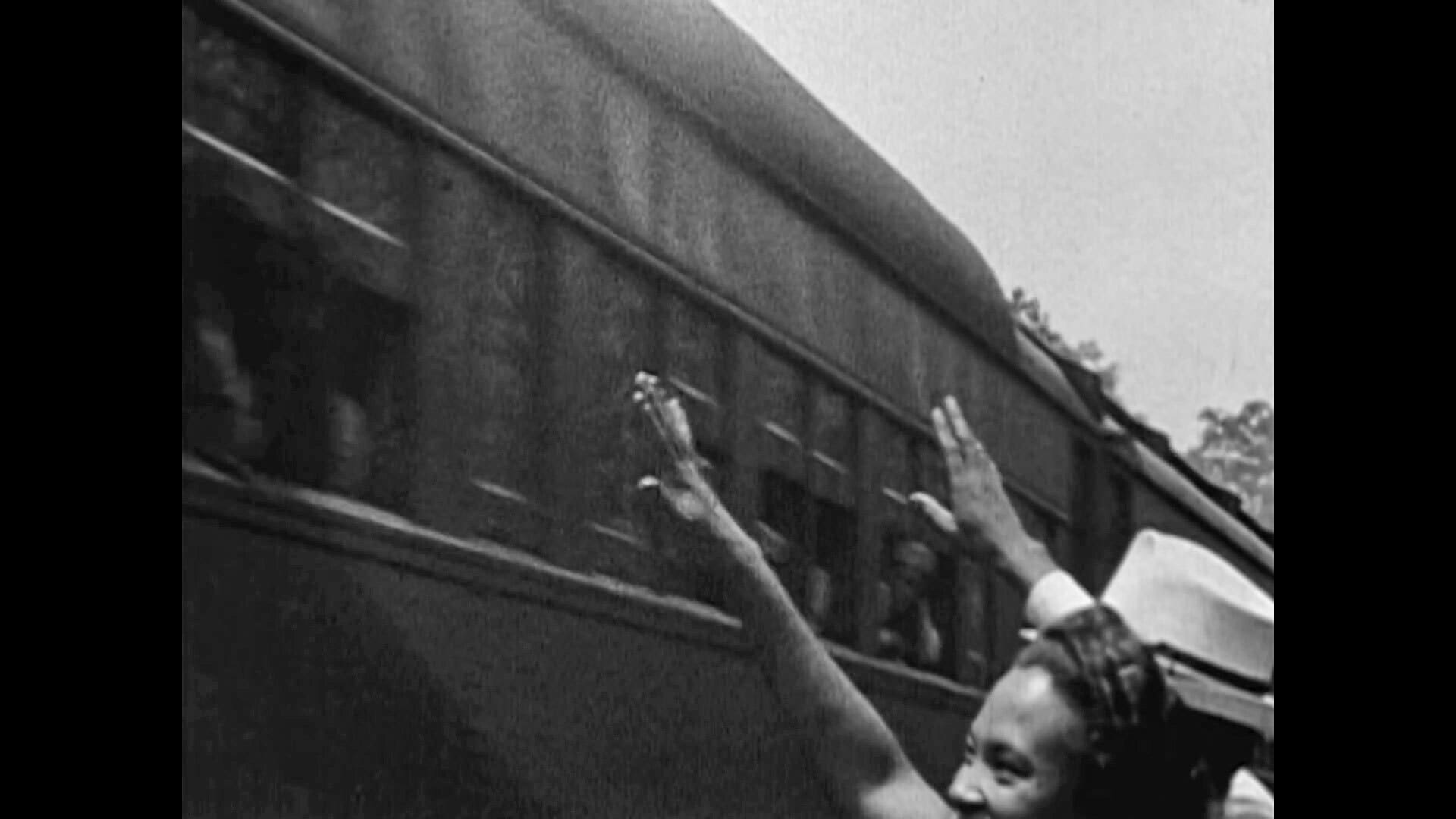
Trains played a big role for Black Americans traveling north during the Great Migration.

Trains played a major role in the Great Migration – the period between 1910 and 1970 that saw more than 7,000,000 Southern Black Americans move to Northern cities. Geoffrey Baer interviews author, poet, and professor Eve Ewing to discover how the train became a symbol of freedom and opportunity.


Image
Untangling America’s Busiest Rail Intersection: asset-mezzanine-16x9

Untangling America’s Busiest Rail Intersection

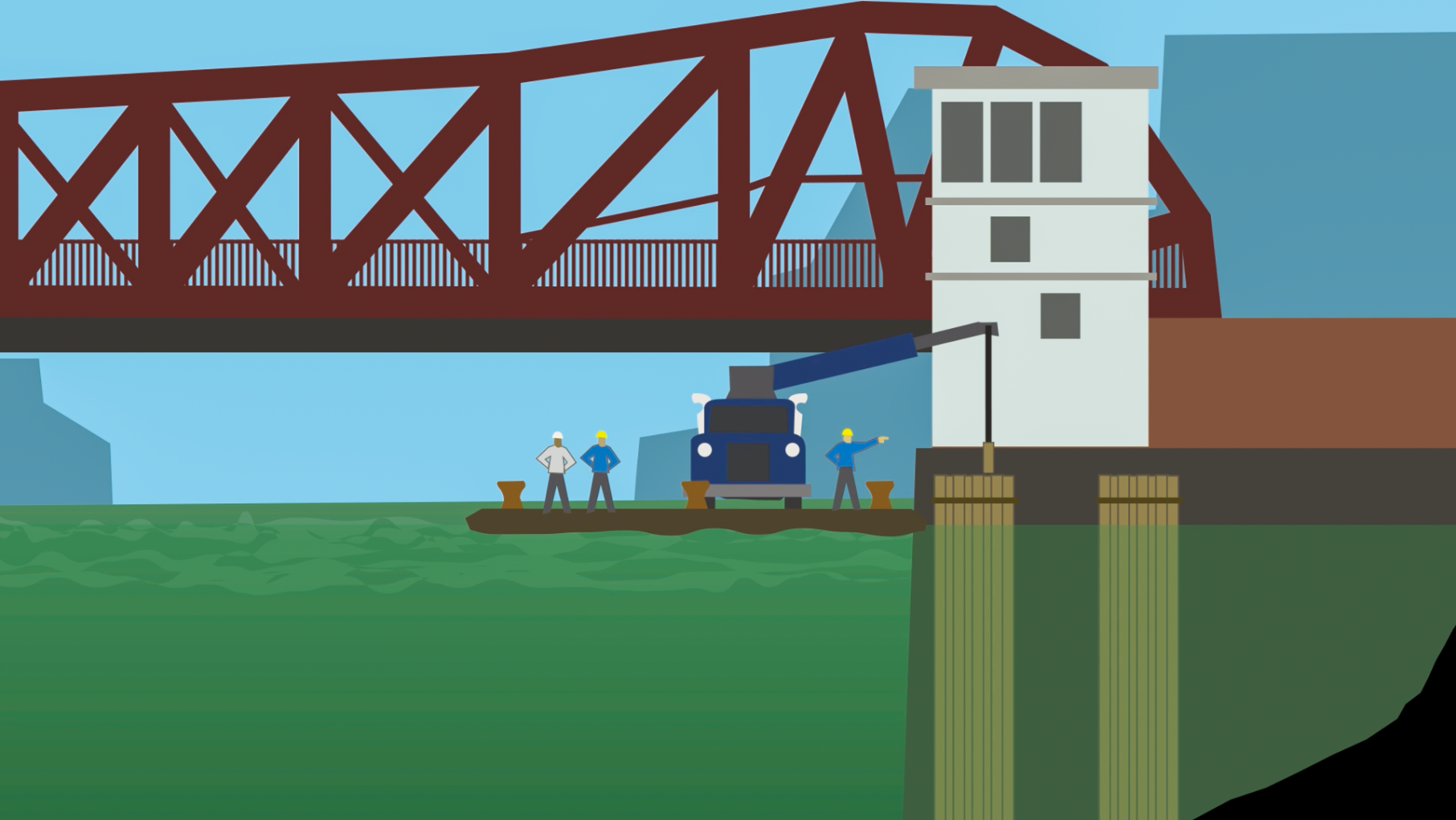
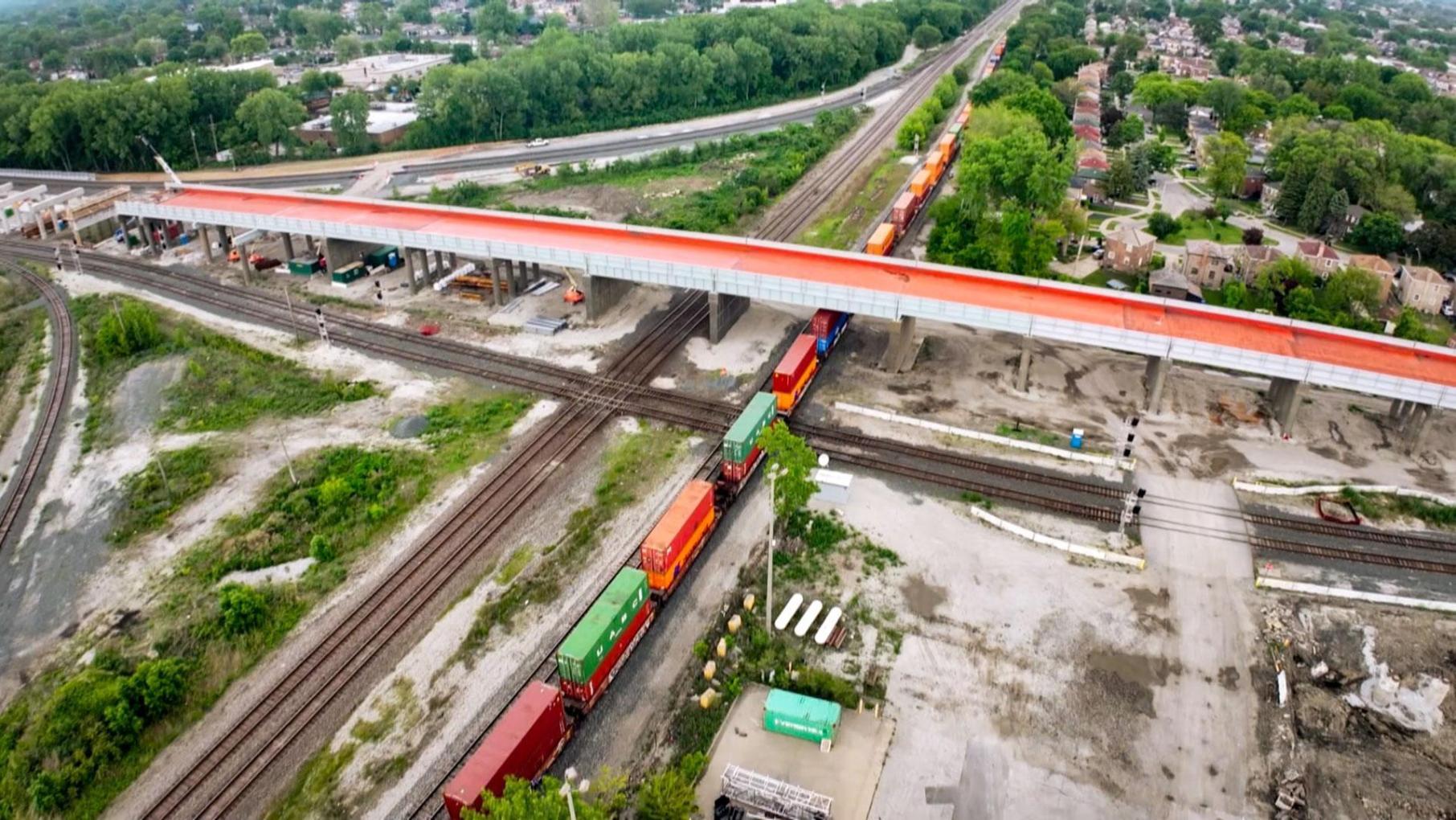
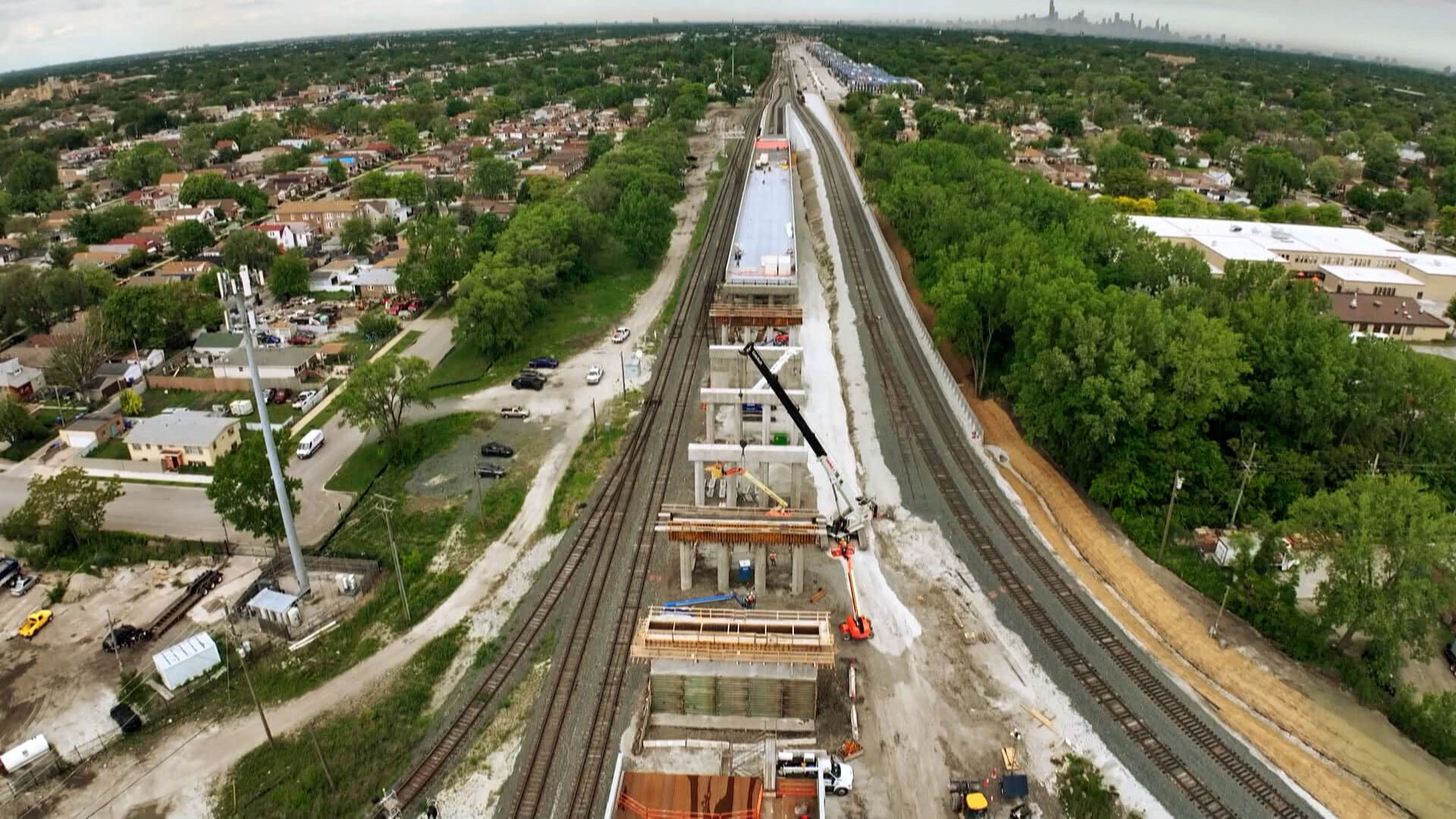
Geoffrey Baer visits America’s busiest and most frustrating rail intersection near Chicago.

Geoffrey Baer visits America’s busiest rail intersection on the South Side of Chicago, where crews are working to relieve a perpetual traffic jam that frustrates the flow of freight, Metra and Amtrak trains.


Image
Trainspotting with Rail Fans: asset-mezzanine-16x9

Trainspotting with Rail Fans

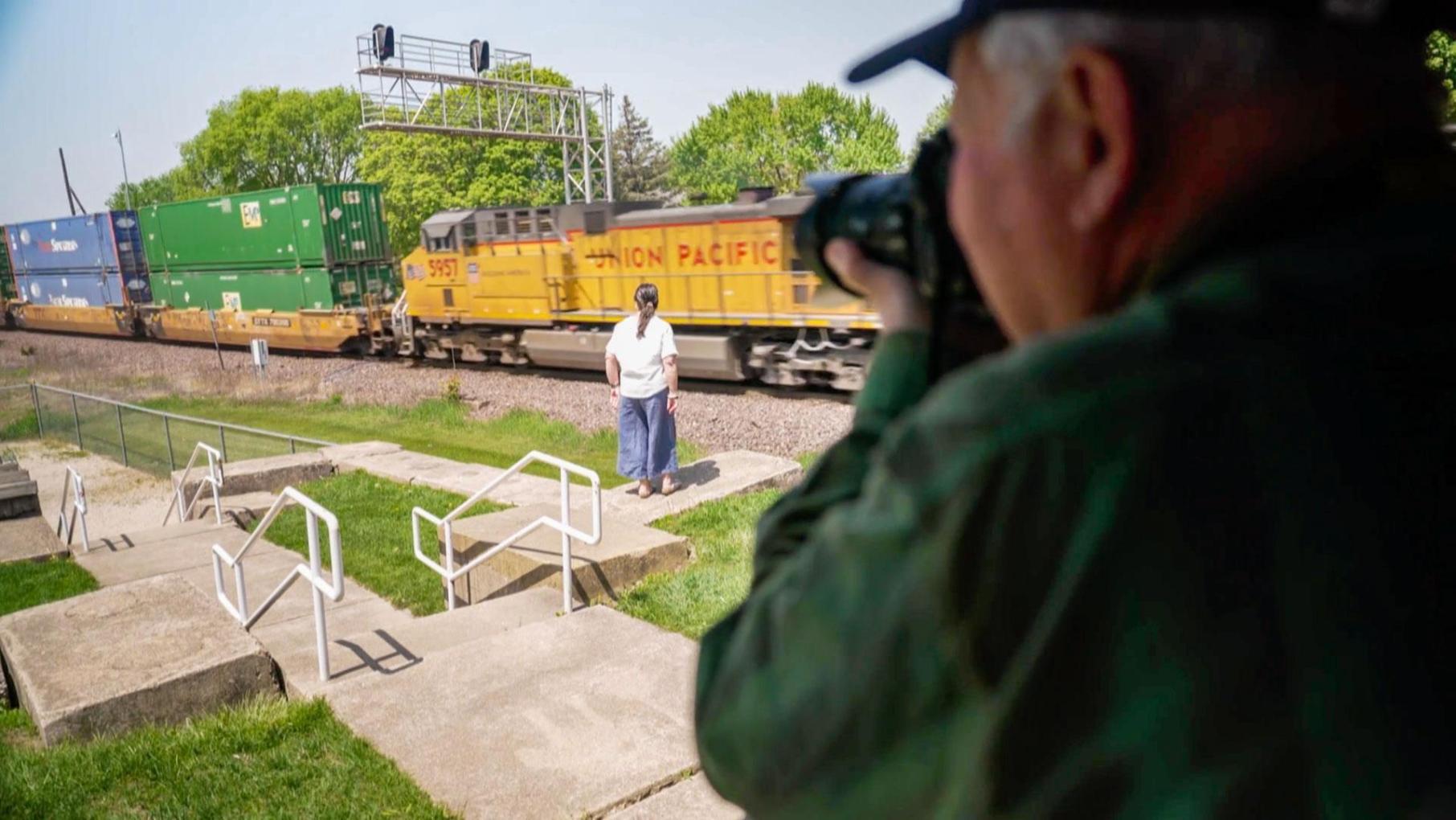
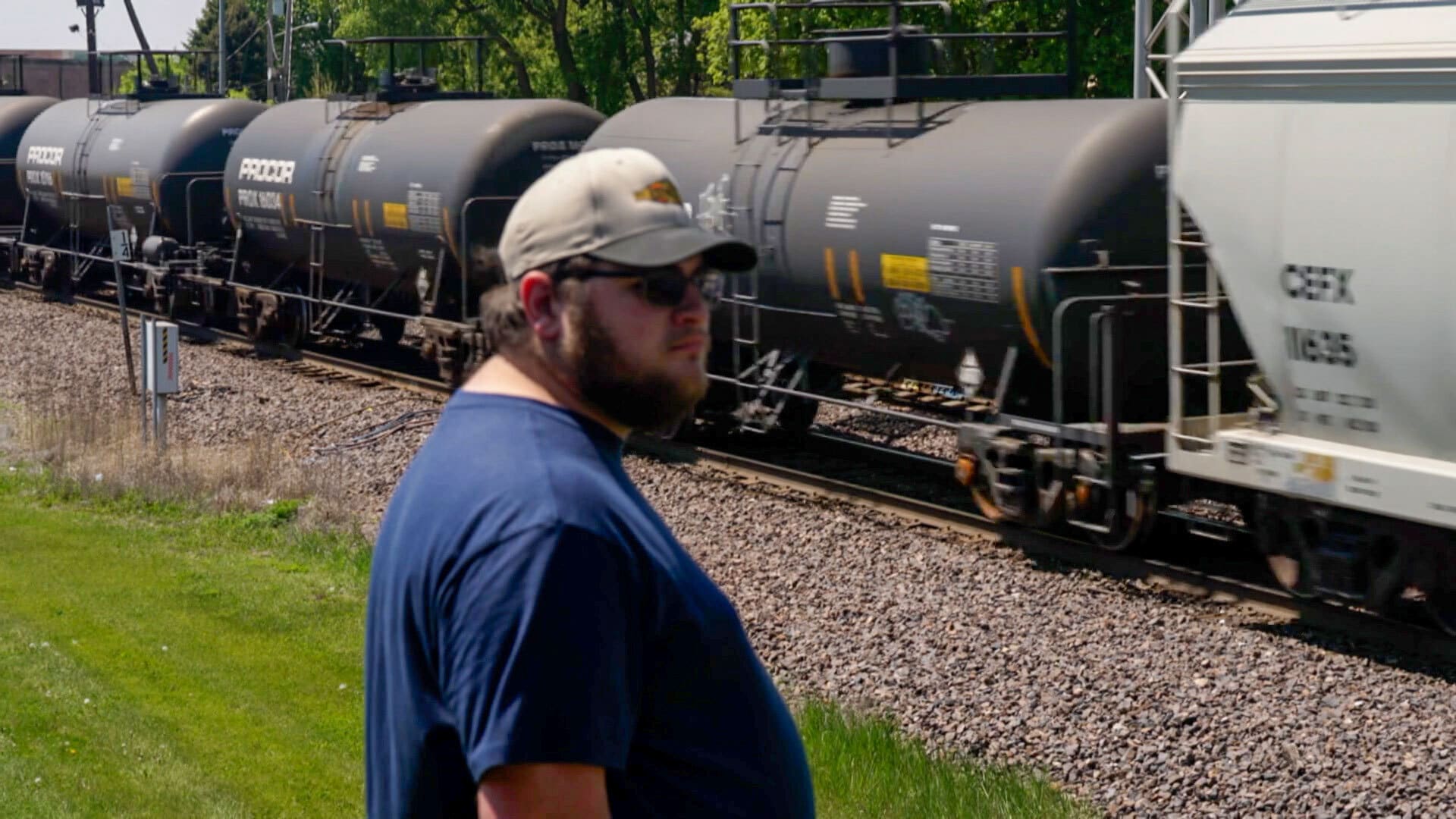
Rail enthusiasts gather at a busy railroad crossing in Rochelle, Illinois.

So many rail fans gathered regularly at a busy railroad crossing 90 minutes west of Chicago that the town of Rochelle created a small park for them. Geoffrey Baer chats with rail fans and joins in on the trainspotting.


Image
Go Inside an Intermodal Rail Container Yard: asset-mezzanine-16x9

Go Inside an Intermodal Rail Container Yard

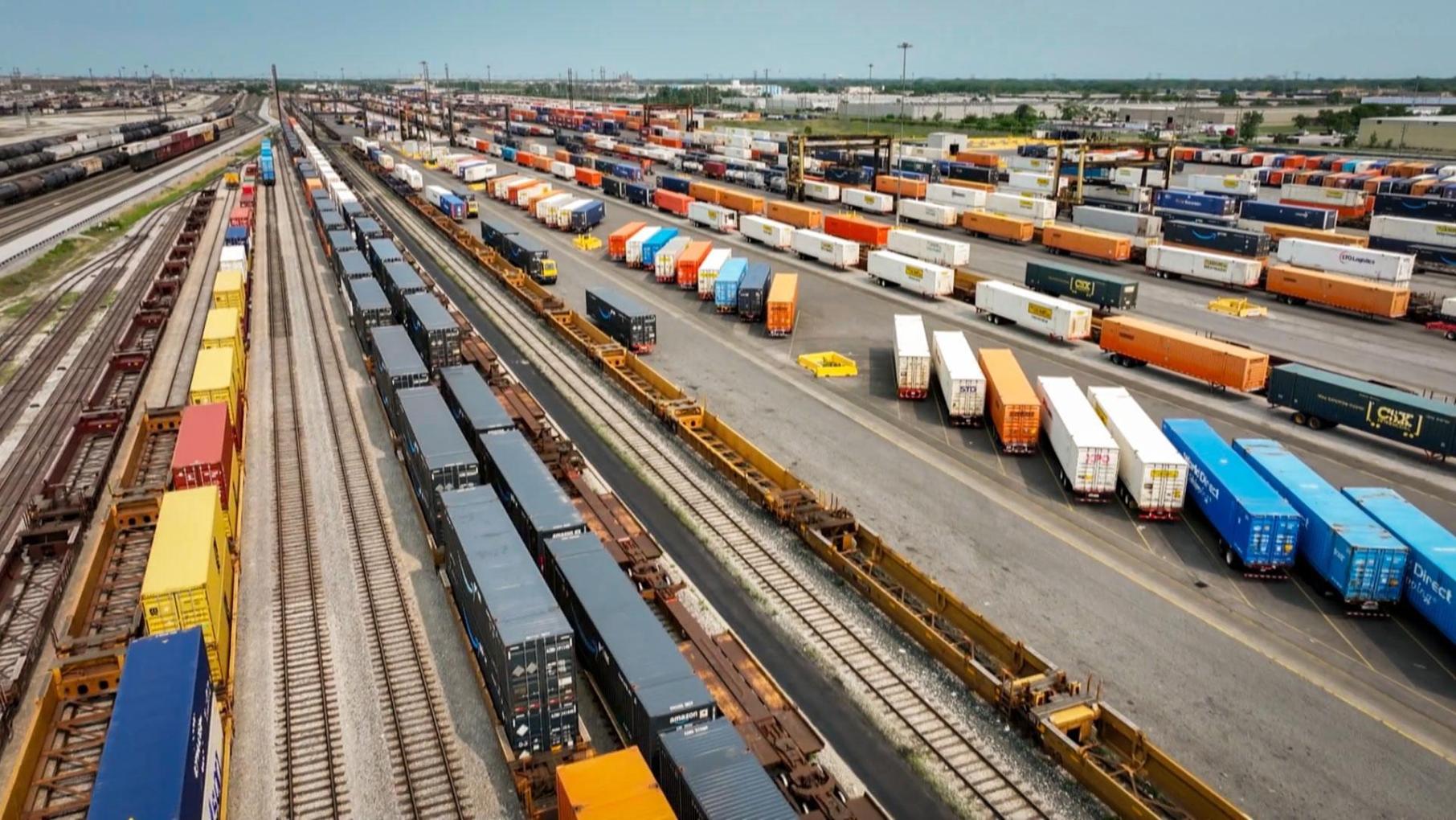
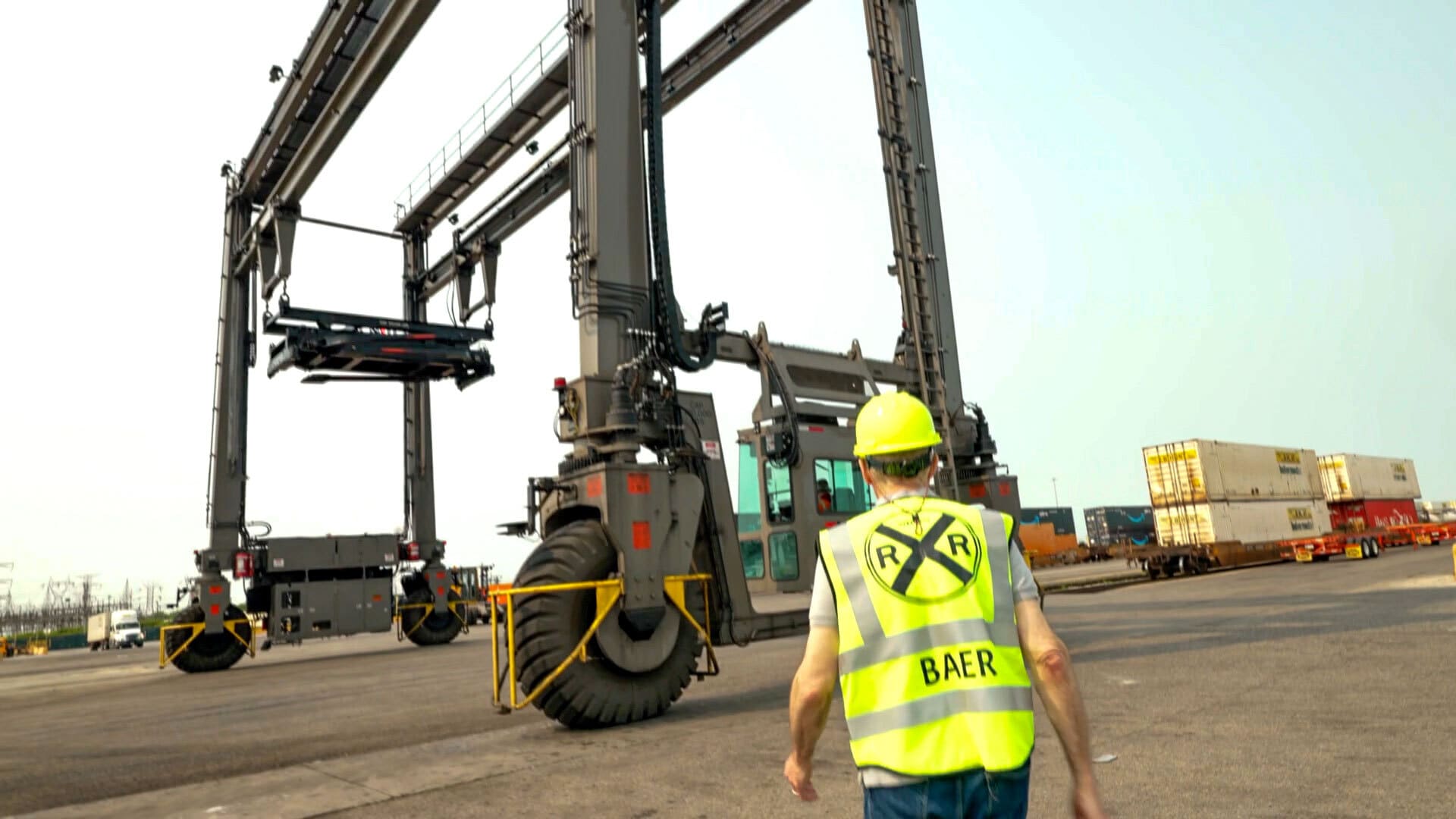
Visit the impressive CSX intermodal rail terminal near Midway Airport.

Near Chicago’s Midway Airport, the CSX container yard is one of 19 intermodal rail terminals in the Chicago area. Geoffrey Baer hops aboard a five-story-tall gantry crane to see how the pros get containers from trains to trucks.


Image
The Rondout Rail Robbery: asset-mezzanine-16x9

The Rondout Rail Robbery

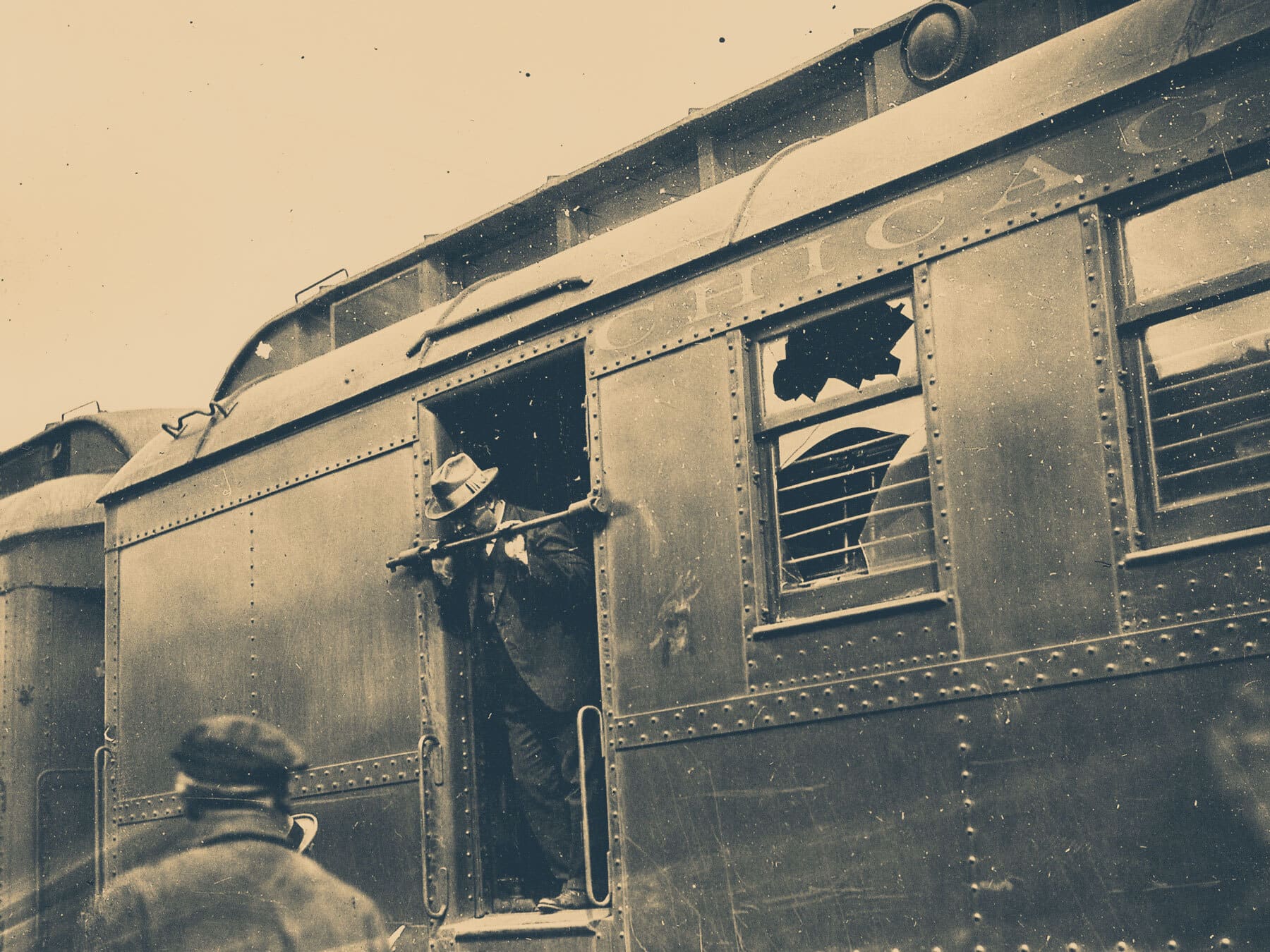
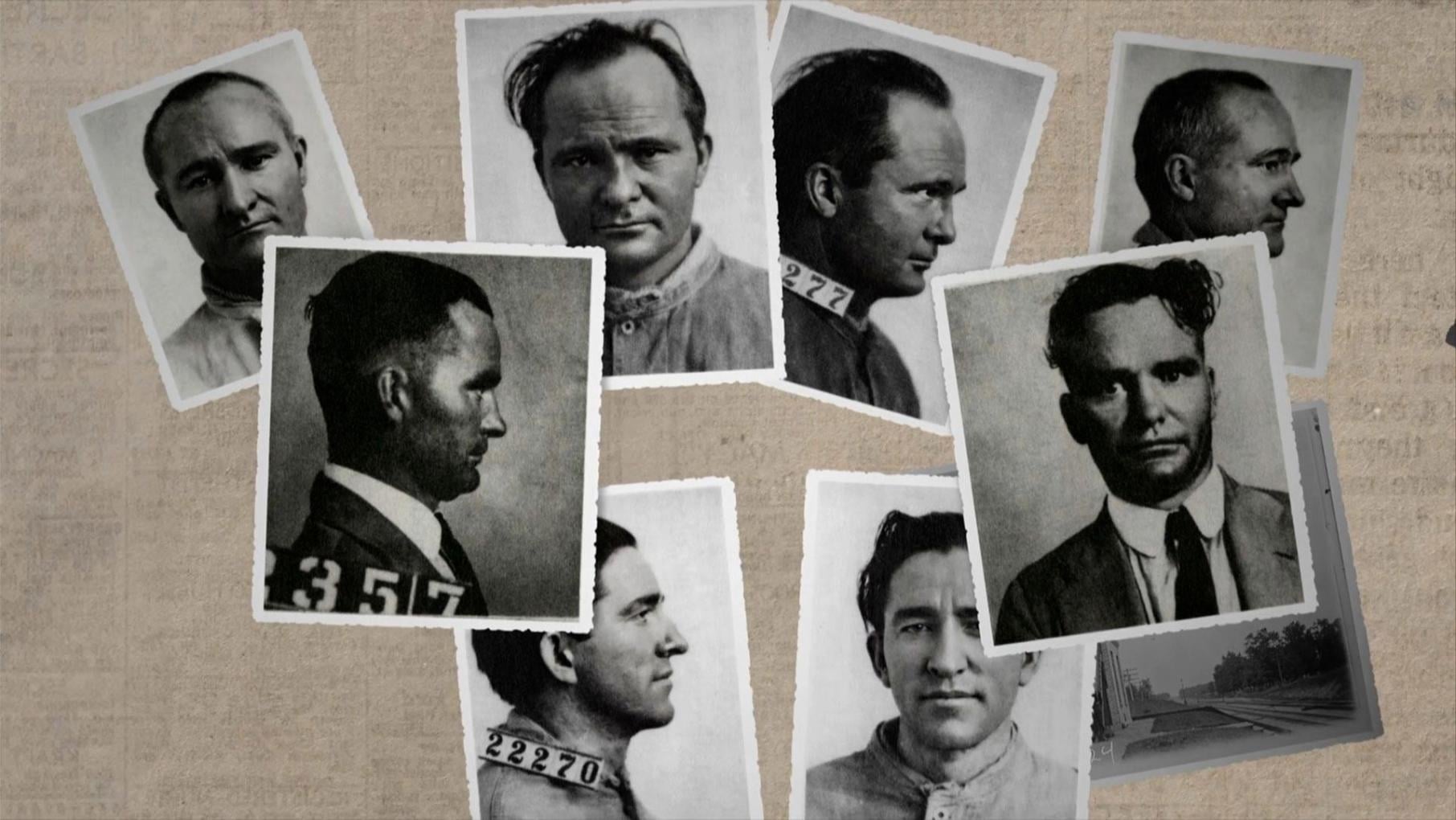
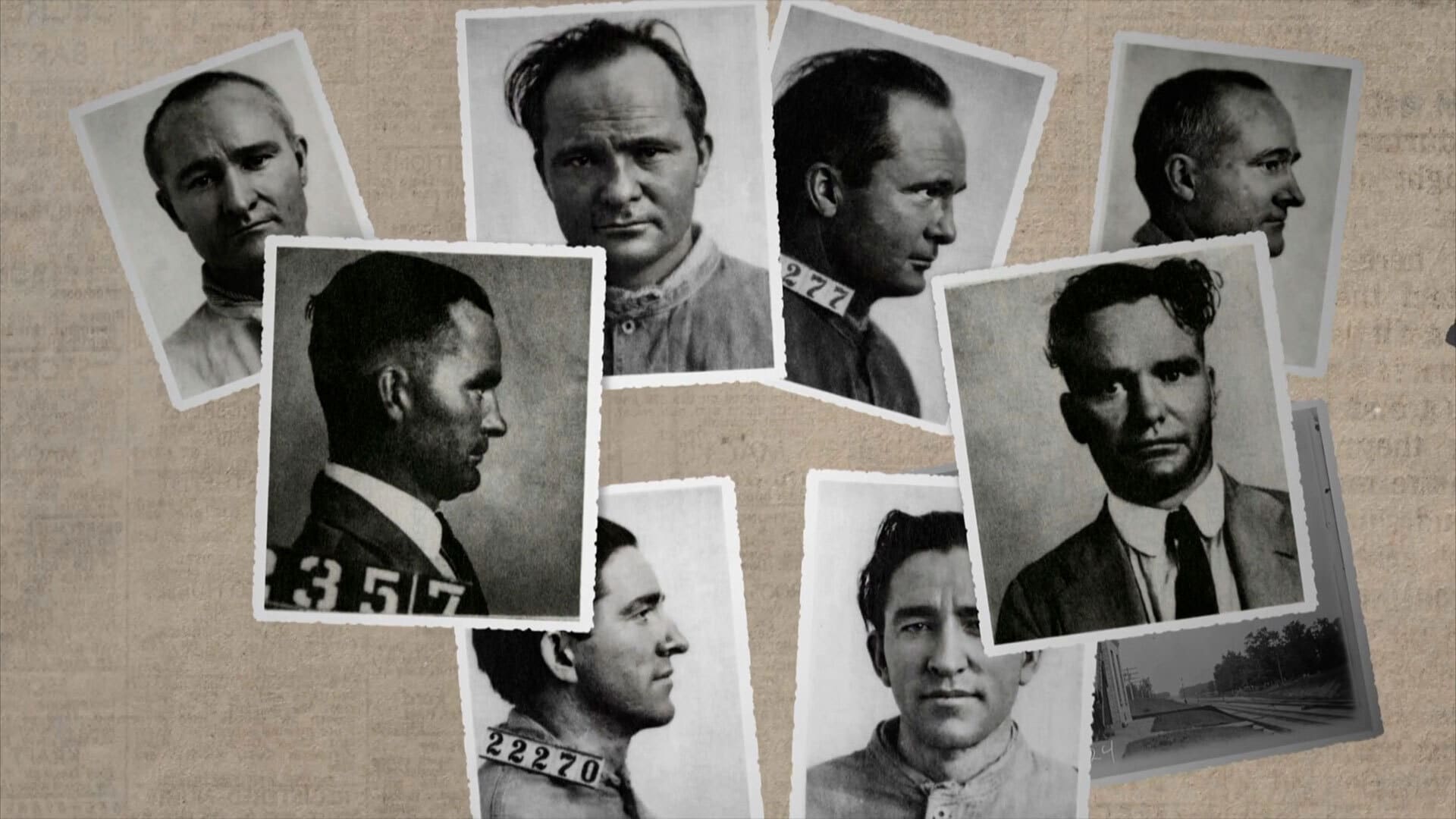
It took a band of robbers only 30 minutes to pull off America’s biggest train heist.

On a summer night in 1924, a group of thieves brought a mail train to a halt at a rural junction called Rondout near Lake Bluff, Illinois. The infamous Newton Gang and their co-conspirators made away with $2 million, or approximately $37 million today. Geoffrey Baer explores how the robbers almost got away with it, were it not for one crucial error.


Image
The Days of Cable Cars in Chicago: asset-mezzanine-16x9

The Days of Cable Cars in Chicago

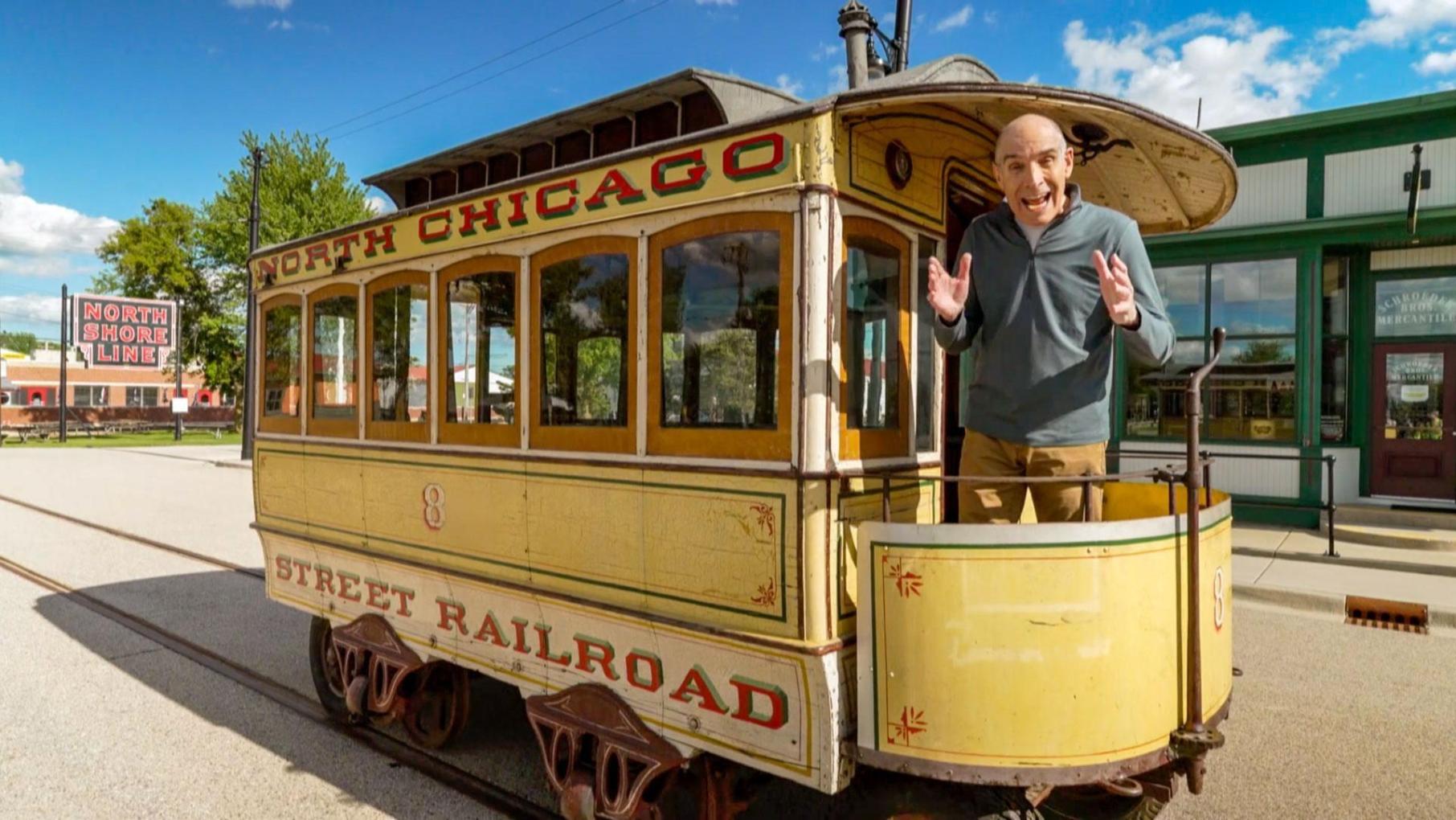
In the late 19th century, Chicago had the largest cable car network in the nation.

In the late 19th century, Chicago had the largest cable car network in the nation, with some 3,000 cable cars and 80 miles of rails. Unlike electric trolleys, these were motorless streetcars pulled by a steam-powered moving cable under the tracks. Charles Tyson Yerkes – known for shady business dealings – is the man who made it happen, as author Greg Borzo tells Geoffrey Baer.


Image
The Delightful Nostalgia of the Streetcar: asset-mezzanine-16x9

The Delightful Nostalgia of the Streetcar

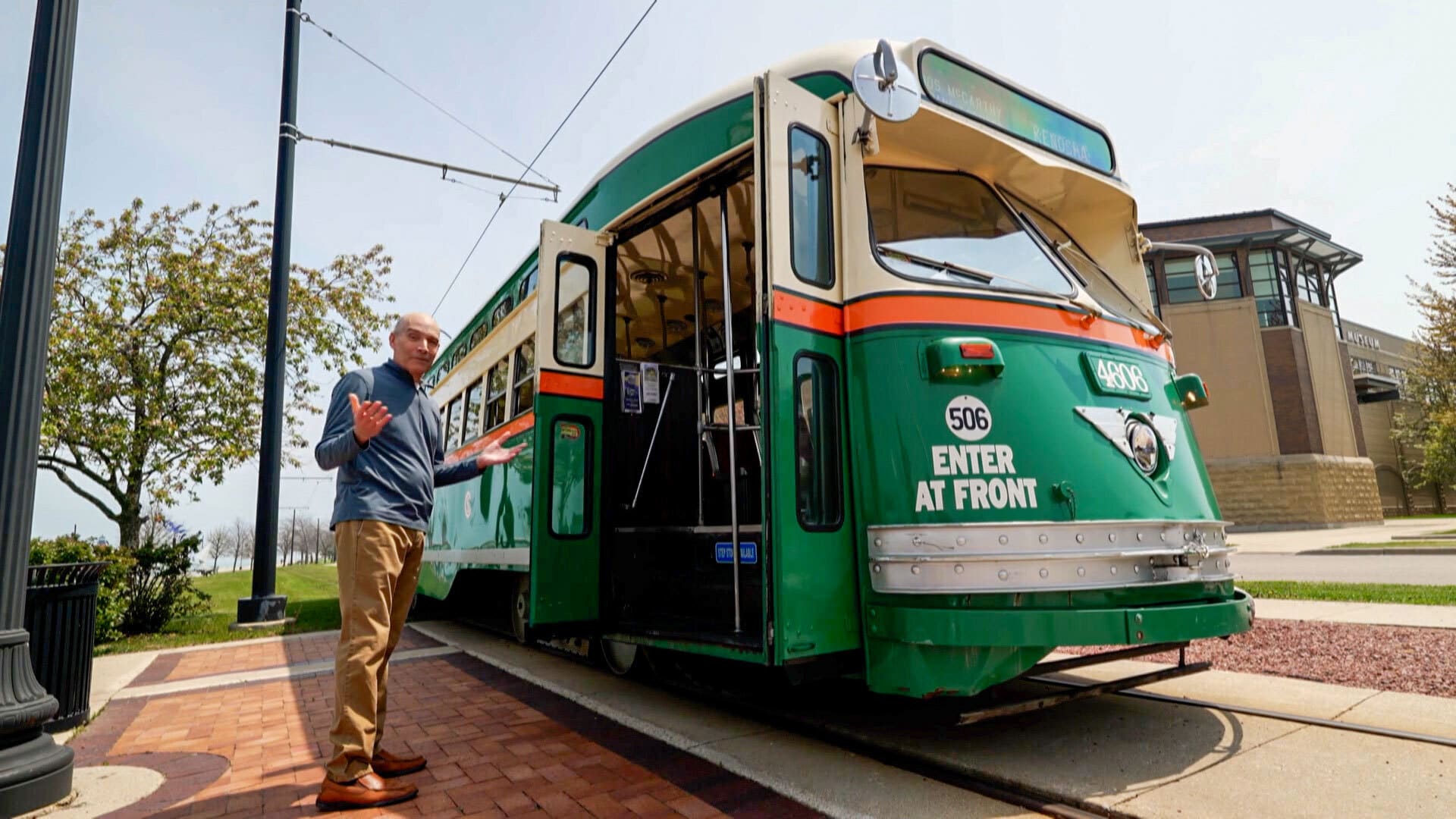
Kenosha, Wisconsin, is home to a nostalgic array of streetcars.

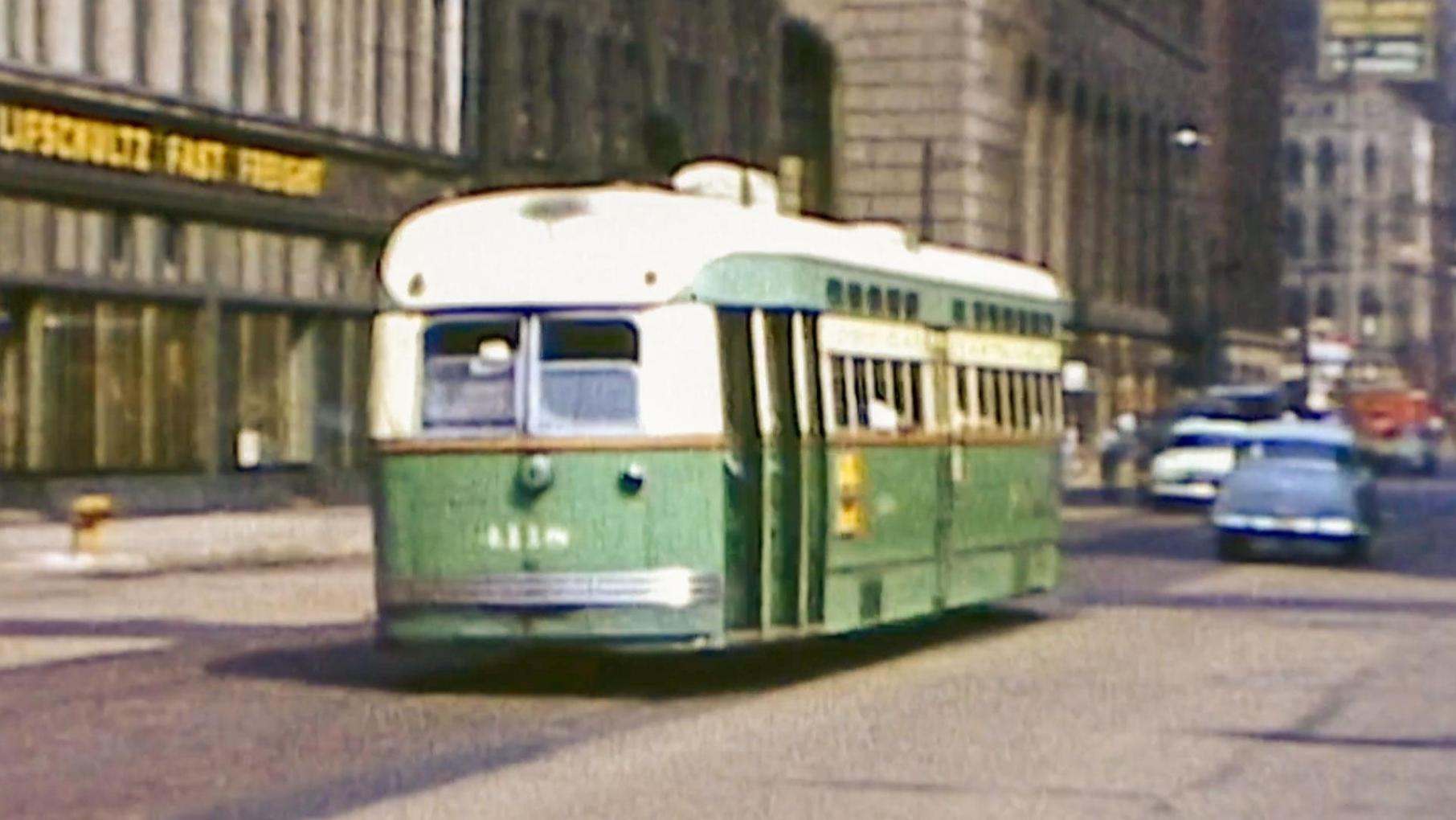
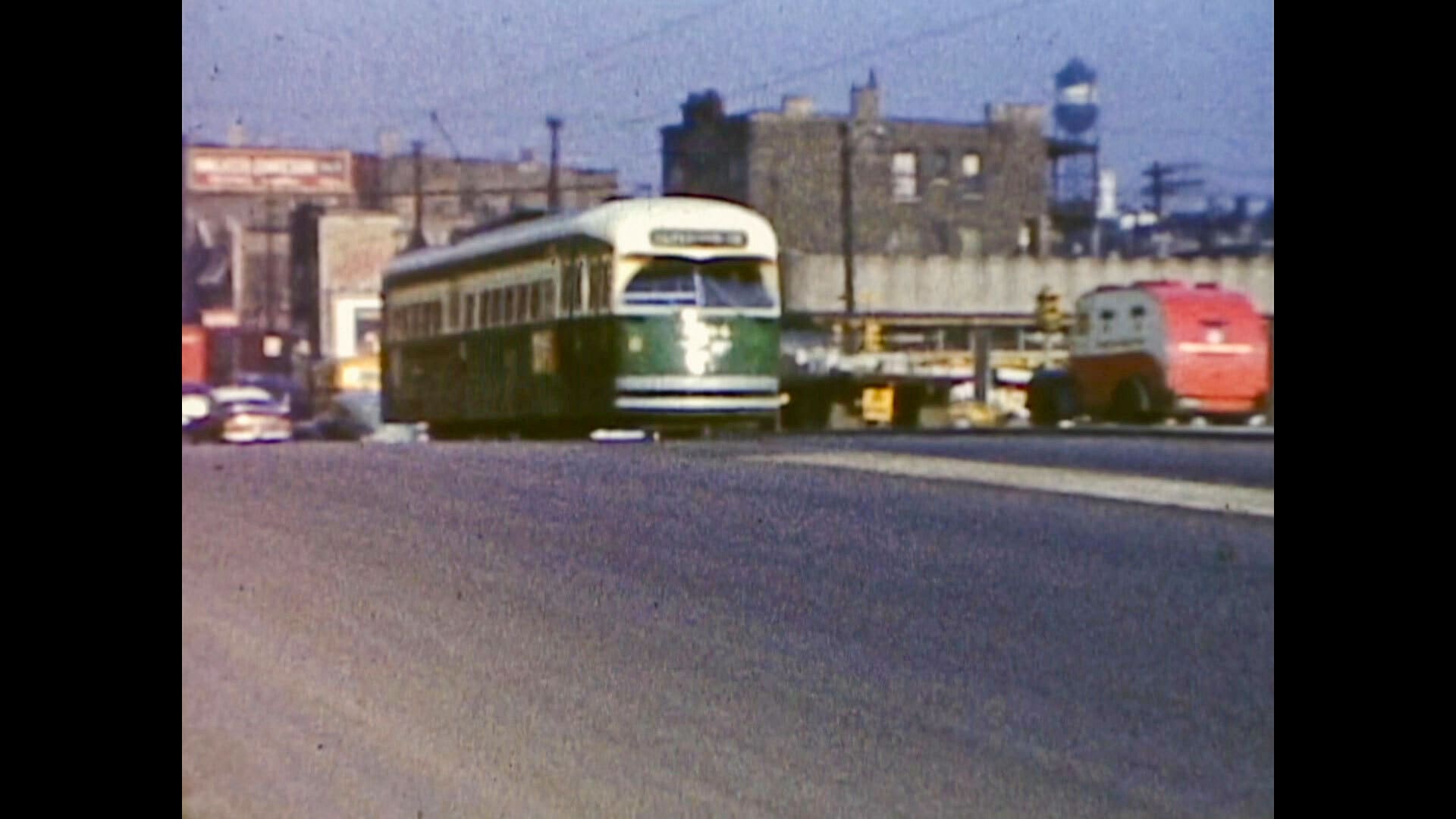
The Kenosha Streetcar Society maintains a fleet of nostalgic and colorful streetcars. Geoffrey Baer visits Kenosha and also explores the history of Chicago streetcars, which ran until the late 1950s.


Image
The Early Days of Chicago’s Loop: asset-mezzanine-16x9

The Early Days of Chicago’s Loop

A little bit of Chicago-style palm-greasing went a long way in getting the Loop built.

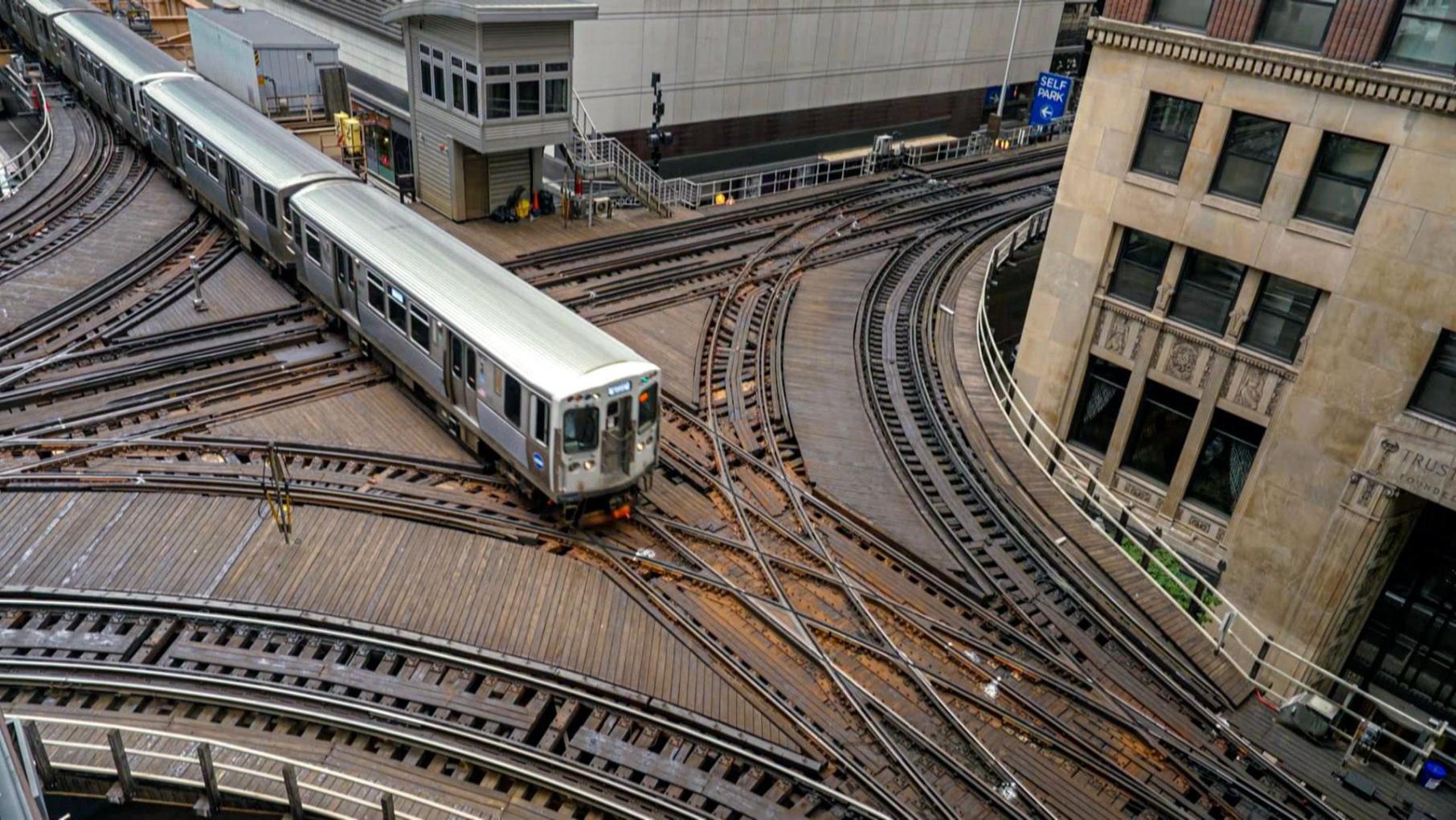
CTA historian Graham Garfield joins Geoffrey Baer to discuss how Charles Tyson Yerkes got the Loop built – bribes and all.


Image
The Forgotten History of Chicago’s Yellow Line: asset-mezzanine-16x9

The Forgotten History of Chicago’s Yellow Line

Chicago’s Yellow Line is all that remains of an old high-speed rail line.

Chicago’s Yellow Line train is a curious little train with a hidden history. It is the last surviving fragment of the Skokie Valley branch of the old North Shore Line – a rail line to Milwaukee with speeds up to 90 miles per hour.


Image
The Last Interurban Railroad: asset-mezzanine-16x9

The Last Interurban Railroad

The South Shore Line is the sole survivor from the days of interurban railroads.

Before the explosion in popularity of the automobile, electric interurban railroads were an easy way to get from nearby city to city. Geoffrey Baer takes a ride on the South Shore Line, which runs between Chicago and South Bend.


Image
May Theilgaard Watts and the Rails-to-Trails Movement: asset-mezzanine-16x9

May Theilgaard Watts and the Rails-to-Trails Movement

A Chicago naturalist helped propel the rails-to-trails movement.

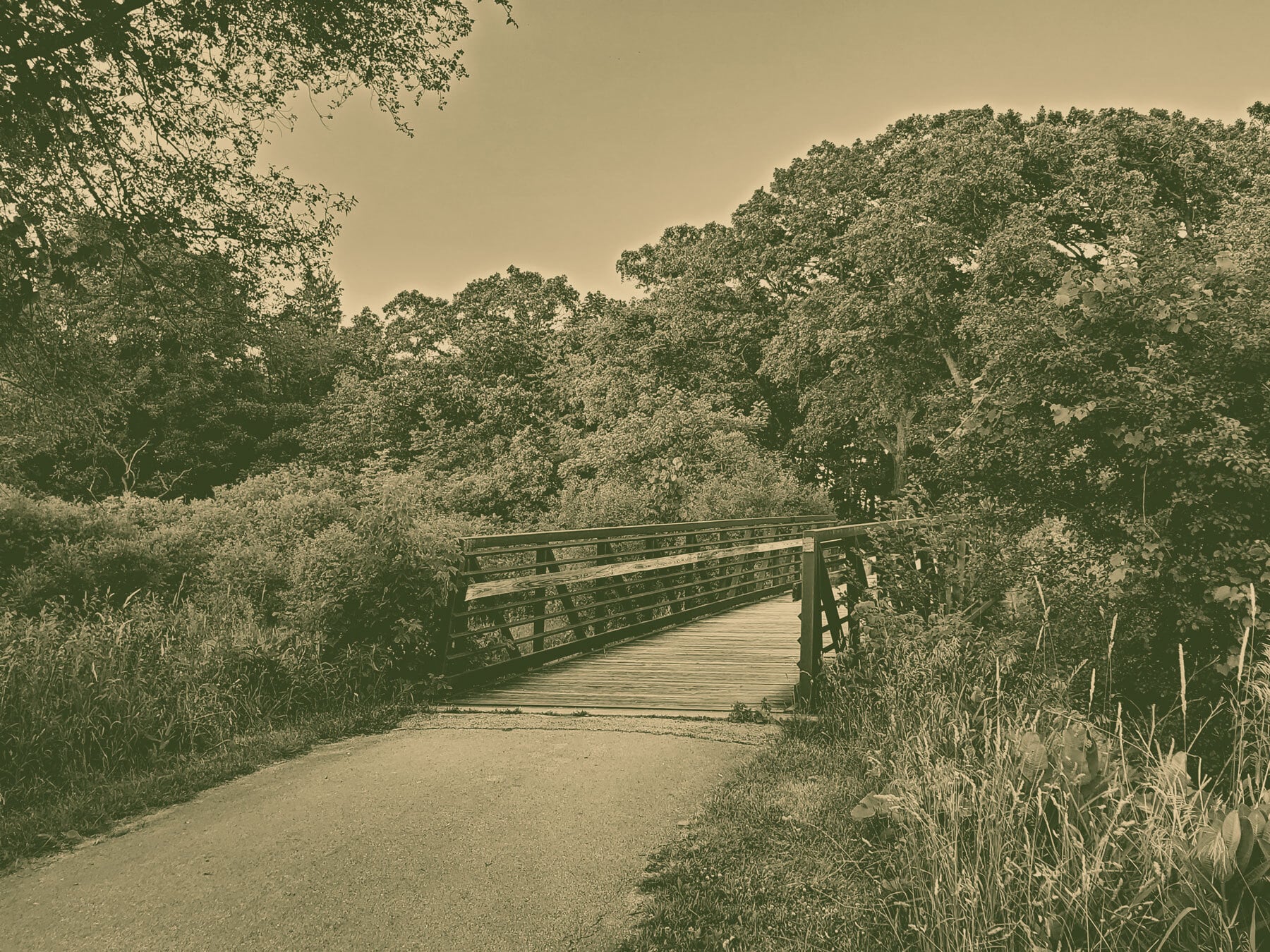
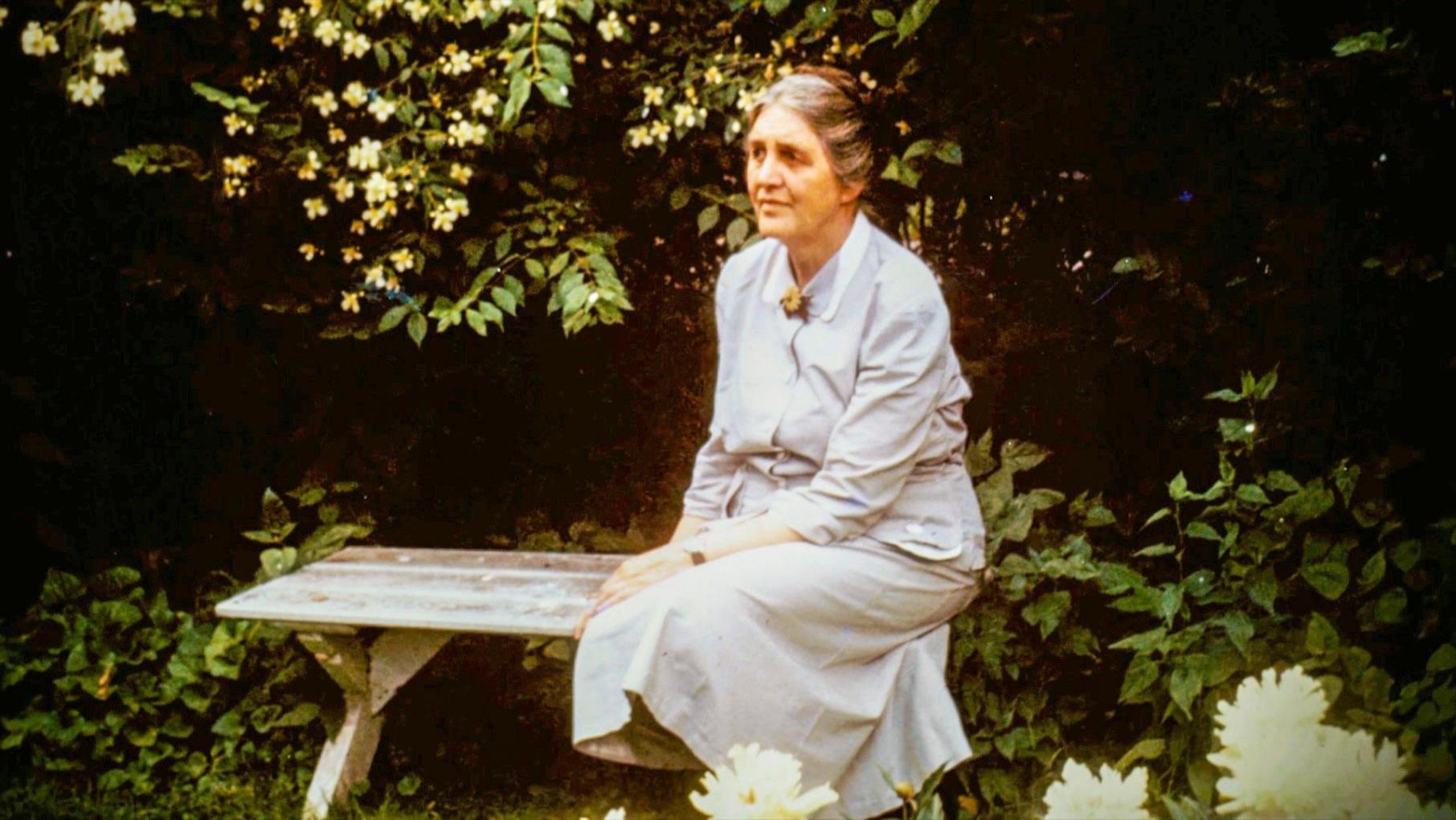
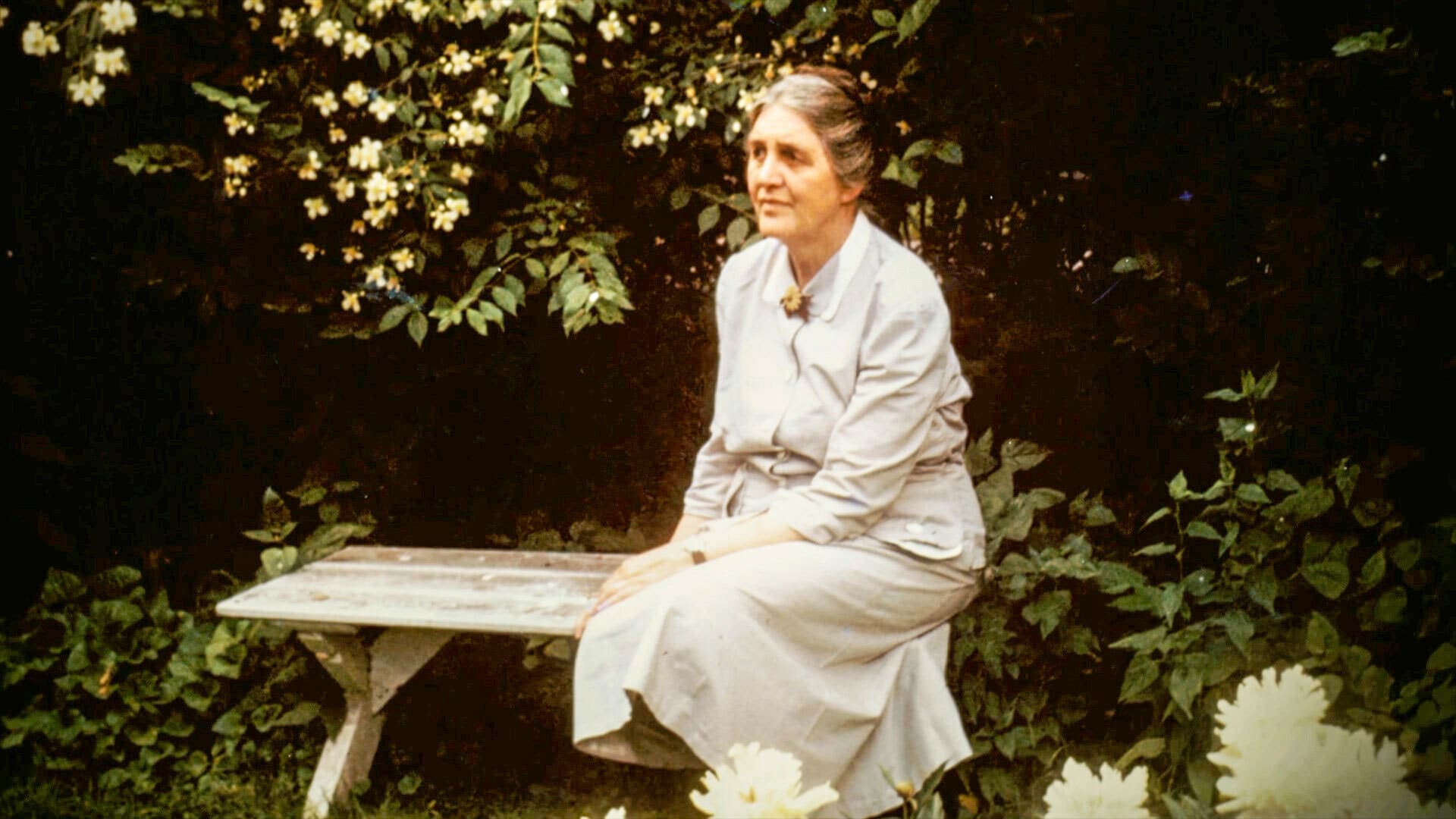
May Theilgaard Watts, a naturalist and educator who lived in and around Chicago, helped spark a rail reuse movement across the country as she sought to transform the old Chicago, Aurora and Elgin right-of-way into a walking trail.


Image
Geoffrey Baer Drives a Steam Train: asset-mezzanine-16x9

Geoffrey Baer Drives a Steam Train

At the Illinois Railway Museum, a dream comes true for Geoffrey Baer.

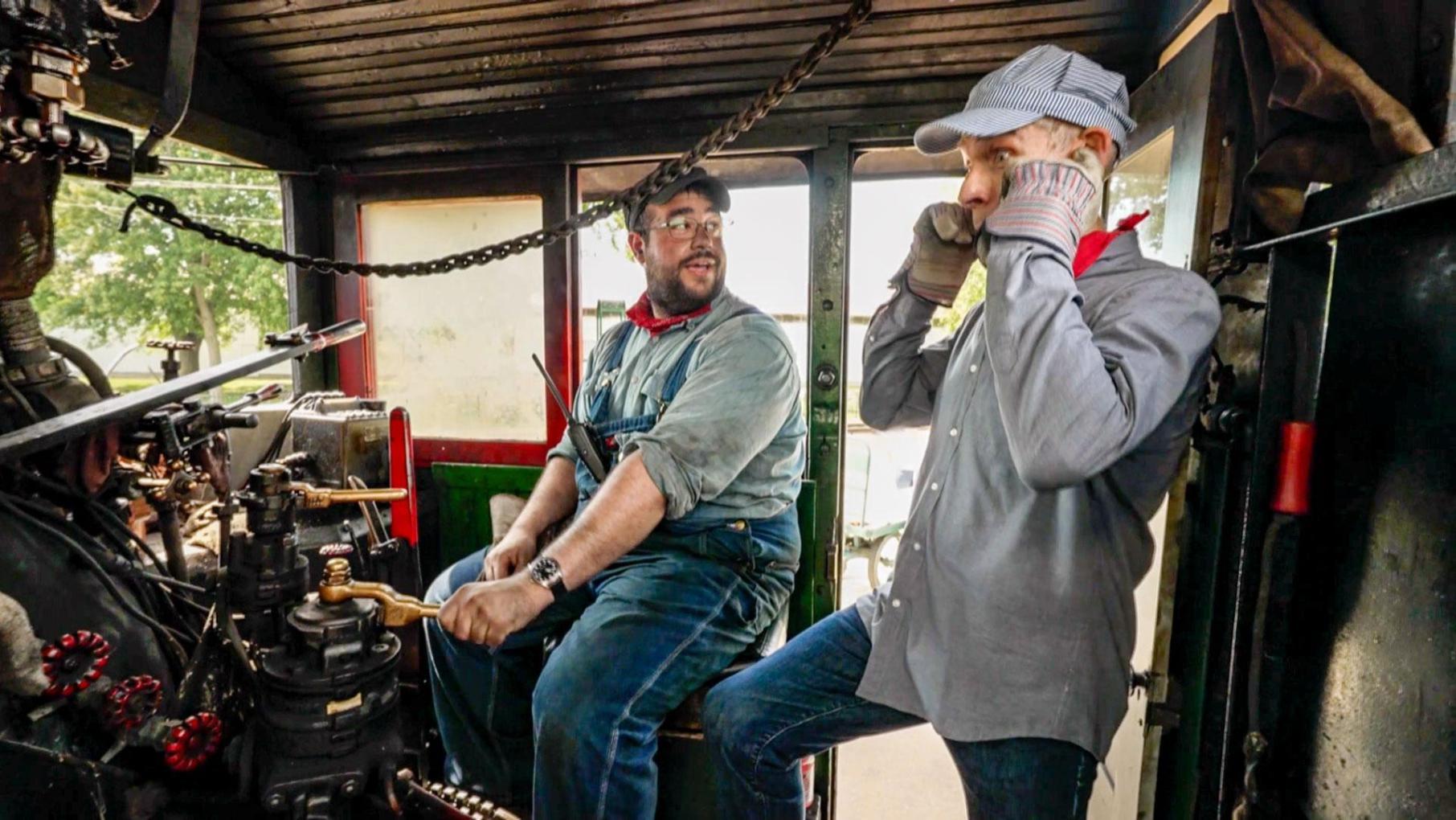
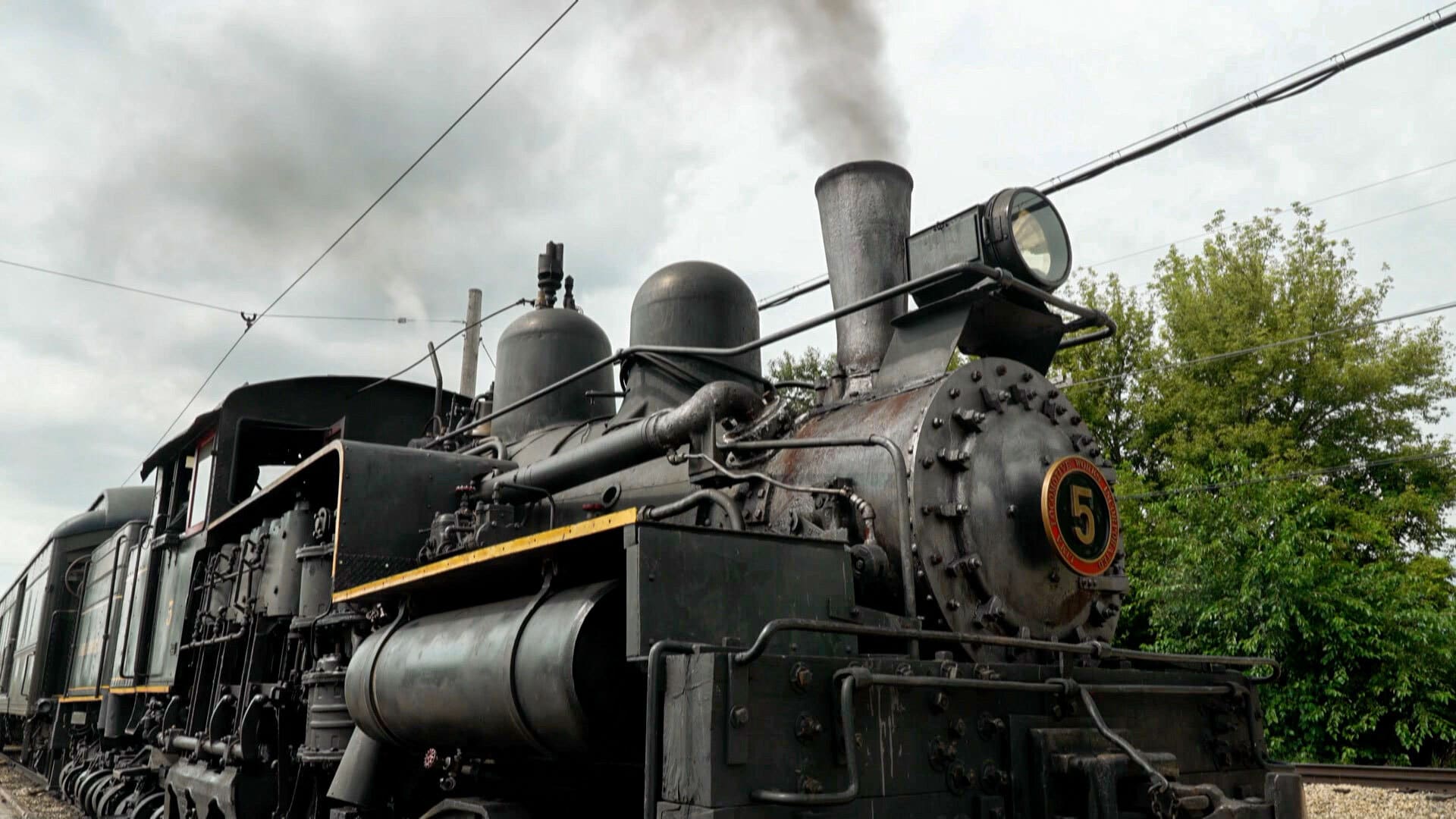
The Illinois Railway Museum is the largest railroad museum in the country. Geoffrey Baer stops by for a close-up look at vintage trains and gets the chance to drive a steam train.


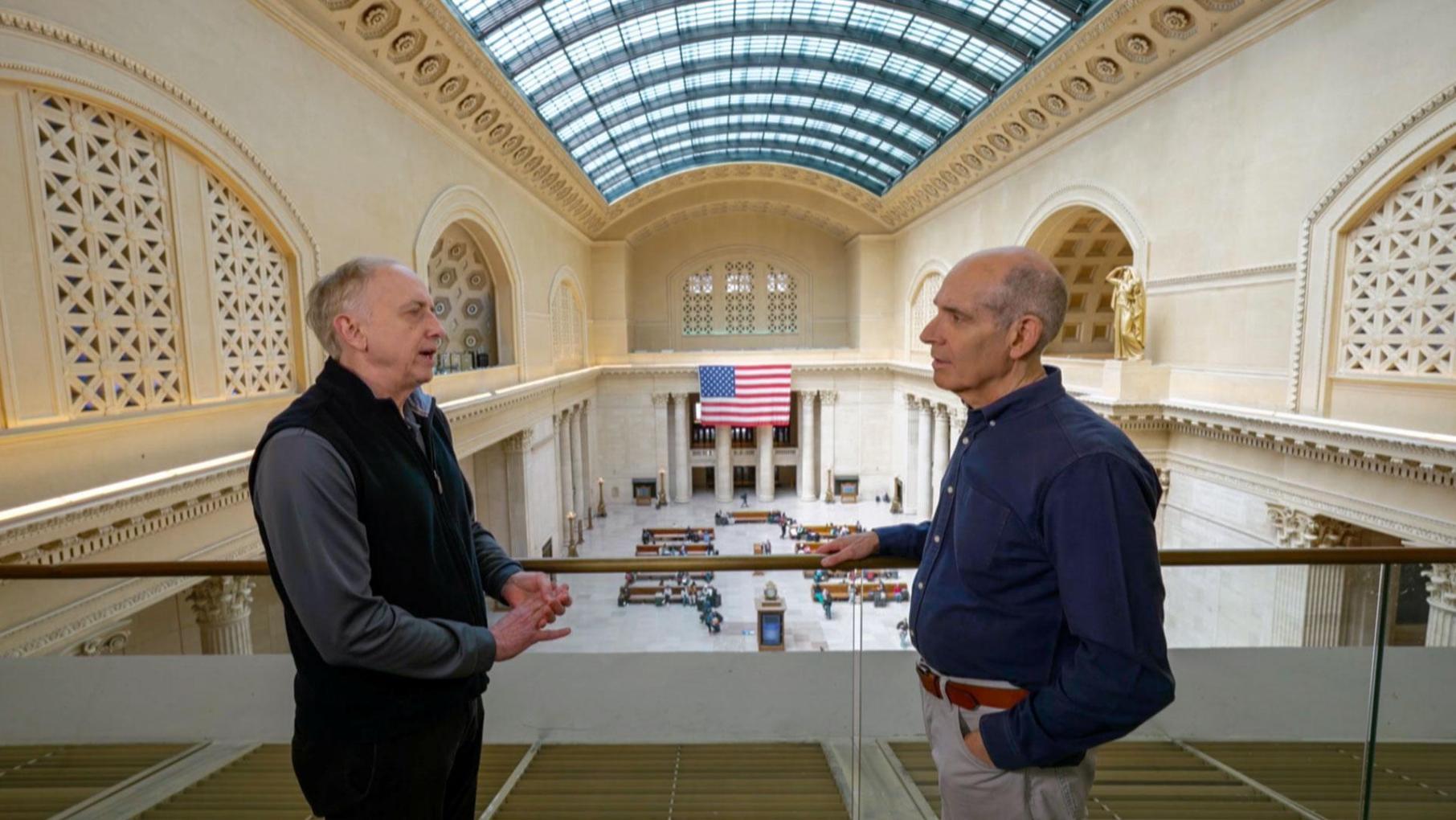
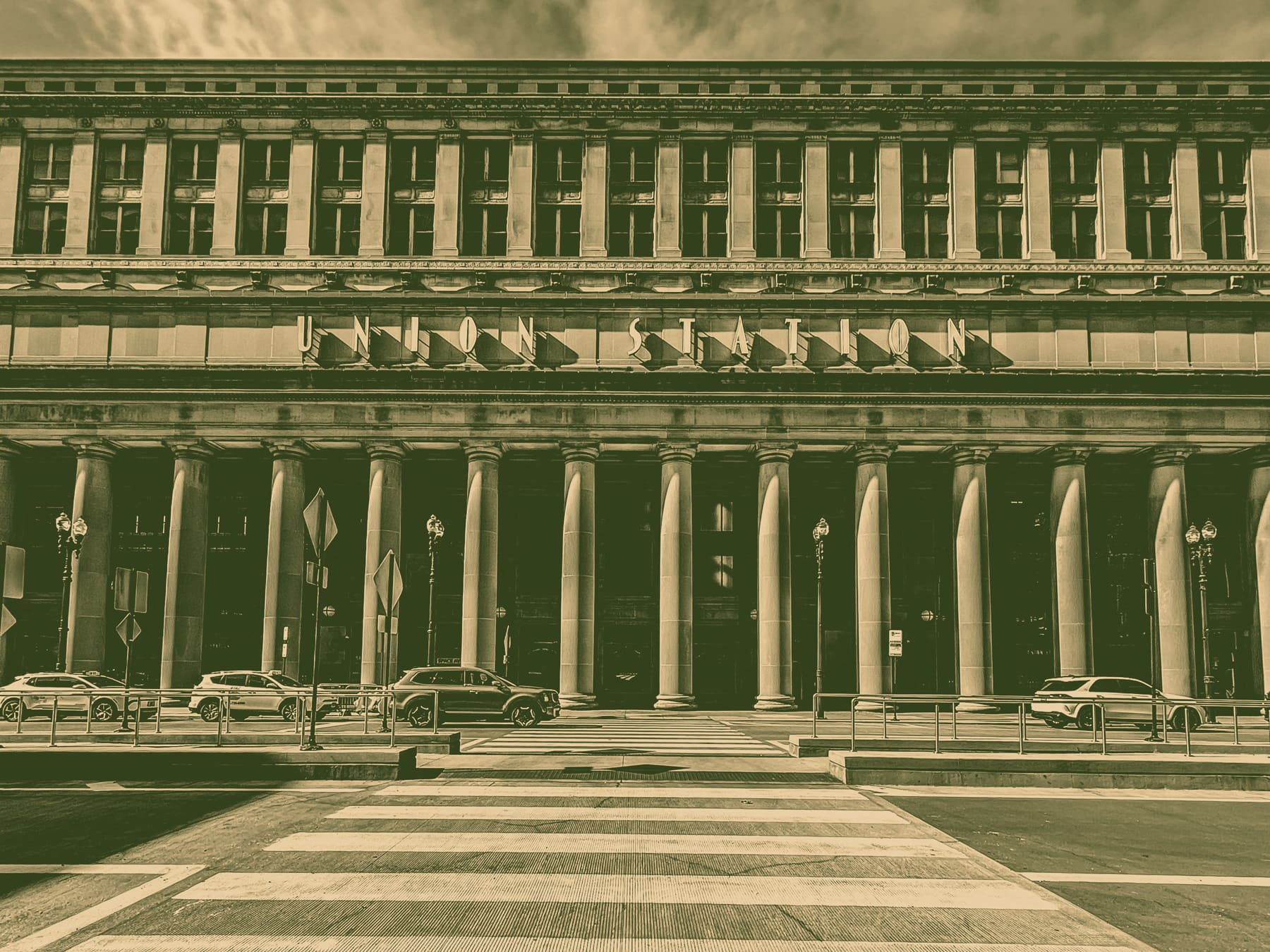
The Artistry and Architecture of Chicago’s Union Station

When descending the travertine steps from the Canal Street entrance to Chicago’s Union Station, it’s hard not to stop in your tracks and look up in wonder. The ornate texture of the Great Hall’s Corinthian columns and rosettes draw the eye up toward the expansive, luminous simplicity of the skylight. It is, of course, a room that serves a functional purpose...
Read more

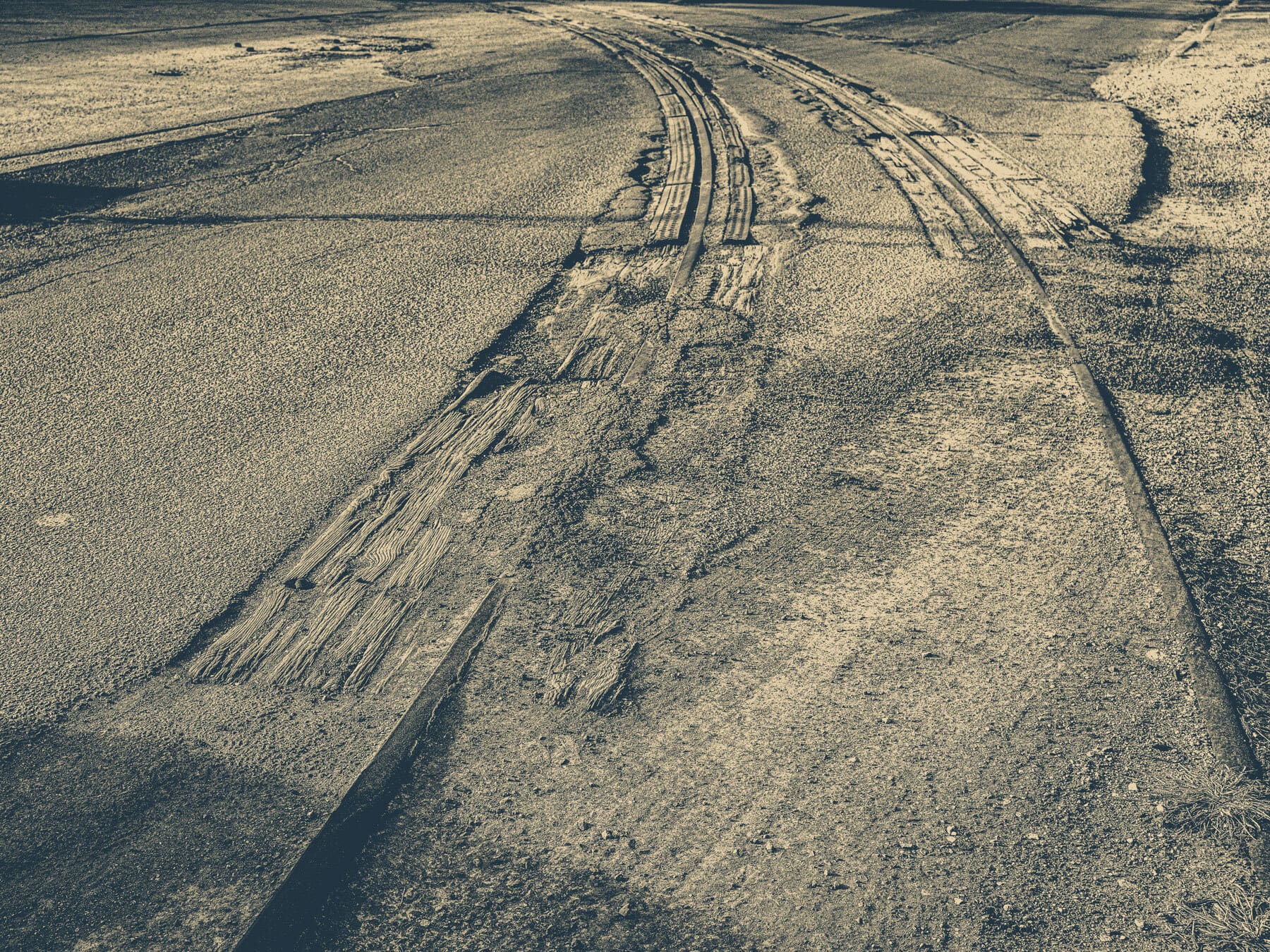
Ghost Tracks: The Rugged Beauty of Chicago’s Abandoned Railroad Infrastructure

Across Chicago, the remnants of the city’s rail history can be found just about everywhere. Tracks embedded in asphalt vanish behind chain-link fences, bridges reach into the sky, and overgrown corridors cut quietly through neighborhoods where trains once ran daily. Some of this infrastructure has been abandoned entirely, some still carries the occasional train, and some may have a new life as rail trails. The old tracks trace the outlines of the rail network that once powered the city and connected the rest of the country...

Read more

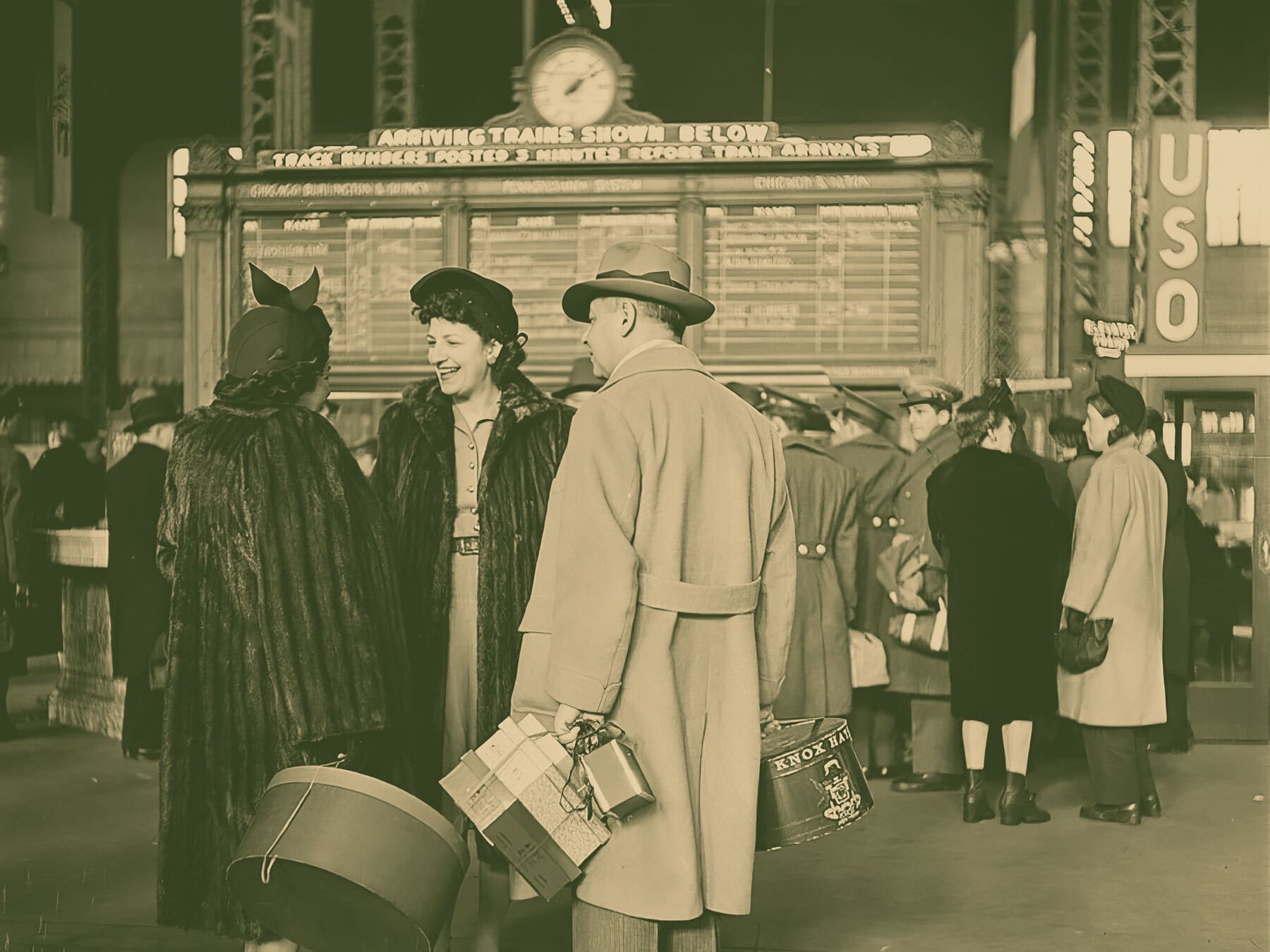
Chicago Once Had Six Downtown Train Terminals. What Happened to Them?

In the golden age of rail travel, downtown Chicago was home to not one, not two, but six passenger train stations. These awe-inspiring buildings were more than just functional gateways. They transformed riding the rails from a practical, point-A-to-point-B necessity into an experience in its own right. But today, only one of the six historic stations is still used for passenger rail service...

Read more

Digital Exclusives

How the Railroads Standardized Time

Once upon a time—time wasn’t standardized. And that was a problem for the booming railroad industry.

The Caboose: A Home Away from Home

Geoffrey Baer tours an old Union Pacific freight caboose with the help of Phil Hehn at the Illinois Railway Museum.

It Took Just 30 Minutes to Pull Off America’s Biggest Train Heist Near Chicago. They Almost Got Away with It.

Under the cover of darkness on June 12, 1924, a gang of robbers fixed their guns on several postal workers, forcing them to unload sacks of cash at a rural junction known as Rondout, just west of Lake Bluff, Illinois. It took only 30 minutes for the bandits to pull off the biggest train heist in American history. The gang escaped with a staggering haul. They might have gotten away with it, but one mistake would derail their plans...

Read more

"A Long Stretch of Prairie": How May Watts Led the Effort to Turn an Abandoned Railroad into a Shared Nature Path

A stretch of land in Chicago’s western suburbs that once felt the rumble of passing trains now carries the steady footsteps of walkers and the spinning wheels of cyclists. Long before rail trails became a familiar feature in both urban and suburban landscapes, an abandoned railroad corridor inspired an idea that would quietly reshape how people moved through and experienced nature. The Illinois Prairie Path, now a nearly 61-mile network used by walkers, runners, and cyclists, began not as a government project, but as a vision from a dedicated and charismatic naturalist named May Theilgaard Watts, who believed abandoned infrastructure held potential for communing with nature...

Read more

Related Content

Chicago Stories: Pullman and the Railroad Rebellion poster

Chicago Stories: Pullman and the Railroad Rebellion

Railroad titan George Pullman’s name was once synonymous with luxury. His sleeping cars changed how some Americans rode the rails. But when his success didn’t trickle down to the people who built, operated, and staffed his cars, a rebellion ensued. While the first major strike ultimately failed, a group of Black workers later found success through organizing, paving the way for a Black middle class and a civil rights movement that forever changed the course of American history.

Visit the site

Chicago Stories: Pullman and the Railroad Rebellion poster

Chicago by ‘L’

Nothing says Chicago like the rumble of an ‘L’ train overhead. Featured in countless movies and television shows, the ‘L’ is recognized worldwide as an iconic part of Chicago’s landscape and an easy, affordable ticket to explore Chicago’s diverse neighborhoods. Ride along with host Geoffrey Baer on the spectrum of the CTA’s color-coded lines – Red, Blue, Green, Brown, Orange, Pink, Purple, and Yellow – to meet local people and hear the real stories of Chicago’s neighborhoods.

Visit the site

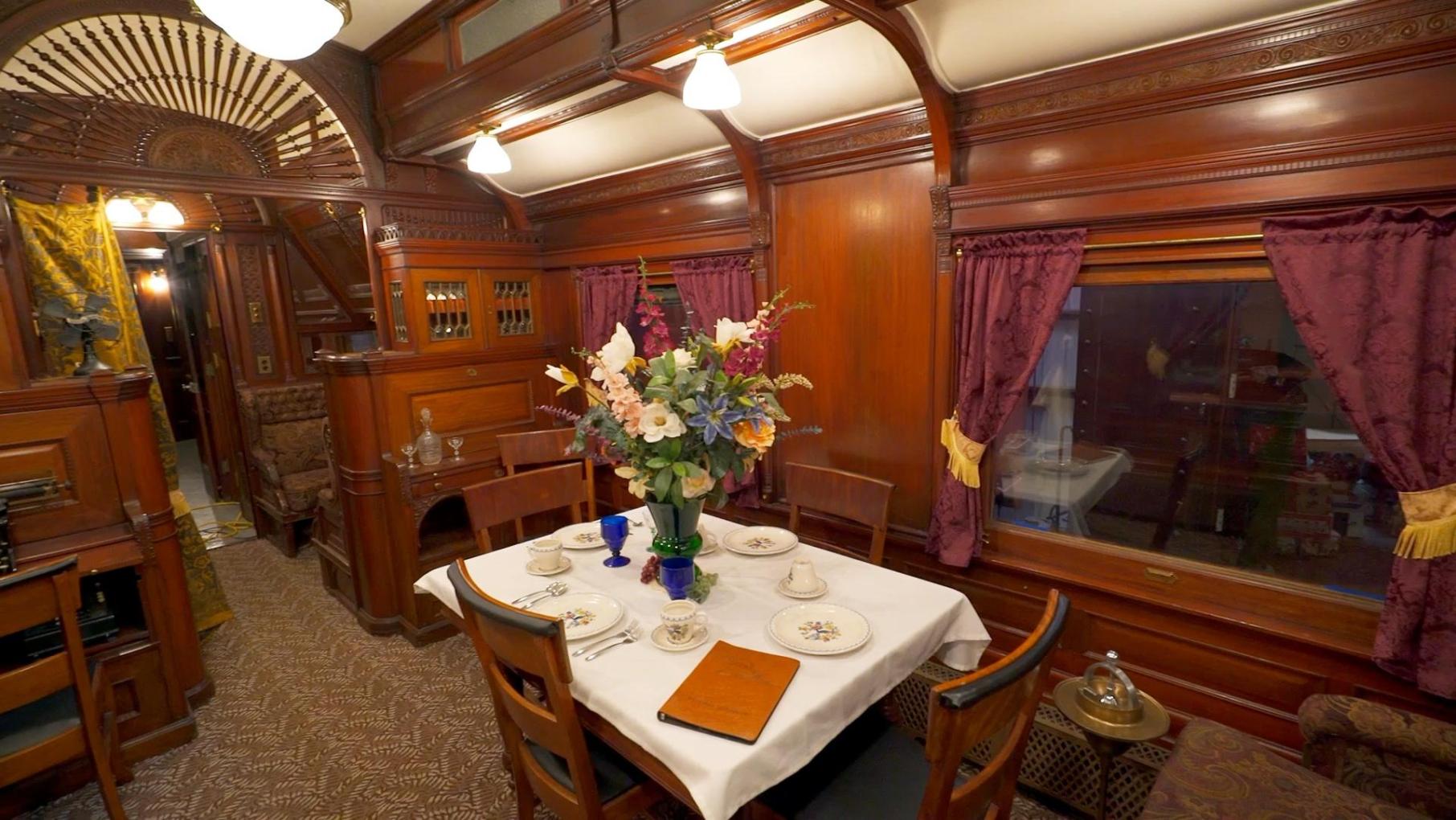
A Pullman Rail Car from 1889

Tour a Private Pullman Rail Car from 1889

Explore the ornate details, including the bedroom, bathroom, and dining room, of a private Pullman rail car that dates back to 1889.

Visit the site

Dig In to Chicago’s Curious Freight Tunnels: asset-mezzanine-16x9

Dig In to Chicago’s Curious Freight Tunnels

Why does Chicago have a freight tunnel system? Explore the strange tunnels that played a big role in the 1992 Loop flood.

Visit the site

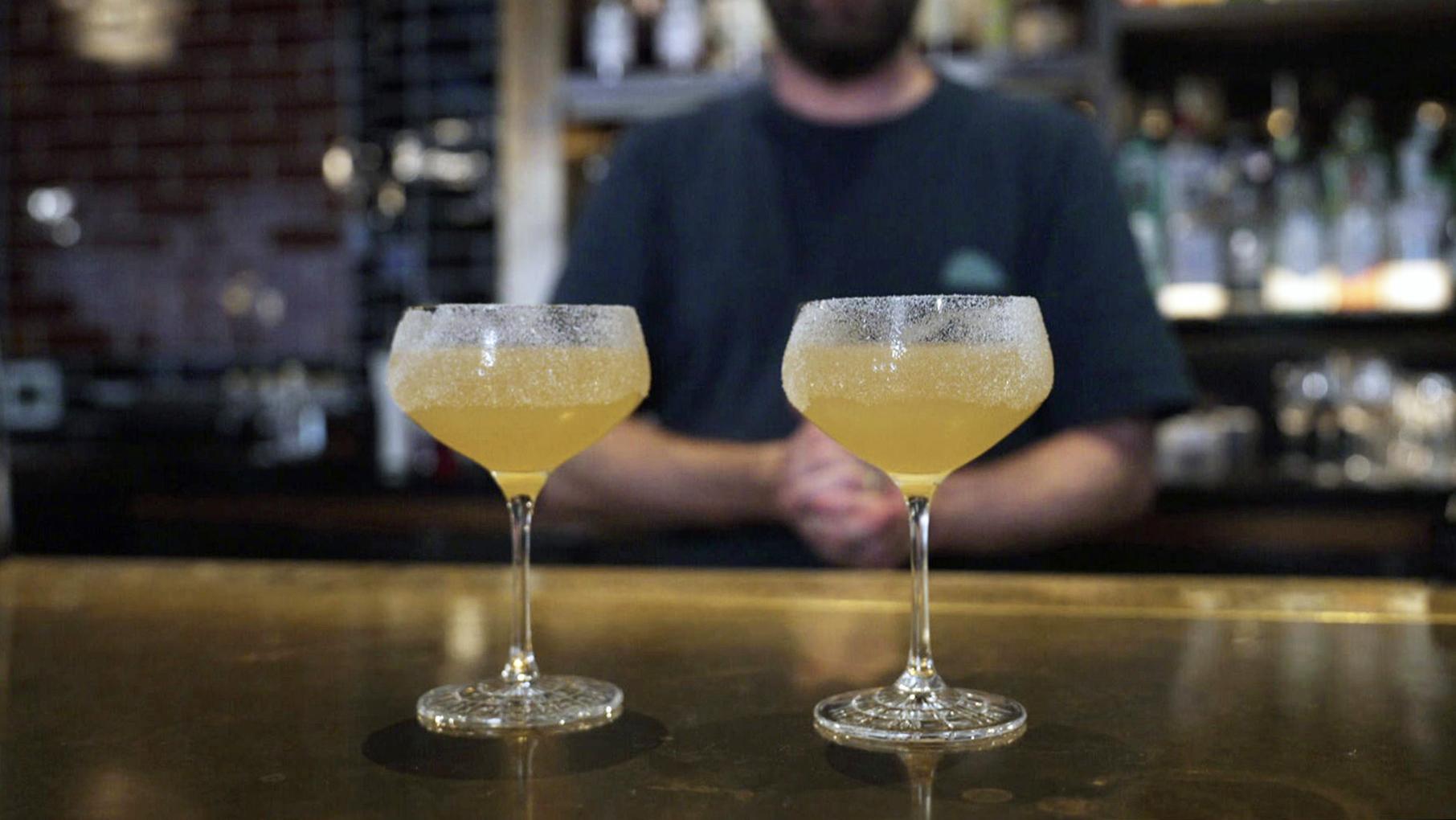
Two yellow cocktails in coupe glasses sit atop a bar while Liam Davy stands behind the bar out of focus

The Chicago Cable Car Cocktail: A Rails-Inspired Twist on a Classic Recipe

While filming Riding the Rails, host Geoffrey Baer inspired Liam Davy, beverage director at Hawksmoor Chicago, to shake up something special.

Visit the site

Lead support for Riding the Rails with Geoffrey Baer is provided by The Negaunee Foundation. Lead corporate support is provided by BMO.

Major support is provided by the Kleiman Family Donation Fund, Shirley Z. and Peter C. Welsh, Heritage Corridor Destinations, the Susan and Stephen Baird Family Foundation, Steinhafels Furniture & Mattress, and other generous sponsors.