Facebook icon Twitter icon Instagram icon YouTube icon

Watch | Riding the Rails

Riding the Rails with Geoffrey Baer

Geoffrey Baer hops aboard to tell the story of how railroads shaped Chicago.

Lifelong train enthusiast Geoffrey Baer hops aboard to tell the story of how railroads shaped our city. Along the way, he uncovers clues all around us to railroads of the past, recalls the colorful characters who built them and the unsung workers who toiled on them, and reveals why our current rail system remains just as vital today. Audio-narrated descriptions of key visual elements available.

Full Show

Image
Riding the Rails with Geoffrey Baer: asset-mezzanine-16x9

Riding the Rails with Geoffrey Baer

Geoffrey Baer hops aboard to tell the story of how railroads shaped Chicago.

Lifelong train enthusiast Geoffrey Baer hops aboard to tell the story of how railroads shaped our city. Along the way, he uncovers clues all around us to railroads of the past, recalls the colorful characters who built them and the unsung workers who toiled on them, and reveals why our current rail system remains just as vital today. Audio-narrated descriptions of key visual elements available.


Digital Exclusives

Image
How the Railroads Standardized Time: asset-mezzanine-16x9

How the Railroads Standardized Time

Once upon a time—time wasn’t standardized. And that was a problem for the booming railroad industry.

Once upon a time – time wasn’t standardized. And that was a big problem for the booming railroad industry. So in 1883, railroad companies came together in Chicago to create a standardized time system in the United States.

Image
The Caboose: A Home Away from Home: asset-mezzanine-16x9

The Caboose: A Home Away from Home

Geoffrey Baer tours an old freight caboose at the Illinois Railway Museum.

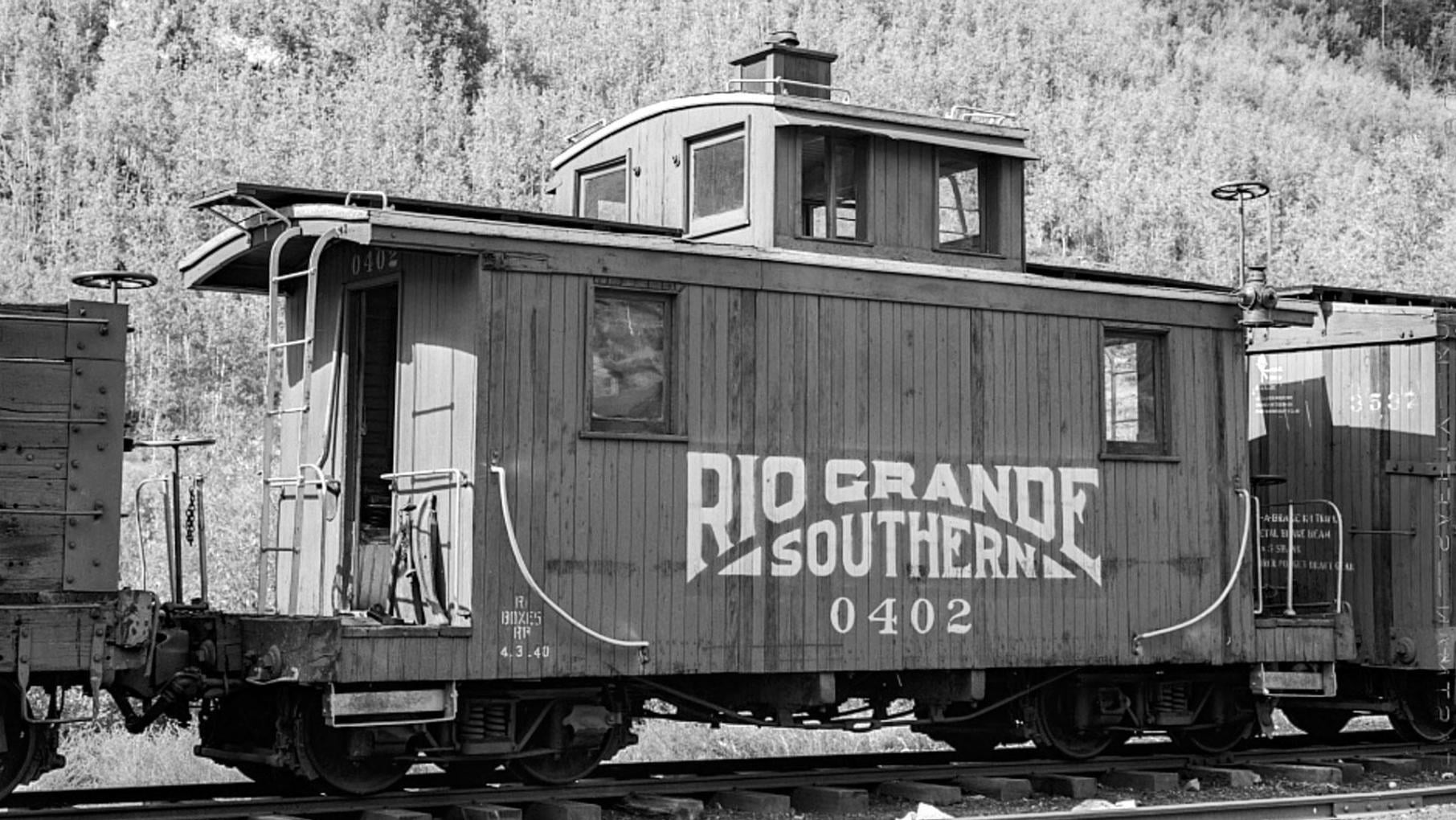
Geoffrey Baer tours an old Union Pacific freight caboose with the help of Phil Hehn at the Illinois Railway Museum.


From the Show

Image
Riding in Style: The Golden Age of Rail Travel: asset-mezzanine-16x9

Riding in Style: The Golden Age of Rail Travel

In the first half of the 20th century, railroads exuded a sense of glamour.

In the first half of the 20th century during the golden age of rail travel, railroads exuded a sense of glamour for passengers. Geoffrey Baer chats with Northwestern University transportation librarian Rachel Cole about how railroad companies made travel an experience. Lounges, dining cars and observation cars offered diversions, drinks, fancy menus, and ever-changing decor just out the window.

Image
The Innovation and Invisible Labor of Pullman Railcars: asset-mezzanine-16x9

The Innovation and Invisible Labor of Pullman Railcars

As George Pullman expanded his rail car empire, he hired formerly enslaved men as porters.

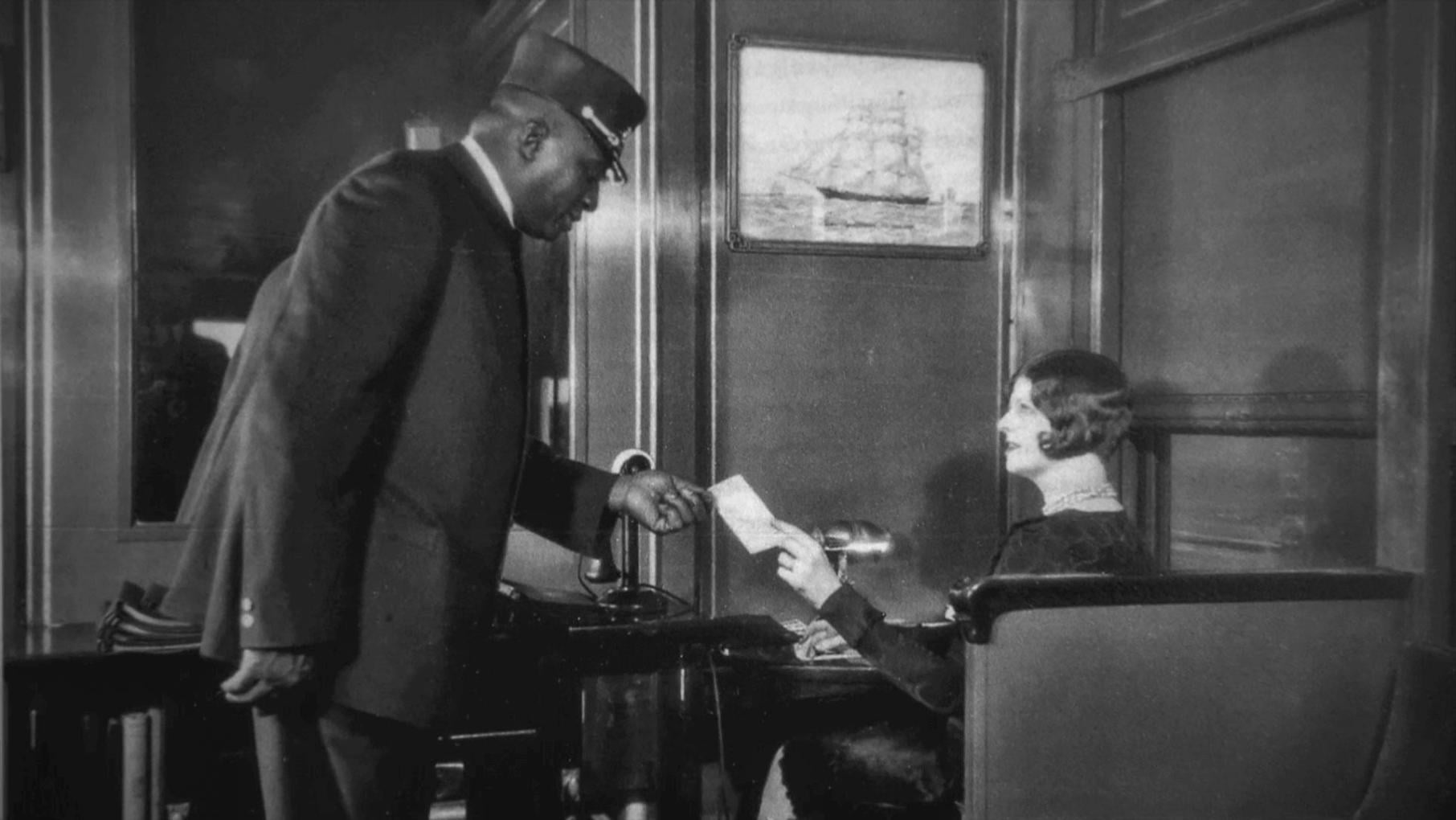
George Pullman’s elegant sleeper cars transformed the rail experience in the 19th century. But the lives of the porters who tended to them were anything but glamorous, as Dr. Lionel Kimble tells Geoffrey Baer. Often formerly enslaved Black men, porters carried luggage, made the beds, served in the dining car, and even shined shoes while working long hours and staying in cramped quarters.

Image
Chicago’s Bygone Downtown Train Stations: asset-mezzanine-16x9

Chicago’s Bygone Downtown Train Stations

Chicago once had six majestic train stations downtown.

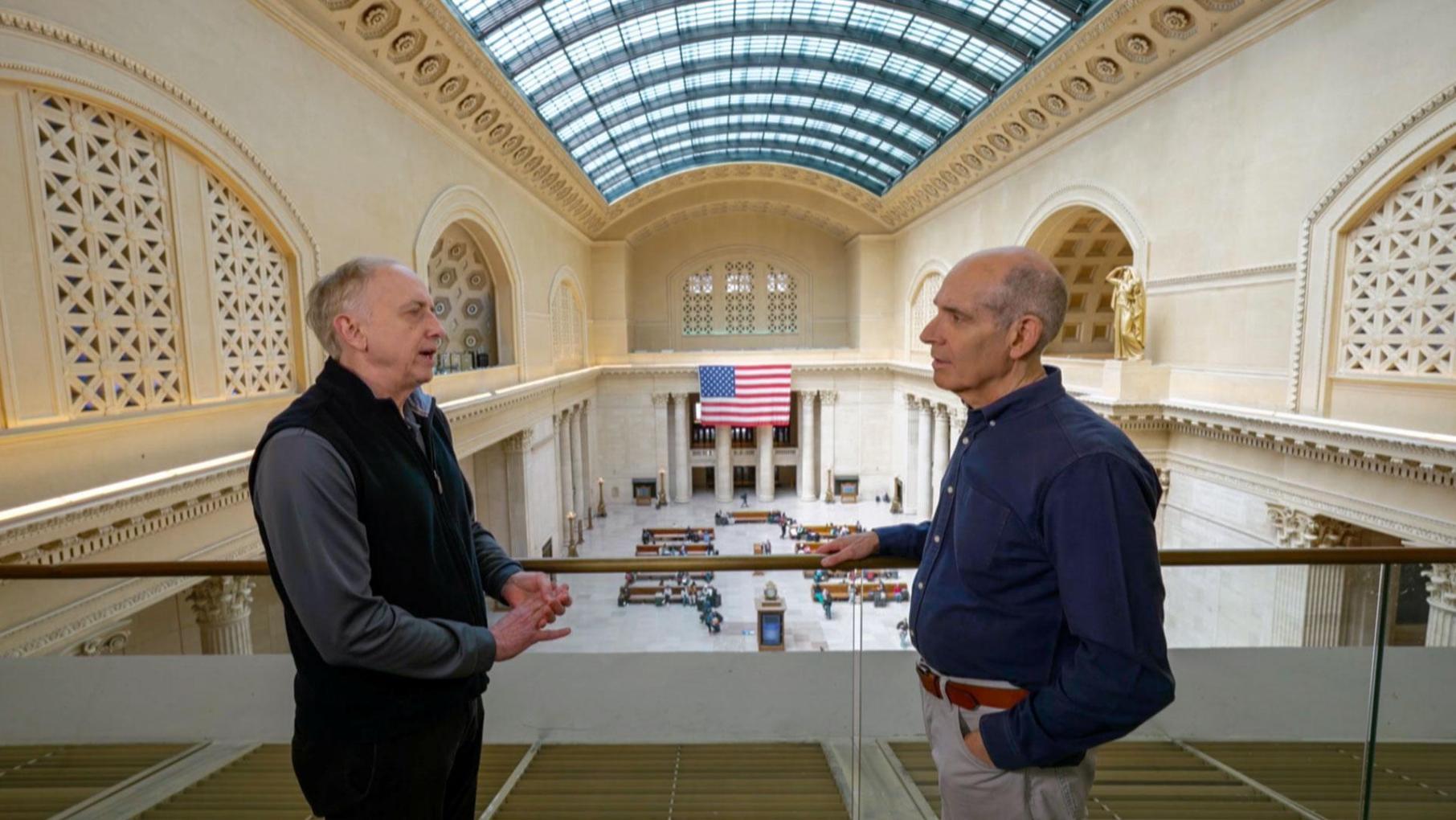
Ogilvie Transportation Center and Union Station still delight rail passengers in Chicago, but back in the day, downtown was home to six historic train terminals. Geoffrey Baer talks with DePaul University professor Joseph Schwieterman about how Chicago served as an essential passenger rail hub for the United States.

Image
How Trains Carried the Great Migration: asset-mezzanine-16x9

How Trains Carried the Great Migration

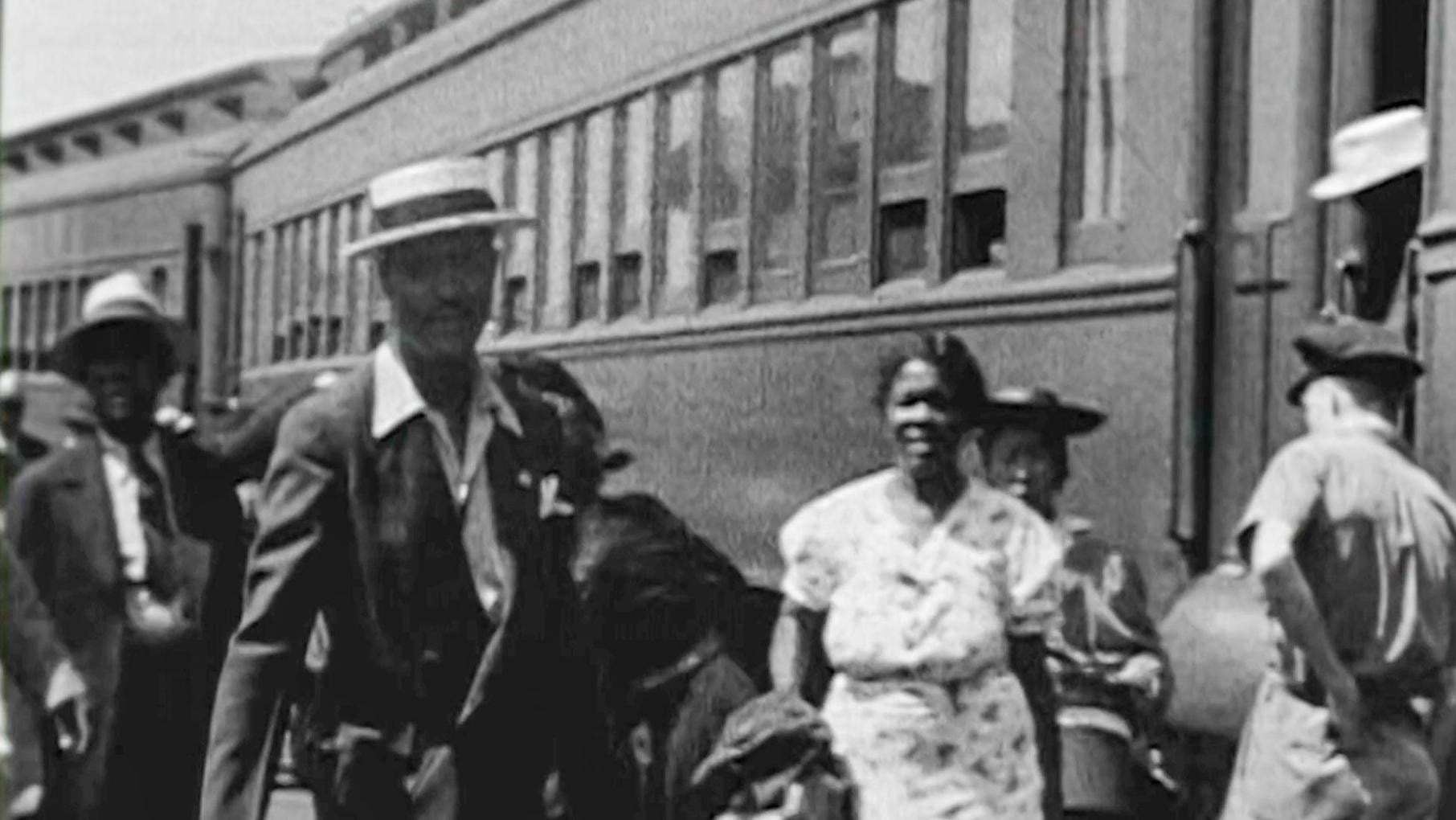
Trains played a big role for Black Americans traveling north during the Great Migration.

Trains played a major role in the Great Migration – the period between 1910 and 1970 that saw more than 7,000,000 Southern Black Americans move to Northern cities. Geoffrey Baer interviews author, poet, and professor Eve Ewing to discover how the train became a symbol of freedom and opportunity.

Image
Untangling America’s Busiest Rail Intersection: asset-mezzanine-16x9

Untangling America’s Busiest Rail Intersection

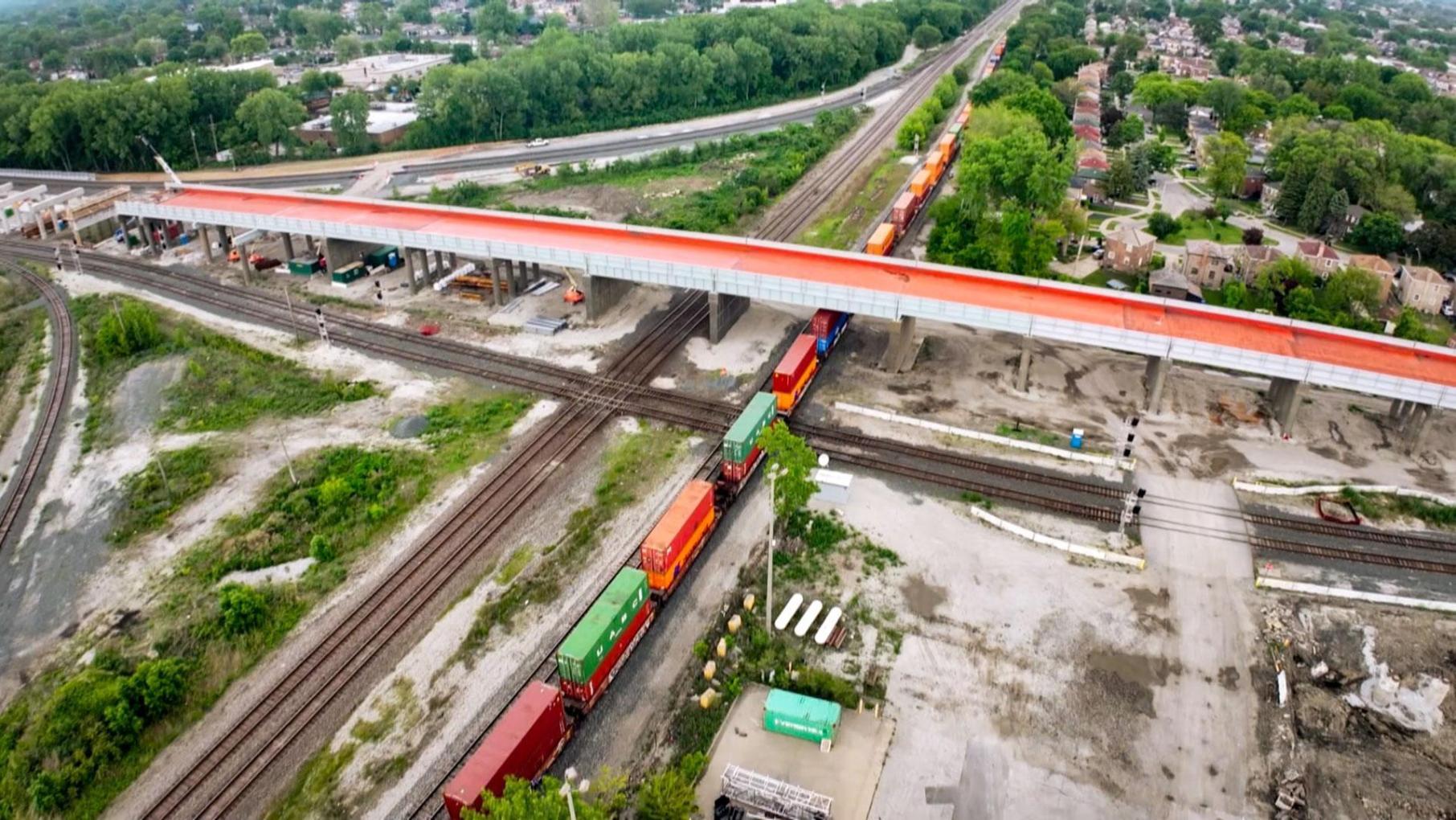
Geoffrey Baer visits America’s busiest and most frustrating rail intersection near Chicago.

Geoffrey Baer visits America’s busiest rail intersection on the South Side of Chicago, where crews are working to relieve a perpetual traffic jam that frustrates the flow of freight, Metra and Amtrak trains.

Image
Trainspotting with Rail Fans: asset-mezzanine-16x9

Trainspotting with Rail Fans

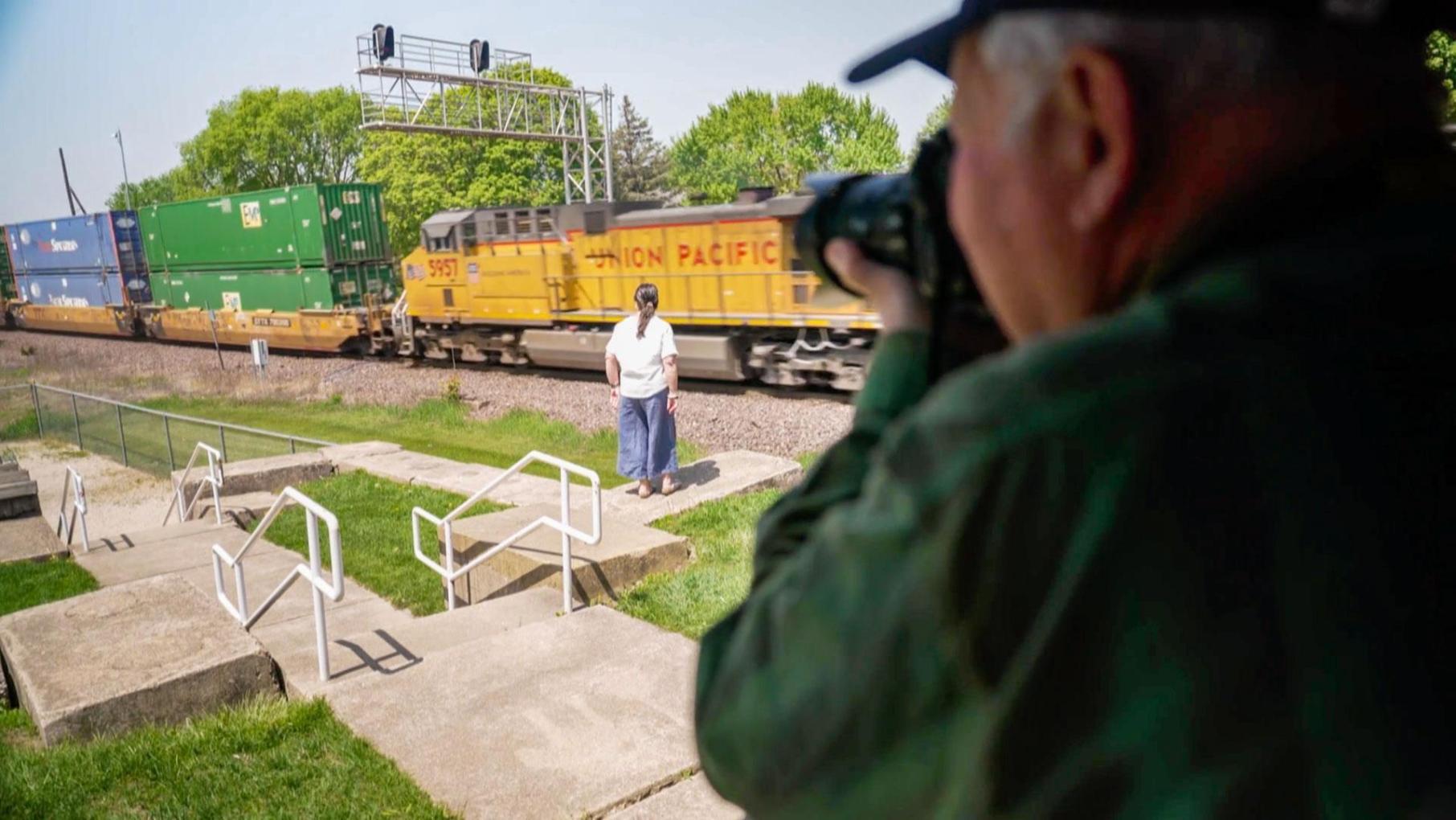
Rail enthusiasts gather at a busy railroad crossing in Rochelle, Illinois.

So many rail fans gathered regularly at a busy railroad crossing 90 minutes west of Chicago that the town of Rochelle created a small park for them. Geoffrey Baer chats with rail fans and joins in on the trainspotting.

Image
Go Inside an Intermodal Rail Container Yard: asset-mezzanine-16x9

Go Inside an Intermodal Rail Container Yard

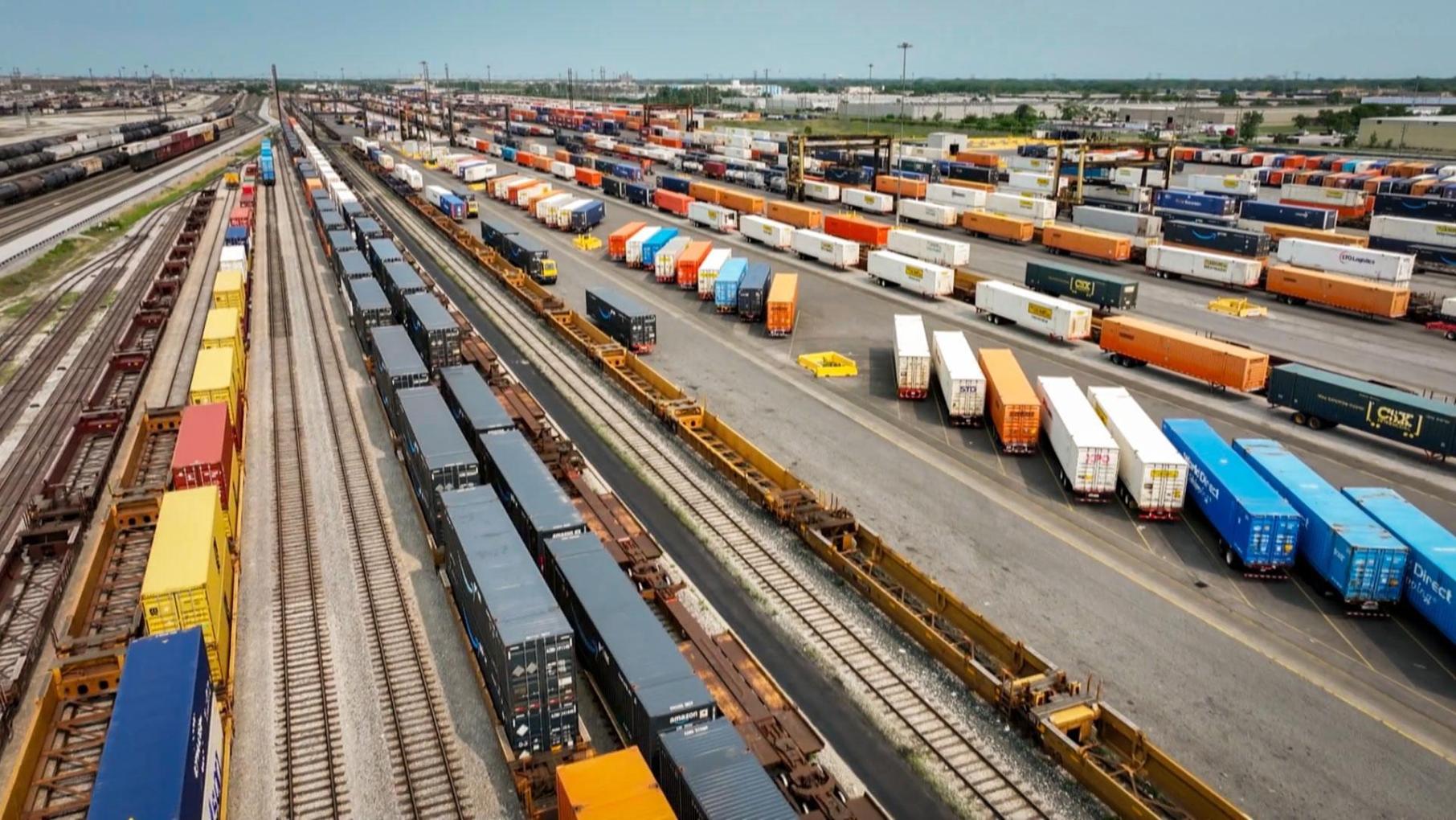
Visit the impressive CSX intermodal rail terminal near Midway Airport.

Near Chicago’s Midway Airport, the CSX container yard is one of 19 intermodal rail terminals in the Chicago area. Geoffrey Baer hops aboard a five-story-tall gantry crane to see how the pros get containers from trains to trucks.

Image
The Rondout Rail Robbery: asset-mezzanine-16x9

The Rondout Rail Robbery

It took a band of robbers only 30 minutes to pull off America’s biggest train heist.

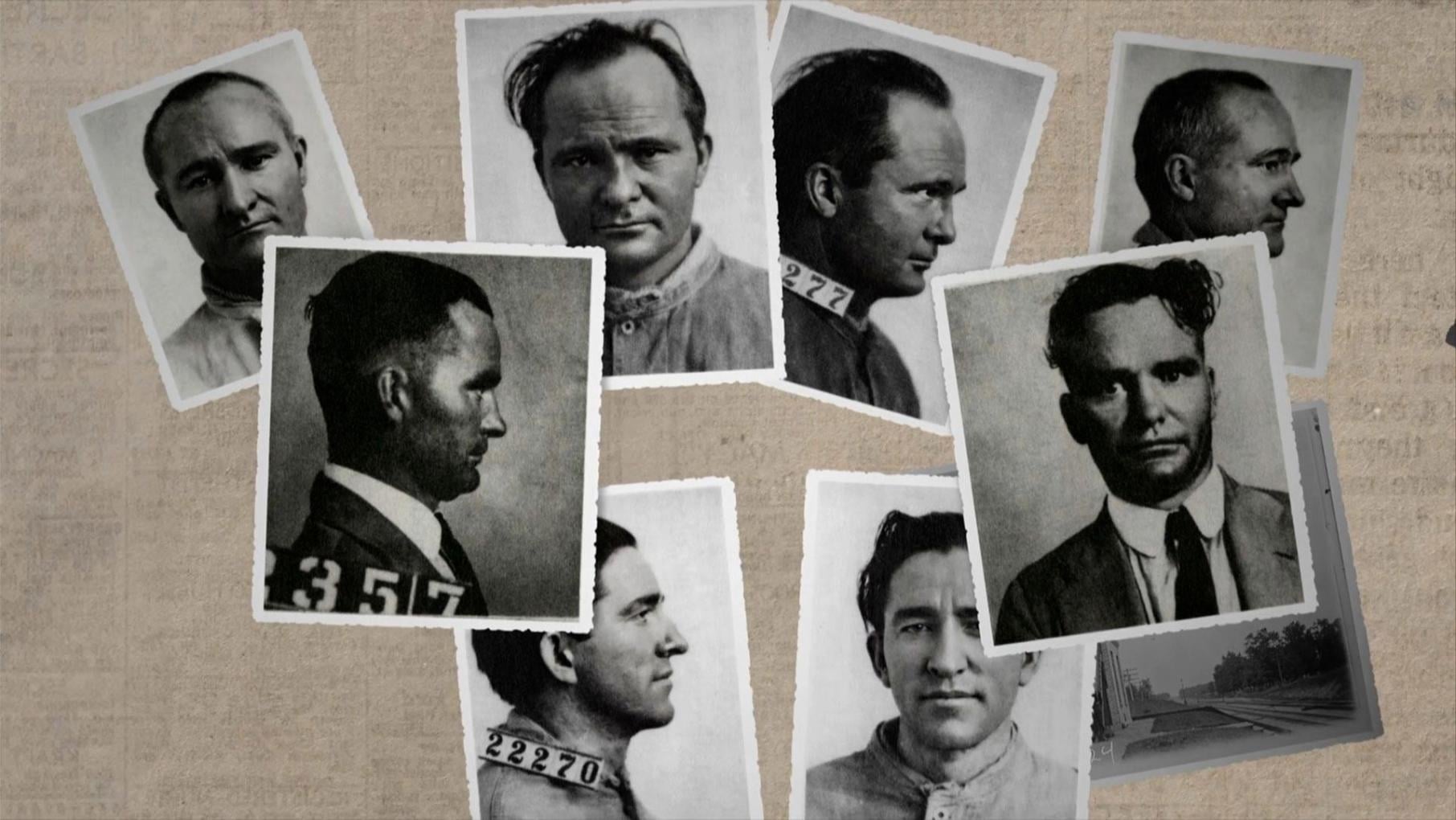
On a summer night in 1924, a group of thieves brought a mail train to a halt at a rural junction called Rondout near Lake Bluff, Illinois. The infamous Newton Gang and their co-conspirators made away with $2 million, or approximately $37 million today. Geoffrey Baer explores how the robbers almost got away with it, were it not for one crucial error.

Image
The Days of Cable Cars in Chicago: asset-mezzanine-16x9

The Days of Cable Cars in Chicago

In the late 19th century, Chicago had the largest cable car network in the nation.

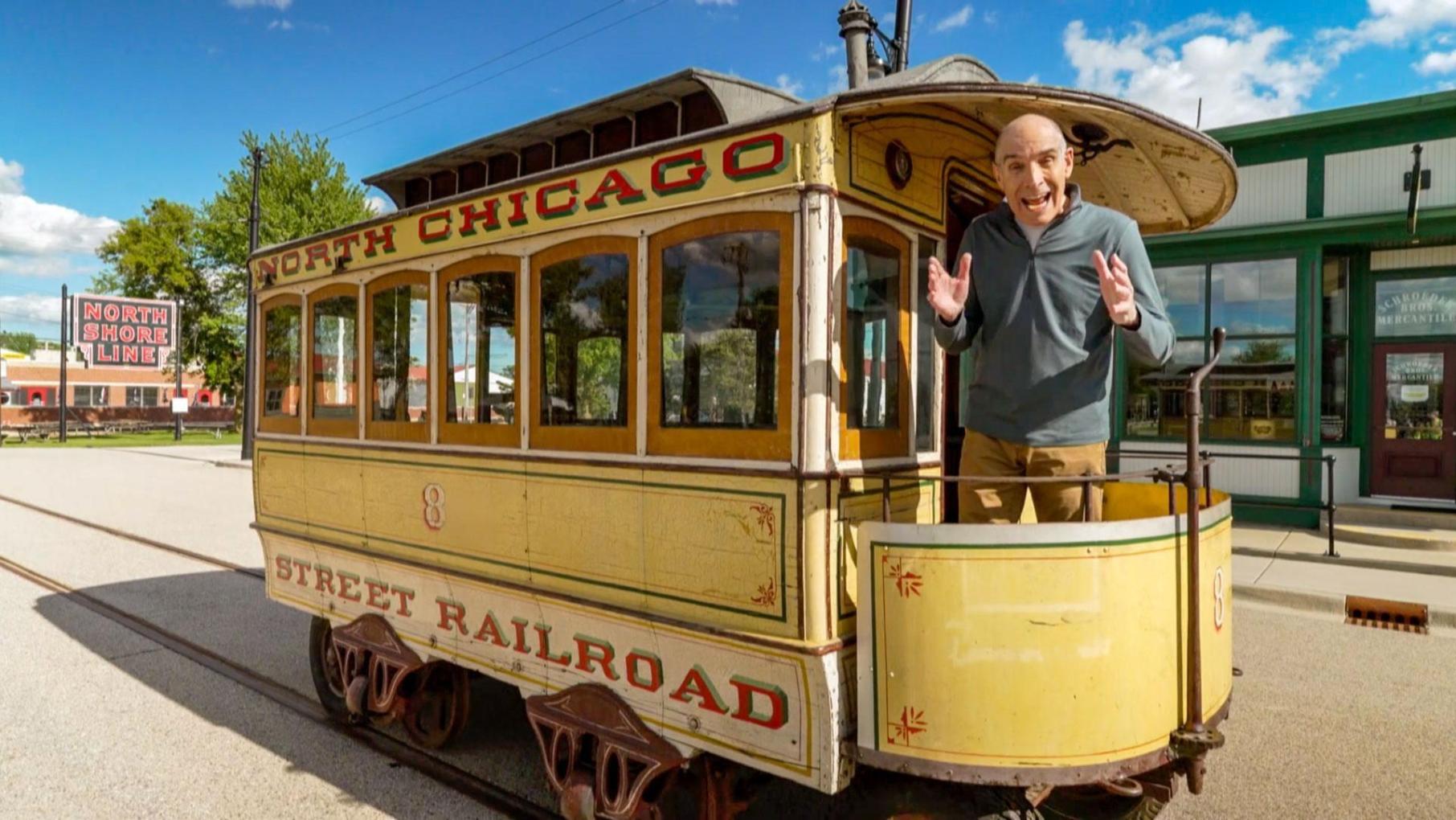
In the late 19th century, Chicago had the largest cable car network in the nation, with some 3,000 cable cars and 80 miles of rails. Unlike electric trolleys, these were motorless streetcars pulled by a steam-powered moving cable under the tracks. Charles Tyson Yerkes – known for shady business dealings – is the man who made it happen, as author Greg Borzo tells Geoffrey Baer.

Image
The Delightful Nostalgia of the Streetcar: asset-mezzanine-16x9

The Delightful Nostalgia of the Streetcar

Kenosha, Wisconsin, is home to a nostalgic array of streetcars.

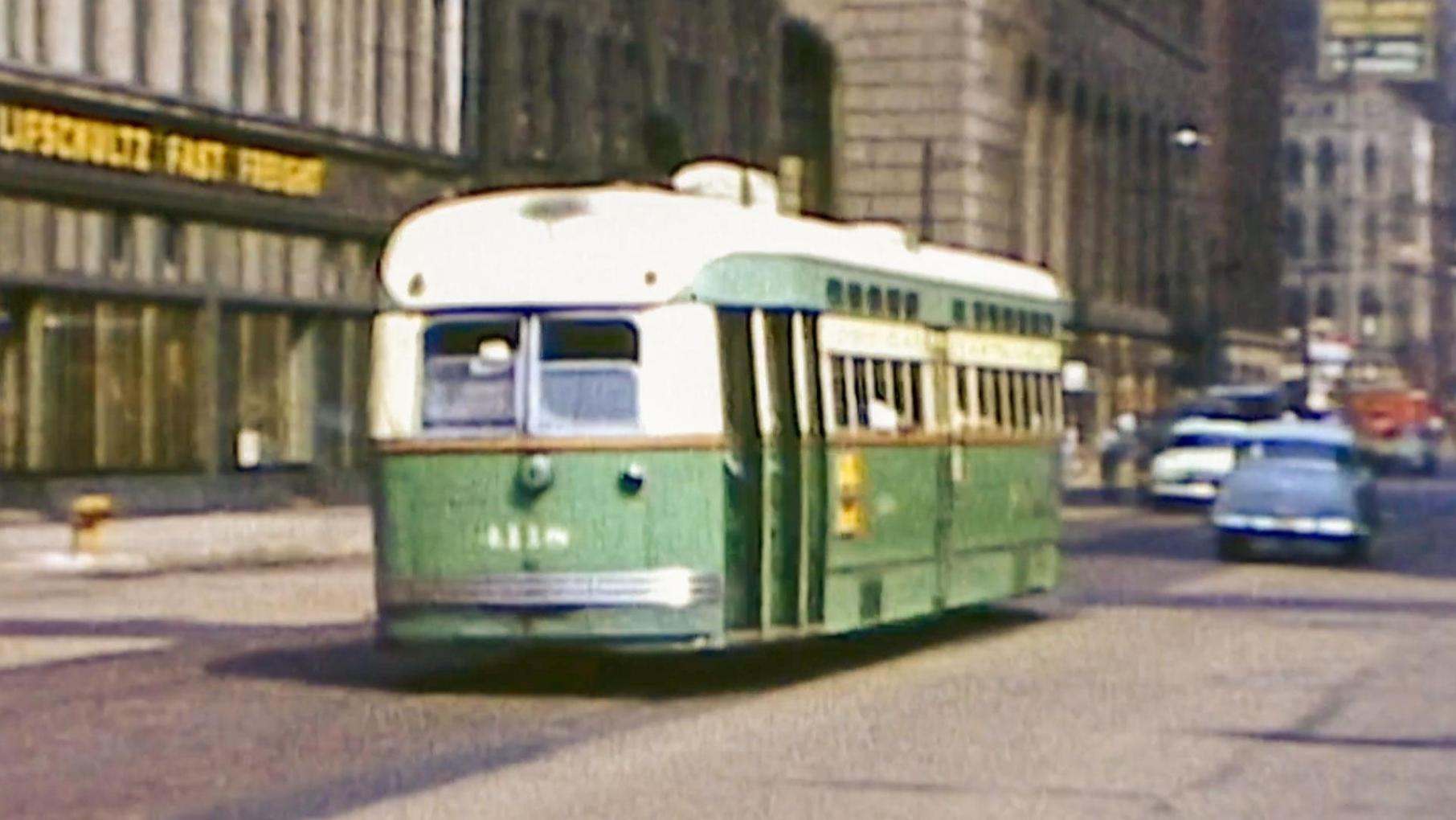
The Kenosha Streetcar Society maintains a fleet of nostalgic and colorful streetcars. Geoffrey Baer visits Kenosha and also explores the history of Chicago streetcars, which ran until the late 1950s.

Image
The Early Days of Chicago’s Loop: asset-mezzanine-16x9

The Early Days of Chicago’s Loop

A little bit of Chicago-style palm-greasing went a long way in getting the Loop built.

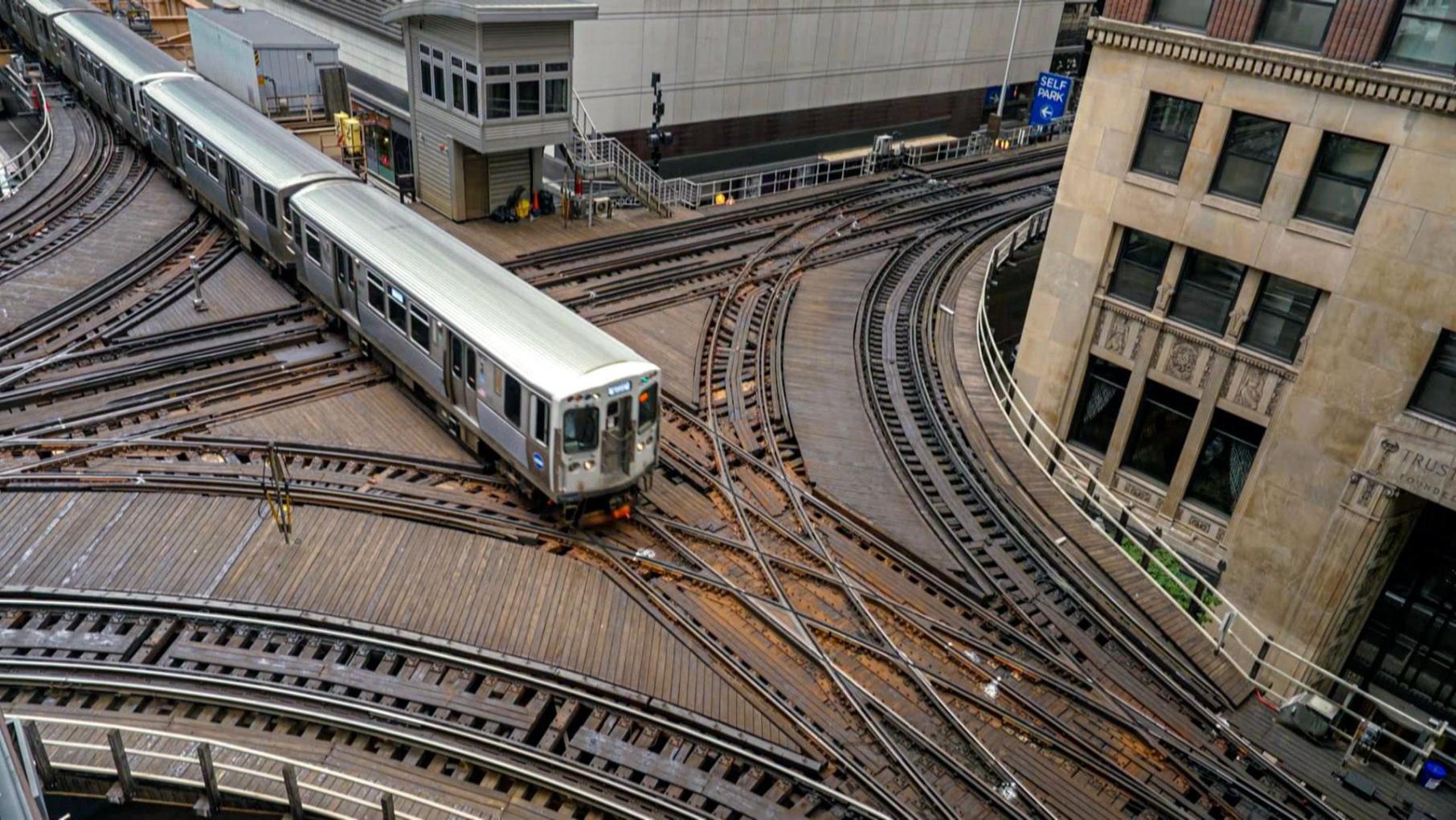
CTA historian Graham Garfield joins Geoffrey Baer to discuss how Charles Tyson Yerkes got the Loop built – bribes and all.

Image
The Forgotten History of Chicago’s Yellow Line: asset-mezzanine-16x9

The Forgotten History of Chicago’s Yellow Line

Chicago’s Yellow Line is all that remains of an old high-speed rail line.

Chicago’s Yellow Line train is a curious little train with a hidden history. It is the last surviving fragment of the Skokie Valley branch of the old North Shore Line – a rail line to Milwaukee with speeds up to 90 miles per hour.

Image
The Last Interurban Railroad: asset-mezzanine-16x9

The Last Interurban Railroad

The South Shore Line is the sole survivor from the days of interurban railroads.

Before the explosion in popularity of the automobile, electric interurban railroads were an easy way to get from nearby city to city. Geoffrey Baer takes a ride on the South Shore Line, which runs between Chicago and South Bend.

Image
May Theilgaard Watts and the Rails-to-Trails Movement: asset-mezzanine-16x9

May Theilgaard Watts and the Rails-to-Trails Movement

A Chicago naturalist helped propel the rails-to-trails movement.

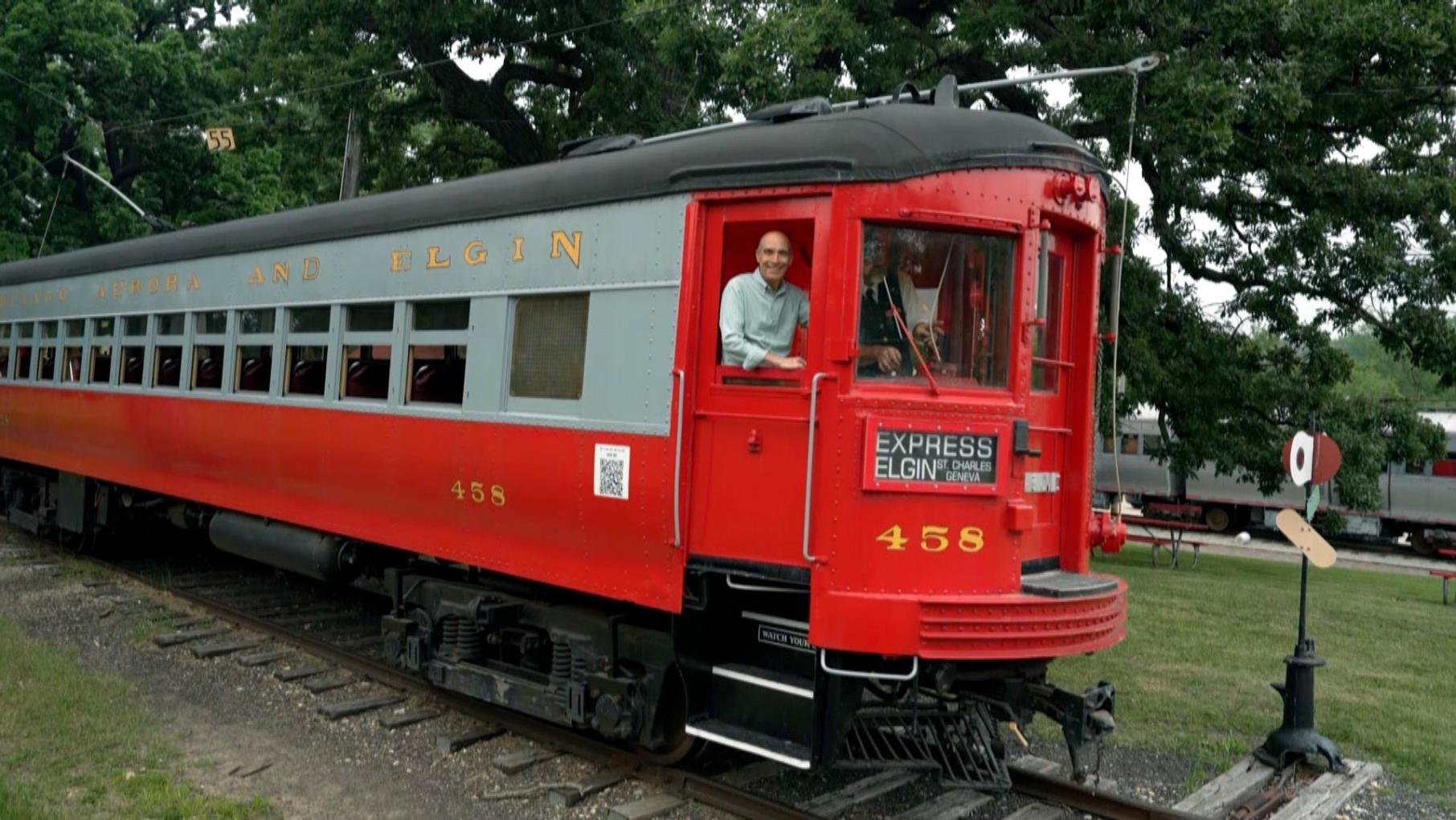
May Theilgaard Watts, a naturalist and educator who lived in and around Chicago, helped spark a rail reuse movement across the country as she sought to transform the old Chicago, Aurora and Elgin right-of-way into a walking trail.

Image
Geoffrey Baer Drives a Steam Train: asset-mezzanine-16x9

Geoffrey Baer Drives a Steam Train

At the Illinois Railway Museum, a dream comes true for Geoffrey Baer.

The Illinois Railway Museum is the largest railroad museum in the country. Geoffrey Baer stops by for a close-up look at vintage trains and gets the chance to drive a steam train.

More Chicago Tours