In a Shrinking Food Journalism Scene, a New Publication with Strong Chicago Ties Emerges
Daniel Hautzinger
August 7, 2026
Get more recipes, food news, and stories at wttw.com/food or by signing up for our Deep Dish newsletter.
In June of 2025, Ashok Selvam won a prestigious James Beard Award for his “local voice” in covering such topics as the fallout over the sudden bankruptcy of a Chicago restaurant brand and the popular milkshakes served during the White Sox’s record-setting losing year. Two months later, he lost his job in the latest round of lay-offs at Eater, the food website that published the stories that garnered his award. About half a year after that, he and some other former Eater colleagues launched a new food publication to continue and expand upon their work, on their own terms. They called it Ravenous and gave it a raven (get it?) as a logo.
“It felt like the last dance,” Selvam says. “If we were going to do anything positive in the positions that we were, it was going to be that year.”
Food journalism in Chicago has been decimated in recent years. Eater’s Chicago coverage has noticeably slimmed with the loss of Selvam, while Time Out stopped publishing reviews (and also, incidentally, closed its food hall here.) The Tribune has been pulling back on reviews and coverage for years, including after being bought by a hedge fund, laying off its own James Beard Award-winning food writer, Ahmed Ali Akbar, around the same time that Eater let go of Selvam. Chicago magazine has moved behind the Tribune’s paywall while dropping its “Dish” newsletter editor Anthony Todd. And as the Chicago Reader has weathered numerous challenges it has scaled back much of its once-robust food coverage.
“You have only a handful of voices already, and you’re kind of turning food coverage into something irrelevant” by prioritizing top ten lists and quick-hit influencer videos, Selvam says. “Chicago being the third-largest city in the country, with a thriving, diverse food industry” deserves coverage, he says. The exceptional Filipino food scene here, the bustling Little Palestine in the southwest suburb of Bridgeview – he wants “folks in like Charlotte, North Carolina [to] hear about something in Chicago by putting it in the spotlight in a way where we’re making them care. They’re universal stories.”
Ravenous’ five founder/owners believe people want to read stories that go beyond superficial news and best-of lists but aren’t finding them in an ever-shrinking food media landscape changed by AI, social media influencers, and the clamor of an overwhelming digital world.
“We thought we could serve that group that wants to settle down, get situated in their most comfy chair,” says Selvam, “and read something that will make them think.”
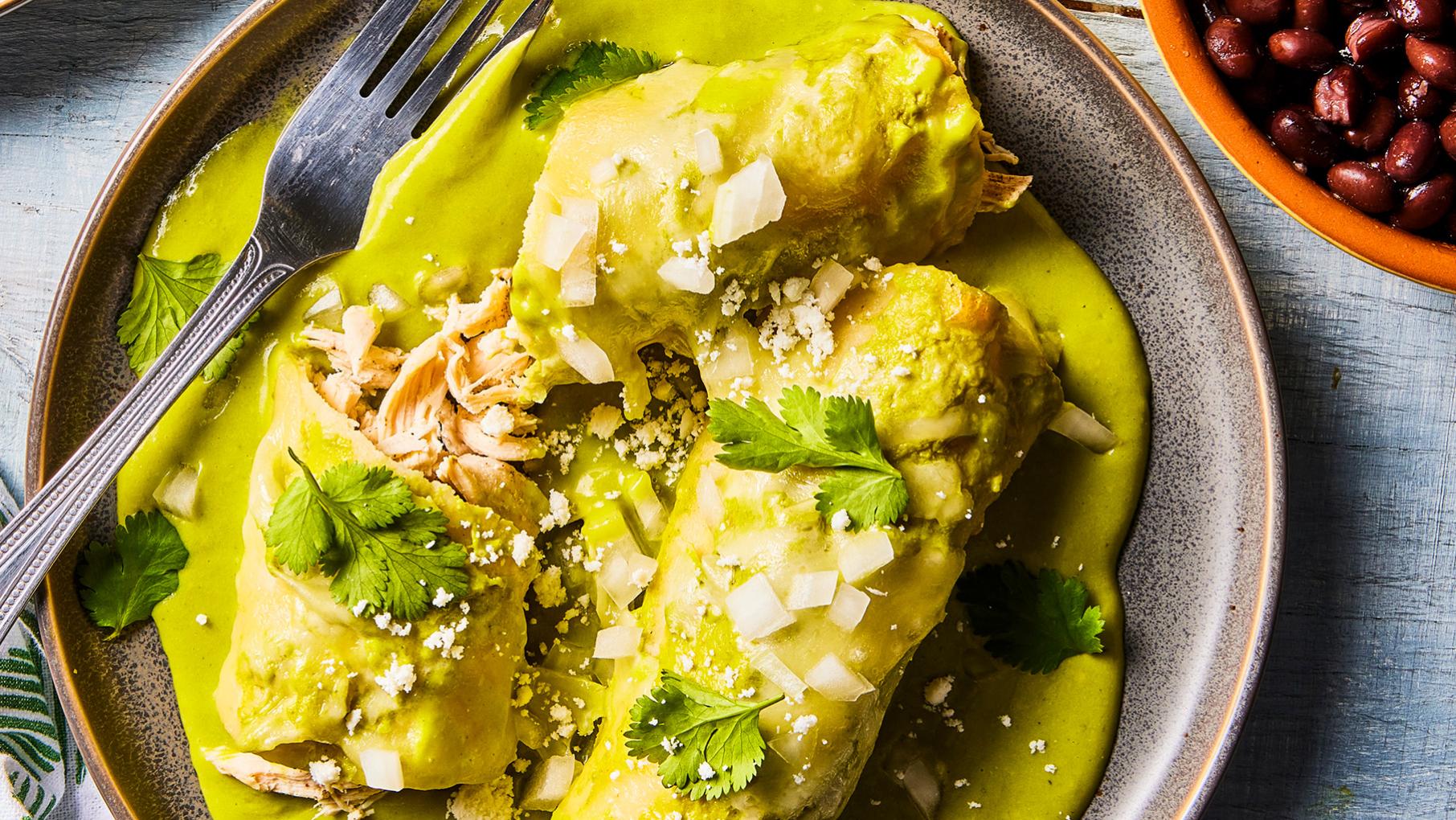
In the few months since their launch, they’ve reached around 1,300 paid subscribers and published pieces examining how hot dogs became a symbol of American summers, in praise of cheese enchiladas, and the relationship between the James Beard Awards and the infamous liquor of the city where those food awards have been hosted for years, Chicago’s Malört. The tone is generally loud-mouthed but insightful, like an opinionated friend who knows the best taqueria in town but is also eager to take you there and gab with the cooks while you wait for your food. Since each founder has years of experience in journalism and they edit each other, their individual voices are evident: the White Sox, Malört, or basketball (probably Michael Jordan and the Bulls) are sure to come up in Selvam’s associative stream-of-consciousness style, for instance.
That’s because Selvam is a proud native of Chicago who worked for Eater’s Chicago site for over ten years and served as a journalist here before that. He’s still writing about Chicago for Ravenous, extrapolating from local trends to make them national stories, like looking at the rise of real estate agents who have started a side hustle as food influencers. Ravenous prides itself on being centered in the middle of the country, with founders in Texas, Michigan, and Illinois; only one is based on a coast, in New York City.
It’s also worker-owned, with no investors or corporations backing them, a fact they tout emphatically. Three of the founders, including Selvam, had union roles while at Eater, and one prominent area of coverage at Ravenous is labor in the restaurant industry. The founders have shared stories of what they believe was undue influence by sponsors and corporate bosses over editorial coverage at previous publications as one reason that they wanted to start their own subscription- and grant-funded publication.
Ravenous is not the only worker-owned publication to launch recently, nor even the only one focused on food. In a moment when Democratic Socialists of America-aligned candidates are winning primary elections across the country while media publications continue to shrink and fold, writers have started outfits like Untitled Food Magazine and Best Food Blog, following a path set by Defector and others. Several indie magazines have debuted in Chicago, from the pub to The Issue, following in a long tradition of small and scrappy publications here that goes all the way back to upstart literary magazines The Little Review, The Dial, and Poetry a century ago. Ravenous’ focus on labor has its own storied history in Chicago that stretches even further, to nineteenth century railroad strikes, the Haymarket Affair, and Pullman porters.
“I grew up in Chicago, I was born in Chicago – that’s what I know best. You want to have a use for that institutional knowledge of restaurants, you want to continue to use those sources that you’ve developed,” says Selvam. “You want to build upon that. So it seemed like we had to figure that out. And we did. Our attitude is, every local story could be a national story.”