Facebook icon Twitter icon Instagram icon YouTube icon

Watch | Touring Chicago's Lakefront

Watch

Touring Chicago's Lakefront

This is the story of how the lakefront was envisioned, built, and defended.

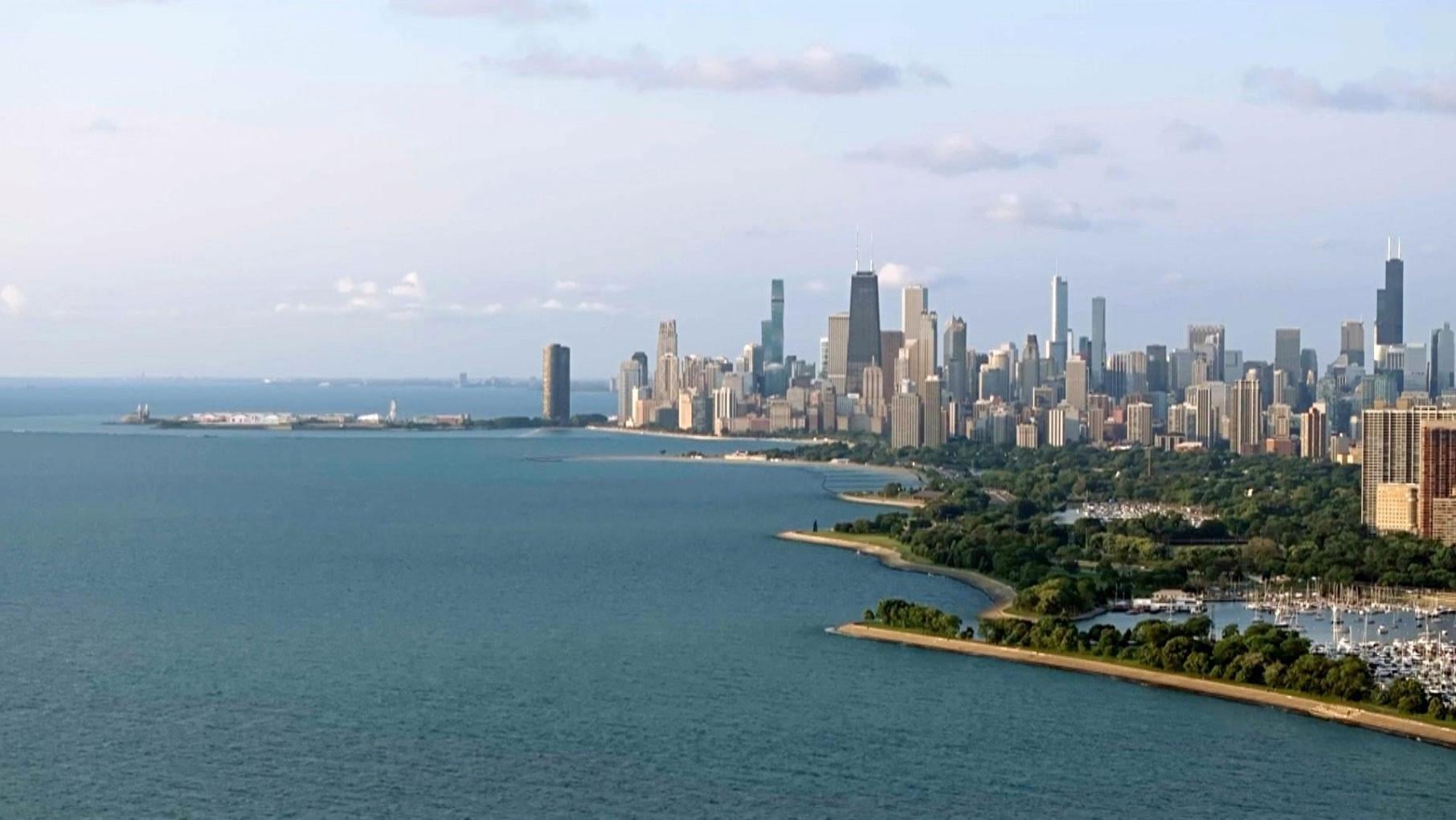
After its people, Chicago’s lakefront is its greatest asset. But don’t take the lakefront for granted — it was by no means inevitable that Chicago’s crown jewel would end up so dazzling. This is the story of how the lakefront was envisioned, built, and defended. And how the struggle continues, under pressure from development and climate change.

Full Show

Image
Touring Chicago's Lakefront: asset-mezzanine-16x9

Touring Chicago's Lakefront

This is the story of how the lakefront was envisioned, built, and defended.

After its people, Chicago’s lakefront is its greatest asset. But don’t take the lakefront for granted — it was by no means inevitable that Chicago’s crown jewel would end up so dazzling. This is the story of how the lakefront was envisioned, built, and defended. And how the struggle continues, under pressure from development and climate change.

From the Show

Image
Jean Baptiste Point DuSable's Lakefront Homestead: asset-mezzanine-16x9

Jean Baptiste Point DuSable's Lakefront Homestead

Jean Baptiste Point DuSable built a homestead at the convergence of the river and lake.

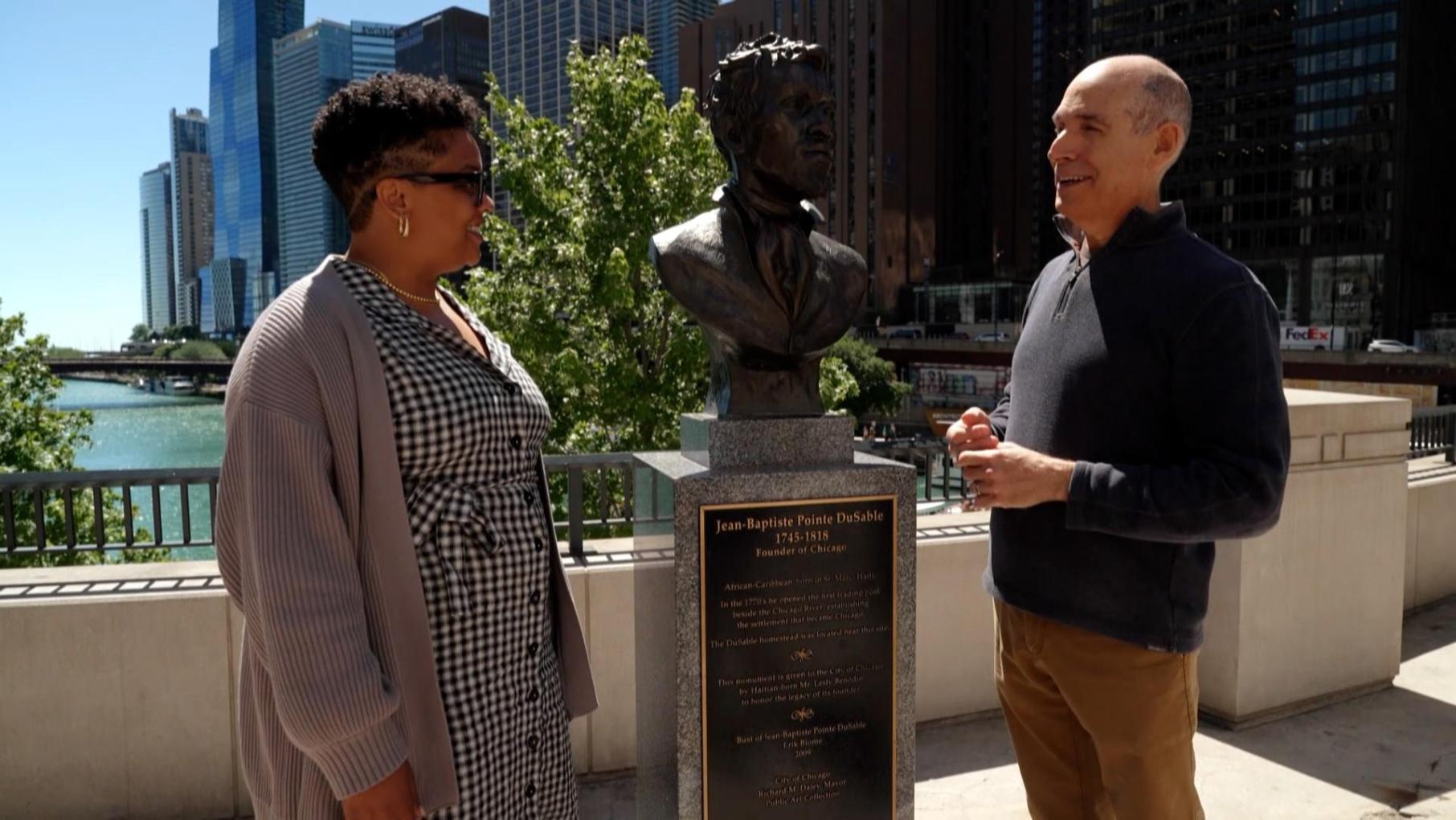
Jean Baptiste Point DuSable is considered by many to be the first non-Indigenous settler and the founder of what would become Chicago. DuSable – along with his wife, Kitihawa, a Potawatami woman – built an impressive homestead at the convergence of the Chicago River and Lake Michigan, which back in those days was closer to present-day Michigan Avenue.

Image
Grant Park: Forever Open, Clear, and Free: asset-mezzanine-16x9

Grant Park: Forever Open, Clear, and Free

A. Montgomery Ward launched a legal battle to preserve the lakefront for the people.

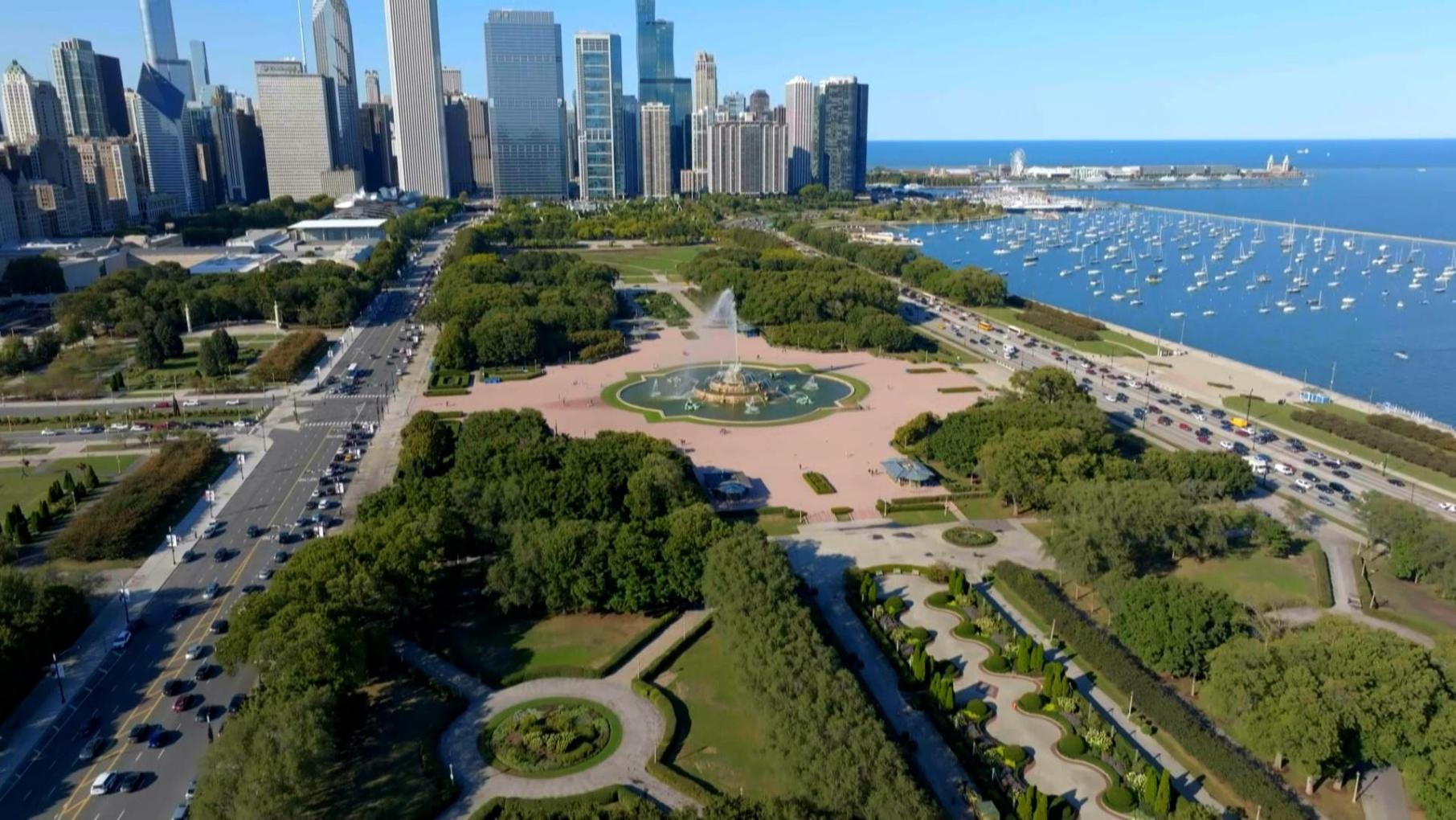
Mail order magnate A. Montgomery Ward was outraged that the lakefront near present-day Grant Park (built in part from the ash from the Great Chicago Fire) was rife with shantytowns and garbage. He filed lawsuits to clear the area and prevent further construction. His lawyer leaned on a phrase from an old map – that this section of the lakefront should remain "forever open, clear, and free."

Image
The NASCAR Chicago Street Race: asset-mezzanine-16x9

The NASCAR Chicago Street Race

Geoffrey Baer visits the NASCAR Chicago Street Race.

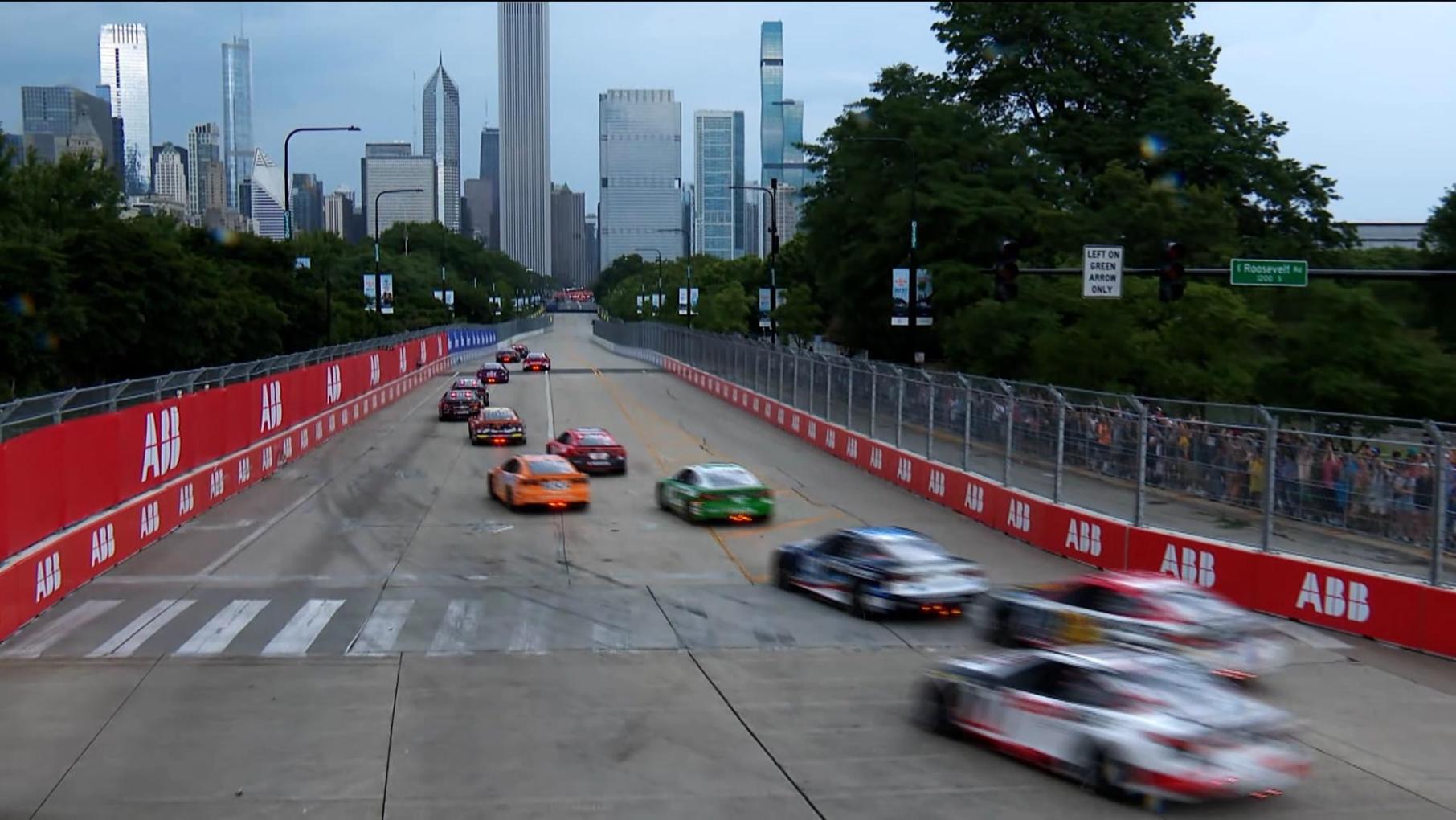
The NASCAR Chicago Street Race began in 2023. The reception was mixed, but it’s not the first time Chicago has held an auto race on the lakefront. America’s first-ever auto race began in Jackson Park on Thanksgiving in 1895. It took more than 10 hours to complete the 50-mile course, and of the six cars that competed, two finished. The average speed? Just 5 miles per hour.

Image
How Meigs Field Became Northerly Island (Again): asset-mezzanine-16x9

How Meigs Field Became Northerly Island (Again)

A former lakefront airport has become a green space once envisioned by Daniel Burnham.

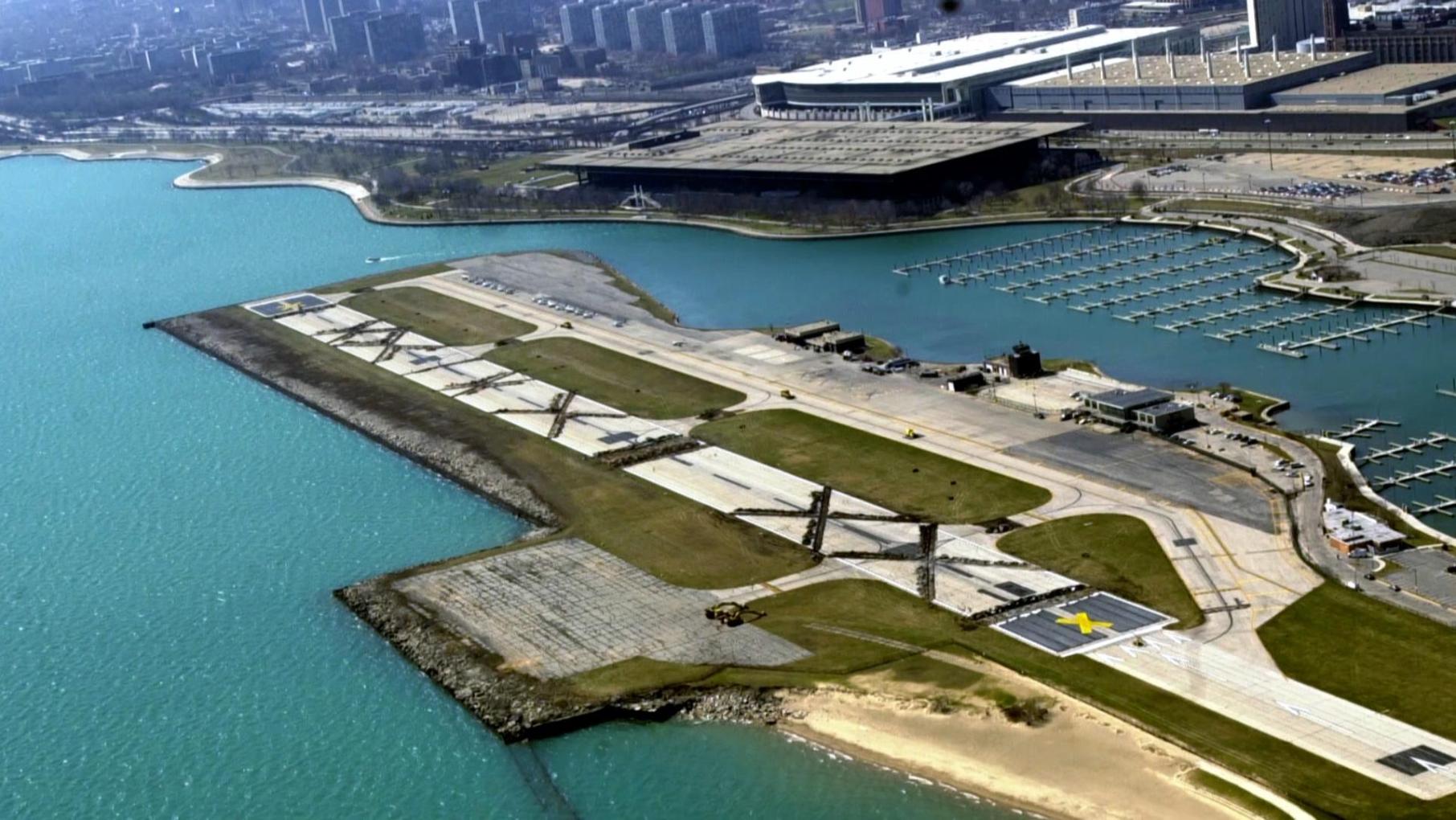
Northerly Island used to be home to Meigs Field, an airport on the lakefront for small planes. But under cover of darkness in 2003 and without informing state or federal officials, Mayor Richard M. Daley sent in a brigade of bulldozers to destroy the runway and close the airport. It was later transformed into a park which is closer to Daniel Burnham’s original vision than it was as an airport.

Image
31st Street Beach and the Red Summer of 1919: asset-mezzanine-16x9

31st Street Beach and the Red Summer of 1919

Racial violence in Chicago first exploded at a lakefront beach during the Red Summer.

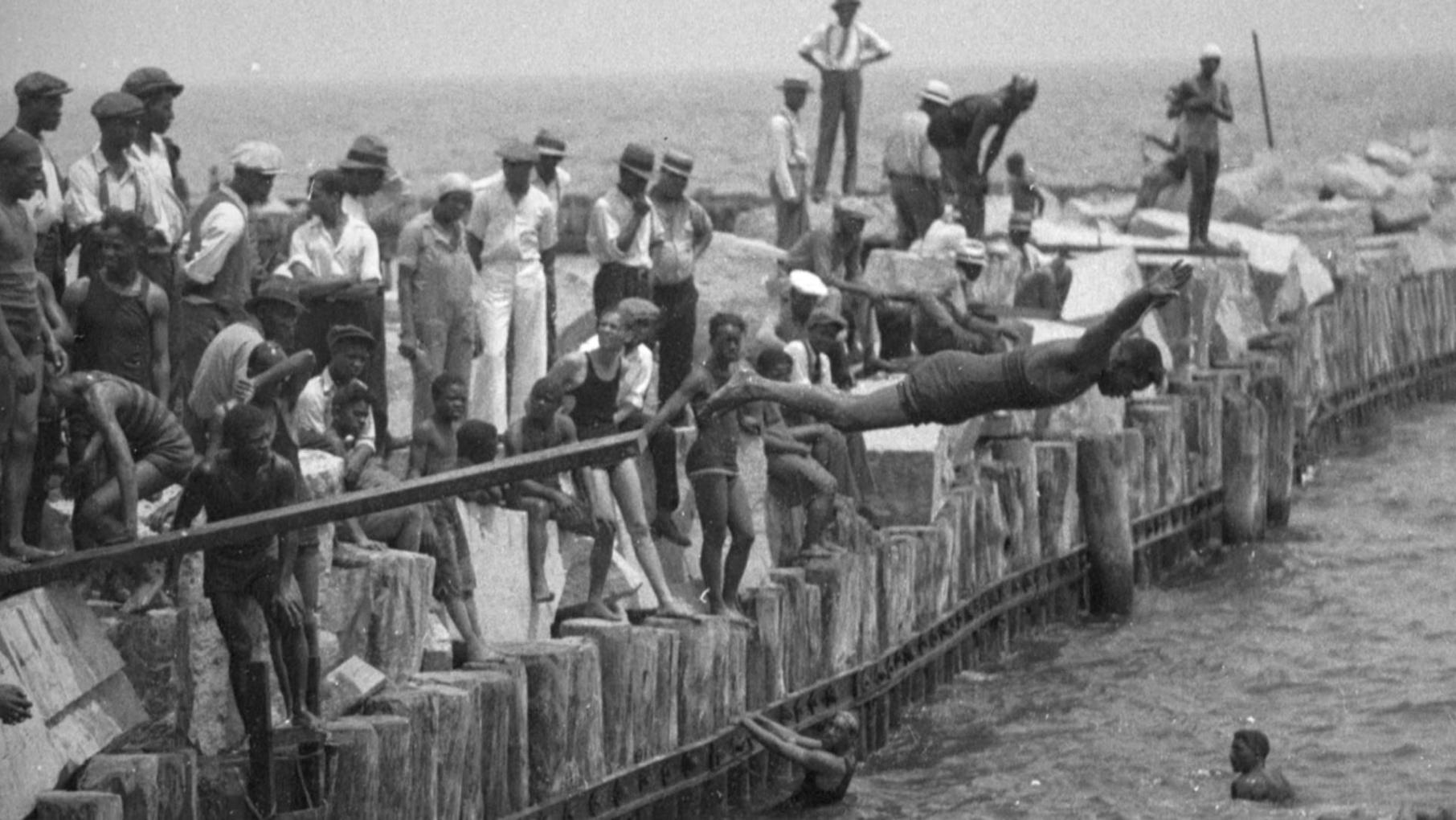
On July 27, 1919, Eugene Williams, a Black 17-year-old boy playing in Lake Michigan at a beach near 29th Street, floated across an invisible – and unofficial – color line segregating the swimming area. A white man hurled stones at Williams, who slipped under the water and drowned.

Image
The Shipwreck at Morgan Shoal: asset-mezzanine-16x9

The Shipwreck at Morgan Shoal

A shipwreck sits just 600 feet off Chicago’s lakefront on an ancient reef.

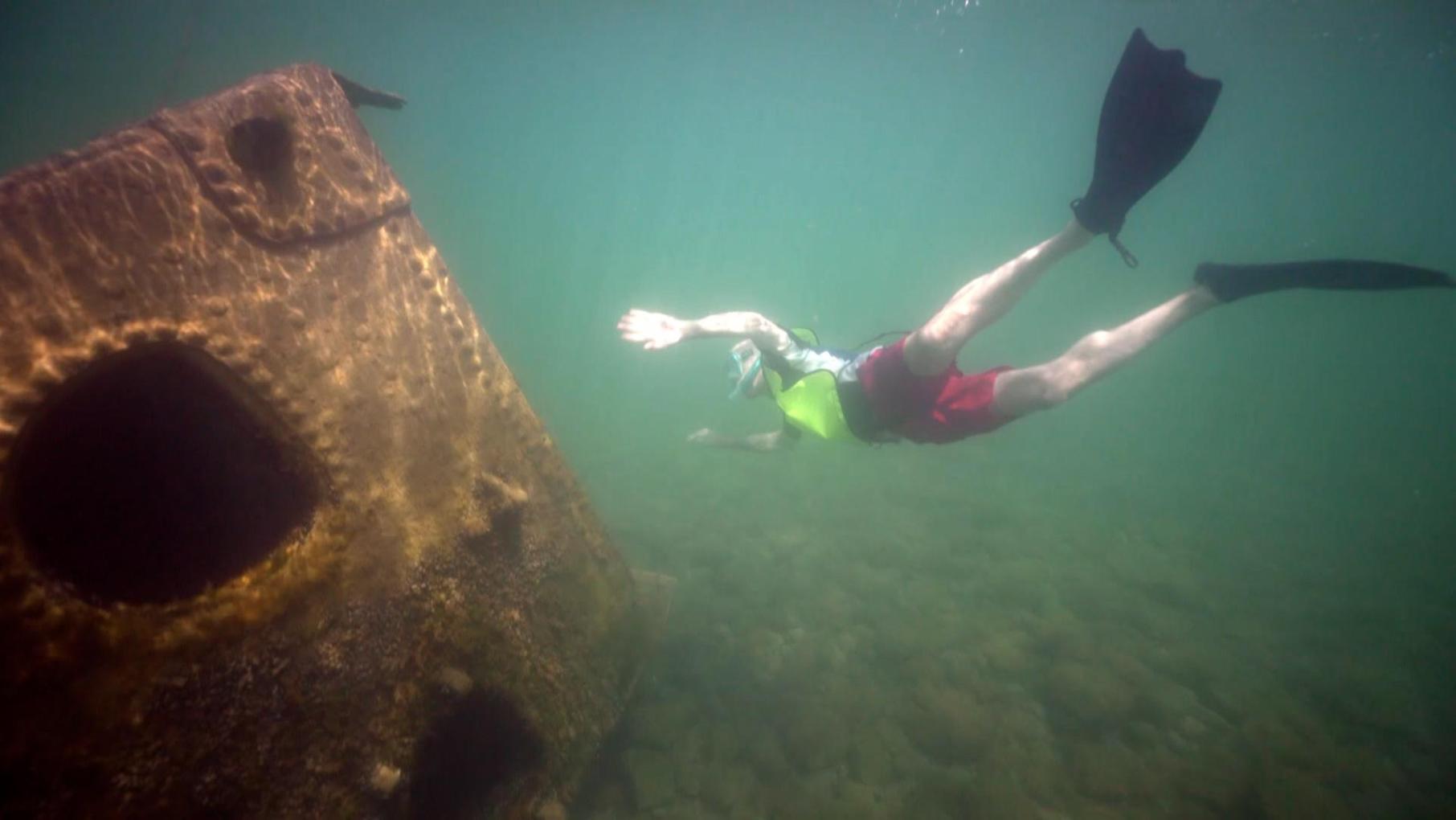
Just 600 feet off Chicago’s shoreline sits the wreckage of the Silver Spray, a steamship that got stuck on an ancient reef called Morgan Shoal and broke up in 1914. There were no passengers on board, and the crew all survived. The boiler and propeller are all that remain today. Morgan Shoal offers clues into prehistoric Chicago, which was a tropical sea 425 million years ago.

Image
The Surprising History of Promontory Point: asset-mezzanine-16x9

The Surprising History of Promontory Point

Promontory Point is yet another example of Daniel Burnham’s Plan of Chicago.

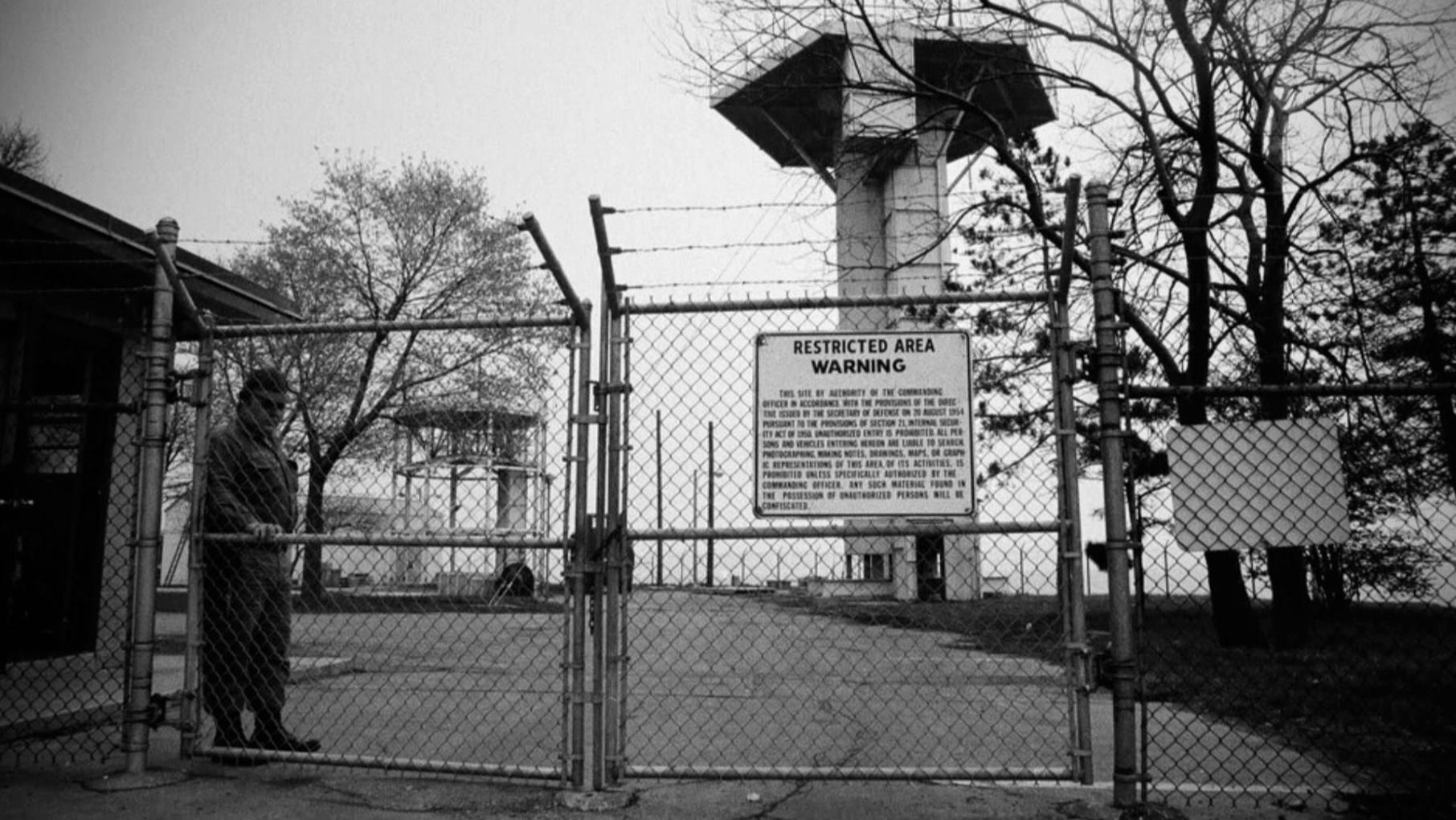
A man-made peninsula on Chicago’s South Side called Promontory Point is another example of Daniel Burnham’s Plan of Chicago in action. It has been offering a respite from busy city life since 1937. But for years it served another surprising purpose during the Cold War: It was the site of radar towers as the control center for a nearby Nike missile base – the last defense against a Soviet attack.

Image
Jackson Park and The White City: asset-mezzanine-16x9

Jackson Park and The White City

Jackson Park was the site of the World’s Columbian Exposition.

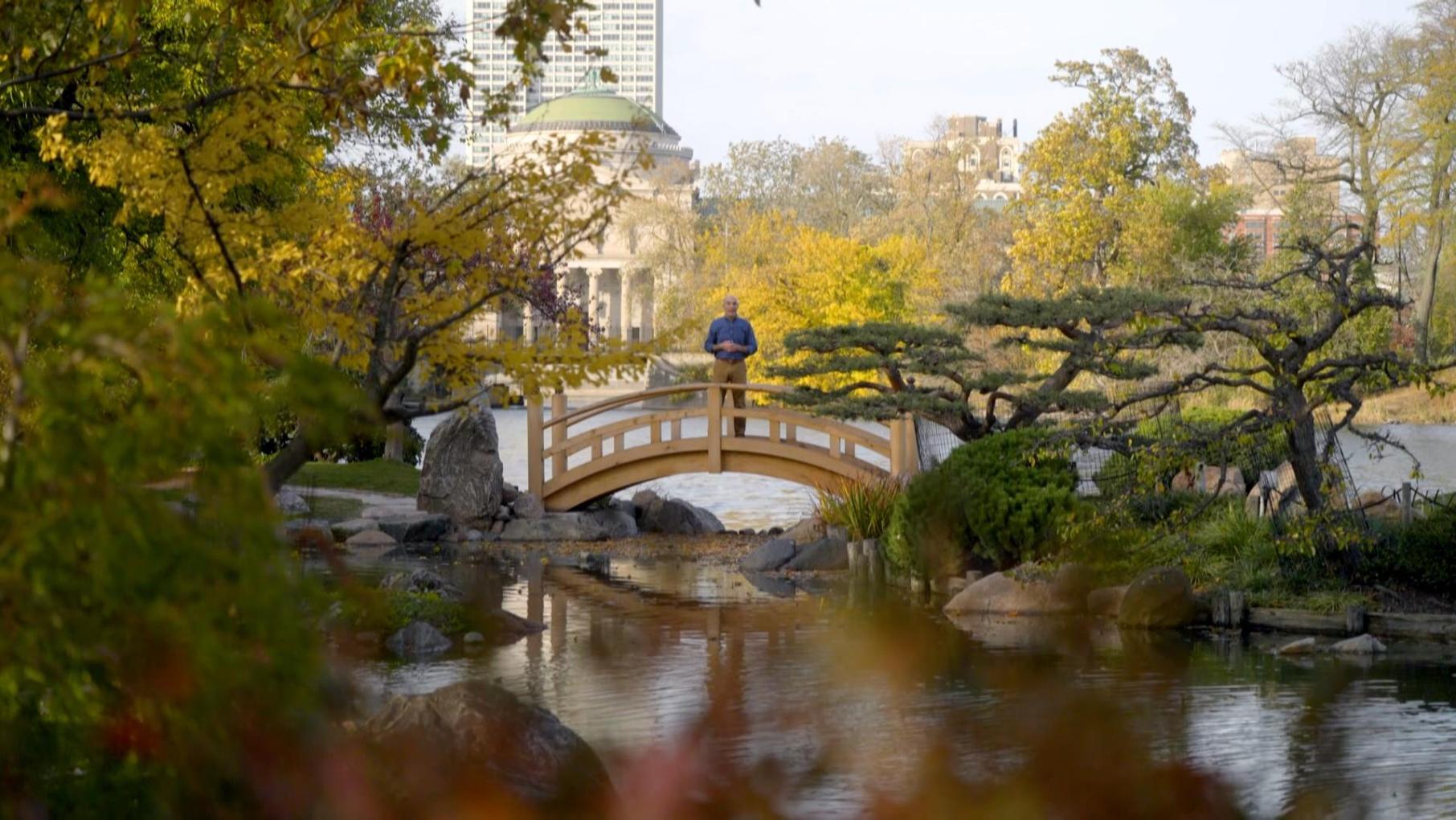
Chicago’s Jackson Park was designed by Frederick Law Olmsted and Calvert Vaux – the men behind New York’s Central Park. They teamed up with Daniel Burnham to transform the park into the so-called "White City," a fairgoer’s fantasyland for the 1893 World’s Columbian Exposition. Today, the Museum of Science and Industry is the only fair pavilion left in Jackson Park.

Image
A Lakefront Rodeo: asset-mezzanine-16x9

A Lakefront Rodeo

A horseback riding club teaches equestrian skills to a new generation.

The Broken Arrow Horseback Riding Club teaches equestrian skills to a new generation of predominantly Black children. Geoffrey Baer visits a rodeo at the South Shore Cultural Center – a former country club that used to exclude Black and Jewish people, even as the demographics of the South Shore neighborhood transformed over the decades.

Image
Calumet Fisheries and the Legacy of Commercial Fishing: asset-mezzanine-16x9

Calumet Fisheries and the Legacy of Commercial Fishing

Calumet Fisheries is a rare survivor of Chicago’s commercial fishing days.

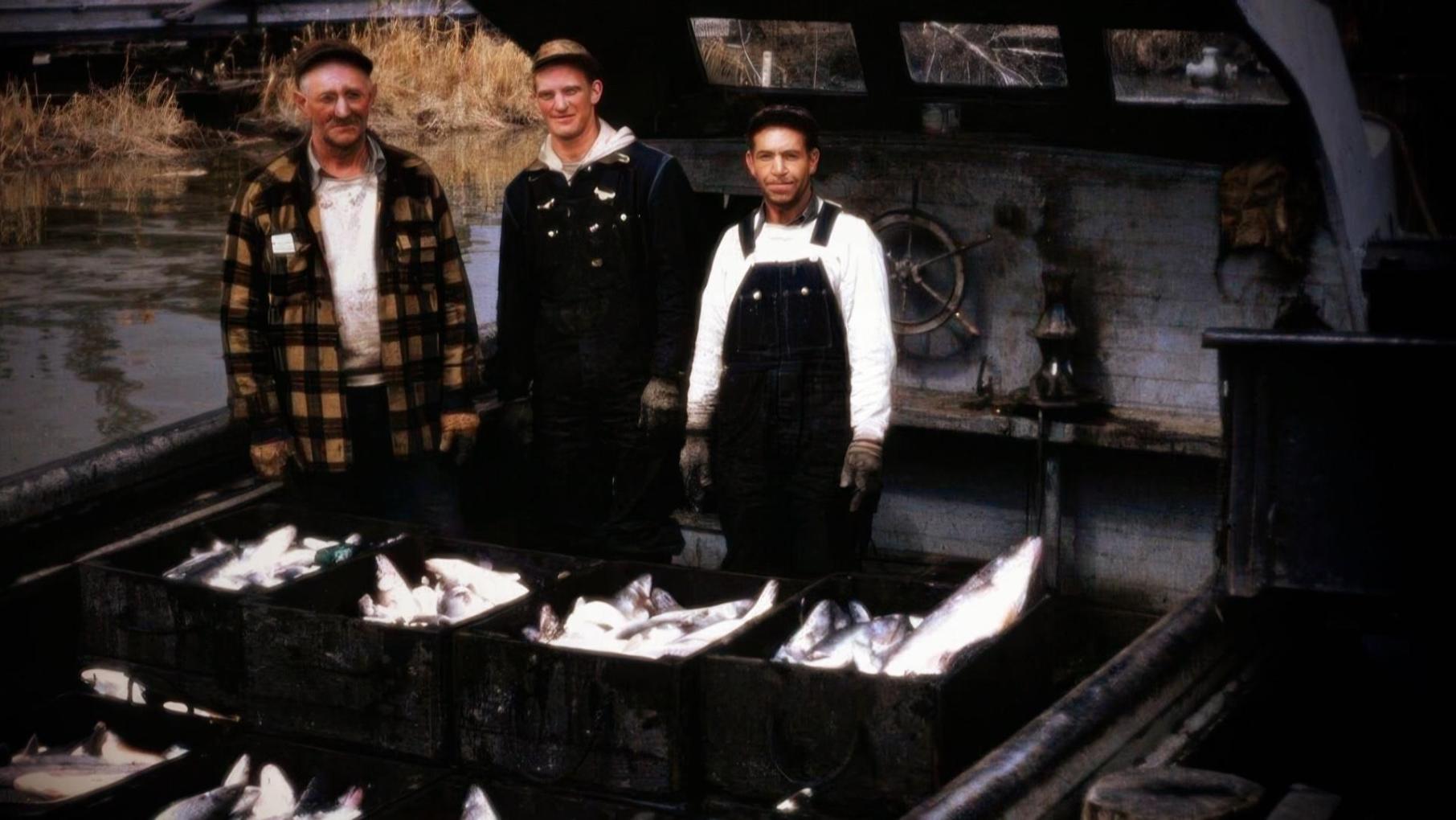
In an industrial area on the Calumet River, the famous Calumet Fisheries smokehouse has been serving up fish for nearly 100 years. When it opened in 1928, commercial fishing was still going strong, and customers – often workers at the nearby steel factories – could enjoy fresh whitefish and trout. Though the steel mills and commercial fishing are gone, customers keep coming back.

Image
The Montrose Beach Piping Plovers: asset-mezzanine-16x9

The Montrose Beach Piping Plovers

Montrose Beach became a nesting site for piping plovers in 2019.

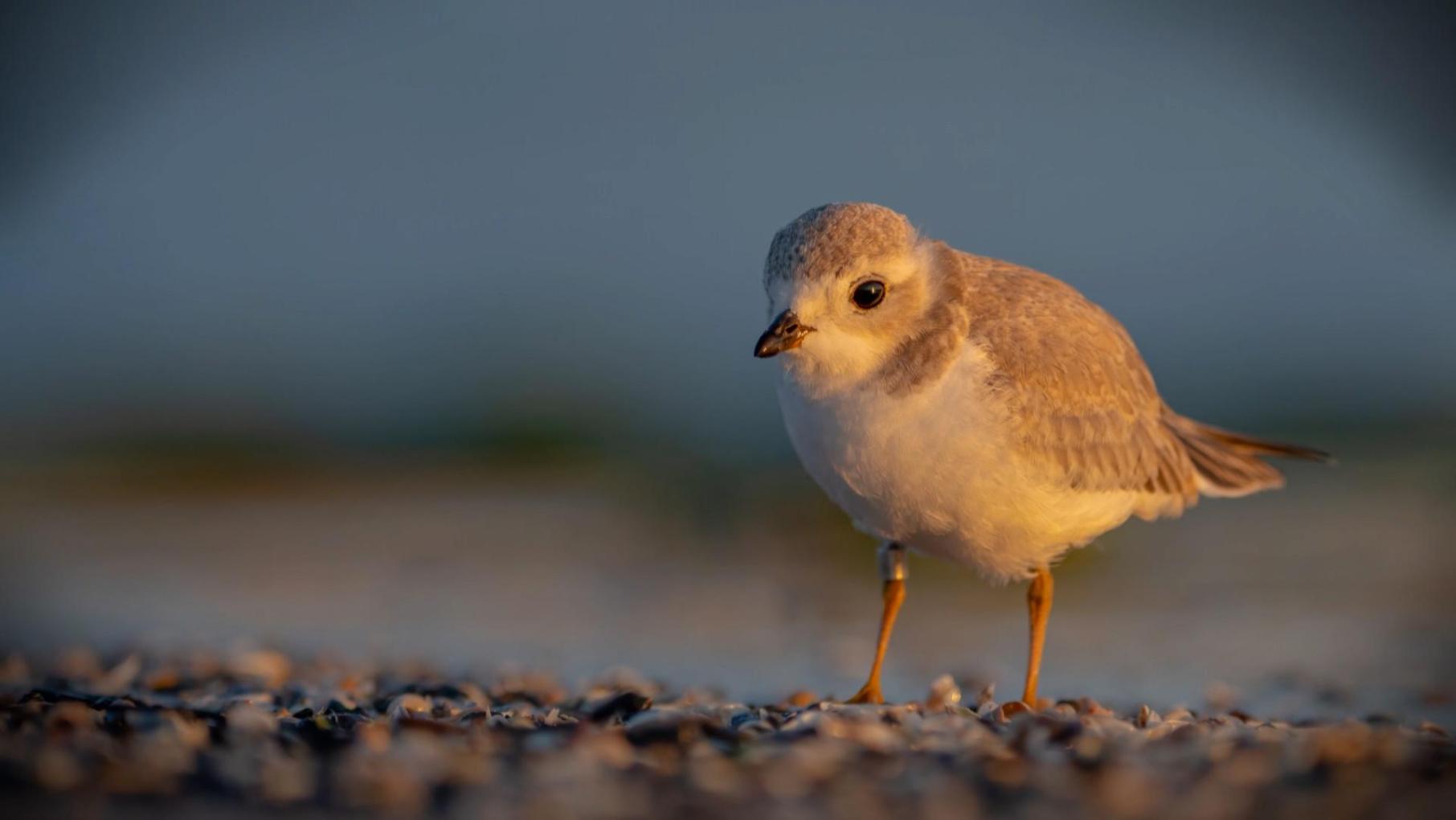
In 2019, Tamima Itani noticed piping plovers building a nest along a volleyball court at Montrose Beach – the first plovers to nest in Chicago since 1948. She organized a group to protect the plovers, whom she named Monty and Rose. Their love story captured the heart of the city, and conservationists continue to monitor Monty and Rose’s descendants.

Image
Fishing on Lake Michigan: asset-mezzanine-16x9

Fishing on Lake Michigan

Geoffrey Baer embarks on a fishing trip on Lake Michigan.

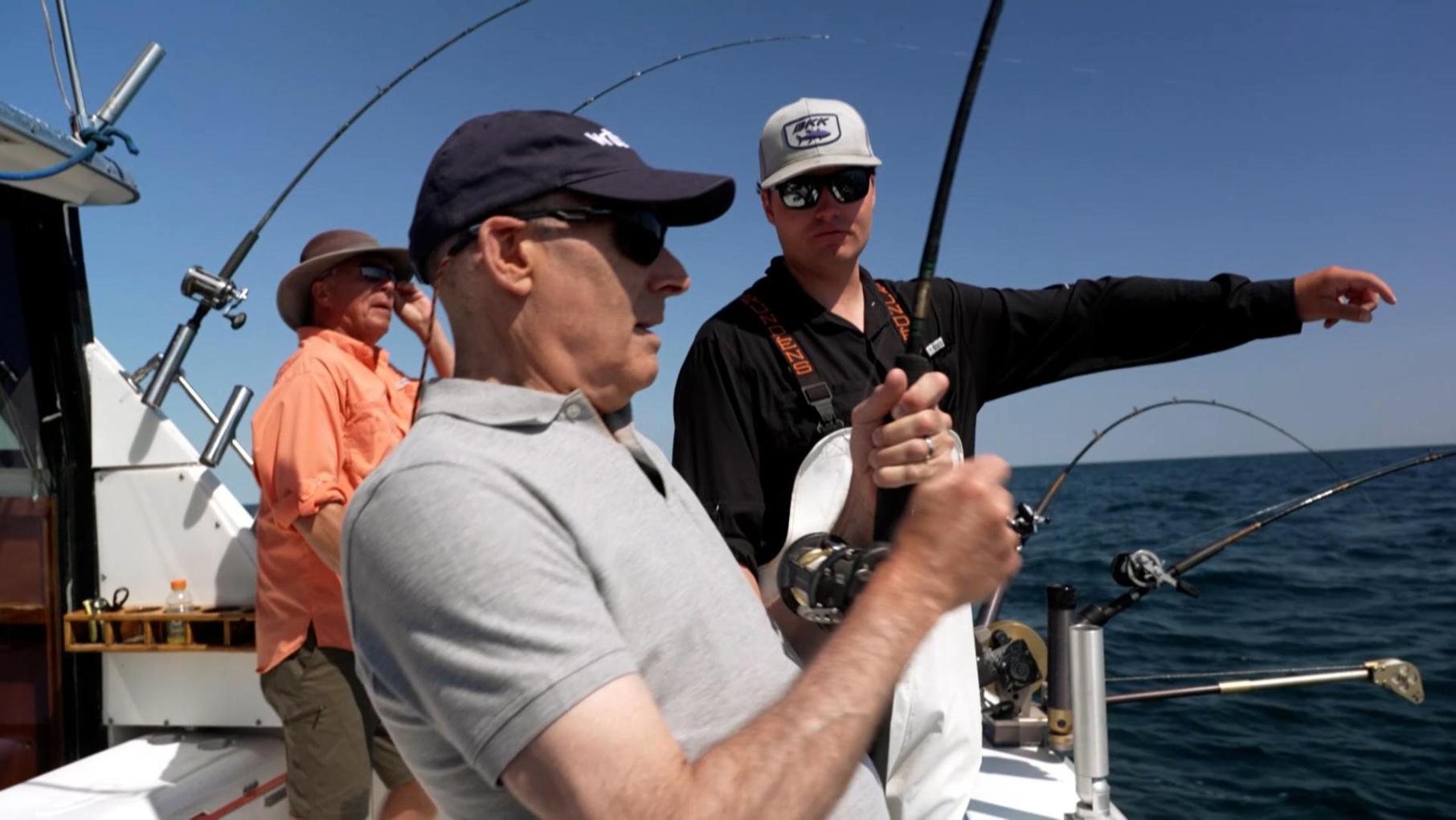
While out on a boat on Lake Michigan, Geoffrey Baer catches a lake trout, a species that was once a dominant predator fish in the Great Lakes. Commercial overfishing and invasive species decimated the population. But fishery management has led to a recovery of the species, as well as the introduction – and success – of non-native salmon.

Image
The Con Man Who Staked a Claim on Streeterville: asset-mezzanine-16x9

The Con Man Who Staked a Claim on Streeterville

Chicago’s Streeterville neighborhood was once a seedy vice district.

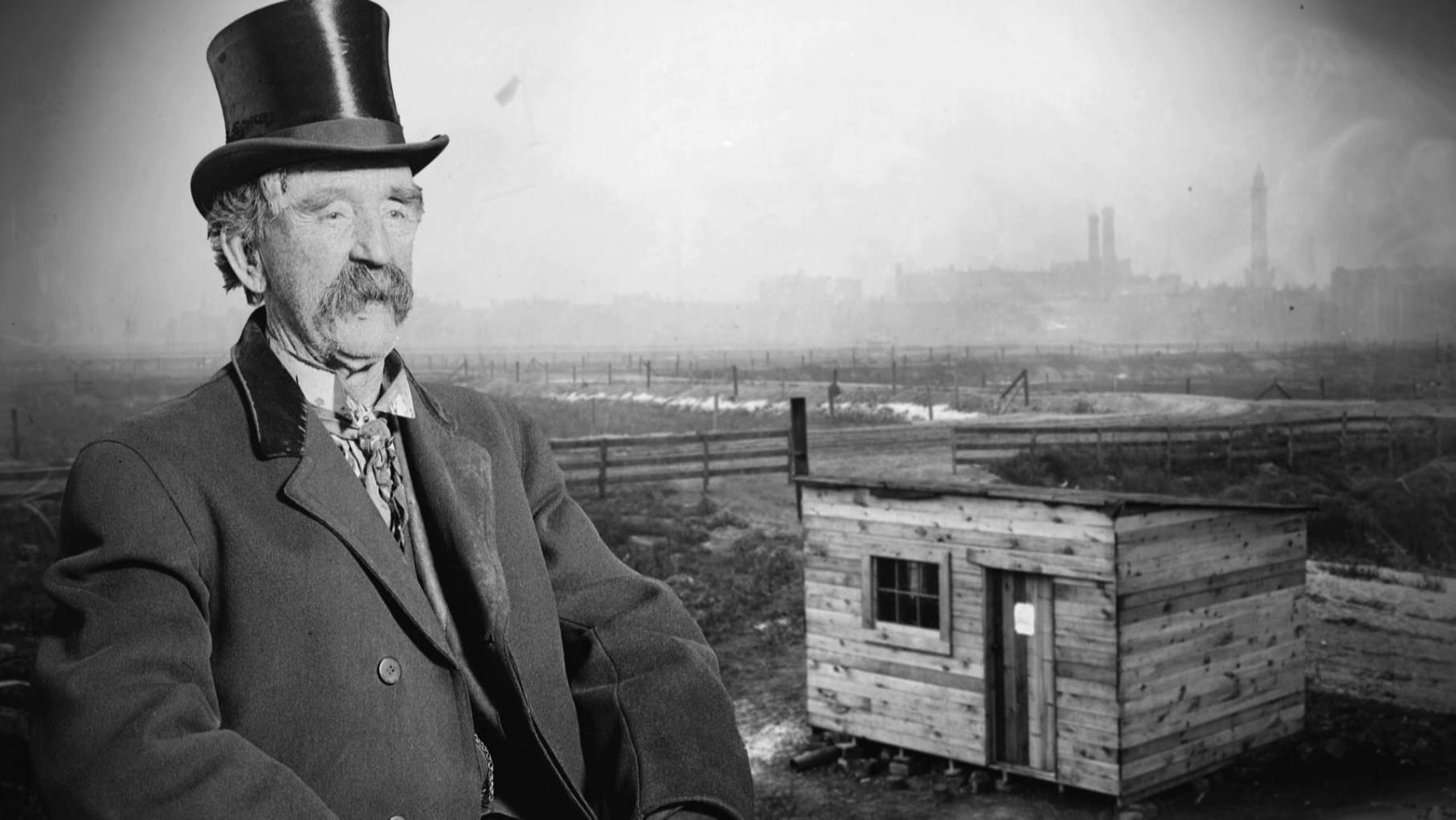
After his steamship ran aground on a sandbar near present-day Superior Street, George Wellington Streeter staked an illegal claim on the vice district, which was overrun with gambling and prostitution. Streeter had an eventful tenure as the area’s resident con man, including forging President Grover Cleveland’s signature and selling property he didn’t actually own.

Web Extra

Image
Meet Chicago's Winter Swimmers: asset-mezzanine-16x9

Meet Chicago's Winter Swimmers

Meet the swimmers who swim in Lake Michigan year-round – even in winter weather.

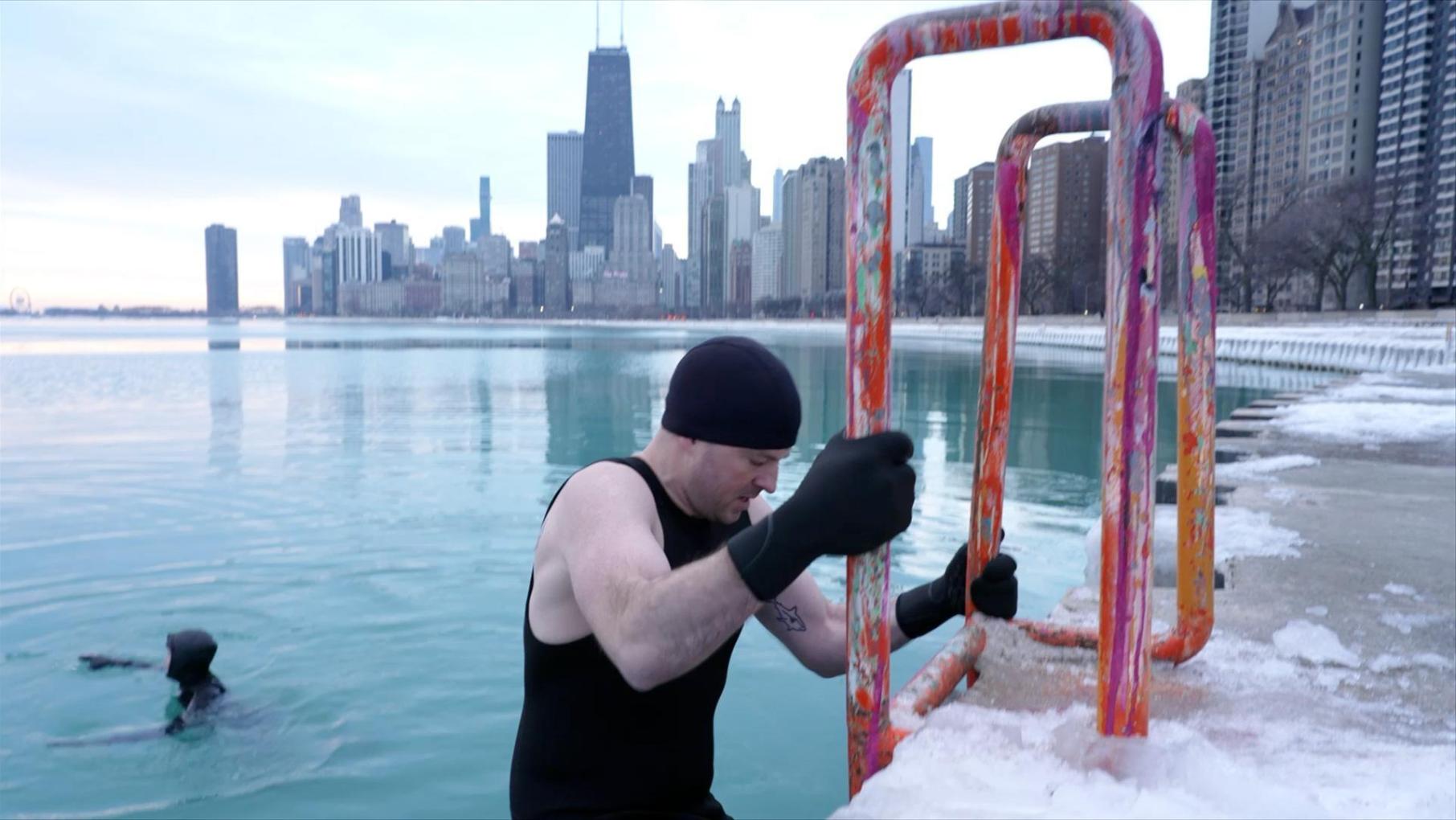
For many Chicagoans, Labor Day marks the end of the swim season. But the die-hard members of Open Water Chicago never say goodbye to the Lakefront: they swim in the lake year round. Meet four swimmers at sunrise to see how they prepare for swimming in 36 degree water, and what they see as the mental, physical, and social benefits of swimming in Lake Michigan, even in the depths of winter.