





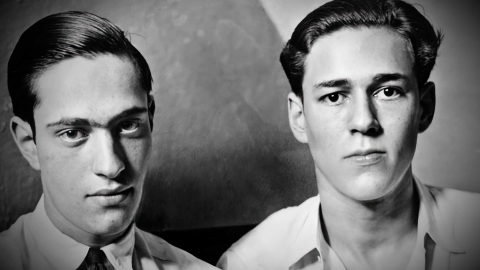








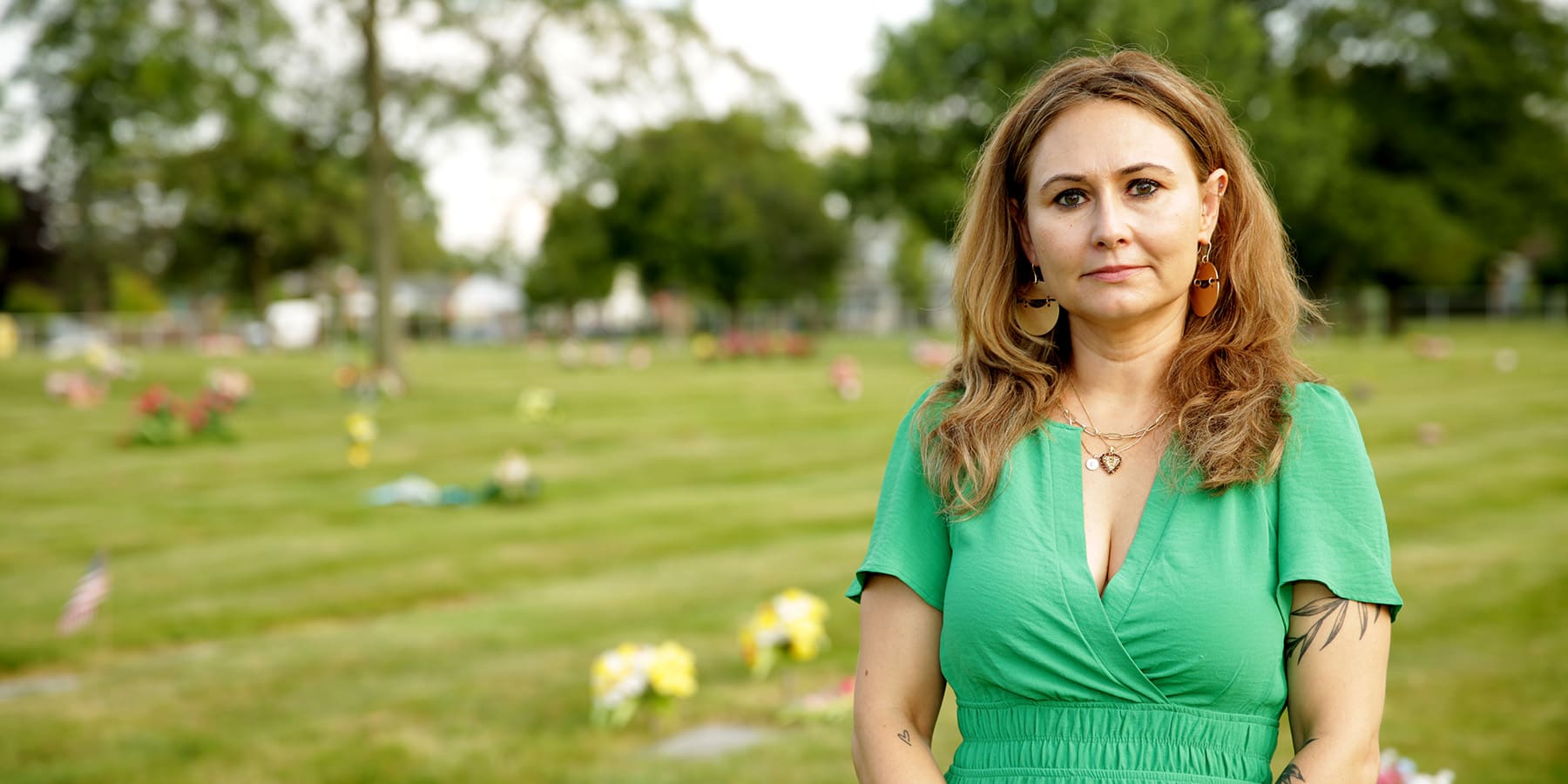
The fallout from the Tylenol murders – the fear, the anxiety, the erosion of trust – impacted families across the United States. But no families felt the impact as deeply as those of the seven victims of the murders. The Janus family, who lived on an idyllic, middle-class street in Arlington Heights, was hit the hardest: three members, including a loving father and two young newlyweds, tragically took cyanide-laced Tylenol from the same bottle. Kasia Novak Janus was just four years old when her father collapsed in their family home and died. She spoke to Chicago Stories about that day and the years of healing that took place in the aftermath.
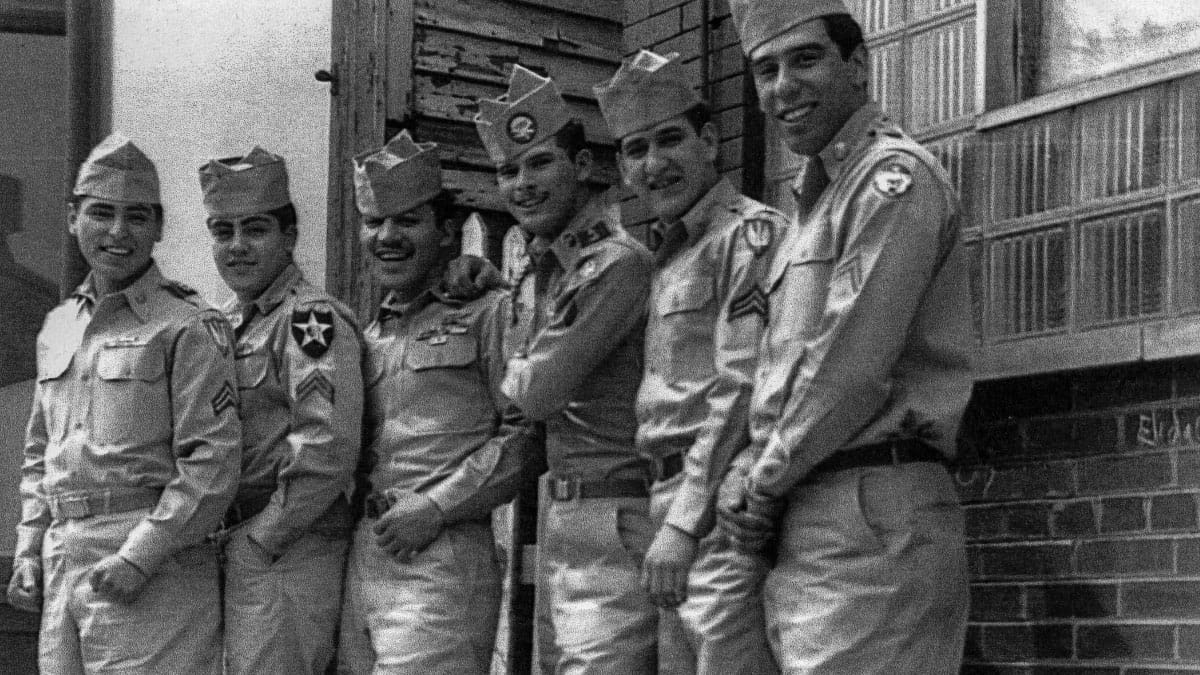
In 1982, the Janus family was busy carving out their own slice of the American Dream in Arlington Heights, a northwestern suburb of Chicago. Adam immigrated to the United States from Poland as a child in the 1960s, along with his parents, two brothers, and sister. He met and fell in love with his wife, Teresa, who also emigrated from Poland, and together they had two children.
“Every kid was living the American Dream. They all were doing wonderful things with their lives,” Kasia Novak Janus, Adam’s daughter, told Chicago Stories. “My grandparents were so proud of them.”
Adam worked for the post office and had ambitions of becoming a postmaster. Kasia said her father was all about the family, carrying photos of everyone in his wallet. At home, they spoke Polish, and Teresa cooked pierogi, gołąbki, rosół, and more. But those meals didn’t stop Adam from sneaking his daughter some sweets every now and then.
“I remember my mom telling me that she would get mad at him because he would feed me some candy before dinner,” Kasia said. “I was daddy’s little girl. It was great.”
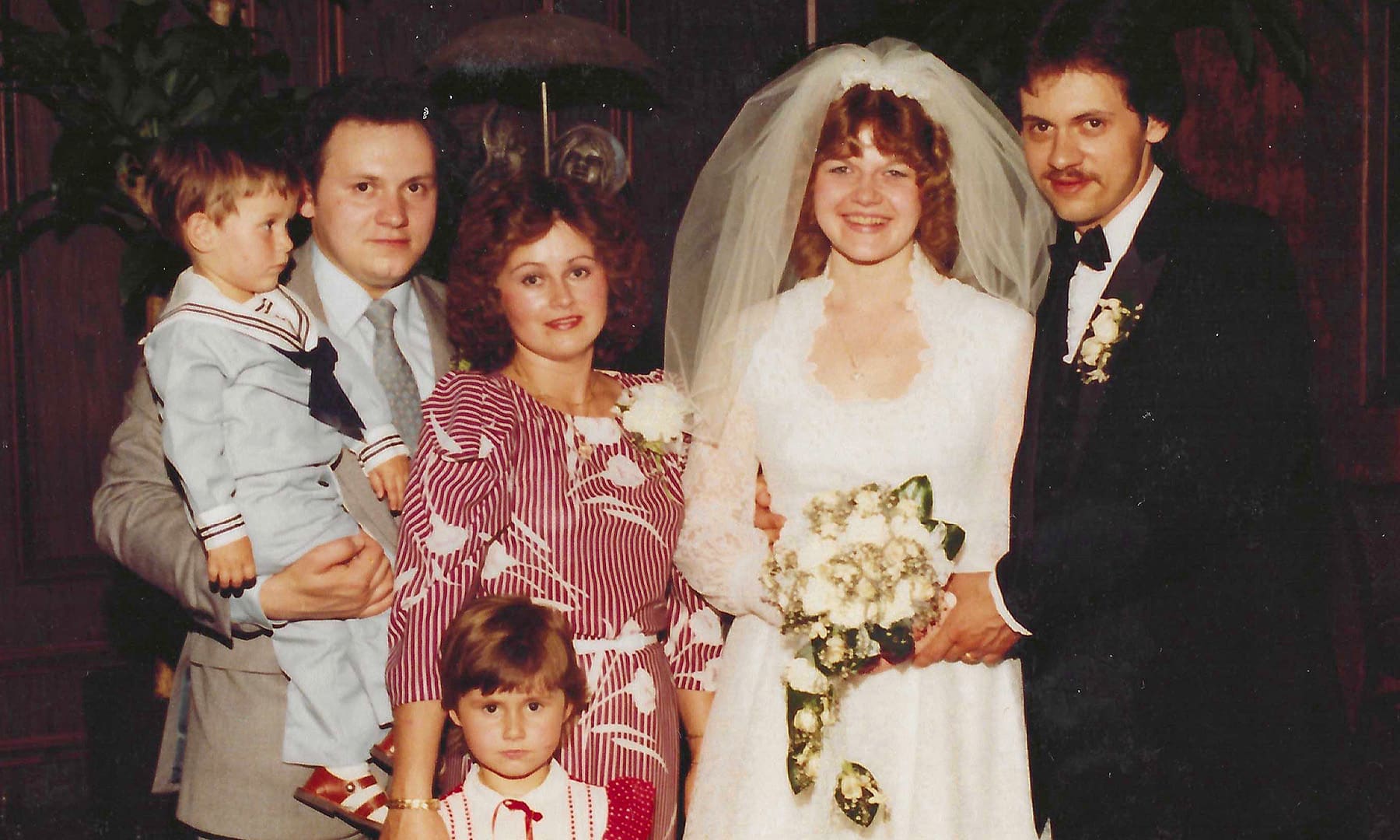
Adam was very close to his younger brother, Stanley, said Kasia. That summer, Stanley got married at St. Hyacinth Catholic Church in Chicago. Kasia remembers everyone was happy, and there was a lot of dancing. The couple went on a honeymoon later that fall, but when they returned, tragedy struck.
On September 29, 1982, Adam picked Kasia up from preschool and stopped in a Jewel to pick up a few things, including flowers for his wife. Kasia remembers walking down an aisle and her father picking up a bottle of Tylenol. When they got home, he delivered the flowers to Teresa and at some point took two Tylenol. Shortly after, he told Teresa he wasn’t feeling well, so he went to rest in their bedroom. Teresa found him convulsing, and ran outside to get help from the neighbors, who called 911 and stayed behind with the kids while he was taken to the hospital. Adam died of what doctors suspected was a heart attack. But he was just 27 years old, and otherwise healthy. The shocked, bereft family gathered at their home to begin arranging the funeral. Stanley and his new wife, also named Theresa, who had recently returned from their honeymoon in Hawai’i, reached for the same Tylenol bottle for a sore back and a headache.
“That’s when it all happened again,” said Kasia.
Charles Kramer, former deputy chief of the Arlington Heights Fire Department, was one of the first responders on the scene when Adam collapsed earlier in the day. Then came another call from the same house.
“The paramedics looked, they said, ‘It can’t be. He’s dead.’ They started heading for the ambulance. I told the guys on the engine, ‘Get on. We’re going with them. Something’s not right,’” Kramer told Chicago Stories. Kramer and the paramedics arrived at a chaotic, upsetting scene. Stanley had collapsed, and Theresa was crying out for her husband. She then collapsed, too. The newlyweds were rushed to the hospital and put on life support, but they could not be saved. Stanley was just 25 years old; Theresa was 20.
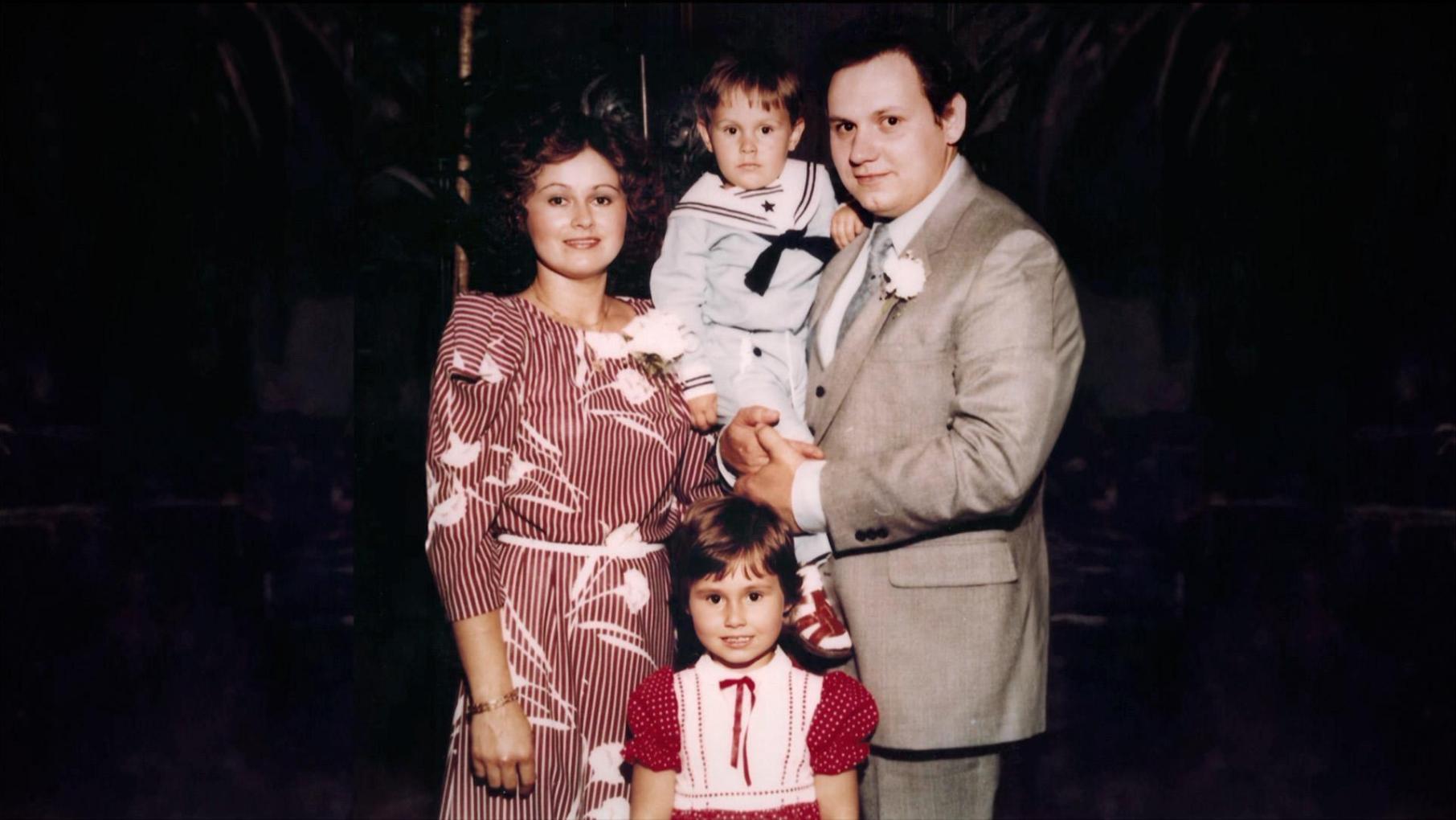
The rest of the family had to remain in quarantine at the hospital while doctors tried to figure out why three people had collapsed and died in the same household. Kramer contacted the village nurse, Helen Jensen. She went to the family’s house and looked around for anything that might have caused the sudden death of three young, healthy adults. She found a tidy house, safely stored food, a bottle of Tylenol, and a receipt in the garbage that showed it had been purchased that day.
“There were six capsules missing, and there were three people dead. I said, ‘It’s got to be the Tylenol,’” Jensen told Chicago Stories.
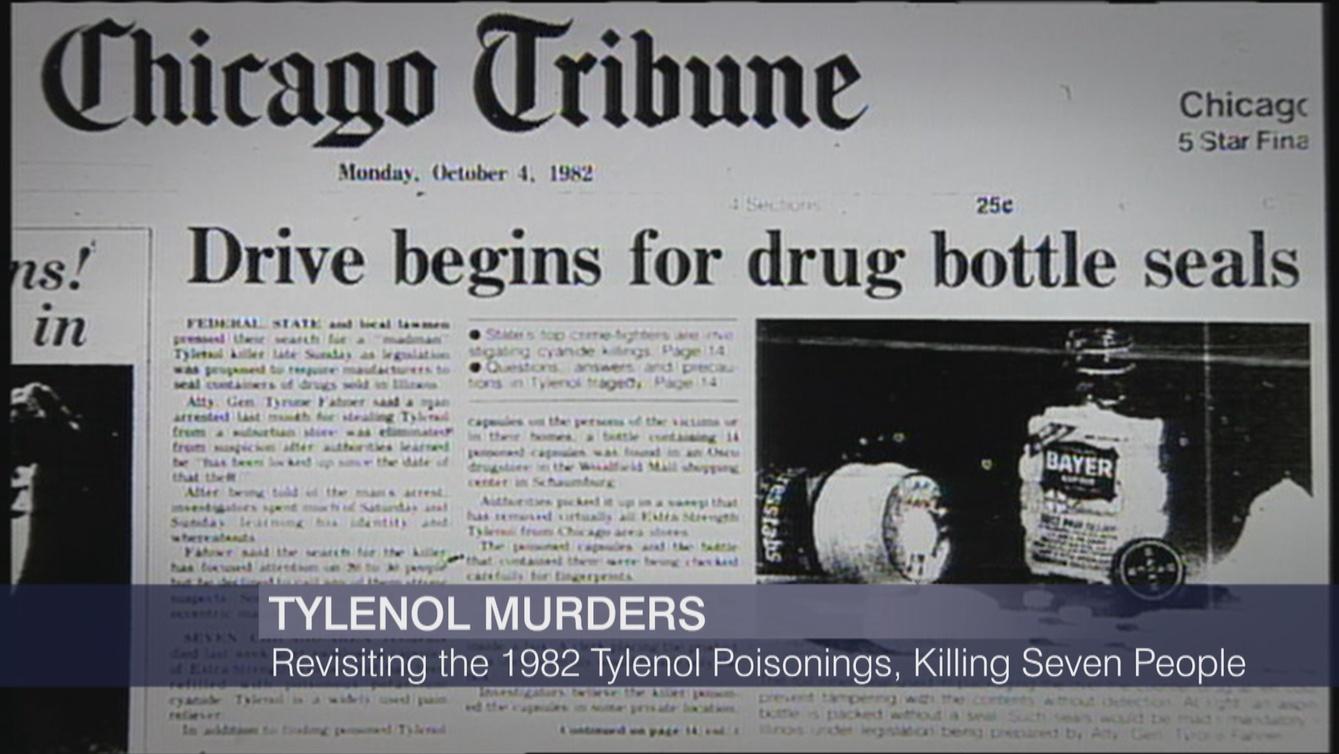
The doctors and police officers initially expressed skepticism at Jensen’s theory. But Kramer learned about another mysterious death in nearby suburban Elk Grove Village that proved Jensen right. A 12-year-old girl named Mary Kellerman was home sick with a cold, and her parents gave her Tylenol to ease her symptoms. But she collapsed and later died at the hospital. Cook County Deputy Chief Medical Examiner Edmund Donoghue instructed his team to open the containers and see if the capsules smelled like bitter almonds – the odor often associated with cyanide. Not everyone has the genetic trait that enables them to smell cyanide in that way, but someone on his team did. Blood tests confirmed the cause of death. But before officials could get Tylenol off the shelves and before Johnson & Johnson could issue a recall, the poisoned capsules would kill three others: 27-year-old Mary Reiner, who had just had her fourth child; 31-year-old Mary McFarland; and 35-year-old Paula Prince.
In just over 48 hours, seven people had died. While authorities searched for the culprit, the Janus family gathered for a funeral for Adam, Stanley, and Theresa. More than 1,000 people attended the funeral at St. Hyacinth – where just months earlier, Stanley and Theresa had been married.
“They started their lives together, and they ended their lives together,” Kasia said.
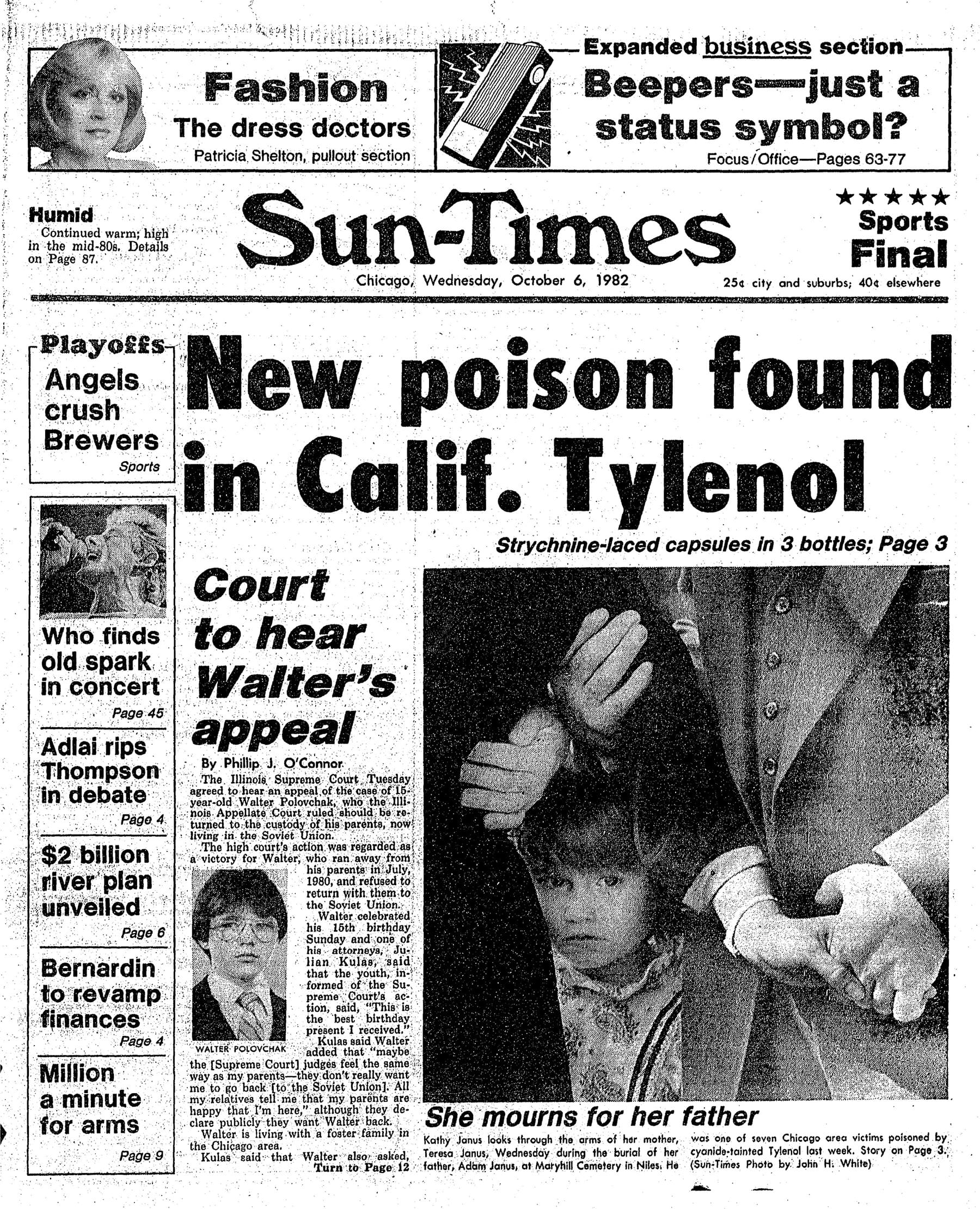
While she doesn’t remember many of the exact details about the day her dad, aunt, and uncle died, over the years she has learned more by talking with relatives and other people connected to the events. A newspaper clipping from the day of the funeral captured her as an uncertain four-year-old, keeping close to her mother.
“When I see this little girl, she’s lost. She’s not sure if she should be scared or if she should be crying. She’s not quite sure what is happening,” Kasia said. “It was never the same after this. Our lives changed.”
In the immediate aftermath of the murders, Kasia, her mom, and her brother stayed with relatives, as it was too difficult for her mother, she said, to return home. When they did return, her mother was faced with a whole new set of responsibilities. She went back to school and took English classes. Their neighbors also stepped in to support the Janus family.
“I believe that event really impacted all of us, and it just made our block even closer. My mom will say that she’s forever grateful for the neighbors because they were the ones that really helped her come out of her shell,” Kasia said. “They were the ones that really kept checking in on her and making sure she was included…Some of the neighbors came in and helped her with how to balance a checkbook.”
Kasia said the grief didn’t hit her until she was about 14 years old. Each passing milestone – holidays, father-daughter dances, graduations – Kasia felt the injustice of going through life without her dad.
“The sadness over the years turned into rage. I was really angry. I was really angry at the world. I was really angry at Tylenol. I was angry at God,” Kasia said. “It wasn’t fair that it had to be my dad. It wasn’t fair for my brother and me to lose him. We were just getting started. Our lives were just getting started.”
Kasia said for years she blamed herself, believing that she had led her father down the aisle at Jewel. Her grandparents, too, felt guilt for bringing their family to America. She couldn’t talk about the loss of her father, aunt, and uncle, and shopping in a grocery store proved difficult, as she felt the need to examine each package. But Kasia said with the help of family, friends, and therapy, she has found healing. She’s happily married, has a son, and continues to find comfort in her family and friends. Though she has connected with other families affected by the Tylenol murders, Kasia does not follow the search for the killer, which remains an open case.
“I just want to live my life,” she said. “If they had found some final piece to the puzzle of this mystery, it really wouldn’t do anything for me, because I am healed. It doesn’t change where I am today.” And, she added, it would not bring her father back.
Instead, she visits the cemetery every September. She wears a necklace that her father originally gifted to her grandmother. She has a tattoo of gladiolas – the flowers that her father brought home for her mother that fateful day.
“I had no idea how much of an impact a village can make or break a person. I had no idea how much a community, family, friends can make a difference,” Kasia said. “That’s a lesson that I’ve learned: if someone has gone through something, I try to be there for someone as much as I can. It takes a village to heal, and I really believe in that.”
Related