



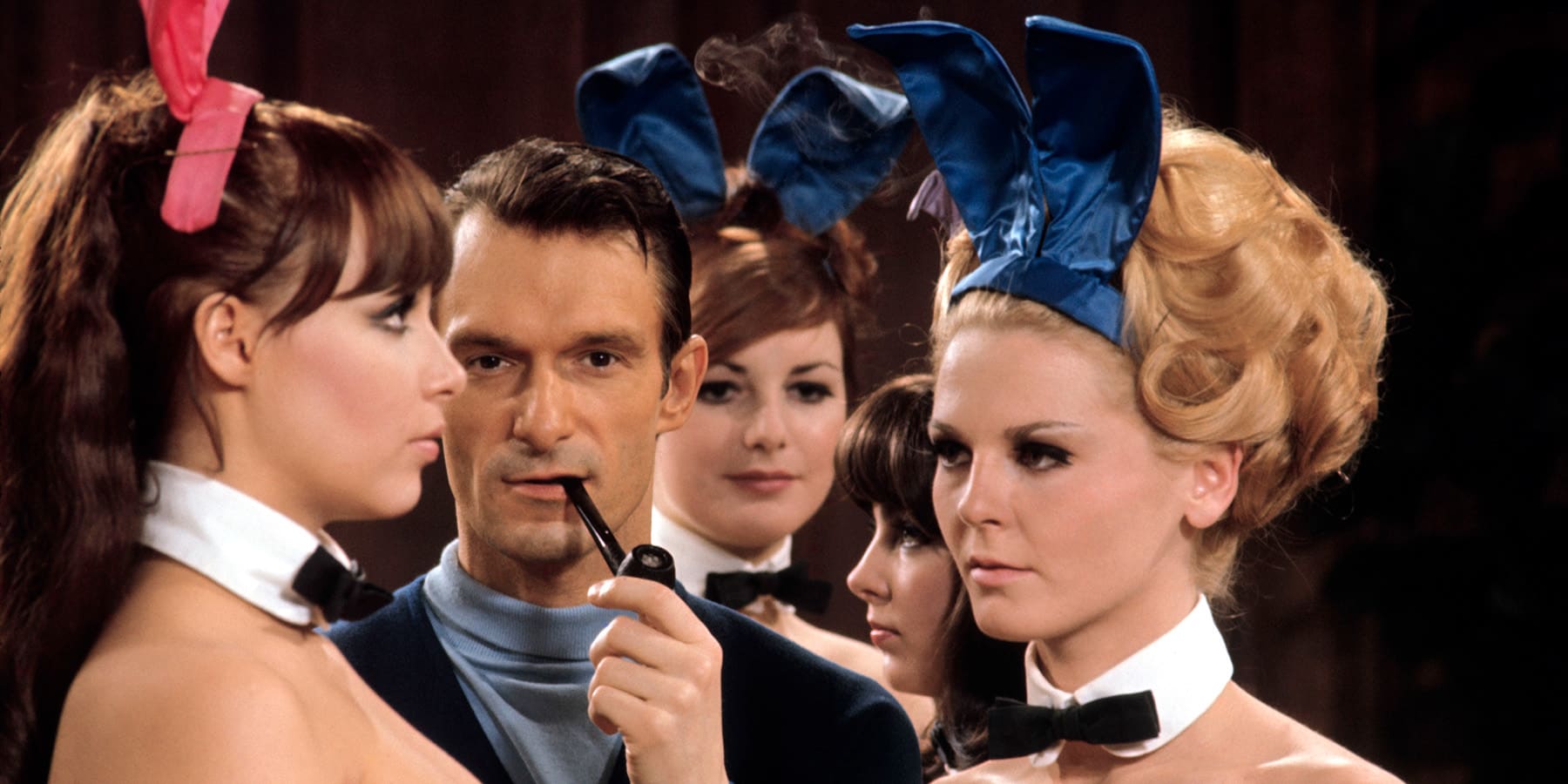
He was Jay Gatsby, Walt Disney, and Citizen Kane “all rolled into one.” That’s how Candace Collins, a former Playboy Bunny and Playmate, described founder Hugh Hefner. With his pipe, pajamas, and burgundy silk robe, Hefner created and then commanded new spaces of glamor, entertainment, and indulgence in the midst of the sexual revolution.
When Playboy magazine published its first edition in 1953, it was just the beginning of Hefner’s business empire. He opened a series of clubs that brought his magazine to life around the world. There was also the Playboy Mansion, which served as both Hefner’s residence and a kind of headquarters-slash-party-central for the magazine and business operations.
There would be no Playboy, however, without the Bunnies – the women who dressed up in a strapless corseted bodysuit and bunny ears and worked the club – and the Playmates – the women who served as the centerfold models for the magazine.
Four women who all worked for Playboy in some capacity during the 1960s and ’70s shared their experiences with Chicago Stories.
The Place to Be: The Playboy Club
The first Playboy Club opened in Chicago on Leap Day in 1960 at 116 East Walton Street. With the Bunnies working as waitresses, the club featured comedians, musicians, and other entertainment. Members had to have a special “key” to get in.
“The Playboy Club was a big deal in Chicago. I really think it put Chicago on the map a little bit more than it was before. You go to any bar in town and a mixed drink was 35 cents. The Playboy Club charged $1.50. Nobody complained.”– Marli Renfro, former Playboy Bunny
The Playboy Club was an exciting place. The club had a series of rooms – the Living Room, the Dining Room, the Club Room, and a bar.
Collins, who first got her start as a Bunny in a Playboy Club in St. Louis and later moved to Chicago, recalled a beautiful wooden door with a cast iron handle at the entrance, velvet-covered stairs, and centerfolds “silhouetted against the walls and lit from behind” throughout the club.
“The Playboy Club in Chicago was the place to be,” Collins said.
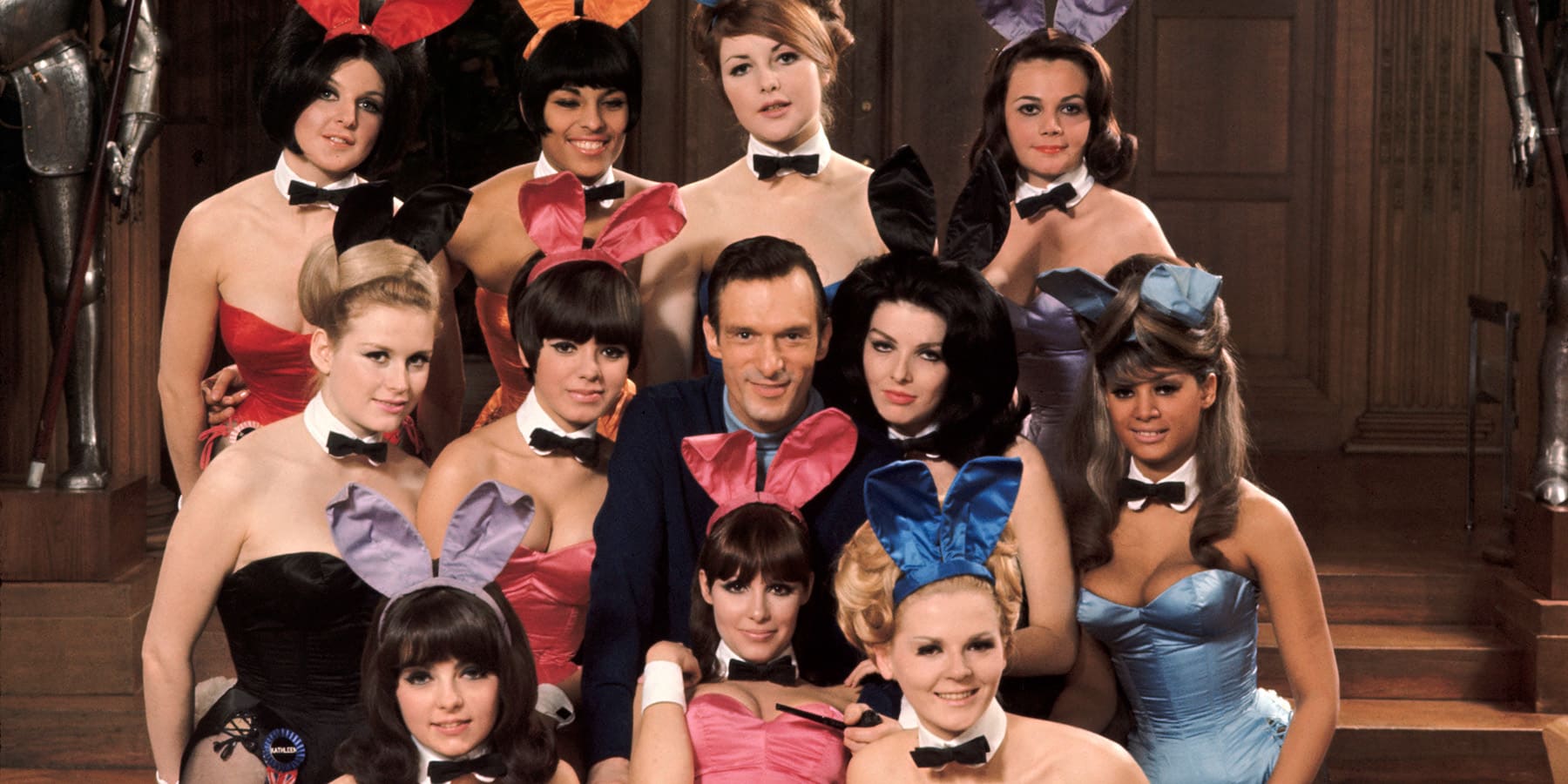
And, of course, there were the Bunnies. Though they evolved somewhat over the years, Renfro described her costumes as something “like a modified one-piece bathing suit.” It fit snugly and was made of satin. They wore bunny ears, a bunny tail, black heels, and fishnet stockings.
Patricia Primich first began working for Playboy at the front desk for the magazine, until she learned how much more lucrative the club was. There, she worked the front door. She said the costumes, though “conservative” by modern standards, were “pretty risqué” for the time. Each costume was custom-fitted for each woman by a skilled seamstress.
“That costume was fitted just perfectly to you. I have to admit, Chicago was the best at doing that. I looked at some of the other clubs, and I thought they wouldn’t even let us out on the floor like that.”– Patricia Primich, former Playboy Bunny and magazine employee
As far as the comfort level of the costume went, “It was fine,” said Renfro. Collins agreed. “It was like wearing a bathing suit,” Collins said. “They were comfortable costumes to wear.”
The heels, though, were a different story. According to Gloria Johnson, who was the first Black woman to work as a Playboy Bunny, the high heels and fishnet stockings were no joke.
“Can you imagine walking on fishnets all night long – what it does to your feet, how your feet feel after that? So it was a serious job,” Johnson said.
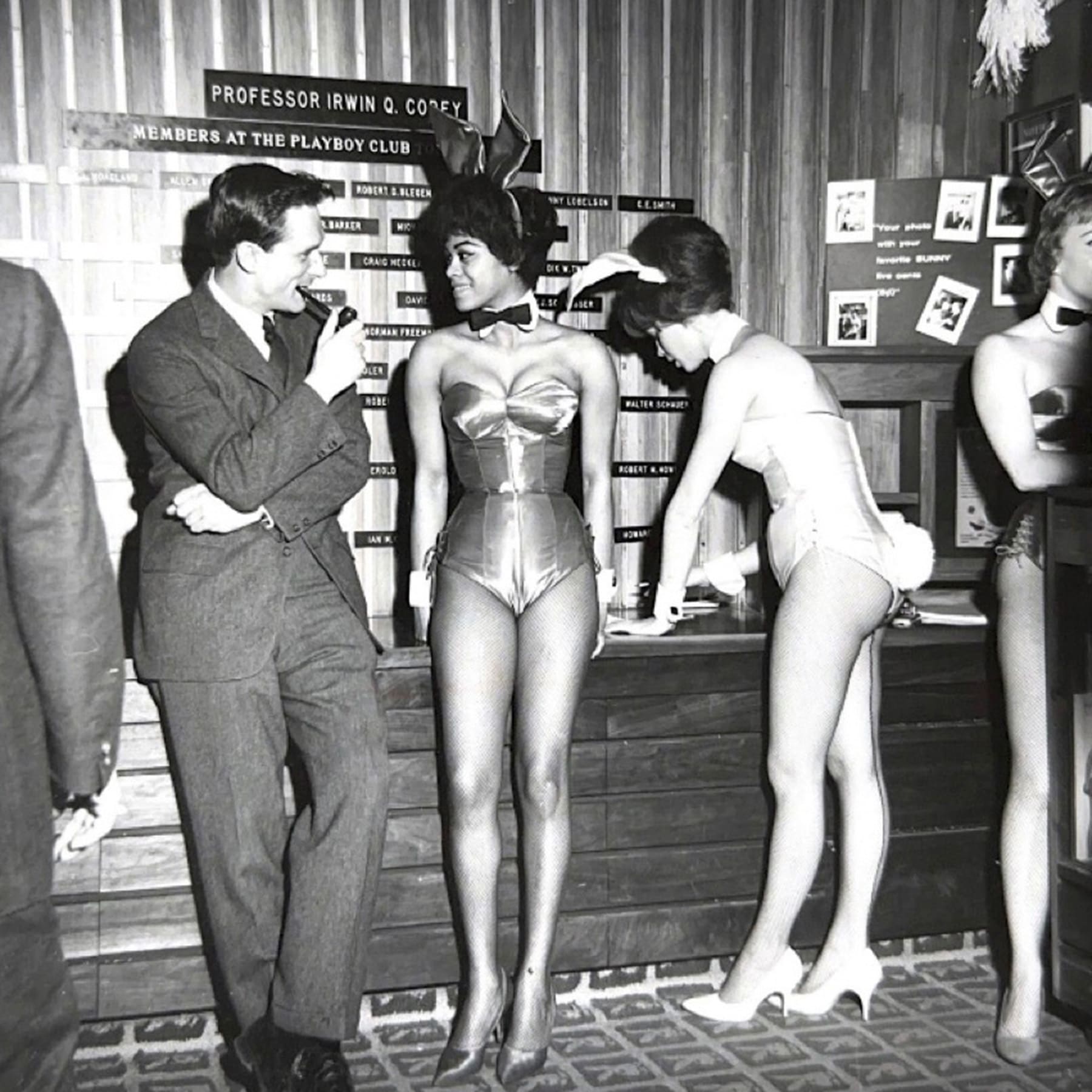
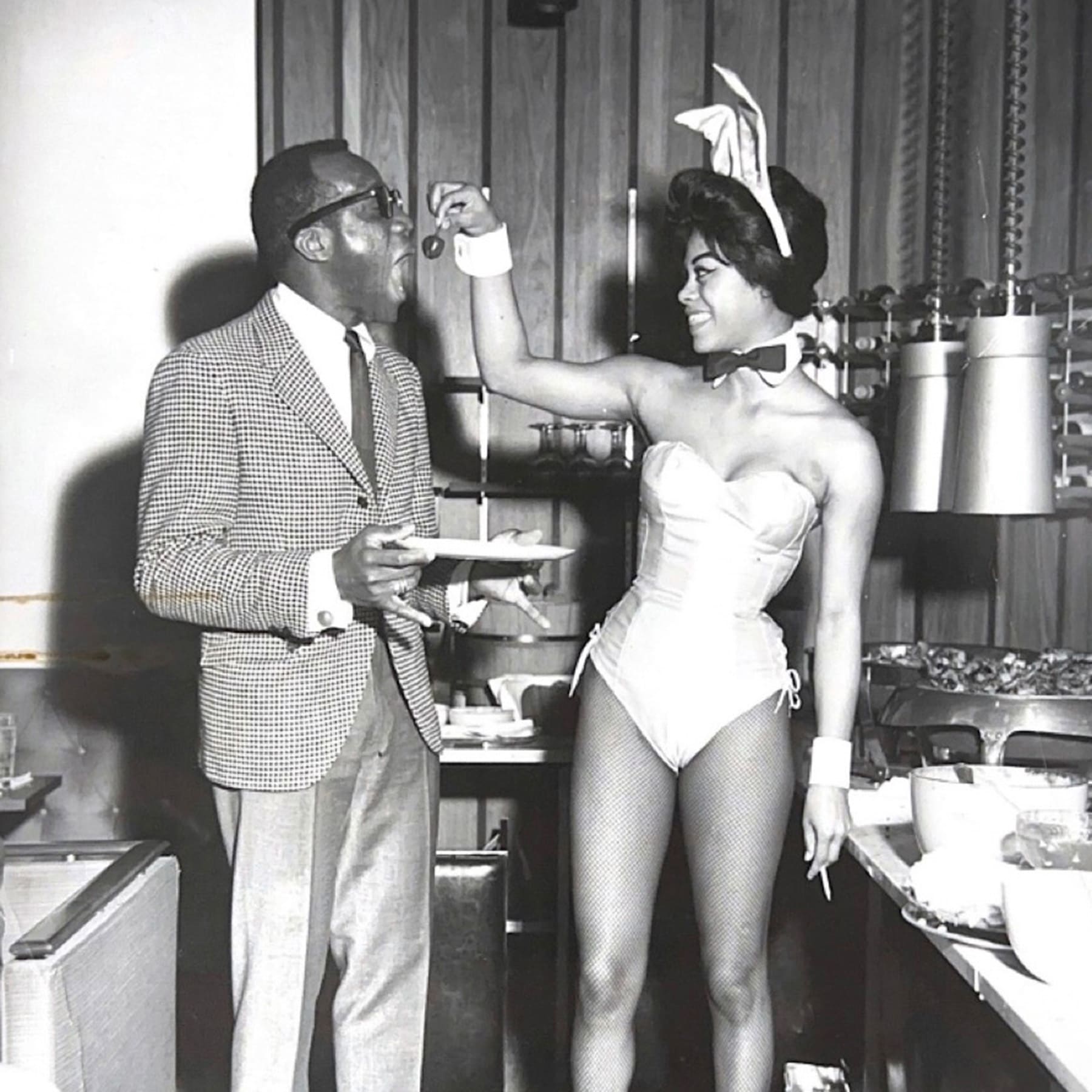
According to Johnson, there were weekly meetings. The Bunnies had to adhere to a code of conduct, outlined in a 44-page “Bunny Manual,” which included demerits for things such as chewing gum or having an unkempt bunny tail. Bunnies had to remember all the different cocktails and drink orders. The “Bunny Dip” – a way of bending the knees and then bending the back slightly to lower a drink to the table without bending forward – was the required way to serve drinks. Johnson also remembers a private detective agency periodically coming into the club to make sure Bunnies were following the rules and that “the girls were not dating the members.” Renfro remembers that the overall rule was “definitely to be professional and polite.”
But the rules worked both ways; customers had to stay in line, too. “The Bunnies were treated like little princesses,” Johnson said. “If you looked at a Bunny the wrong way, [a member’s] key could be pulled.”
Between celebrities stopping by and businessmen entertaining their clients, the clientele at the club was quite varied, said Collins. Hefner’s clubs were integrated, too.
“Hefner believed in equality for everybody. Everybody was invited. It was Black, White, young, old, women, anybody you can think of.”– Candace Collins, former Playmate and Bunny
Still, the Playboy Club attracted its fair share of negative attention. Chicago’s mayor wasn’t a fan of Hefner, and a young journalist made a name for herself with a 1963 exposé on the Playboy Club in New York City. Gloria Steinem went undercover for Show magazine as a Bunny and described a sexist environment she found demeaning and exploitative, with constant propositions from clients and mandatory gynecological exams and testing for sexually transmitted diseases.
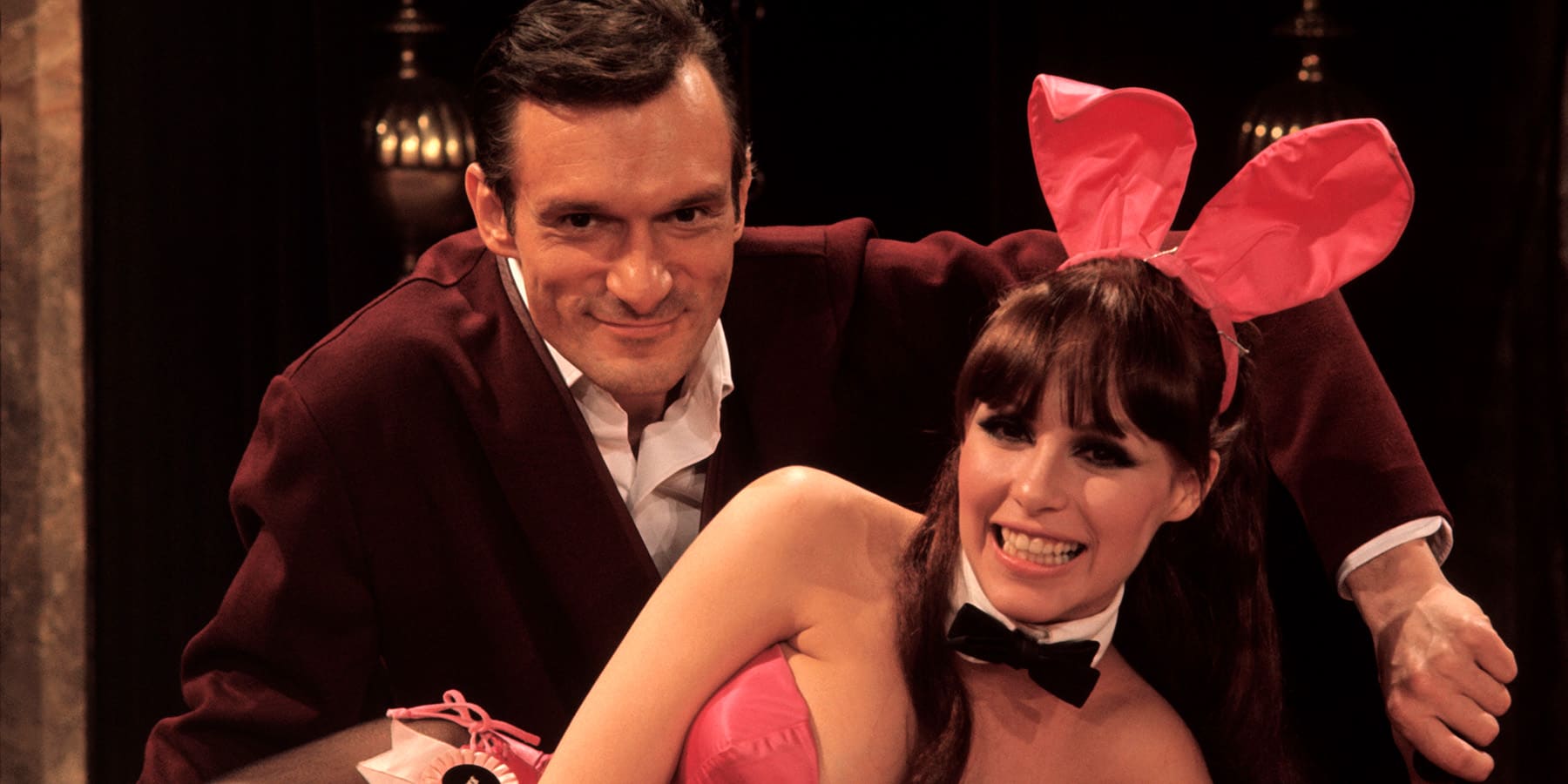
What Do Mayor Daley, the Post Office, and Gloria Steinem Have in Common? They Were Some of Playboy’s Earliest Critics
In the early days of Playboy magazine, the Playboy Club, and the Chicago Playboy mansion, founder Hugh Hefner’s star was on the ascendant. But the brighter the spotlight became, the harsher the glare.
Explore“It made a huge splash,” writer Amy Rose Spiegel said of Steinem’s article. “Hefner wrote her a letter after the article came out saying, ‘Okay, I’m taking [the STD testing] out of the Bunny Manual.’”
But Spiegel argued that, while this may not be reflective of the experience of every woman who worked for Playboy, Hefner tended to hire a certain type of woman.
“He had this pattern of working with women who were from tougher circumstances or who didn’t have financial prospects in other ways. This is why you see things like, at the clubs, people talking about, ‘I had never felt a sense of family before,’” Spiegel said. “Hefner had this knack for looking at women who in some way needed and exploiting that need.”
Collins said feminist critiques decrying the objectification of women in Playboy clubs and magazines never personally resonated with her.
“That was never the way I felt. I felt empowered by being a Playmate. I felt empowered by being a Bunny,” Collins said. “I think it was groundbreaking. I think women were doing what they wanted to do when they wanted to do it. It wasn’t like somebody told you, you have to do this, or you have to do that. These were chosen professions.”
Renfro also enjoyed the job and “experiencing…[the customers’] delight in being there, their amazement.”
“I enjoyed it thoroughly. I never had a problem with anyone there. It was all just a nice atmosphere,” Renfro said.
Disneyland for Adults: The Playboy Mansion
When 19-year-old Gloria Johnson heard from her cousin that there was going to be a party at the Playboy Mansion as part of the Playboy Jazz Festival, she called up Hugh Hefner herself, gave her measurements, and said she wanted to attend. He promised there would be an invitation at the door for her. There was.
“When I stepped into the foyer of that mansion, I felt like Cinderella,” Johnson said. When she met Hefner, he invited her to dance. “I became Hugh Hefner’s favorite dancing partner.”
As more Playboy Clubs opened across the country, Hefner’s Playboy Mansion, located at 1340 North State Parkway in the Gold Coast, also became a hot ticket.
“The mansion was described by Hefner himself as a ‘Disneyland for adults.’ And there’s no better explanation.”– Candace Collins, former Playmate and Bunny
Primich remembers visiting for the first time and being “bedazzled” by what she saw. A brass plaque engraved with a Latin phrase that meant “If you don’t swing, don’t ring” hung on the front gate. A butler was always there to greet guests at the front door. The mansion itself was stately on the outside, and a playground on the inside.


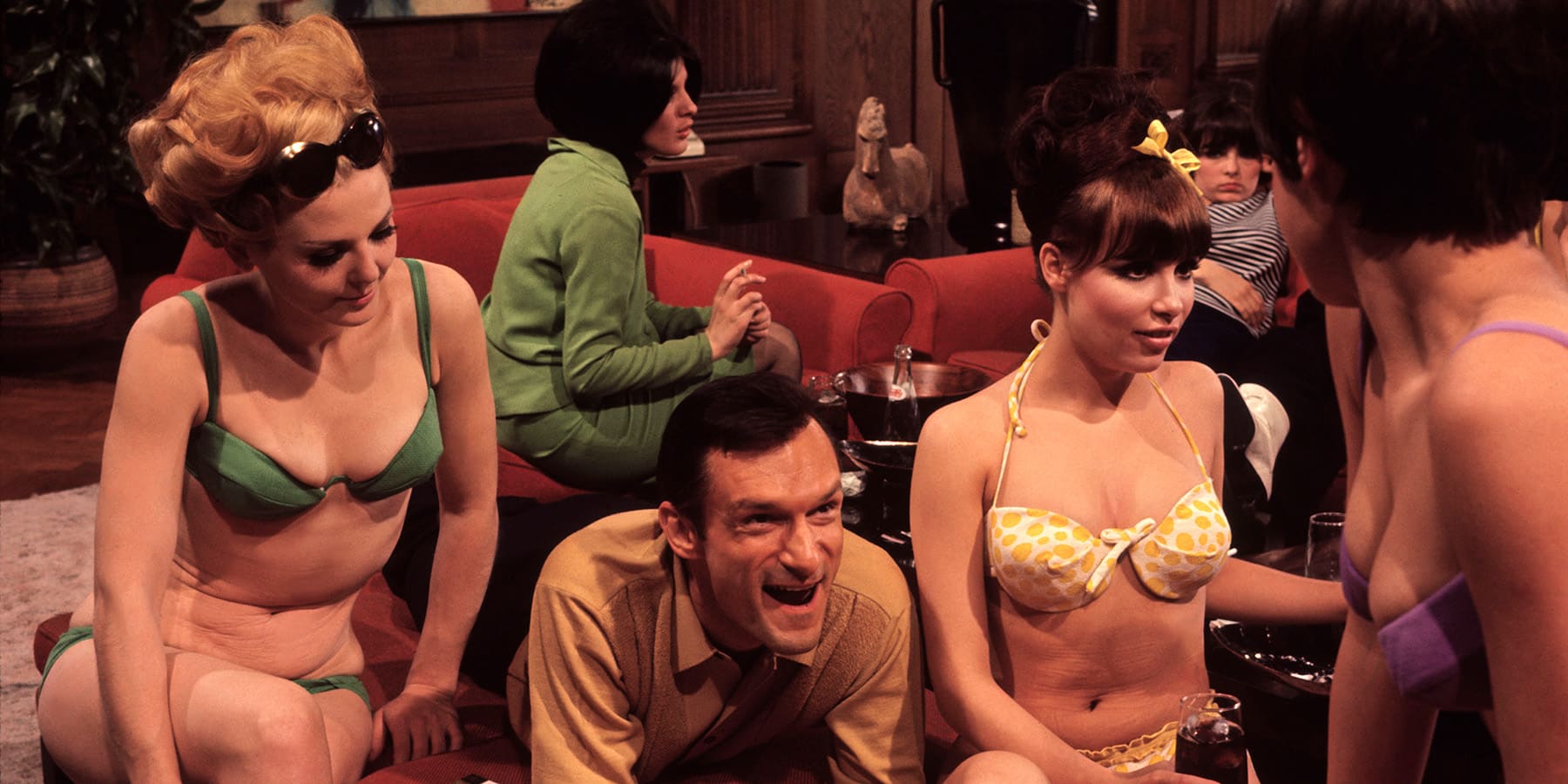
The house had the latest technology, a game room, secret passageways, a bowling alley, and a firepole from the living room down to an underground pool, where women often swam topless and guests could watch from a window in a bar. According to Collins, the mansion had a supply of bikinis in various sizes for guests to choose from. There was also a Picasso painting in the house.
“There were Bunnies all over the place, and the artwork and the grandness of the ballroom, and the suit of armor on both sides when you come in – these were things I saw in movies, not in real life…I remember taking my mom there, and she said, ‘That’s a funny place to put a mirror.’ My mom was so naive – the mirror was on the ceiling.”– Patricia Primich, former Playboy Bunny and magazine employee
Some Bunnies lived at the mansion in dorms, too. Collins said the $50 rent included 24-hour room service and laundry services. Hefner hosted movie nights, frequently showing his favorite, Casablanca. “He was a good host,” said Collins.
Hefner’s hosting duties extended to the many parties at the mansion, like the one Gloria Johnson first attended. “It was always good music, good food. If there was a certain celebrity or someone in town that was promoting something, he would give a party for that. Hef’s mansion was always open.”
Some parties, however, could get a bit raucous. While Johnson herself said she never saw any drug use, it happened. Similarly, Primich said she never saw anything sexual happen out in the open, but “assumed” things went on behind closed doors. The Rolling Stones once “stayed and trashed a couple of rooms and then weren't invited back again. Those guys, I’m telling you,” Primich said with a shake of her head. “They weren’t welcomed back.”
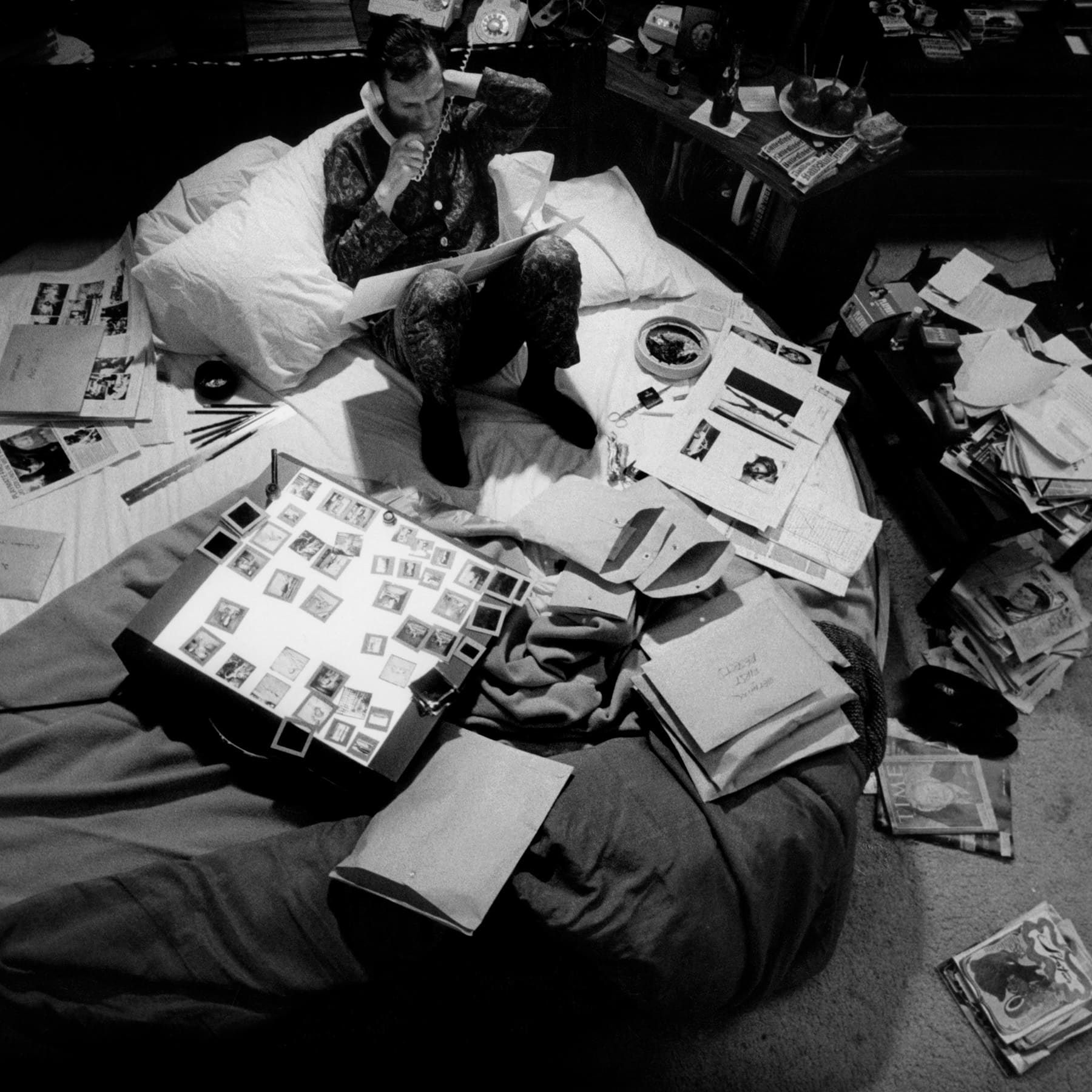
Hefner was a fixture of the mansion, too. Holding his pipe and wearing pajamas and a robe nearly around the clock, Hefner was considered by many a polite and boyish albeit persnickety man, particularly when it came to running the magazine. He reportedly drank two dozen Pepsis a day and used a stimulant drug called dexedrine, allowing him to work long hours and record his many thoughts via dictaphone. Primich, who worked for Hefner on the magazine, said he was often “very intense working for the magazine” and likened him to Meryl Streep’s character Miranda Priestly in The Devil Wears Prada in terms of his perfectionism.
“When he wanted something done, he wanted it done yesterday. He wasn’t mean. He was just in his head,” Primich said.
The relative glamor of the early days of the Playboy Mansion eventually gave way to disrepair in the 1970s. Hefner purchased another mansion in Los Angeles and moved there permanently in 1975. The entire Playboy brand went with him. The mansion was later split up into condos and are still private residences today.
Related