





Before house music became a genre pulsing from the speakers of clubs from London to Ibiza to Cape Town, it was a new kind of groove growing in the underground disco club scene in Chicago’s Black and gay communities. It all started with a group of friends who wanted to replicate for Chicagoans the cathartic joy of New York City’s loft parties. They didn’t know they were making history at the time, but they laid the foundation for house music, upon which Frankie Knuckles, the so-called “Godfather of House Music,” would build a new genre that became a safe space for many.
In 1974, Donald Crossley and a group of his friends were in search of a good party. They had a hard time getting into Chicago’s popular gay disco club, Dugan’s Bistro, which was not always welcoming to African Americans. So they went to New York City and, through a connection, got into one of the private loft parties thrown by a famous DJ named David Mancuso.
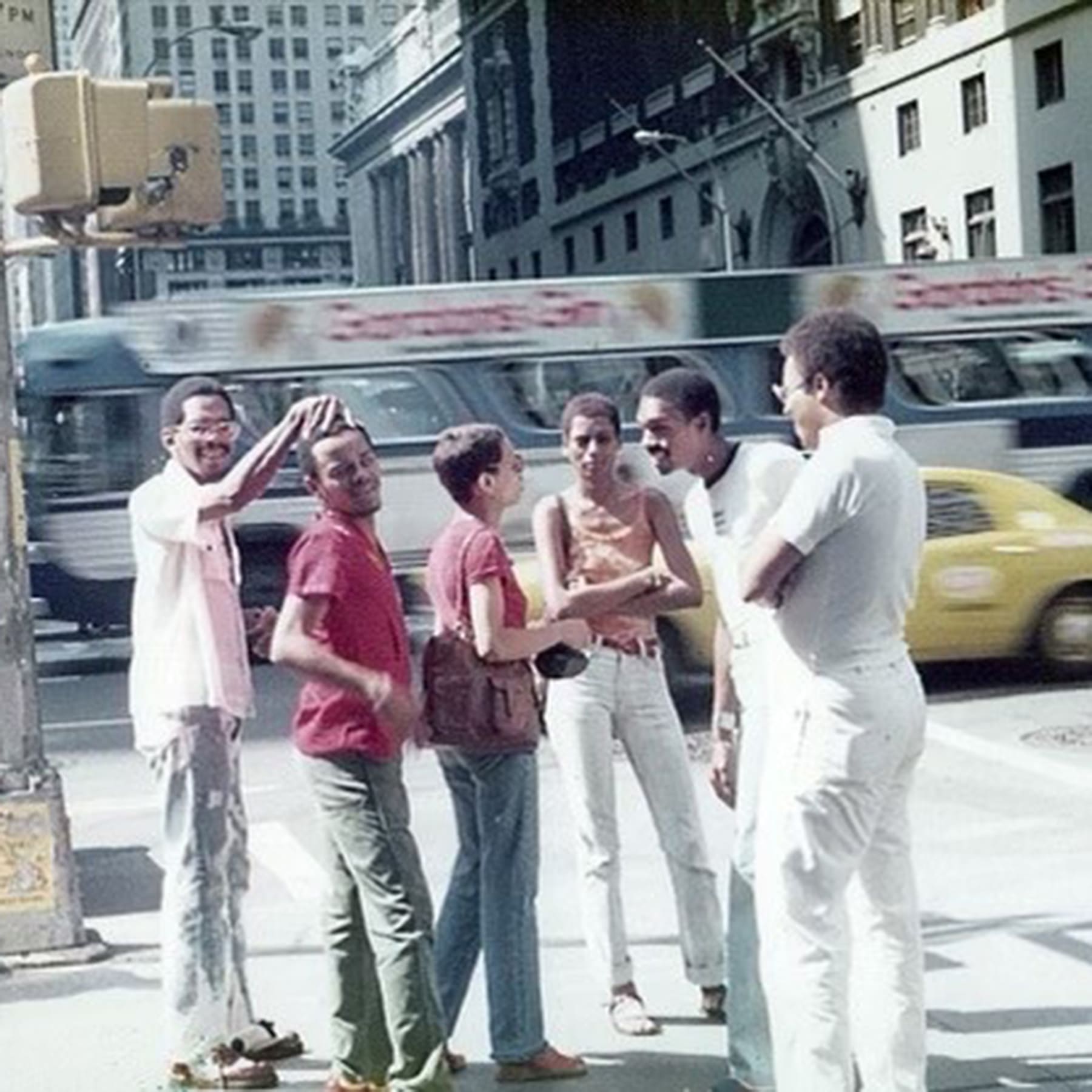
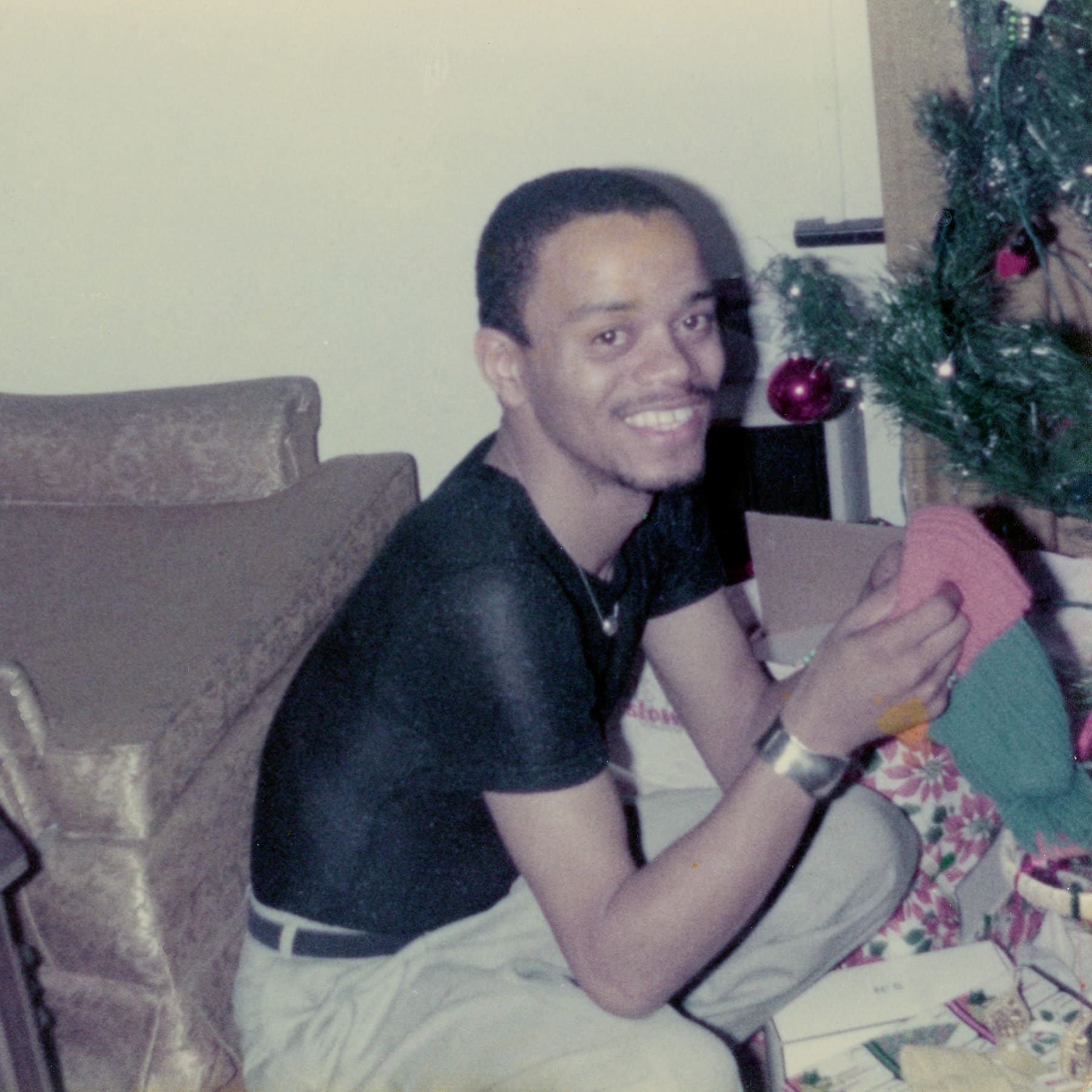
“It was like going into another world. All I saw was people moving around dancing, the music was loud, girls was flinging their skirts like they was doing acrobatics. It was just such a mixture and a different feeling,” Crossley told Chicago Stories. “After we got back…we thought more and more about it, and that’s when we decided that we would start a club.”
Crossley and his friends started a social group called US Studio and planned to host similar underground parties in Chicago where young gay people could dance to disco and be themselves. Their first party was spread over a couple of units in Crossley’s apartment building. Some 500 people showed up.
“We never expected a crowd like that,” Crossley said. “We were a bunch of friends who just wanted to have a party and let the kids on the South Side have somewhere to go along with the kids on the North Side.”
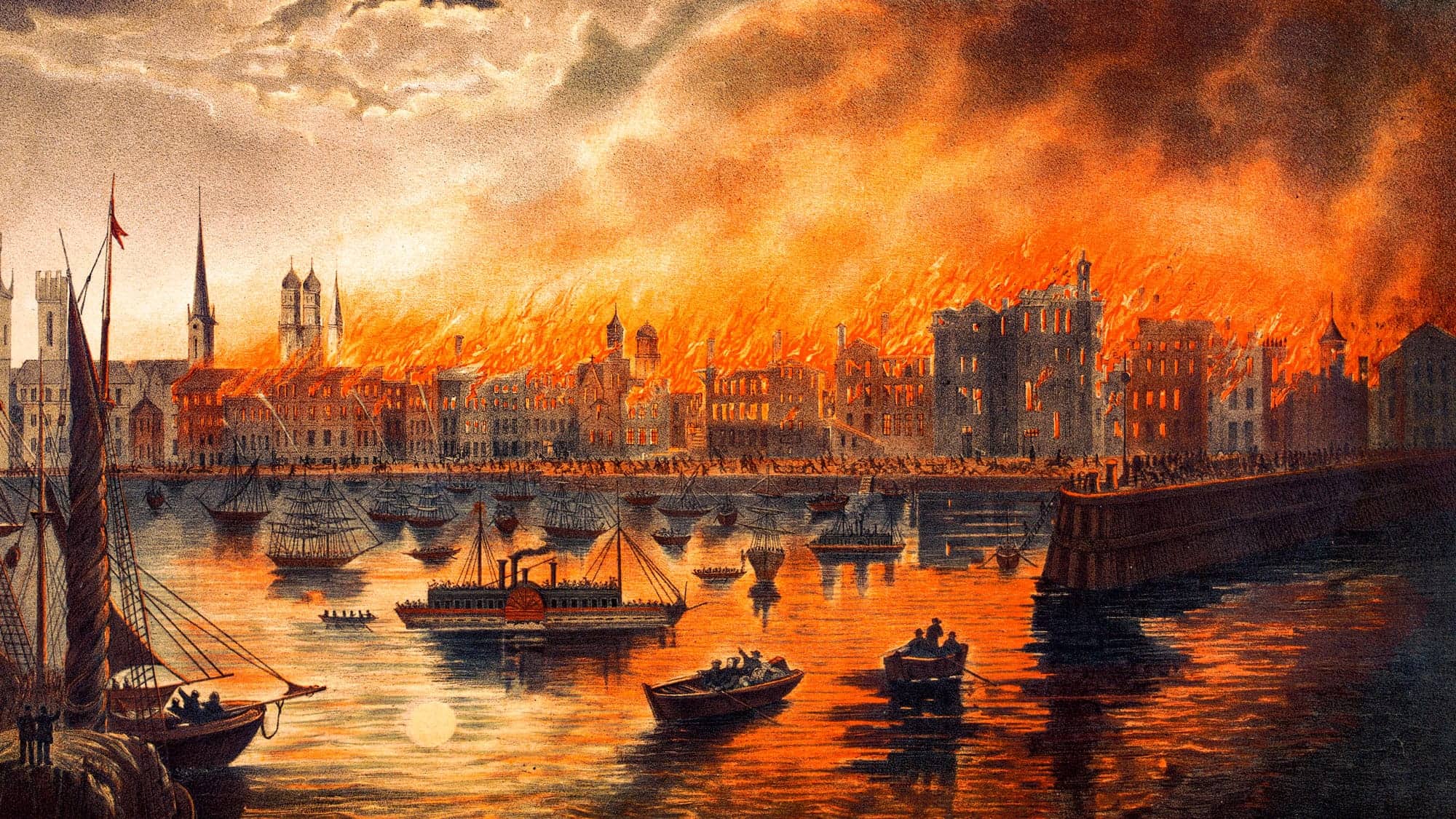
US Studio continued hosting parties around Chicago, attracting a mostly gay Black and Latino crowd. The crowds were so unexpectedly large that they sought out a new location and found a loft on Clinton Street through a friend. At one party, a few mob enforcers showed up and demanded payment for throwing a party in the area. Crossley and his friend Vicky Jones refused, and the next day, they turned on the news to discover that the building had burned to the ground.
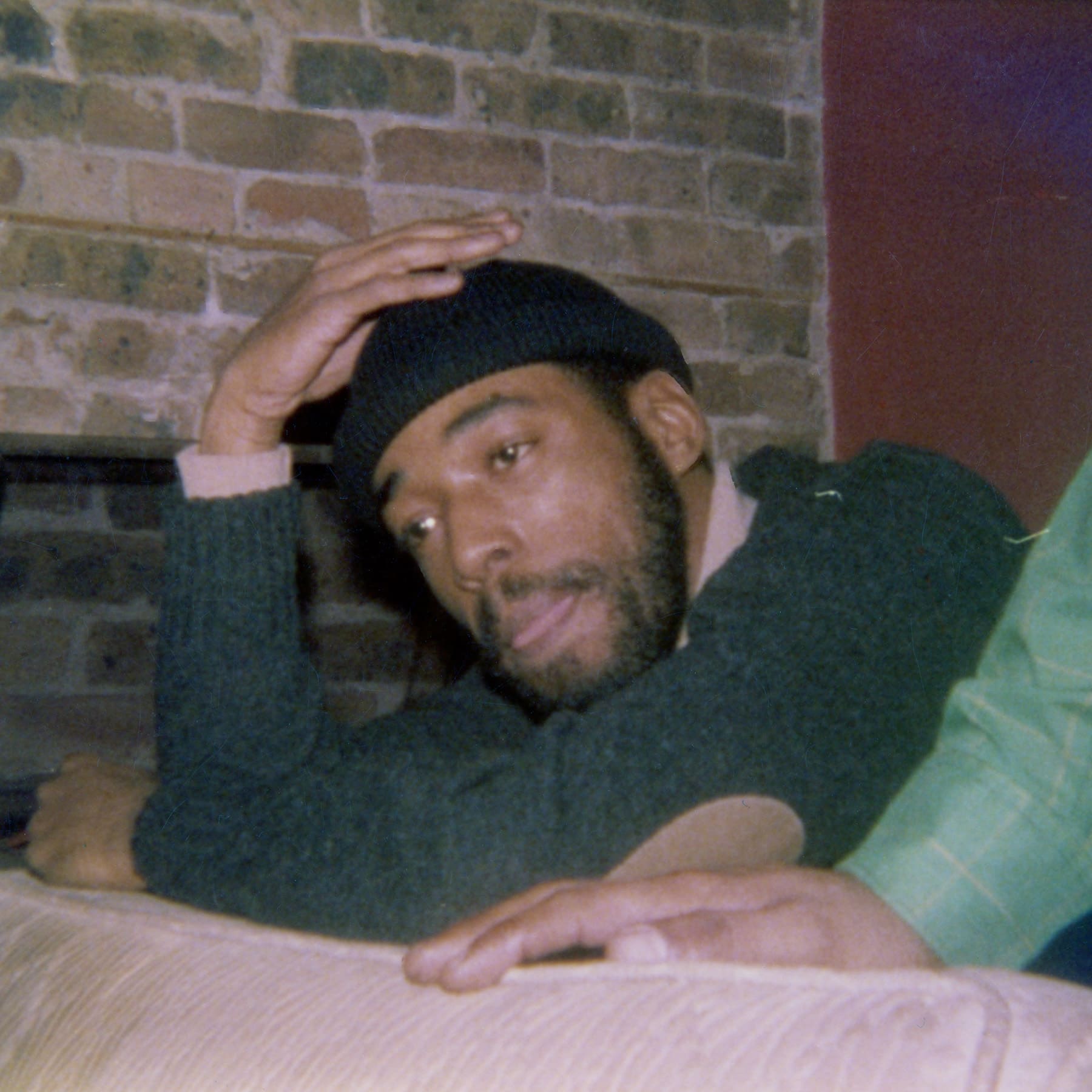
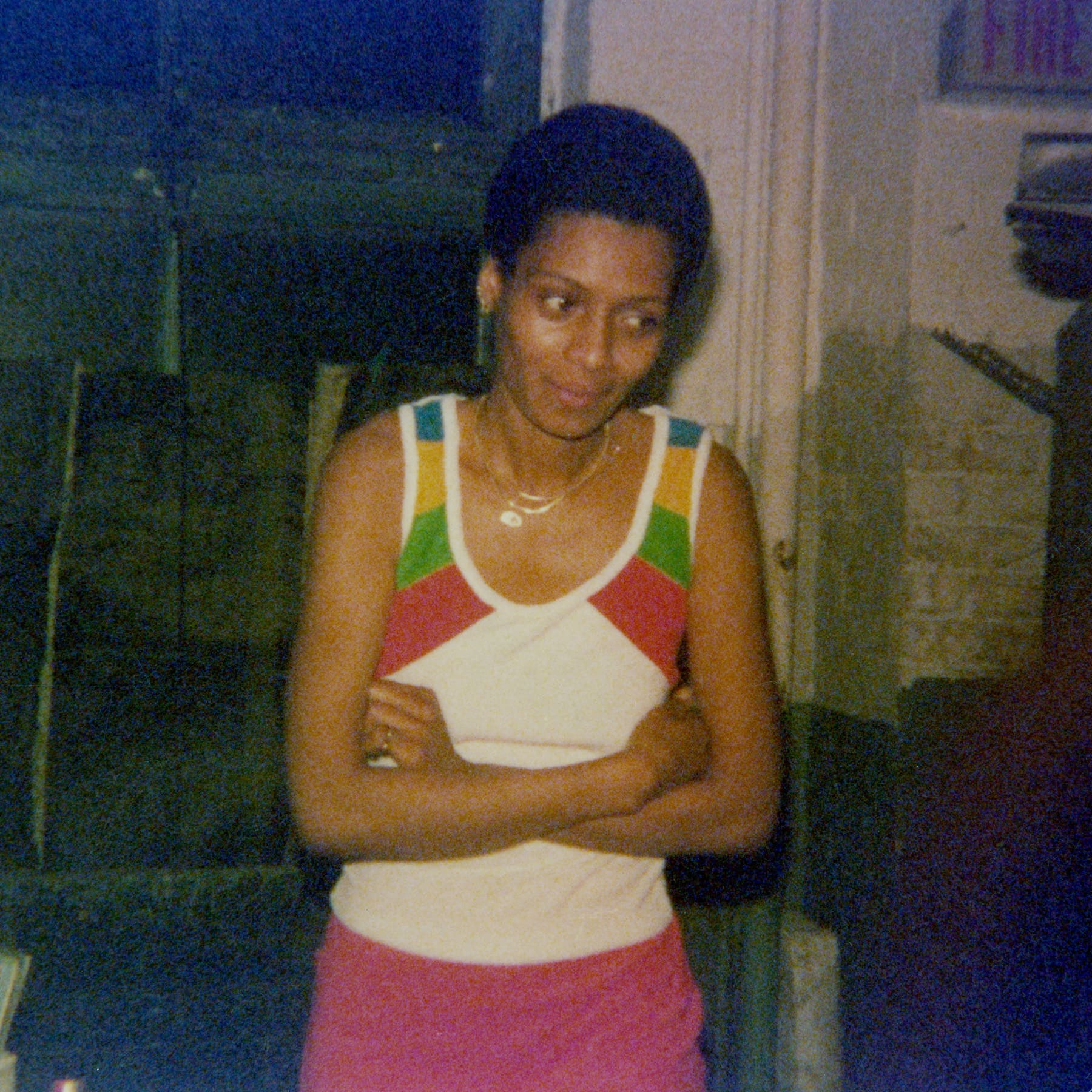
US Studio was forced to find a new home, eventually landing in a much larger space at 555 West Adams Street, west of the Loop in the city’s warehouse district. They decorated the space using old pews from a South Side church for seating and doors from a Jewel construction site to create dividers for the dance floor.
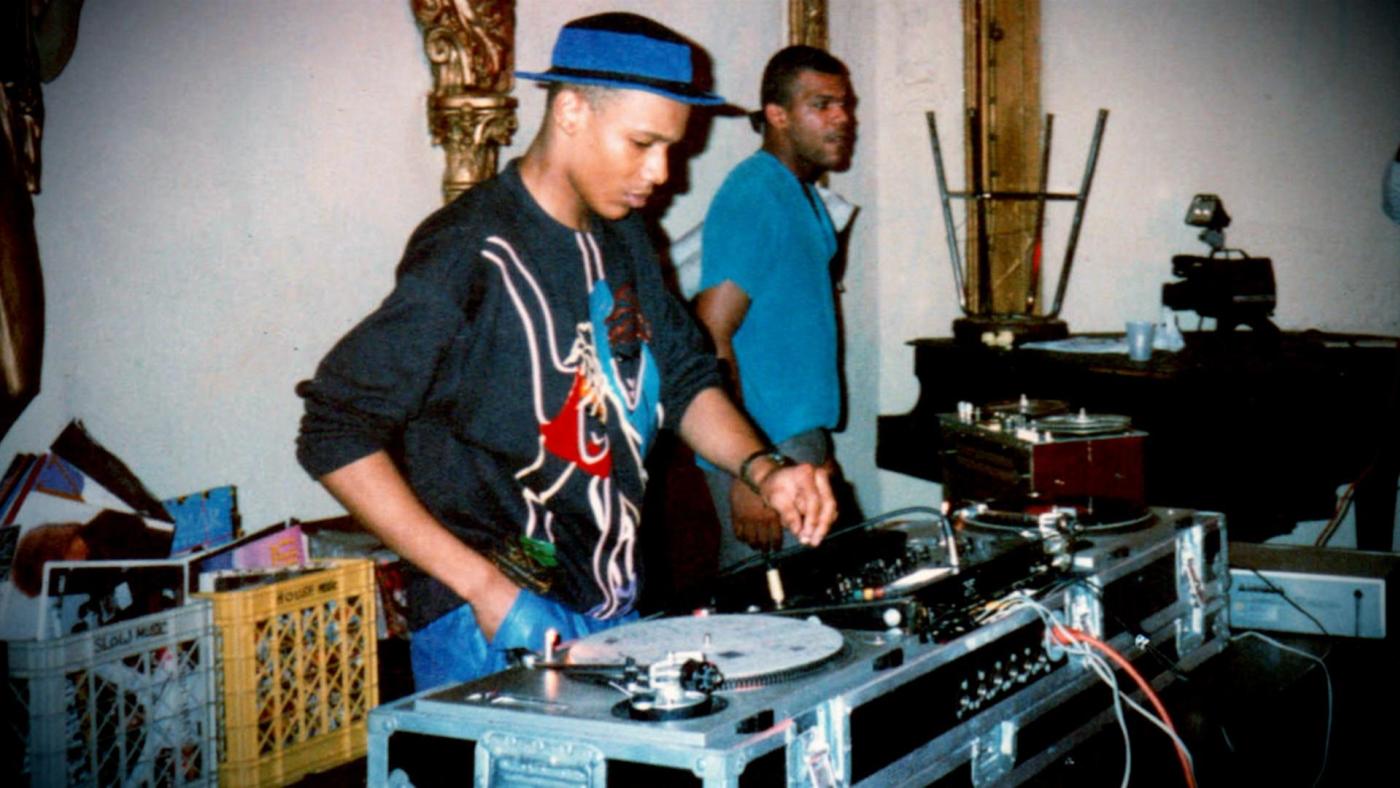
“Five fifty-five was probably one of the best places we had been in since we had started the club,” Crossley said. A new name organically emerged. “We never labeled it or branded it as the Warehouse. To us, it was just US Studio. But you would hear people saying, ‘I’m going to the Warehouse. You going to the Warehouse tonight?’ Everybody just wanted to call it that.”
Michael Matthews was the DJ for the parties at 555 West Adams. Crossley believes Matthews deserves more recognition for his contribution to what became the house music movement.
“Michael Matthews was the DJ that actually started the movement here in Chicago and never got credit for it. Plus, he was the type of guy that didn’t want credit,” Crossley said. “At one party in particular, people had partied so hard…At the end of the party, they all started clapping. He looked at me and said, ‘What are they doing?’ I said, ‘They’re giving you a standing ovation!’”
But as the success of their parties flourished, some members of the group, including a veteran of the New York club scene named Robert Williams, wanted to incorporate the social club as a business and raise admission prices. This eventually led to a rift, and Crossley, Matthews, and Jones left to form their own club called The Bowery, leaving the club at 555 West Adams to Williams and their friend Ziggy Schuh. The crowds followed the party to The Bowery.
“We were a little depressed because we were like, we might be out of business here,” Williams told Chicago Stories.
Williams sought a new DJ to breathe new life into their club. When their initial choices declined, they turned to a young DJ from New York City named Frankie Knuckles. Williams offered him a state-of-the-art sound system, a residency, and a piece of the business. They moved the Warehouse to a new space – a smaller, more manageable, three-story building – at 206 South Jefferson Street (which has since become a Chicago landmark).
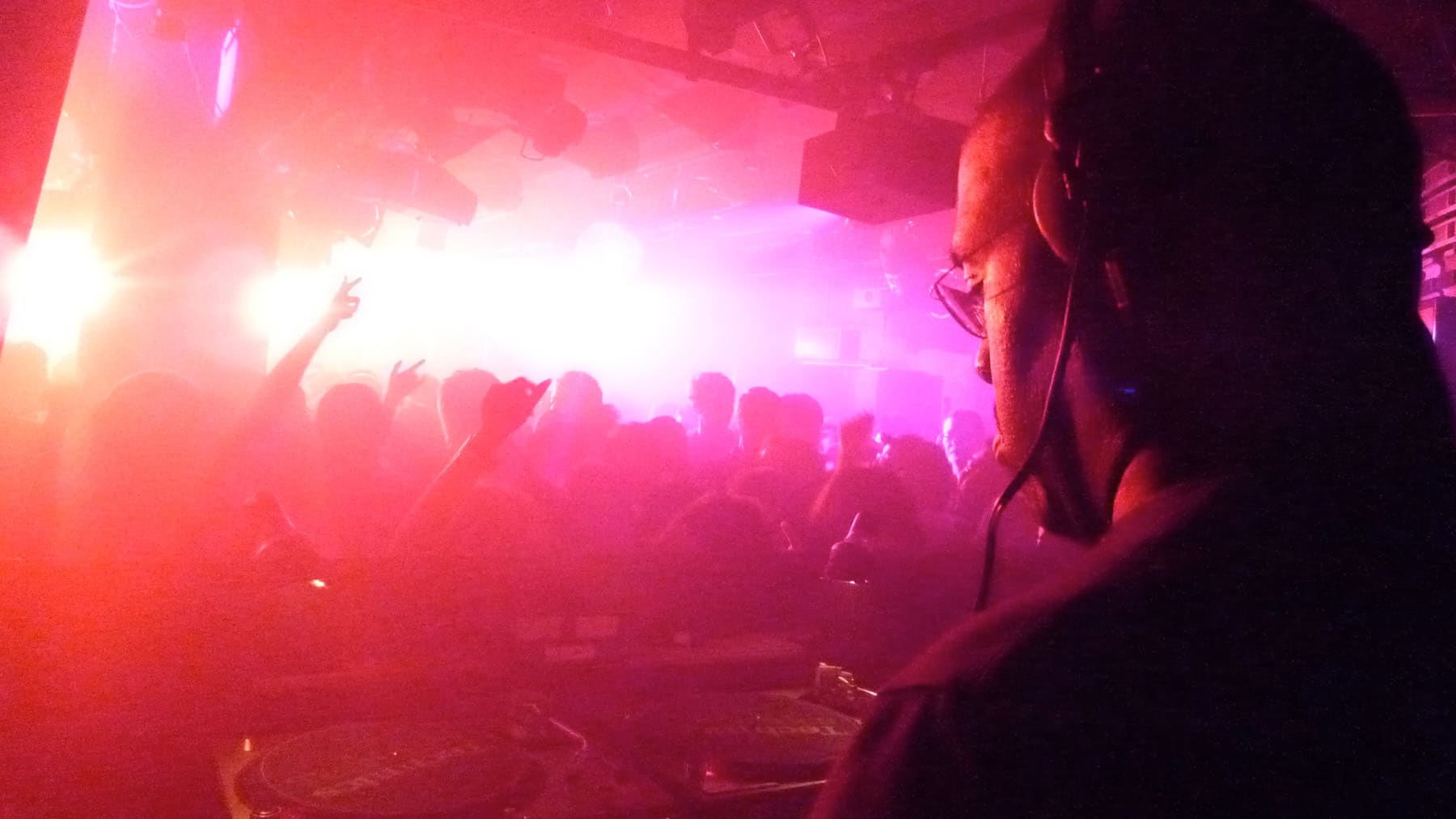
When Frankie Knuckles arrived in Chicago in 1977, he was 22 years old. He DJed for a packed crowd at the grand opening for the new Warehouse, but the venue wasn't attracting big crowds at first – until Michael Matthews invited Knuckles to guest DJ at The Bowery. Knuckles was a hit, and soon, he built an audience at the Warehouse as a result. Knuckles remixed songs using two turntables and a mixer, blending the sounds of disco, funk, soul, and R&B over a repetitive drum beat, along with sound effects and sampled vocals. His sound was something entirely new. Over time, it would be called house music – a nod to its origins at the Warehouse. It had a propulsive beat that allowed people to dance with abandon. Chicago’s early house music clubs became safe spaces, particular for Black and gay people.
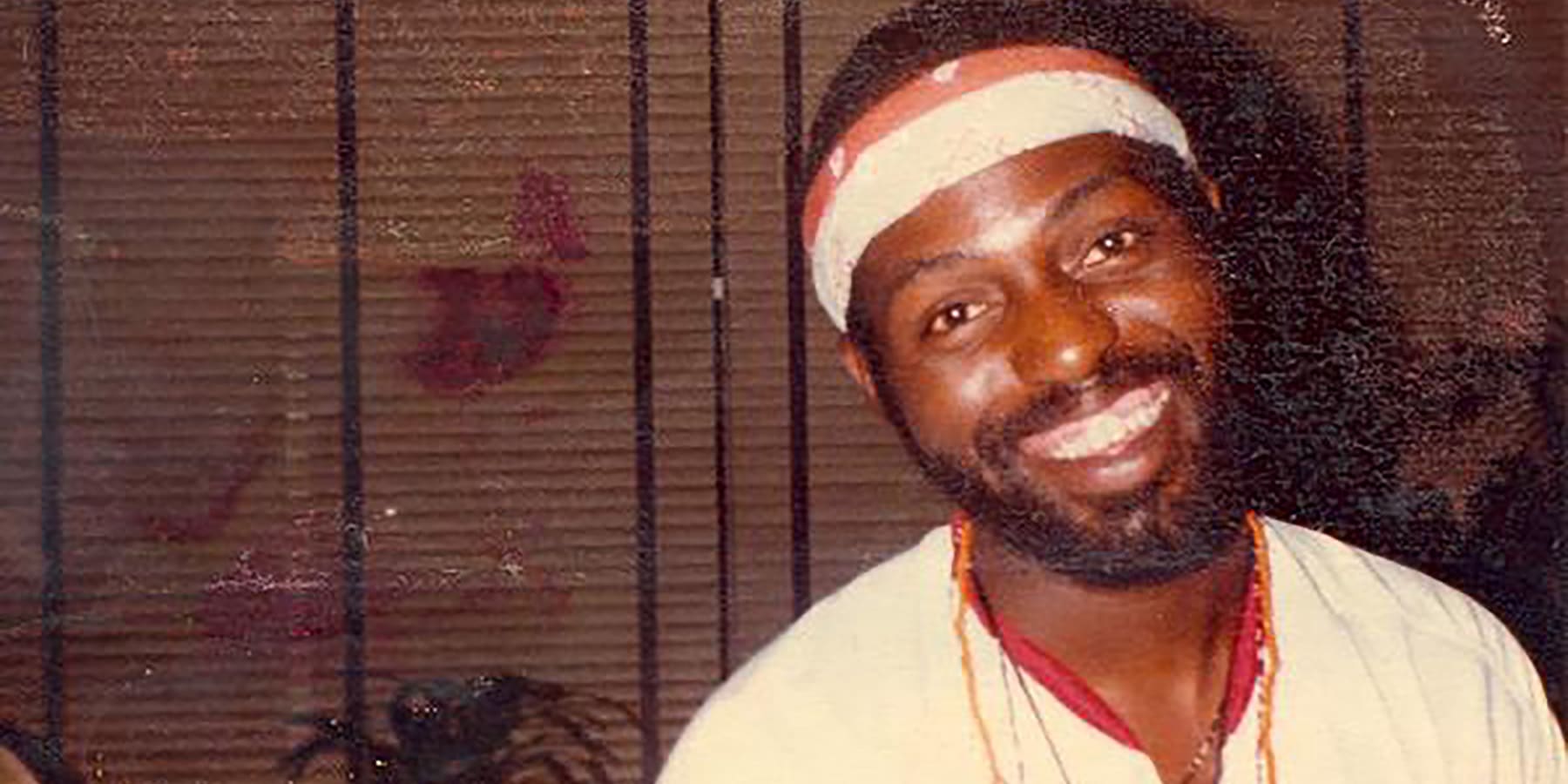
“The Warehouse shaped me as a person who was coming out,” house music DJ Lori Branch told Chicago Stories. “I was a kid trying to find myself. I found community there…The music enveloped us and swallowed us into this energy.”
Some likened the energy in the club to something akin to a spiritual experience.
“It was church to them because the music was like the same thing as the music in church – gospel music – to them. It got into their body, their soul, their mind, their being, because it expelled anxiety,” Williams said.
According to an archival WTTW interview with Knuckles, the doors at the Warehouse opened at midnight on Saturday and the party might not stop until noon or 1 p.m. the next day.
“It was a great place for them to come and just completely let go. It’s nice to be able to go someplace where you feel like you’re in your bedroom and nobody’s watching. You’re dancing like nobody’s watching you,” Knuckles said.
Knuckles worked as the DJ at the Warehouse for several years until opening another club called the Power Plant in 1983. Along with another house music DJ named Ron Hardy, who played at a club called the Muzic Box, Knuckles continued to shape the genre throughout the ’80s and ’90s. Knuckles went on to work as a producer and remixer, winning the 1997 Grammy Award for Remixer of the Year. A street in Chicago is named for him. He passed away in 2014, forever cemented in music history as the “Godfather of House Music.”
Since Crossley and his friends first set out to throw a good party in Chicago, endless subgenres of house music have emerged, and it has influenced many more genres, including pop and hip hop.
“Did we think we were making history? Absolutely not,” Knuckles said. “We were just busy having a good time.”
Related