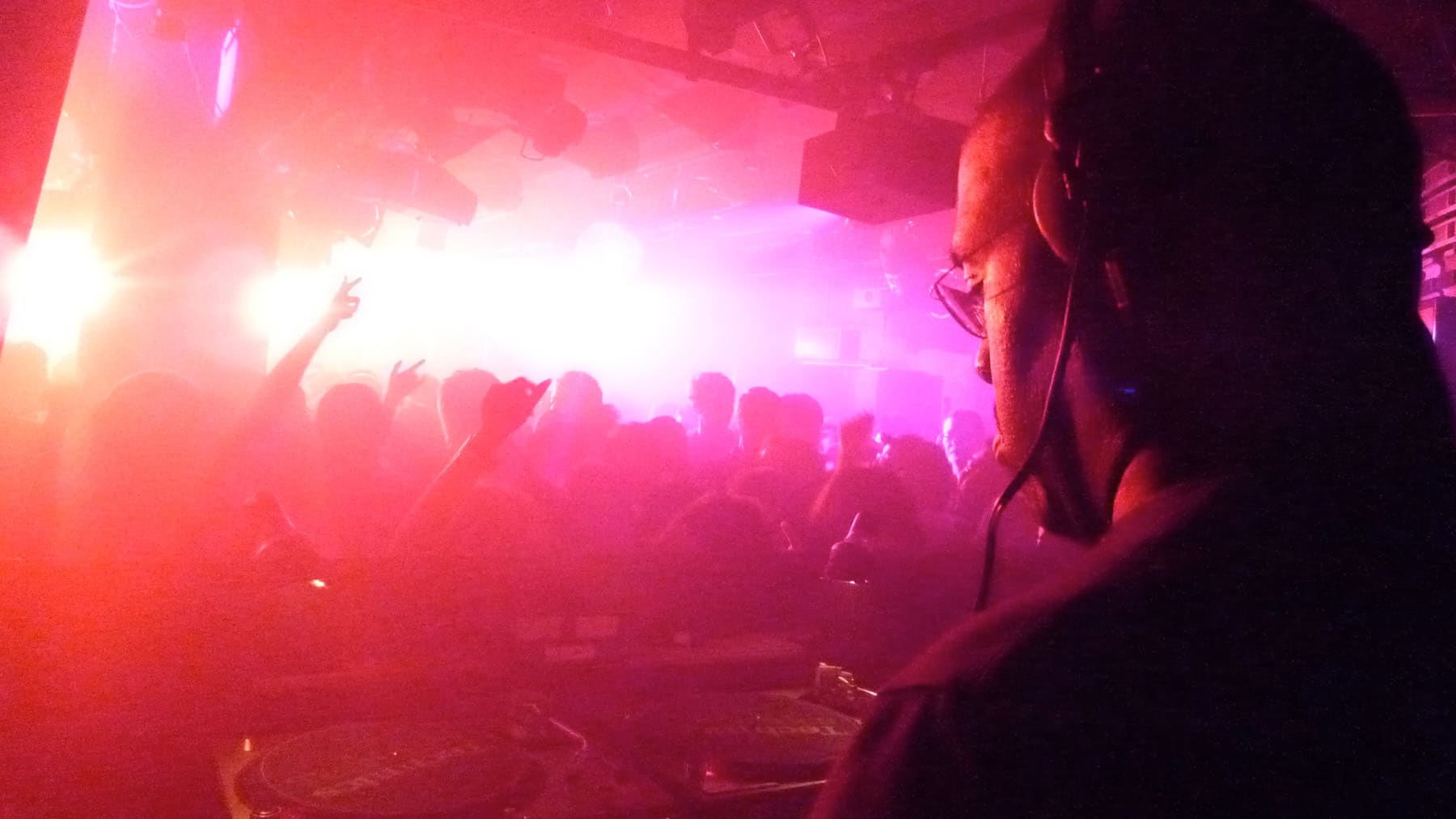










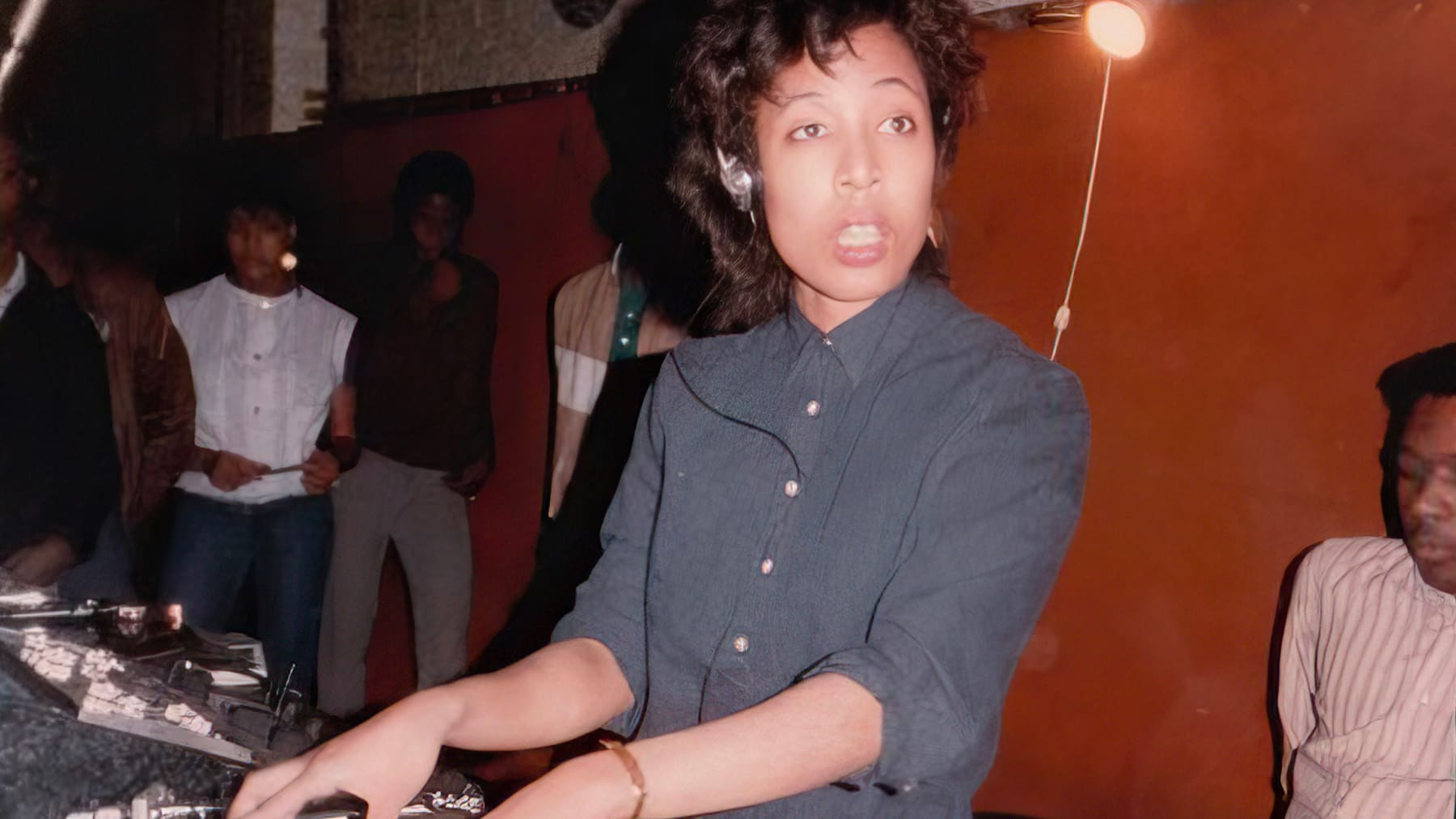
When Celeste Alexander DJed in the 1980s, she wore baggy sweatshirts and a baseball cap to conceal the fact that she was a woman.
“I wouldn’t take the hat off and reveal that I was a female until after I had played a few songs and gotten the crowd’s attention by the music. Then I would reveal my gender,” Alexander told Chicago Stories.
She chose that wardrobe because, during her first gig, her presence as a woman DJ was not exactly well received. “My very first paid DJ gig, I got booed. I got booed right out of the DJ booth. I didn’t get two records in. It was basically because I was a girl and…they weren't interested,” she said.
In the early days of house music, it wasn’t always easy for women such as Alexander. Along with Lori Branch, Alexander was among the first women DJs in Chicago’s house music scene. She first learned about house music from her friend DJ and producer Steve Hurley. It was a sense of defiance that led her to take it up.
“The myth at the time was that women couldn’t do it. That’s what really piqued my interest. So there was a belief amongst the males that did it that women did not have the proper coordination to learn how to mix music,” Alexander said. “Steve told me himself that he knew that was a lie because he had a younger sister, and he had taught her how to do it.”
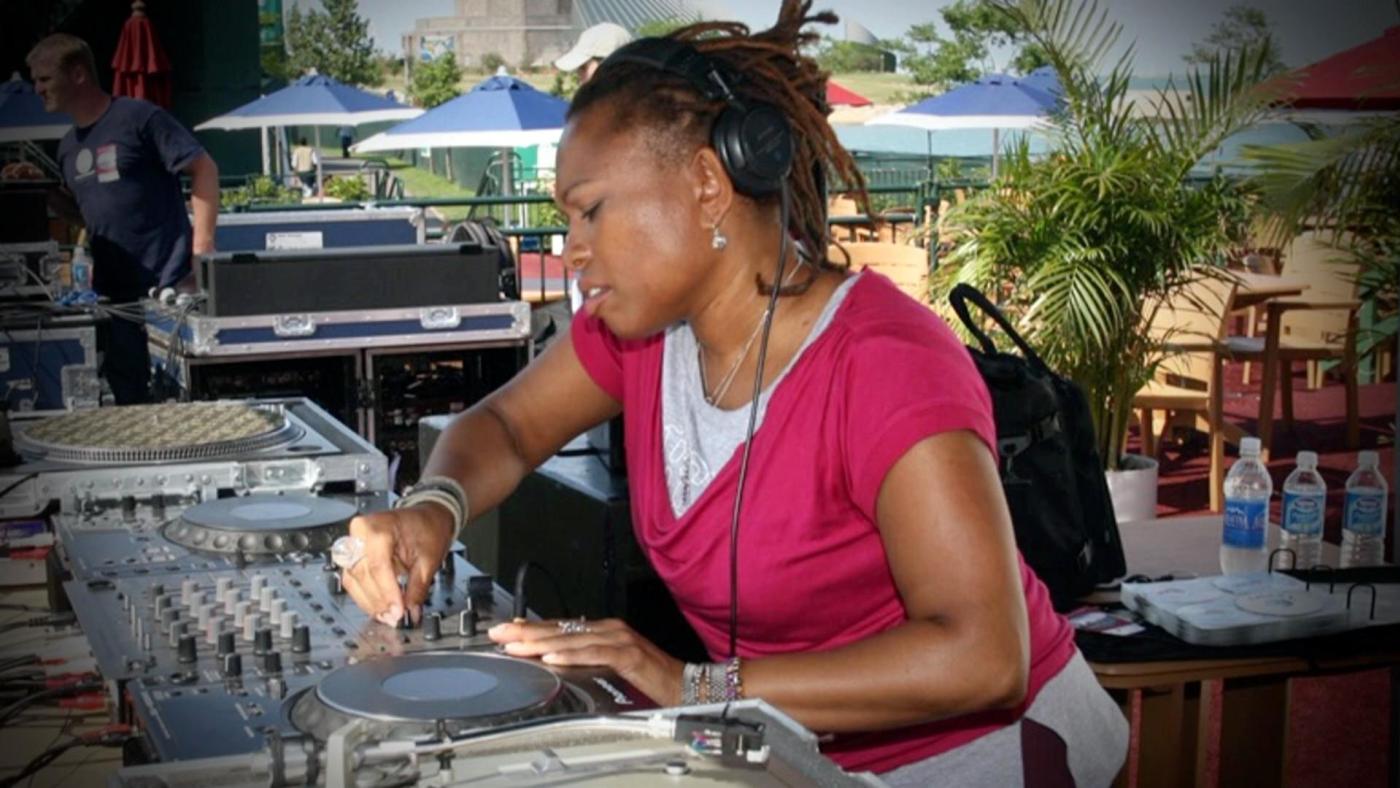
Lori Branch, a house music veteran who has played opening sets for artists such as Lauren Hill and A Tribe Called Quest, also remembers hearing similar comments and felt as if she had to prove herself over and over again. Branch first entered the house music scene as a teenager, going to parties at the Warehouse before she was technically old enough, and when house music was still mostly an underground, queer genre.
“The Warehouse shaped me as a person who was coming out,” Branch told Chicago Stories. “I was a kid trying to find myself. I found community there…The music enveloped us and swallowed us into this energy.”
When she became a DJ herself, she remembers being told that she played like a guy – a comment intended to be a compliment. “I know what you’re trying to say, but it’s a little sexist,” Branch recalls saying. “Maybe more than a little.” She says people still sometimes express surprise at her line of work.
“I’m not sure why it’s so hard to conceptualize a woman blending two songs together,” Branch said. “I think that men also control things. So they’re the club owners, they’re the people who are booking you, so you have to sort of appease them. So you have to play in a way that men find acceptable, which is sometimes a little bit harder.”
Branch argues that women DJs “have a little bit more range.” Rather than coming out too strong at the start of a set, Branch personally prefers to take her audience on a journey with ups and downs, exploring different genres and the nuance within the music.
“It’s about harmony and being swept up and allowing yourself to be swept up in it, not resisting it, going with this flow that happens in spiritual experiences,” Branch said. “Dance music can give you that same kind of high and connectivity to other people and to what we think is a higher power.”
Alexander remembers falling in love with the craft of mixing and manipulating music, more so than the music itself. She was not, as she phrased it, a “disco head,” but still was drawn to the technical components of mixing. She first learned on equipment at a neighbor’s house and worked her way into the scene. Despite the unwelcoming atmosphere by some men, she had “very, very supportive” friends in DJs such as Hurley, Ron Hardy of the Muzic Box, André Hatchett, and Frankie Knuckles. Still, she endured misogyny regularly.
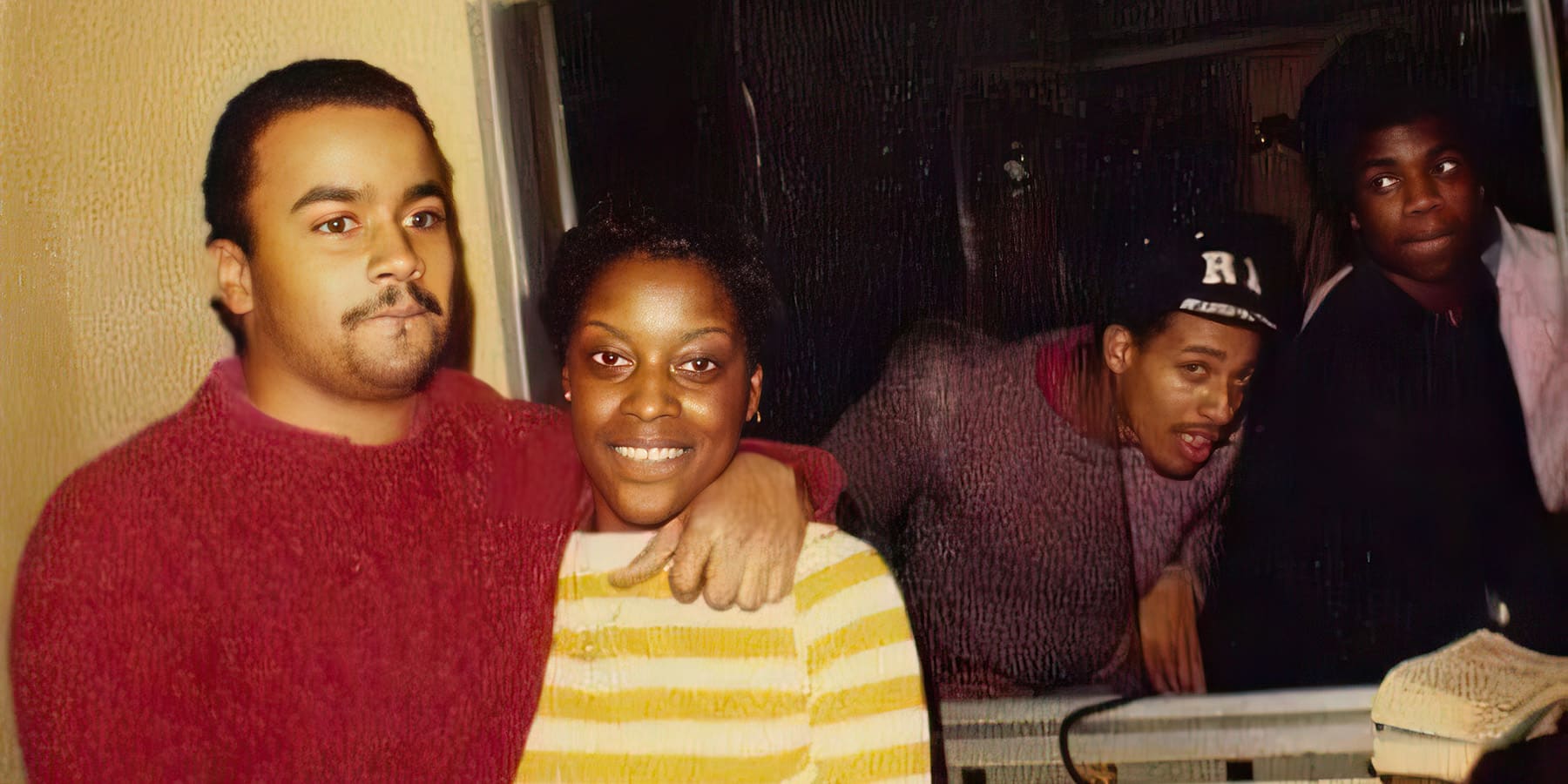
“Sexism makes it a lot harder for us to be taken seriously if we’re trying to be craftspeople,” she said. “Just like any other place – like women in construction or women in the military – it’s challenging to this day.”
But the scene has changed a lot for women since the 1980s when the genre first emerged, Branch said.
“There’s a ton more opportunities. You have women in much more powerful positions of authority and power, so they can hire other women. You have women festivals, you have some lineups that are all women,” Branch said.
In the late ’90s and early 2000s, a group called Superjane – made up of Collete, DJ Dayhota, DJ Heather, and DJ Lady D – formed in Chicago. Branch said the group was among the first to do an international tour and did “really amazing work” spreading Chicago-style house music around the world. Branch also pointed to a program called Queens of House, led by DJ SoulKat, that features an all-woman lineup. According to Alexander, women like these have paved the way for more women to enter the industry.
“I honestly believe that if it weren’t for myself, if it weren’t for the Lori Branches, if it weren’t for the other women that dared to play and continue to play and fight to play, I don’t think it would be as open as it is now for all the women that do play,” Alexander said.
Now, there’s a new generation of women DJs. Hannah Viti (known as VITIGRRL) and Zora Murphy (known as ctrlzora), told Chicago Stories that they still feel the reverberations of sexism in the industry, but as with Branch and Alexander, the music sustains them.
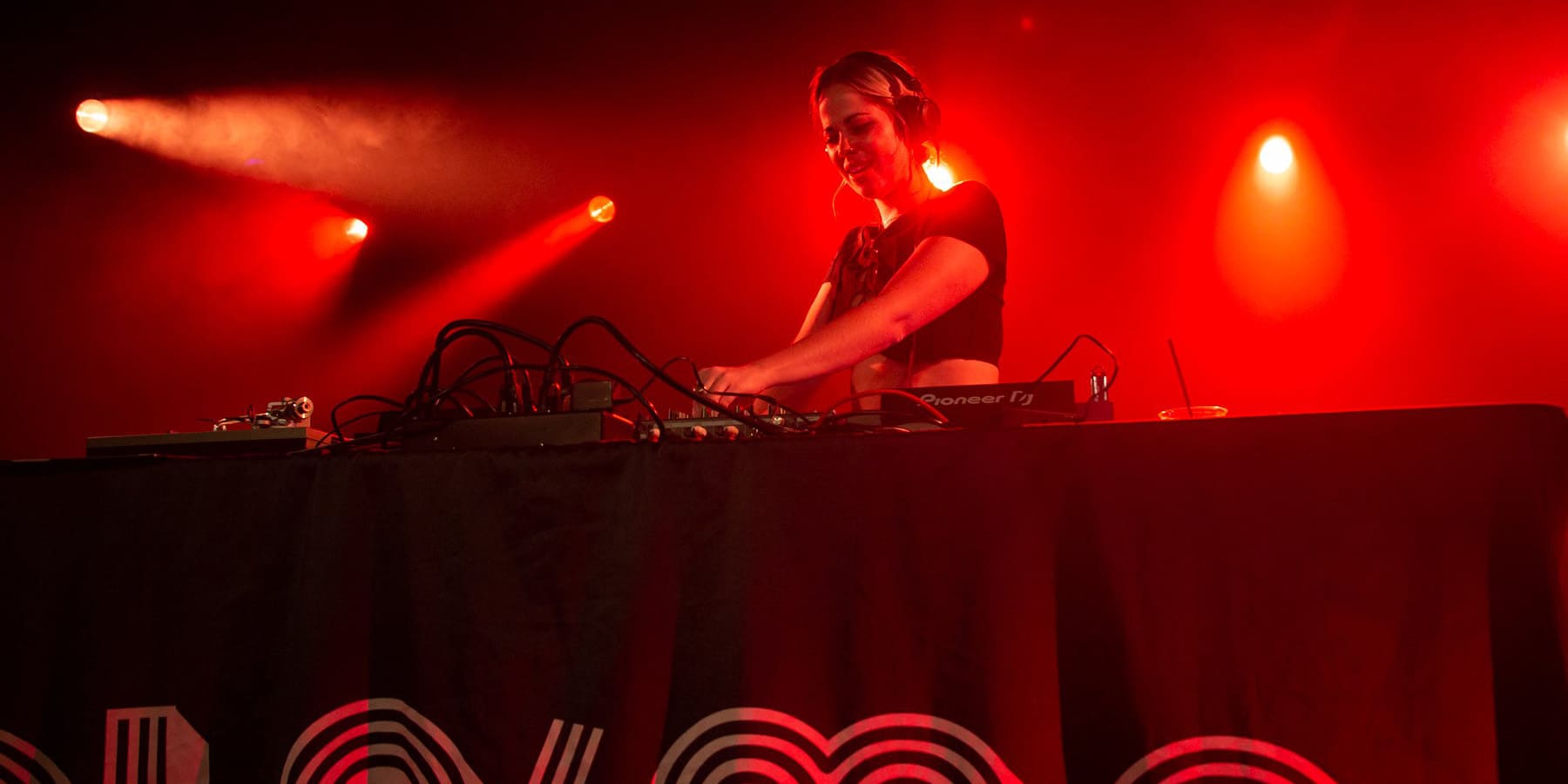
“I think house chose me as much as I chose house. Once I fell in love with it, it was the mission, it was the movement, it was what I thought about when I woke up,” Viti said.
Viti, along with Branch and DJ Lady D, formed a DJ collective called The Good Girls designed to “empower women, LGBTQ+, and POC artists with their mission to create inclusive spaces, promoting intentionality and equity through music, one dance floor at a time.” They’re often in lineups together and have played at Burning Man.
“I’d like to see women in just as many lineups as men,” Viti said. “Girls bang. Girls bang really hard. I feel so blessed to have had the mentorship that I have had. I would not be here without it.”
Murphy feels as though she’s had mentors who haven’t taken her seriously or who have been “flirtatious or condescending.” She thinks change is happening, but slowly. Murphy said she pushes a culture that acknowledges “those who come before them” – the Black, LGBTQ+ community that created house music. With two other Black women, she has her own collective called Hour Nine that prioritizes “safe spaces for femmes, for anybody to feel comfortable.”
“People are always gonna be misogynistic. All of these implicit biases, they’re still there. They’re just more hidden,” Murphy said. “If you don’t fit a certain criteria of desirability, you’re gonna have a harder time.”
Though Viti and Murphy are of the current generation, they both already think about “passing the baton” to the next generation of women, said Viti. Murphy, in particular, wants to be in a position of greater power in order to lift up herself and others.
“I would love to own my own nightclub. I would love to own my own label,” Murphy said. “I would love to be in a position where I don’t have to go back and forth with other people just to ask others to treat other marginalized people with basic respect. At some point you just have to take that power back yourself.”
Related