











Facebook icon Twitter icon Instagram icon YouTube icon

Inside The Tylenol Murders | Chicago Stories

Tylenol Murders

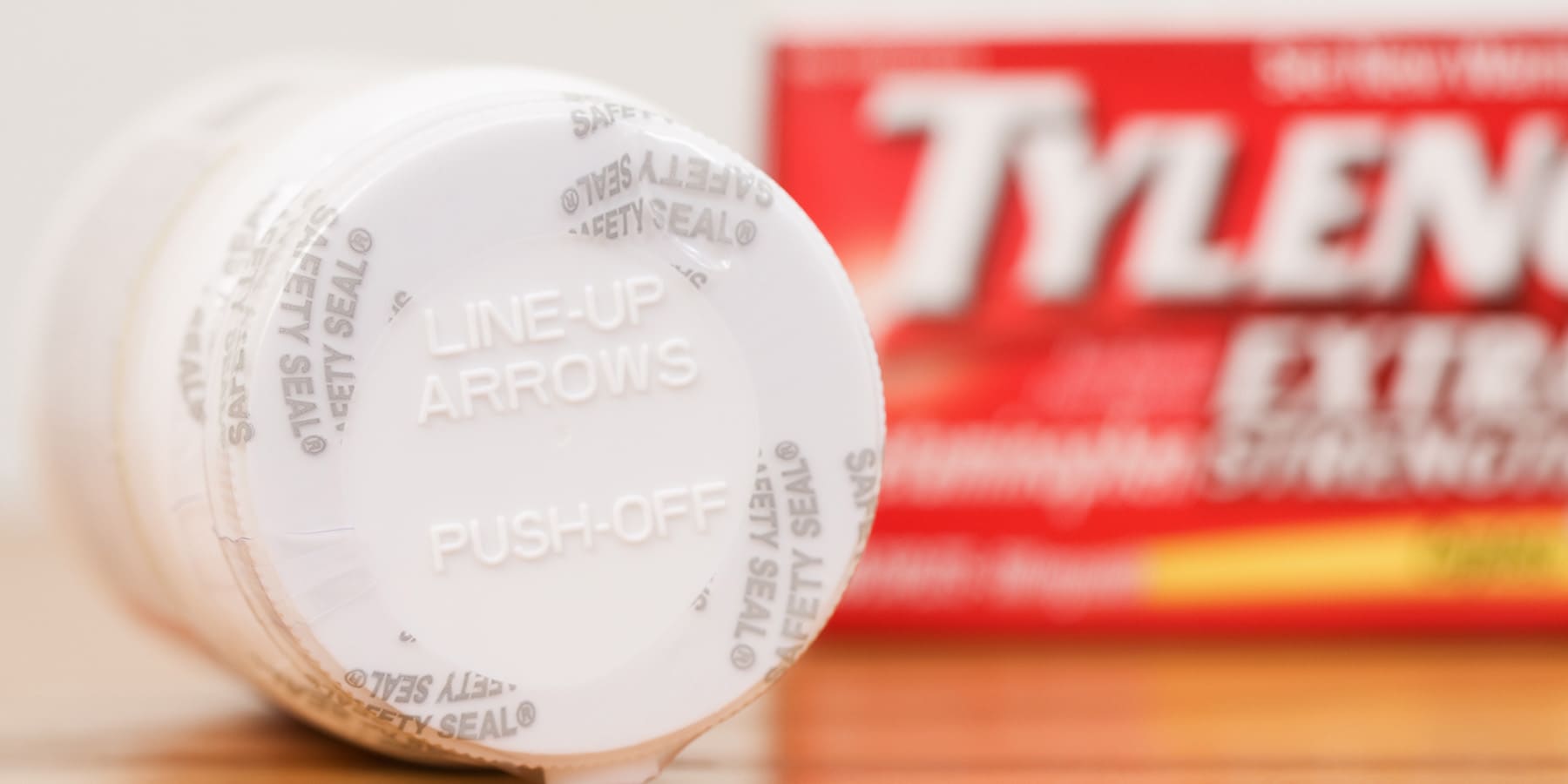
On September 29, 1982, 12-year-old Mary Kellerman of Elk Grove, Illinois, woke up in the morning with cold symptoms. Her parents gave her Tylenol to ease her discomfort. Hours later, Mary was dead. What followed was a string of seven Chicago-area deaths connected by one thing: Each victim had died shortly after taking Tylenol. Lab tests confirmed the victims were poisoned, the pills all laced with a lethal dose of cyanide. A massive, multi-jurisdictional task force was formed, and thousands of leads were run down. Authorities eventually focused on one suspect, James Lewis, after discovering he had penned extortion letters demanding $1 million dollars to stop the killings. Lewis denied his involvement in the murders for decades, and no hard evidence ever led to a prosecution in the case. Now 40 years later, the Tylenol murders remain one of the nation’s most notorious – and unsolved – crimes.
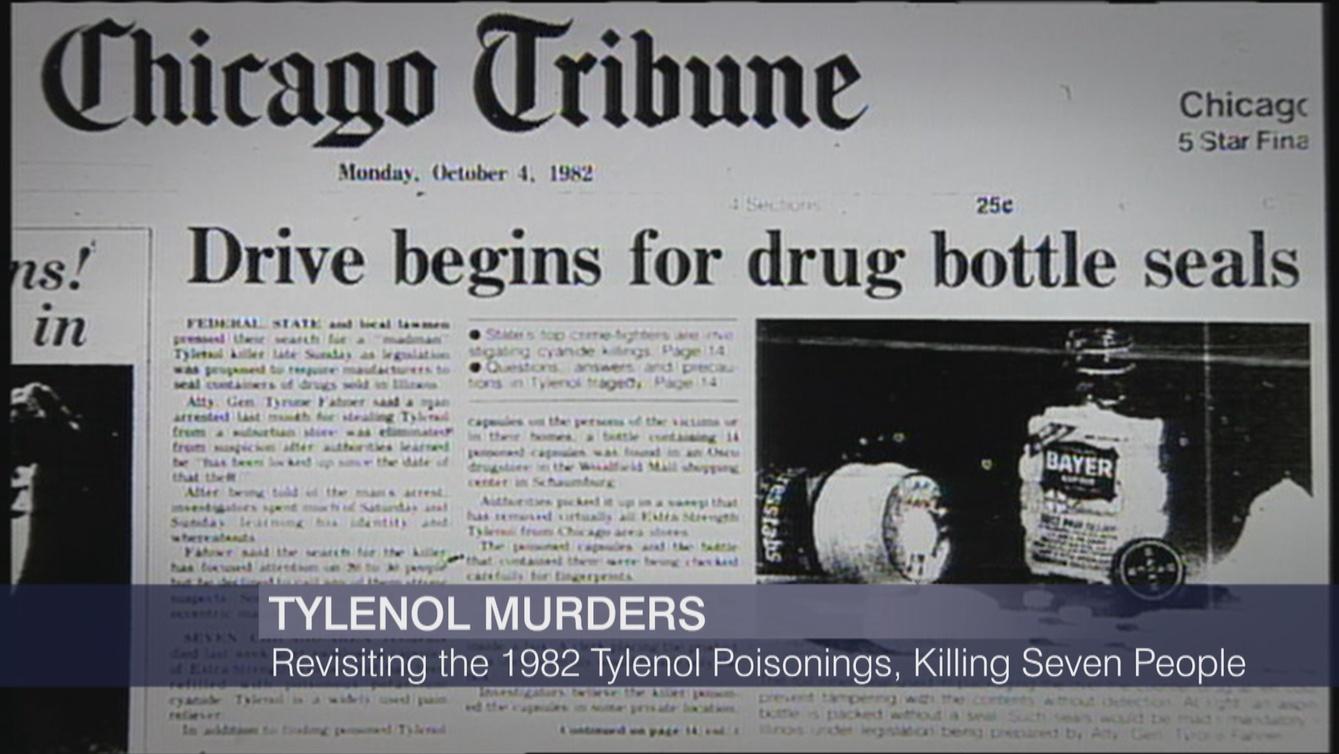
In 1982, the deaths of seven people forever changed Americans’ sense of safety. The otherwise healthy individuals, all from the Chicago area, who sought relief from their headaches or cold symptoms collapsed and died not long after taking Tylenol capsules that had been intentionally laced with cyanide. No one was ever charged with the so-called “Tylenol murders,” and the case remains open. But one man in particular drew the attention of the authorities and journalists for decades... Read more

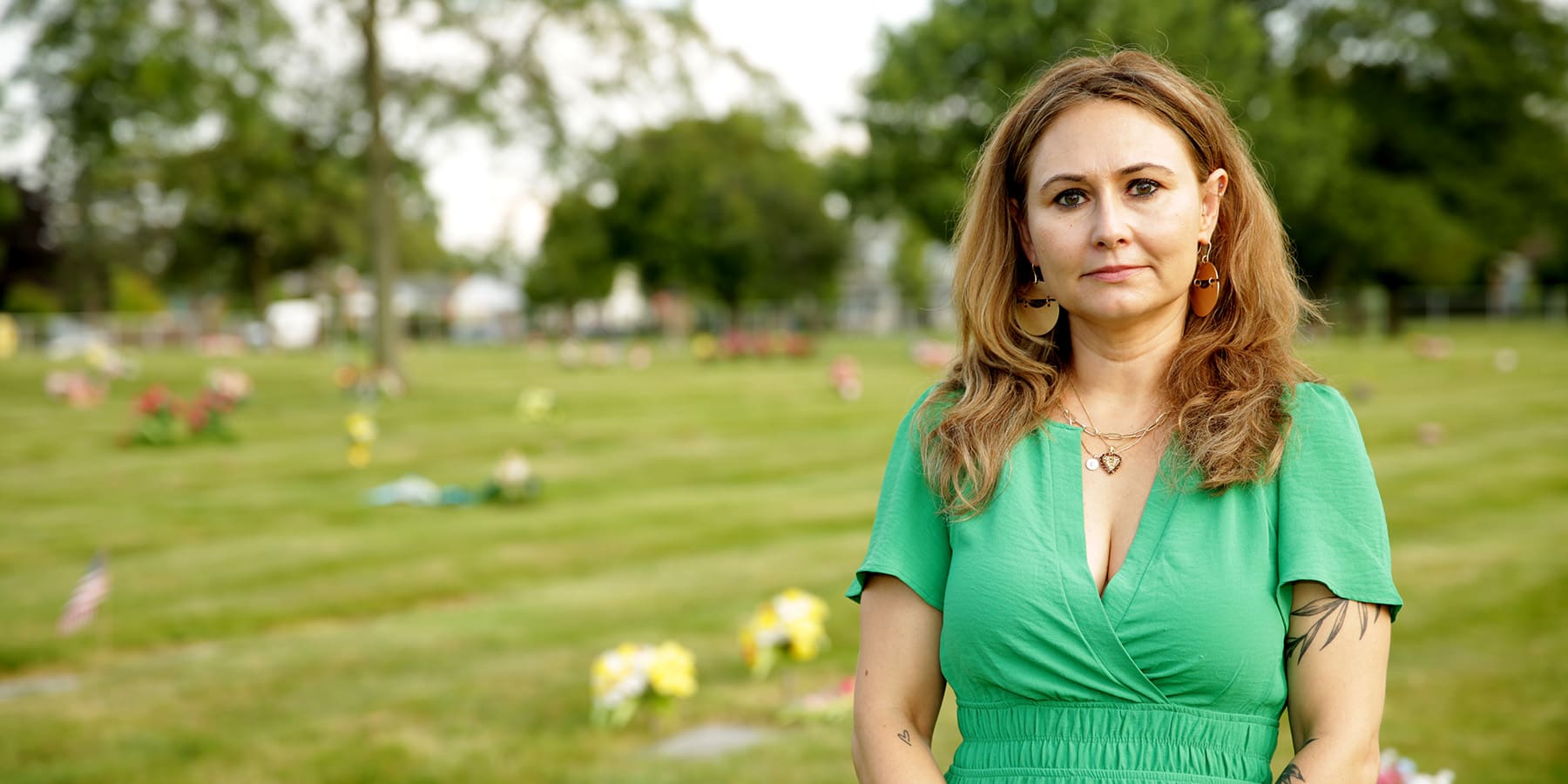
The fallout from the Tylenol murders – the fear, the anxiety, the erosion of trust – impacted families across the United States. But no families felt the impact as deeply as those of the seven victims of the murders. The Janus family, who lived on an idyllic, middle-class street in Arlington Heights, was hit the hardest: three members, including a loving father and two young newlyweds, tragically took cyanide-laced Tylenol from the same bottle. Kasia Novak Janus was just four years old when her father collapsed in their family home and died. She spoke to Chicago Stories about that day and the years of healing that took place in the aftermath.... Read more

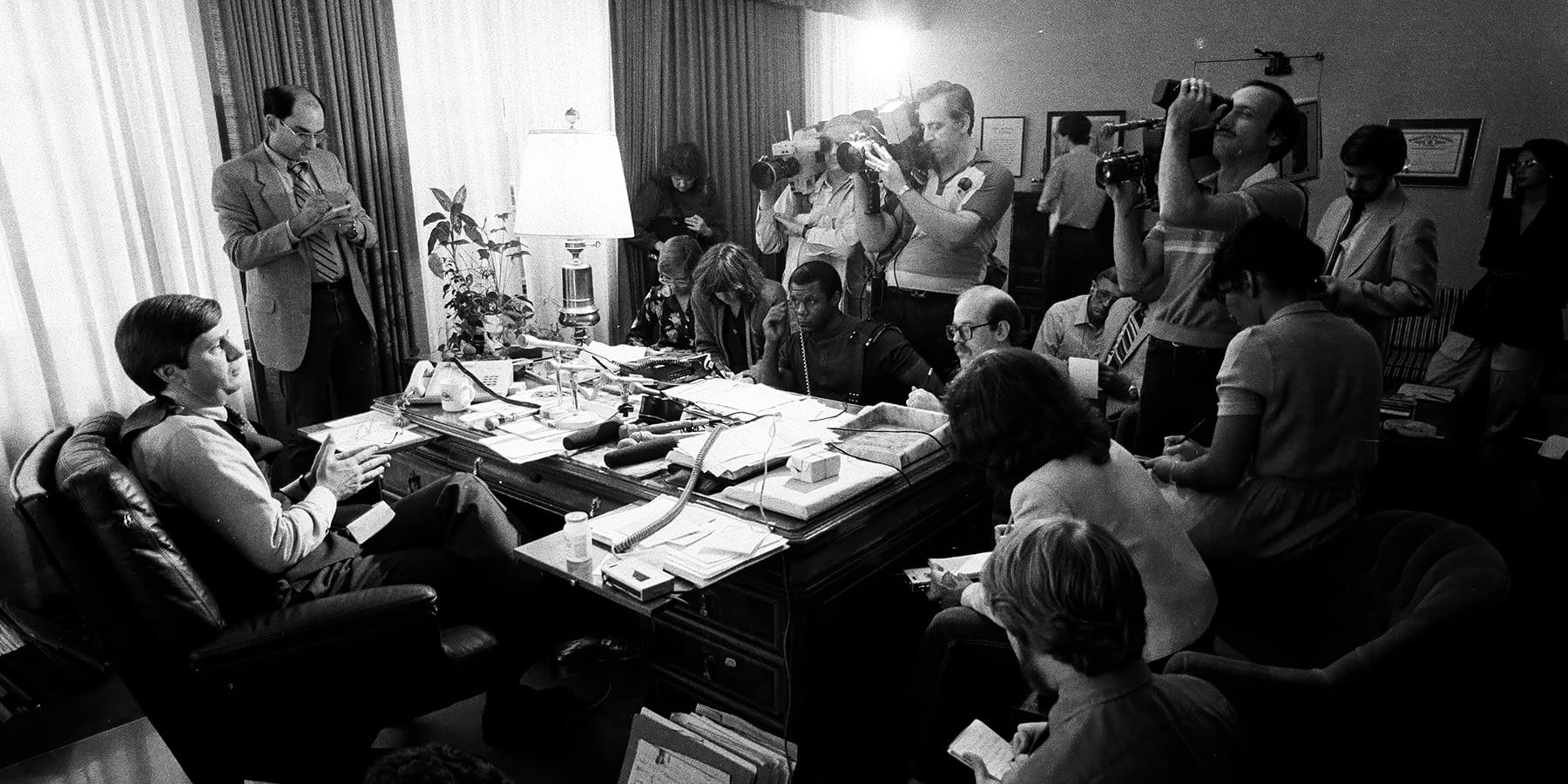
When early reports of multiple deaths in Arlington Heights, Illinois, first emerged in late September 1982, a young general assignment reporter named Chuck Goudie from Chicago’s ABC7 traveled to the northwest suburb to cover the story.

“As the sun is setting, you have ambulances and police cars cruising through the neighborhoods with their loudspeakers warning people that if they have Tylenol in their bathrooms, don’t take it because there's been a problem with it, and it’s been linked to people getting hurt,” Goudie, now a reporter at NBC 5, told WTTW. “That wasn’t normal. Even though I was a young reporter still in my early twenties at that point, I certainly had never heard anything like that.”

In the immediate aftermath of the so-called Tylenol murders which left seven Chicago-area people dead, including a 12-year-old girl, there were many unanswered questions... Read more

Related

Chicago Tribune front page from Monday, October 4, 1982 with the headine: 'Drive begins for drug bottle seals'

As Reporters Revisit the Tylenol Murders 40 Years Later, New Developments Emerge

Forty years ago, seven people in the Chicago area died after taking Tylenol that was tampered with and laced with cyanide.

Read more

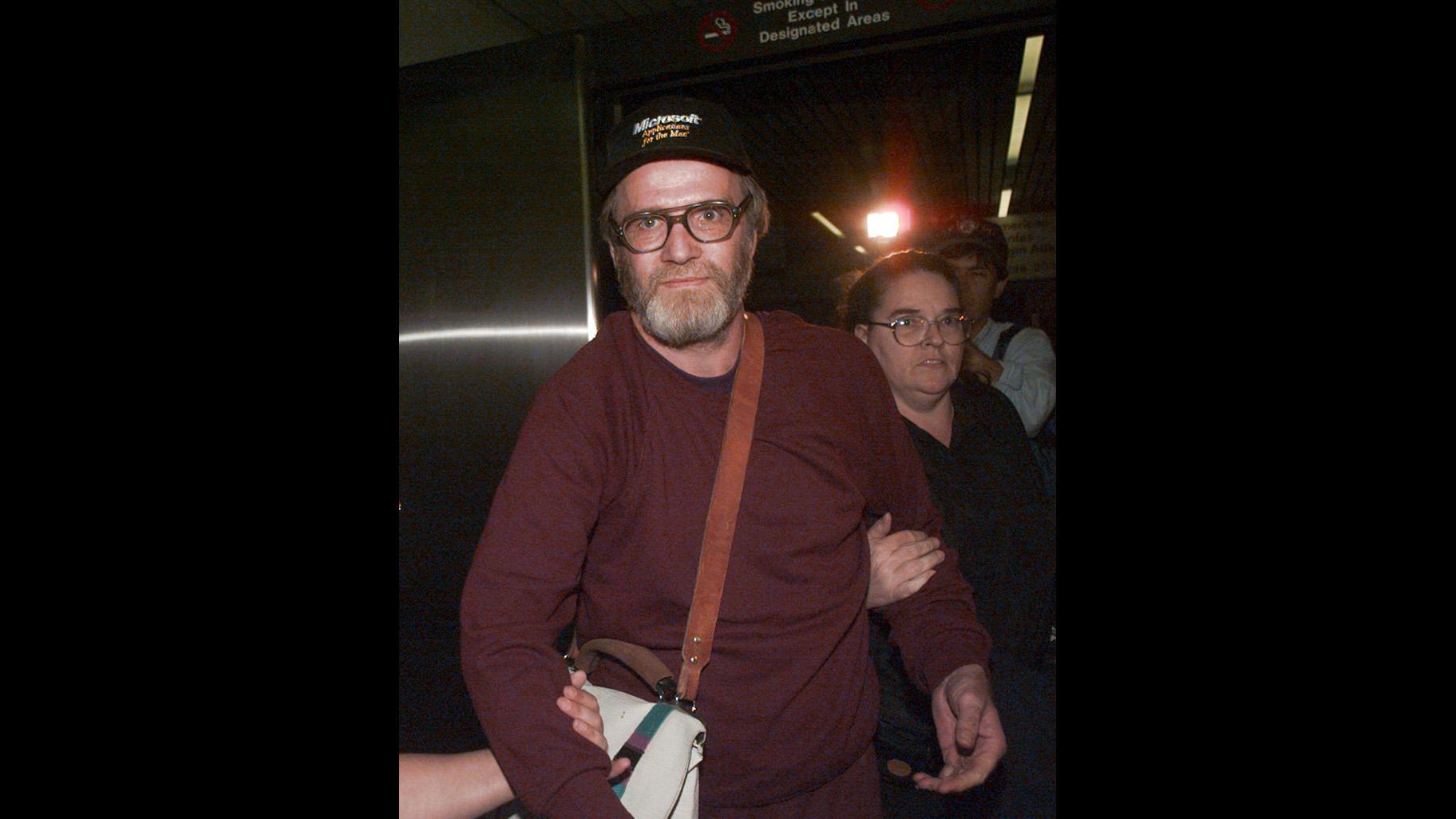
James Lewis is escorted through Boston's Logan Airport, Friday Oct. 13, 1995, after being released from the Federal Correctional Institution in Oklahoma.  (AP Photo / Charles Krupa, File)

James Lewis, Suspect in Tylenol Poisonings That Killed 7 Chicago-Area People in 1982, Dead

The suspect in the 1982 Tylenol poisonings that killed seven people in the Chicago area and triggered a nationwide scare has died, police confirmed on Monday.

Read more


Lead support for Chicago Stories is provided by The Negaunee Foundation.

Major support is provided by the Abra Prentice Foundation, Inc. and the TAWANI Foundation.