





When Ernie Nathan was in the sixth or seventh grade in the early 1960s, a teacher took his class on a field trip to the Highland Park Public Library, which had just gotten a new microfiche machine that allowed people to look at old newspaper articles and other documents.
“I thought that was very cool, and this was how I’m going to figure out who Richard was and what happened,” Nathan said.
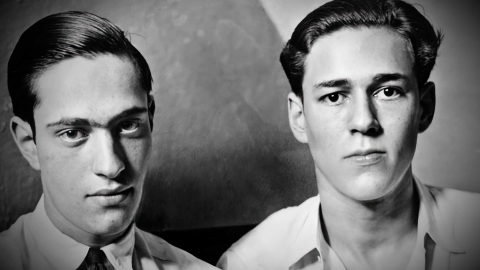
That Richard was Richard Loeb, Nathan’s great-uncle on his mother’s side of the family, the younger brother of his grandfather, Ernest, for whom Nathan was named.
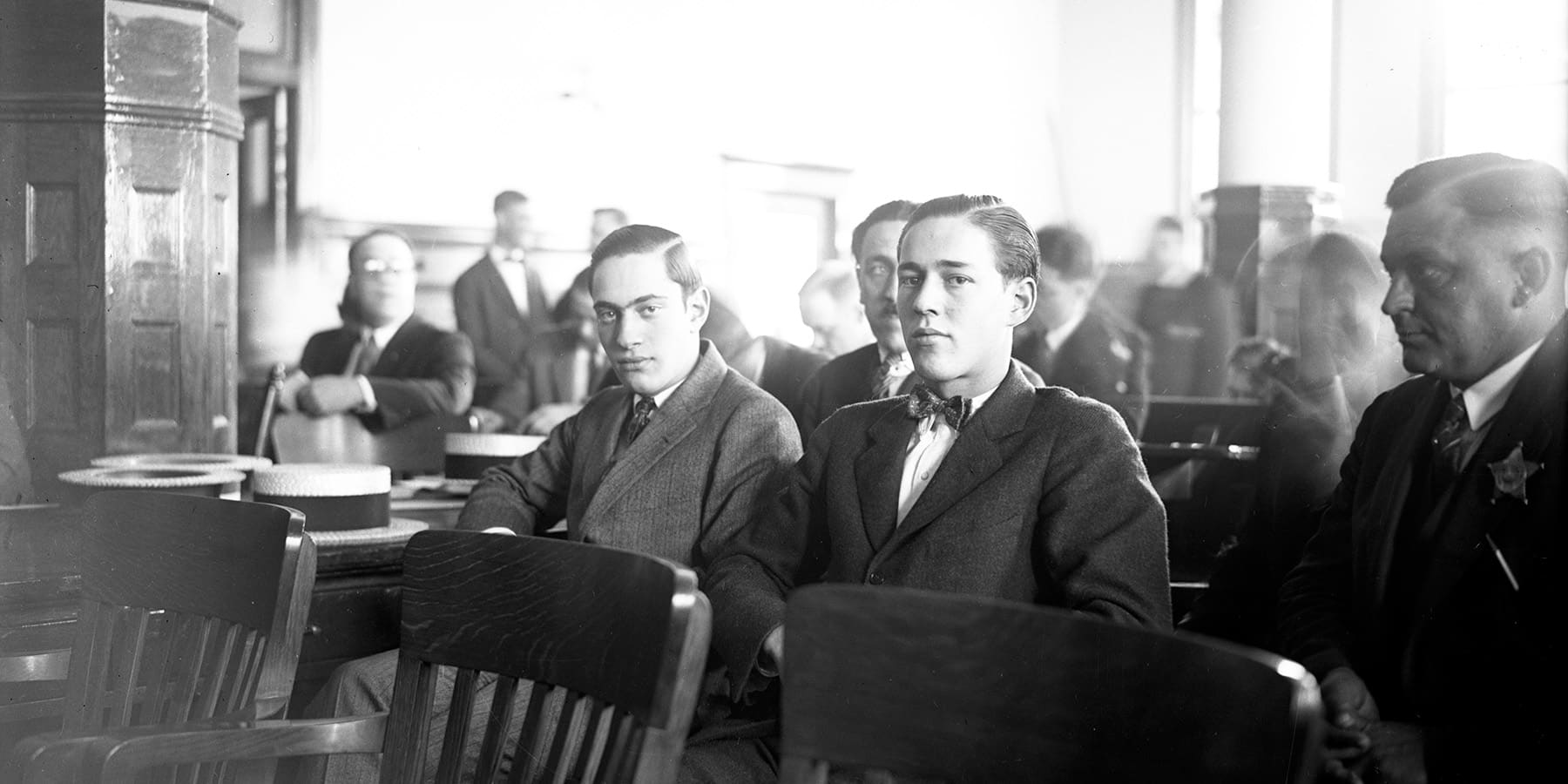
The next Saturday, Nathan rode his bike back to the library and spent hours poring over old articles about Richard. That’s how he discovered that his great-uncle was half of the infamous Leopold and Loeb duo – the two intelligent, privileged young men who murdered a boy named Bobby Franks in an attempt to commit “the perfect crime.”
Nathan’s family never discussed the details of the crime, even though they were a tight-knit family that all got together at their grandpa Ernest’s house every Sunday for dinner. Nathan shared the details with his siblings but didn’t bring up his discovery with his parents until decades later.
“Any time Richard Loeb was mentioned, all of us growing up knew something really bad had happened in this family. We didn’t know what, because we were pretty young and there was no internet back then,” Nathan said. “I couldn't believe this was my great-uncle that did this horrible murder. But that’s how I learned about it, because my parents never talked about it…There was a fair amount of shame associated with Richard for what he had done.”
Then, just a few years ago, as her health was declining, Nathan’s mother told him about a few boxes above the television in her living room. She thought Nathan should look at their contents, especially since he was the family’s history and genealogy expert. The box contained letters, photographs, and other documents pertaining to Richard Loeb.
“The next day, I said, ‘Mom, you’ve been sitting on this stuff for seventy to eighty years, what did you think was going to happen?’” Nathan recalled. “She said, ‘I didn’t want to throw it away, and I knew it had some historical value.’”
Because Richard Loeb was killed in prison when he was 30 years old, there have been far fewer records pertaining to his life than that of his partner in crime, Nathan Leopold, who was released from prison in 1958 and wrote a memoir about his experience. Ernie and his family decided to donate the documents to Northwestern University in order to expand the historical record of the momentous “crime of the century.”
The boxes in his mother’s house contained a handful of family photographs, including images of Richard with his older brothers, Allan and Ernest, and his parents, Albert and Anna Loeb. (There was also a fourth, youngest Loeb brother, named Tommy.)
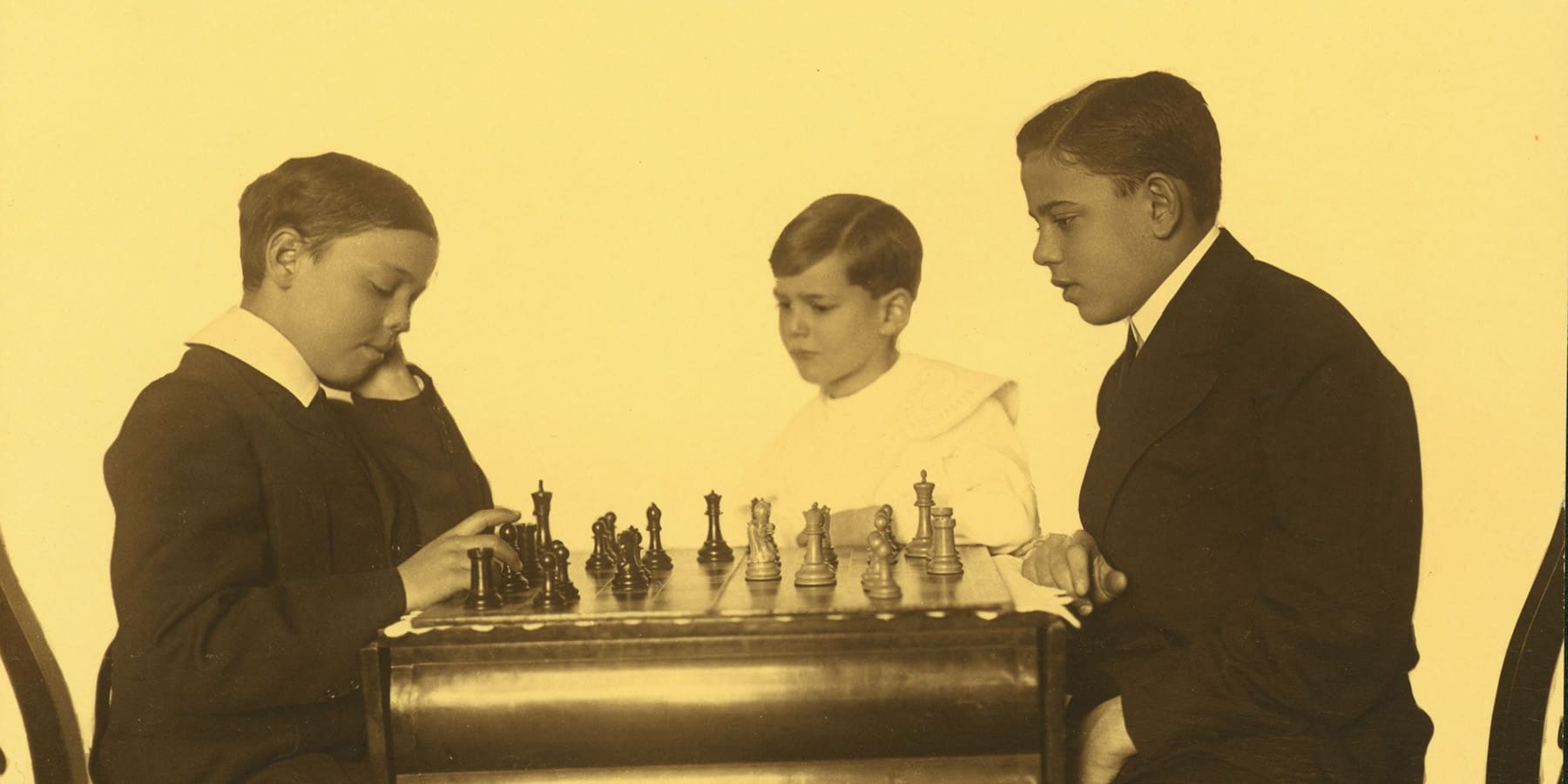
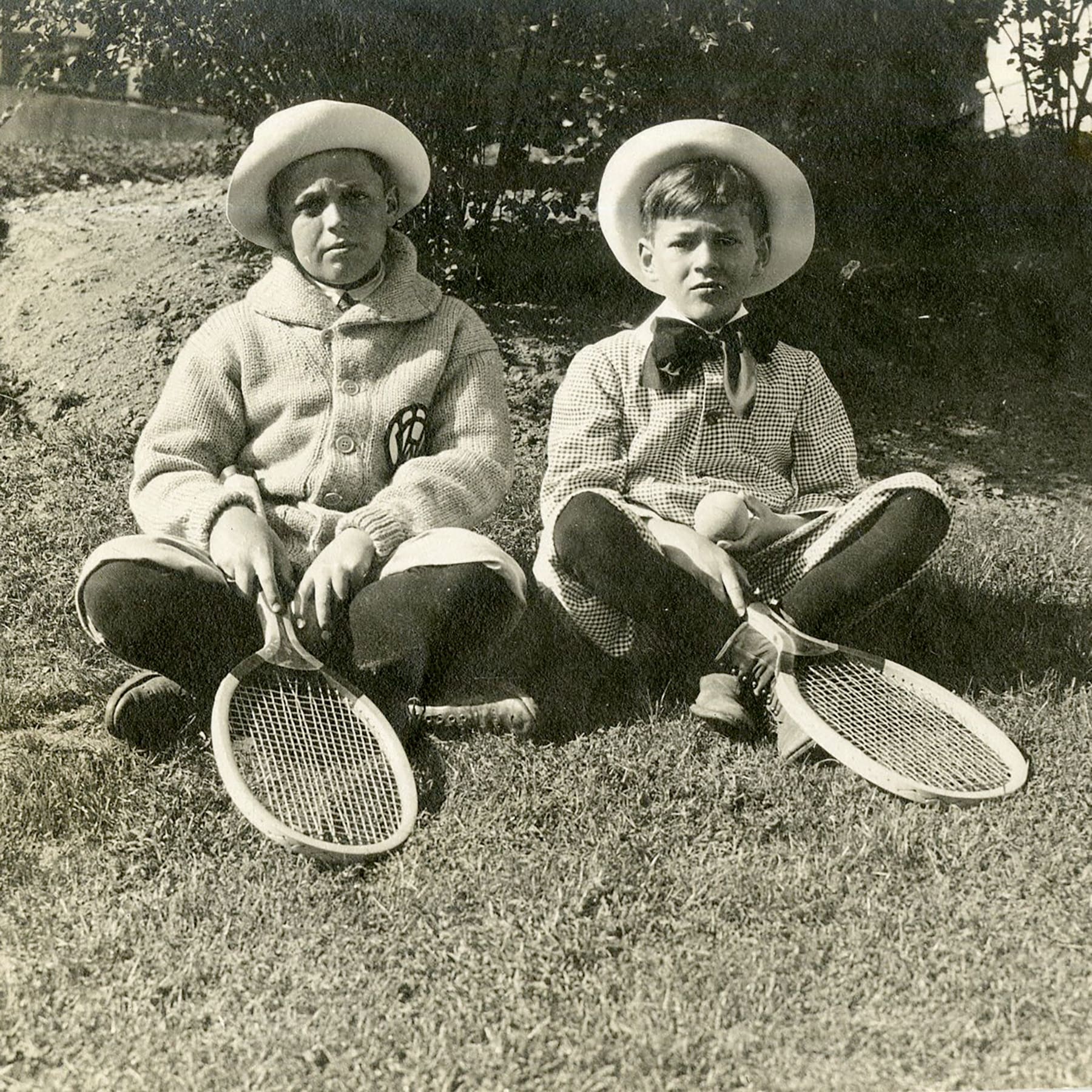
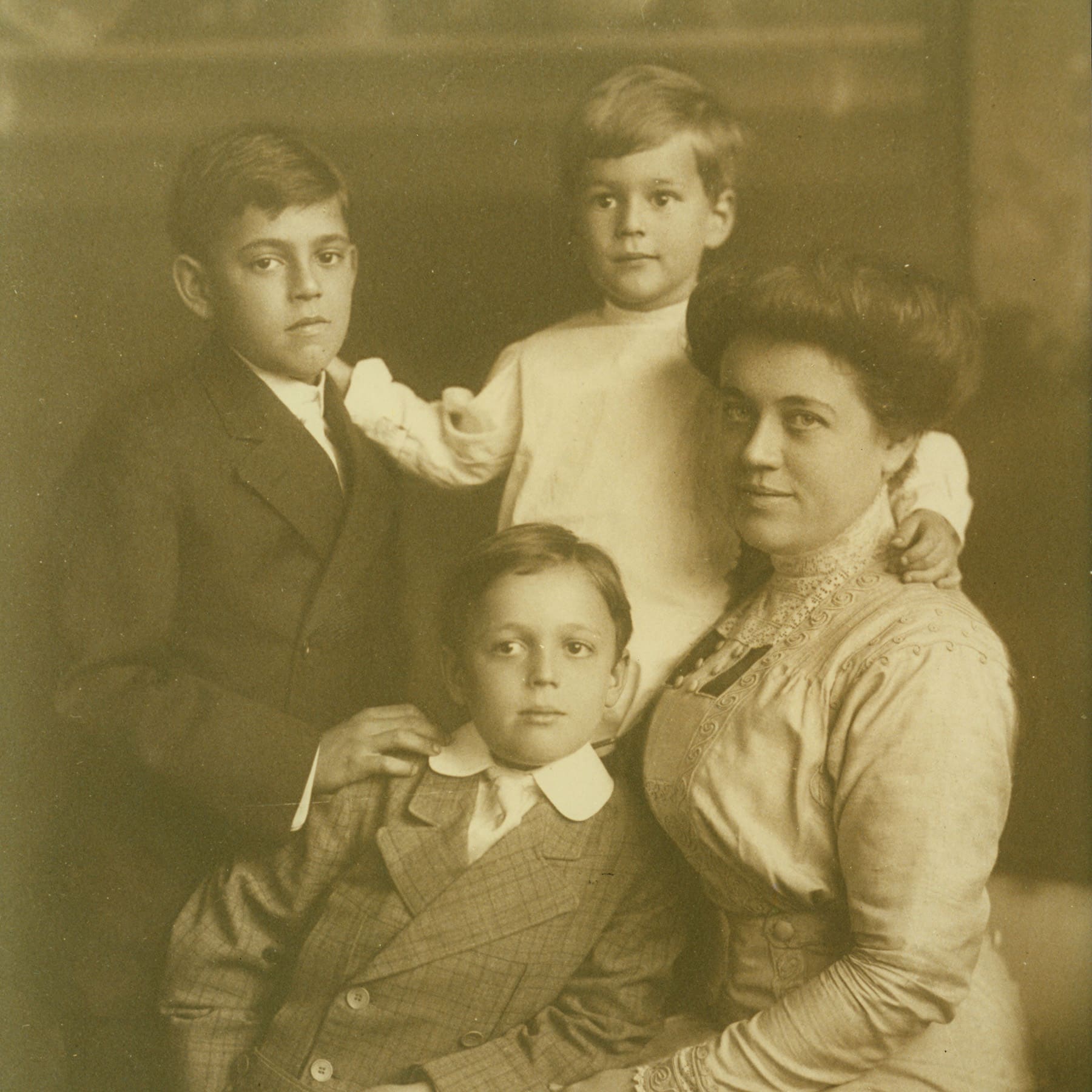
“There’s a very good picture of Richard with my grandfather, Ernie, as young kids,” Nathan said. “They’re sitting there with a couple of tennis rackets, just normal, average kids – nothing special.” There is another photo of Allan and Ernest playing chess while Richard watches, as well as a studio portrait of the three eldest boys with their mother.
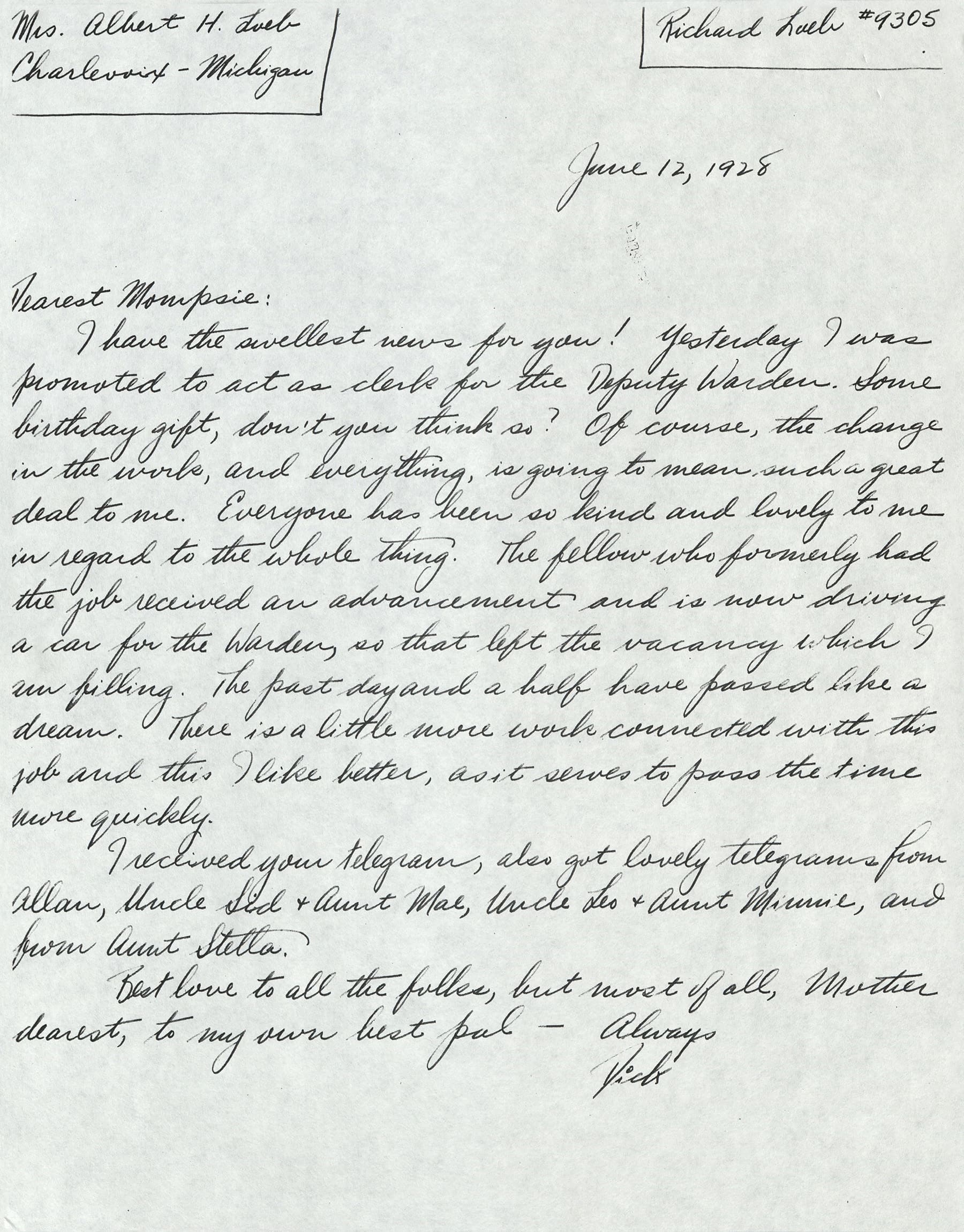
The boxes also contained letters that Richard sent from prison to his family. Many of the letters in the years after the trial are cheerful in nature, with Richard (signed “Dick” in the letters) inquiring about his brothers, the family estate and farm in Michigan, and other family matters. In one letter, he tells his mother about his excitement at getting a job as a clerk to the deputy warden.
One of the discoveries that Nathan found to be most interesting were the letters between Anna Loeb and Clarence Darrow, the attorney whom the Leopold and Loeb families hired. In a 32-day sentencing hearing, Darrow successfully argued that the boys should not be hanged for their crime, instead getting them life in prison, plus 99 years for kidnapping. Anna was searching for answers about her son and how he could have committed such a horrible crime.
“The letters between Clarence Darrow and my great-grandmother are very touching,” Nathan said. “They talk about the trial. Anna was asking what he thought was wrong with Richard. How could this ever happen?”
In a letter to his parents dated August 25, 1924 – in the midst of the hearing that would decide his fate – Richard wrote, “I know that we must all pay the penalty for our misdeeds, and the thing that makes it hard is that you dear ones must also pay.” The lives of his family members indeed changed dramatically after the trial. The family had become “pariahs,” said Nathan, excluded from the wealthy society in their South Side neighborhood of Kenwood. “At one point, my mother told me that their father [Albert] hired armed guards to protect the house,” Nathan said. Albert passed away from a heart attack in October, just weeks after Leopold and Loeb were handed their life sentence.
The family later moved up to Highland Park. While some members of the Leopold family changed their last names after the murder to distance themselves from the crime, the Loeb family did not.
“They were much more careful about who the kids hung out with,” Nathan said. “They withdrew from the world. Allan and Ernie lived next door to each other. They protected their kids and didn’t make a lot of fuss, didn’t make a lot of noise. They just led quiet lives the rest of their lives.”
While learning more about this dark period of his family’s history, Nathan was able to find a bright spot. Richard Loeb’s father, Albert, was an interesting man to research, and someone who, prior to his son’s infamous crime, tried to have a positive impact on his community. “He’s sort of the forgotten man,” Nathan said. Albert was a lawyer who helped restructure Sears, Roebuck, and Company in its early days. He served as a vice president for the mail-order giant and was good friends with Sears president and philanthropist Julius Rosenwald. According to Nathan, Albert established a profit-sharing plan for Sears employees, believed in equal pay for women, and wanted to help farmers unionize.
“What comes across about the Loebs is that they were really decent people,” said Nathan.
Nathan said his relation to Richard Loeb and discovering the family secret did not affect him, since he was born nearly three decades after the murder. To him, it is family history, albeit a tragic moment in the lives of the Franks, Leopold, and Loeb families.
“It did, however, affect my mother and her sister,” Nathan said. “[Ernest and Allan] withdrew from the world, and they were very protective of their daughters, who they hung out with, the friends they kept in school, the friends they played with…But my mother and her sisters, they were tough women. They were more resilient.”
Related