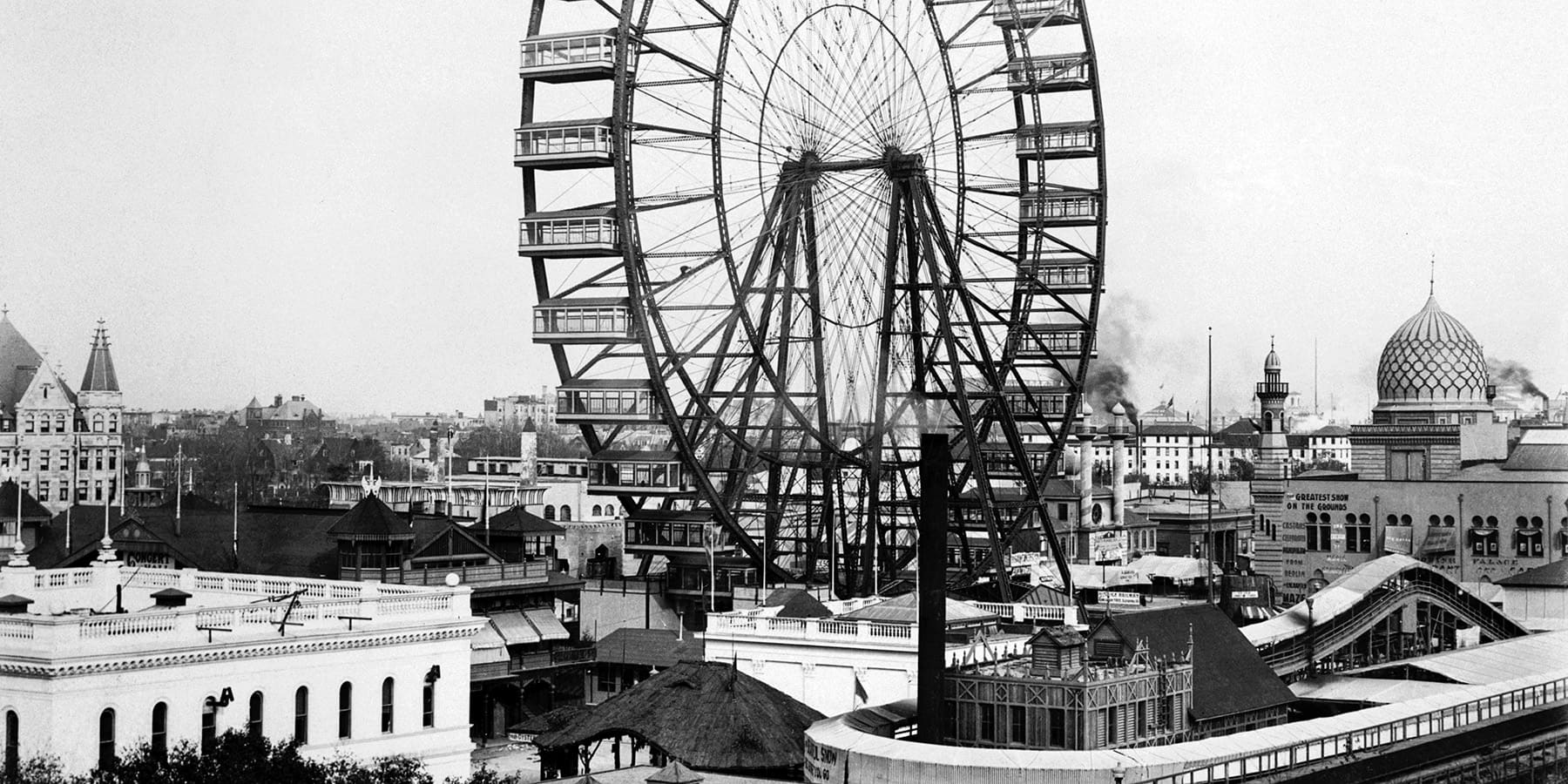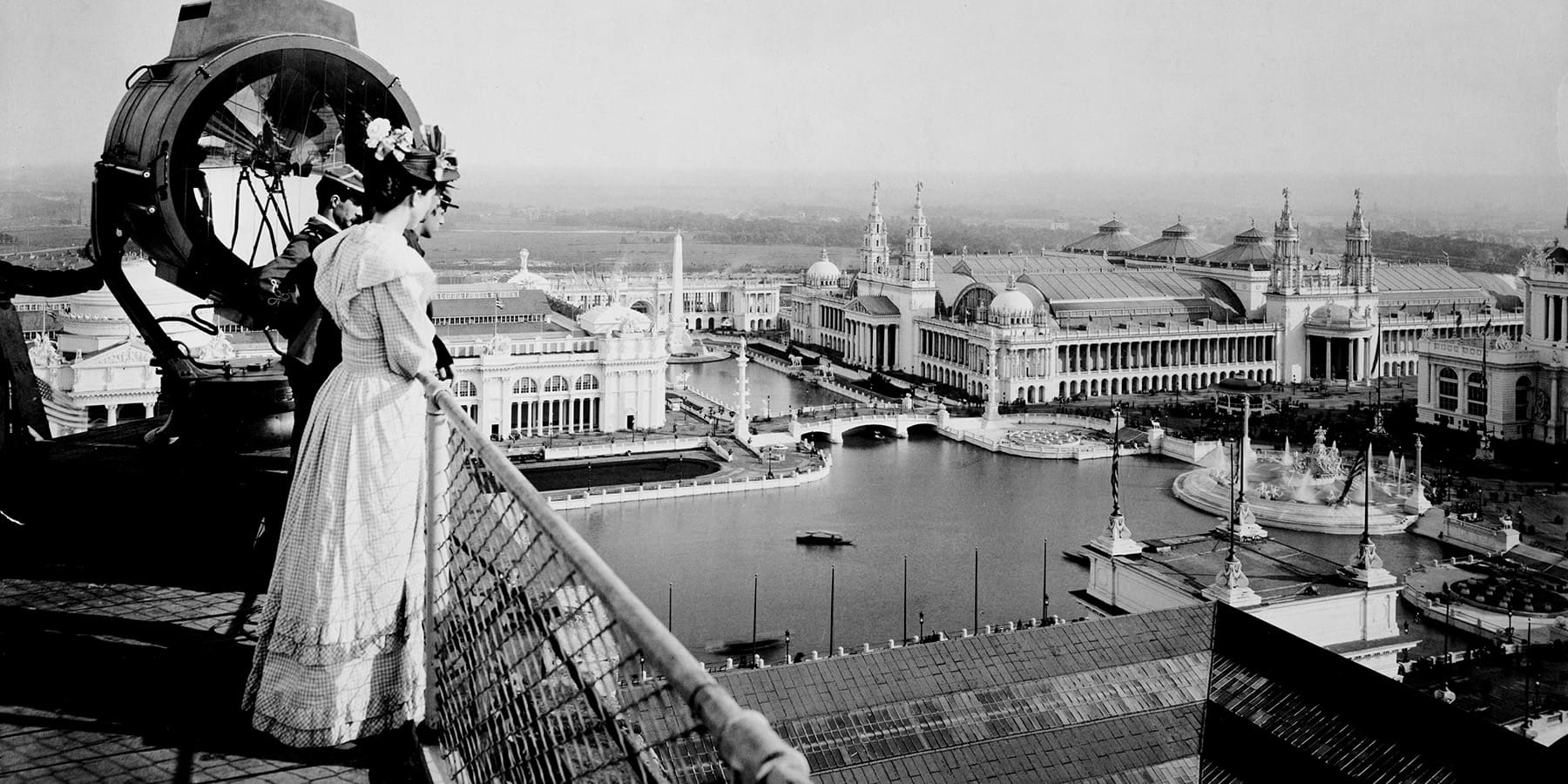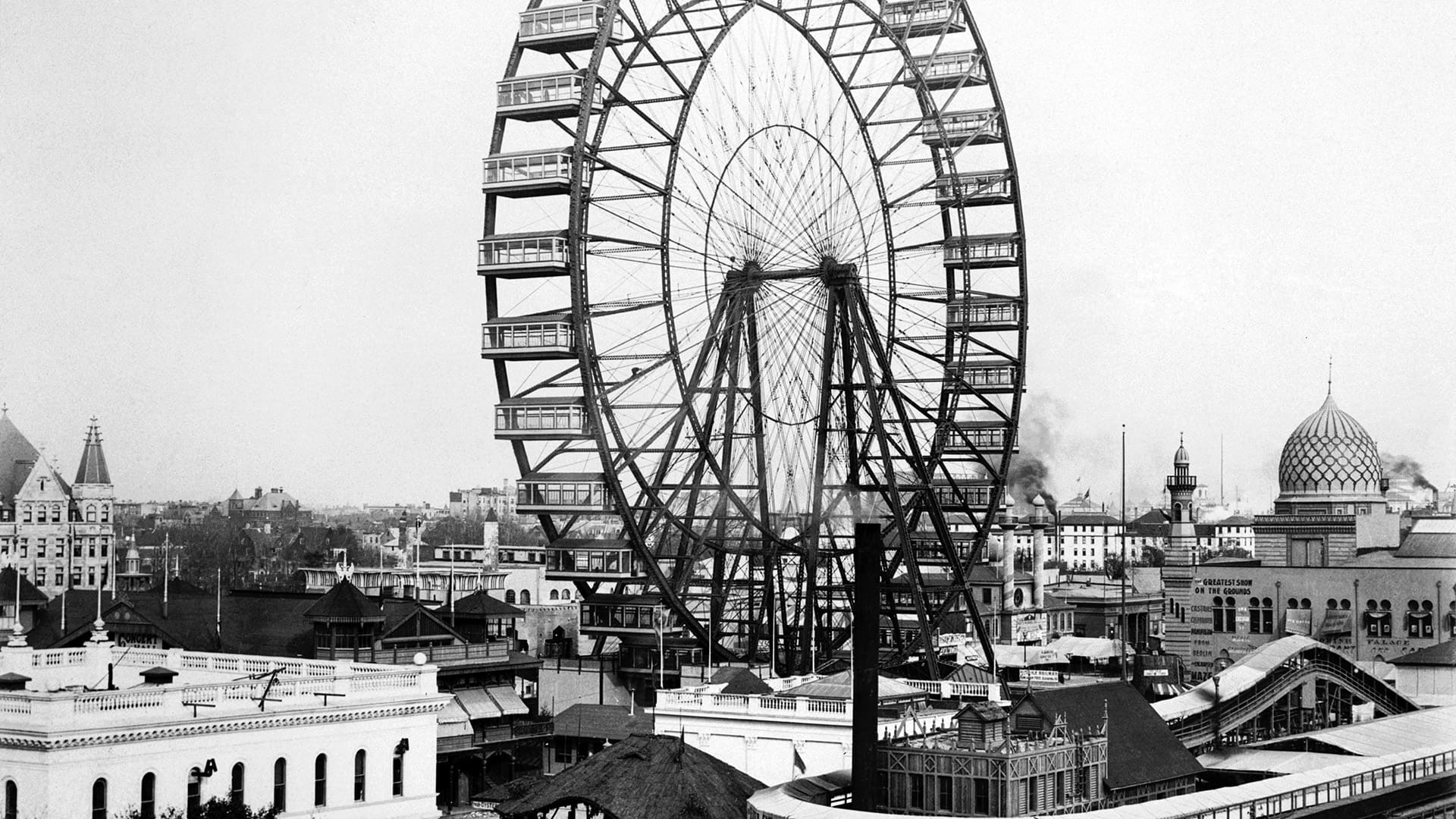








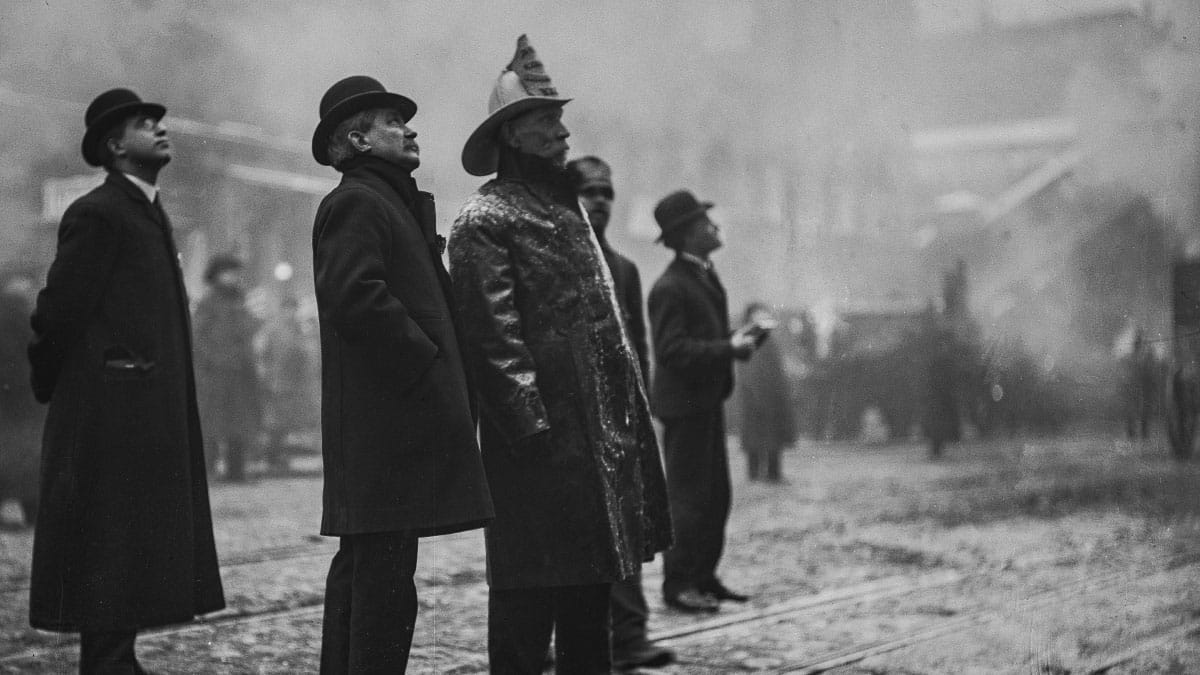



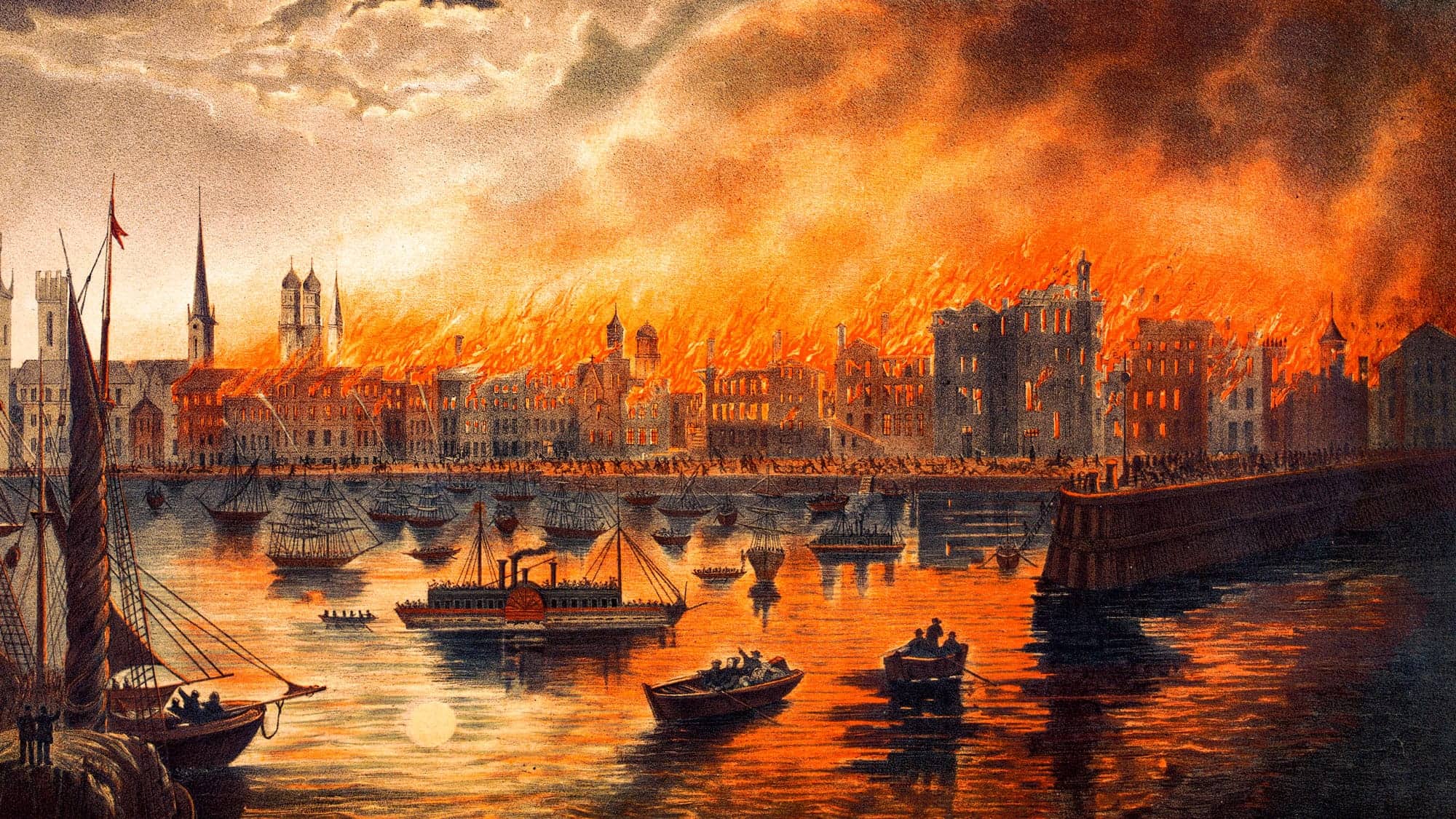
For all the planning and labor required to raise an entire city from Chicago’s swampy lakefront for the 1893 World’s Columbian Exposition, the White City was never meant to last. Most of the gleaming exhibition halls were made of wood and iron frames and coated with a material called staff – a mixture of plaster of paris and hemp fiber. Ahead of a planned demolition of the fair’s buildings, many of the exhibition halls were destroyed by a fire in January 1894 only a few months after the fair ended. Though the White City is long gone, and the land it once occupied has been reshaped, remnants of the fair still linger in Chicago and beyond – if you know where to look.
The Griffin Museum of Science and Industry
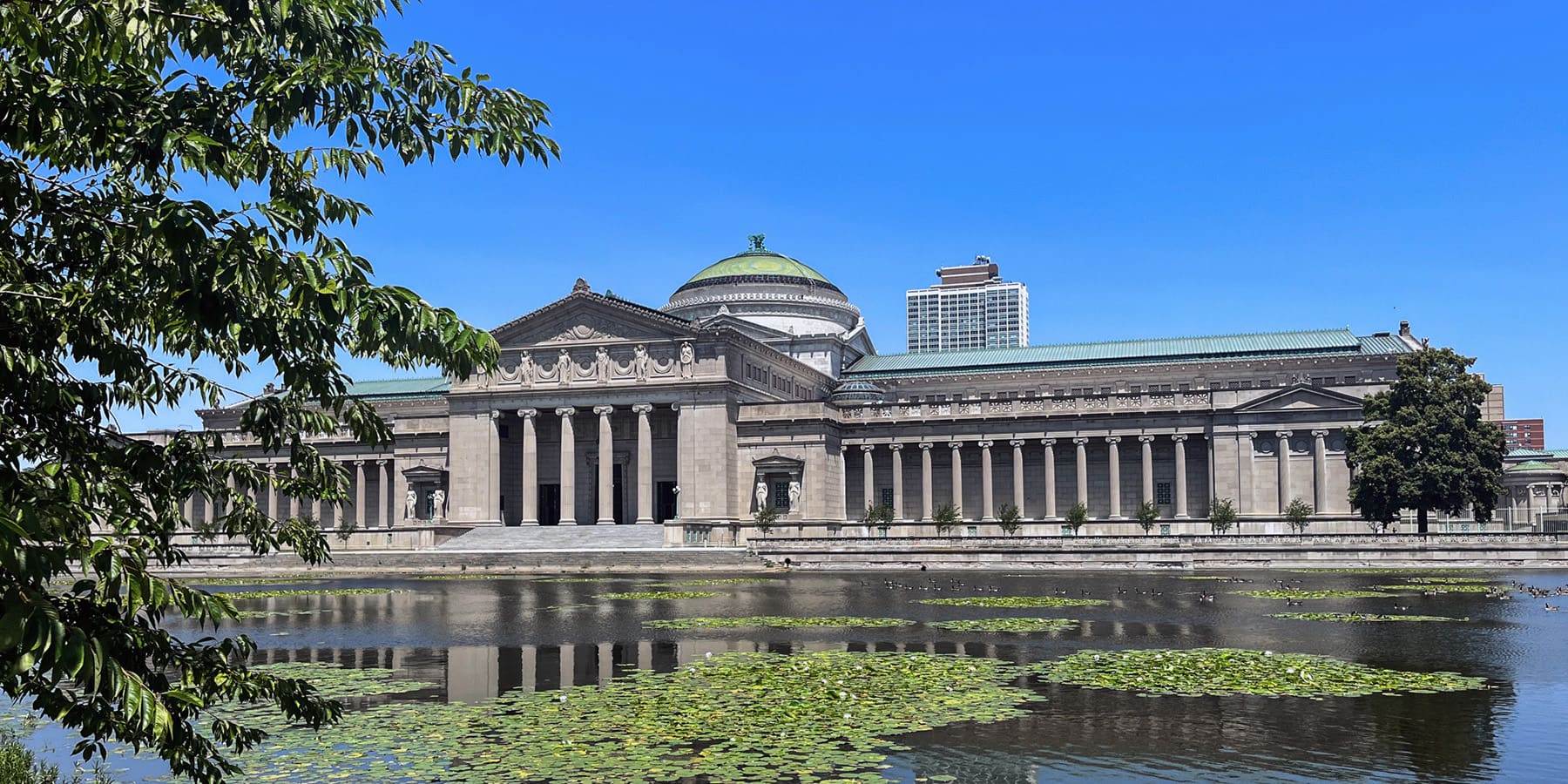
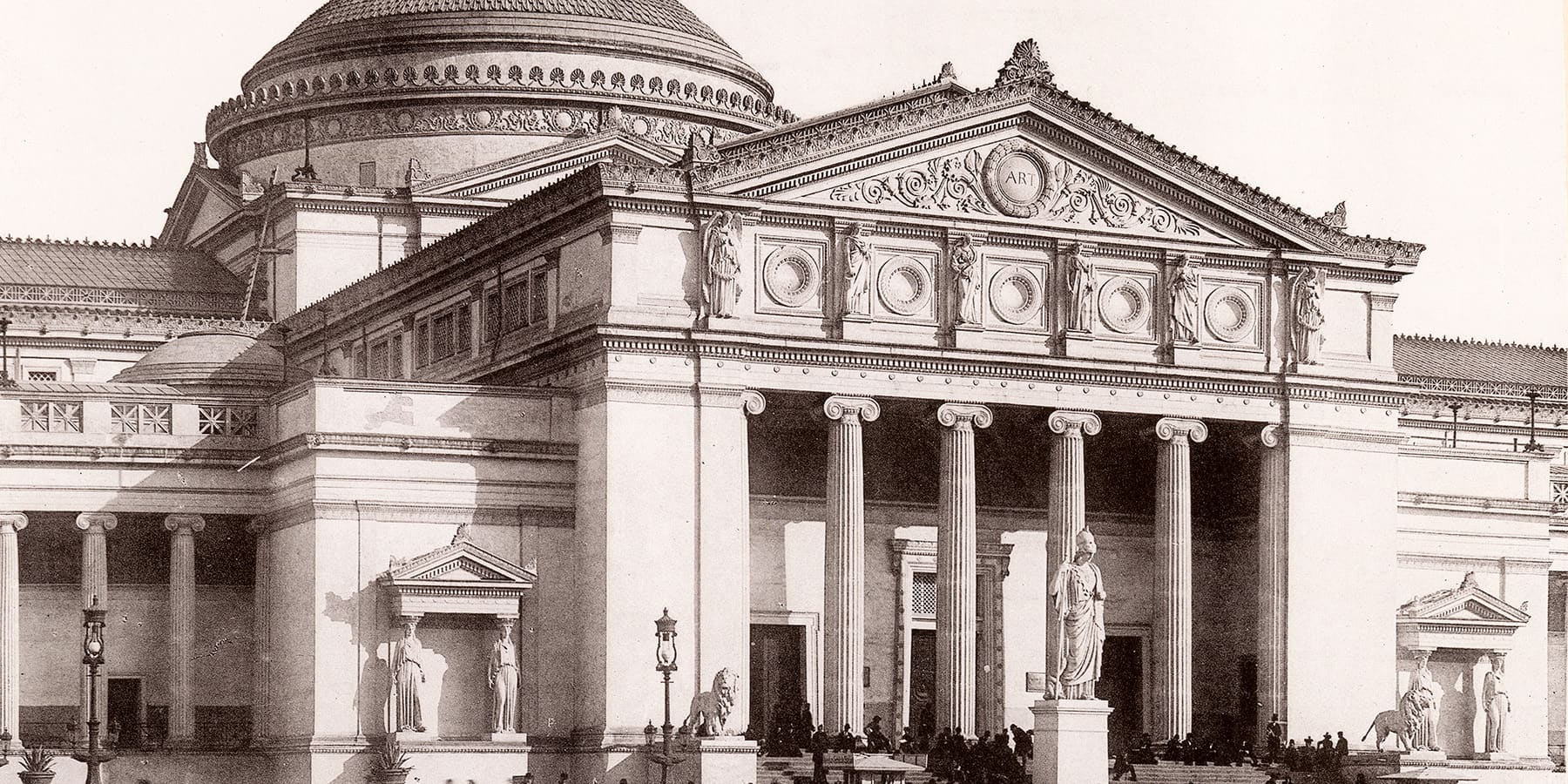
The building that today houses the Griffin Museum of Science and Industry at the north end of Jackson Park was originally built for the World’s Columbian Exposition as the Palace of Fine Arts. While most structures at the fair were built to be temporary, the Palace of Fine Arts was an exception, as it needed more sturdy materials to protect the art that was displayed within. Architect Charles Atwood’s design called for brick and steel, though it too was covered in staff painted white. The building also housed what would become the Field Museum, though it sat largely vacant after 1920. Chicago businessman and philanthropist Julius Rosenwald later led an effort to create the Museum of Science and Industry and restore the building by having its exterior rebuilt in limestone. The Museum of Science and Industry’s official opening coincided with another fair – the Century of Progress Exhibition, held in Chicago in 1933.
Art Institute of Chicago
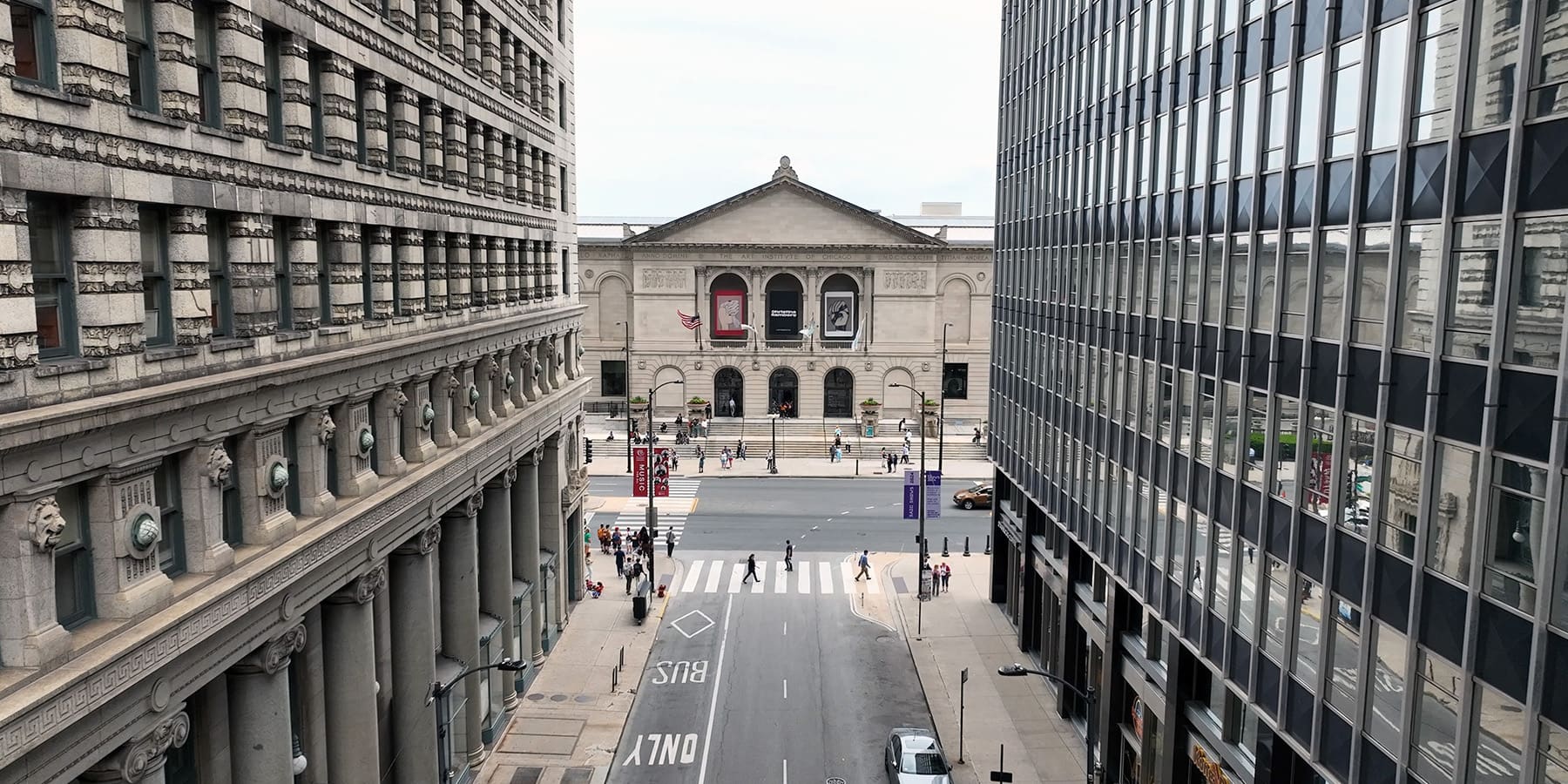
If you’ve ever stepped off the ‘L’ at Adams and Wabash and looked down the canyon of skyscrapers toward the stately Art Institute of Chicago, you were looking at another surviving piece of the fair’s history. Though it was located far from the main fairgrounds in Jackson Park, the building’s Beaux-Arts style echoed the neoclassical style of Daniel Burnham’s White City. As Chicago prepared to host the fair, leaders of the Art Institute of Chicago pushed for the construction of a new lakefront building that the institute could use as its permanent home after the fair closed. Designed by architects Shepley, Rutan and Coolidge, the World’s Congress Auxiliary Building (as it was known during the fair) served as an auxiliary space to host major lectures and conventions, including the Parliament of Religions.
Wooded Island
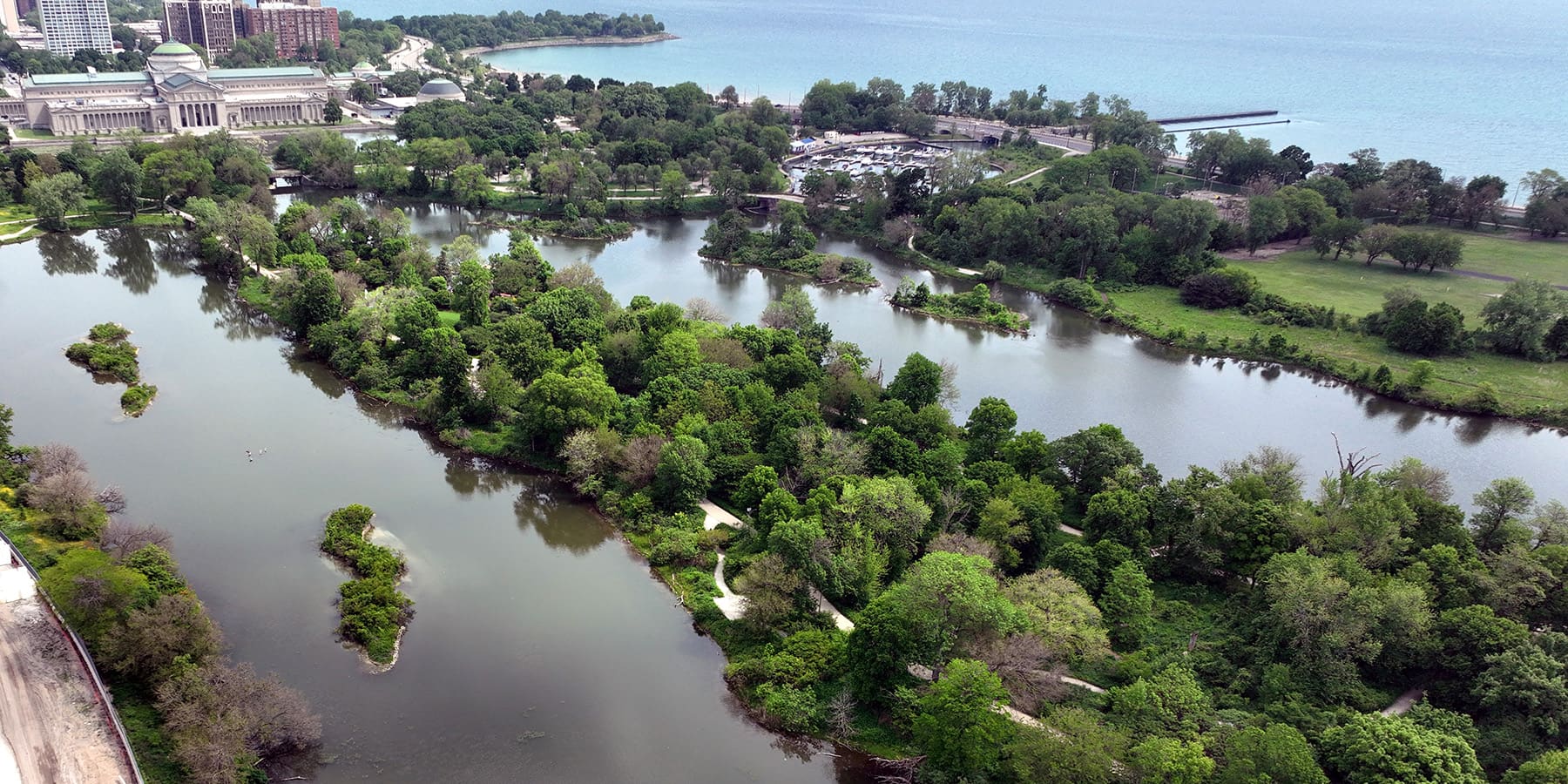
In the heart of Jackson Park is Wooded Island, a space Frederick Law Olmsted designed to be a natural respite from the bustling World’s Fair crowds. Olmsted declared that it should be “free from conspicuous buildings, and that it should have a generally secluded, natural, sylvan aspect,” he wrote. During the fair, it was home to the Japanese Pavilion. In 1934, the Chicago Park District restored the pavilion and added a Japanese-inspired garden. But after the attack on Pearl Harbor, the garden was vandalized, and the pavilion was later destroyed in a fire. In 1981, following a sister-city partnership with Osaka, Japan, the garden was replanted and rededicated.
An Old Ticket Booth in Oak Park
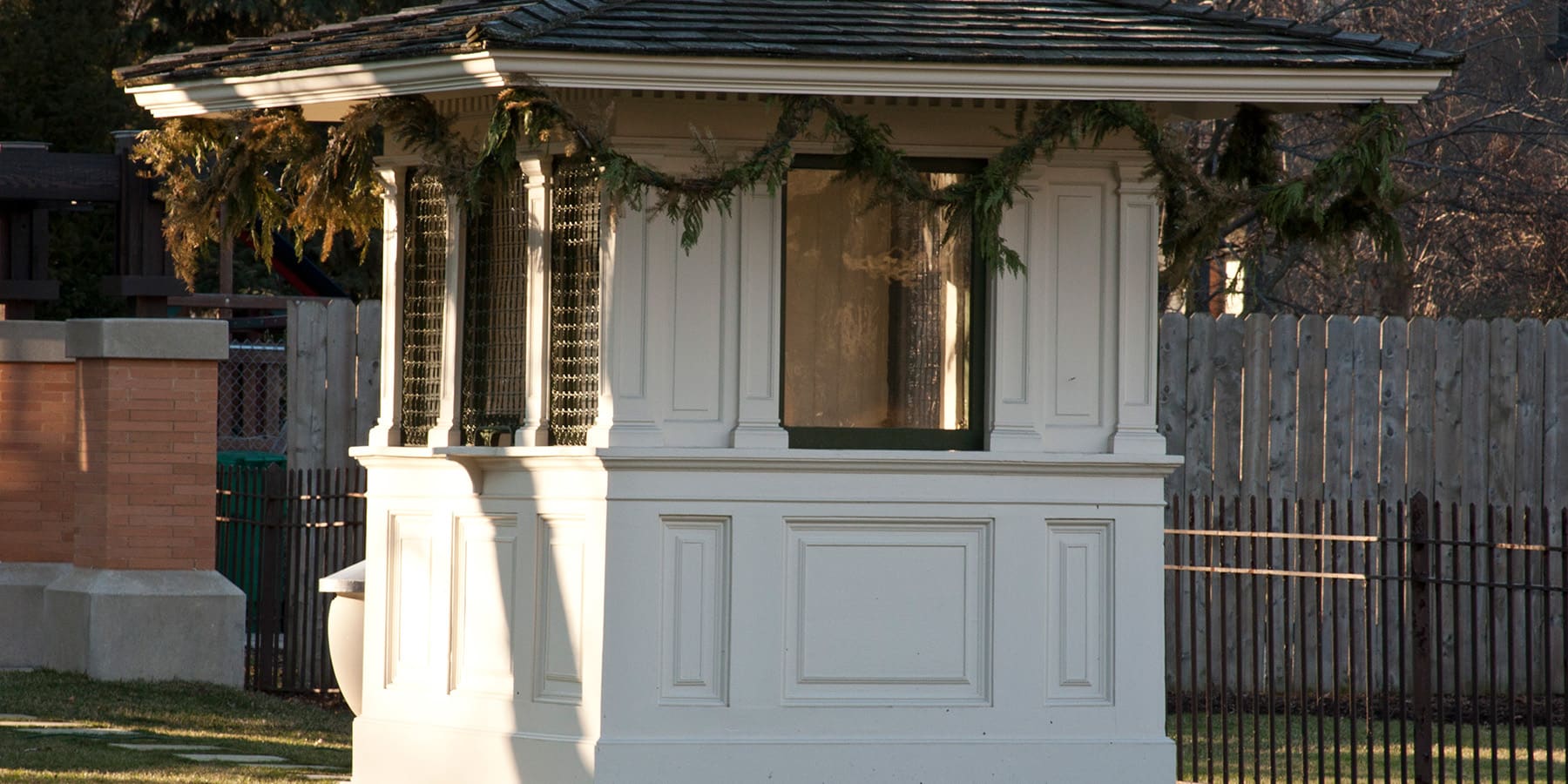
In west suburban Oak Park, an inconspicuous piece of World’s Fair history sits on someone’s private lawn. Among a stretch of other historic homes on Forest Avenue, an old ticket booth from the World’s Fair can be seen outside the Hills-DeCaro House – a home that was remodeled in 1906 by architect Frank Lloyd Wright. The ticket booth, where fairgoers paid for their 50-cent admission, was added to the yard by a previous owner.
Viking Ship
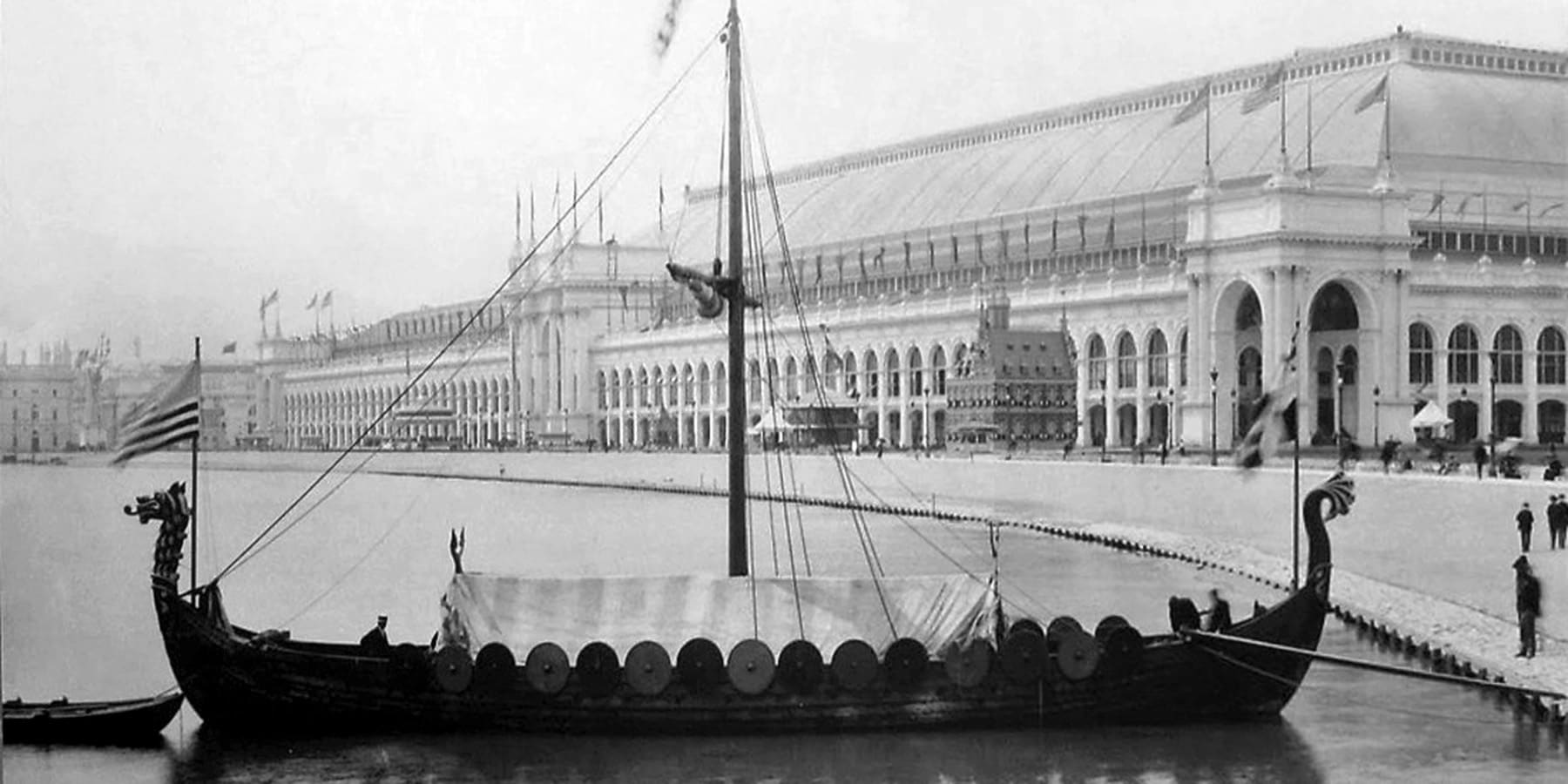
In west suburban Geneva, there is the Viking, a full-scale reconstruction of a 9th-century Viking ship that was displayed at the fair. The ship sailed from Norway to Chicago for the fair via the Hudson River, the Erie Canal, and the Great Lakes. According to the organization that has helped preserve the artifact, the ship is “approximately 78 feet long, 17 feet wide, and 6.5 feet high.” Though it traveled to New Orleans after the fair’s closing, it later came back to Chicago. Over the decades, the Viking has continued to survive due to the preservation efforts of Chicago’s Scandinavian American community, ultimately finding its permanent home in Geneva.
A Pair of Nearby Replicas
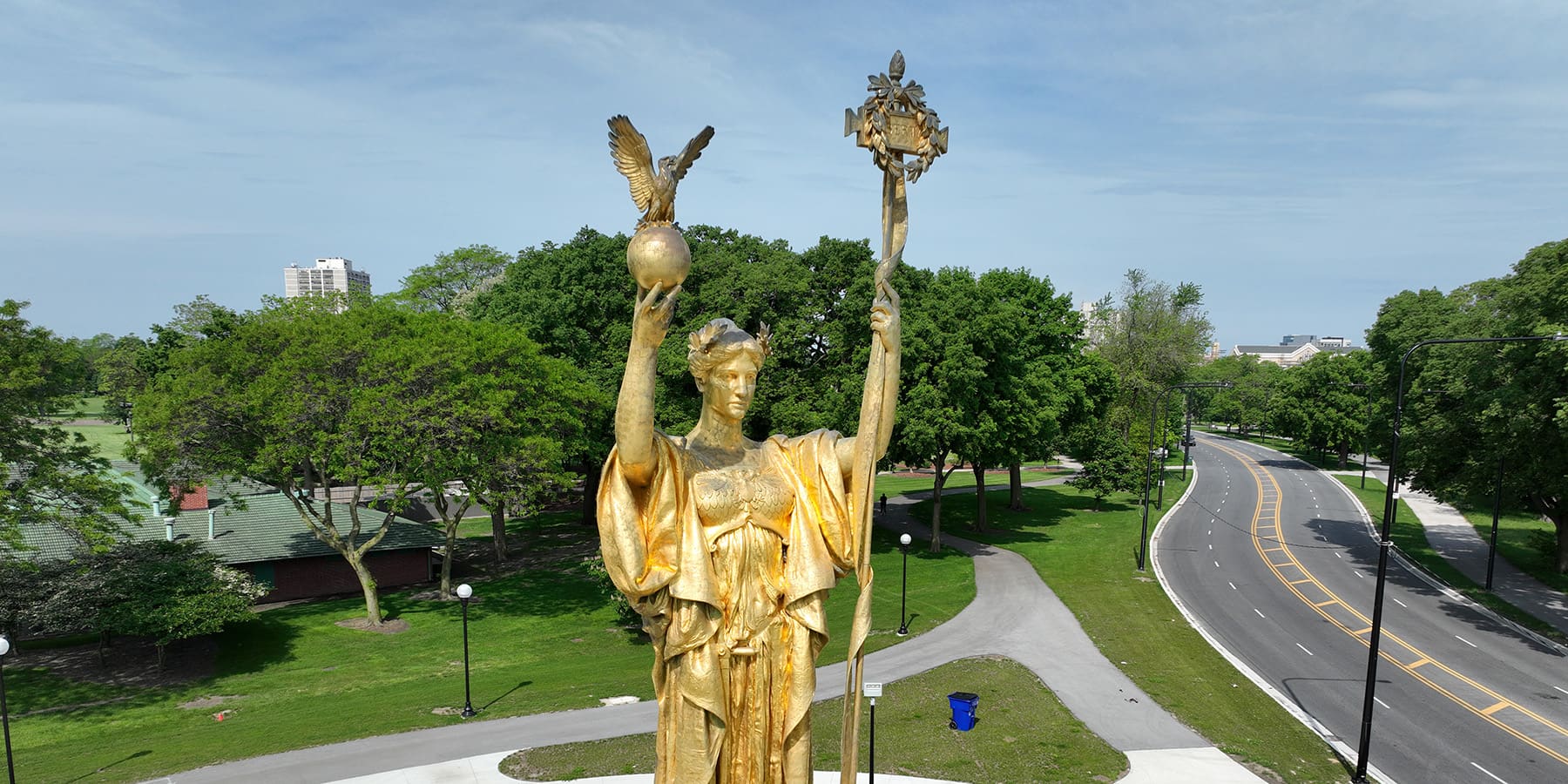
Not all the remaining connections to the fair are original artifacts, but replicas that can give you a peek into the original grandeur of the White City. A one-third scale replica of the Statue of the Republic sits at the intersection of Hayes and Richards drives in Jackson Park. Created by sculptor Daniel Chester French, the original Statue of the Republic was a towering, gilded figure that stood in the Grand Basin at the eastern end of the Court of Honor. It was 65 feet tall, though with its base it reached 100 feet above the basin. As with many of the other structures at the fair, it was made of temporary materials. In 1896, as most of the White City had either been destroyed in fire or left in disrepair, park district officials burned down the statue. In Humboldt Park, two bronze bison flank the Jens Jensen formal garden. They are smaller scale, bronze versions of the large, plaster sculptures that Edward Kemeys created to sit outside the Stock Exhibit at the fair.
Other Places to Catch a Glimpse of World’s Fair History
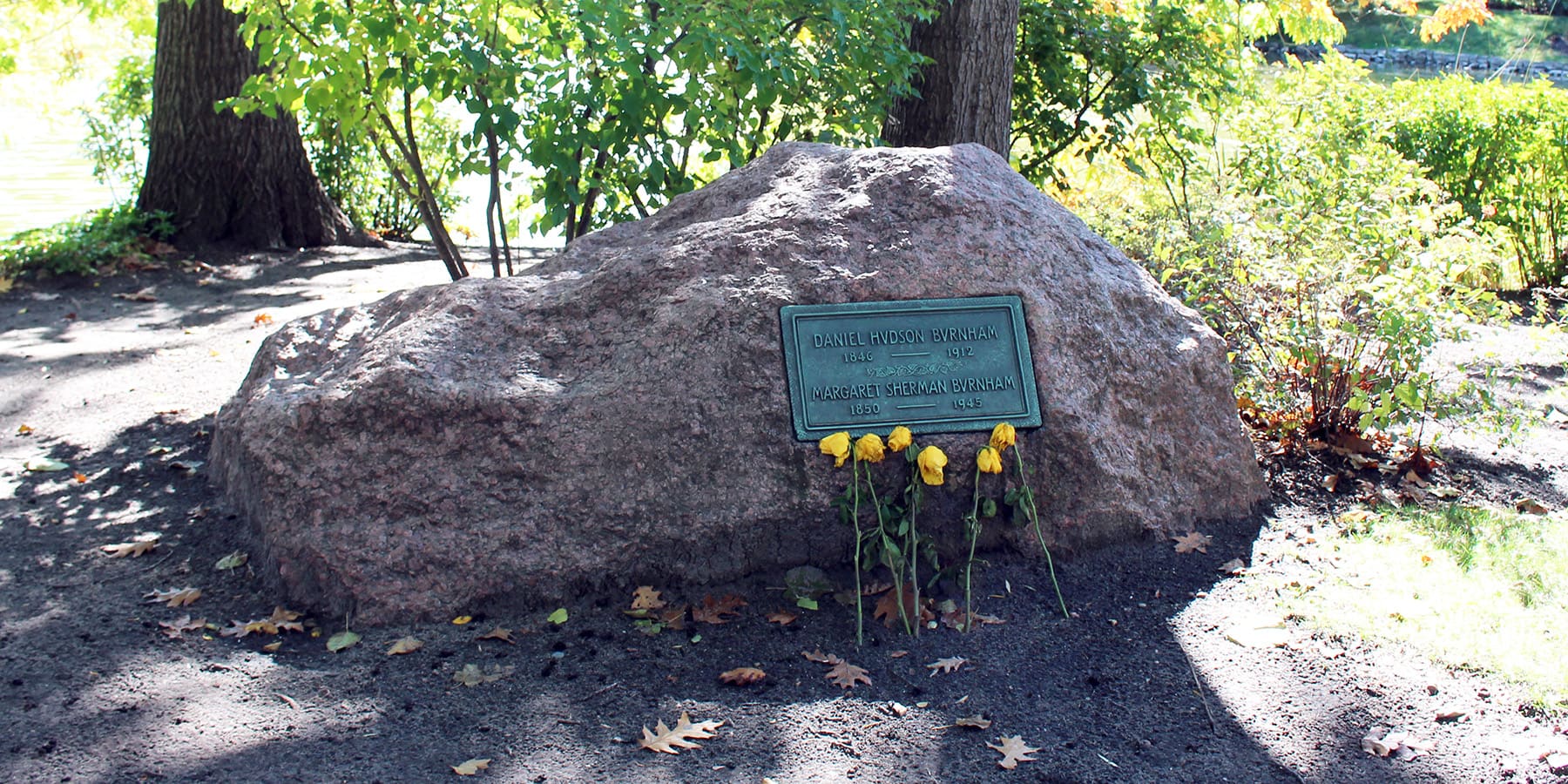
There are plenty of other pieces of World’s Fair history sprinkled across Chicago and the rest of the country. There’s Midway Plaisance Park, a narrow stretch of land extending west from Jackson Park that was the more recreational, less formal section of the exposition. Daniel Burnham, the director of works who oversaw the fair’s design, is buried on his own small island at Graceland Cemetery. The Maine State Building, which housed that state’s exhibition during the fair, is now located in South Poland, Maine, after it was taken apart piece by piece and shipped back across the country to be rebuilt. Similarly, the Norway Building, which for a time did a stint in Wisconsin, was disassembled and reassembled in Norway in 2017. Some of Chicago’s museums also have World’s Fair collections, including the Chicago History Museum and the Field Museum.
Related