





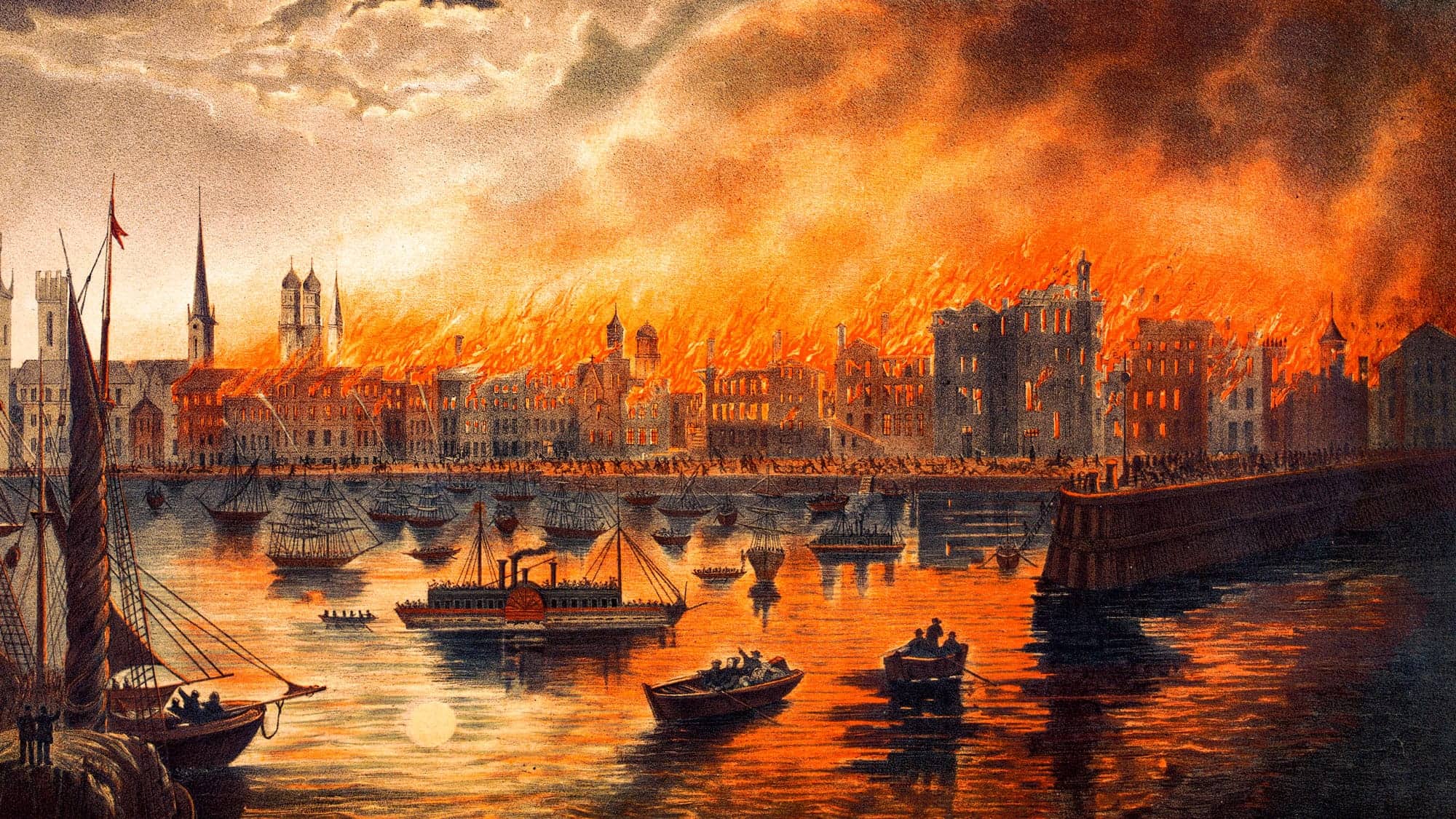
In the Electricity Building at the 1893 World’s Columbian Exposition, fairgoers could get their first glimpse of a light bulb, see a moving picture through a kinetoscope, or watch eggs hatch in an electric egg incubator. Yet alongside these marvels of modern invention stood a far darker symbol of the electrical age: the electric chair. The Chicago World’s Fair showcased both astonishing innovation and some of the darker impulses of humanity. The fair took place at the tail end of the Gilded Age, when wealth inequality was reaching new heights in America and sometimes-violent labor conflicts made headlines. Even building the fair was dangerous in itself, with more than 700 accidents and 18 deaths in the 20 months it took to build the fairgrounds. Though rightfully remembered as a dazzling triumph of innovation and architecture, the White City was also marked by death, inequality, and exploitation.
H. H. Holmes and the “Murder Castle”
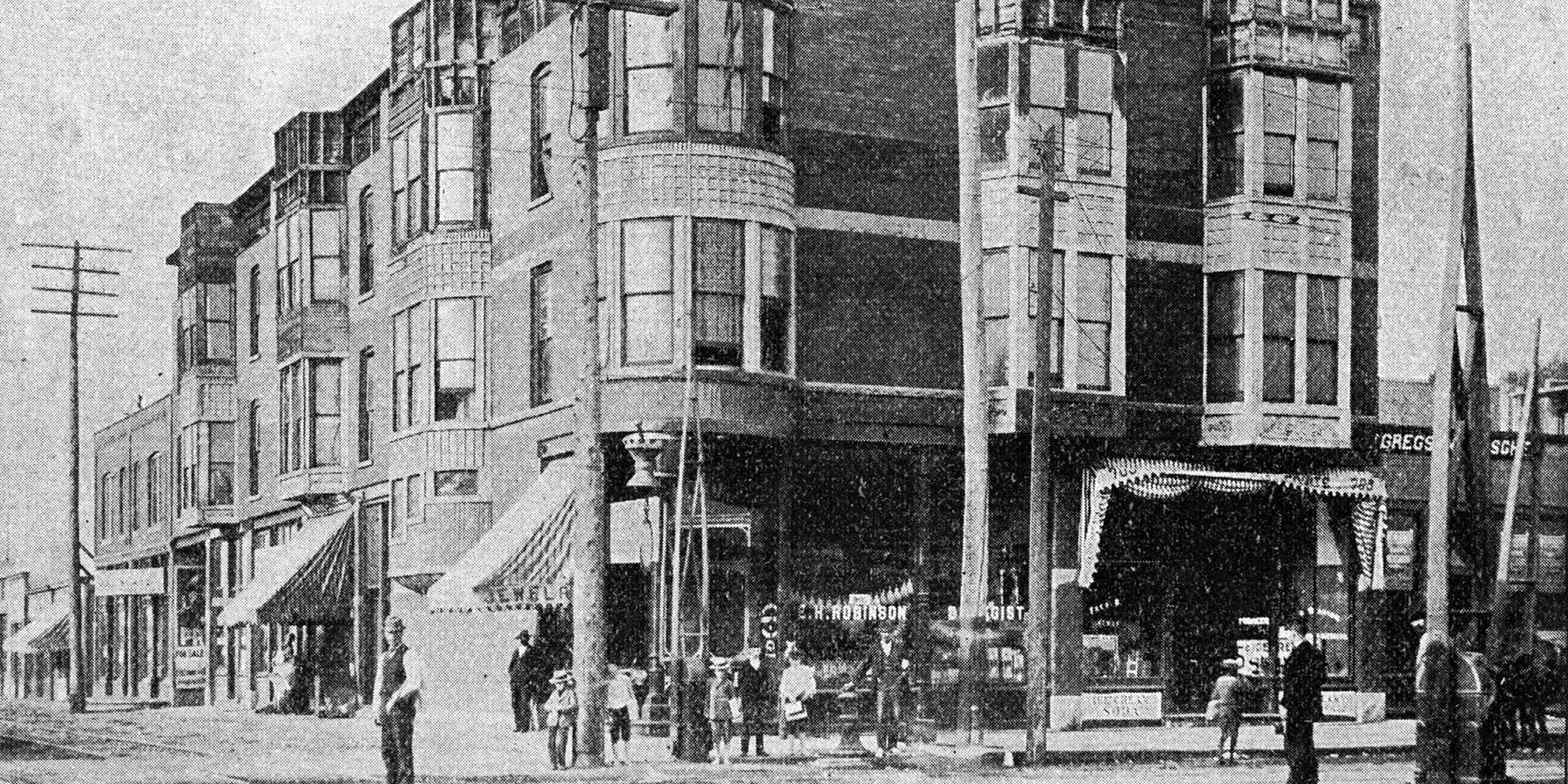
No figure associated with the 1893 World’s Fair has captured the public imagination quite like H. H. Holmes, though much of his story is entangled in myth and sensationalism. Born Herman Mudgett in New Hampshire in 1861, Holmes became not only a successful con man, but a convicted murderer whom many have come to know as “The Devil in the White City,” largely due to Erik Larson’s popular 2003 book of the same name. Holmes first made his way west to attend medical school at the University of Michigan, where it was rumored he robbed graves for cadavers.
“There were stories that he used to go out to graveyards at night,” historian Adam Selzer, who wrote a book on Holmes, told Chicago Stories. “He just barely graduated. A couple of the professors said that they graduated him out of pity. Just what you want to hear about your doctor.”
After his first wife left him in 1886, he settled in Chicago under the alias H. H. Holmes. But rather than pursue medicine, he went into business, starting various companies under different aliases, engaging in endless schemes and insurance fraud. He owned a drugstore building in Englewood located at South Wallace Avenue and West 63rd Street, about three miles west of Jackson Park. So when the World’s Fair was announced, Holmes decided to build a third floor to serve as a hotel for fairgoers.
“He seemed to have a way of making people like him, and he charmed everyone,” author Judy Nickels told Chicago Stories.
One such person was Julia Conner, who, with her husband Ned and daughter Pearl, moved into Holmes’s building. Holmes began an affair with Julia, and Ned ultimately left her. On Christmas Eve 1891, Julia and Pearl disappeared. He told people they had left for a funeral in Iowa.
In 1892, Emmeline Cigrand, who worked as Holmes’s secretary and was rumored to be pregnant with his child, disappeared. In 1893, Holmes began a romance with a woman named Minnie Williams. He convinced her to sign the deed to her property in Texas over to a man named Alexander Bond, which was one of his aliases. Minnie’s younger sister, Annie, came to visit, and the sisters disappeared in July of 1893 as the World’s Fair was underway. Holmes began making financial transactions in Minnie’s name just days after her disappearance. Others who crossed paths with Holmes would similarly disappear.
After the fair closed, Holmes fled Chicago when creditors came after him for his various unpaid debts associated with constructing his hotel. His next scheme required the help of an acquaintance, a man named Benjamin Pitezel, whom he convinced to fake his own death and split the insurance money.
“Somewhere along the line, Holmes decided it was easier just to kill him for real, possibly because Pitezel was an alcoholic and couldn’t really be trusted to keep his mouth shut,” Selzer said.
Holmes staged the murder to make it look like an accident, collected the insurance money, and convinced Pitezel’s wife to let him take custody of three of their five children – Alice, Nellie, and Howard. He shuttled the children from city to city in an effort to keep his crimes quiet. The police, however, caught on to Holmes’s scheme, and arrested him in Boston and imprisoned him in Philadelphia for insurance fraud. Detectives feared Holmes had killed not only Pitezel, but his three children as well. Their fears came true when the two girls’ bodies were found in a basement in Toronto. Howard’s body was discovered in Indiana.
As news of his crimes spread, detectives searched Holmes’s Chicago building, but didn’t find anything useful for his prosecution. It was various newspapers, using the sensationalized and even fictionalized style of “yellow journalism,” that spread rumors about Holmes building a “murder castle.” Joseph Pulitzer’s New York World published a fabricated diagram of Holmes’s building, showing secret rooms, hidden passageways, and even a crematorium. “There was a secret passage that led from one of the bathrooms down to a lower floor, and there was a hidden compartment in between the first and second floor above the drugstore,” Seltzer said. “So these were like secret passages. Only everybody in the building knew about them.”
In the end, Pitezel’s murder is the only one for which Holmes stood trial. He confessed to 27 murders, likely as a way to get the attention of the newspapers that printed his confession as “just another money-making scheme,” said Selzer. Experts, however, estimate the real number is likely between 8 and 10. He was convicted and hanged in 1896.
Race and Exclusion at the Fair
Even as the White City projected an image of progress and innovation, that vision was limited by the racial inequalities of the era. Benedictine University lecturer Temple Tsenes-Hills told Chicago Stories that 1893 was an interesting crossroads for race in America.
“We were only 24, 25 years removed from the end of slavery. In this time, you have the African American community coming a very long, long way,” Tsenes-Hills said. “They wanted to be included [in the fair] because they felt that the continued evolution of the African American community – if that doesn't prove the highest of civilization, if that does not prove innovation and excellence, then what would?”
Though they were present at the fair and related events as workers, performers, speakers, and fairgoers, they were not given any meaningful positions of authority in the fair’s development.
“It was clear from the very start that there was no place for them. The White City was the white city,” Tsenes-Hills said.
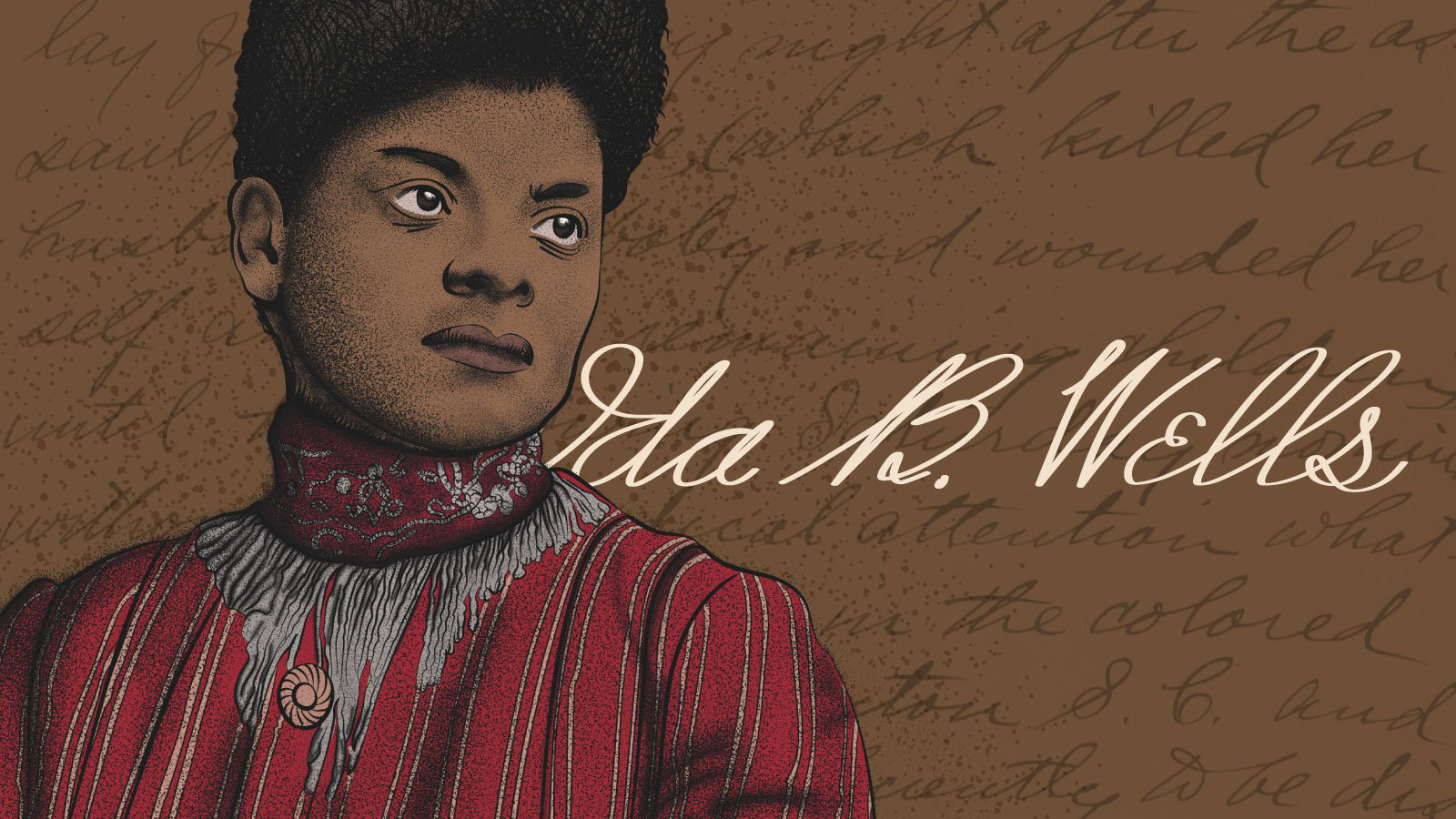
Frederick Douglass and Ida B. Wells emerged as two of the leading voices expressing dissent over their exclusion. Along with journalists Irvine Garland Penn and Ferdinand Lee Barnett (Wells’s future husband), they published and distributed 20,000 copies of a pamphlet titled The Reason Why the Colored American Is Not in the World’s Columbian Exposition at the fair. The pamphlet discusses the Black experience of segregation, discrimination, and violence such as lynching, while pointing to achievement in education, business, journalism, and civic life that fair leaders chose not to highlight.
In an attempt to quiet the outcry, fair organizers held a “Colored American Day” on August 25. Wells did not want to participate. But Douglass was already involved with the fair. As a former minister of the U.S. government in Haiti, he was selected as a representative for that country – the only majority Black country to have a pavilion in the main fairgrounds. So he agreed to organize the “Colored American Day” at the fair and gave a speech on the country’s failure to protect African Americans from discrimination and lynching. An audience member heckled him about the “Negro problem.” Douglass set aside his prepared speech and replied.
“The real problem has been given a false name. It is called Negro for a purpose. It has substituted Negro for nation, because the one is despised and hated, and the other is loved and honored. The true problem is a national problem. The problem is whether the American people have honesty enough, loyalty enough, honor enough, patriotism enough to live up to their own Constitution,” Douglass said.
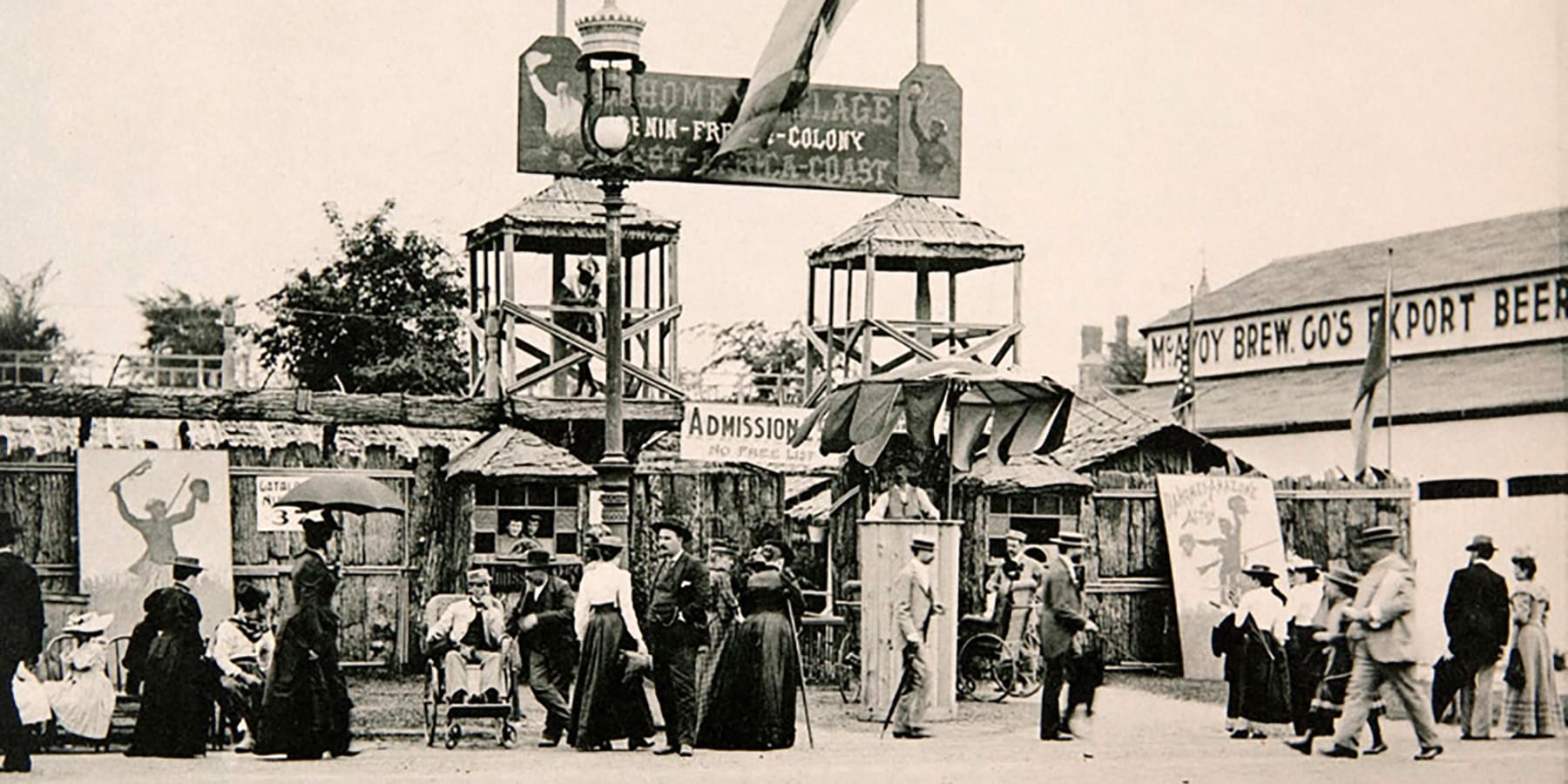
Even as Douglass argued for Black equality, the fair promoted exhibits that reinforced racist ideas about non-white people, particularly on the Midway Plaisance. A Harvard anthropologist curated ethnological villages, turning non-European peoples into spectacle, billing these cultures as “primitive” in contrast to the “civilization” of the White City, per the Encyclopedia of Chicago. Among the most often cited was the Dahomey Village, where dozens of men and women from what is present-day Benin were displayed before crowds and depicted as “barbarians” and “cannibals.”
“You have the recreation of all of these little native villages, which everybody thought was wonderful,” historian Clarence Goodman told Chicago Stories. “But then in hindsight, it’s really just underscoring the marginalization of many people.”
The Assassination of Chicago Mayor Carter Harrison
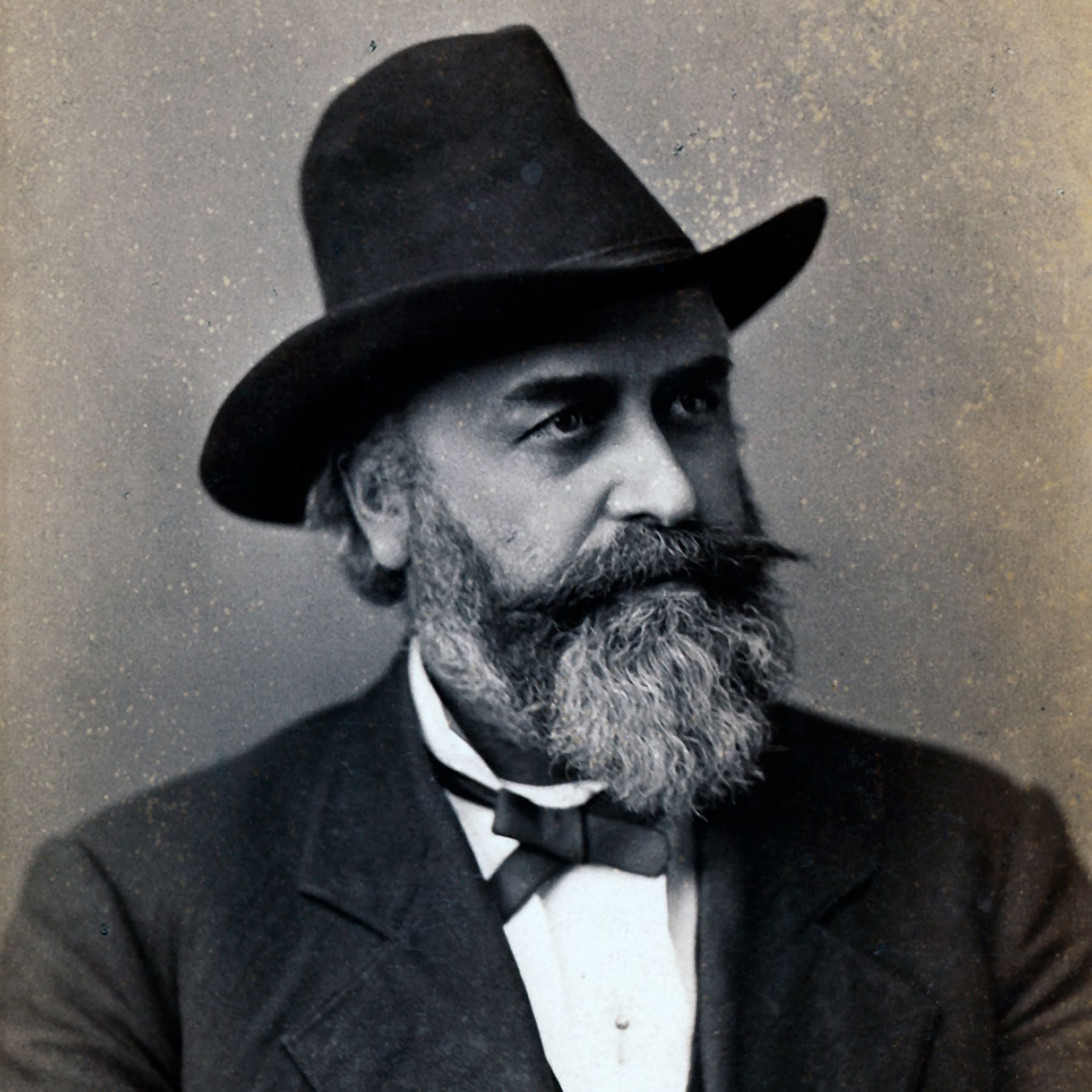
Two days before the fair was set to close, a man named Patrick Eugene Prendergast knocked on the door of the mansion of Chicago Mayor Carter Harrison. Not long after Harrison stepped into the hall to greet his visitor, four shots rang out.
At the time of his death, Harrison was serving his fifth, nonconsecutive term as mayor. He was first elected in 1879 and served four two-year terms, during which time the Haymarket Affair took place. He was elected again in 1893 as the city was ramping up its preparations for the fair. Widowed twice already, Harrison was planning to marry a woman named Annie Howard in mid-November 1893.
But before Harrison could begin that next chapter of his life, Prendergast came knocking. The 25-year-old newspaper distributor reportedly exhibited delusional behavior and possibly other mental health issues. Prendergast once showed up at City Hall under the delusion that he worked there. He believed that he had helped Harrison get elected and that he was owed a job.
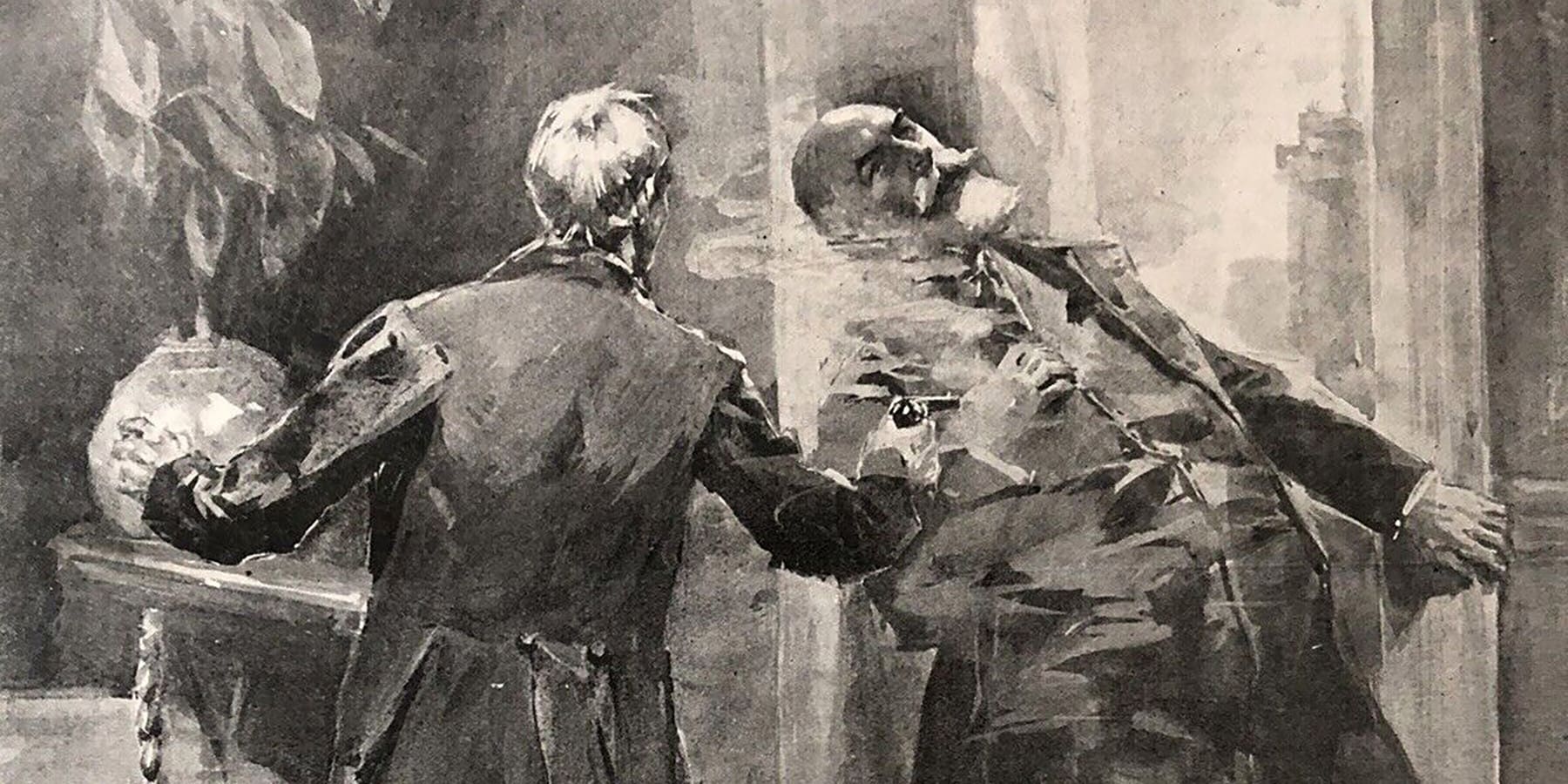
Believing Harrison had cheated him out of a position in his administration, Prendergast arrived at the mayor’s mansion on Ashland Avenue and Jackson Boulevard on the evening of October 28, 1893. At the time, Harrison was resting after a long day of mayoral duties at the fair. When a maid announced that a man wished to speak to Harrison, he agreed, as it was his policy to have an open door to all Chicagoans. Not long after the maid left the two men to talk, Prendergast fired four shots, hitting Harrison in the hand, abdomen, chest, and shoulder. Neighbors and family rushed to him in the commotion. According to the Chicago Tribune’s account of the assassination in the next day’s paper, Harrison said when doctors were summoned, “Doctors are no good now.” He died some twenty minutes later.
After fleeing the scene, Prendergast surrendered at a police station not long after. A jury found him guilty at his trial, and he was sentenced to death by hanging. Clarence Darrow, who would become famous during the Leopold and Loeb trial and was a staunch opponent of capital punishment, appealed the death sentence on grounds of insanity. He was unsuccessful, and Prendergast was hanged on July 13, 1894.
On the morning of his assassination, Harrison had triumphantly praised the fair’s success, saying, “All who have visited the World’s Fair are glad of the opportunity they have had to see such a scene of grandeur,” he said. As he concluded his speech, he spoke of his ambitions to turn Chicago into a great world city. “I intend to live for more than half a century,” he told his fellow mayors. He died that night at age 68.
Related