

Facebook icon Twitter icon Instagram icon YouTube icon

World’s Fair | Chicago Stories

World’s Fair

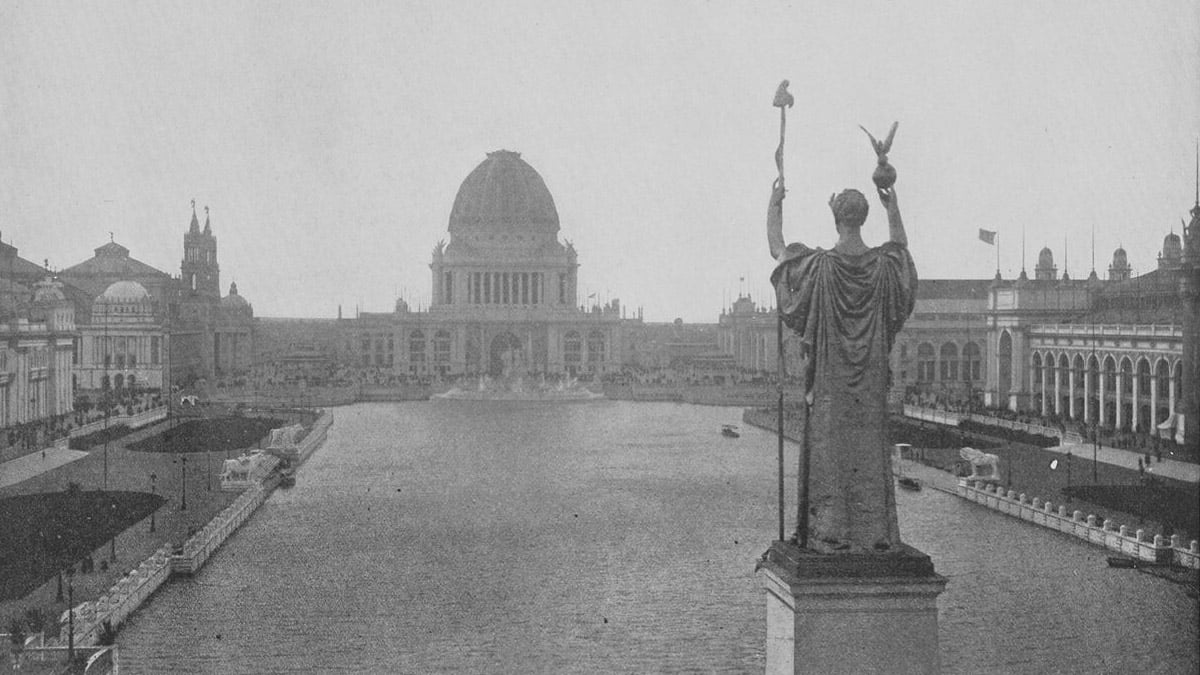
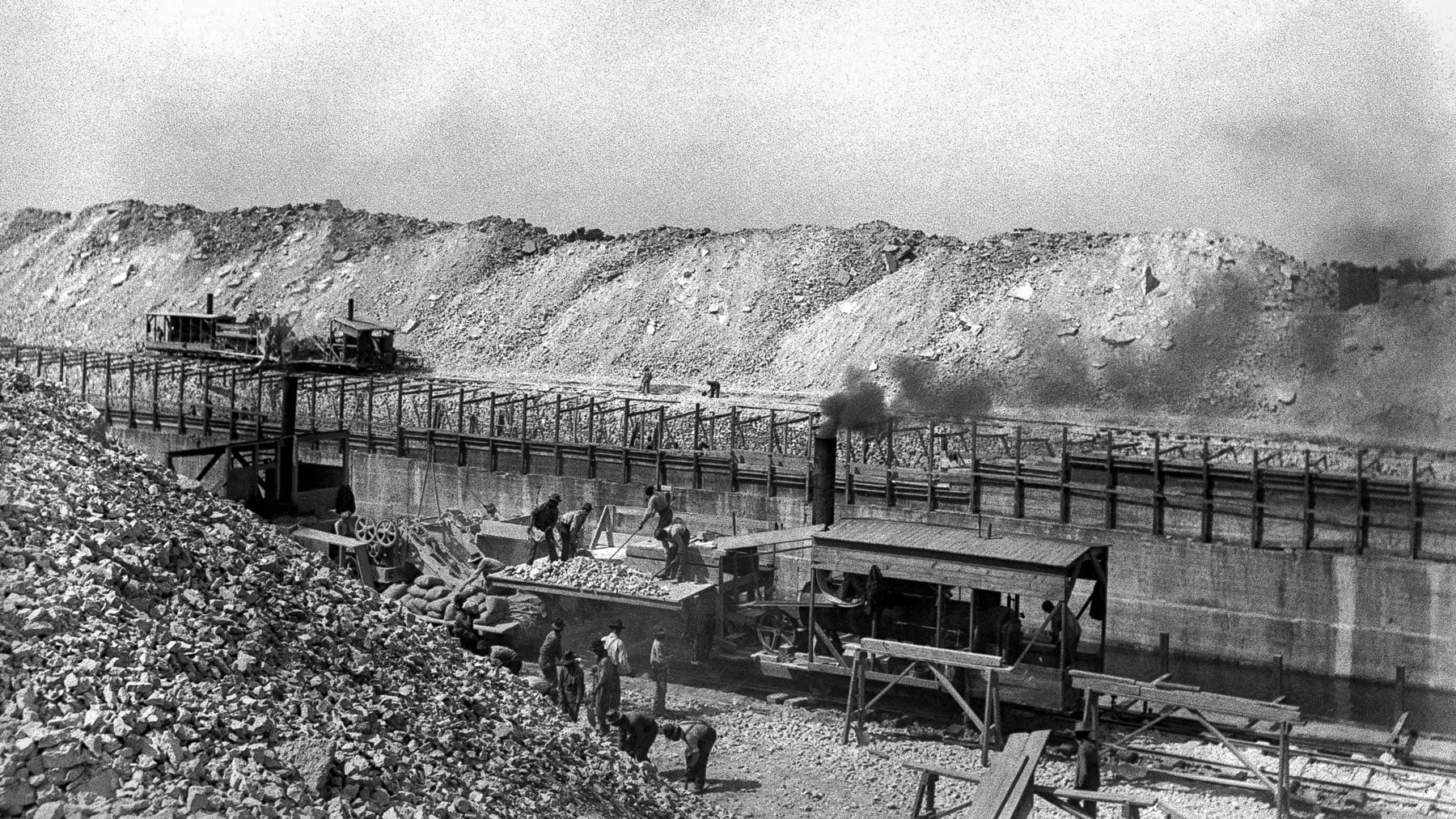
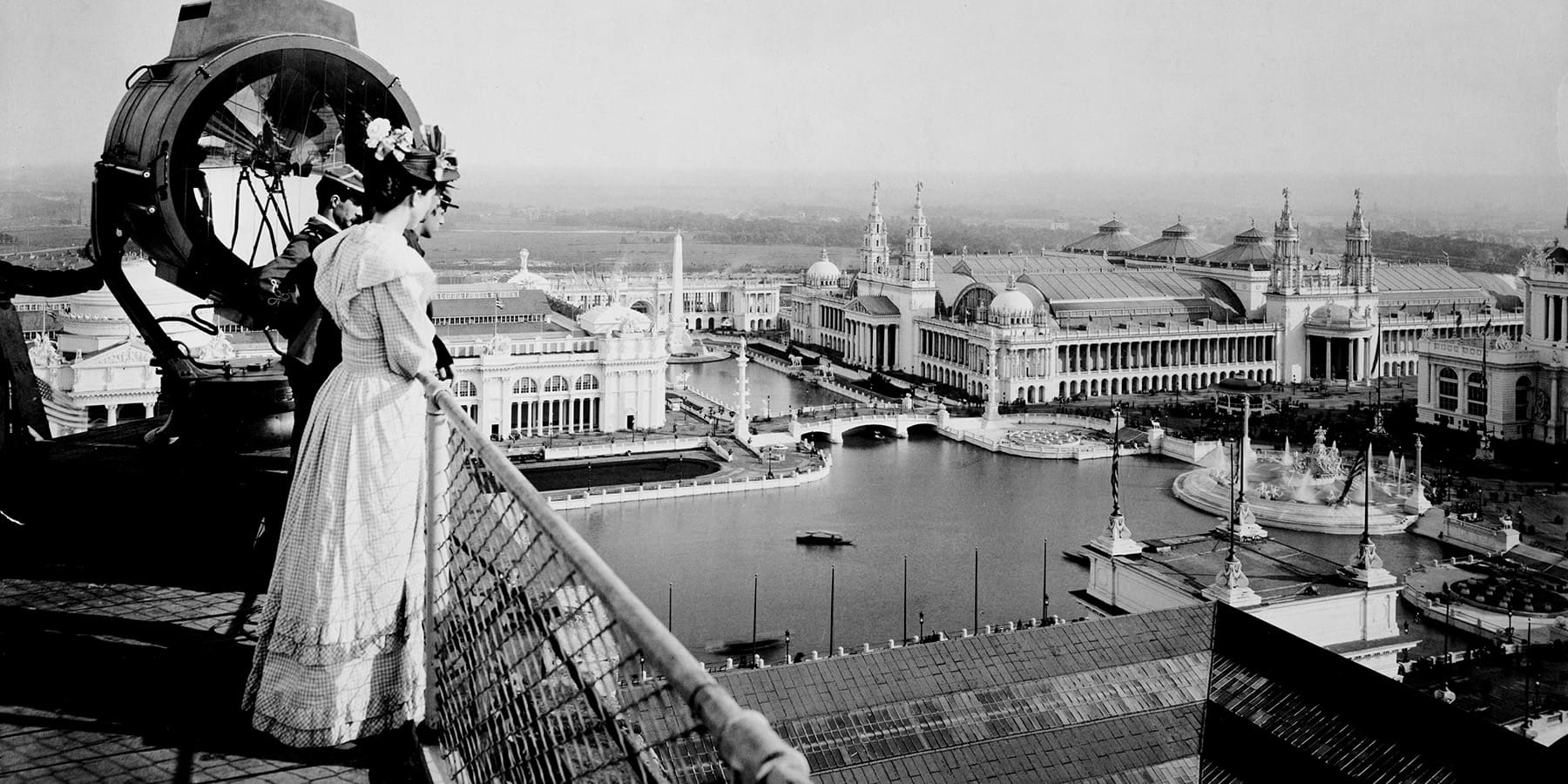
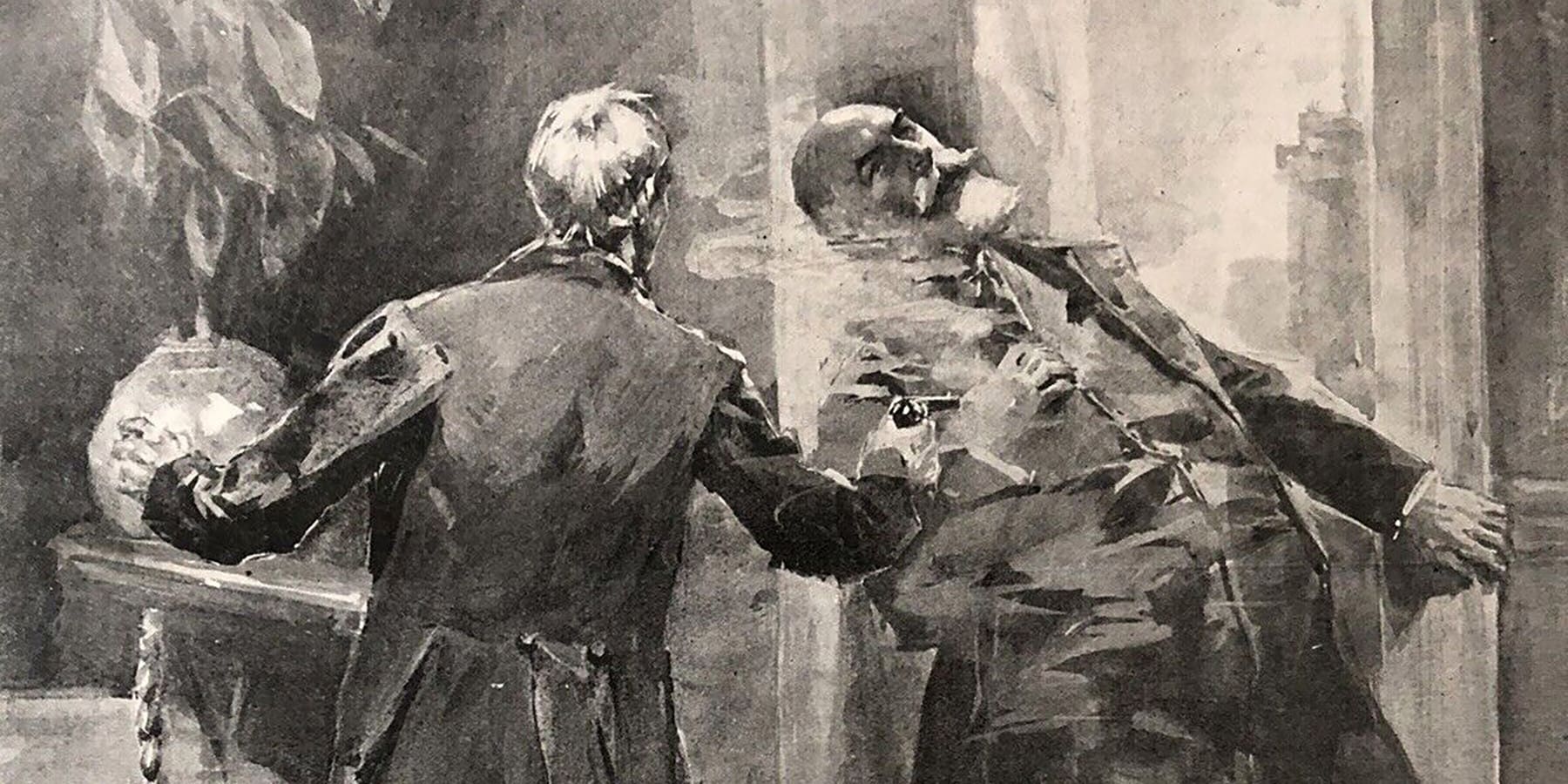
In 1893, Chicago set out to dazzle and delight the world. Just two decades after the Great Chicago Fire, the Windy City hosted the World’s Columbian Exposition. More than 40,000 laborers transformed Jackson Park from a swampy mudhole into a dazzling “White City” – a dreamscape of classic architecture, electricity, and other modern marvels that drew millions of visitors. Alongside landscape architect Frederick Law Olmsted, visionary architect Daniel Burnham created a city of grandeur and order. Just beyond the fairgrounds, a darker story was unfolding: H. H. Holmes was quietly committing a series of crimes that would become the stuff of legend. Discover the incredible achievements, hidden shadows, and deep contradictions of the fair that launched Chicago’s meteoric rise.
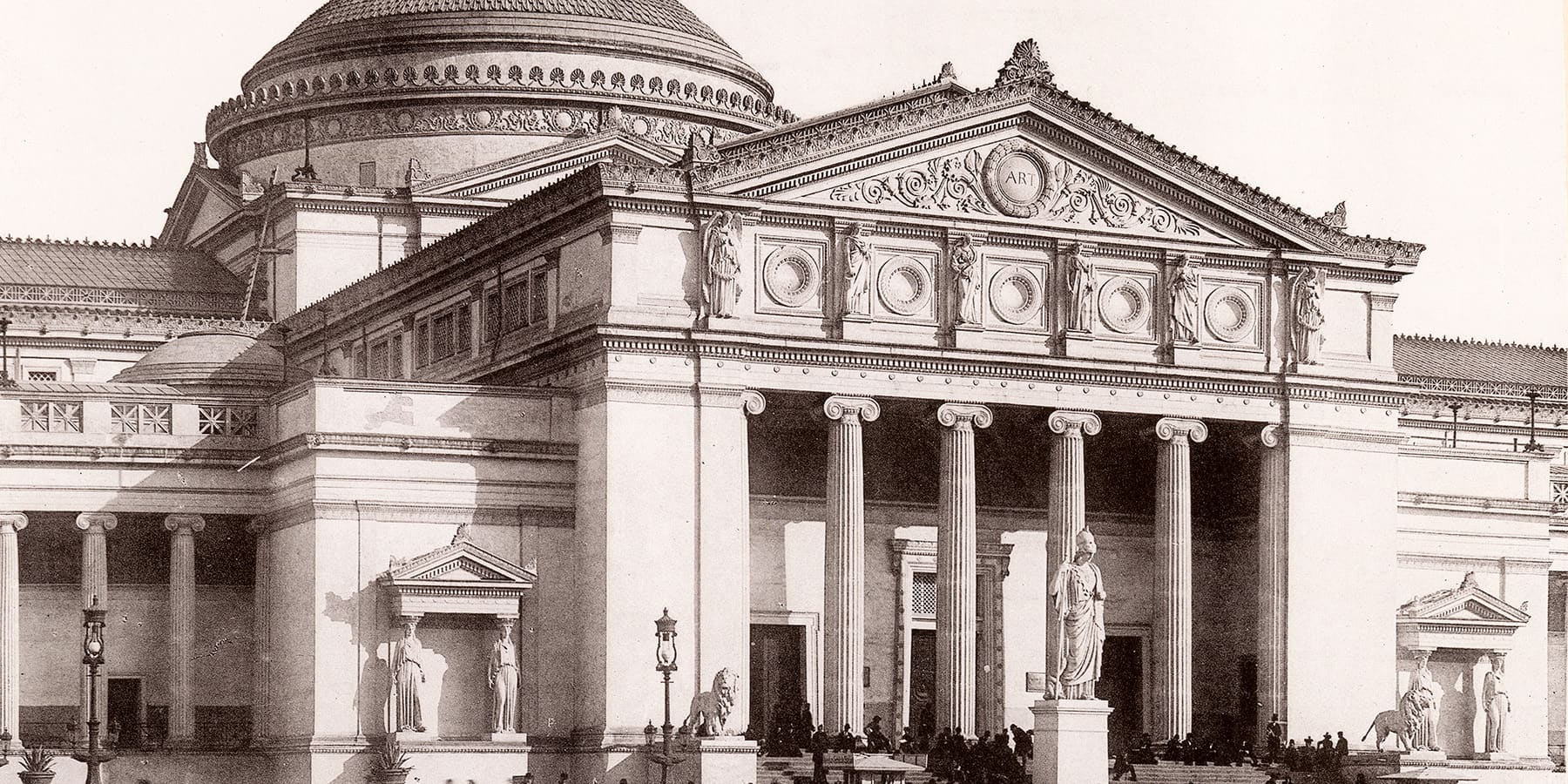
Before it became the dazzling White City that welcomed millions of visitors during the 1893 World’s Columbian Exposition, it was a swamp – thick with mud, battered by icy winds coming off Lake Michigan. It took quite the imagination to take an otherwise unimpressive swath of land and transform it into a wonderland of ingenuity, culture, art, and architecture. Luckily for Chicago – eager to prove itself as a great American city – Daniel Burnham, John Wellborn Root, Frederick Law Olmsted, and the laborers who built the fair had imagination and tenacity to spare... Read More

Take a Tour of the White City

What was it like to visit the White City? Journey back with us as we imagine what it would have been like to explore the grounds at the 1893 World’s Columbian Exposition.

In the Electricity Building at the 1893 World’s Columbian Exposition, fairgoers could get their first glimpse of a light bulb, see a moving picture through a kinetoscope, or watch eggs hatch in an electric egg incubator. Yet alongside these marvels of modern invention stood a far darker symbol of the electrical age: the electric chair. The Chicago World’s Fair showcased both astonishing innovation and some of the darker impulses of humanity. The fair took place at the tail end of the Gilded Age, when wealth inequality was reaching new heights in America and sometimes-violent labor conflicts made headlines. Even building the fair was dangerous in itself, with more than 700 accidents and 18 deaths in the 20 months it took to build the fairgrounds. Though rightfully remembered as a dazzling triumph of innovation and architecture, the White City was also marked by death, inequality, and exploitation... Read More

The Spectacle of the Midway Plaisance

The Midway Plaisance, a mile-long strip of land just west of Jackson Park, offered a different kind of energy at the World’s Fair.

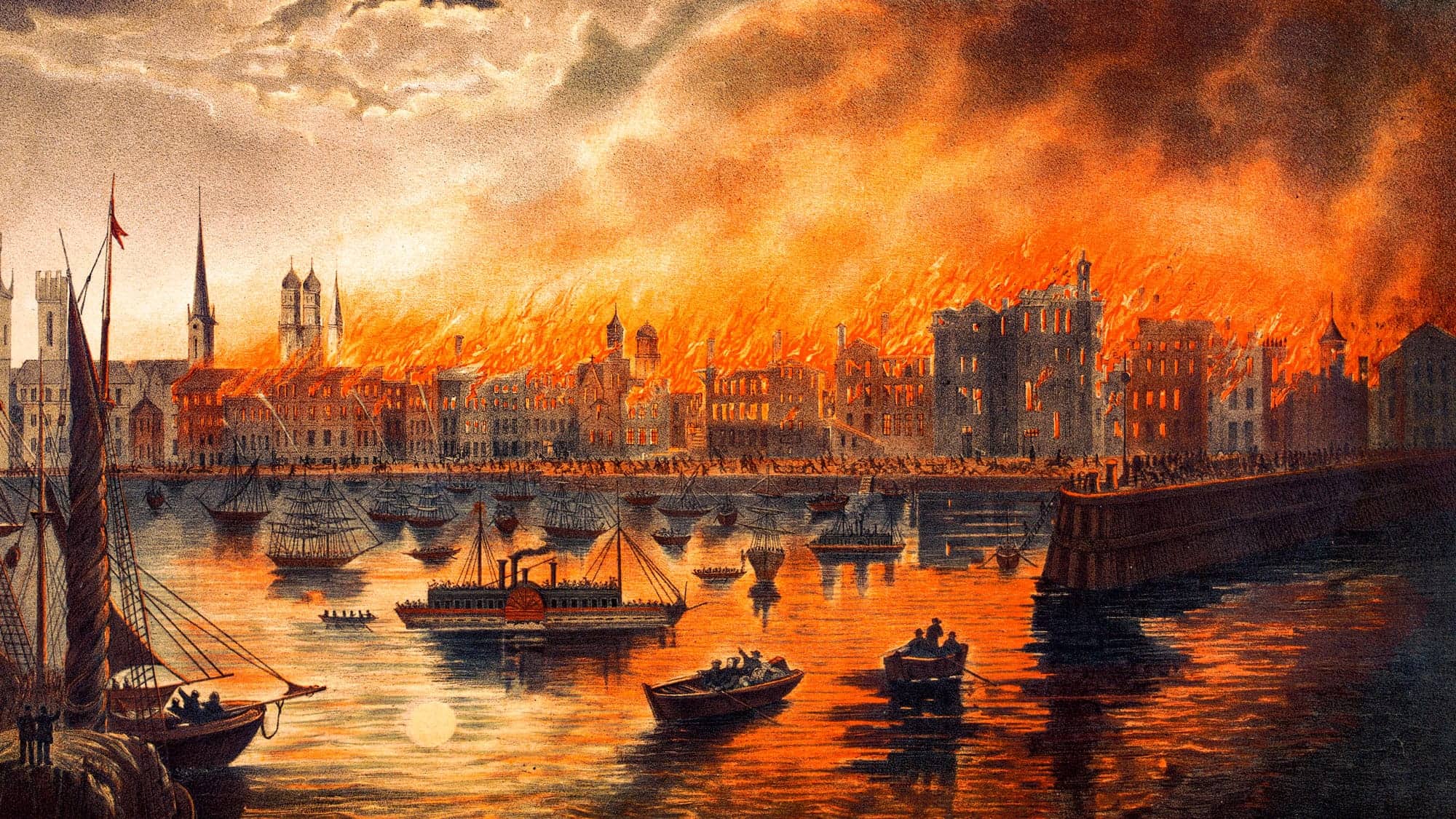
For all the planning and labor required to raise an entire city from Chicago’s swampy lakefront for the 1893 World’s Columbian Exposition, the White City was never meant to last. Most of the gleaming exhibition halls were made of wood and iron frames and coated with a material called staff – a mixture of plaster of paris mixed with hemp fiber. Ahead of a planned demolition of the fair’s buildings, many of the exhibition halls were destroyed by a fire in January 1894 only a few months after the fair ended. Though the White City is long gone, and the land it once occupied has been reshaped, remnants of the fair still linger in Chicago and beyond – if you know where to look... Read More

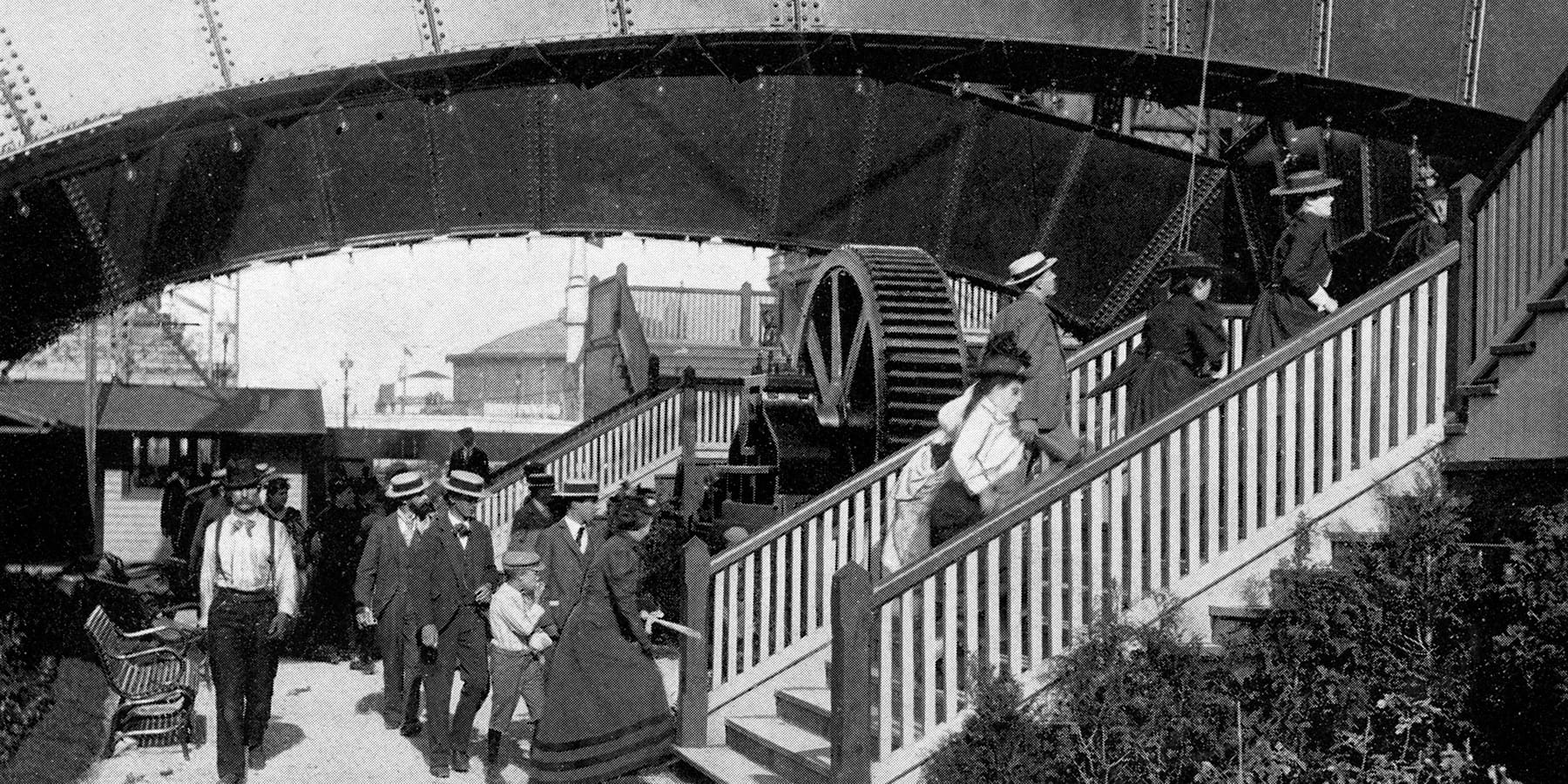
At the 1893 World’s Columbian Exposition in Chicago, fairgoers weren’t just encountering a spectacle – they were stepping into a preview of modern life. Across the gleaming White City and the boisterous Midway Plaisance, fairgoers met a cascade of “firsts” as they witnessed mechanical marvels, tasted new foods, and experienced new consumer goods. Some inventions even introduced a way of life decades before the rest of the world would catch up. And it all happened on 686 acres on Chicago’s South Side... Read More

Related

How Chicago’s Midway Plaisance Set the Stage for Modern Day Amusement Parks 

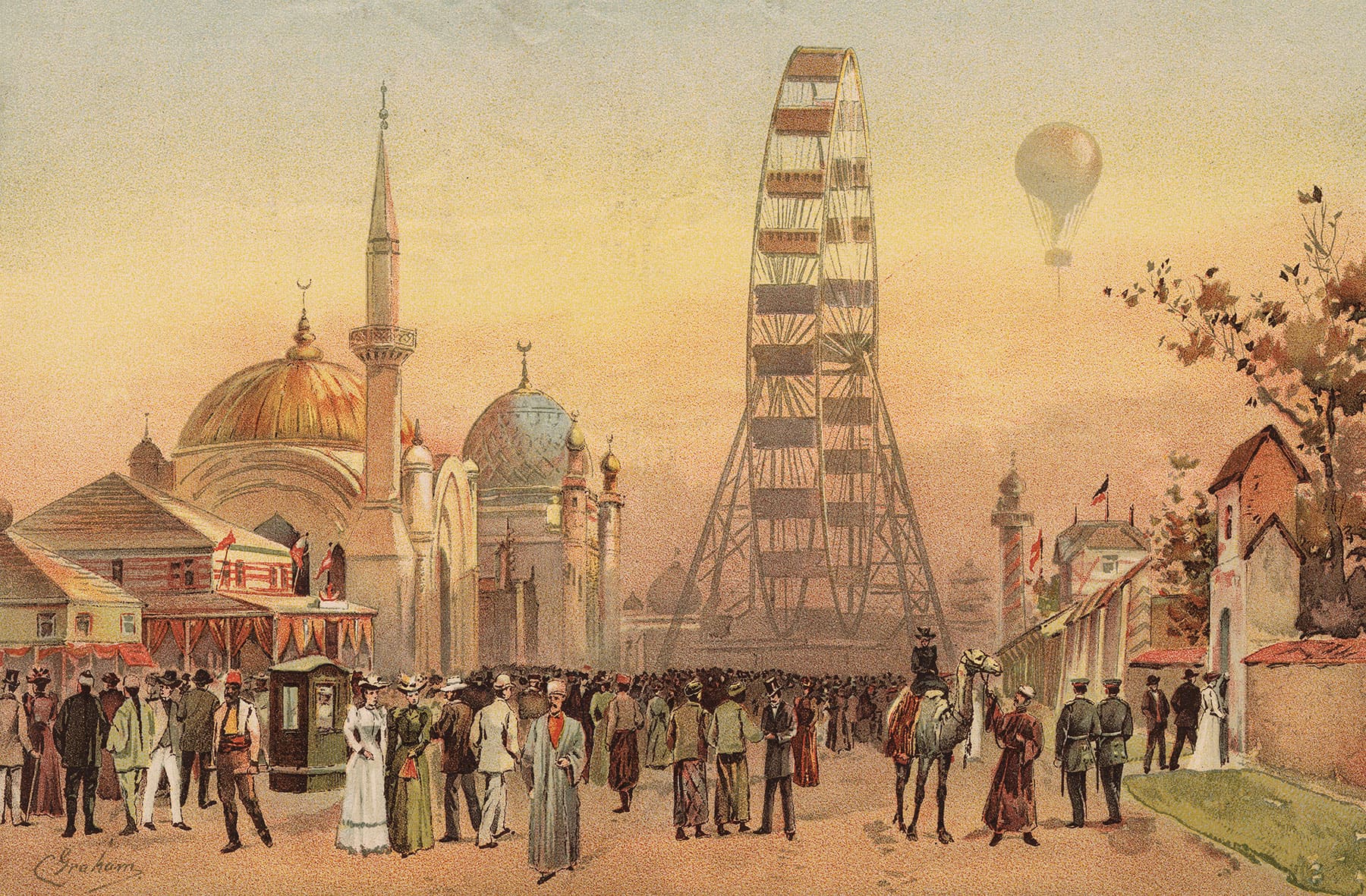
In 1893, 27 million people from around the world visited the World’s Columbian Exposition in Chicago’s Jackson Park. The gleaming fairgrounds, nicknamed the “White City,” were adorned with neoclassical buildings, lush gardens, elegant promenades, and diverse pavilions representing 46 countries.

Read more 

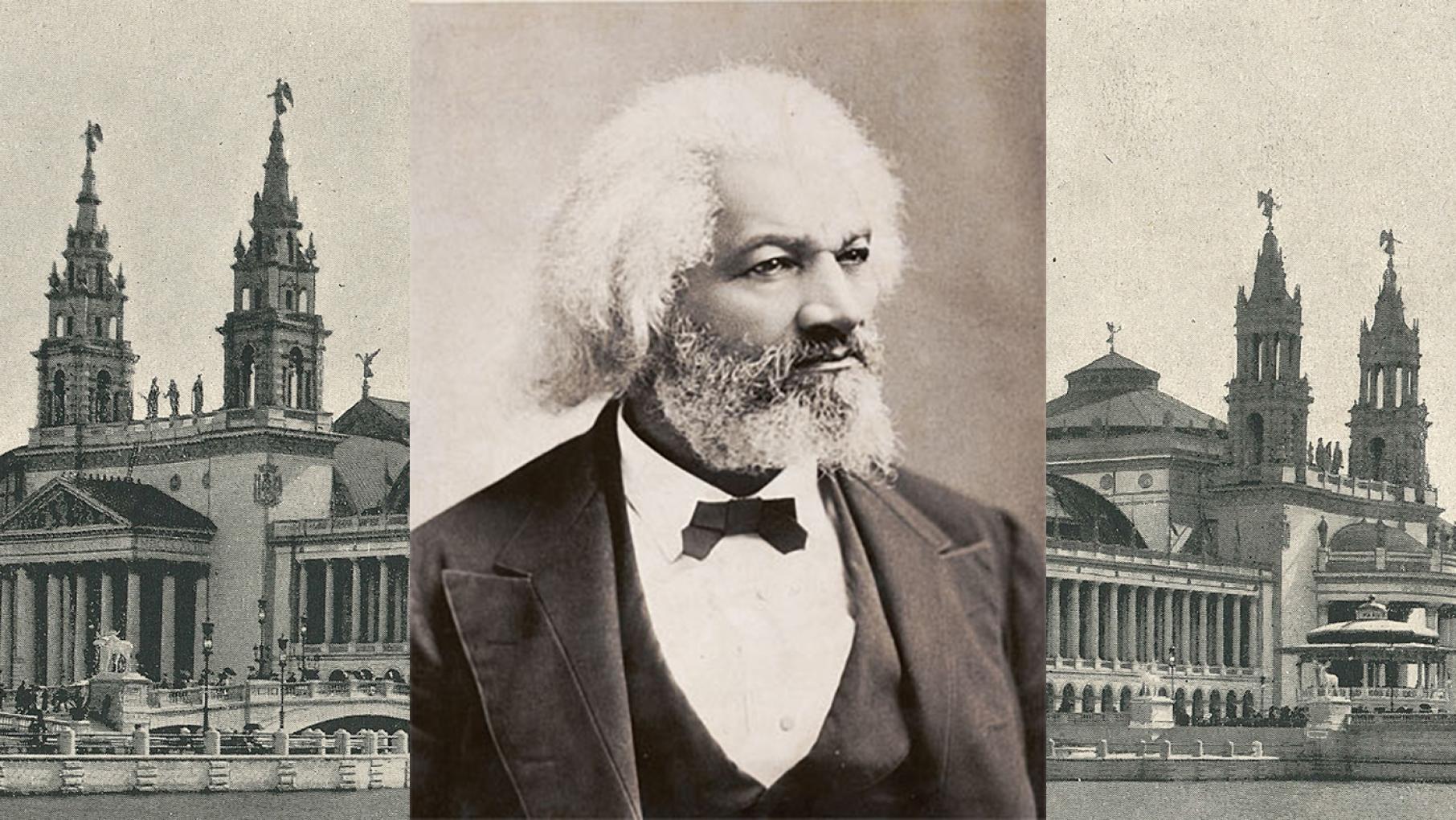
Frederick Douglass was the representative of Haiti at the 1893 World's Columbian Exposition in Chicago. Image (of Douglass): Chicago History Museum

Frederick Douglass's Defiant Stand at Chicago's World's Fair 

Although Frederick Douglass did not know his official birth date, he celebrated it on February 14. Late in his life, he spent a year in Chicago serving as the most prominent advocate for African Americans in a World's Fair that largely excluded them.

Read more

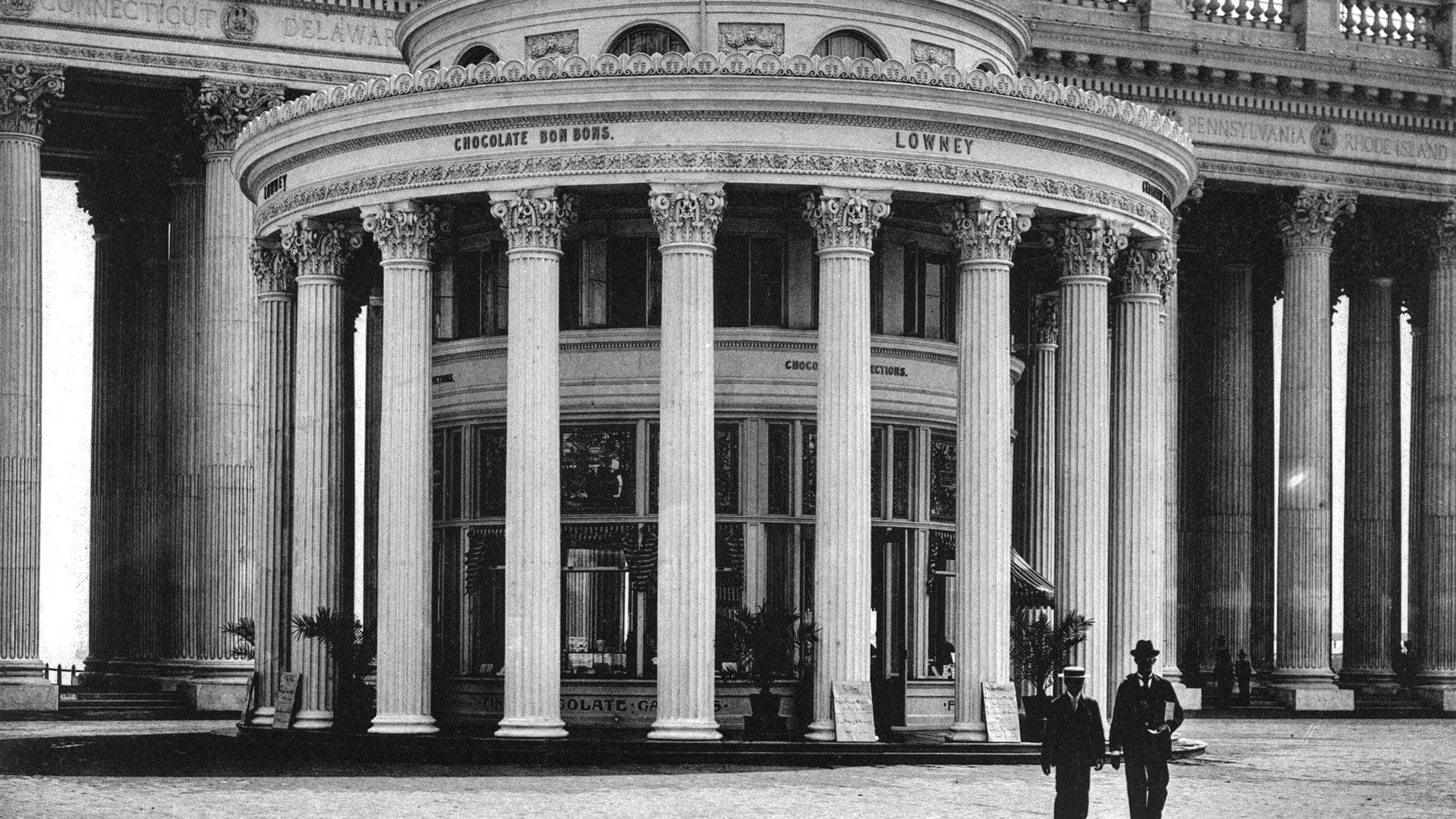
Chocolate Pavilion at the 1893 World's Columbian Exposition in Chicago

The Sweet Treats Born at the 1893 Chicago World’s Fair

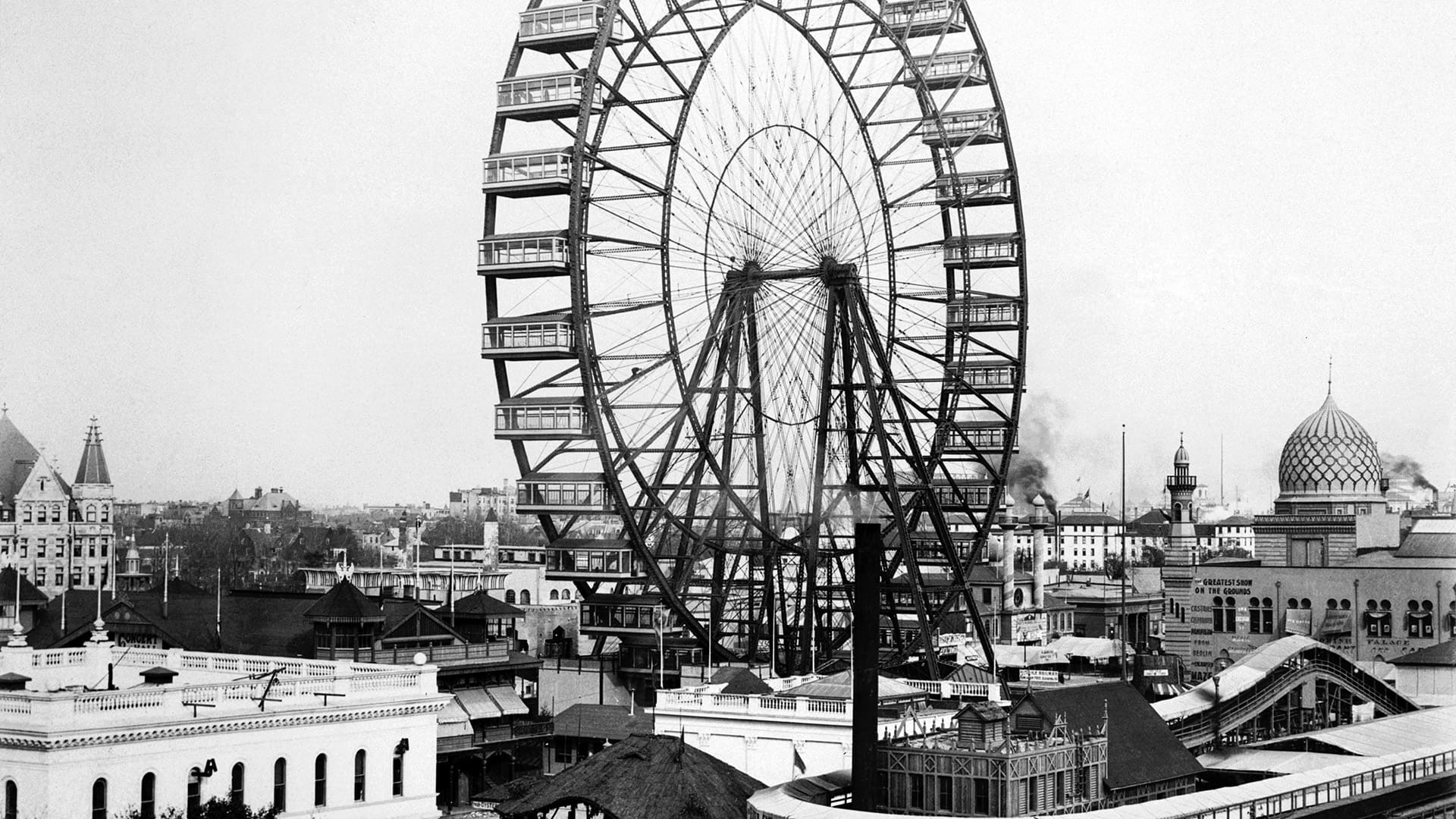
The 1893 World’s Fair gave the world a lot of things: the zipper, the dishwasher, Pabst Blue Ribbon beer, and the Ferris wheel. A few sweet treats either made their debut or were inspired by the fair’s White City on Chicago’s South Side. “At the Columbian Exposition, it was like candy went from black and white to color,” Beth Kimmerle, author of Candy: A Sweet History, told Chicago Stories. Below are a few of the beloved snacks with ties to the fair.

Read more 

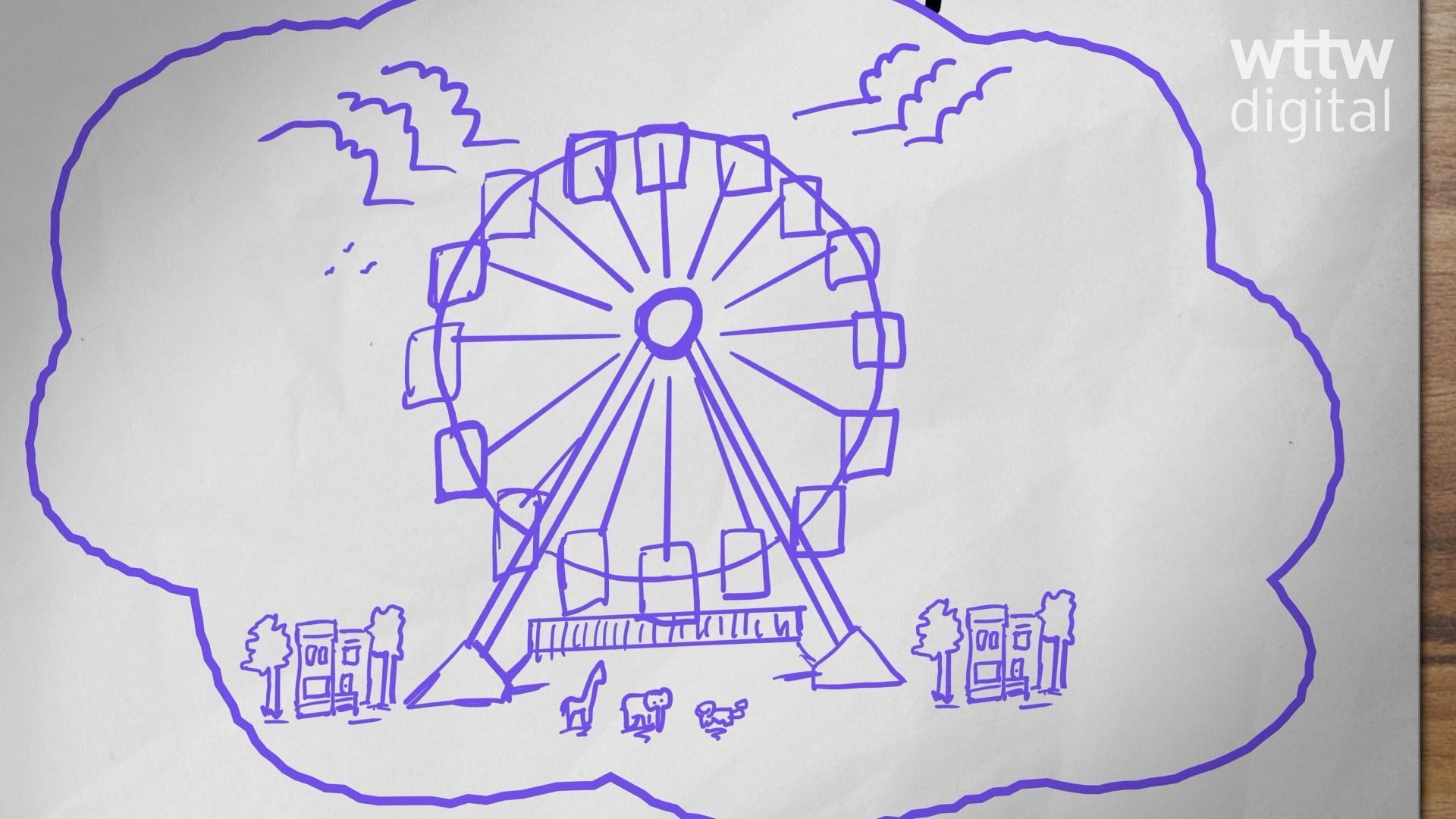
Hand drawn sketch of the 1893 World's Fair Ferris Wheel

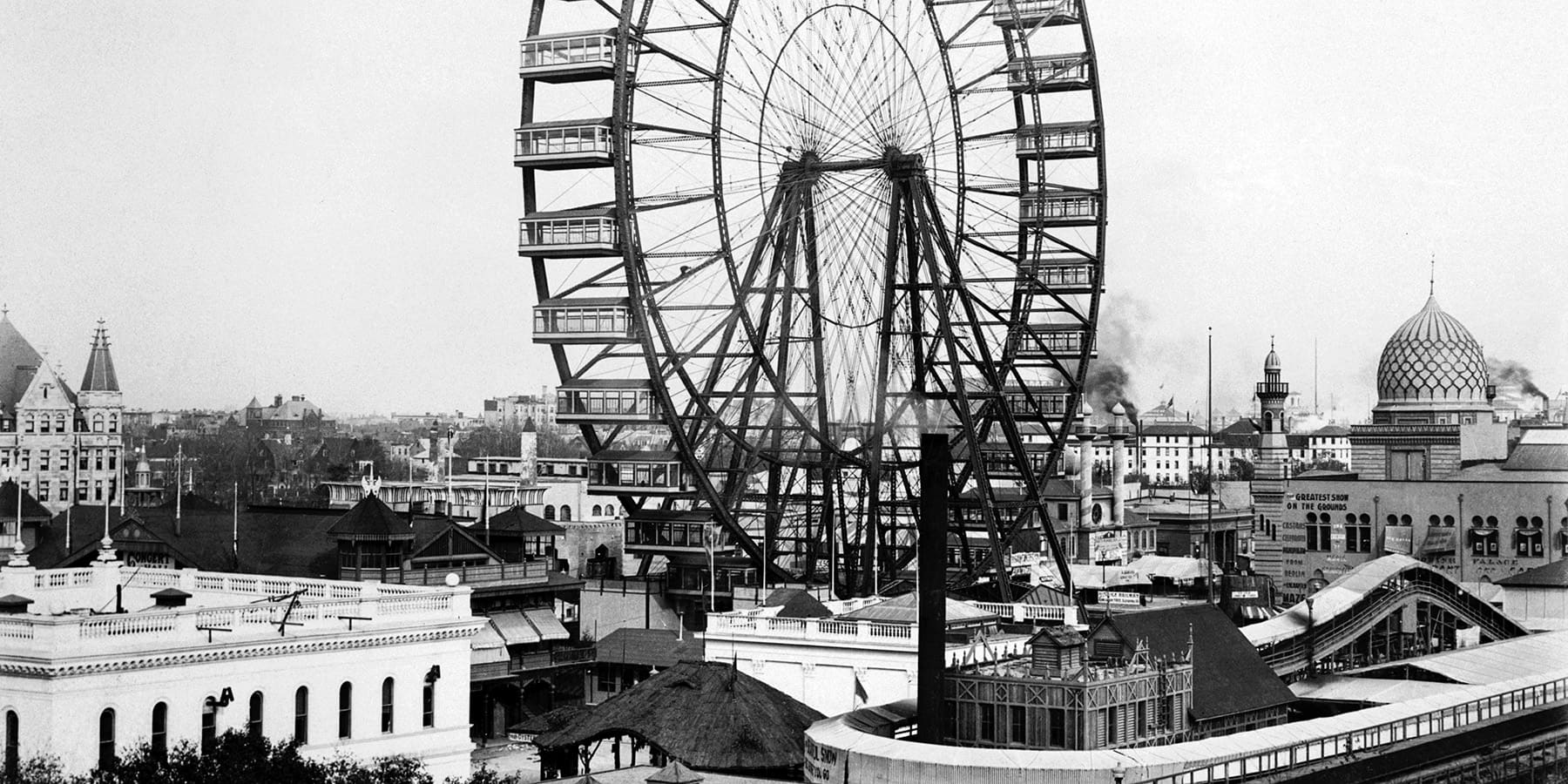
What Happened to the First Ferris Wheel?

After the Ferris Wheel debuted at the 1893 World’s Fair, where did it go next? Geoffrey Baer explains.

Watch now

1893 World's Fair

DuSable to Obama: The 1893 World's Fair

For African American leaders, the 1893 Columbian Exposition, popularly known as the "World's Fair," seemed the perfect opportunity to exhibit the contributions, achievements, and racial progress of African Americans in the nearly 30 years since the end of slavery.

Read more


Lead support for Chicago Stories is provided by The Negaunee Foundation.

Major support is provided by the Abra Prentice Foundation, Inc., the TAWANI Foundation, and the Matt and Joyce Walsh Family.

Funding for Chicago Stories: The World's Fair of 1893 is provided by Clifford Law Offices, Shirley Z. and Peter C. Welsh, and the Henry Nias Foundation.