








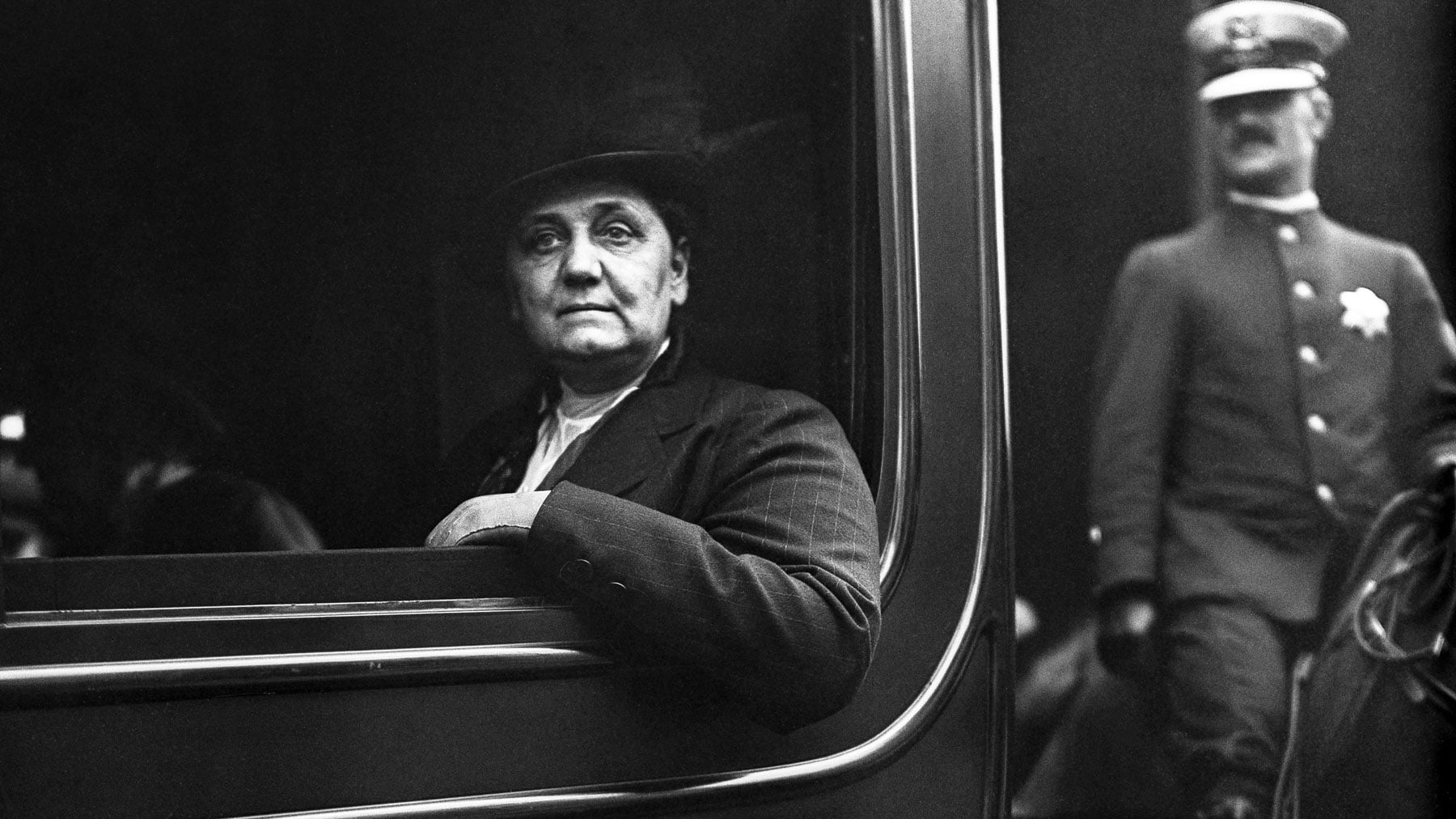
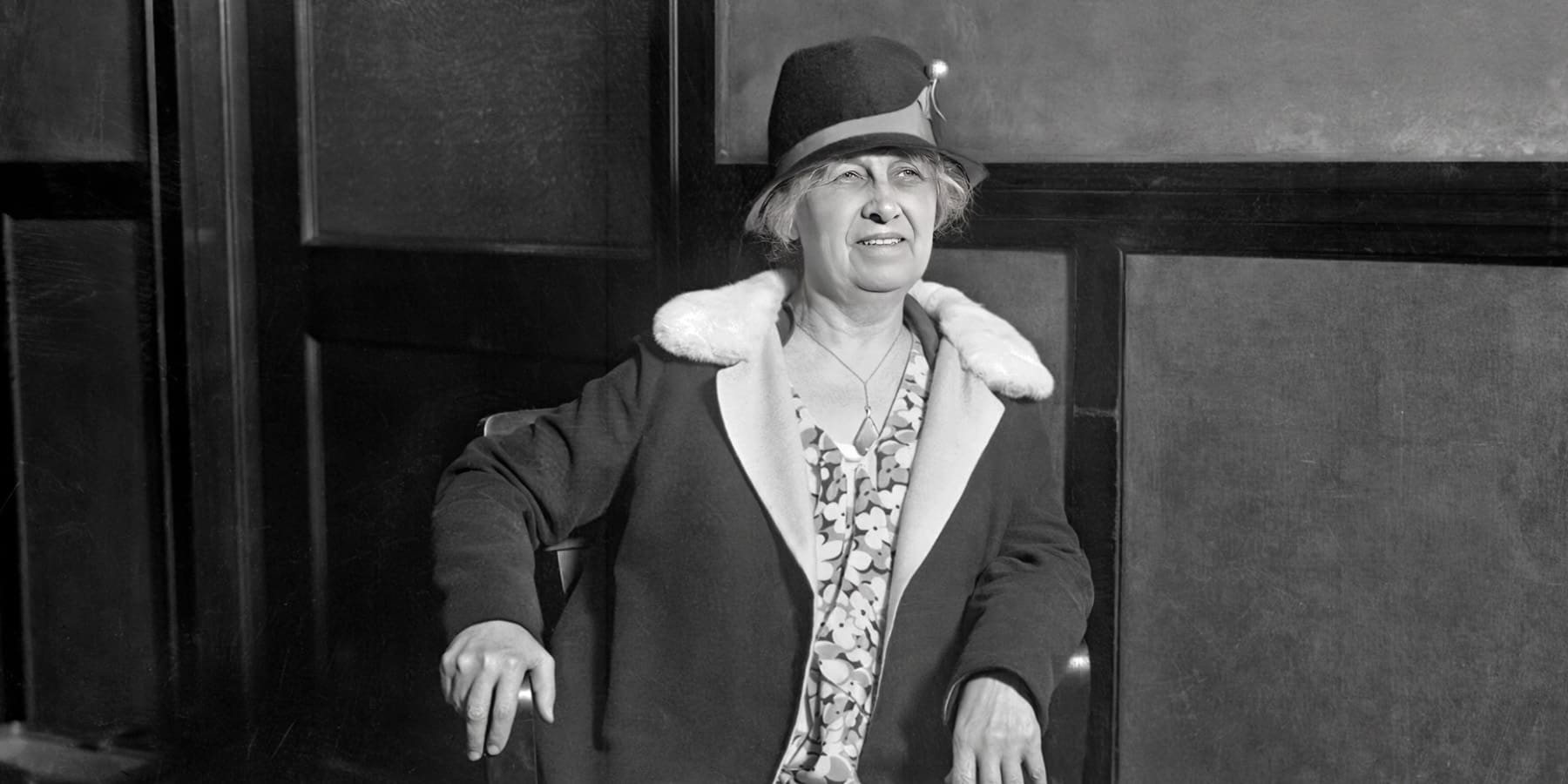
Before she earned the nickname the “Lady Labor Slugger,” Margaret Haley was the daughter of Irish immigrants teaching in a one-room rural school. She would go on to fight for Chicago’s elementary school teachers and make her voice known on the national stage.
“I never wanted to fight,” she said in the opening line of her autobiography, Battleground. “Within my own soul I know that I have never sought a battle for its own sake, although I have never evaded one when it was forced upon me.”
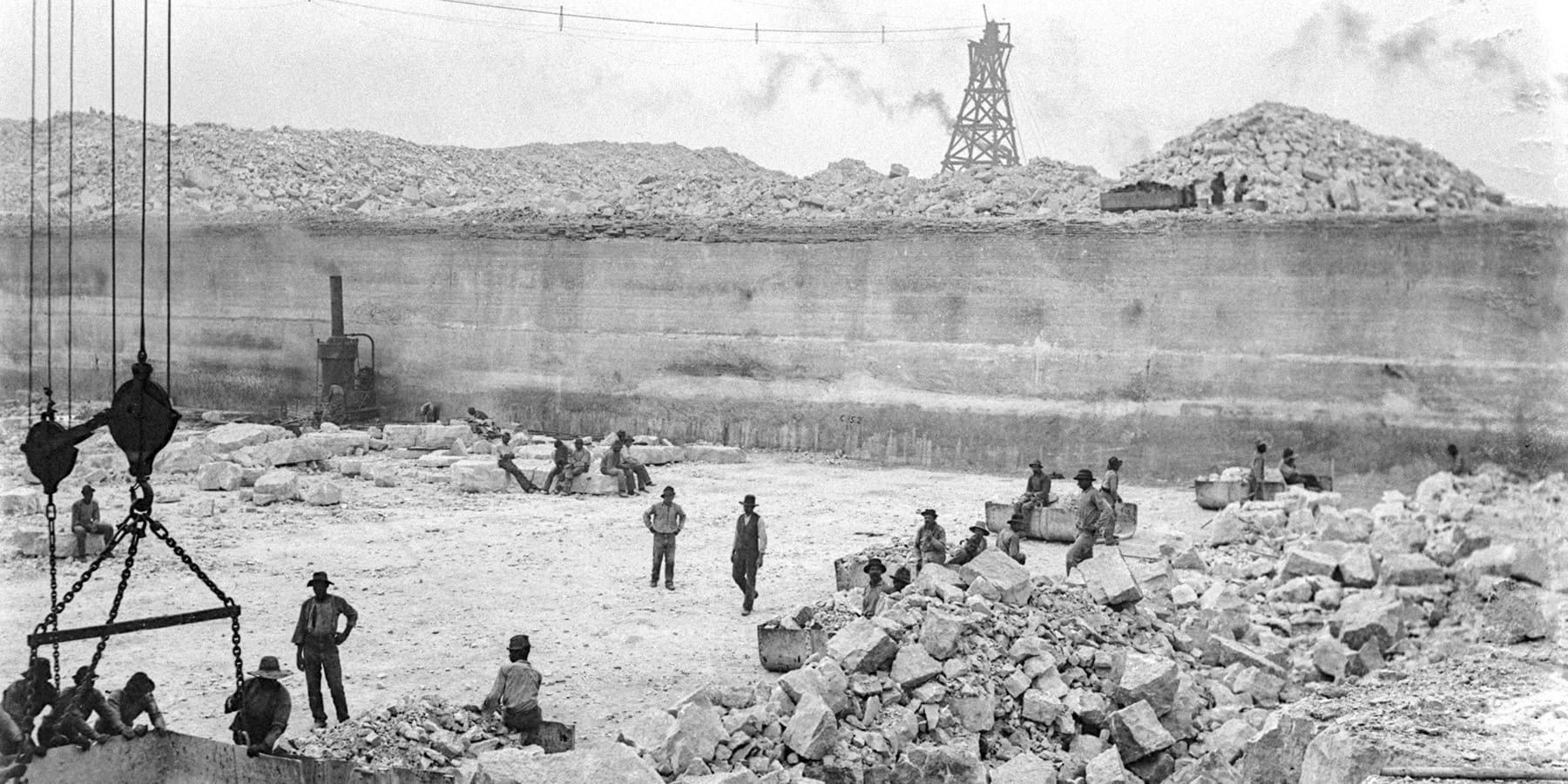
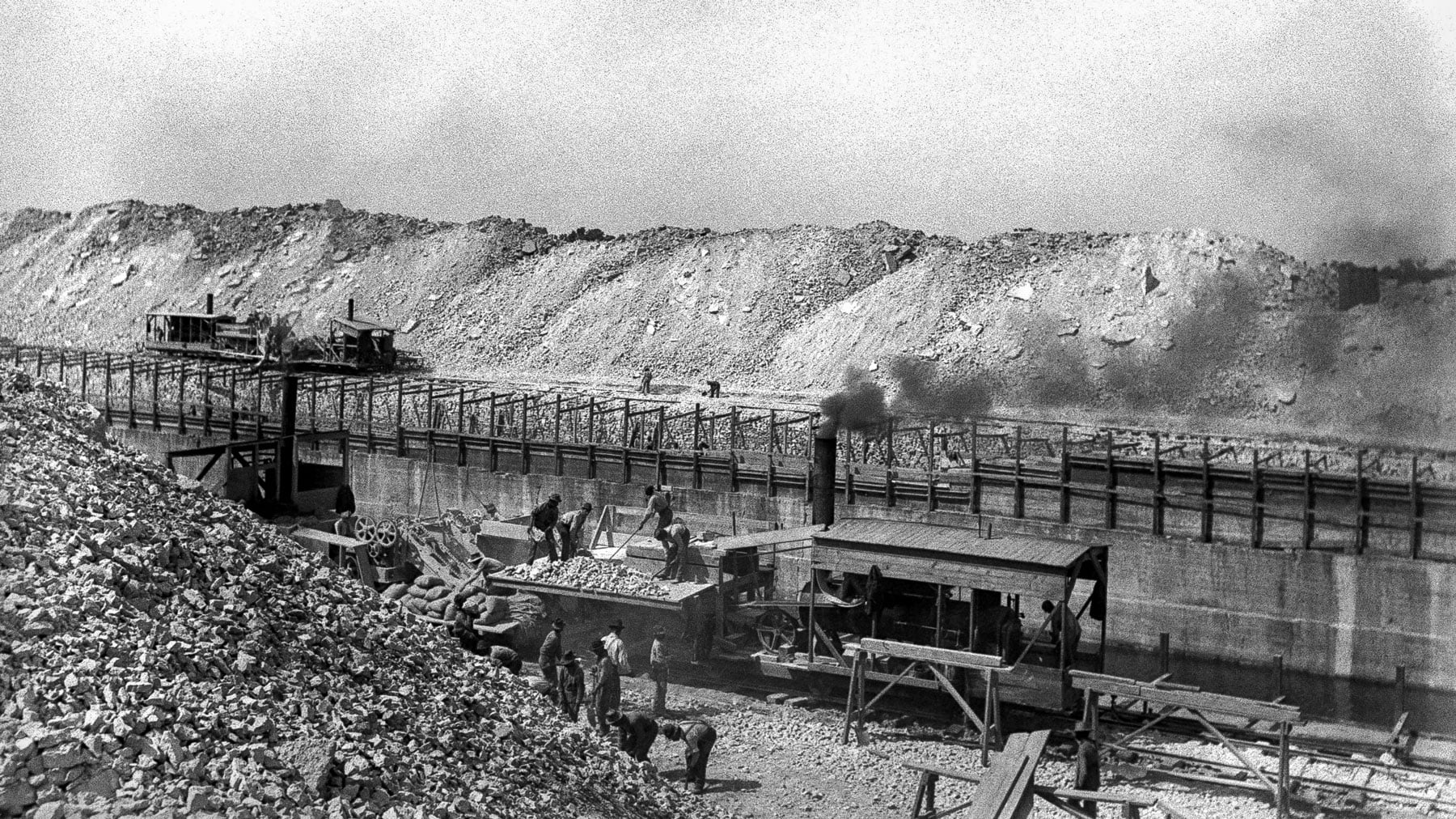
Haley was born in Joliet, Illinois, in 1861 and spent the first years of her life with her parents and seven siblings on a farm. Her mother immigrated from Dublin, and her father, an Irish Canadian, had come to the Midwest as a child to work on the Illinois and Michigan Canal. In her teenage years, Haley was able to attend school to become a teacher and began teaching at age 16 to help her family financially. In the autobiography published decades after her death, Haley cites her father’s frequent political discussion with friends, her mother’s insistence that she get an education, and her study under progressive educator Francis W. Parker as key in shaping her values. “My mother…valued education as only the Irish, who had been denied the full measure of education they desired, could value it,” Haley wrote.
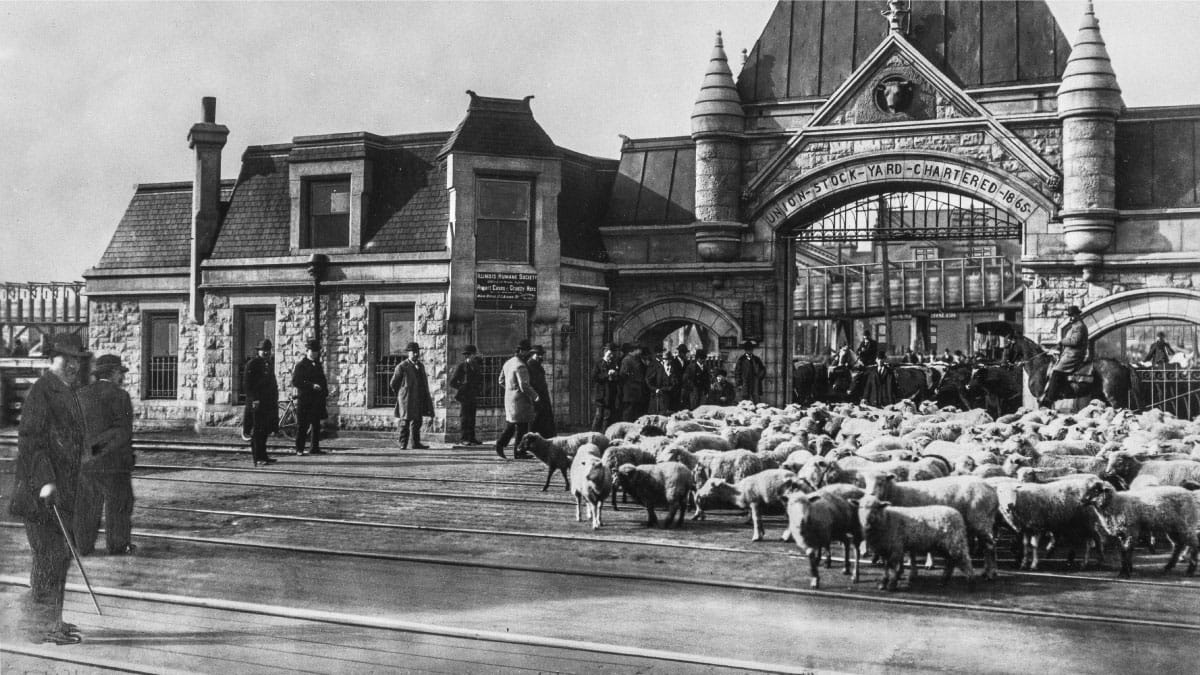
Haley first taught at rural schools in Minooka and Joliet and later got a job teaching sixth grade at the Hendricks School near the Union Stockyards, which Haley describes as a “sprawling, malodorous neighborhood.” The conditions in the four-room school were difficult. The students were “alert, eager to learn; but the school itself was almost hopeless.” And her work as an elementary school teacher was going largely unrecognized.
“She got really upset when she realized most of the teachers were women and they’re not being paid well,” historian Eileen McMahon told Chicago Stories. “They’re excluded from decision-making in the school boards.”
So Haley decided to act. In 1897, the Chicago Teachers’ Federation (CTF) was founded. An early predecessor to the Chicago Teachers Union, the organization was made up entirely of women. Haley, who by then had more than two decades of teaching experience, became its vice president in 1898 and retired from teaching to work for the union full time.
Among the CTF’s first initiatives: fighting for increased pay for teachers, improving working conditions, and fighting corporate tax evasion – using the revenue to fund teacher pay raises. They also fought a proposal to restructure the Chicago public school system, which Haley likened to the “factoryization” of schools.
“She really helped to professionalize teaching,” McMahon said. “She thought that’s how America stays strong democratically.”
The CTF also joined the city’s powerful central labor council, Chicago Federation of Labor (CFL). This was the first and only large teacher organization to affiliate with labor prior to 1916, according to editor Robert L. Reid in the foreword of Battleground.
“The affiliation of the teachers with the labor unions is the inevitable outcome of the growing consciousness among teachers that the public school must either properly relate itself to the other organs of the social organism or become a prey to the destructive forces disintegrating our civilization,” Haley is quoted as saying in the Chicago Tribune after the CTF voted to join the CFL in 1902.
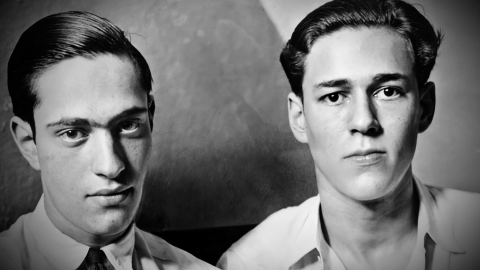
The association with labor organizations, however, was not well received by the Chicago Board of Education. In 1917, Jacob Loeb, the Chicago Board of Education president (and uncle of the future, infamous murderer, Richard Loeb), instituted the Loeb Rule, which forbade teachers from affiliating with or joining unions. This forced Haley’s group to part ways with the CFL.
“The adoption of the Loeb Rule by the Chicago Board of Education did not merely menace the integrity and well being of every teacher in the Chicago public schools, it put in jeopardy the continued development of democracy in the United States,” Haley wrote.
Haley had long carried her belief in the role of education in democracy to the national stage, too. In 1904, she spoke at the National Education Association’s (NEA) convention in St. Louis. Her speech came at a time when men – though women made up three-quarters of teachers at the time – still dominated the organization’s leadership, according to the NEA. In her speech, entitled “Why Teachers Should Organize,” she cites the increased cost of living, “wholly inadequate teachers’ salaries,” and overcrowded classrooms as barriers to effective teaching. Haley believed that teachers and labor unions were fighting a similar battle against a system that saw workers as machines.
She decried a “lack of recognition of the teacher as an educator in the school system, due to the increased tendency toward ‘factoryizing education,’ making the teacher an automaton, a mere factory hand, whose duty it is to carry out mechanically and unquestioningly the ideas and orders of those clothed with the authority of position.”
Haley believed empowering teachers in their own classrooms was essential for a healthy democracy. “It is the public school teachers whose special contribution to society is their own power to think, the moral courage to follow their convictions, and the training of citizens to think and to express thought in free and intelligent action,” she said.
Over time, the influence of Haley’s CTF waned as competing teachers’ organizations emerged and ultimately joined up with the CTF to form the Chicago Teachers Union in 1937, according to the CTU. Haley died of a heart attack in 1939. At the conclusion of Battleground, Haley reflected on a lifetime spent fighting for teachers, public education, suffrage, and broader social reform.
“It is something, after all, to have lived for forty years upon a battleground, to have been even a small part in the gigantic struggle for justice,” Haley wrote. “Fighting Irish I was then, child of generations of men and women who had battled for something beyond immediate gain, beyond material welfare…Fighting Irish I am yet, at seventy-five. And fighting Irish I shall be if, God willing, I may be looking down from some high rampart of eternity when the last war for man’s freedom has been won.”
Related