


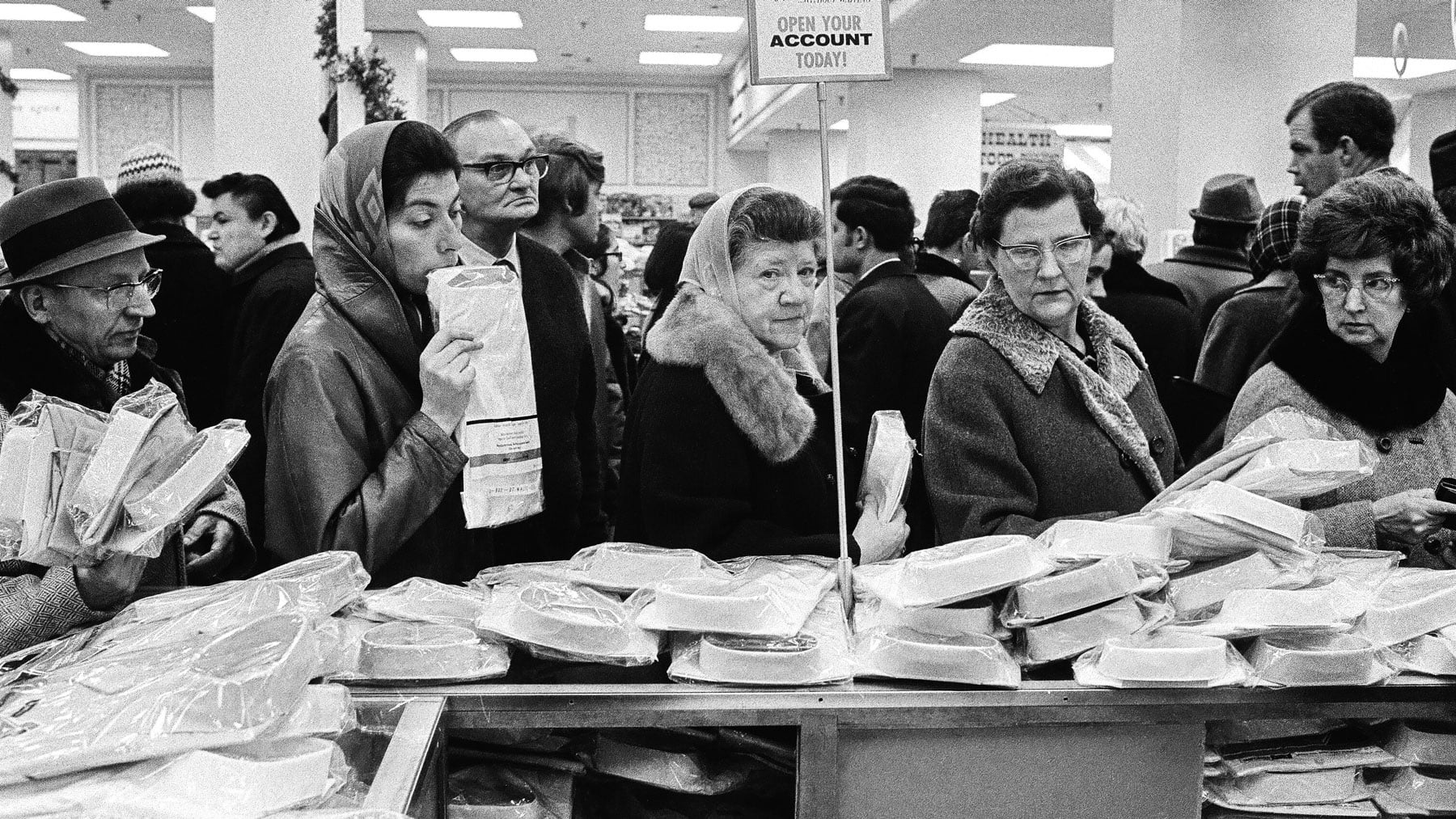

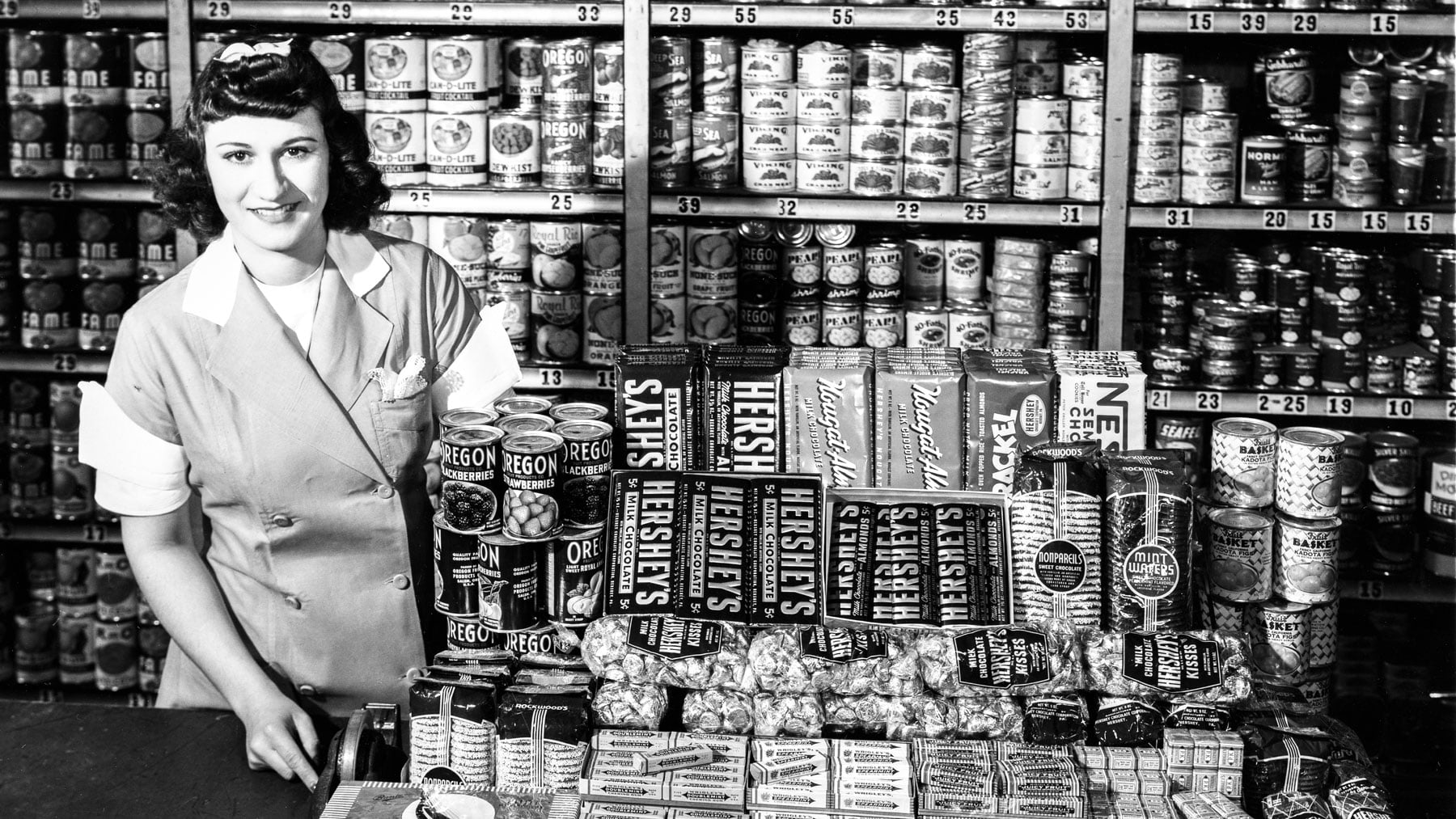
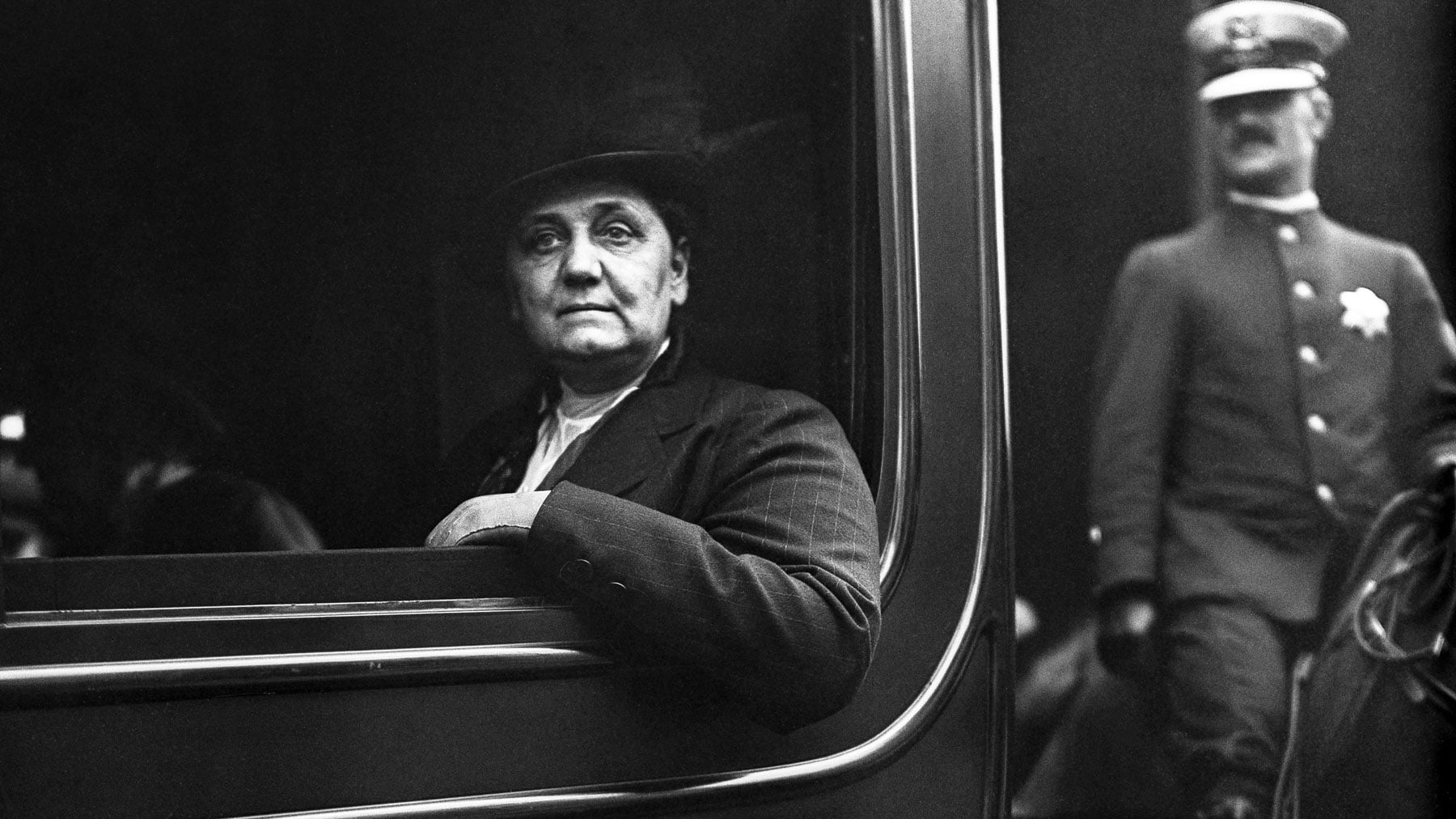
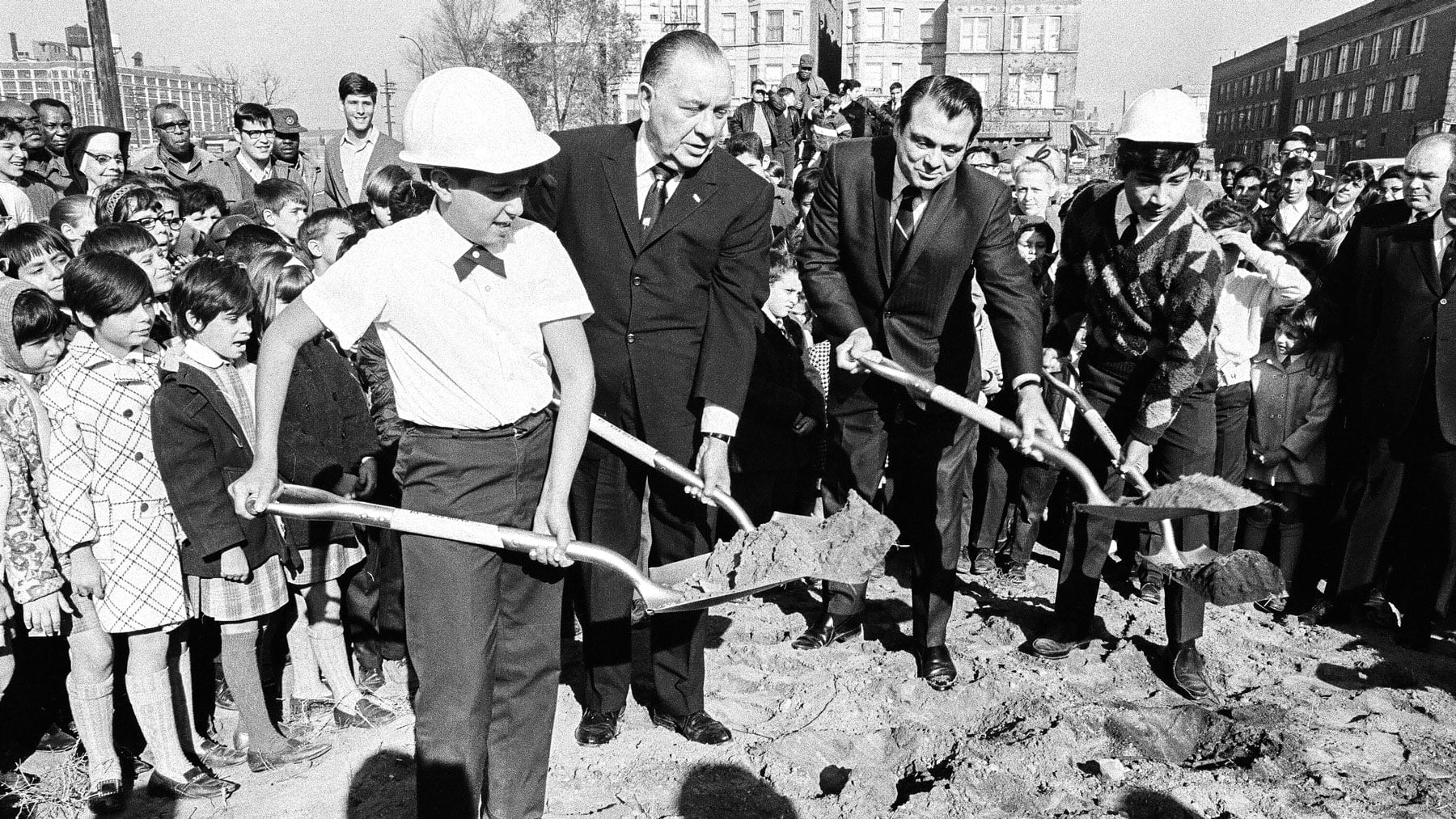
In the face of starvation, they fled their homeland and came to Chicago – a city whose ruling class did not want them. A century later, Irish Catholics had command of one of the most powerful political machines in America, one that would shape Chicago for generations. The story of the Irish in Chicago is one of extraordinary political and economic ascent, though it is also a complicated one, marked by the same exclusion they once endured. The Irish may have come with nothing, but they changed everything.
The Irish Find their Footing in Chicago
In mid-19th-century Ireland, a microorganism called phytophthora infestans devastated one of the small island’s primary crops – the potato. The potato blight led to the Great Famine, lasting seven years from 1845 to 1852. The famine worsened an already dire situation for the Irish.
Since the 12th century, “The Irish had been persecuted and oppressed in their own country, which was occupied by England,” Irish Chicago expert Eileen Durkin told Chicago Stories. “Their rights, their land was taken away, and they became tenants to often absentee landlords…They planted the potato because it had a ton of vitamin C, and they could feed their families. So the reason they invested everything in this one crop is because that kept them alive.”
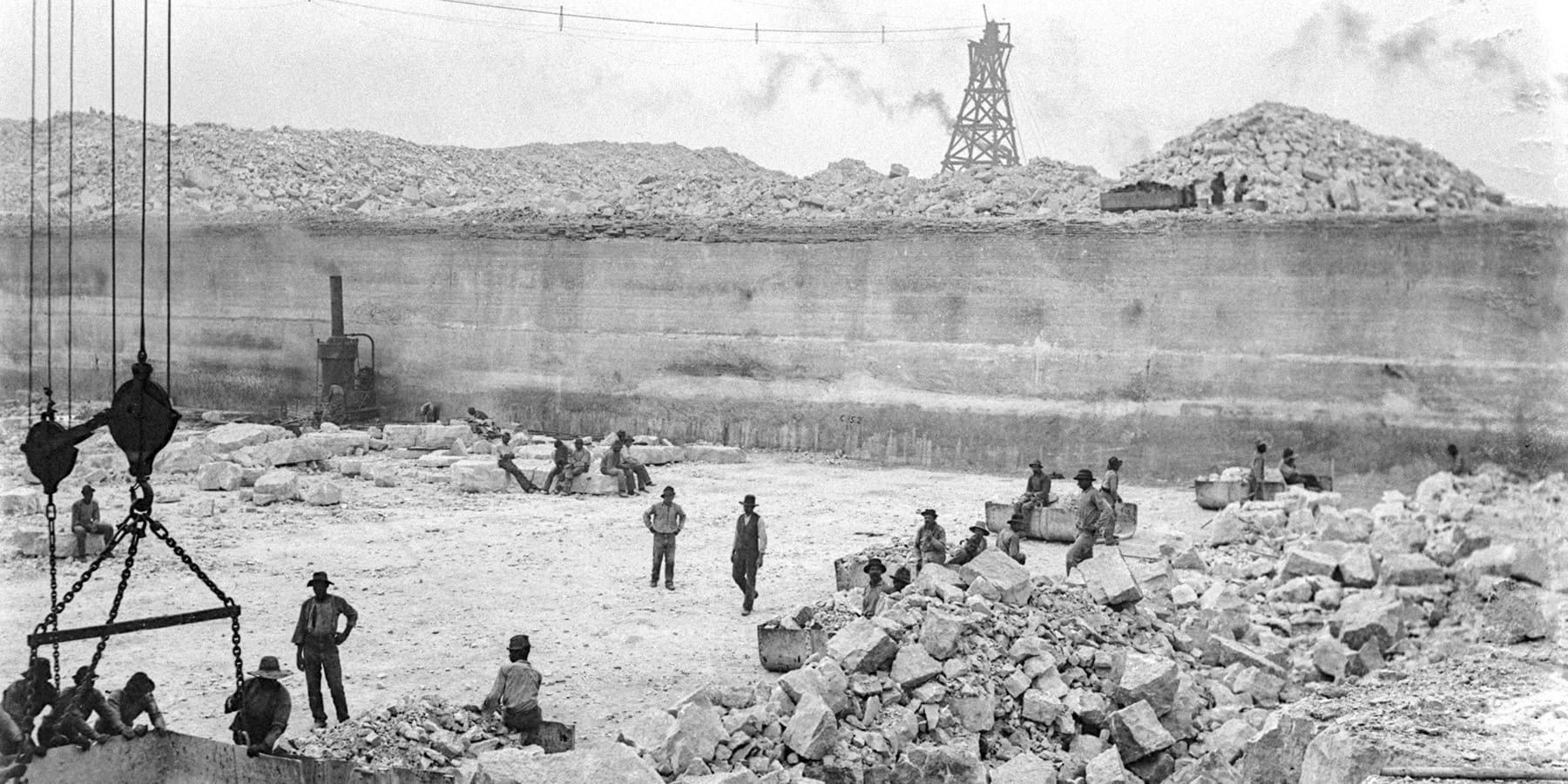
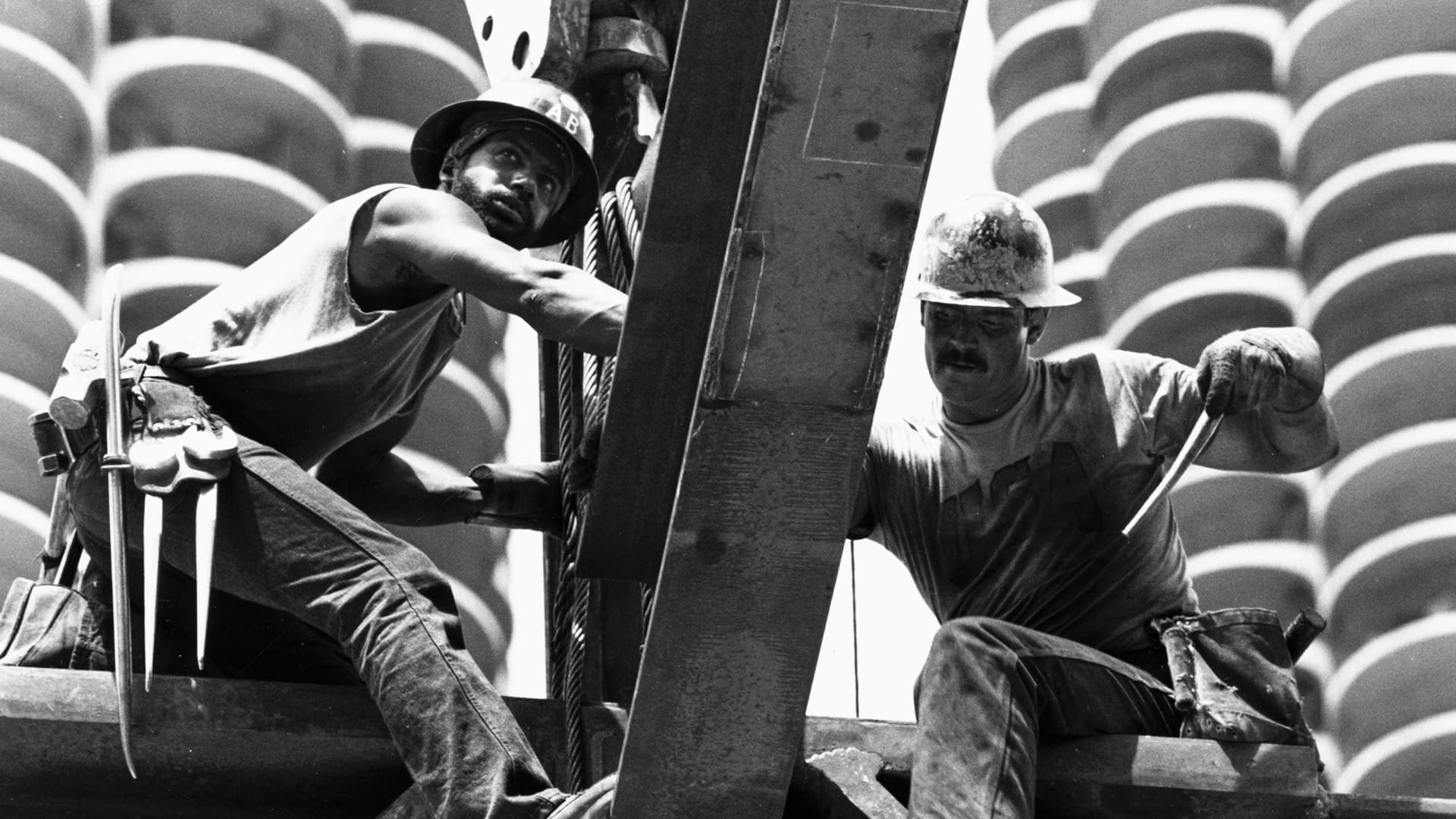
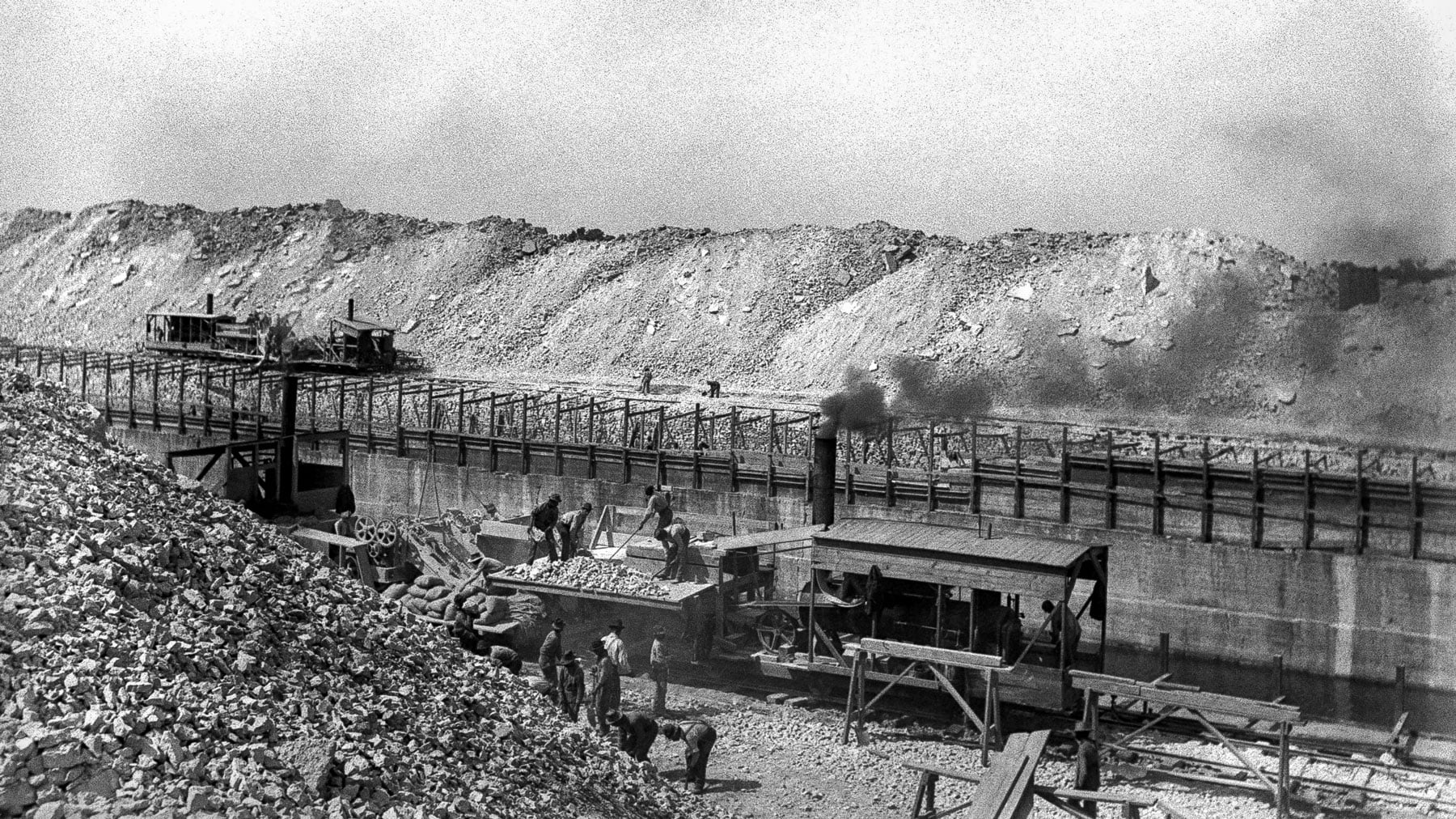
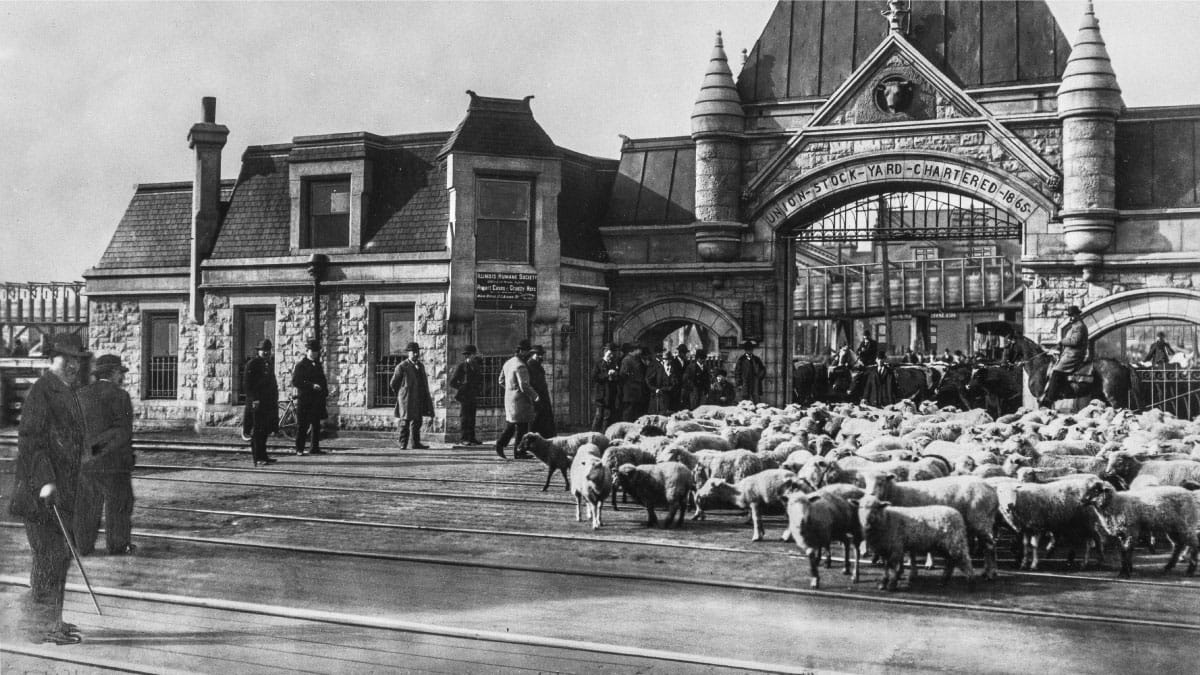
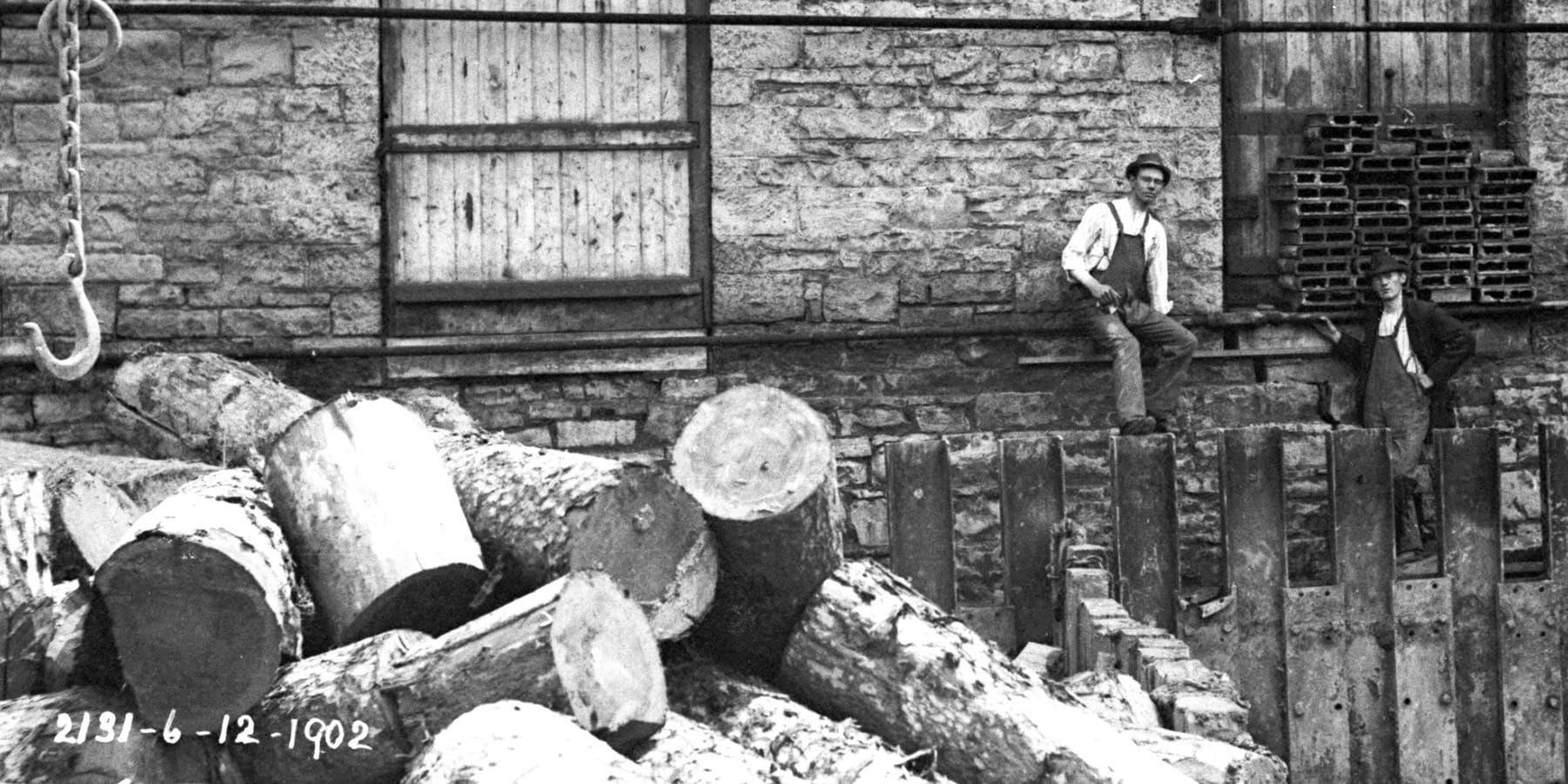
In a country of 8 million people, 1 million would die from the famine. It triggered a mass emigration to America, with some 2 million Irish leaving their homeland and settling in cities like New York, Boston, Philadelphia, Pittsburgh, Baltimore, and Chicago. In Chicago, Irish men worked the jobs no one wanted in the meatpacking plants, lumberyards, brickmaking, and steel mills. They took on the extremely dangerous task of digging out the Illinois and Michigan Canal. Women worked as cooks and maids in wealthier, Protestant households. Irish immigrants lived together in wooden houses in overcrowded slums.
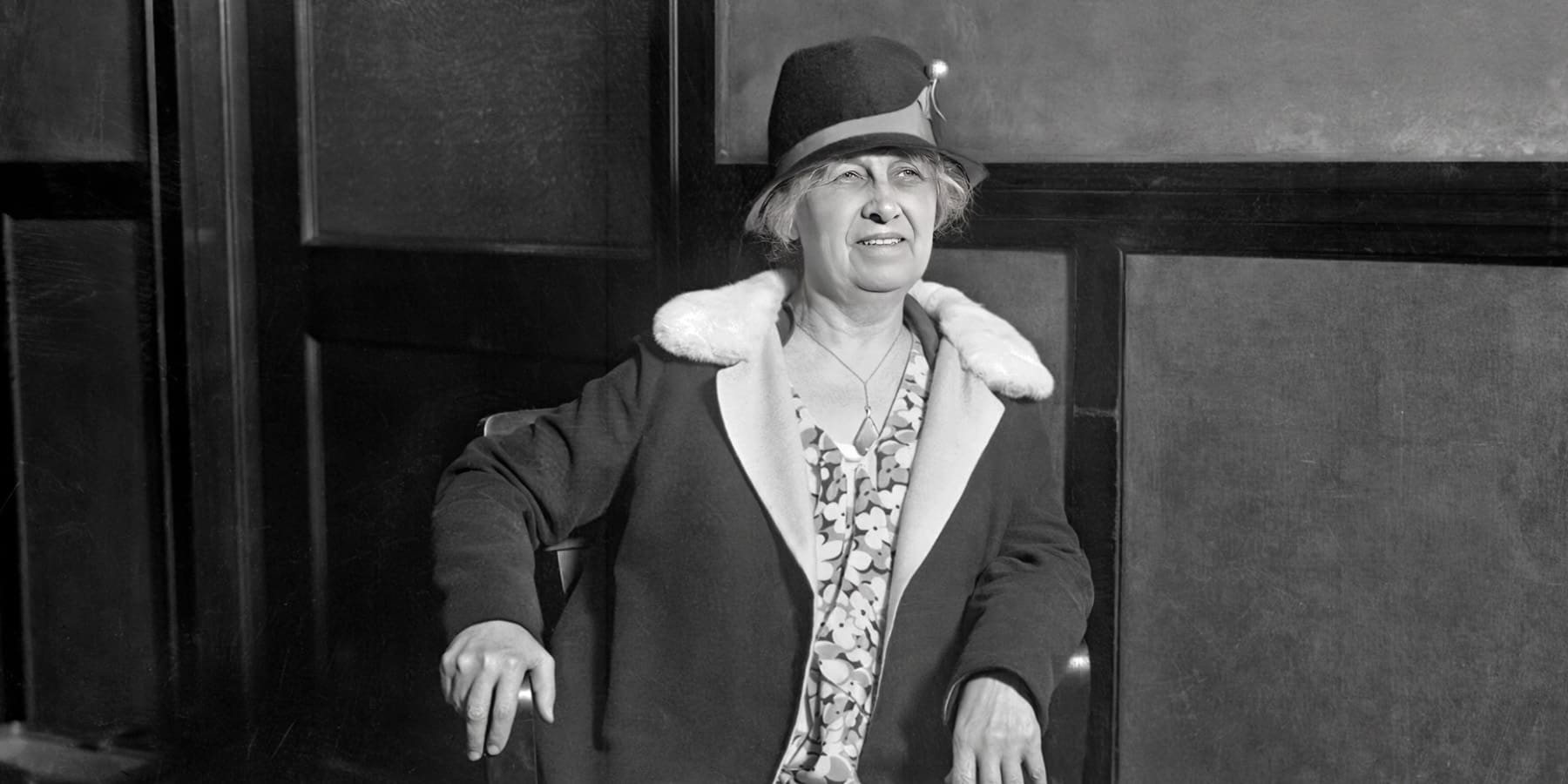
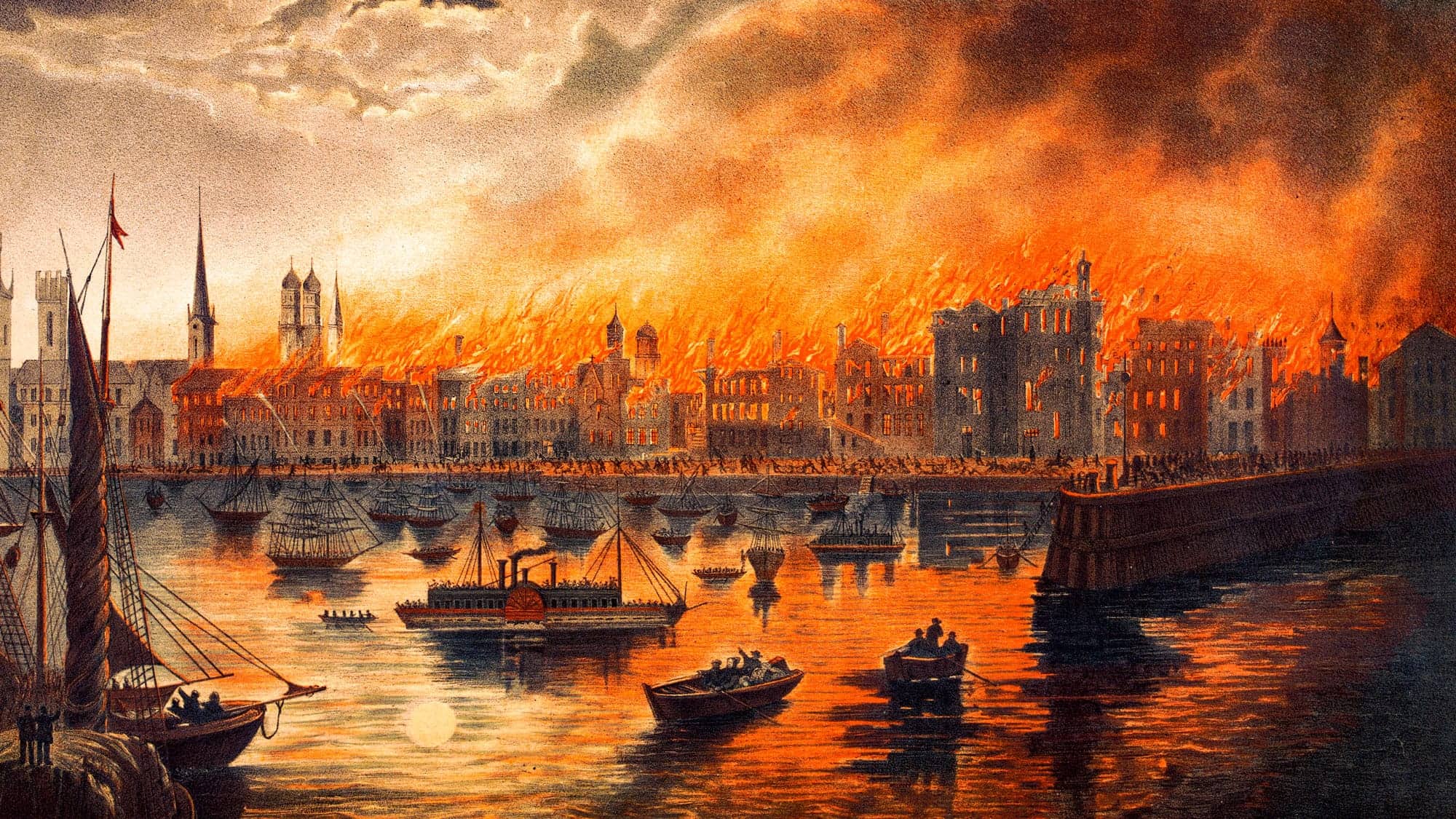
Life was difficult, made worse by anti-Irish and anti-immigrant sentiment. Even the Chicago Tribune and its publisher, Joseph Medill, fanned the flames, once publishing the sentiment, “Who does not know that the most depraved, debased, worthless, and irredeemable drunkards and sots which curse the community are Irish Catholics?” The prejudice in Chicago perhaps most memorably focused on a woman named Catherine O’Leary, an Irish immigrant who was blamed for starting the Great Chicago Fire of 1871 – though it was merely an unfounded rumor at the time.
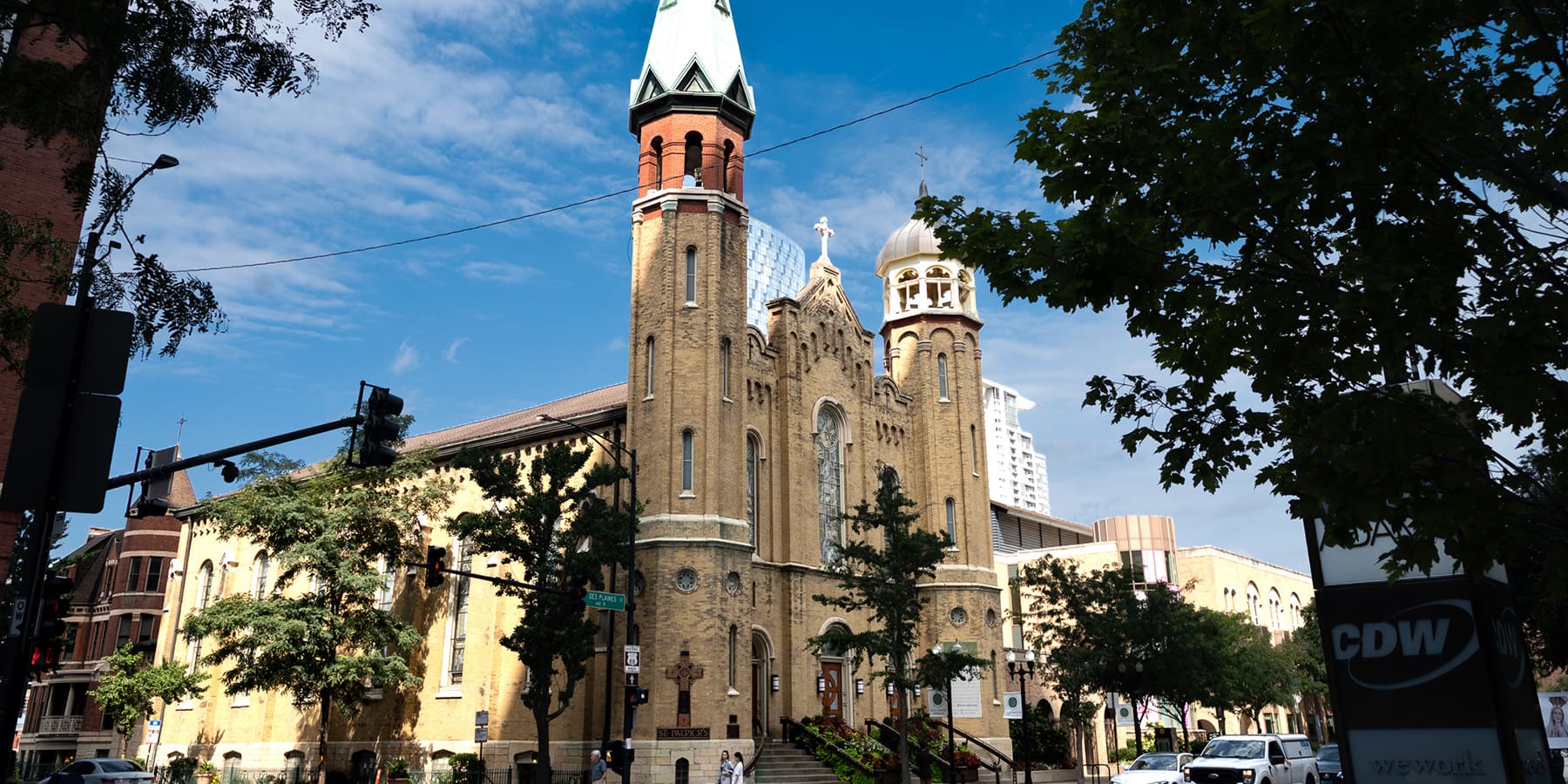
Amid the hardship and hostility, Irish immigrants found strength in numbers. According to the Encyclopedia of Chicago, “Chicago’s foreign-born Irish population peaked at 73,912 in 1900.” Many settled in Bridgeport, a South Side neighborhood adjacent to the Union Stockyards. Neighborhoods grew around parishes, which became hubs for social connection.
“The Irish [felt as if]…they were the outcast,” said author Elizabeth Taylor. “When they first came to the United States, there were all these signs around – ‘Irish need not apply’…It makes them politically savvy and [they] fight for every scrap. It also teaches that you better stick together.”
The Irish Rise to the Helm of Chicago Politics
In time, the Irish began to work their way toward better jobs. One of the better options, Chicago political reporter Mike Flannery told Chicago Stories, was a job working for the local government in some capacity.
“The focus on government came about when the Irish started to get jobs in government. They understood that they were pretty good sinecures. You weren’t as prone to getting laid off as you were, say, in the meatpacking industry,” said Flannery. “When the economy went down, you were much less likely to be laid off if you were a police officer, if you were working as a transit employee.”
The promise of stable government work also drew many Irish Chicagoans deeper into local politics. By the late 19th century, alderman and ward offices wielded tremendous influence over who received certain city jobs in the police department, fire department, sanitation department, and so on. That created an incentive to keep voting for the guy who got you the gig and to encourage your friends and family to do the same – a you-scratch-my-back-I’ll-scratch-yours political system known as patronage. Tight-knit Irish communities proved effective at organizing voters. And as Irish Chicagoans began winning elected office themselves, they steadily gained a firm foothold in the patronage system.
“Coming out of Ireland, which is the first colony of the United Kingdom, they know how democracy works, and they know how it doesn’t work for them because they’re kept out of the British system. And they want to make sure that they’re kept in the system here,” Chicago historian Dominic Pacyga said in a previous Chicago Stories episode.
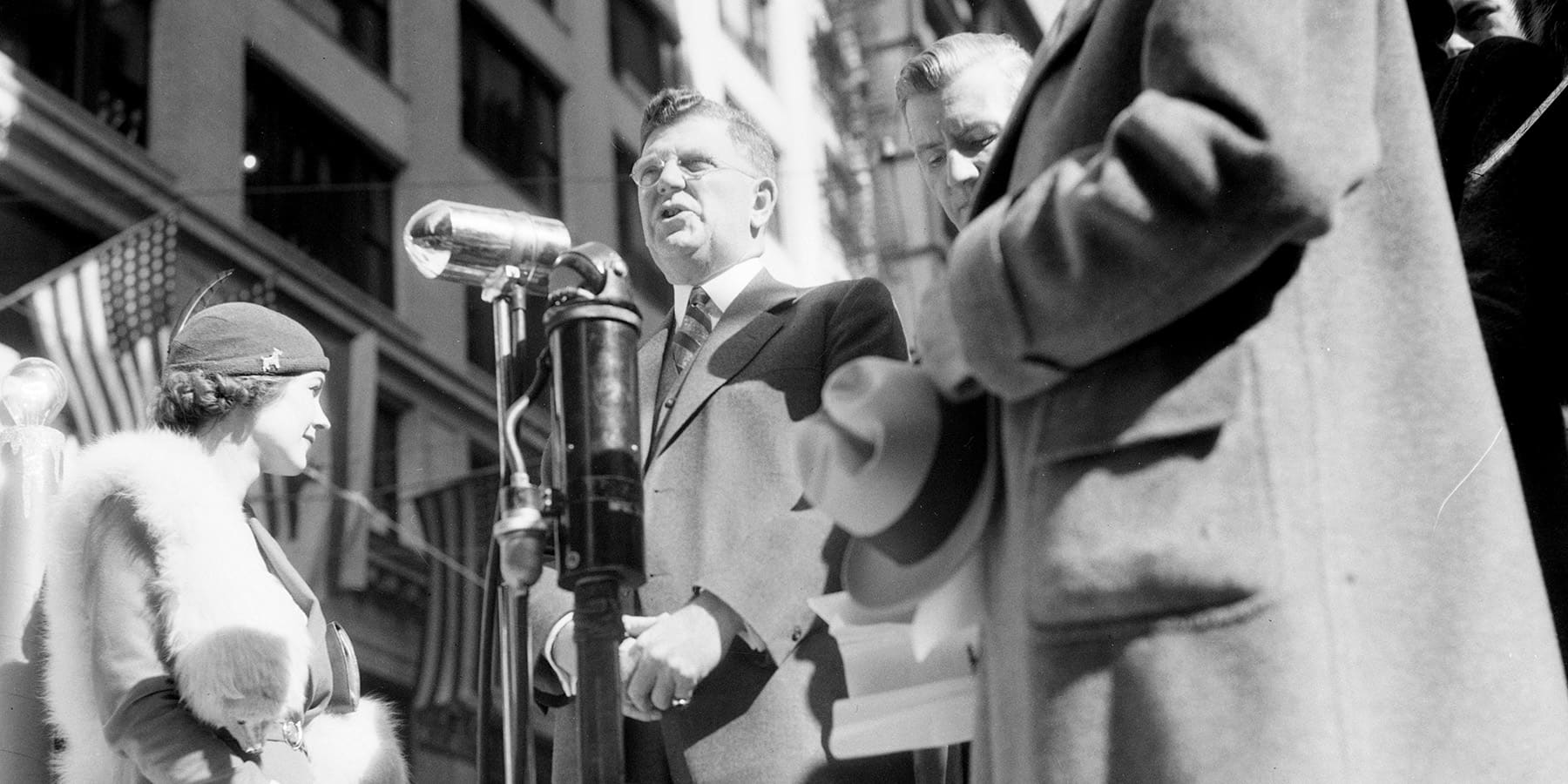
The late 19th century began a steady trickle of Irish Catholic mayors. The first was John Patrick Hopkins, who was elected in a special election in 1893 following the assassination of Mayor Carter Harrison. Then came Edward Fitzsimmons Dunne in 1905, and William Emmett Dever in 1923. It was a non-Irish mayor who would solidify the power of the citywide Democratic machine: Anton Cermak, who was born in the Austro-Hungarian empire (the modern-day Czech Republic) and who was assassinated while campaigning with President-elect Franklin D. Roosevelt. Then came a deluge of Irish mayors who would lead a decades-long Irish Catholic hold on the machine, starting with Edward J. Kelly. Serving four terms, Kelly was the first of five mayors from Bridgeport – four of whom were Irish, and two of whom were Daleys. Martin Kennelly was next, and then came the pinnacle of Irish Catholic power in Chicago.
Richard J. Daley and the Peak of Irish Catholic Political Power

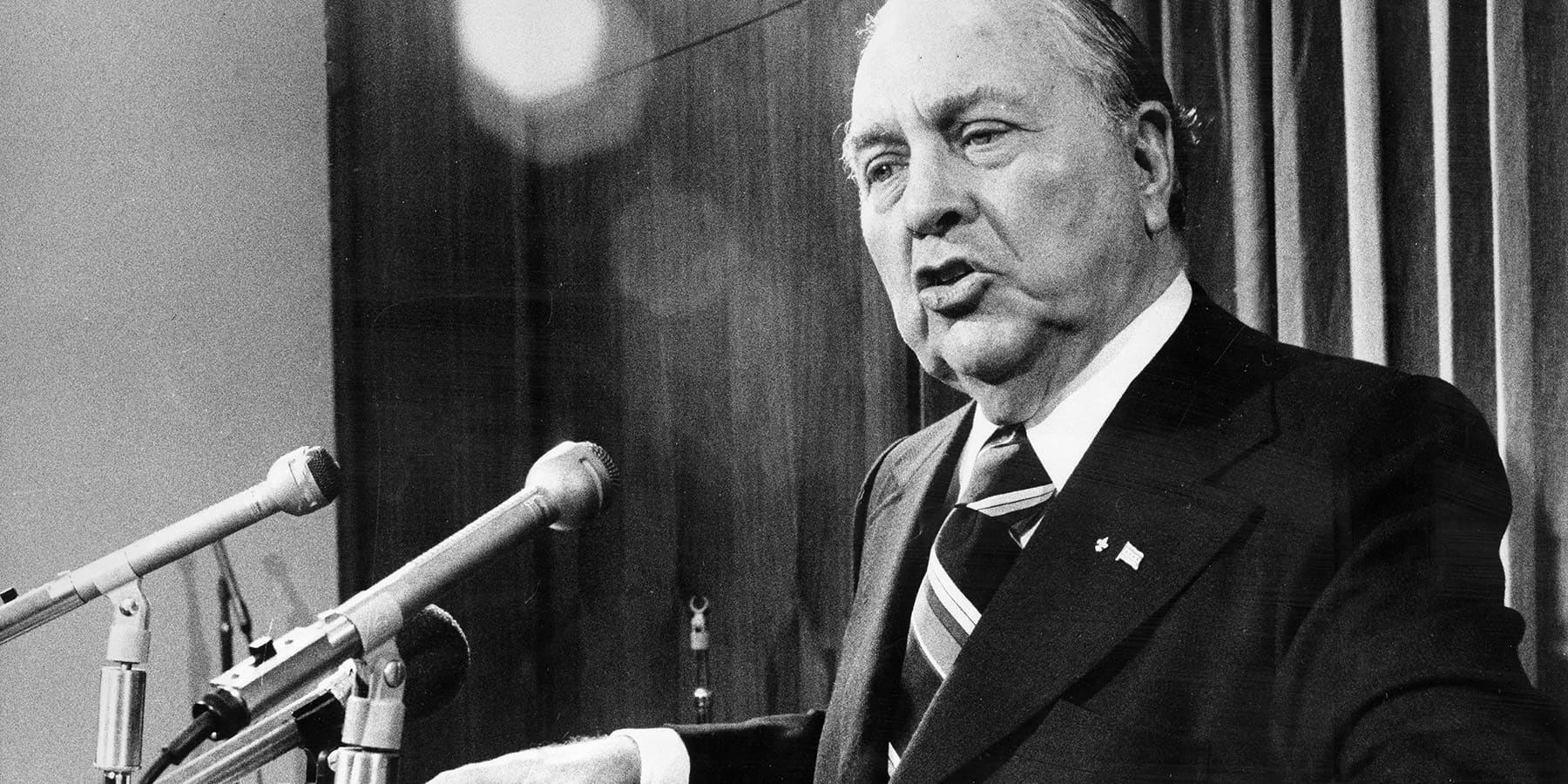
By the time Richard J. Daley became mayor in 1955, Irish Catholic Chicagoans had gone from immigrants living at the margins to the most powerful force in City Hall – and Daley would expand the reach of that power to the national level.
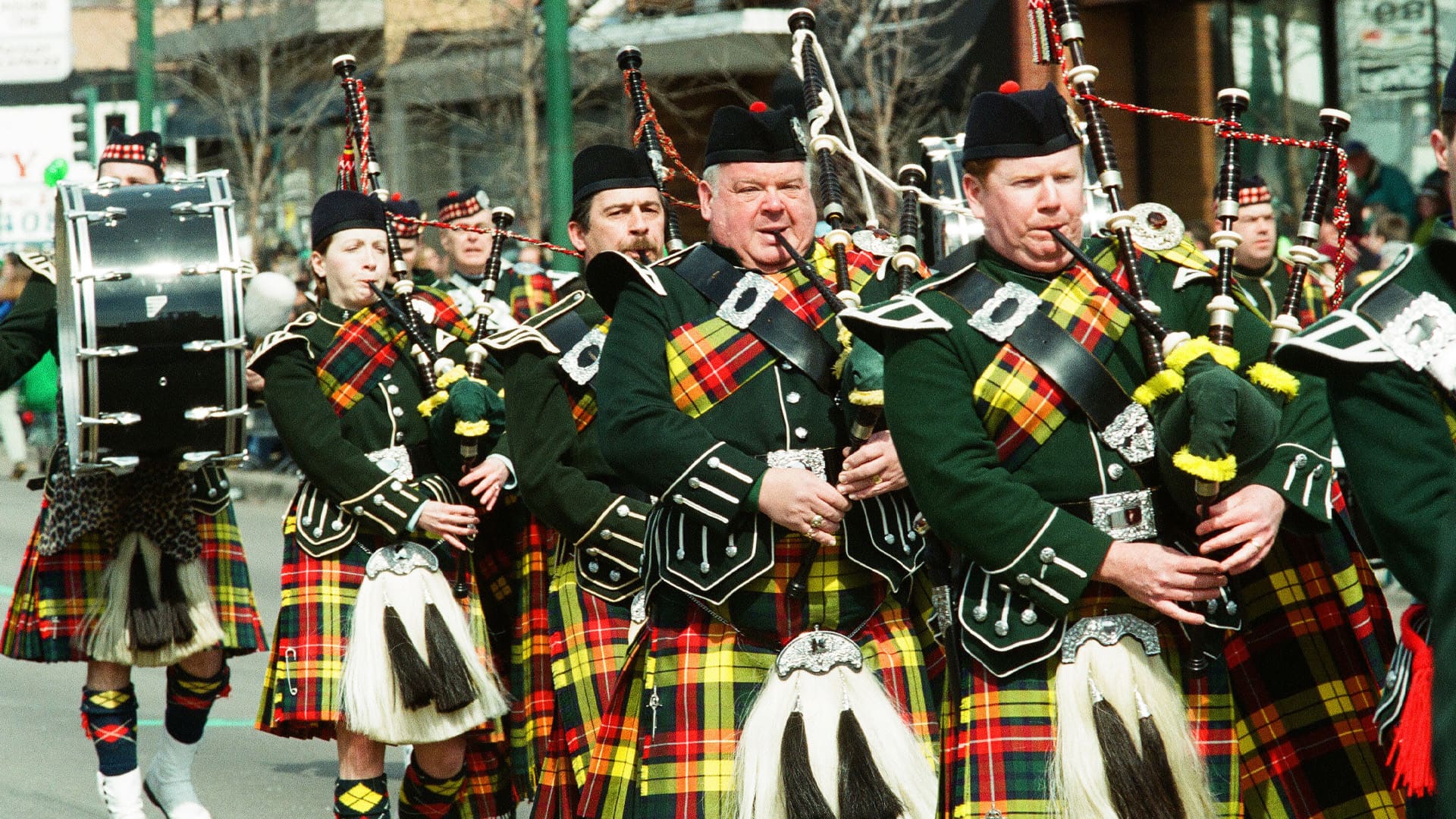
Daley was the third Chicago mayor to grow up in Bridgeport, and was steeped in the Irish traditions of the community. Born in 1902, he was the only child of a sheet metal worker and a mother who was involved in the suffrage movement. He came to know Bridgeport’s political organization through the Hamburg Athletic Club, a neighborhood social club and street gang, which was identified as one of the prime instigators of the 1919 race riots. (Though Daley would later serve as the club’s president, no evidence has emerged that he was involved.) He worked his way up through state and local politics: first as a precinct captain, then a state representative (though he was elected as a Republican), a state senator, Cook County clerk, and Cook County Democratic chairman – a position he held onto as mayor. Proud of his Irish roots and an enthusiastic participant in the annual St. Patrick’s Day Parade, his skill as a politician was in building a multi-ethnic coalition beyond Bridgeport, bringing other groups into the fold while maintaining his grip on power.
“He placed his community and Bridgeport as a priority in terms of how he governed,” NEIU professor and Daley biographer Lance Williams told Chicago Stories. “But he also had this unique style of co-opting those from outside of the community to participate in his agenda by offering certain individuals trinkets of power…You could be an African American alderman, but your power as an alderman was limited to maybe a small number of patronage jobs and contracts, as long as you fully endorsed and supported his policies. At the point that you didn’t, you were completely cut off.”
Daley’s influence wasn’t bound by city limits. As chair of the Cook County Democratic Party, he had enormous influence over politicians elected in the city and suburbs, including members of Congress. “There were several congressional votes that Daley controlled, outright,” Flannery said. That made Daley a power broker not just in Chicago, but in national Democratic politics. In 1960, he played the role of kingmaker, making sure John F. Kennedy would be the first Irish Catholic to be president. It is widely believed that Daley’s influence helped Kennedy win Illinois by a thin margin of votes. Daley could deliver votes for presidential candidates and sitting presidents, and in return, secure the funds for Chicago’s ascendancy to the global stage.
“Daley wants more money for Chicago. He wants more contracts. He wants more road-building money. He wants more money for public housing. He wants more money for the airports. That’s what he’s ultimately getting from Washington,” said Flannery.
The Boss, as he came to be known, put that influence to work. During his 21 years in office, he oversaw a major transformation of Chicago, building expressways, public housing, airports, and skyscrapers. But those projects came at a cost, especially for Black and brown communities. Many overcrowded, under-maintained public housing complexes fell short of their promise, and entire neighborhoods were bulldozed to make way for highways and other projects. Daley also famously botched the response to protests at the 1968 Democratic National Convention, as well as the response to the riots following Dr. Martin Luther King Jr.’s assassination.
“On one hand, there is no question that his legacy and his leadership contributed to building one of the greatest cities in the world, particularly the economic infrastructure that has sustained for decades beyond his tenure. No one will question how he developed this city and built this city into a world-class city,” said Williams. “On the other hand, a part of his legacy has to be the segregation that he fought for, that maintained the system of segregation in the city of Chicago.”
Daley died in office in 1976, and was succeeded by Michael Bilandic (another Bridgeporter, though not Irish). Daley’s son, Richard M. Daley, would serve 22 years – the longest of any Chicago mayor – from 1989 to 2011. The Daleys’ story is the culmination of the rise of Irish Catholics in Chicago, and a reminder of the complicated legacy that comes with such success. Over generations, Irish Chicagoans transformed their position from marginalized immigrants to middle class workers to political powerbrokers.
“For the Irish, Chicago is a great success story,” Flannery said. “They have helped build Chicago, and they’ve made mistakes. There is absolutely ground to criticize what they built and the way they built it. But they stuck to it. And I think they can justifiably be proud of what they’ve built.”
Related