






For more than a century, Chicago has shaped the way generations of children have played. From simple wooden construction sets and little red wagons to clever board games and talking toys, inventors have turned imagination into a successful industry. It was Chicagoans whose minds conceived of toys that influenced our culture and sparked nationwide toy collection crazes. Below are some of the toys and games that were born in Chicago and left an indelible mark on childhoods across generations around the world.
Tinkertoy
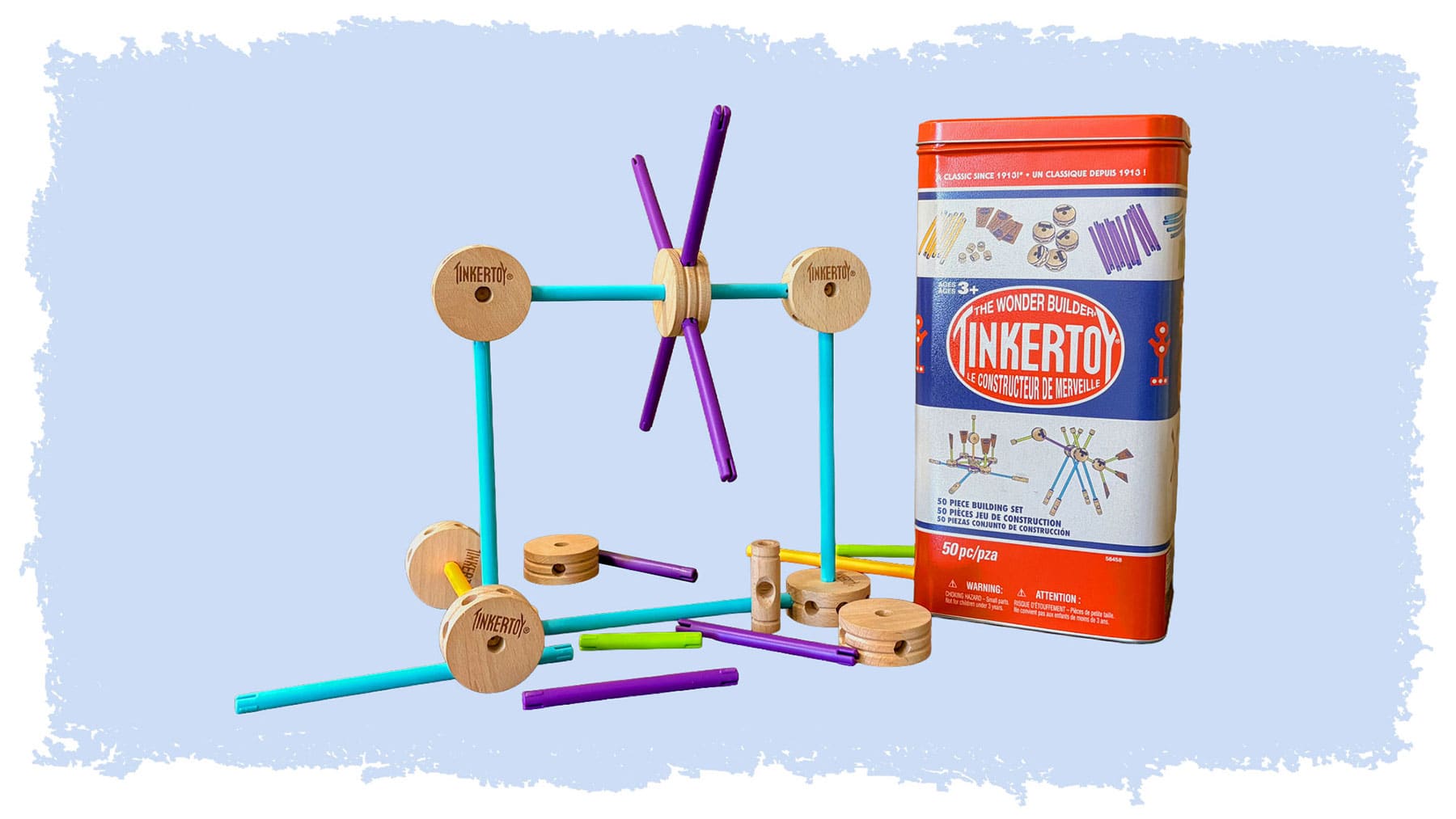
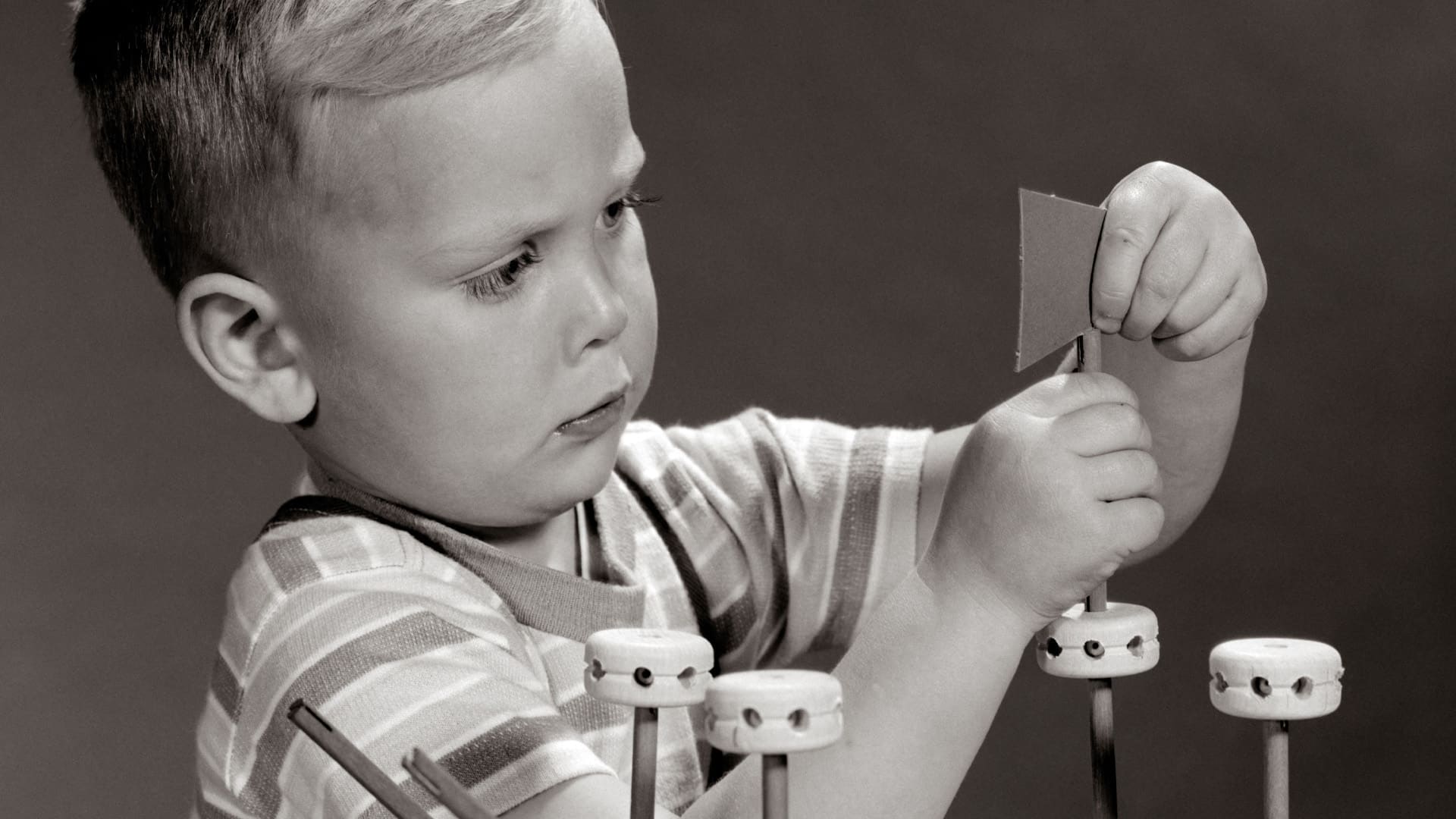
After an Evanston stonemason named Charles H. Pajeau watched children playing with wooden spools and sticks, he had an idea. In 1914, Pajeau, who at the time was working for his father’s headstone business, invented Tinkertoy, a construction toy made of wooden rods and spools that could be connected to build simple shapes, elaborate structures, and everything in between. According to the Chicago Historical Society, Pajeau introduced his invention at the New York Toy Fair, but his creation went largely unnoticed...until, that is, he found a drugstore manager who would let him display his Tinkertoy in the store’s window in exchange for some of the profits. Pajeau’s elaborate windmill displays caught on and sold 900,000 sets within the year; he partnered with Robert Petit, who helped him develop the now well-known cylindrical container in which the sets are sold. Tinkertoys are still sold today.
Lincoln Logs
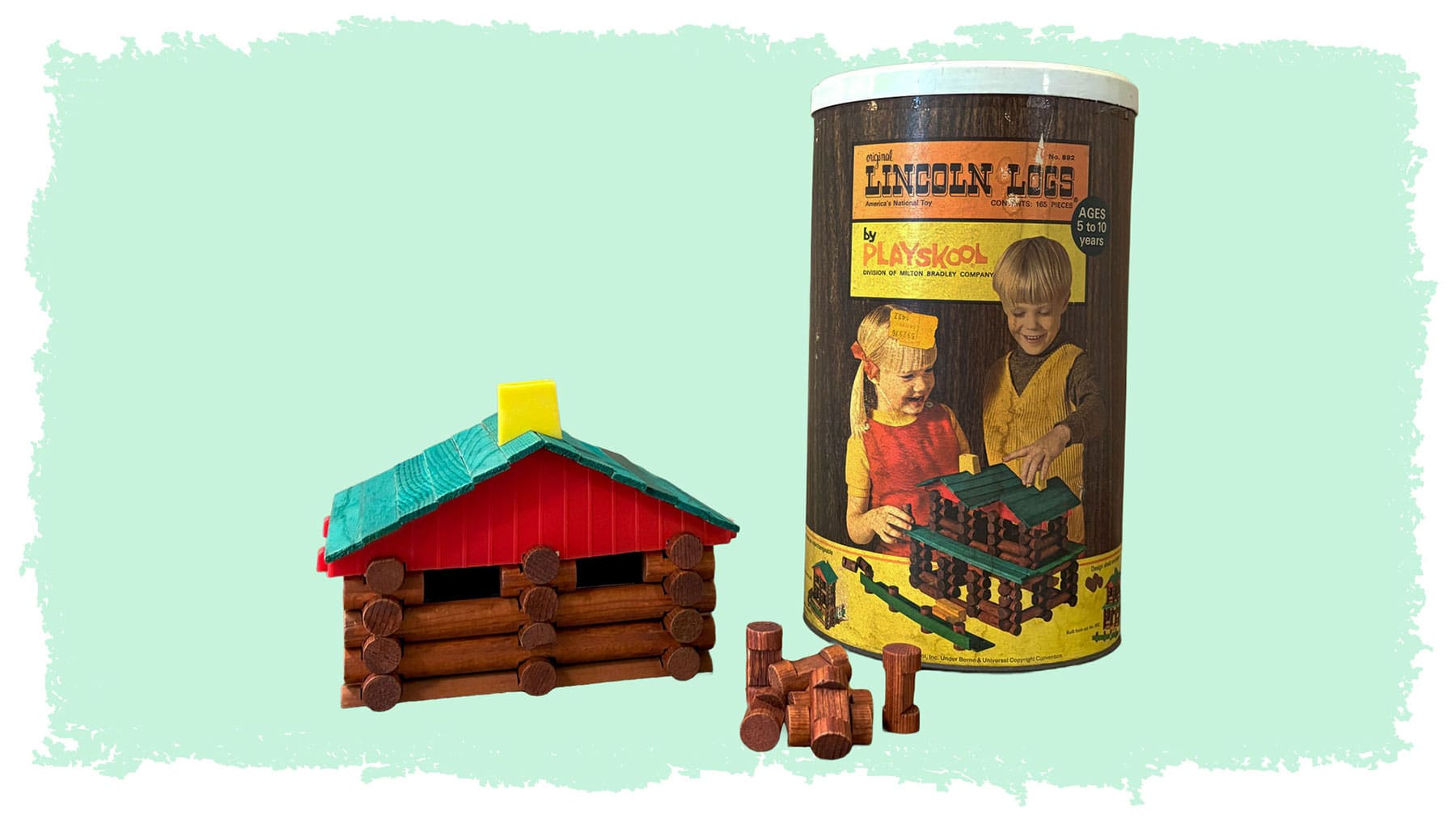
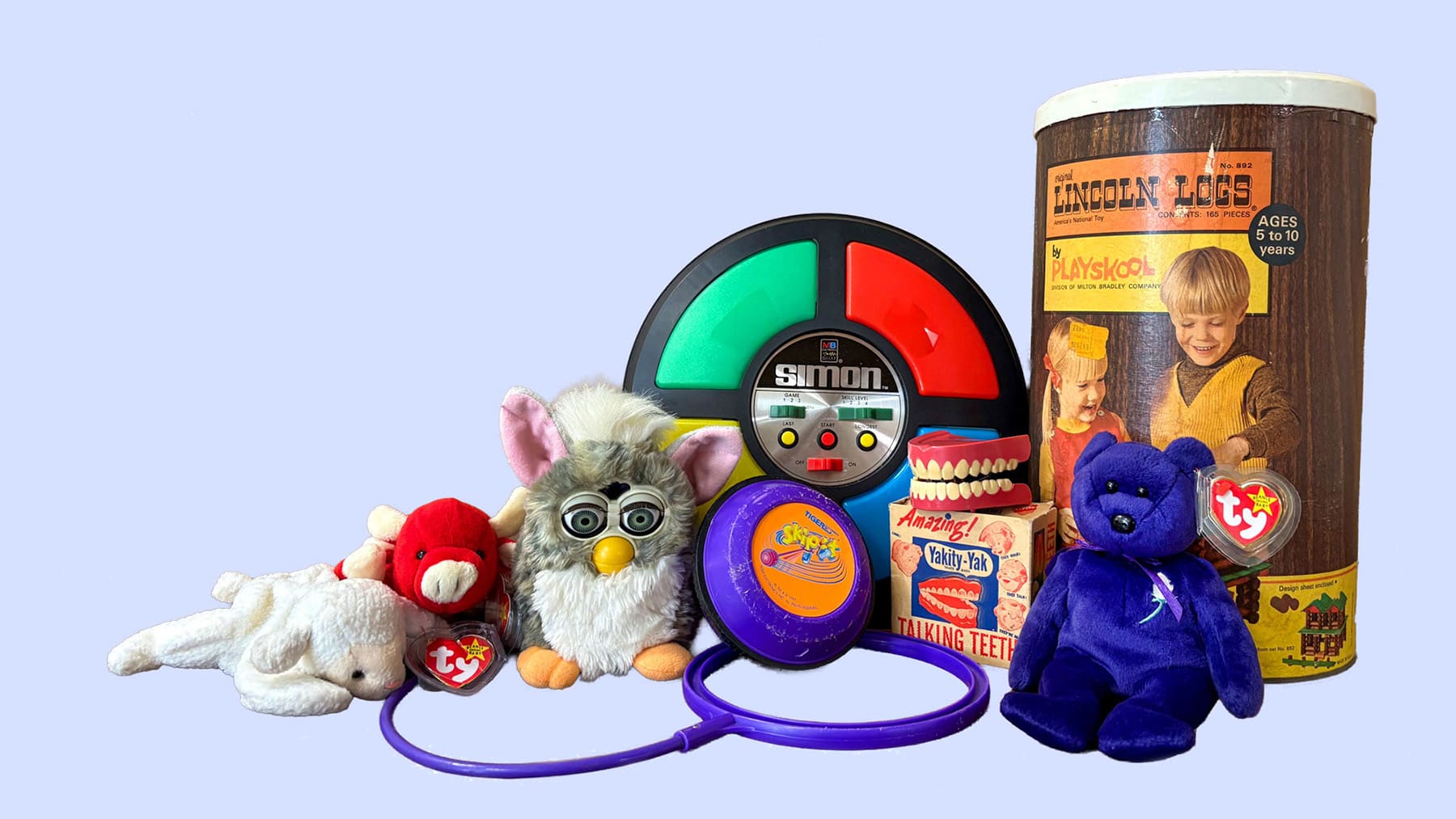
Another iconic construction toy was also born in the land of Lincoln: Lincoln Logs. The toy came from the mind of John Lloyd Wright, the son of famous architect Frank Lloyd Wright. Though the father and son were estranged for a time following the elder Wright’s scandalous affair, John began working as a draftsman and worked as an apprentice while his father designed the Imperial Hotel in Tokyo. John found inspiration in the building’s interlocking beams, which were designed to help the structure withstand the area’s powerful earthquakes. But John’s apprenticeship, like the rekindled relationship with his father, didn’t last long. Frank fired John, who returned to Chicago where he began selling wooden toys, including a set of notched wooden logs that children could stack to build cabins and other structures. Named after President Abraham Lincoln, the original set, first marketed in 1918, came with instructions on how to recreate Lincoln’s boyhood Kentucky home. The toy was an immediate success. According to the Chicago Historical Society, Lincoln Logs were among the first toys to be advertised on television in the 1950s. Today, more than 100 million sets have been sold worldwide, making it one of the most enduring childhood toys ever made.
Radio Flyer Wagons
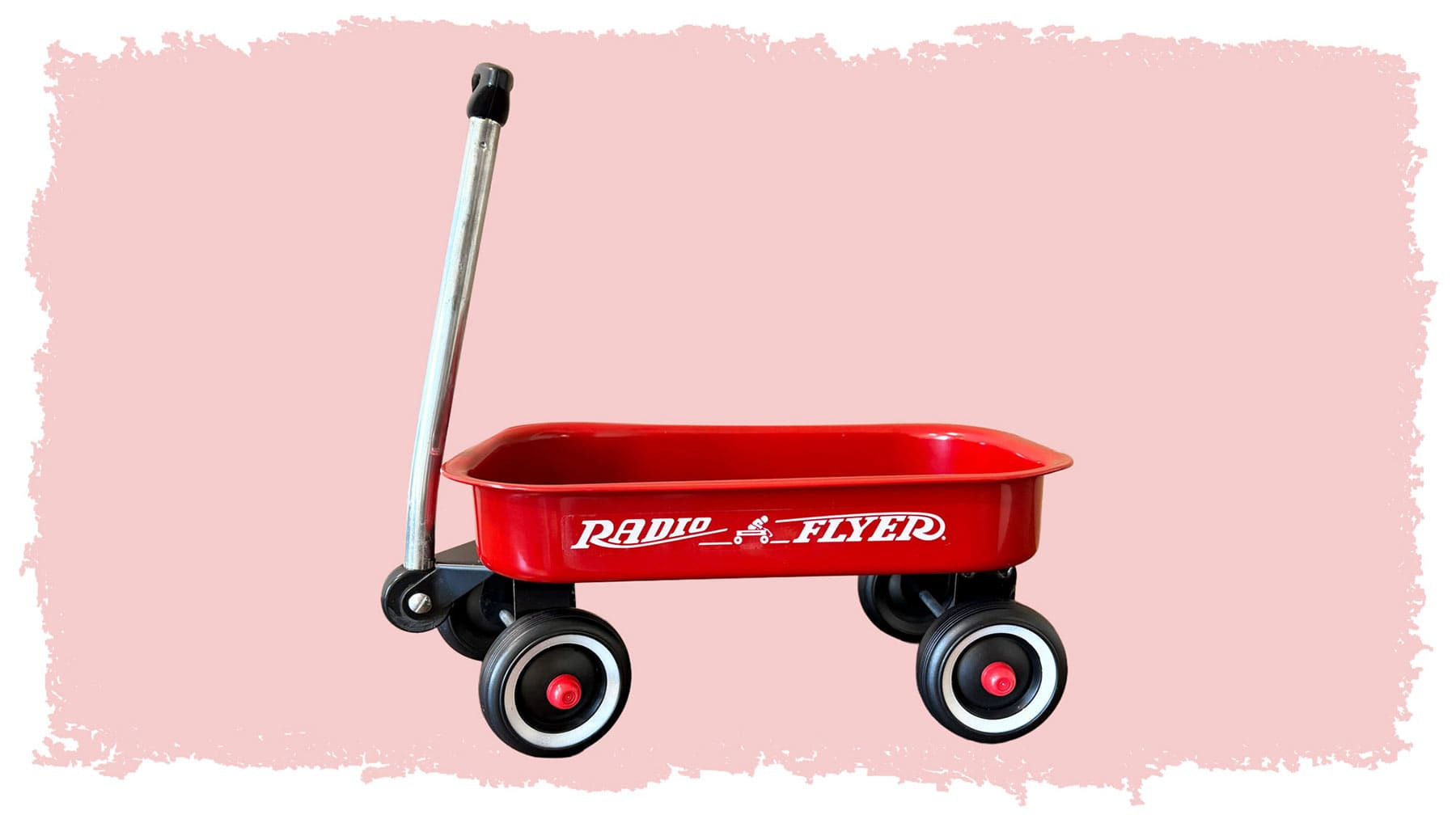
The little red wagon that has carried generations of children across backyards, parks, and sidewalks first got its start in Chicago. The company’s story began in 1914, when an Italian immigrant named Antonio Pasin began crafting wooden furniture, tricycles, and wagons in a West Side workshop. “They say necessity is the mother of invention, and the little red wagon is no exception to that rule,” Antonio’s grandson and current Radio Flyer CEO Robert Pasin told Chicago Stories. “The first wagon my grandpa made, he used to haul tools around in his workshop, but then people were asking him if he would make one for them and, even better, for their kids to play with.” Antonio called his first wagon the “Liberty Coaster,” an homage to the Statue of Liberty that greeted him in his new country. Sales grew, and he looked for ways to improve his production. While visiting a supplier, he was inspired by its steel-stamping equipment, so he purchased an old car factory and repurposed the equipment to create metal wagons, topping them with a coat of shiny red paint. It doubled his output, and the Radio Flyer was born. It was named for the two latest technological advances of the time – the radio and the airplane. “He loved the best parts of America, the fact that there was opportunity, the fact that you could use your creativity and hard work to build something amazing,” Robert said. The wagon received another boost after the 1933 Century of Progress World’s Fair, where Pasin built a 50-foot tall display with a giant wagon with a boy riding inside. After a century, the iconic red wagon still remains a symbol of childhood adventure.
Yakity-Yak Talking Teeth
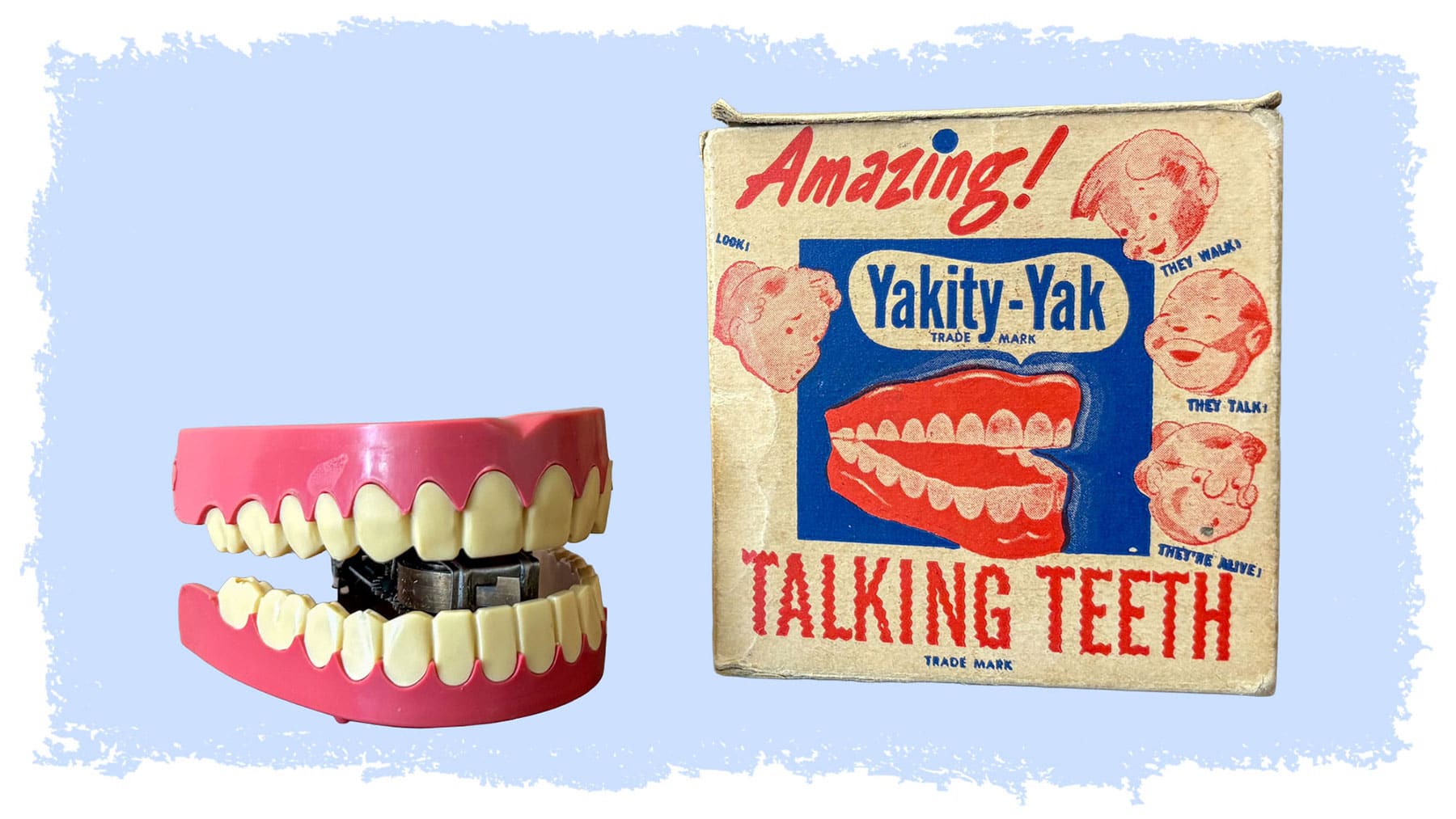
In the late 1940s following a series of business setbacks, a Chicago toy inventor named Marvin Glass turned a simple novelty into one of the most recognizable toys in the world. After a failed investment in Christmas tree ornaments left him with a mound of debt, Glass found relief when he partnered with an inventor named Eddy Goldfarb, who invented a set of wind-up, chattering teeth. The toy, sold as Yakity-Yak Talking Teeth, was an instant hit. Glass and Goldfarb sold the rights for a one-time payment of $2,500, missing out on the millions the toy would eventually earn. But the experience was a valuable lesson, and Glass went on to pioneer a licensing model that allowed inventors to profit from their ideas without assuming the risks of production.
Mr. Machine
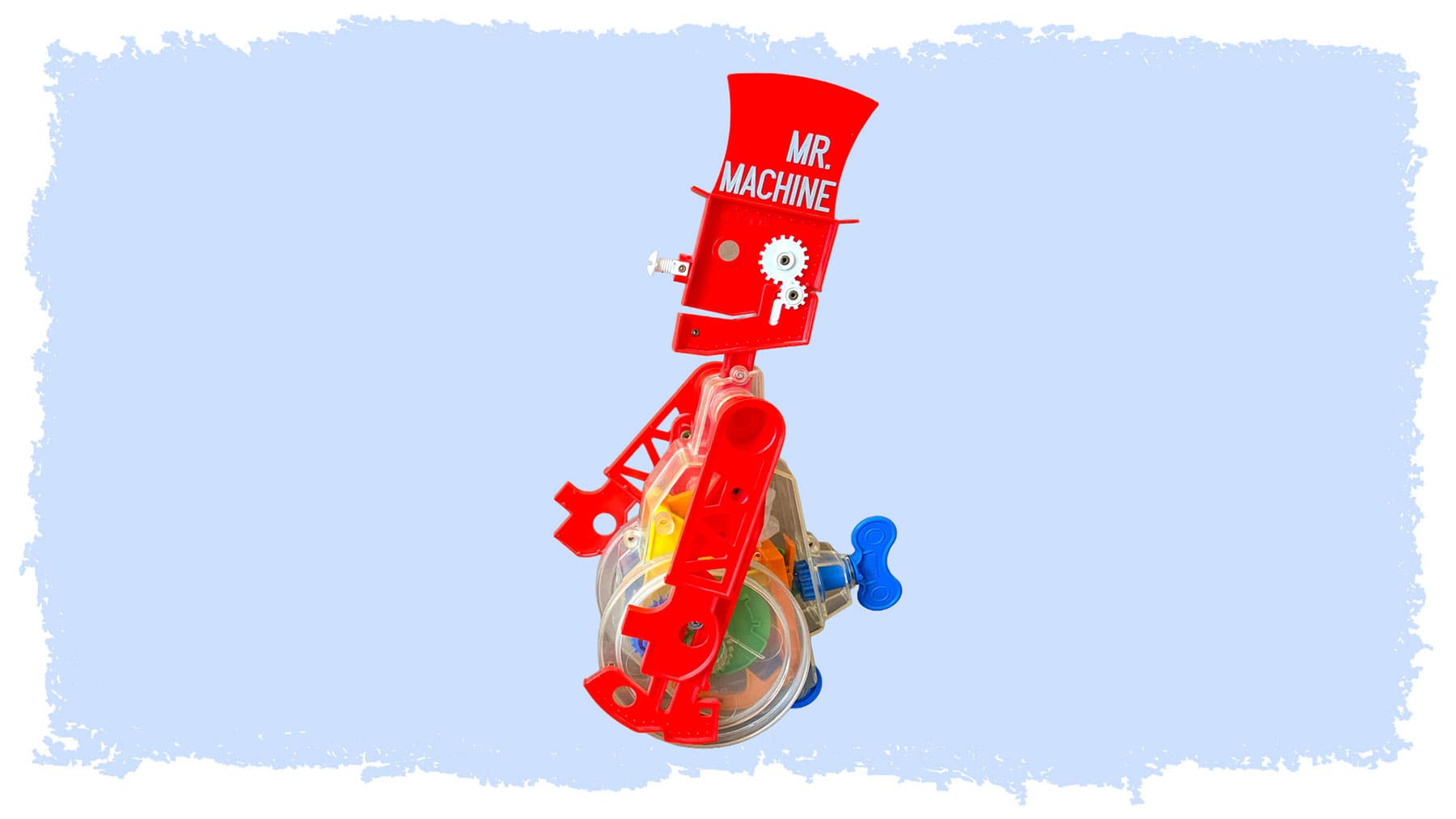
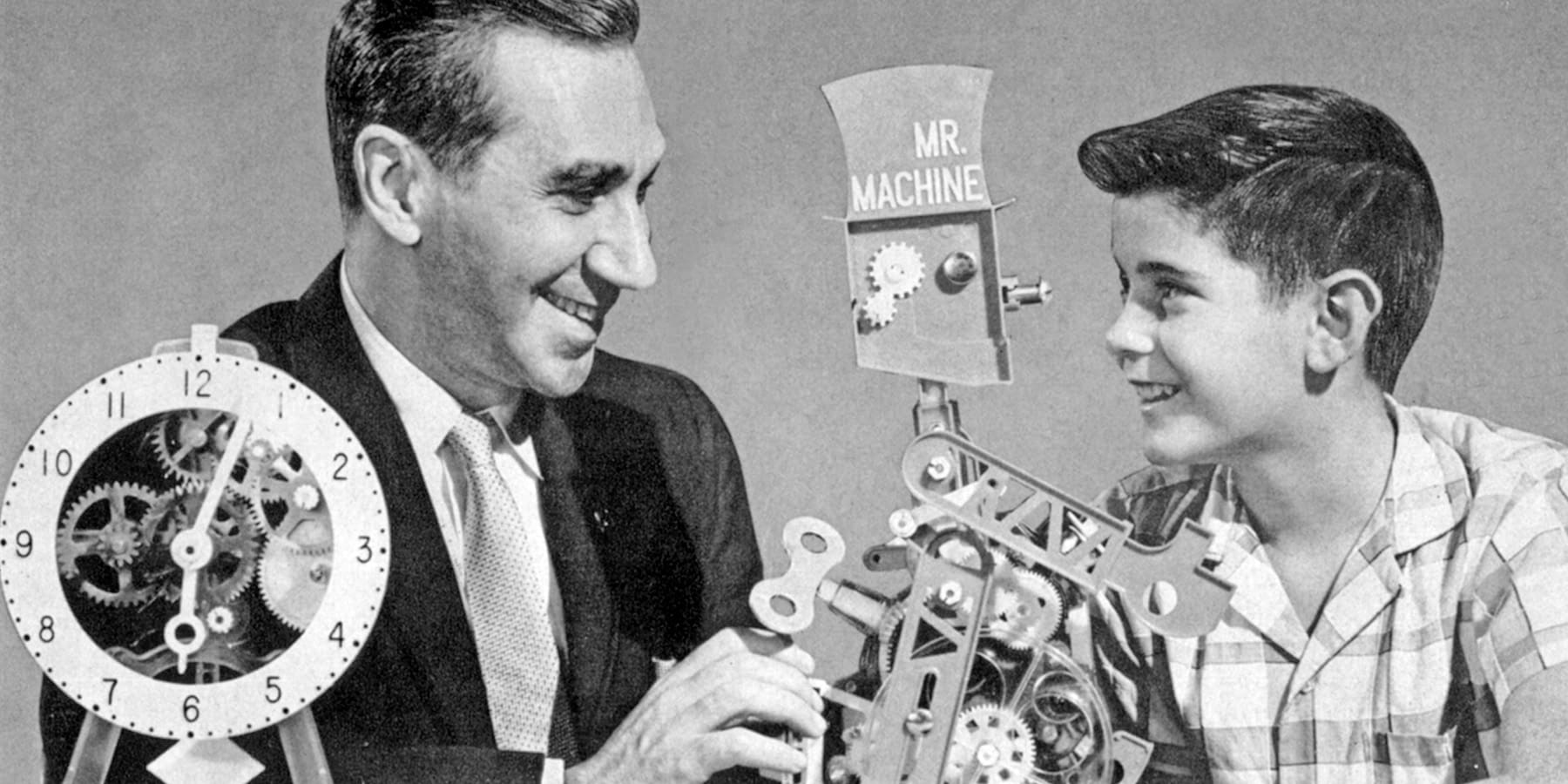
By the 1960s, the toy industry had grown into a $1.6 billion-per-year business, and Marvin Glass and his team at Marvin Glass and Associates were working to create the next big “must-have” toy. Their next hit came in 1960 in the shape of Mr. Machine, a brightly colored, wind-up robot whose transparent body revealed a maze of moving mechanisms. It was an instant sensation, generating $14 million in sales in two years. Ideal Toy Company manufactured the toy and struggled to keep up with demand. Mr. Machine cemented Glass and his toy design firm as a leader in the industry, and manufacturers began looking to Glass for the next big toy.
Mouse Trap
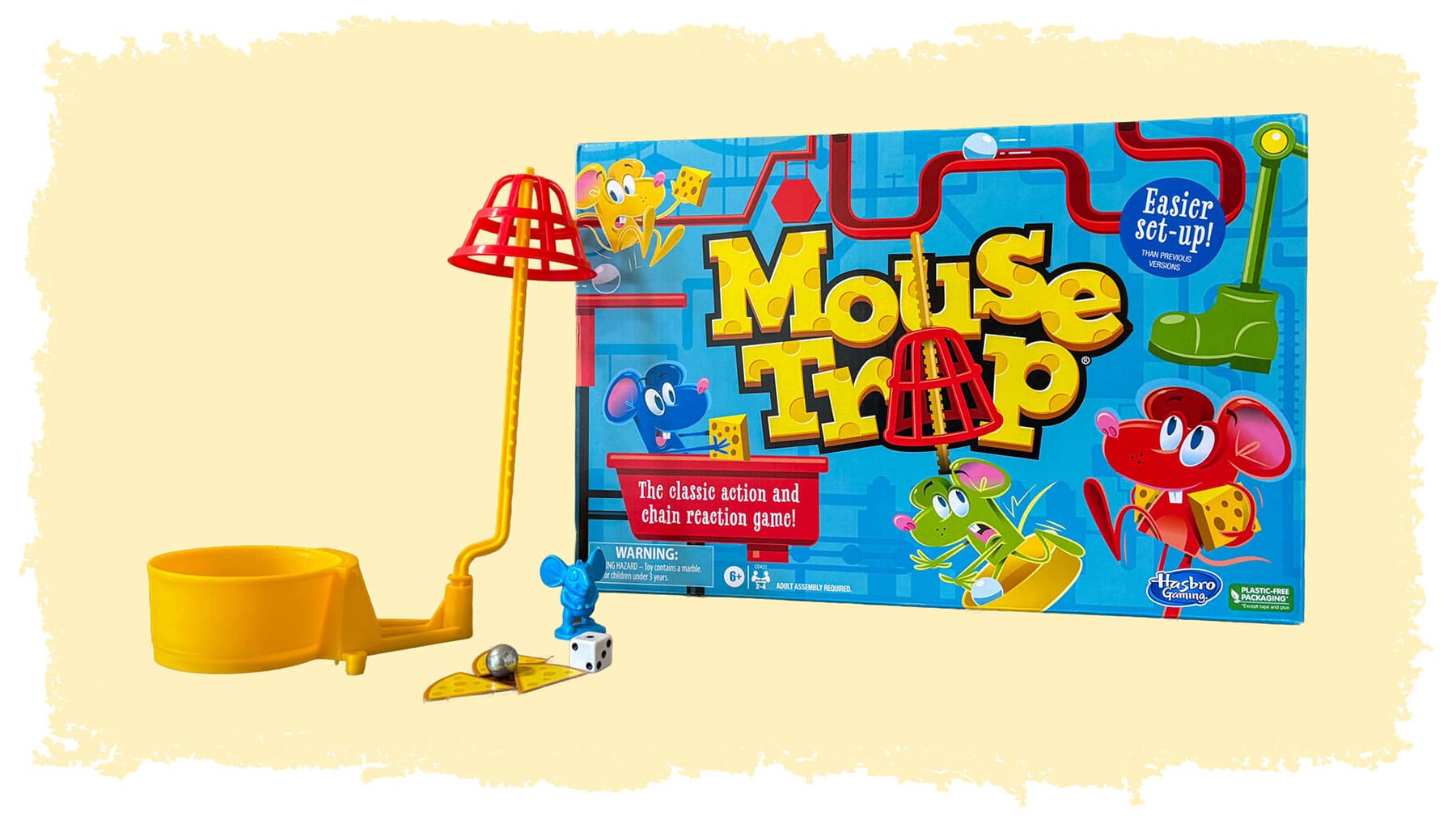
In 1960, a 22-year-old named Dalia Ancevicius Verbickas, fresh out of industrial design school, secured a job at Marvin Glass and Associates as the firm’s first-ever female inventor. One of her most notable projects was to help develop a 1963 board game called Mouse Trap – one of the first three-dimensional board games. It was inspired by the complex machines of cartoonist Rube Goldberg. In the game, players move their mice around the board to collect cheese while attempting to catch other players’ mice in a cage triggered by an elaborate chain reaction of levers, ramps, and other contraptions. “We had such a hysterical time because we were looking [for] what was funny,” Verbickas told Chicago Stories. “What can we put in this thing that’s funny? Oh, a bathtub is funny. A shoe kicking something is funny.” The game was a huge hit, selling 1.2 million units in its first year. Despite her contributions, Verbickas experienced the gender inequities common in that era, earning less than her male colleagues and sometimes being excluded from patents and bonuses, leading her to go into business on her own.
Rock ’Em Sock ’Em Robots
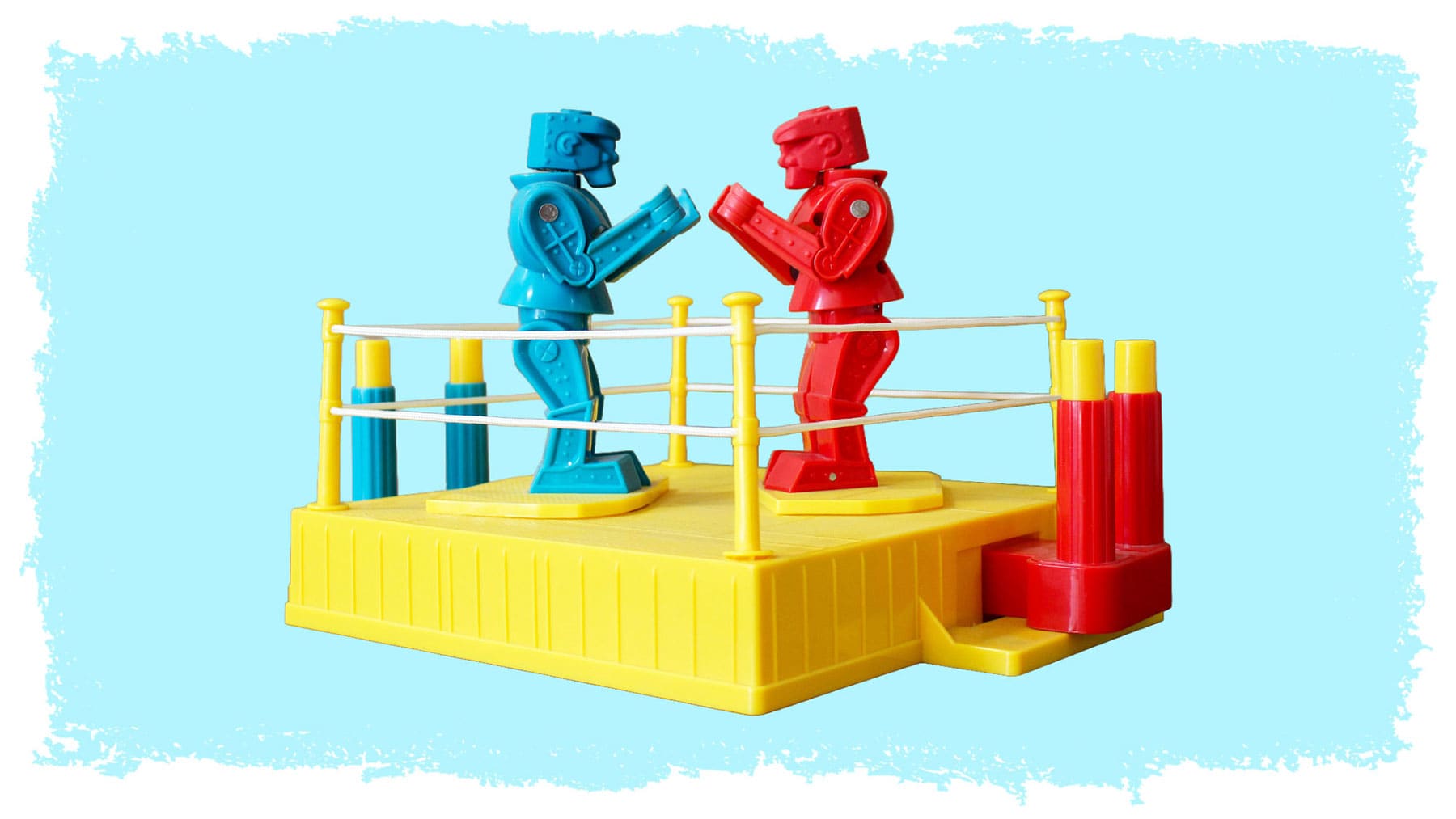
Marvin Glass and Associates had yet another hit on their hands with a two-player tabletop game called Rock ’Em Sock ’Em Robots. Players operated joysticks to simulate a boxing match between the red robot named Red Rocker and the blue robot named Blue Bomber. The objective of the game, which is still sold today, is to knock the head off the other robot. The game was “one of the most successful products that was ever produced at Glass and one of the benchmark toys in the toy industry,” toy inventor and historian Bill Paxton told Chicago Stories.
Operation
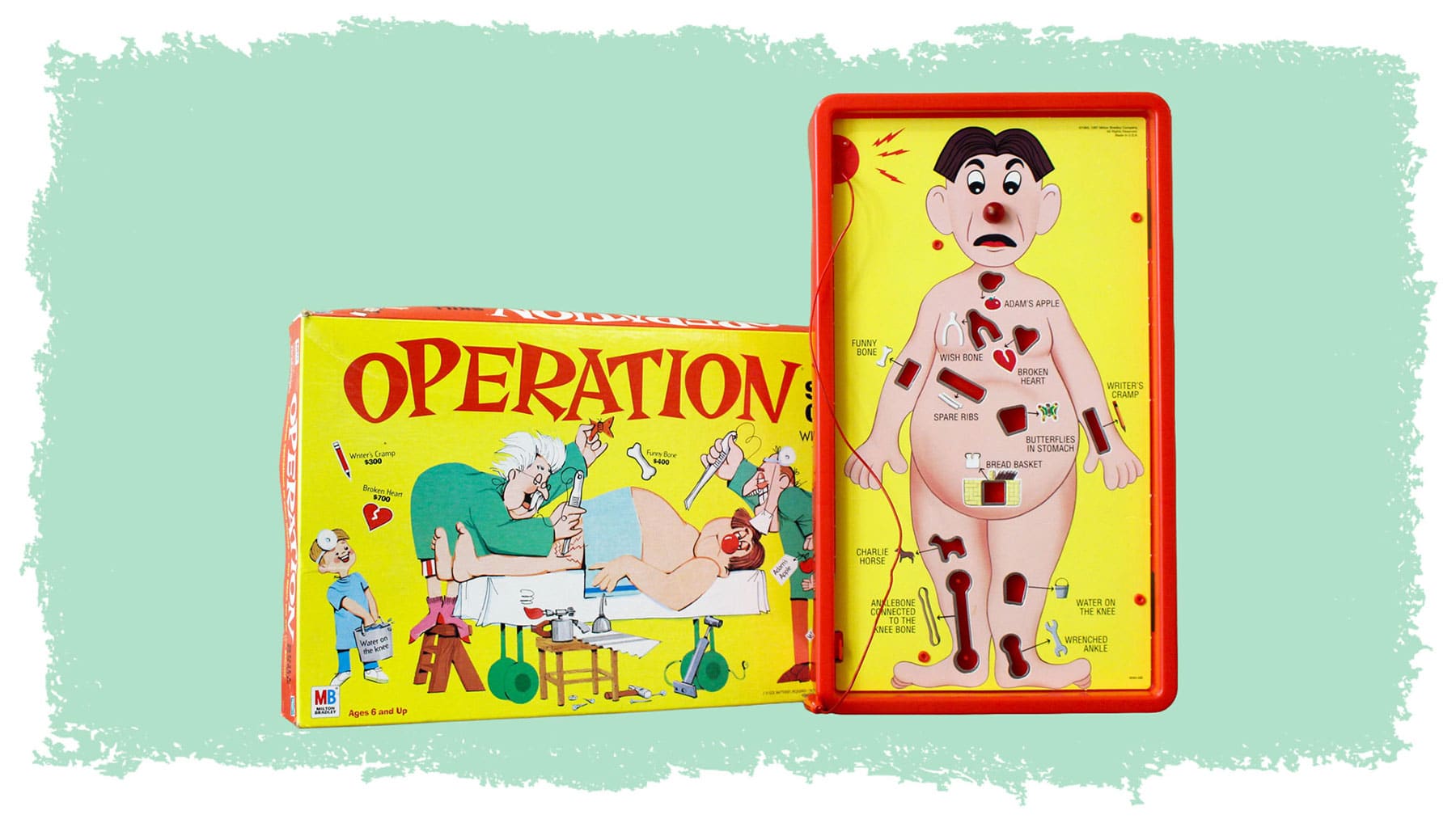
In 1964, an industrial student at the University of Illinois named John Spinello won the top prize in a toy design project. “The thing that came in first place was a little blue box with a buzzer and a battery and a little probe, and you stuck the probe in and if you touched the metal, it buzzed,” his former classmate and toy inventor Jeffrey Breslow told Chicago Stories. Spinello sold the box to Marvin Glass and Associates for $500. Glass then sold the box to manufacturer Milton Bradley, who took the box and made it the centerpiece of the now-iconic game, Operation.
Lite-Brite
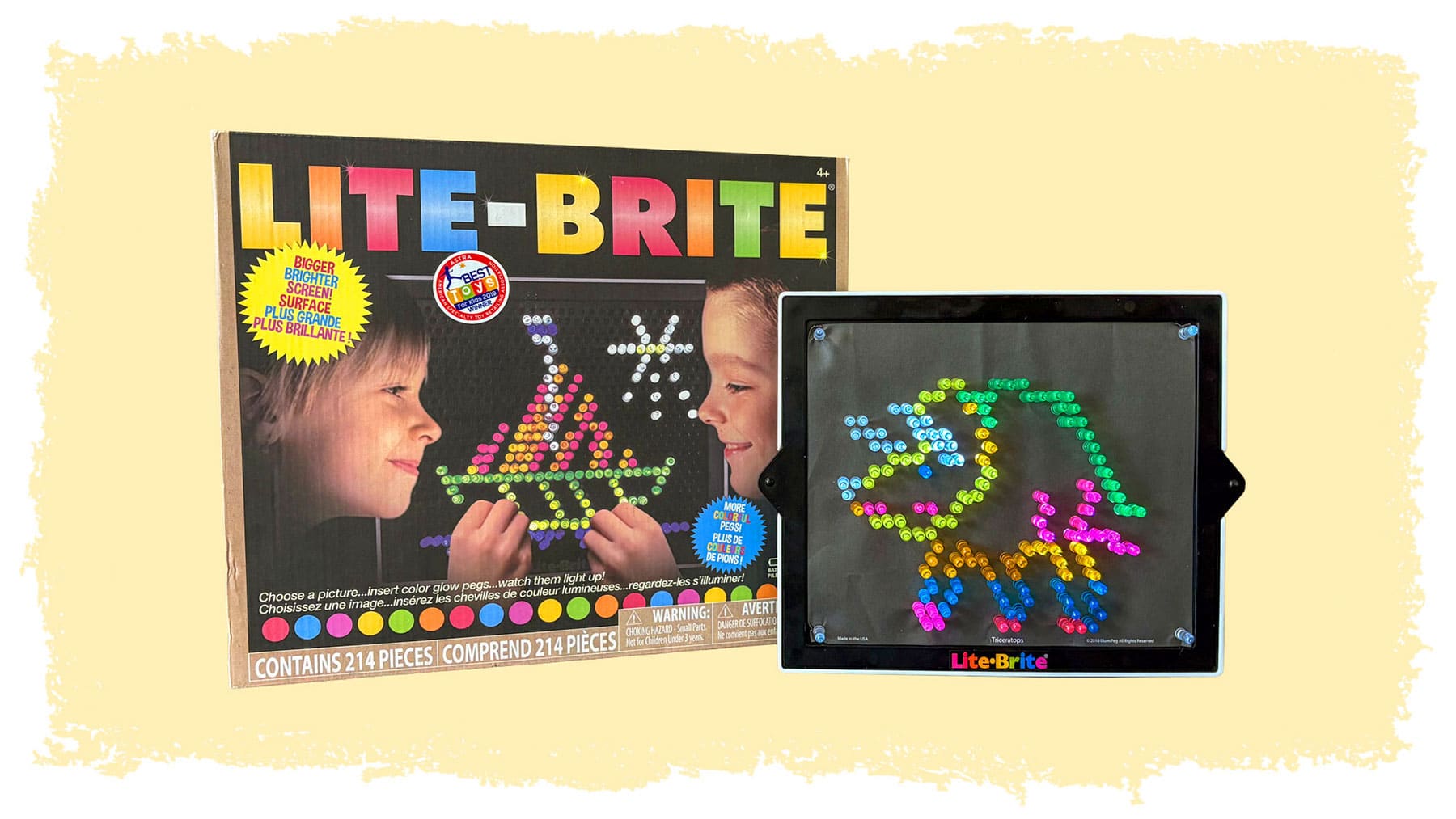
Marvin Glass and Associates were behind yet another classic toy: Lite-Brite. Using colorful pegs inserted into a backlit screen covered with black paper, the toy allowed children to use light and color to create all kinds of images or designs. First introduced in 1967, Lite-Brite became a hit and remains a nostalgic favorite.
Ants in the Pants
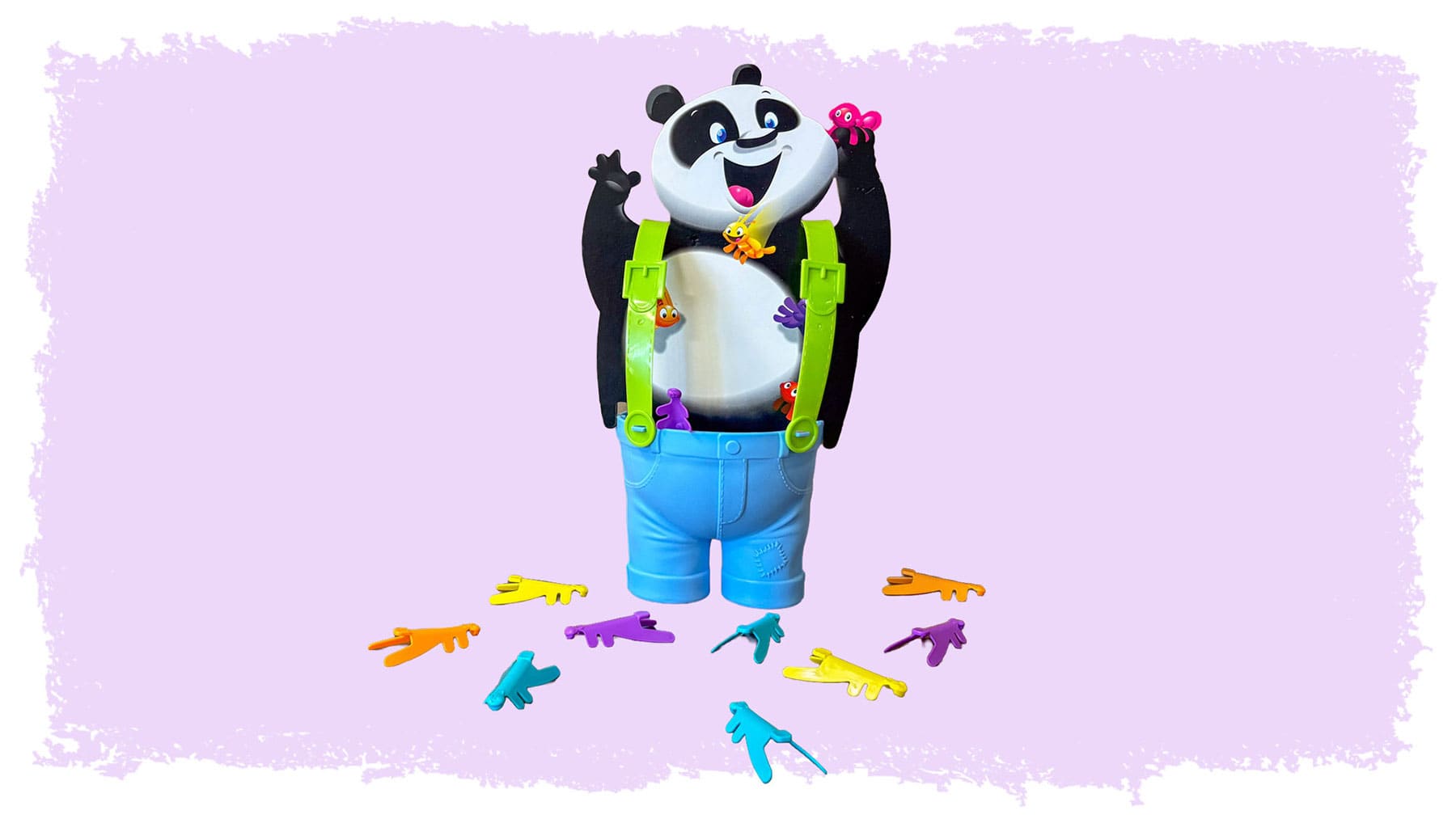
After his classmate John Spinello sold his buzzer that would be used for Operation to Marvin Glass, Jeffrey Breslow wanted to get a job with Marvin Glass and Associates. In 1967, Breslow’s dream came true, and he set about making another classic game. “I started by making a list of names and then sayings: ‘bird in the hand,’ ‘ants in the pants,’” Breslow told Chicago Stories. “I said, ‘OK, I’ve got to design a game that fits the name.’” The result, he said, was simple but fun: little plastic ants that players can launch into a pair of pants with a big pair of suspenders. Glass loved Breslow’s prototype and sold it to Schaper Toys. Hasbro still manufactures the game today.
Simon
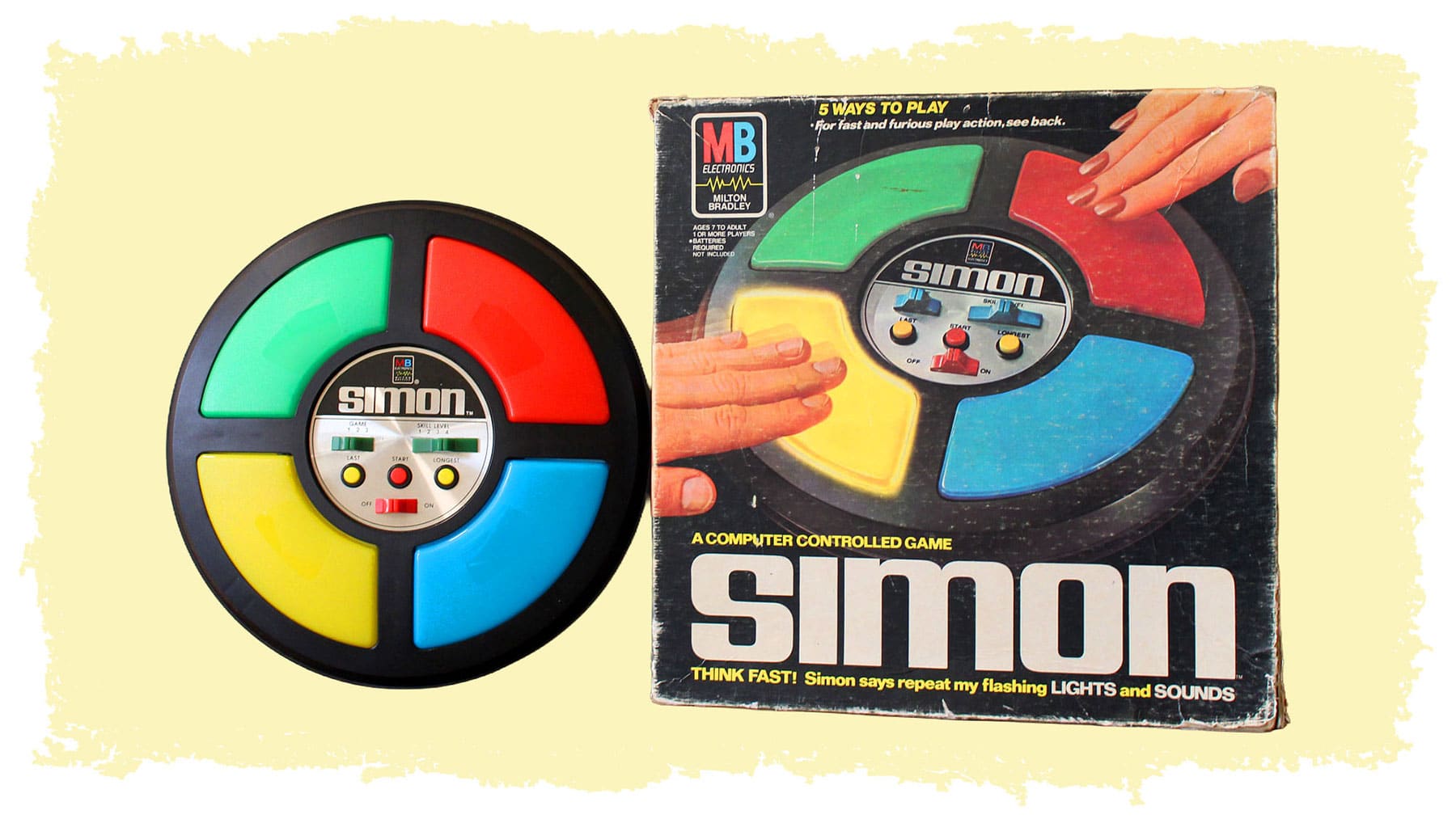
As Marvin Glass and Associates began to adapt in the 1970s following the death of its founder, Jeffrey Breslow took over as the firm’s managing partner and helped guide the company into a new era of toy invention. A partner named Howard Morrison pitched an idea for a new electronic memory toy based on the game Simon Says. The game, called Simon, featured a handheld device with four colored buttons that illuminated and played tones in a sequence that players then had to remember and repeat. Purchased by manufacturer Milton Bradley and launched with a glitzy party at Studio 54 in New York, the addictive game flew off the shelves. It was a hit and landed on the cover of Newsweek. “We never had another toy on the cover of Newsweek,” Breslow told Chicago Stories. “It was amazing.”
Skip It
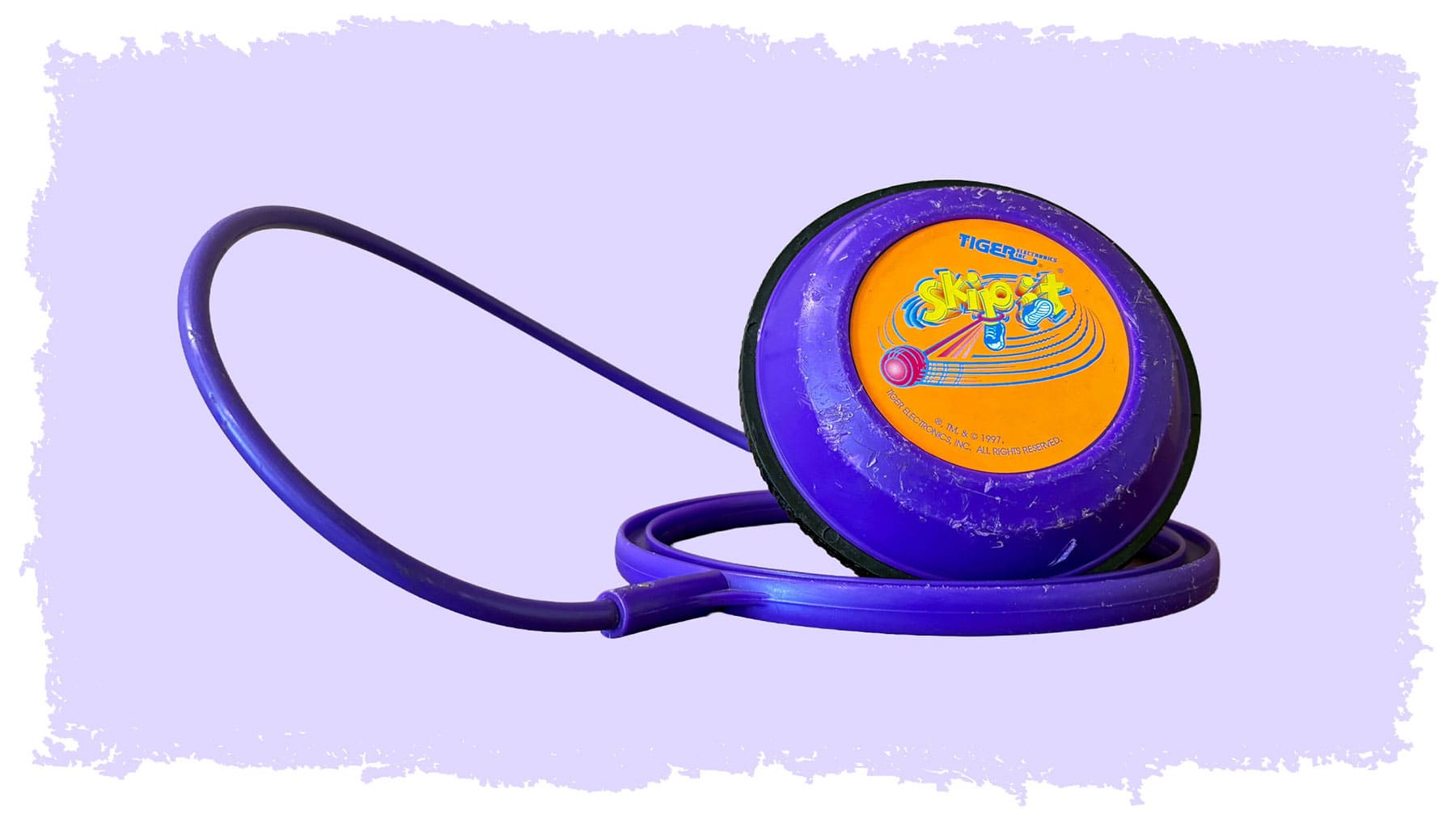
Over time, the designers that helped Marvin Glass and Associates become leaders in the toy industry disbanded, branching out to create their own companies. In Vernon Hills, a company founded in 1978 called Tiger Electronics was on the cutting edge. Their first big hit was a toy called Skip It. The toy consisted of a plastic circle that went around a child’s ankle, with a ball on the end of it. The ball had a built-in counter that tallied the number of revolutions it made as the child swung the ball around their ankle and skipped over it. “Everybody had a Skip It,” former Tiger Electronics employee Marc Rosenberg told Chicago Stories. Rosenberg said it was the first toy for Tiger that sold more than a million pieces.
Talkboy
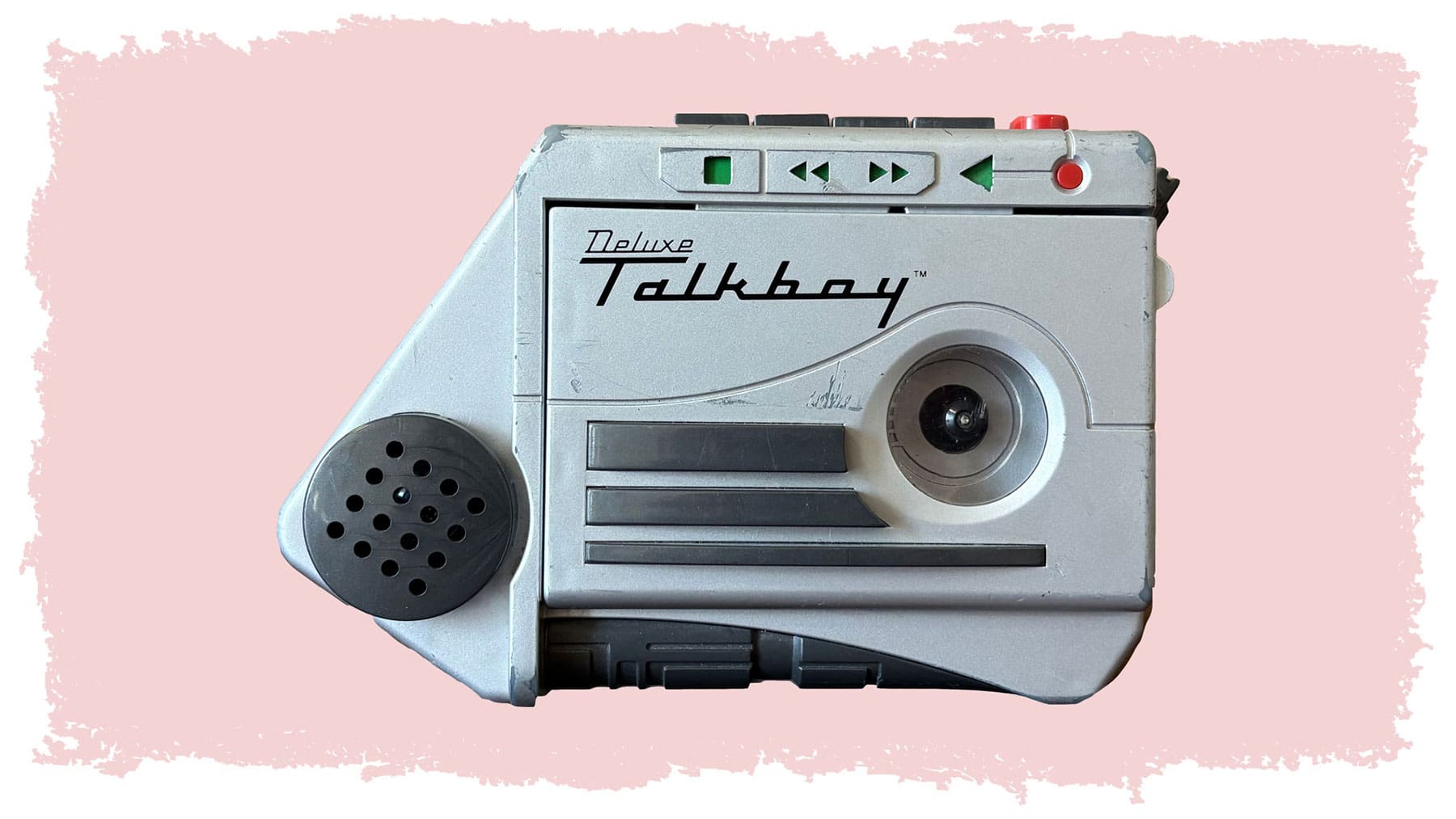
As Tiger Electronics’ reputation grew in the toy industry, its success drew the attention of popular filmmaker, John Hughes. According to Marc Rosenberg, Hughes called him up on a Friday afternoon to ask Tiger to create a toy that Macaulay Culkin’s character could use to get into the Plaza Hotel in the 1992 movie Home Alone 2: Lost in New York. “We started brainstorming, and within a couple hours, someone had the idea that Macaulay should actually change his voice to be his dad.” The team at Tiger went into overdrive, and within weeks they had a prototype for a voice-changing device called Talkboy. After the movie’s release, demand for the toy skyrocketed – and some humorous antics ensued since the original packaging featured a “try me” button. “I got a call from a news station that said, ‘We heard that Talkboy comes packed with obscenities,’” Rosenberg recalled. “It turned out that people would go into the toy store and they would record their messages and leave it on the shelf. So we ended up putting it in a sealed box.”
Furby
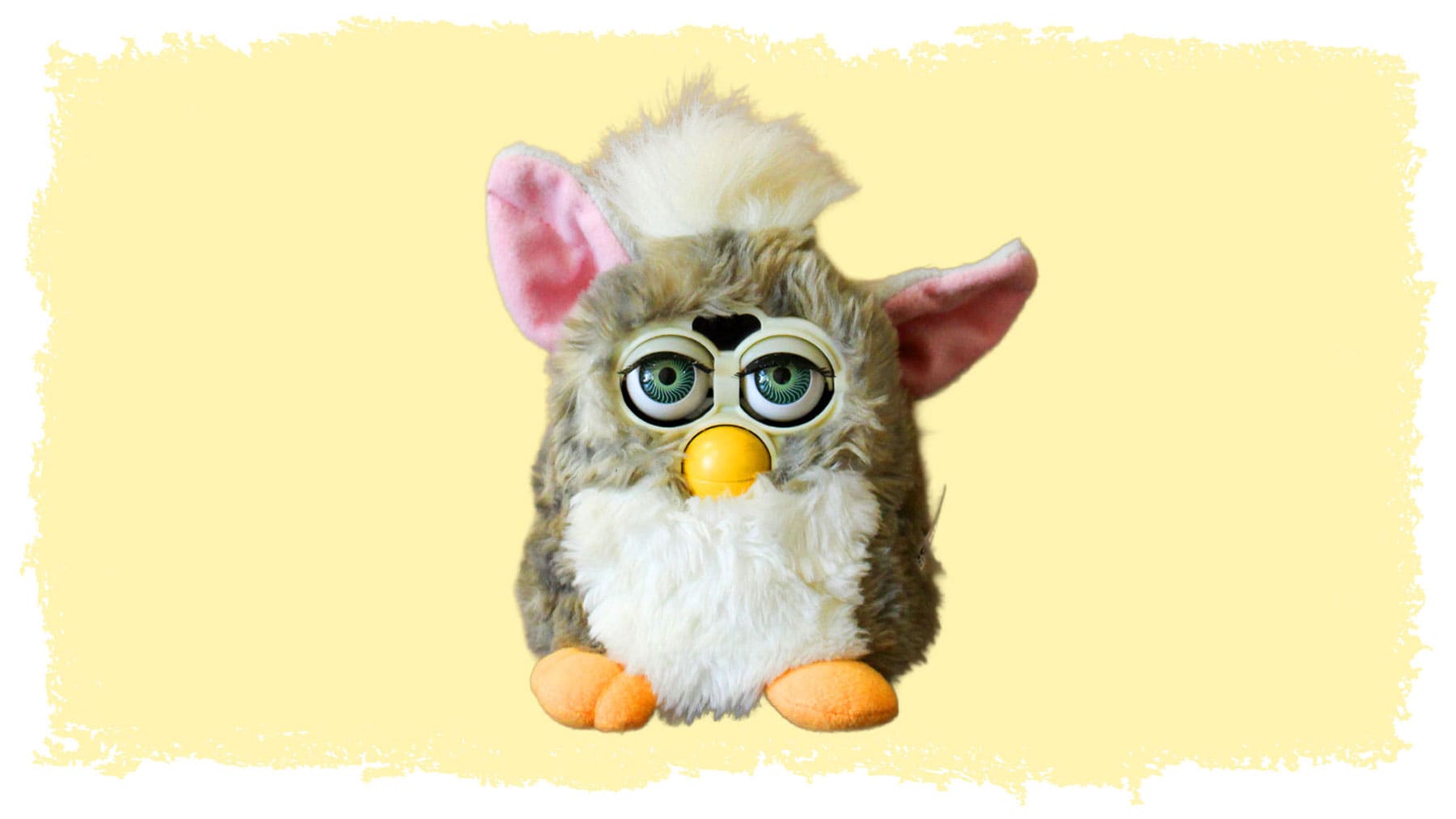
In 1998, toy manufacturer Hasbro bought Tiger Electronics for $335 million. But the Tiger name stuck for several years, including during the launch of a popular interactive robot pet called the Furby. The little creatures could speak in simple syllables, laugh, blow raspberries, and make other less polite bodily noises. “It really was a new way to play,” Rosenberg said. “The idea was you would nurture them, and you would feed them, and they would do everything that a pet does.” It was the hit toy of Christmas in 1998, and Hasbro continues to produce newer models, with the most recent iteration released in 2023.
Beanie Babies
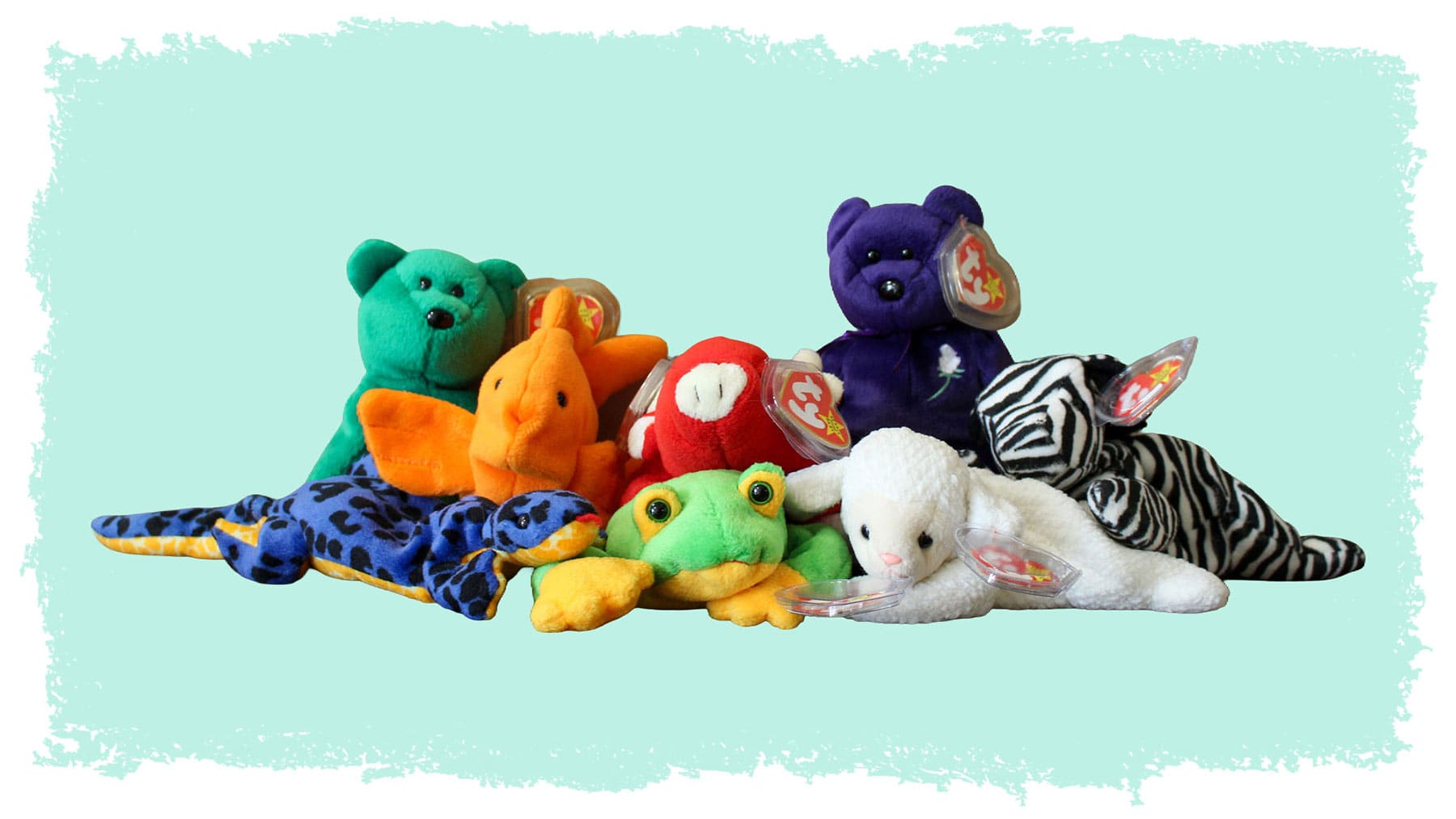
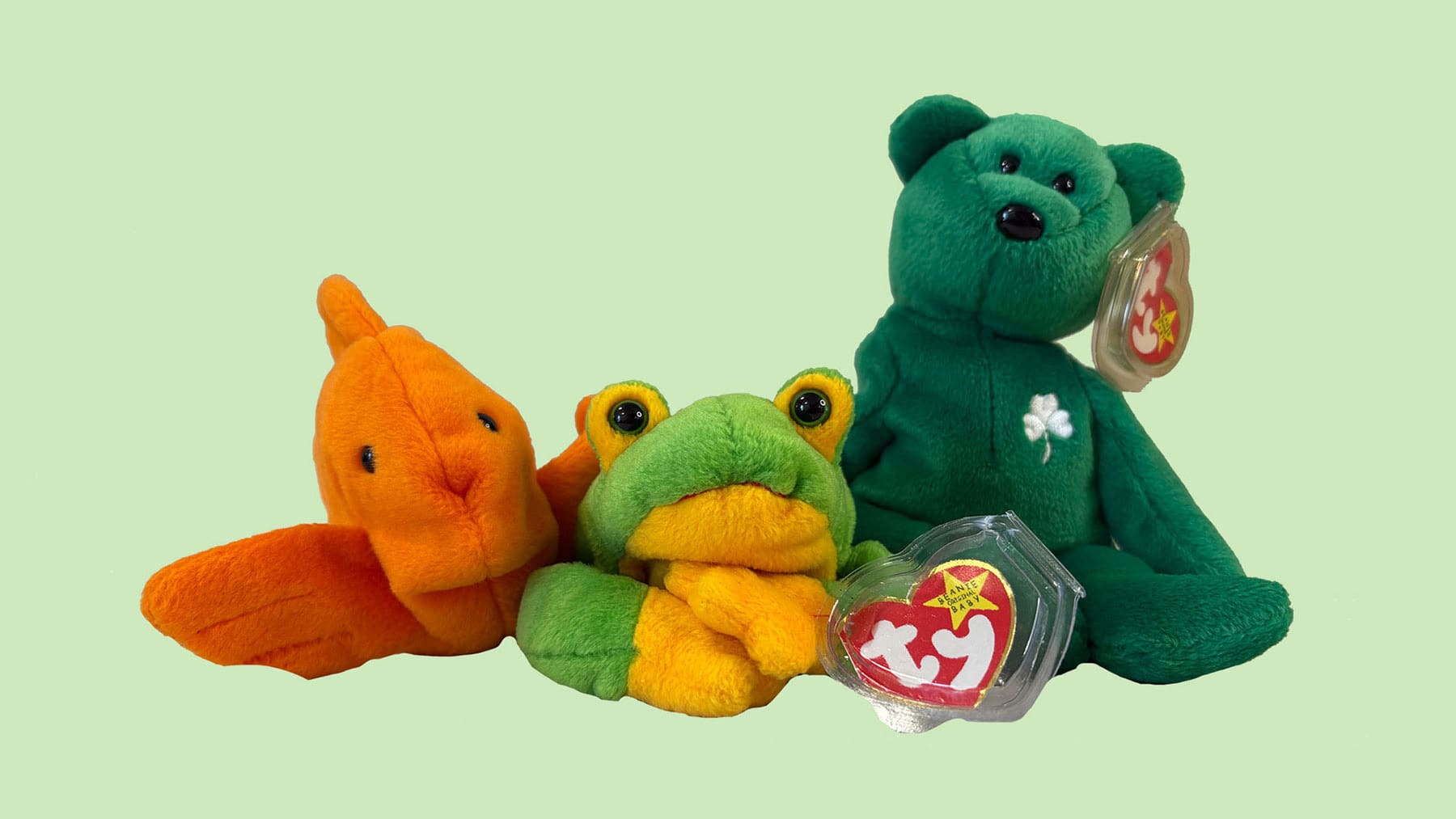
One of the biggest toy crazes of all time has its origin story in Chicago. It all began with a Chicago-born man named Ty Warner, who had dropped out of college and struggled to become an actor in Los Angeles. He returned to Chicago and began selling stuffed animals for Dakin, but was fired for selling his own designs on the side. In 1986, he put his life savings into creating Ty Inc., selling a line of plush cats. Then in 1993, Warner launched a new product called Beanie Babies, which featured nine different miniature bean bag animals with shiny eyes and cute names like Patti the Platypus. A shrewd marketer, Warner sold his product only to mom-and-pop shops, creating the illusion of scarcity. He also began to “retire” certain animals, creating buying and resale frenzies. “People believed that they were rare, even though everyone had them and they were selling millions of them every year,” market analyst Ross Benes told Chicago Stories. Adding to the air of collectability were the Beanie Babies’ ear tags, which each included a simple poem and a birthday. By 1996, sales of the $5 toy reached a staggering $280 million. Some of the Beanie Babies, such as the commemorative Princess Diana purple bear, resold for thousands of dollars on the then-new online marketplace, eBay. Though those resale values did not stick with time, Ty Inc. became one of the biggest toy companies of all time, with revenue exceeding $1.4 billion in 1998.
Related