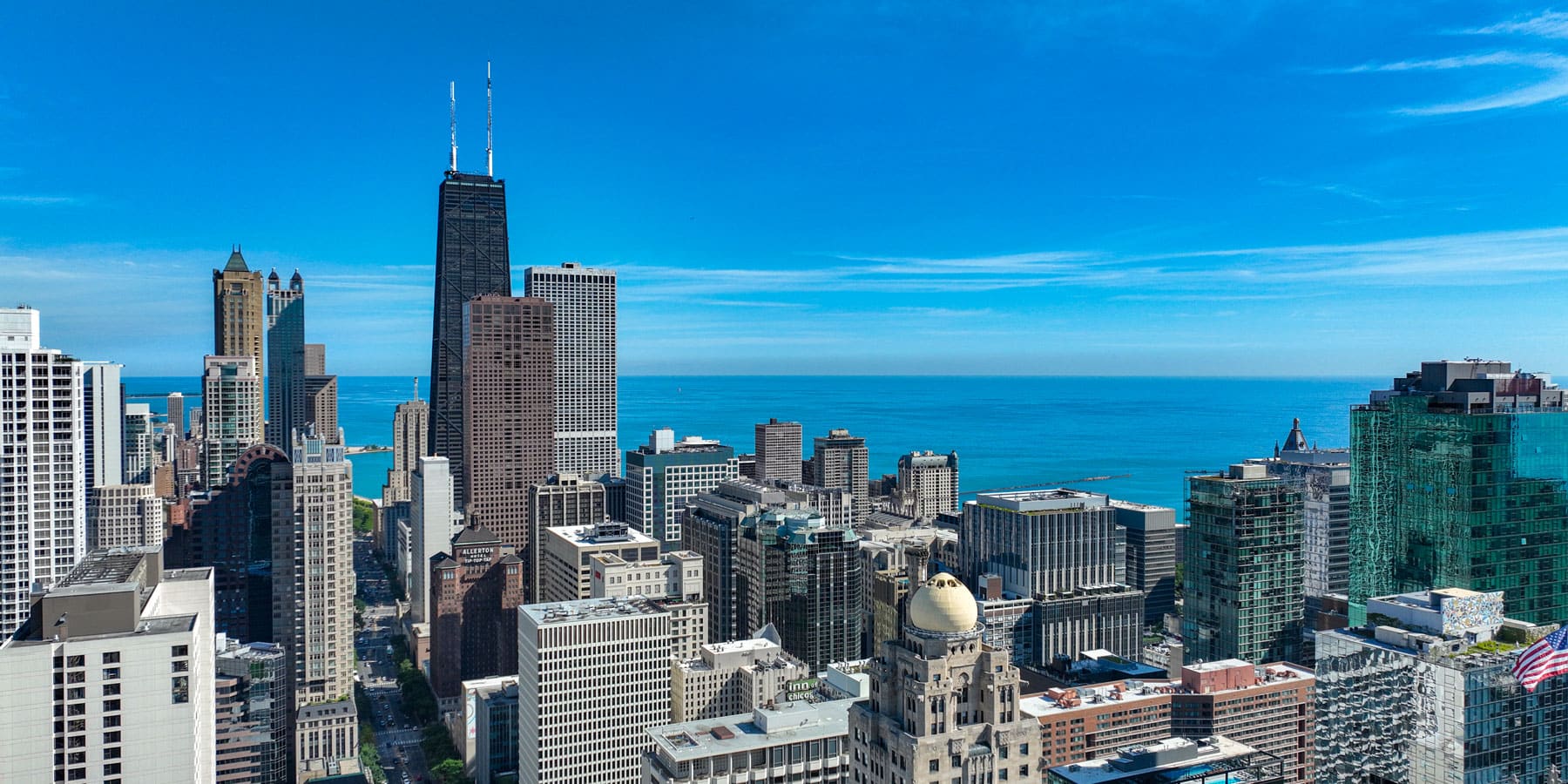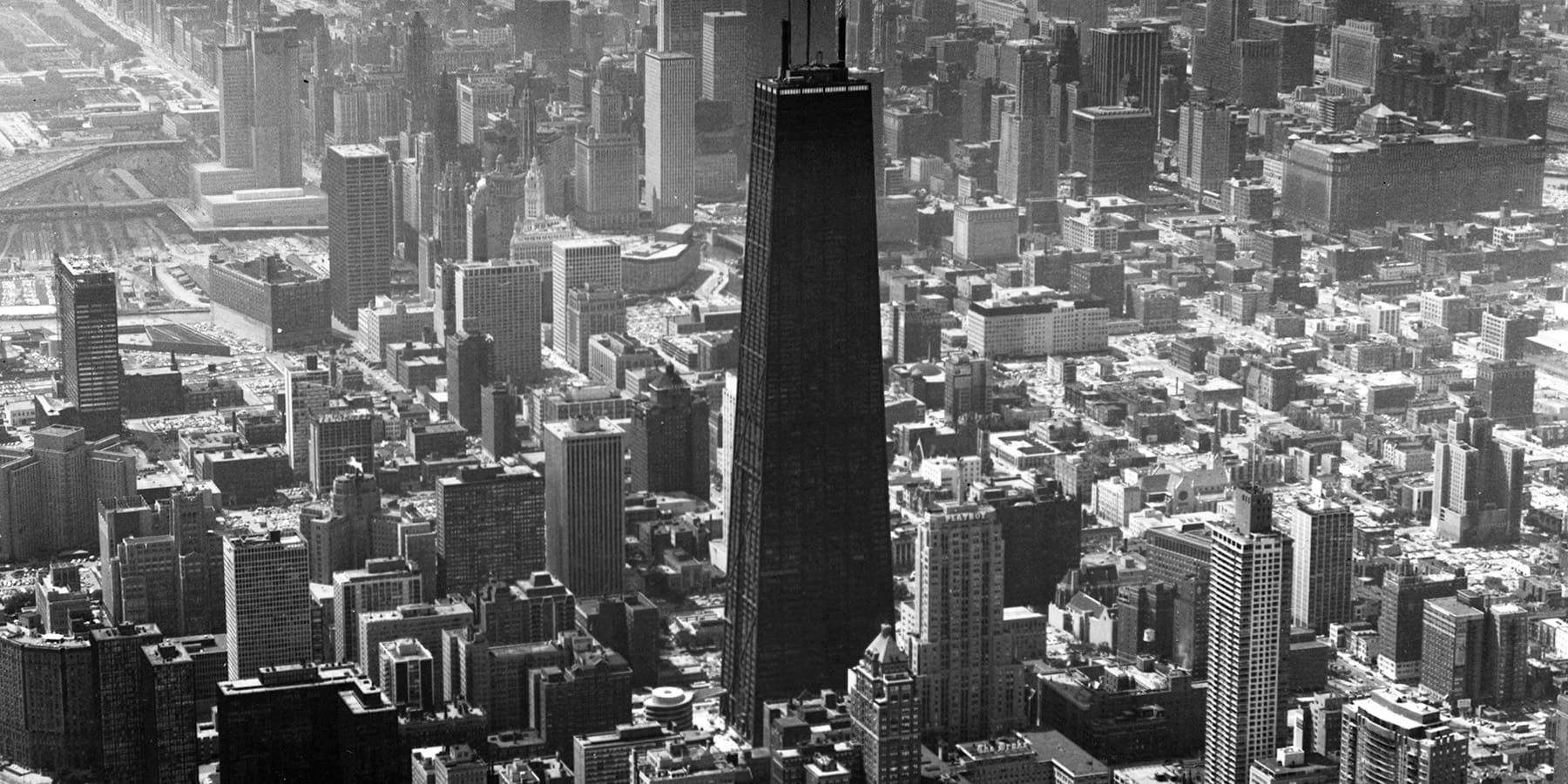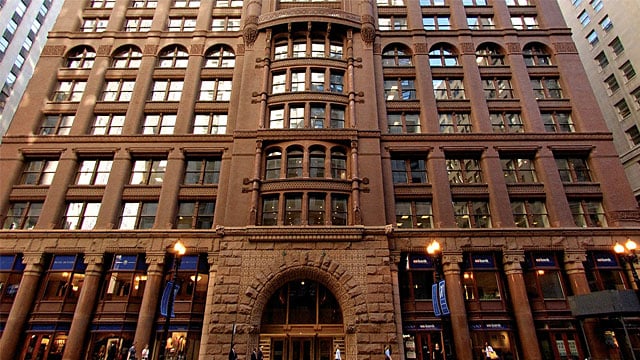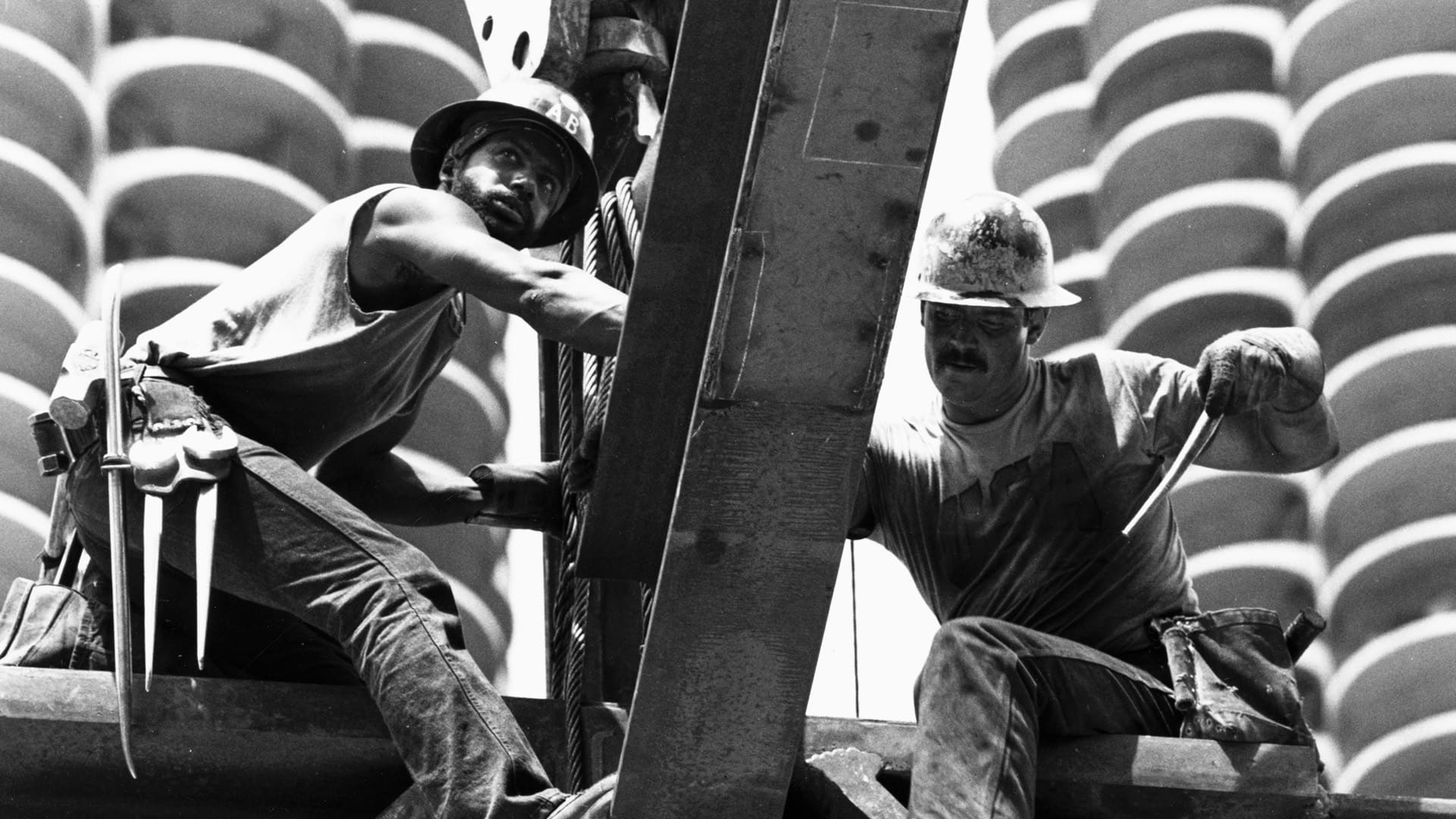

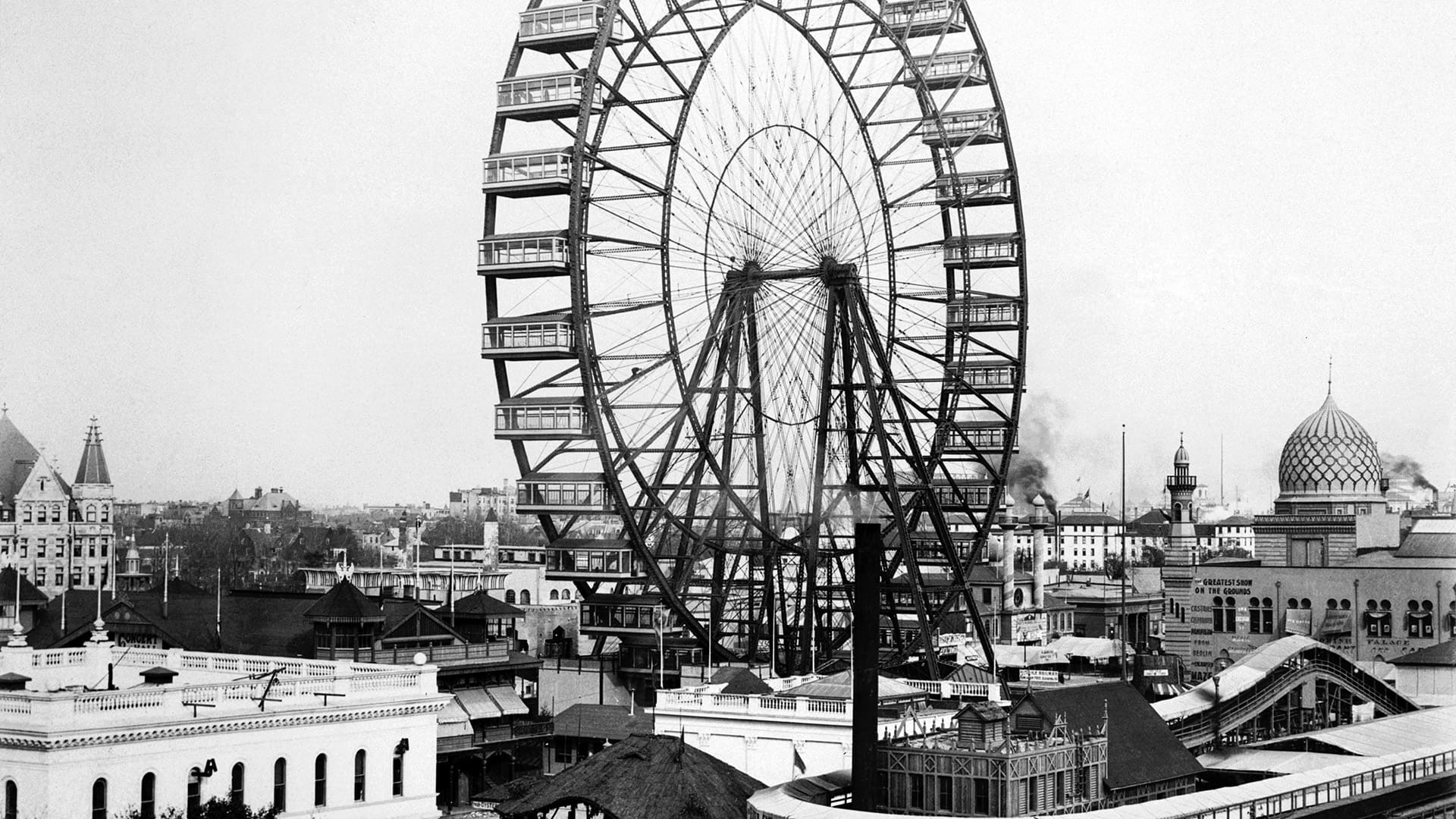
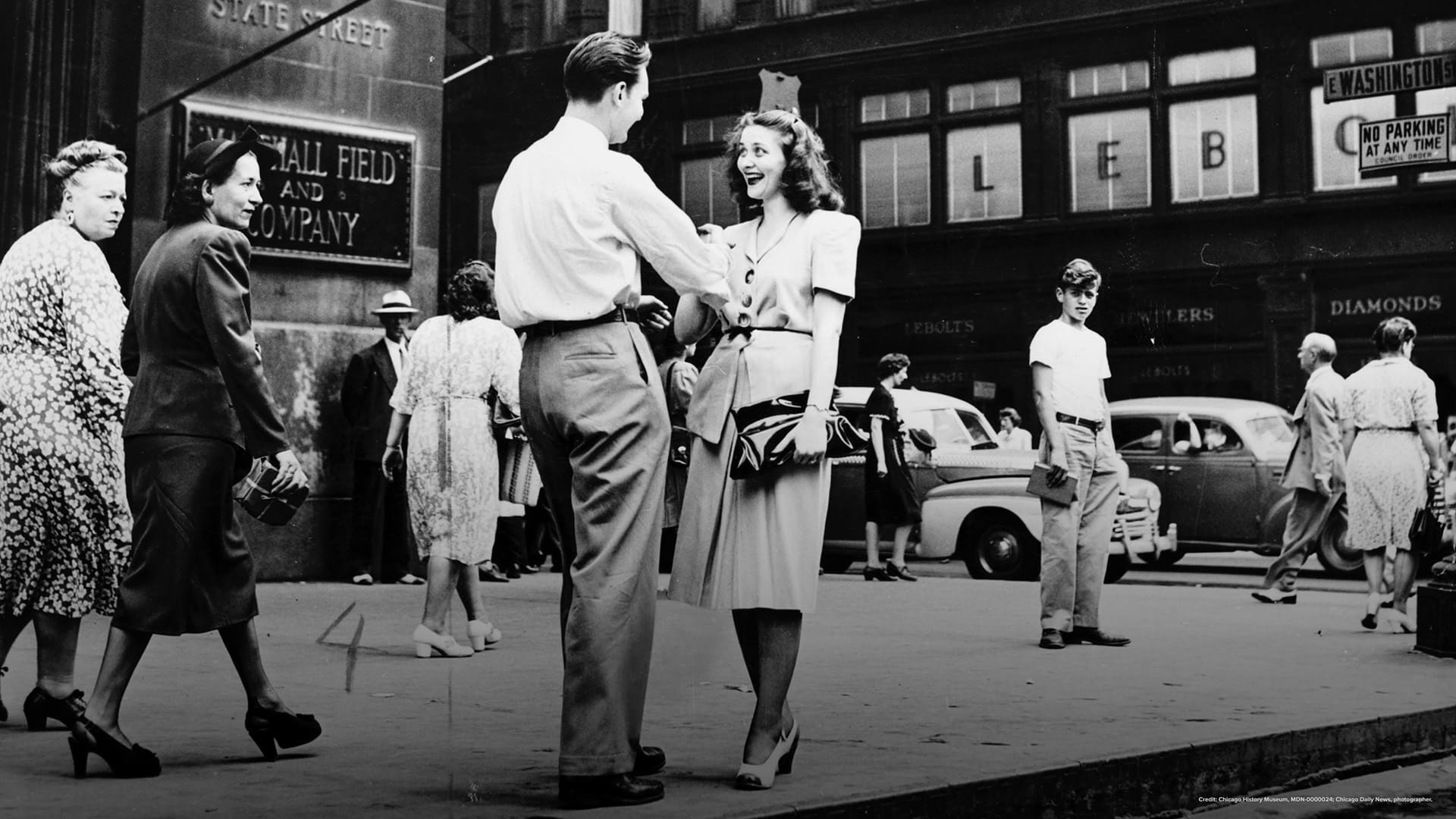















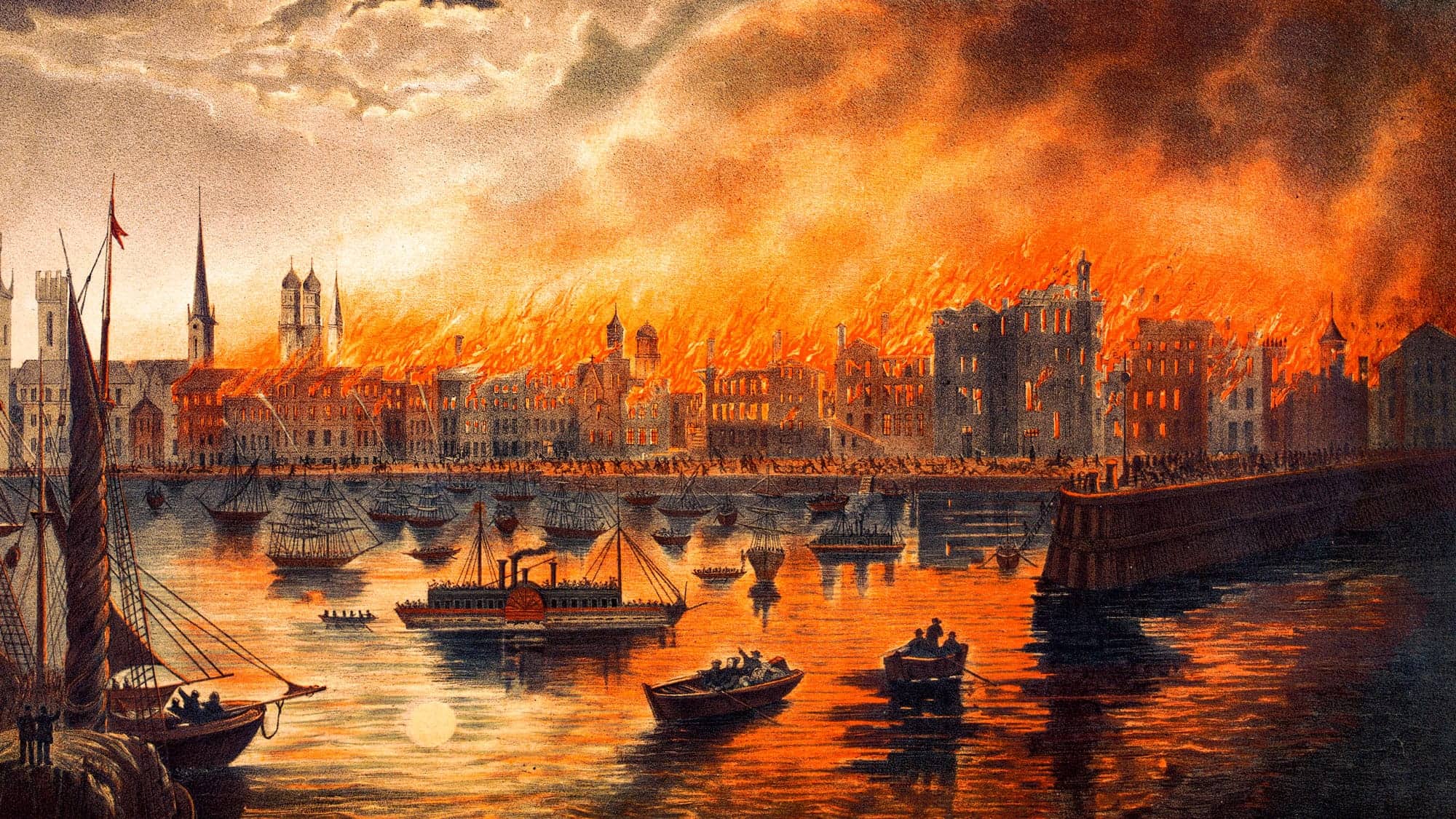

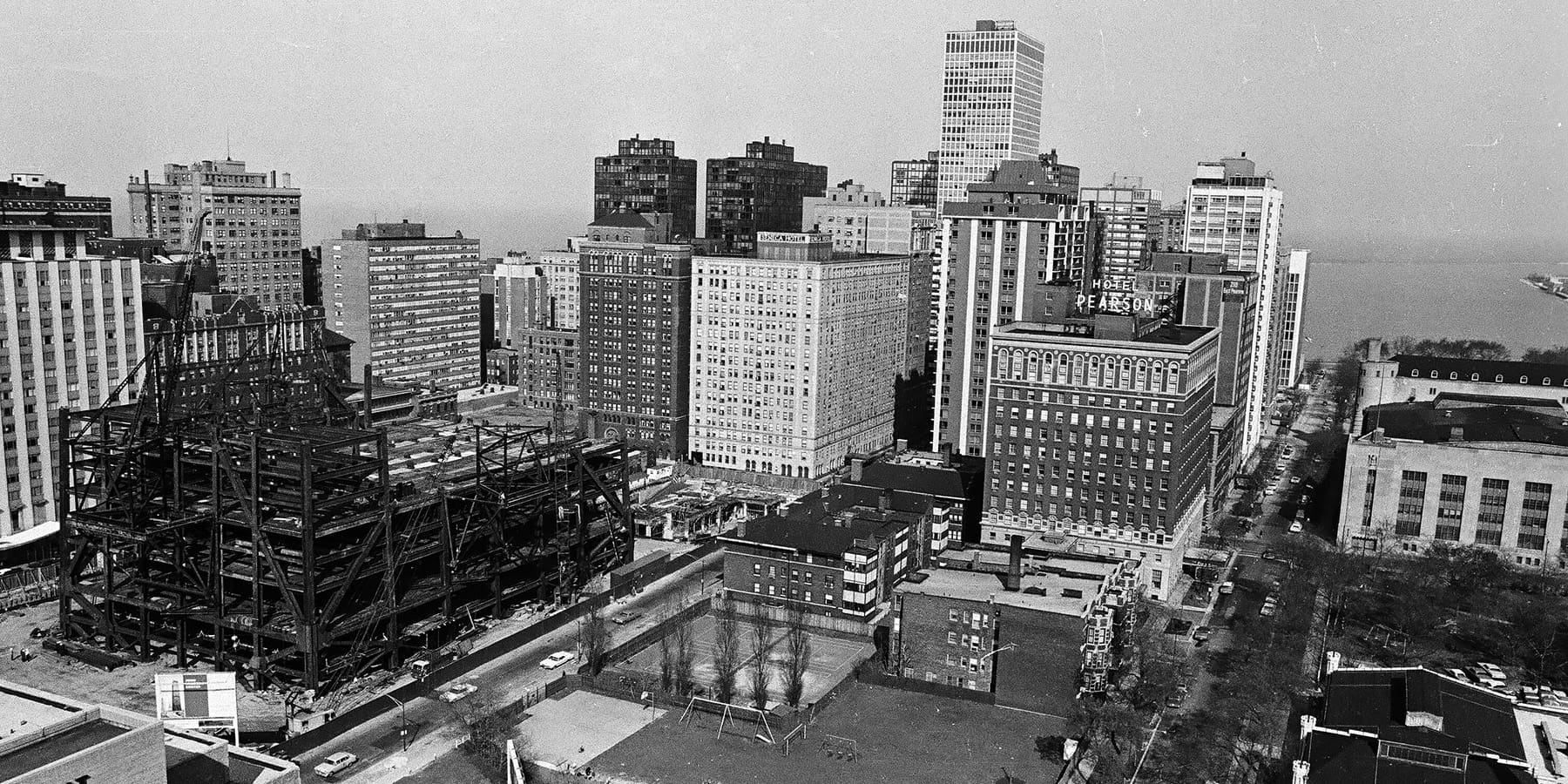
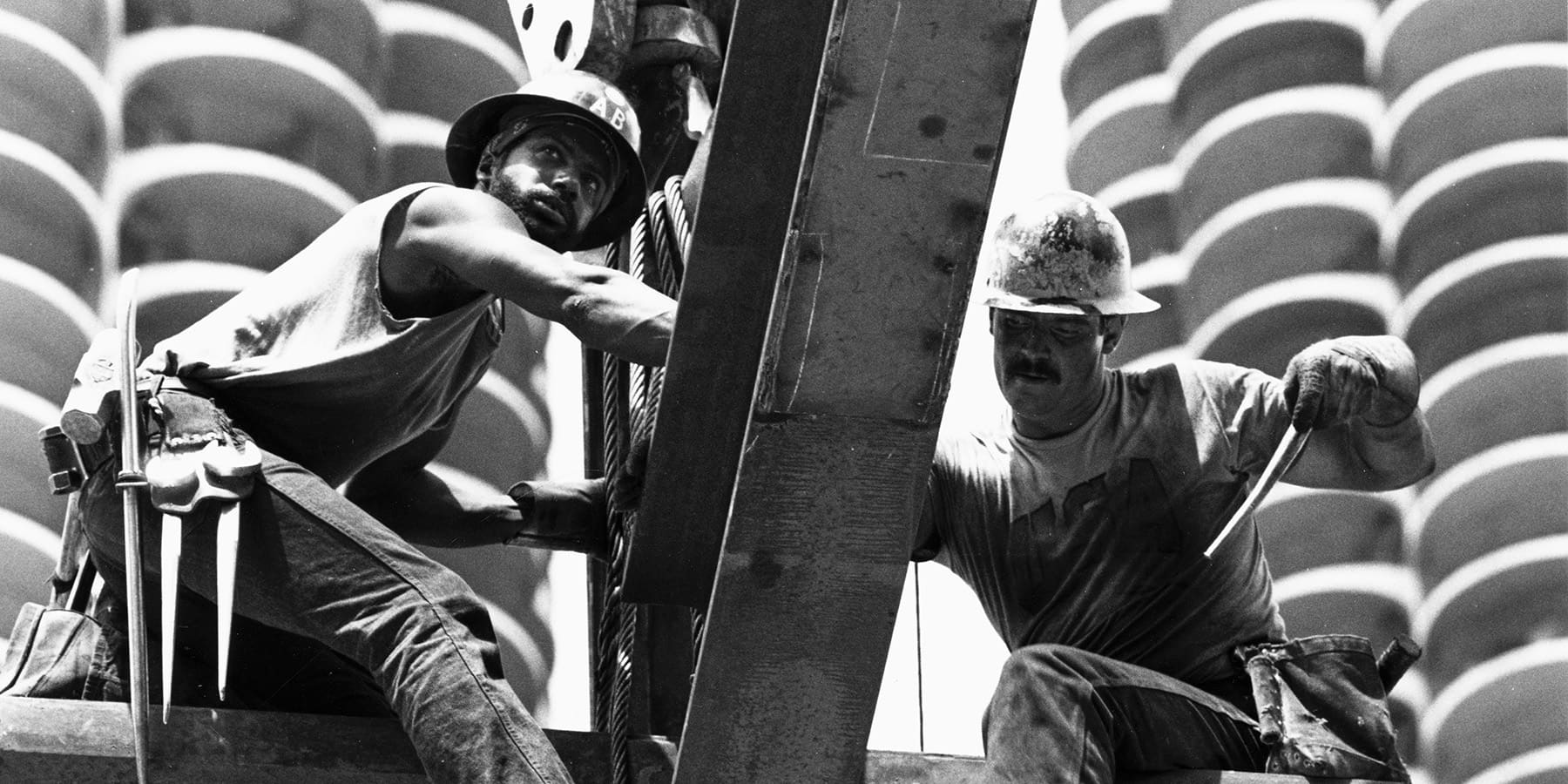
Rising dramatically from the flat Illinois prairie, the Chicago skyline forms a mountain range made of stone, steel, and glass. Since the late 19th century, architects and engineers have repeatedly taken a seemingly impossible idea and made it a towering reality. “Remember, we’ve got this compact downtown,” architecture critic Lee Bey told Chicago Stories. “So there’s no place to go but up. In order to get high, you have to be inventive.” Each skyscraper has a story, and those stories reveal how each generation of Chicago skyscrapers shaped the next, pushing design and engineering to new heights…literally. The result is one of the world’s most recognizable skylines – diverse in materials and styles, photogenic from every angle, and a testament to Chicago’s enduring role as solid ground for architectural innovation.... Read More
Chicago has long played a starring role in the development of the tall building. In the early days, architects such as Louis Sullivan and Dankmar Adler had to overcome mind-boggling obstacles, including the city’s soggy soil. Today, architects must find new ways to grab attention in a dense and intriguing skyline. Chicago architects, engineers, and developers have always met the challenge. Along the way, the city gave the world the first great works of modernism from master Ludwig Mies van der Rohe, as well as the first supertall buildings from Jeanne Gang, one of the world’s great woman architects. Chicago has led the way in skyscraper design and continues to remain at the forefront.